Криптоиндустрия призывает Сенат принять GENIUS Act без правок

cryptonews.ruОпубліковано о 2022-05-03Востаннє оновлено о 2025-06-03

Крупные игроки крипторынка призывают Сенат не затягивать с голосованием по GENIUS Act и не вносить правки. Больше всего опасений вызывают предложения о регулировании комиссий по картам, которые могут затормозить процесс.

Тема обострилась после того, как несколько сенаторов заговорили о возможных поправках. Лоббисты говорят, что закон надо принимать до того, как его начнут менять.

По данным СМИ, голосование может пройти уже на этой неделе. На процедурном этапе, 19 мая, законопроект получил нужное число голосов.

Сегодня сразу четыре криптоассоциации выпустили общее заявление в его поддержку.

Крупнейшие криптоорганизации поддержали принятие GENIUS Act

2 июня Blockchain Association, Crypto Council for Innovation, Digital Chamber и DeFi Education Fund выпустили совместное заявление. Они хотят, чтобы Сенат не тянул с голосованием и как можно быстрее передал законопроект в Палату представителей.

По их словам, пока обсуждаются поправки, важно сохранить фокус: не размывать суть и не отходить от цели, выработать чёткие правила для рынка стейблкоинов.

Интерес к GENIUS Act также усилился со стороны демократов. Некоторые из них ранее отказались поддерживать инициативу из-за связи Дональда Трампа с криптосектором и запуском стейблкоина его платформой. Сейчас они готовы вернуться к обсуждению.

Несмотря на то что у законопроекта уже есть достаточно голосов для продвижения, его прохождение может затормозить спор вокруг поправок о комиссиях по картам.

Читайте также: Новый разворот SEC по крипто-стейкингу: что случилось и почему теперь все в замешательстве

Сенаторы пытаются привязать комиссионный закон к GENIUS Act

Сенаторы Дик Дурбин и Роджер Маршалл добиваются включения в текст GENIUS Act отдельных положений из закона Credit Card Competition Act (CCCA), сообщает Politico. Эти меры предполагают конкуренцию между платёжными сетями Visa, Mastercard и American Express по комиссиям за обслуживание. Банки и эмитенты карт резко выступают против, называя инициативу вмешательством государства.

Криптоинициативы рискуют оказаться под угрозой. Лоббисты опасаются, что принятие GENIUS Act может сорваться из-за поправок. Само голосование стало политически токсичным.

По словам Джеймса Чернявски из либертарианской группы Americans for Prosperity, предложение о комиссиях — это «плохая политика», которая может усложнить доступ к кредиту для обычных граждан.

Кроме того, по данным журналистки Элеонор Терретт, обсуждаются и другие спорные правки:

  • раскрытие активов чиновников, держащих стейблкоины
  • ограничение влияния Трампа и его окружения
  • запрет на участие китайских инвесторов в эмиссии стейблкоинов
  • обновления в рамках правил AML и закона Bank Secrecy Act

По её данным, если компромисс не будет достигнут, процесс может затянуться до 9 июня.

Несмотря на рост политической напряжённости, участники крипторынка надеются, что закон всё же будет принят и обеспечит отрасли чёткие правила работы со стейблкоинами в США.

Читайте также: FTX запускает второй раунд выплат: $5 млрд возвращаются кредиторам
Пов'язані матеріали

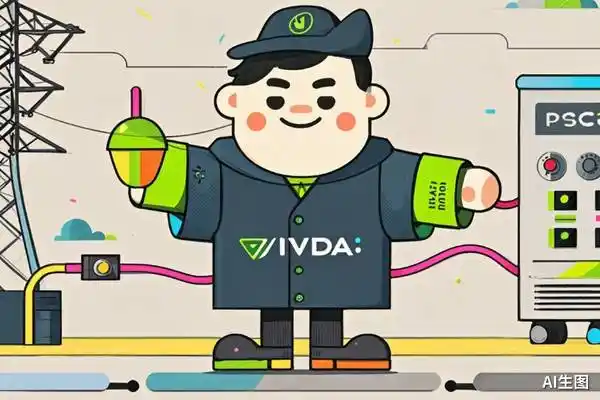
A Chip Company Releases AIDC Energy Storage Certification Standards. Why NVIDIA? Computing Power Reshapes Power Supply Logic. Who's in the Lead and Who's Left Out?

NVIDIA has released a "Battery Energy Storage System Self-Certification Guide," setting strict technical standards for energy storage systems specifically for AI data centers (AIDC). The guide focuses solely on certifying the Power Conversion System (PCS), not the batteries, with 10 mandatory performance metrics and 12 validation tests requiring real-world and simulation comparisons. Key requirements include rapid dynamic response to AI workloads, high-frequency system telemetry, and detailed electromagnetic transient models. The move is driven by the extreme and fluctuating power demands of next-generation AI hardware. Modern AIDCs require energy storage systems to act as intelligent, controllable grid assets, not just passive backup, to manage instantaneous, massive power load shifts that traditional UPS systems cannot handle. This redefines the competitive landscape for energy storage providers, shifting focus from capacity and cost to advanced control capabilities and system integration. While the market potential is significant—with forecasts of hundreds of GWh in new demand by 2030—the certification creates a high barrier to entry. It requires proven PCS delivery volumes and credible plans for rapid capacity scaling, favoring established, well-resourced players. Early movers like Fluence (partnering with Siemens) and several Chinese companies have secured projects ahead of the standard, but new entrants must now navigate this rigorous, costly, and time-intensive certification process to compete in the AIDC energy storage market.

marsbit3 хв тому

A Chip Company Releases AIDC Energy Storage Certification Standards. Why NVIDIA? Computing Power Reshapes Power Supply Logic. Who's in the Lead and Who's Left Out?

marsbit3 хв тому

After Missing the 20x, I've Found a 'Dumb' Method for AI Investing

**Missing the 20x Opportunity: A Simple 'Dumb' Approach to AI Investing** The AI boom, driving NVIDIA's revenue from $60B to $216B in two years, creates immense investment pressure. However, like the internet bubble of 2000, the largest AI opportunities likely lie ahead, perhaps after a correction. Instead of rushing in now or waiting paralyzed for a crash, the author proposes a third way: building a "knowledge warehouse" by systematically mapping the AI industry to be ready when opportunities arise. The core of the strategy is understanding AI's four-layer value chain: 1. **Compute Infrastructure (The "Engine"):** This foundational layer, where all money eventually flows, includes: a) **Chip Design:** NVIDIA's dominance via its CUDA ecosystem, b) **Chip Manufacturing/Packaging/Memory:** TSMC's near-monopoly in advanced manufacturing and SK Hynix's lead in High Bandwidth Memory (HBM), c) **Optical Interconnects:** Essential for large-scale AI clusters (e.g., Lumentum, Coherent), d) **Cooling & Power:** Critical for high-density AI data centers (e.g., Vertiv), e) **Servers/Data Centers & Cloud Platforms:** The physical and virtual wholesale providers. 2. **Models & Tools (The "OS"):** The competitive layer of foundation models (OpenAI, Anthropic, Google, Meta, xAI), now generating real revenue. A key shift is the center of gravity moving from **Training** models to **Inference** (running models), which demands different chip characteristics and could challenge NVIDIA's monopoly. 3. **Middleware & Platform ("The Glue"):** Connects models and applications (e.g., Scale AI, Hugging Face). This layer could explode if applications take off. 4. **Vertical Applications ("The Cash Register"):** Where AI meets end-users (e.g., enterprise AI, coding tools, medical AI, robotics). A critical cross-cutting constraint is **Energy**, as AI's massive power consumption drives investment in nuclear and other energy infrastructure. The author identifies four key questions for further research: 1) How will the shift from Training to Inference reshape the competitive landscape? 2) With tech giants spending over $600B on capex, where is the ROI from AI applications? 3) What are the under-the-radar opportunities in the "second" and "third" circles of the value chain (e.g., cooling, specialty foundries)? 4) How will geopolitics (e.g., U.S.-China chip restrictions) bifurcate the supply chain? The conclusion is that missed opportunities stem from insufficient research, not slow timing. By methodically studying each layer—its business models, competition, and valuations—investors can build the "killer intuition" needed to act decisively when the market presents its chance.

marsbit24 хв тому

After Missing the 20x, I've Found a 'Dumb' Method for AI Investing

marsbit24 хв тому

Торгівля

Спот
Ф'ючерси
活动图片