Believe生态引爆加密圈:六大代币的逆天狂飙

marsbitОпубліковано о 2025-05-13Востаннє оновлено о 2025-05-14

技术2025年5月14日,Believe生态代币掀起热潮,LAUNCHCOIN、DUPE、BSCREENER、GIGGLES、NOODLE和SuperFriend在24小时内市值暴涨,点燃了加密市场的热情。作为Web3社交金融(SocialFi)的先锋,Believe以X平台为引擎,通过创新的代币发行机制重塑了项目融资的范式。然而,这一切的起点却是2024年的Clout——一个因技术崩盘和信任危机而几近湮灭的平台。Clout如何从“归零”到“秽土转生”为Believe?答案在于创始人Ben Pasternak的战略转向:从“个人影响力”的投机游戏,到“价值投资”的生态重构。2025年4月28日,Clout更名为Believe,删除了所有历史推文,宣布“Believe in Something”,标志着理念的升华和技术升级。如今,Believe生态以LAUNCHCOIN为核心,孕育出多维度项目,展现了Web3的无限可能。本文将深入剖析六大代币,揭示它们的独特逻辑、市场驱动力及未来前景。

推荐阅读:谷底暴涨100倍!死灰复燃的PASTERNAK能引领SocialFi热潮吗

LAUNCHCOIN:生态基石的涅槃重生
技术

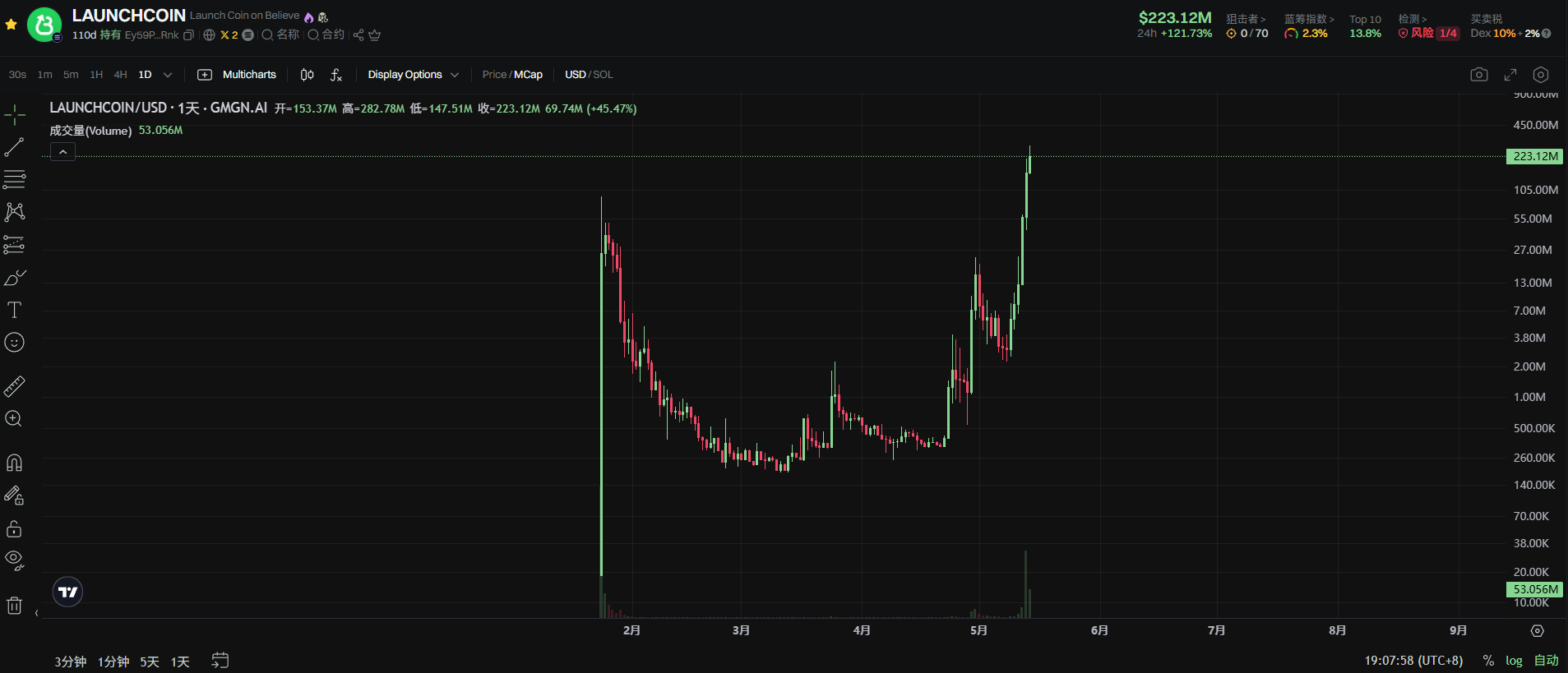
市场表现:5月14日,LAUNCHCOIN(原$PASTERNAK)24小时暴涨超250%,市值达2.7亿美元。其历史波动惊人:从20万美元低谷到2亿美元巅峰。

深度剖析:LAUNCHCOIN是Believe生态的命脉,其更名自$PASTERNAK不仅是品牌重塑,更是Clout到Believe转型的缩影。Clout时期,$PASTERNAK依托Pasternak的个人魅力,试图将“社交影响力”资产化,首发即达8000万美元市值,却因App崩溃和代币无法交易而崩盘。Believe时代,LAUNCHCOIN成为代币发行工具“Launchacoin”的核心,承担交易费用、治理投票和社区激励功能。

其暴涨得益于Believe的X平台整合:用户通过@launchacoin发布项目,触发代币生成,社交传播放大市场情绪。链上数据显示,LAUNCHCOIN的交易量中有40%来自KOL推动,凸显社交驱动的威力。然而,高波动性也带来风险:FOMO与FUD交织,交易者“DNF”通过在2500万和28万美元市值抄底,最终获利130万美元,展现了其“高风险高回报”的特性。

差异化定位:LAUNCHCOIN是Believe的“信任锚”,类似以太坊之于DeFi,其价值与生态繁荣直接挂钩。

风险与前景:短期内,社交热潮可能推高价格,但长期稳定需靠优质项目支撑。Believe需优化动态债券曲线(Dynamic Bonding Curve)算法,降低投机波动。若生态持续扩张,LAUNCHCOIN或成SocialFi标杆。


DUPE:社交共识的“轻量化”试验
技术

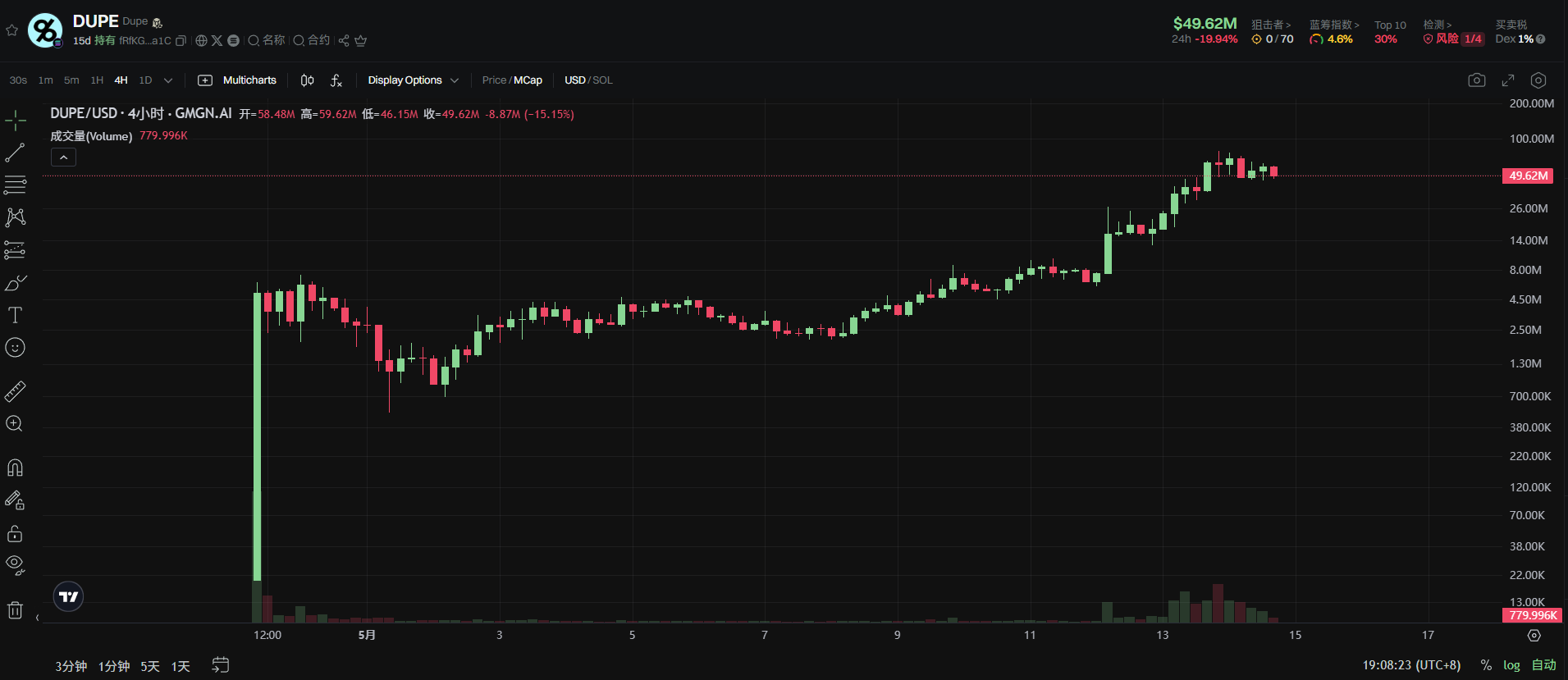
市场表现:DUPE 24小时上涨78%,市值5000万美元,成为潜力新星。

深度剖析:DUPE是Believe“社区经济”的试验场,其崛起源于X平台的病毒式传播。用户发布创意,社区投票,代币即可上线,这种“去中心化众筹”模式让DUPE迅速积累关注。相比LAUNCHCOIN的平台属性,DUPE更像一个“共识实验”:缺乏明确用例,却凭借KOL背书和散户热情成为热点。

链上数据揭示其风险:交易量集中于少数地址,持币前10名控制60%流通量,暗示价格易被操控。社区讨论多聚焦“短期翻倍”,而非长期愿景,反映其投机属性。

差异化定位:DUPE代表Believe的“轻量化”路径,适合快速验证市场需求的创意,与NOODLE等技术项目形成互补。

风险与前景:DUPE需从“社交热炒”转向实际应用。Believe可为其提供智能合约模板或跨链桥,明确功能定位,否则可能沦为泡沫。未来,若能接入Web3社交协议,DUPE或成社区驱动的典范。


BSCREENER:投机狂潮的流量引擎
技术

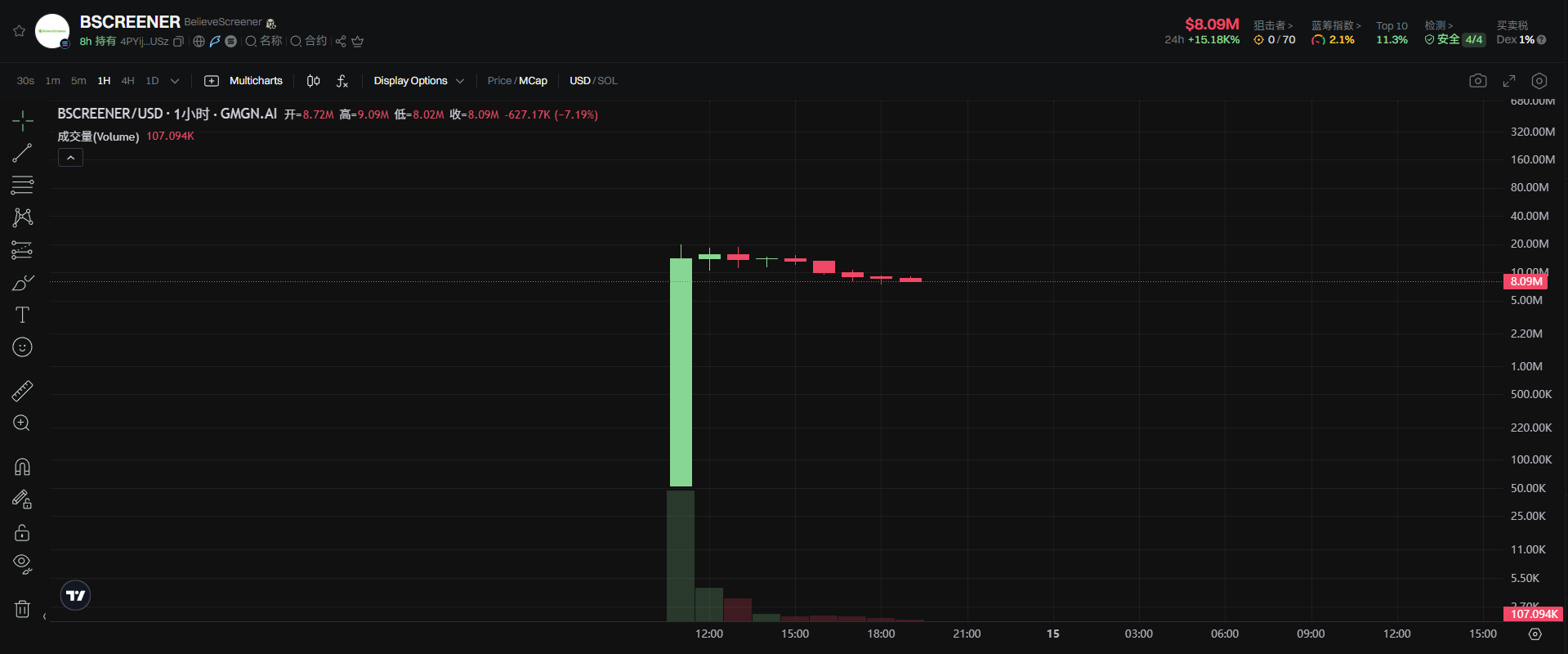
市场表现:BSCREENER 24小时暴涨31,170%,市值1794万美元,堪称“流量奇迹”。

深度剖析:BSCREENER是Believe投机属性的极致体现,其涨幅由纯市场情绪驱动。用例近乎空白,却因Believe的动态债券曲线机制和X平台的传播效应成为“热搜代币”。该机制通过虚拟曲线定价,确保低成本高效率的代币发行,但也放大了投机空间。

链上数据显示,BSCREENER的交易量中有70%来自短线炒作,持币集中度高,前20地址控制80%流通量。这种“快进快出”模式使其更像赌场而非项目。社区讨论充满“10倍预期”,却鲜有实质规划。

差异化定位:BSCREENER是生态的“流量担当”,吸引新用户和资金,为其他项目创造曝光,与SuperFriend的技术导向形成对比。

风险与前景:BSCREENER注定“盛极而衰”。Believe需通过项目筛选和信息披露,减少类似代币的负面效应。其教训可能推动平台强化审核机制,平衡投机与价值。


GIGGLES:迷因文化的“社交货币”
技术

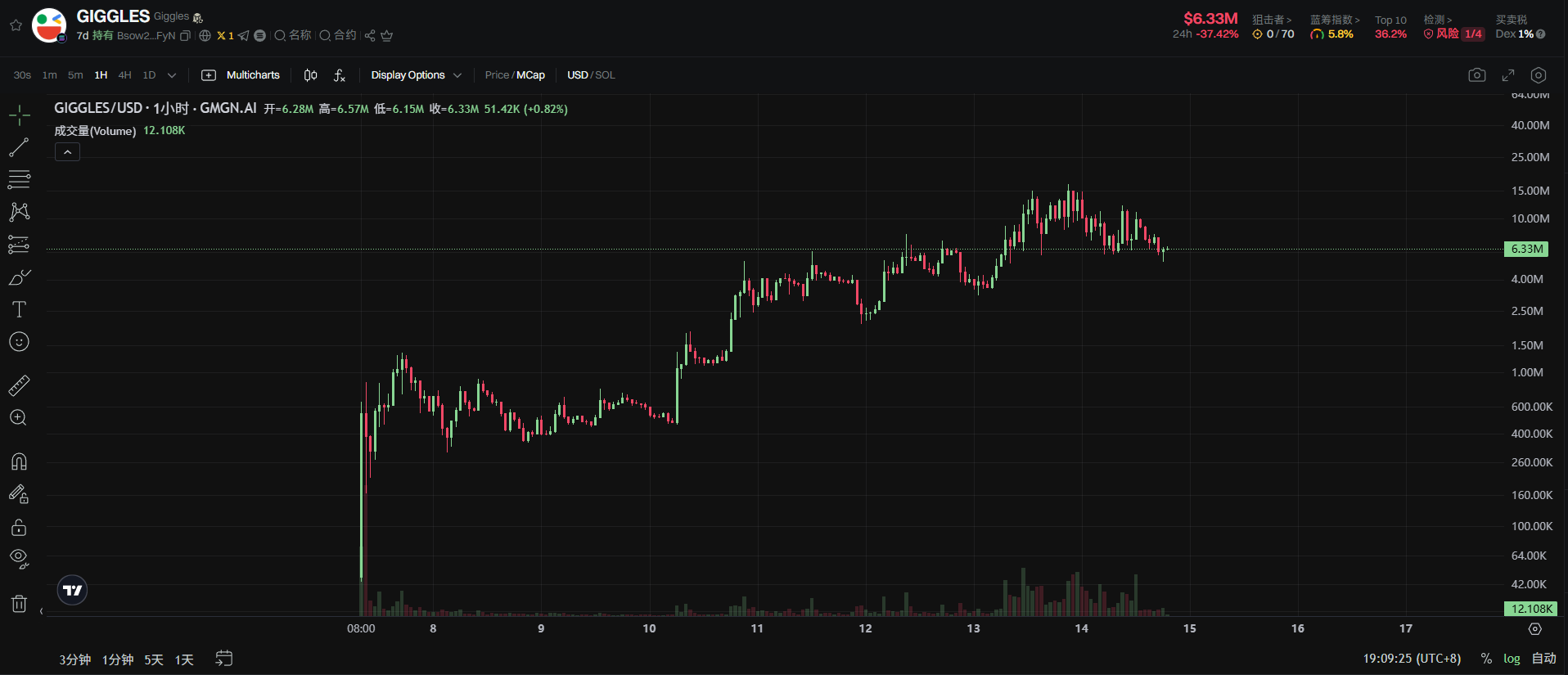
市场表现:GIGGLES 24小时上涨34%,市值630万美元,代表迷因币热潮。

深度剖析:GIGGLES是Believe对迷因文化的精准捕捉,其品牌以幽默为核心,迎合Z世代的“娱乐化投资”偏好。Believe的2%交易费用机制(1%创作者,0.1%早期支持者,0.9%平台)为GIGGLES的社区运营提供资金,X平台上的表情包和短视频传播进一步放大其影响力。

与BSCREENER的纯投机不同,GIGGLES的文化属性增强了社区粘性。链上数据显示,其持币地址分布较均匀,散户占比70%,表明其吸引了真实粉丝而非纯炒家。社区自发的迷因创作使其不仅是资产,更是一种“社交货币”。

差异化定位:GIGGLES是生态的“文化先锋”,降低加密市场门槛,与LAUNCHCOIN的平台属性互补。

风险与前景:迷因币生命周期短,GIGGLES需通过NFT或线上活动延长热度。Believe可促成其与Web3游戏或社交平台合作,提升文化影响力,打造“迷因经济”标杆。


NOODLE:游戏与区块链的先锋融合
技术

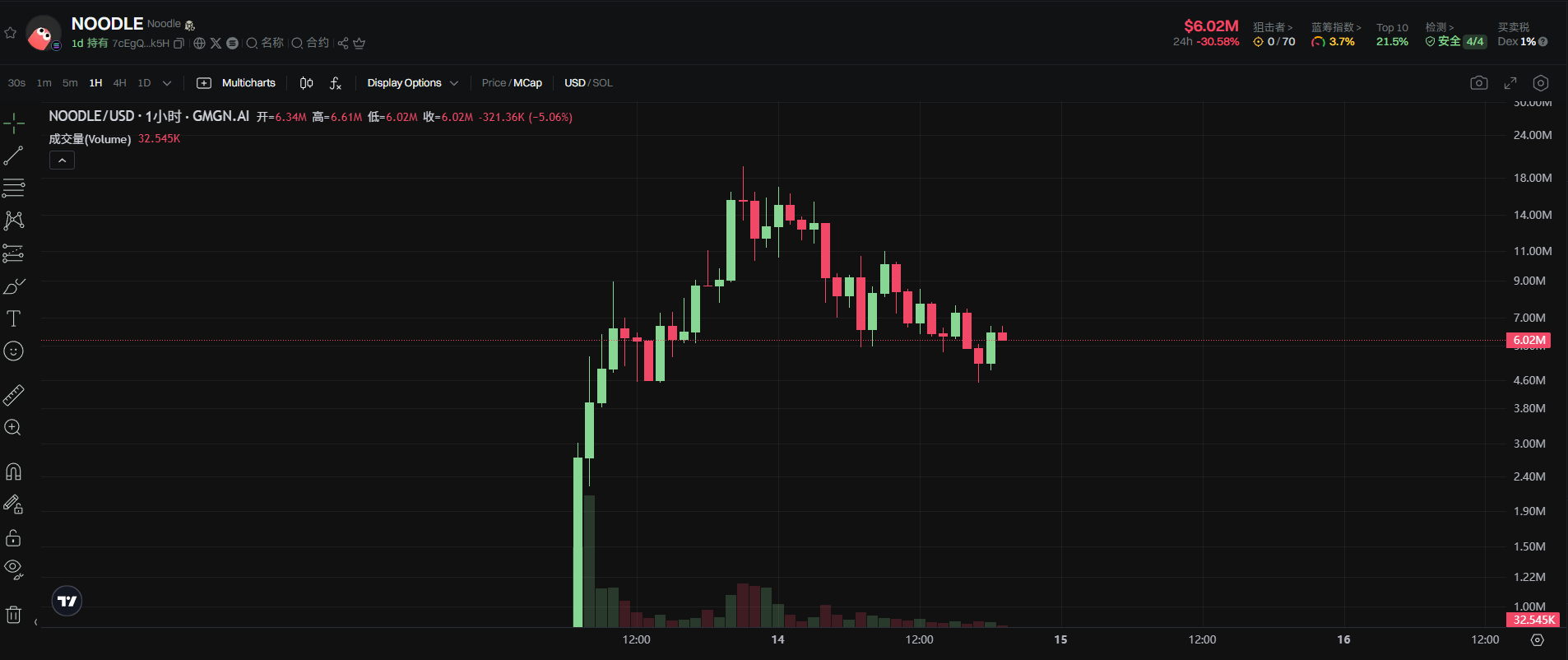
市场表现:NOODLE由Alex Leiman推出,峰值市值2000万美元,表现稳健。

深度剖析:NOODLE是Believe从“流量经济”到“价值投资”的代表。作为区块链游戏,NOODLE通过“Play-to-Earn”模式激励玩家,其Alpha版已获好评。Alex Leiman利用Believe的代币发行工具筹集资金,通过X平台推广游戏概念,吸引了游戏爱好者。

NOODLE的技术优势在于与Solana的整合。Solana的高吞吐量支持游戏内微交易,链上数据显示,NOODLE的持币地址分散,60%为长期持有,反映玩家而非投机者的支持。相比BSCREENER的短线热炒,NOODLE更注重产品落地。

差异化定位:NOODLE是生态的“技术标杆”,代表功能性项目的未来,与GIGGLES的文化属性形成平衡。

风险与前景:NOODLE的挑战在于开发进度和用户体验。Believe可通过与GameFi KOL或元宇宙平台合作,扩大其玩家基础。未来,若接入NFT市场,NOODLE或成Believe的明星项目。


SuperFriend:Web3开发者的技术绿洲
技术

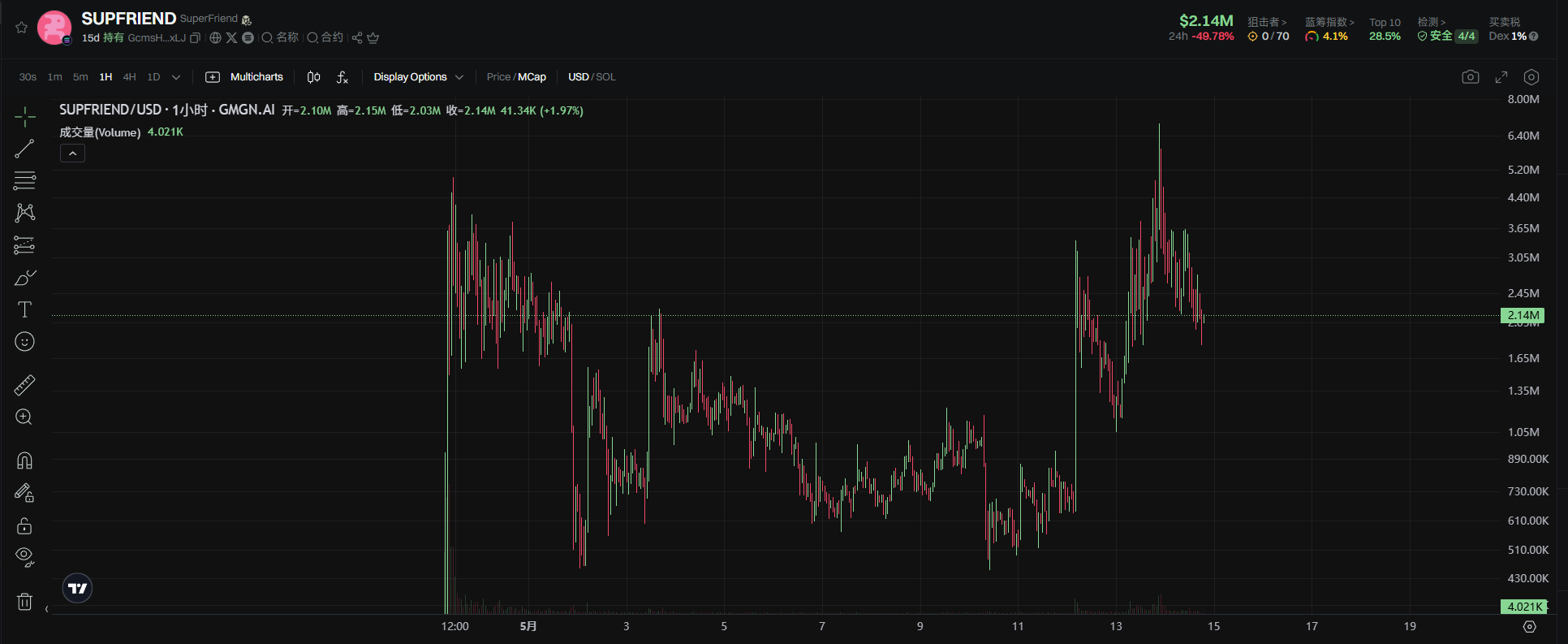
市场表现:SuperFriend由Helena Zhang创建,市值250万美元,表现平稳。

深度剖析:SuperFriend是Believe最具技术含量的项目,旨在打造可视化代码仓库交互工具,类似“Web3版GitHub”。Helena Zhang通过Believe筹集种子资金,X平台上的技术讨论吸引了Rust和Solidity开发者。其Demo版展示的代码可视化功能,已获早期用户好评。

SuperFriend的目标用户是开发者,而非散户,这使其在生态中独树一帜。Believe的交易费用机制为其提供持续资金,链上数据显示,其持币者多为技术背景地址,投机者占比低。

差异化定位:SuperFriend是生态的“技术孵化器”,支持高门槛项目,与DUPE的社区驱动形成对比。

风险与前景:SuperFriend面临开发周期长和竞争压力(如GitHub)。Believe可通过与Web3技术社区合作,提供资源支持。若成功上线,它或成开发者工具领域的黑马。


Believe生态的机遇与挑战

Believe生态的六大代币展现了Web3的多样性:LAUNCHCOIN锚定信任,DUPE和BSCREENER驱动流量,GIGGLES点燃文化,NOODLE和SuperFriend探索技术。X平台的社交传播和动态债券曲线机制降低了发行门槛,2%费用结构激励了协同发展。

机遇:Believe通过“全民创业”模式,赋予普通人Web3创新的机会。与Solana的整合提供了技术保障,吸引了从迷因到技术的多元项目。

挑战:投机性代币的泡沫风险可能损害信誉,功能性项目的落地需更多资源。Believe需强化项目审核和技术支持,平衡短期热炒与长期价值。


结语:Believe的Web3征途

从Clout的灰烬到Believe的崛起,这场“秽土转生”不仅是技术的重塑,更是理念-dot-理念的升华。LAUNCHCOIN、NOODLE、SuperFriend等六大代币构成了Believe的多维生态,展现了Web3的无限可能。Believe不仅是融资的舞台,更是信任与创新的试验场。未来,它能否在投机与价值的博弈中脱颖而出,成为Web3的“硅谷”?答案或许就在这六大代币的征途中。
Пов'язані матеріали

Will History Repeat Itself? Fidelity Lists Five Catalysts to End the Crypto Winter

Fidelity's new report suggests that the current crypto winter for Bitcoin may be nearing its end, identifying five potential catalysts that could drive a market turnaround based on historical patterns. First, Bitcoin's approximately four-year cycle, driven by its halving mechanism, historically marks peaks and troughs. The last bottom was in November 2022, potentially pointing to the next around November 2026, though cycle length can vary. Second, clearer regulation has often preceded past bull markets. The focus is now on the CLARITY Act, which aims to clarify US digital asset oversight between the SEC and CFTC. Its passage could unlock domestic activity currently held back by legal uncertainty. Third, Federal Reserve monetary policy plays a role. A shift to lower interest rates tends to correlate with rising crypto prices by reducing borrowing costs and boosting risk appetite, though markets may price this in well ahead of any official change. Fourth, the emergence of breakthrough applications can fuel investor interest. Current trends like real-world asset tokenization, AI-related crypto infrastructure, and stablecoins are being watched, but history shows the biggest catalysts are often unexpected. Fifth, a new wave of institutional adoption could be a trigger. While ongoing adoption in 2026 hasn't sparked a new bull run, a major unexpected move—like a significant purchase by a tech giant or adoption as a hedge in a global crisis—could create a powerful new narrative. Fidelity concludes that while the market is in a downturn, historical turning points have often resulted from a combination of such factors, and the next phase for Bitcoin may depend on which of these catalysts materializes first.

Foresight News5 хв тому

Will History Repeat Itself? Fidelity Lists Five Catalysts to End the Crypto Winter

Foresight News5 хв тому

US CFTC Launches Broad Investigation into Polymarket, Is the Prediction Market Party Coming to an End?

The U.S. Commodity Futures Trading Commission (CFTC) is conducting a broad investigation into the prediction market platform Polymarket, focusing on its business practices including social media promotions. This follows a bipartisan letter from U.S. senators urging the CFTC to probe alleged fraudulent marketing tactics used to promote gambling-like products. The action coincides with a period of explosive growth for the prediction market sector, driven by events like the World Cup, with platforms like Kalshi and Robinhood reporting record trading volumes and revenue. The investigation signals a potential end to the sector's unregulated expansion and may lead to clearer federal oversight, particularly regarding investor protection and distinguishing prediction markets from traditional sports betting. The CFTC's move has also intensified a jurisdictional conflict with multiple U.S. states (including Kentucky and New York), which have sued platforms like Polymarket and Kalshi, accusing them of operating illegal sports betting and threatening state gambling tax revenues. Furthermore, the CME Group has sued the CFTC, challenging its approval of certain prediction market products. The report also highlights the political and capital interests intertwined with the industry. Donald Trump Jr. holds advisory and investment roles in both Kalshi and Polymarket, and the Trump administration has previously emphasized federal regulatory authority over these markets. The CFTC's investigation into Polymarket is framed as a step towards formalizing the industry's regulatory landscape, moving it from a phase of "wild growth" towards a more structured future.

marsbit2 год тому

US CFTC Launches Broad Investigation into Polymarket, Is the Prediction Market Party Coming to an End?

marsbit2 год тому

U.S. CFTC Launches Extensive Investigation into Polymarket, Is the Prediction Market Frenzy Season Cooling Down?

The U.S. Commodity Futures Trading Commission (CFTC) has launched a broad investigation into the prediction market platform Polymarket, focusing on its business practices including social media activities. This follows a bipartisan letter from U.S. senators urging the CFTC to probe allegations of paid influencer false marketing and fraudulent promotion of gambling-like products to American users. The investigation comes as the prediction market sector experiences explosive growth, largely driven by the World Cup. Weekly trading volumes have hit record highs, exceeding $14.4 billion, with platforms like Kalshi and Robinhood's new venture seeing significant activity. Major firms like Meta are also showing interest in the space. This regulatory scrutiny signals a potential end to the sector's "wild growth" phase. The CFTC's move also highlights an escalating jurisdictional conflict between federal regulators and state authorities. Over a dozen states, including Kentucky and New York, have sued platforms like Polymarket and Kalshi, accusing them of operating illegal sports betting, which threatens state gambling tax revenues. The CFTC is countersuing to assert its exclusive federal jurisdiction over these "event contracts" as derivatives. Furthermore, the CFTC's approval of Kalshi's Bitcoin perpetual futures contract has sparked a lawsuit from traditional exchange CME, alleging regulatory overreach. The political and capital landscape is intricate, with Donald Trump Jr. holding advisory roles and investments in both Kalshi and Polymarket. This connects capital, political influence, and regulatory bodies, suggesting the current investigation may be a step toward formalizing the industry's rules rather than halting its progress.

Odaily星球日报2 год тому

U.S. CFTC Launches Extensive Investigation into Polymarket, Is the Prediction Market Frenzy Season Cooling Down?

Odaily星球日报2 год тому

Торгівля

Спот
活动图片