Хакер SEC гуглил «проводит ли ФБР расследование против меня»

cryptonews.ruОпубліковано о 2021-12-14Востаннє оновлено о 2025-05-14

Эрик Каунсил-младший, хакер, занимающийся подменой SIM-карт, который помог взломать аккаунт X Комиссии по ценным бумагам и биржам в прошлом году, заработал 50 000 долларов, выполняя аналогичные атаки, и даже пытался узнать, расследует ли его ФБР, как показывают недавние документы.

Недавние документы были частью ходатайства прокурора о приговоре хакеру к двум годам тюрьмы за его роль во взломе, в результате которого на аккаунте SEC X было опубликовано ложное объявление об одобрении биржевого фонда биткоина, что потрясло рынки.

Каунсил искал:

«Как я могу точно узнать, ведет ли ФБР расследование в отношении меня» и «Сколько времени требуется, чтобы удалить учетную запись Telegram», — обнаружили прокуроры США после обыска его дома, машины и устройств в июне прошлого года, согласно судебному иску от 12 мая.

Хотя чаты Каунсила в Telegram были настроены на удаление через две недели, прокуроры США все же обнаружили те, в которых обсуждались замены SIM-карт с другими лицами, предположительно находящимися за границей.

Каунсил также признался правоохранительным органам, что получил около 50 000 долларов за выполнение замены SIM-карт для клиентов в период с января по июнь 2024 года. Он рекламировал себя как эксперта по замене SIM-карт в Telegram под именем easymunny, предлагая услуги за плату от 1200 до 1500 долларов.

Как Эрик Каунсил-младший провернул взлом, а затем был пойман

Каунсил осуществил замену SIM-карты, создав поддельные документы, удостоверяющие личность, чтобы специально выдать себя за человека, которого его сообщники определили как имеющего доступ к учетной записи SEC на X.

Эти поддельные документы затем использовались для того, чтобы обмануть сотрудника телекоммуникационной компании AT&T, заставив его переназначить номер телефона жертвы на SIM-карту Каунсила.
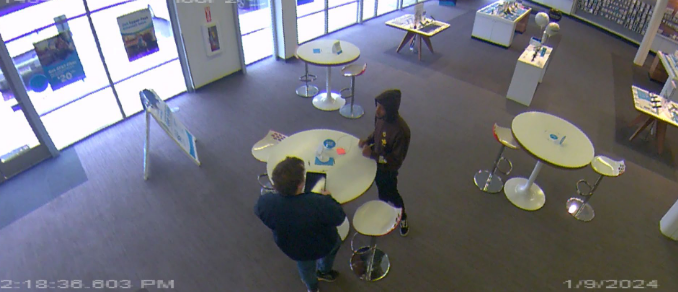

Каунсил в магазине AT&T 9 января 2024 года. Источник: Правительство США

Каунсил должен был предоставить последние четыре цифры номера социального страхования жертвы и водительские права, чтобы осуществить замену SIM-карты.

Затем он купил новый iPhone в магазине Apple в Алабаме, вставил новую SIM-карту и поделился кодами доступа к учетной записи X SEC со своими сообщниками, которые позже опубликовали фейковые новости о спотовых биткоин-ETF 9 января. Спотовые биржевые фонды биткоина (Bitcoin ETF) получили официальное одобрение на следующий день.

Каунсил получил оплату за замену SIM-карты SEC в биткоинах и других криптовалютах, заявили прокуроры.

Однако удача Каунсила закончилась 12 июня 2024 года, когда агенты наблюдения заметили, как он пытался выполнить замену SIM-карты в магазине Apple, выдавая себя за другую жертву.

Правоохранительные органы оформили ордер на обыск шесть дней спустя и обнаружили несколько косвенных улик, включая шаблоны для поддельных удостоверений личности на его ноутбуке.
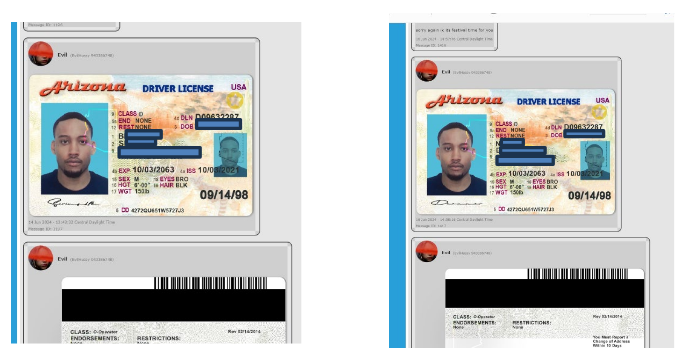

Два поддельных документа, удостоверяющих личность, обнаружены в аккаунте Telegram Каунсила. Источник: Правительство США

Он признал себя виновным 10 февраля после того, как федеральное большое жюри вынесло обвинительное заключение, обвиняющее его в сговоре с целью совершения усугубленной кражи личных данных и мошенничестве с устройствами доступа в октябре прошлого года.

Поддельный пост собрал более 1 миллиона просмотров примерно за 15 минут, прежде чем SEC подтвердила, что аккаунт агентства был взломан.

Два объявления привели к тому, что цена биткоина изначально выросла на 1000 долларов, а затем резко упала почти на 2000 долларов вскоре после этого, уничтожив рыночные позиции на десятки миллионов долларов.

Команда безопасности X подтвердила, что на момент инцидента SEC не установила двухфакторную аутентификацию на своем аккаунте X. SEC заявила, что изначально 2FA была включена, но была ошибочно удалена службой поддержки X после запроса сотрудника SEC.


Пов'язані матеріали

Ethereum Is Retracing the Path of the Internet and Linux: No One Yields, and the Neutral Party Ultimately Prevails

This article argues that Ethereum is following the historical path of open, neutral systems like the Internet and Linux, which eventually triumphed over proprietary, centrally-controlled alternatives. Major financial institutions like JPMorgan, Stripe, and Circle are building their own proprietary blockchains or networks (e.g., Tempo, Arc), but will never agree to build on a competitor's controlled infrastructure. This creates the perfect opportunity for Ethereum as the only neutral, credibly neutral settlement layer that no single entity controls. The piece draws parallels to the 1990s, when experts like Bill Gates predicted proprietary networks (from Microsoft, Oracle) would win over the open Internet, and when Sun Microsystems' Unix lost to the open-source "bazaar" development model of Linux. This model, described in Eric Raymond's "The Cathedral and the Bazaar," thrives on permissionless innovation where countless contributors improve the system, outpacing any centralized competitor. Ethereum embodies this through its decentralized development, broad validator distribution, and credible neutrality—rules that are transparent, equally applied, hard to change, and open to all. This has attracted over a million developers and major institutions like Coinbase, BlackRock, and JPMorgan, who choose Ethereum for its security, ecosystem, and sovereignty (the inability of any single party to change the rules). While proprietary chains offer initial speed and control, they inherit the downsides of both centralization and decentralization without the long-term innovation benefits. The article concludes that, just as open systems historically win, Ethereum is poised to become the foundational, neutral settlement layer for global finance.

marsbit2 хв тому

Ethereum Is Retracing the Path of the Internet and Linux: No One Yields, and the Neutral Party Ultimately Prevails

marsbit2 хв тому

Kalshi's Biggest Rival is Not Polymarket

Kalshi's CEO Tarek Mansour has identified the company's primary competitors not as the crypto-based prediction market Polymarket, but as established financial and gaming giants: CME Group, Robinhood, and DraftKings. This reflects a shift in the prediction market landscape, where the 2026 FIFA World Cup is expected to bring massive new trading volume. Traditional platforms are increasingly integrating prediction markets as a feature within their existing ecosystems. Robinhood has seen rapid growth with its prediction markets, contributing significantly to its "other transaction revenue." Similarly, Interactive Brokers (IBKR) integrates contracts from Kalshi and CME Group, while DraftKings and FanDuel (via CME) have launched their own prediction products. This allows these firms to leverage their vast user bases and infrastructure at low marginal cost, turning prediction markets from standalone apps into embedded functionalities. In response, prediction market platforms are evolving along two paths. First, they are expanding into new event categories like sports (e.g., the World Cup) and financial data to reduce reliance on election cycles. Second, they are moving towards becoming infrastructure and liquidity providers for distribution platforms. Kalshi's lead over Polymarket in trading volume is partly attributed to this channel strategy, integrating with brokers like Robinhood, Coinbase, and Webull. However, this strategy faces a challenge as distributors like Robinhood begin building their own in-house prediction market capabilities (e.g., Rothera), potentially threatening the value of pure infrastructure providers. The situation parallels historical tech battles, such as Zoom competing with Microsoft Teams and Google Meet, where embedded features in larger platforms reshape market dynamics. The future of standalone prediction market leaders like Kalshi and Polymarket will depend on their ability to navigate this new competitive landscape dominated by integrated financial and gaming titans.

链捕手9 хв тому

Kalshi's Biggest Rival is Not Polymarket

链捕手9 хв тому

Trends in US Stocks (June 22): Strait of Hormuz Agreement Changes Course, Thursday's PCE and Micron to Determine Chip Sector Direction

U.S. Stock Market Outlook (June 22): Strait of Hormuz Deal Falters, Thursday's PCE & Micron to Set Chip Sector Direction. Geopolitical tensions resurged over the weekend as Iran's IRGC announced the closure of the Strait of Hormuz, and its negotiation team walked out after threats from Trump, pausing U.S.-Iran talks. This renewed risk premium is weighing on U.S. equity futures ahead of the open. Last week's market was driven by chip stocks, with the Philly Semiconductor Index hitting a record high. While the Fed's hawkish tone was overshadowed by initial deal optimism, the S&P 500 gained 0.9% for the week. SpaceX debuted strongly but ended with two down days. Key events this week: The status of U.S.-Iran negotiations remains the immediate variable for oil and energy stocks. Monday sees Marvell and Flex added to the S&P 500. Tuesday's MSCI reclassification could benefit South Korean semiconductors and memory stocks. **Thursday, June 25th, is the critical day**, featuring the May Core PCE report and Micron's earnings. Hotter PCE data could solidify expectations for two 2024 rate hikes, while softer data would rapidly reprice rate cut bets. Micron's report is a key test for the AI narrative; the market will scrutinize its 2027 HBM supply visibility, HBM4 progress, and its position in Nvidia's Vera Rubin supply chain. Nvidia's AGM and a potential OpenAI GPT-5.6 release will make Thursday a pivotal 24 hours for AI. Friday concludes with the Russell reconstitution, elevating small-cap volatility. In summary, last week's gains face a true test. The path hinges on two concurrent threads: geopolitical developments with Iran and the AI narrative defined by Micron's guidance and Nvidia's updates. The chip sector's record highs are vulnerable if Thursday brings hot PCE data and conservative guidance from Micron. Conversely, positive outcomes could reaffirm the AI bull case, making this week's volatility a potential entry window.

marsbit1 год тому

Trends in US Stocks (June 22): Strait of Hormuz Agreement Changes Course, Thursday's PCE and Micron to Determine Chip Sector Direction

marsbit1 год тому

Торгівля

Спот
Ф'ючерси
活动图片