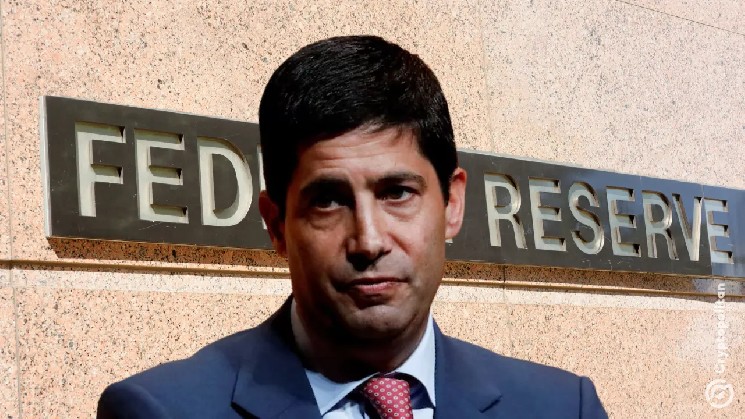
DAO is the major concept for 2022 that will disrupt many industries

CointelegraphОпубліковано о 2022-02-27Востаннє оновлено о 2022-02-27

Анотація

The blockchain and cryptocurrency rave is not ending anytime soon. And as more people are being introduced to revolutionary technologies in the digital space, new improvements upon these technologies are also being introduced.

The blockchain and cryptocurrency rave is not ending anytime soon. And as more people are being introduced to revolutionary technologies in the digital space, new improvements upon these technologies are also being introduced. In the last couple of years, the DeFi and NFT industries have experienced immense levels of growth and, currently, metaverses and Web3 are the technologies making the digital space light up. 
It is not yet clear where these disruptive technologies will lead us, but we are sure that there will be much value up for grabs. At the convergence of Web3 and NFTs lie many platforms looking to leverage technology and infrastructure to make the NFT ecosystem more decentralized, structured and community-driven.
Using both social building and governance, the decentralized autonomous organization disruption is a notch higher. The DAO is one major invention that is challenging current systems of governance. Utilizing NFTs, DAOs are changing our perspective of how organizations and systems should be run, and they put further credence to the idea that the optimal form of governance does not have to do with hierarchical structures.

With the principal-agent problem limiting the growth of organizations and preventing agents from feeling like part of a team, you can see why the need for decentralized organizations fostering community-inclusion is paramount.
Is there something you would change about your current organization if given the chance? Leadership? Structure? Payment system? What if your current organization could help you feel like a more valid part of the team by reducing the disparity between the principals and staff? Or, better put: What if you get to be a part of your organization's governance? Sound interesting? This is what we’ll be discussing here.
Understanding DAOs
From its name alone, you can probably get an idea of what a decentralized autonomous organization is. A DAO is an organization that is focused on a specific mission, and its members work in coordination according to a shared set of rules encoded on a blockchain. The major purpose of the decentralized autonomous organization is to help eradicate a significant problem in many conventional organizations — the principal-agent problem.

As the popular English phrase goes, two’s company; three’s a crowd. Organizations need a more hands on deck. But with each new person joining the team, there is bound to be some divergence of interest, priorities and goals. This often results in parties making some selfish choices. DAOs avoid this problem by existing as a trustless system, removing the need for centralized leadership.
Related: DAOs are meant to be completely autonomous and decentralized, but are they?
There are a few criteria that a company must meet before it can be considered a decentralized autonomous organization. The governing rules and policies need to be set up as a smart contract on a blockchain — this helps to remove the need for a central authority, and it also prevents any party from making decisions that are different from the organization's initial goal. The treasury of the organization must be accessible only with the consent of the whole group, or at least a predefined percentage.
A brief history of DAOs
The earliest application of DAOs did not go well simply because stakeholders did not put a standard precautionary measure in place. Created in early 2016, the first DAO was called, simply, The DAO. It was an open-source framework focused on venture capitalism. It became an instant success, raking in over $250 million worth of Ether (ETH) — note that ETH was priced at around $20 at this time.
This huge success did not last long, as a bug exploitation attack left The DAO reeling from a loss of roughly 3.6 million ETH in mid-2016. It didn't recover. Since then, several attempts have been made to run a successful DAO, and many more are being created at this very moment. (The Faith Tribe, discussed later in this article, is one of the closest to full decentralization.) The success of a DAO lies in the strength of its smart contract. And, as an investor, you should spend time looking through the smart contract’s open-source code to check for any red flags or abnormalities.
Related: The evolution of DAOs and why they are expected to take hold in 2022
How does a DAO work?
Any DAO is premised on three major things:

  • The smart contracts involved.
  • The set of rules known to all members.
  • A token that can be spent within the system for rewards.

The smart contract holds the rules and nitty-gritty of the DAO, ranging from a roster of its members, the amount invested, who the majority stakeholders are, the workflow, and the reward mechanism. The other two aspects depend on this important facet, as a faulty smart contract puts the project at risk. Any upgrade would also need votes from all its members, so it is important to get it right from the start.
Encoded in the smart contract is a token. The token is useful in allocating rights and incentives to the organization members. The DAO involves everyone in its mission, but members have different levels of benefits based on different input values.
Notable advantages of using a DAO:

  • The autonomous structure of DAOs makes them open to transparency. The concept of decentralization has fostered the idea of trust and, with DAOs, you don't need to be worried about the people behind the organization and whether or not there's an ulterior motive. The template everyone is judged by is the smart contract, and every transaction is immutably recorded on the blockchain.
  • There is no long, arduous process required to accept innovations with no central authority. With DAOs, innovations do not need to pass through different hierarchies before they get to those with the authority to make decisions. Anyone can make a suggestion, and the fact that these suggestions come at a fee encourages more well-researched and thought-out ideas, not just random, vague ones.
  • DAOs solve the principal-agent problem. There is no power play as members see themselves as equally responsible for the organization's progress. Everyone is responsible for the organization's direction, and if there is to be a change in the trajectory, it has to come with the consent of everyone on board.

Disadvantages of using a DAO:

  • The major disadvantage of the DAO is that it needs everyone to be involved. (Wait! I know you're thinking: "Isn't that supposed to be an advantage?") Yes, there are times when the codes written for the smart contracts are buggy and have loopholes, and getting the whole organization to agree on how to rectify those issues becomes a time-consuming process. Knowing that hackers can operate more effectively given ample time, this can cause huge problems.
  • The legal terrain for DAOs is still subject to the regulatory frameworks of different nations. Since the DAO itself is not bound by borders, it comes with a high possibility of facing multiple lawsuits from different cities/countries. This is a hurdle that has not yet been surmounted.

Examples of and use cases of DAOs
Faith Tribe
Faith Tribe is an open-source design platform specially made to give fashion creatives a say both in the metaverse and physical world. It is the first fully decentralized platform for fashion creatives, and it is community-owned.
The general idea of NFTs relates to arts, so Faith Tribe is looking to change the fashion design narrative by contributing to the growth of Web3 while also building an economically viable ecosystem.
The global market for fashion apparel is roughly $3 trillion, and 15% of this is unbranded. With Millenials and Gen Z showing unflinching interest in fashion, Faith Tribe is looking to leverage their engagement with the metaverse in bringing more brands into the limelight without the help of an intermediary.
Gains Associates
Another great example of a DAO use case is Gains Associates. Gains Associates is a decentralized investment fund that utilizes a DAO in order to make investment in cryptocurrencies and projects in the blockchain space accessible to anyone — and in a transparent way. The organization does this by sharing news, insights and opinions with a like-minded community whose main goal is to develop a solid aptitude and knowledge with regard to investing in the industry.
Paragen
A fantastic example of a DAO being used as a project launchpads is Paragen. This is an organization that focuses on helping projects through the preparatory stages before they launch. From marketing to strategy, to in-depth technical development, Paragen offers comprehensive advisory support throughout a project's cycle.
Paragen also incubates projects by searching for talent. Upon the discovery of this talent, Paragen then works with the talent in an advisory capacity as an incubator. Finally, Paragen helps with the launching of projects. Through the DAO's rigorous screening process and sophisticated research papers, the community members have a portal to where they can access safe and secure projects in a single hub.
Tangible
Tangible is an interesting example of the types of problems that can be solved using the DAO model. Tangible custodies real world assets like fine wine, gold and real estate and mints NFTs that represent the physical asset. These NFTs will be tradable on their marketplace, which is set to launch in the near future. This enables deep instant liquidity for assets that have traditionally been cumbersome to trade.
Gaming and DAOs
In 2021, blockchain gaming took the world by surprise with a high rate of adoption and acceptance. It's great just being able to play a game and earn value from it on the blockchain, but playing a game that utilizes the benefits of a DAO for its community is even better.
One such platform to offer these games is Nest Arcade. Nest Arcade is a play-to-earn arcade application on the blockchain. The project's goal is to massively accelerate the adoption of blockchain technology through the help of a simple application that offers a variety of games its community members can select from and play. Think of this as a Netflix application, but for mini-to-medium scale games.
Related: The Metaverse, play-to-earn and the new economic model of gaming
Using Nest Arcade, players will be able to own their in-game characters through the use of NFTs and playing with them in a variety of play-to-earn games. Players will earn rewards from playing on the Nest Arcade platform via Nest’s own SPL token ($NEST), which is the project's currency, as well as via Solana (the blockchain it is built on).
Even though the growth of DAOs has been overshadowed by NFTs and various play-to-earn models, they have been growing significantly in relative silence, and many of them have seen sizable venture capitalist involvement. Gaming DAOs are a major part of the DAO ecosystem that have received heavy investment from VC funds.
Despite their substantial funding, it is difficult to see how they will fare against less decentralized virtual world games, such as Roblox.
Why DAOs are the future
The stereotypical traditional organization has seen more flaws than imagined, and the COVID-19 pandemic has left us with many workers who are not willing to return to their former jobs because they feel used and without a say. It's unclear if the traditional systems will change or how soon they will, but DAOs have shown a clear path to better working conditions and staff management.
The two unique models for DAOs are the token-based membership and the share-based membership, and both of them have team-centric motives — not a sign of superiority complex.
Because of these reasons and many more, the concept of bringing decentralization into private and public governance has been birthed.
The decentralized autonomous organizations have been used in projects like Dash, Digix, and even BitShares. We have even seen torrents operate similar models and look to integrate blockchain inclusiveness into their future upgrades.
As Vitalik Buterin, co-founder of Ethereum, cited, most companies are likely to buy into the DAO system as it helps to reduce operational costs and improve the bottom line of these companies’ finances.

Трендові криптовалюти

Пов'язані матеріали

A 'Difficult Midsummer' for Stock Market Bulls: $100 Oil, AI Backlash, and Tariff Resumption

Global equities face a triple threat this summer: surging oil prices, a burgeoning AI capex crisis, and resurgent tariffs, pressuring the core pillars of the current bull market. Brent crude topped $100/barrel amid Middle East and Red Sea supply disruptions, while proposed U.S. tariffs fueled inflation fears, pushing the 10-year Treasury yield to 4.66%. Simultaneously, the tech rally faltered as Alphabet's steep AI capex hike sparked concerns over returns, dragging down mega-caps and contributing to a weekly S&P 500 decline. The "Goldilocks" narrative of resilient profits, controlled inflation, and endless AI expansion is cracking. Rising oil prices threaten to reignite persistent inflation, forcing a repricing of interest rate risks. In tech, massive debt-fueled AI investments are facing investor scrutiny as higher rates raise the required return threshold. Fears are growing that the AI spending boom may be unsustainable, especially with moves toward cheaper, open-source models. Next week brings a crucial test with key central bank meetings and earnings from major tech firms like Microsoft and Apple. Technical indicators are deteriorating, with selling pressure mounting and assets like gold and the dollar gaining on避险 sentiment. Analysts warn that elevated valuations and compressed risk premiums leave markets vulnerable, with significant potential downside if the current headwinds persist.

链捕手6 хв тому

A 'Difficult Midsummer' for Stock Market Bulls: $100 Oil, AI Backlash, and Tariff Resumption

链捕手6 хв тому

Three 'Reflexivity' Shadows Hang Over the Market

Global markets are currently enveloped by three mutually reinforcing "reflexive" loops: oil price politics, outsized capital expenditure by hyperscale cloud providers, and AI debt risks. According to Goldman Sachs, the combined negative feedback from these factors places the market in a fragile and precarious state. The first loop involves the two-way feedback between surging oil prices and rising interest rates. Brent crude's brief breach of $100 per barrel tests expectations of a U.S. policy response to curb prices and inflation. However, the delay in such intervention forces markets to increasingly price in the risks themselves. Higher energy costs are already impacting corporate earnings, as seen with an airline's profit warning, and threaten to fuel broader inflation. The second loop concerns the massive, escalating capital expenditure (capex) by major tech firms like Google, which recently raised its 2026 capex forecast significantly. The market's tolerance for viewing such spending as a cost-free growth signal is waning, shifting focus to investment returns. This competitive capex spiral pressures the entire cloud and semiconductor sector. Furthermore, the competitive gap in AI between leading closed-source and Chinese open-source models is narrowing rapidly, threatening the economic rationale behind massive investments. The third reflexive danger lies in the financing structures supporting this expansion. Bond prices for entities funding AI infrastructure, such as a Meta financing vehicle, have fallen sharply from issue price. While hyperscale balance sheets remain strong, soaring capex is eroding free cash flow conversion. There is a growing risk that today's capacity build-out leads to future oversupply and significant depreciation charges. Key near-term tests for these dynamics include Microsoft's upcoming earnings, which will scrutinize its balance of growth, spending, and cash flow, and the IPO of Chinese memory chipmaker CXMT, a major new competitor. The current environment is characterized by reflexivity, where each variable is both a cause and an effect, creating a self-reinforcing cycle of uncertainty.

链捕手12 хв тому

Three 'Reflexivity' Shadows Hang Over the Market

链捕手12 хв тому

Claude Doesn't Submit Code Directly After Writing It: Runs 4 Skills for Self-Check, Fixes Issues, Then Comes Back to You

Claude No Longer Submits Code Directly: 4 Self-Check Skills to Run Before Coming Back to You AI already writes code, but the burden of reviewing it still falls on you. To address this, Anthropic has built a "verification loop" into Claude Code. After writing code, Claude now runs four self-check skills before delivering the work: * `/code-review`: Finds potential bugs and provides review feedback. * `/simplify`: Cleans up the diff, removing redundant or over-complex implementations to reduce future maintenance costs. * `/verify`: Performs end-to-end validation, actually running the application to confirm the feature works, not just appears to. * `/design`: Used only for UI changes; cross-references the implementation against the project's DESIGN.md file. This loop extends the AI agent's workflow from "gather context → execute" to "gather context → execute → auto-verify → fix → re-verify." It tackles the new bottleneck in AI-assisted development: the speed of verifying code now outpaces human review. These skills are built on Claude Code's existing verification foundation (like running apps and using linters). Teams can create their own custom verification skills by documenting their repetitive manual checks in plain language as Markdown files. Verification can be triggered at four levels: manually (Standalone), embedded in a task, chained with other skills, or automatically on every PR (On every PR). The shift signifies that competition in AI programming is moving from code generation to robust verification and self-correction. Well-built verification loops allow AI agents to run longer and more autonomously with less human supervision. Skills, which encapsulate team knowledge and workflows, are becoming a cross-vendor standard, meaning a team's efficiency gap will depend less on the AI model and more on their investment in these automated workflows and verification mechanisms.

marsbit18 хв тому

Claude Doesn't Submit Code Directly After Writing It: Runs 4 Skills for Self-Check, Fixes Issues, Then Comes Back to You

marsbit18 хв тому

Торгівля

Спот

Популярні статті

Що таке ETH 2.0

ETH 2.0: Нова ера для Ethereum Вступ ETH 2.0, широко відомий як Ethereum 2.0, є величезним оновленням для блокчейну Ethereum. Ця трансформація не є лише косметичною зміною; вона має на меті фундаментально покращити масштабованість, безпеку та сталий розвиток мережі. З переходом від енергомісткого механізму консенсусу Proof of Work (PoW) до більш ефективного Proof of Stake (PoS), ETH 2.0 обіцяє трансформаційний підхід до екосистеми блокчейнів. Що таке ETH 2.0? ETH 2.0 — це збірка особливих, взаємопов’язаних оновлень, спрямованих на оптимізацію можливостей та продуктивності Ethereum. Це перетворення розроблене для вирішення критичних викликів, з якими стикалося існуюче механізм Ethereum, зокрема щодо швидкості транзакцій та заторів у мережі. Мета ETH 2.0 Основні цілі ETH 2.0 зосереджені на покращенні трьох ключових аспектів: Масштабованість: Мета — значно підвищити кількість транзакцій, які мережа може обробити за секунду; ETH 2.0 прагне вийти за межі поточного обмеження приблизно в 15 транзакцій на секунду, потенційно досягнувши тисяч. Безпека: Підвищені заходи безпеки є невід’ємною частиною ETH 2.0, зокрема через покращену стійкість до кібератак і збереження децентралізованої етики Ethereum. Сталий розвиток: Новий механізм PoS розроблений не тільки для підвищення ефективності, але й для різкого зменшення споживання енергії, що узгоджує операційну структуру Ethereum з екологічними міркуваннями. Хто є творцем ETH 2.0? Створення ETH 2.0 можна віднести до Ethereum Foundation. Ця неприбуткова організація, яка відіграє важливу роль у підтримці розвитку Ethereum, очолюється відомим співавтором Віталіком Бутеріним. Його бачення більш масштабованого та стійкого Ethereum стало рушійною силою цього оновлення, залучаючи внески зі всього світу від розробників і ентузіастів, які прагнуть покращити протокол. Хто є інвесторами ETH 2.0? Хоча подробиці про інвесторів ETH 2.0 не були оприлюднені, відомо, що Ethereum Foundation отримує підтримку від різних організацій та осіб у сфері блокчейну та технологій. Ці партнери включають венчурні капітальні компанії, технологічні компанії та філантропічні організації, які мають спільний інтерес у підтримці розвитку децентралізованих технологій та інфраструктури блокчейну. Як працює ETH 2.0? ETH 2.0 відзначається введенням низки ключових функцій, які відрізняють його від попередника. Proof of Stake (PoS) Перехід до механізму консенсусу PoS є одним із знакових змін ETH 2.0. На відміну від PoW, який покладається на енергомісткий видобуток для перевірки транзакцій, PoS дозволяє користувачам підтверджувати транзакції та створювати нові блоки відповідно до кількості ETH, яку вони ставлять у мережі. Це призводить до підвищення енергоефективності, зменшуючи споживання приблизно на 99,95%, завдяки чому Ethereum 2.0 стає значно більш екологічною альтернативою. Шардові ланцюги Шардові ланцюги є ще одним ключовим нововведенням ETH 2.0. Ці менші ланцюги працюють паралельно з основним ланцюгом Ethereum, що дозволяє обробляти кілька транзакцій одночасно. Це підходи покращує загальну ємність мережі, усуваючи проблеми масштабованості, які переслідували Ethereum. Beacon Chain У центрі ETH 2.0 знаходиться Beacon Chain, яка координує мережу і управляє протоколом PoS. Вона виконує роль організатора: контролює валідаторів, забезпечує з’єднання шард з мережею і моніторить загальний стан екосистеми блокчейнів. Хронологія ETH 2.0 Шлях ETH 2.0 характеризується кількома ключовими етапами, які відображають еволюцію цього значного оновлення: Грудень 2020: Запуск Beacon Chain ознаменував введення PoS, проклавши шлях до міграції на ETH 2.0. Вересень 2022: Завершення "Злиття" є знаковим моментом, коли мережа Ethereum успішно перейшла з PoW на PoS, відкриваючи нову еру для Ethereum. 2023: Очікуване розгортання шардових ланцюгів має на меті подальше покращення масштабованості мережі Ethereum, закріплюючи ETH 2.0 як надійну платформу для децентралізованих додатків і послуг. Ключові особливості та переваги Покращена масштабованість Однією з найзначніших переваг ETH 2.0 є його покращена масштабованість. Поєднання PoS та шардових ланцюгів дозволяє мережі розширити свою ємність, що дозволяє їй обробляти набагато більший обсяг транзакцій в порівнянні з класичною системою. Енергоефективність Запровадження PoS є величезним кроком до енергоефективності в технології блокчейн. Значно зменшуючи споживання енергії, ETH 2.0 не тільки знижує операційні витрати, але також ближче узгоджується з глобальними цілями сталого розвитку. Підвищена безпека Оновлені механізми ETH 2.0 сприяють підвищенню безпеки по всій мережі. Впровадження PoS, поряд з інноваційними контрольними заходами, встановленими через шардові ланцюги та Beacon Chain, забезпечує вищий рівень захисту від потенційних загроз. Зниження витрат для користувачів З покращенням масштабованості вплив на витрати на транзакції також стане очевидним. Збільшена ємність і зменшені затори, як очікується, призведуть до зниження зборів для користувачів, що зробить Ethereum більш доступним для повсякденних транзакцій. Висновок ETH 2.0 є значною еволюцією в екосистемі блокчейну Ethereum. Оскільки він вирішує важливі питання, такі як масштабованість, споживання енергії, ефективність транзакцій і загальна безпека, важливість цього оновлення не можна недооцінювати. Перехід до Proof of Stake, введення шардових ланцюгів і фундаментальна робота Beacon Chain свідчать про майбутнє, в якому Ethereum може задовольнити зростаючі вимоги децентралізованого ринку. В індустрії, що рухається вперед завдяки інноваціям та прогресу, ETH 2.0 є підтвердженням можливостей технології блокчейн у прокладенні шляху до більш сталого та ефективного цифрового економіки.

212 переглядів усьогоОпубліковано 2024.04.04Оновлено 2024.12.03

Що таке ETH 2.0

Що таке ETH 3.0

ETH3.0 та $eth 3.0: Глибоке дослідження майбутнього Ethereum Вступ У швидко змінюваному світі криптовалют та технології блокчейн, ETH3.0, часто позначуваний як $eth 3.0, став темою значного інтересу та спекуляцій. Цей термін охоплює два основні концепти, які потребують уточнення: Ethereum 3.0: Це потенційне майбутнє оновлення, яке має на меті покращення можливостей існуючого блокчейну Ethereum, зокрема, фокусуючись на поліпшенні масштабованості та продуктивності. ETH3.0 Мем Токен: Цей окремий криптовалютний проект прагне використовувати блокчейн Ethereum для створення екосистеми, орієнтованої на меми, сприяючи залученню до криптовалютної громади. Розуміння цих аспектів ETH3.0 є важливим не лише для криптоентузіастів, але й для тих, хто спостерігає за широкими технологічними тенденціями у цифровому просторі. Що таке ETH3.0? Ethereum 3.0 Ethereum 3.0 пропонується як оновлення вже існуючої мережі Ethereum, яка стала основою багатьох децентралізованих додатків (dApps) та смарт-контрактів з моменту свого виникнення. Передбачувані удосконалення зосереджені в основному на масштабованості — інтегруючи передові технології, такі як шардінг та нульові знання (zk-докази). Ці технологічні нововведення націлені на забезпечення безпрецедентної кількості транзакцій на секунду (TPS), потенційно досягаючи мільйонів, тим самим вирішуючи одну з найзначніших обмежень, з якими стикається сучасна технологія блокчейн. Покращення є не лише технічним, а й стратегічним; воно спрямоване на підготовку мережі Ethereum до широкого прийняття та корисності в майбутньому, позначеному збільшеним попитом на децентралізовані рішення. ETH3.0 Мем Токен На відміну від Ethereum 3.0, ETH3.0 Мем Токен пропонує легшу та грайливішу домену, поєднуючи культуру інтернет-мемів із динамікою криптовалют. Цей проект дозволяє користувачам купувати, продавати та обмінювати меми на блокчейні Ethereum, надаючи платформу, яка сприяє залученню громади через креативність та спільні інтереси. ETH3.0 Мем Токен має на меті продемонструвати, як технологія блокчейн може перетинатися з цифровою культурою, створюючи випадки використання, які є водночас розважальними та фінансово життєздатними. Хто є творцем ETH3.0? Ethereum 3.0 Ініціатива щодо Ethereum 3.0 переважно підтримується консорціумом розробників та дослідників у межах громади Ethereum, зокрема, до складу якого входить Джастін Дрейк. Відомий своїми думками та внеском у розвиток Ethereum, Дрейк є помітною особистістю в обговореннях щодо переходу Ethereum на новий рівень консенсусу, який називається «Beam Chain». Цей колабораційний підхід до розробки свідчить про те, що Ethereum 3.0 не є продуктом єдиного творця, а скоріше втіленням колективної винахідливості, спрямованої на просування технології блокчейн. ETH3.0 Мем Токен Деталі про творця ETH3.0 Мем Токена наразі не відстежуються. Природа мем-токенів часто призводить до більш децентралізованої та громартової структури, що може пояснити відсутність специфічної атрибуції. Це узгоджується з етикою ширшої крипто-спільноти, де інновації часто виникають з колективних, а не індивідуальних зусиль. Хто є інвесторами ETH3.0? Ethereum 3.0 Підтримка Ethereum 3.0 переважно надходить від Фонду Ethereum поряд з ентузіастичною спільнотою розробників та інвесторів. Це базове співробітництво надає значний градус легітимності та підвищує ймовірність успішної реалізації, оскільки воно використовує довіру та авторитет, накопичені за роки роботи мережі. У швидко змінюваному кліматі криптовалют підтримка громади займає важливу роль у розвитку та прийнятті, позиціонуючи Ethereum 3.0 як серйозного конкурента для майбутніх блокчейн-інновацій. ETH3.0 Мем Токен Хоча наразі доступні джерела не надають явної інформації щодо інвестиційних фондів або організацій, що підтримують ETH3.0 Мем Токен, це свідчить про типову модель фінансування для мем-токенів, яка часто спирається на підтримку знизу та залучення громади. Інвестори в такі проекти зазвичай складаються з осіб, які мотивовані потенціалом інновацій, що керуються спільнотою, та духом співпраці, притаманним крипто-спільноті. Як працює ETH3.0? Ethereum 3.0 Відмінні риси Ethereum 3.0 полягають у його запропонованій реалізації технології шардінгу та zk-proof. Шардінг — це метод розподілу блокчейну на менші, керовані частини чи «шарди», які можуть обробляти транзакції одночасно, а не послідовно. Це децентралізоване оброблення допомагає запобігти заторам та забезпечити оперативність мережі навіть під великим навантаженням. Технологія нульових доказів (zk-proof) надає ще один рівень складності, дозволяючи валідацію транзакцій без розкриття підпорядкованих даних. Цей аспект не лише підвищує конфіденційність, а й збільшує загальну ефективність мережі. Також обговорюється включення нульової Ефірної віртуальної машини (zkEVM) в це оновлення, що ще більше підвищить можливості та корисність мережі. ETH3.0 Мем Токен ETH3.0 Мем Токен виділяється завдяки використанню популярності культури мемів. Він створює ринок, на якому користувачі можуть брати участь у торгівлі мемами не лише для розваги, але й для потенційного економічного вигоди. Інтегруючи функції, такі як стейкінг, забезпечення ліквідності та механізми управління, проект сприяє створенню середовища, яке заохочує взаємодію та участь громади. Пропонуючи унікальне поєднання розваг та економічних можливостей, ETH3.0 Мем Токен прагне залучити різну аудиторію, яка охоплює від криптоентузіастів до casual-консумерів мемів. Хронологія ETH3.0 Ethereum 3.0 11 листопада 2024: Джастін Дрейк натякає на майбутнє оновлення ETH 3.0, яке зосереджене на поліпшеннях масштабованості. Це оголошення означає початок формальних обговорень щодо майбутньої архітектури Ethereum. 12 листопада 2024: Очікується, що запропоновану пропозицію для Ethereum 3.0 буде представлено на Devcon у Бангкоку, що готує ґрунт для більш широкого зворотного зв'язку від громади та потенційних наступних кроків у розвитку. ETH3.0 Мем Токен 21 березня 2024: ETH3.0 Мем Токен офіційно потрапляє у список на CoinMarketCap, що означає його дебют у публічному крипто-просторі та підвищує видимість для його меморієнтованої екосистеми. Ключові моменти На завершення, Ethereum 3.0 представляє значну еволюцію в межах мережі Ethereum, зосереджуючись на подоланні обмежень щодо масштабованості та продуктивності через передові технології. Його запропоновані оновлення відображають проактивний підхід до майбутніх вимог і корисності. Натомість ETH3.0 Мем Токен втілює суть культури, керованої громадою, у сфері криптовалют, використовуючи культуру мемів для створення привабливих платформ, які заохочують творчість і участь користувачів. Розуміння окремих цілей і функцій ETH3.0 та $eth 3.0 є надзвичайно важливим для кожного, хто цікавиться поточними подіями в крипто-просторі. З обома ініціативами, які прокладають унікальні шляхи, вони разом підкреслюють динамічну та багатогранну природу інновацій у блокчейн-технологіях.

205 переглядів усьогоОпубліковано 2024.04.04Оновлено 2024.12.03

Що таке ETH 3.0

Як купити ETH

Ласкаво просимо до HTX.com! Ми зробили покупку Ethereum (ETH) простою та зручною. Дотримуйтесь нашої покрокової інструкції, щоб розпочати свою криптовалютну подорож.Крок 1: Створіть обліковий запис на HTXВикористовуйте свою електронну пошту або номер телефону, щоб зареєструвати обліковий запис на HTX безплатно. Пройдіть безпроблемну реєстрацію й отримайте доступ до всіх функцій.ЗареєструватисьКрок 2: Перейдіть до розділу Купити крипту і виберіть спосіб оплатиКредитна/дебетова картка: використовуйте вашу картку Visa або Mastercard, щоб миттєво купити Ethereum (ETH).Баланс: використовуйте кошти з балансу вашого рахунку HTX для безперешкодної торгівлі.Треті особи: ми додали популярні способи оплати, такі як Google Pay та Apple Pay, щоб підвищити зручність.P2P: Торгуйте безпосередньо з іншими користувачами на HTX.Позабіржова торгівля (OTC): ми пропонуємо індивідуальні послуги та конкурентні обмінні курси для трейдерів.Крок 3: Зберігайте свої Ethereum (ETH)Після придбання Ethereum (ETH) збережіть його у своєму обліковому записі на HTX. Крім того, ви можете відправити його в інше місце за допомогою блокчейн-переказу або використовувати його для торгівлі іншими криптовалютами.Крок 4: Торгівля Ethereum (ETH)Легко торгуйте Ethereum (ETH) на спотовому ринку HTX. Просто увійдіть до свого облікового запису, виберіть торгову пару, укладайте угоди та спостерігайте за ними в режимі реального часу. Ми пропонуємо зручний досвід як для початківців, так і для досвідчених трейдерів.

3.3k переглядів усьогоОпубліковано 2024.12.10Оновлено 2026.06.02

Як купити ETH

Обговорення

Ласкаво просимо до спільноти HTX. Тут ви можете бути в курсі останніх подій розвитку платформи та отримати доступ до професійної ринкової інформації. Нижче представлені думки користувачів щодо ціни ETH (ETH).

活动图片