加拿大新反加密掌舵人上台,加密市场路在何方?

marsbitОпубліковано о 2025-04-28Востаннє оновлено о 2025-04-29

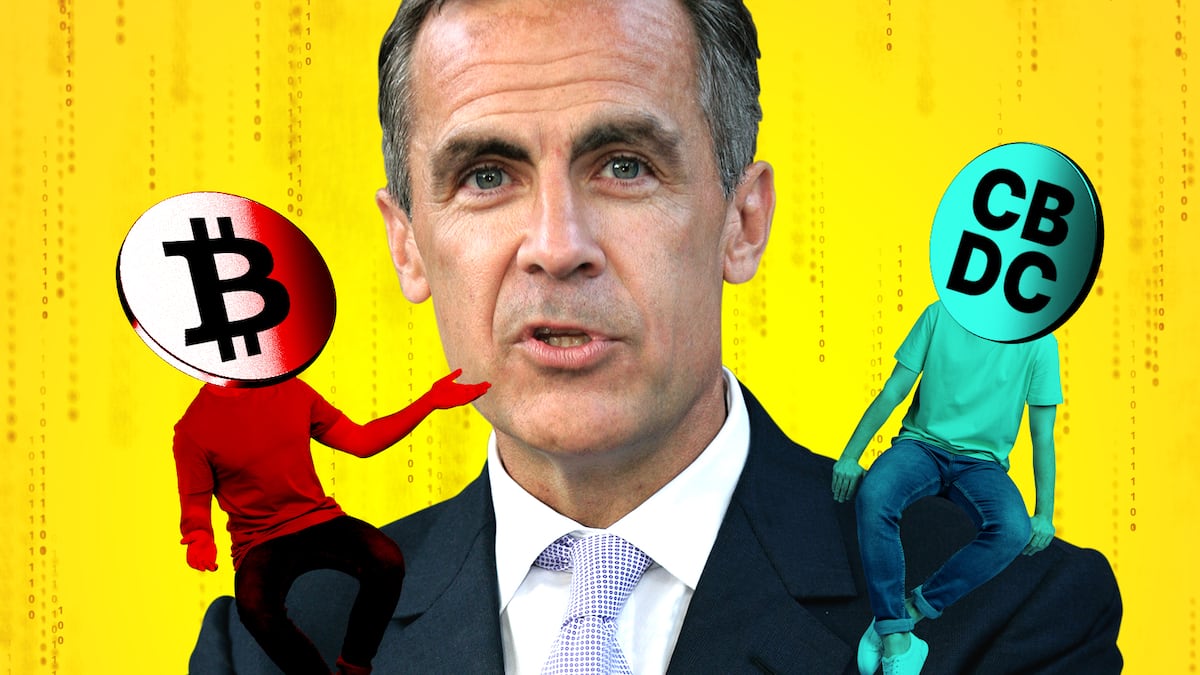
2025年4月28日,马克·卡尼(Mark Carney),这位曾执掌加拿大银行和英格兰银行的前行长,带领自由党在加拿大大选中取得压倒性胜利,成为加拿大第24任总理。这位以应对全球金融危机而闻名的经济学家,从中央银行的象牙塔迈入加拿大政坛的风云变幻,堪称一次戏剧性的转身。卡尼的胜选,部分得益于反特朗普情绪的激增,以及他承诺让加拿大在新兴科技领域占据全球领先地位。然而,对于加密货币社区而言,卡尼的当选引发了一个迫切的问题:他对比特币和去中心化金融的谨慎甚至批判态度,将如何塑造加拿大加密货币的未来?
CBDC

危机中锻造的职业生涯

马克·卡尼的总理之路既非传统,又令人叹服。他出生于加拿大西北地区史密斯堡,在阿尔伯塔省埃德蒙顿长大,根植于加拿大的土地,但他的职业生涯却遍布全球。卡尼拥有哈佛大学经济学学位和牛津大学博士学位,职业起点是高盛集团,在纽约、伦敦和东京等地工作13年,积累了驾驭复杂金融体系的经验。

2003年,卡尼加入加拿大银行,担任副行长;2008年,42岁的他被任命为行长,带领加拿大成功应对全球金融危机。他推出了紧急贷款机制和前瞻性利率指导等创新政策,保护了加拿大经济免受最严重的冲击。2013年,卡尼成为英格兰银行首位非英国籍行长,应对了英国脱欧和新冠疫情初期的混乱。他的冷静和数据驱动的领导风格,让他赢得了“央行界的摇滚明星”的美誉,这一称号一直伴随着他回到加拿大。

离开央行后,卡尼转向了兼顾金融与社会影响的角色,担任布鲁克菲尔德资产管理公司转型投资部门主席,并出任联合国气候行动与金融特使。2024年,他开始为时任总理贾斯廷·特鲁多提供经济增长建议,为自己的政治抱负铺平道路。2025年1月,特鲁多因支持率暴跌和与美国的贸易战威胁而辞职,卡尼抓住机会,以惊人的85.9%选票赢得自由党领袖地位。他的竞选活动以对抗特朗普的关税和增强加拿大主权为核心,深深打动了因外部压力而焦虑的国民。


卡尼对加密货币的谨慎态度:央行视角

马克·卡尼对加密货币的看法,特别是对比特币的立场,深深植根于他作为中央银行家数十年的经验。在他看来,金融系统的稳定性和货币政策的集中控制是经济运行的基石,而去中心化的加密货币对这一框架构成了挑战。早在2018年,卡尼在苏格兰经济会议上发表演讲,明确指出比特币存在“严重缺陷”。他认为,比特币2100万枚的固定供应量会导致通货紧缩倾向,使其难以作为稳定的价值储存或可靠的交易媒介。他在伦敦摄政大学的一次问答环节中进一步阐述:“比特币在传统货币的功能上几乎完全失败。”他特别批评其价格剧烈波动,指出2017年至2018年间比特币价格从近2万美元暴跌至3000美元以下,凸显其不适合作为日常交易工具。

卡尼的批判不仅限于比特币的技术缺陷,还涉及其社会和经济影响。他在2018年接受彭博社采访时表示,比特币的匿名性使其成为洗钱和非法交易的温床,威胁金融系统的完整性。他警告称,加密货币市场的无序扩张可能引发系统性风险,类似次贷危机前金融衍生品市场的失控。此外,卡尼对稳定币的兴起也表达了担忧。在2021年对国际清算银行的演讲中,他指出,由科技巨头支持的稳定币(如当时Facebook计划推出的Libra)可能导致货币系统流动性分散,甚至削弱各国央行的货币主权。他认为,稳定币的集中化特性——由少数企业控制——不仅未能解决去中心化加密货币的波动问题,还引入了新的治理风险。

与此同时,卡尼始终是中央银行数字货币(CBDC)的坚定支持者。他认为,CBDC不仅能提供数字支付的便利,还能通过集中化管理确保金融稳定和监管透明。在2020年的一次演讲中,他提出:“CBDC可以增强货币政策的传导效率,同时降低私人加密货币带来的风险。”他特别强调,CBDC能够通过可追溯的交易记录打击非法金融活动,同时为消费者提供比现有支付系统更低的交易成本。卡尼的这一立场与全球央行趋势一致,例如中国人民银行的数字人民币试验和欧洲央行的数字欧元计划。

然而,卡尼对加密货币的复杂态度并非全然否定。他在2021年至2025年担任Stripe董事会成员期间,该公司推出了支持加密货币的支付解决方案,允许商家接受比特币等数字资产。这表明卡尼至少在一定程度上认可加密货币在特定商业场景中的潜力,但前提是受到严格监管。卡尼曾在2021年的一次金融科技会议上表示:“区块链技术本身具有革命性潜力,但其应用必须符合公共利益。”这种立场反映了他对技术创新的支持与对去中心化理念的保留态度之间的平衡。他可能更倾向于将区块链技术用于供应链管理、跨境支付或数字身份验证等受控场景,而非无政府状态的加密货币生态。

卡尼的央行背景使他对金融市场的风险极为敏感,这在一定程度上解释了他对加密货币的谨慎态度。作为曾经应对全球金融危机和英国脱欧的决策者,他深知金融创新可能带来的连锁反应。他在2019年对英国议会的讲话中提到:“加密货币的快速发展需要全球协调的监管框架,否则可能重蹈2008年金融危机的覆辙。”这种系统性思维使他更倾向于将数字金融纳入现有金融体系,而不是允许其在监管之外野蛮生长。


加密货币的“紧箍咒”:加拿大何去何从?

卡尼的总理任期可能为加拿大的加密货币行业带来谨慎而严格的监管环境。与公开支持加密货币、批评特鲁多反加密政策的保守党领袖皮埃尔·波利耶夫(Pierre Poilievre)不同,卡尼的竞选纲领强调“审慎”的创新。加拿大Web3委员会执行主任莫瓦·罗哈尼(Morva Rohani)对Cointelegraph表示,加密货币不太可能成为主要选举议题,住房、可负担性和特朗普的关税等更迫切的问题占据了主导地位。然而,卡尼过往的言论表明,数字金融不会被忽视——只是将被严格管控。

首先,卡尼可能会推动CBDC的发展。他对加拿大数字美元的长期支持,与加拿大银行正在进行的CBDC探索相呼应。与比特币的去中心化特性不同,CBDC将赋予政府对交易的全面监管权,这让加密货币的纯粹主义者感到担忧。2022年特鲁多政府在卡车司机抗议活动中冻结银行账户和加密交易的记忆犹新,卡尼在CBDC问题上与特鲁多的意识形态一致,可能加剧公众对加密货币的疑虑。

其次,卡尼承诺让加拿大在“人工智能、技术和数字产业”中占据领先地位,这可能为区块链创新提供机会,但前提是受到严格约束。他的纲领强调人工智能驱动的经济改革,而区块链在安全、透明数据管理方面的潜力或能与之相辅相成。然而,任何区块链发展都可能通过受监管的、获政府批准的框架进行,去中心化协议如比特币和以太坊可能被边缘化。X平台上的用户如@JinJooWon反映了这一情绪,称卡尼的政策可能“点燃区块链创新”,但让“去中心化举步维艰”。

第三,卡尼应对美国关税的重点可能限制加密货币的增长。特朗普的贸易战,包括对加拿大钢铝征收25%的关税以及更广泛的关税威胁,引发了经济衰退的担忧。卡尼的回应——以牙还牙的报复性关税和多元化贸易伙伴——显示出务实且规避风险的立场。在这种背景下,加密货币的波动性和监管不确定性可能被视为负担,而非资产。
CBDC


卡尼VS特朗普与特鲁多:加密货币的冰火两重天

要理解卡尼对加密货币的潜在影响,需将其与美国总统特朗普及前任加拿大总理贾斯廷·特鲁多进行对比。

唐纳德·特朗普:亲加密的对立面

特朗普2025年1月开启的第二任期在加密货币问题上出人意料地转向支持。他签署行政命令禁止美元CBDC,同时建立比特币战略储备,与第一任期的立场形成鲜明对比。特朗普支持加密货币作为对抗通胀的工具,激发了美国加密社区的热情。他的政策与卡尼的立场形成直接对立,可能在加美关系中制造裂痕。

卡尼主张集中控制和CBDC,而特朗普拥抱去中心化,可能吸引加密投资流向美国。加拿大加密初创企业本已面临严格监管,可能会发现美国更具吸引力。此外,特朗普的关税和吞并威胁主导了加拿大的政治话语,淡化了国内问题如加密监管。卡尼专注于应对特朗普的经济侵略,可能无暇制定细致的加密政策,进一步强化保守立场。

贾斯廷·特鲁多:延续与转变

卡尼的前任特鲁多同样对加密货币持怀疑态度。2022年,他曾斥责波利耶夫的亲加密平台为“鲁莽”。特鲁多政府优先发展CBDC,并在2022年卡车司机抗议中冻结加密交易以遏制抗议资金。卡尼的观点与特鲁多在CBDC上的立场高度一致,但他全球金融的经验和技治风格使其与众不同。

特鲁多的加密政策是反应式的,受政治危机驱动,而卡尼的政策可能更主动,根植于其央行哲学。他对人工智能和科技的重视表明,他对数字金融的态度更具战略性,或将区块链融入政府服务,同时保持去中心化的距离。然而,与多年担任议员的特鲁多不同,卡尼缺乏民选政治经验,可能不那么敏锐地感知公众情绪,尤其是支持加密政策的年轻加拿大人。


前路漫漫:创新与控制的平衡

卡尼入主总理府,其加密货币政策可能反映其更广泛的执政哲学:稳健、审慎、以稳定为先。他对比特币和去中心化金融的怀疑,源于其央行背景,预示着加拿大加密行业将面临更严格的监管和CBDC的推进。然而,他对科技领先的承诺为区块链创新打开了大门,前提是符合政府优先事项。

对加拿大加密社区而言,挑战在于在受监管的环境中推动去中心化。卡尼的全球视野和危机管理专长使他成为强有力的领导者,但其自上而下的方式可能与加密的自下而上精神冲突。正如一位X用户所言:“数字金融将腾飞,去中心化将挣扎?”问题不在于卡尼是否会塑造加拿大加密未来——他会的——而在于他能否在创新与控制之间找到平衡。

与特朗普的亲加密政策和特鲁多的反应式措施相比,卡尼的愿景既雄心勃勃又谨慎,是技术时代的技术官僚蓝图。这一愿景能否提升加拿大科技领导地位,还是会扼杀其加密潜力,仍需时间验证。目前,全球目光聚焦于卡尼,这位应对危机的银行家,正迎接他迄今最大的挑战:带领加拿大穿越贸易战、科技革命和数字金融的未知水域。

Пов'язані матеріали

The Largest Upgrade Since The Merge? How Glamsterdam Will Affect Ethereum and Regular Users?

The upcoming Glamsterdam upgrade, scheduled for late 2026, is considered Ethereum's most significant change since The Merge. It focuses on fundamentally restructuring Ethereum's block production, transaction execution, and gas pricing to enable major scalability improvements while preserving decentralization. The upgrade centers on three key innovations: * **Enshrined PBS (ePBS)**: Moves the Proposer-Builder Separation mechanism into the protocol's core, eliminating reliance on external relays. This reorganizes the block pipeline, extending the time window for processing execution payloads, which is crucial for safely increasing block capacity. * **Block-Level Access Lists (BALs)**: Attaches a "map" to each block, declaring in advance which state data its transactions will access. This enables potential parallel transaction processing and faster node synchronization, breaking a key performance bottleneck. * **Gas Repricing**: Introduces a more accurate resource pricing model by separating computation costs from state storage costs. This discourages uncontrolled state growth by making operations that create permanent data (like new accounts) more accurately reflect their long-term network burden. Together, these changes aim to solve the core challenges of increasing Ethereum's throughput (e.g., raising the Gas Limit) without overburdening node hardware or increasing centralization risks. They prepare the infrastructure for higher capacity, targeting a credible post-upgrade capacity of up to 200 million Gas. For users, the impact will be nuanced: * General transaction fees may become lower and more stable as block space increases. * Simple transfers could see cost reductions, while state-intensive operations (like contract deployment) may become relatively more expensive due to the new gas model. * Gas fee estimations by wallets will become more accurate. * L2 networks could benefit long-term from increased data blob capacity. * Standardized logs for all ETH transfers (EIP-7708) will improve tracking for wallets and exchanges. Ultimately, Glamsterdam represents a foundational shift, not a simple block size increase. It seeks to expand Ethereum's capacity by re-engineering its underlying mechanics, maintaining its commitment to decentralization while enabling significant performance gains.

marsbit2 год тому

The Largest Upgrade Since The Merge? How Glamsterdam Will Affect Ethereum and Regular Users?

marsbit2 год тому

Circle CEO Responds to the OUSD Challenge: Stablecoin is a Winner-Takes-All Business, and We Won't Slow Down

In response to questions about the OUSD stablecoin initiative, Circle CEO Jeremy Allaire argues that the stablecoin market is a "winner-take-most" platform business driven by powerful network effects, and Circle has no plans to slow down. He outlines three key drivers behind USDC's dominant position: 1. **Protocol/Software Layer Network Effects**: The value of a stablecoin network grows as more developers and services integrate it, creating compounding utility and user preference. Circle has spent nearly a decade building this ecosystem with USDC, now accelerated by mainstream adoption and enhanced by software stacks like CCTP and Gateway for interoperability. 2. **Liquidity Network Effects**: Liquidity begets more liquidity. USDC has achieved top-tier global liquidity—ranking among the top three digital assets alongside BTC and USDT—through nearly a decade of building deep primary and secondary market access across regions and venues. 3. **Regulatory and Policy Integration**: Establishing a global stablecoin requires deep regulatory engagement, licensing, and compliance across key markets—a significant, long-term investment where Circle is a leader. Allaire cites Artemis data showing USDC facilitated 80% of all dollar stablecoin on-chain transaction volume in Q1 2026, with USDT at 20% and all others negligible. He addresses OUSD's purported advantages: "free" minting/burning is often not sustainable in practice; redistributing all revenue can starve essential infrastructure investment; and large consortium models historically struggle with inefficiency and slow execution, unlike focused strategic partnerships. He reaffirms Circle's strong ongoing partnership with Coinbase on USDC and notes Circle collaborates with dozens of other stablecoin issuers through its expanding platform (Arc, CCTP, CPN, etc.). While welcoming OUSD to the ecosystem, Allaire asserts that Circle's vast, trusted network and continued investment make USDC the foundational digital dollar infrastructure for the world.

链捕手2 год тому

Circle CEO Responds to the OUSD Challenge: Stablecoin is a Winner-Takes-All Business, and We Won't Slow Down

链捕手2 год тому

Q2 Crypto Market Review: Did Bitcoin Rise for 'Nothing'? Did Money Flow to AI and On-Chain?

Q2 2026 Crypto Market Recap: Bitcoin's Gains Erased Amid Shift to AI and On-Chain Activity The second quarter of 2026 saw a significant reversal for the cryptocurrency market. Bitcoin gave back all its April gains, ending Q2 down approximately 11%, while major stock indices posted strong gains. This divergence was driven by a hawkish shift in Fed rate expectations, capital rotation into AI stocks, and weakening liquidity channels into crypto. Key demand pillars deteriorated simultaneously. Spot Bitcoin ETFs recorded net outflows of $4.08 billion for the quarter, with outflows dominating June. Crypto treasury entity Strategy's bitcoin accumulation slowed markedly, and the total stablecoin market cap contracted by ~$4.2 billion. This created a tighter liquidity environment. Exchange data reflected the downturn. Spot trading volumes fell 28% quarter-over-quarter. The market underwent significant deleveraging, with $8.35 billion in long liquidations for BTC and ETH, primarily in late May/early June. Open interest and order book liquidity also declined. Despite the bearish price action, structural developments point to an expanding on-chain ecosystem. These include the rise of tokenized stocks with full legal rights, the growth of RWA (real-world asset) perpetual contracts for trading stocks and commodities 24/7, and the use of crypto markets for price discovery ahead of major events like the SpaceX IPO. On-chain vaults are also emerging as a core layer for institutional capital allocation.

Foresight News2 год тому

Q2 Crypto Market Review: Did Bitcoin Rise for 'Nothing'? Did Money Flow to AI and On-Chain?

Foresight News2 год тому

Торгівля

Спот
活动图片