28,000-Star Hit Creator Unexpectedly Fired by Google, Silicon Valley Big Shots Quickly Vie for the Talent

marsbitОпубліковано о 2026-06-26Востаннє оновлено о 2026-06-26

Анотація

A nearly 7-year Google veteran, Justin Poehnelt, was fired shortly after his open-source project 'gws' (a Google Workspace CLI built in Rust) went viral, amassing over 28,000 GitHub stars. The tool, designed for both humans and AI agents, allowed terminal access to all major Workspace services like Gmail and Drive by dynamically generating commands from Google's own APIs. The dismissal came just two days after Google announced its "official" Workspace CLI at its Cloud Next 2026 conference, leading to widespread criticism that the company appropriated his work. Poehnelt believes the real reason was internal fear that his project demonstrated how AI agents could fundamentally disrupt and simplify interaction with Google's core Workspace products, potentially threatening its established business model. Following his public disclosure of the events, which garnered millions of views, tech leaders like OpenClaw's Peter Steinberger and CEOs from OpenRouter and Vercel swiftly offered him jobs, highlighting the perceived misstep by Google in letting a top-performing innovator go.

The most surreal scene in the tech world in 2026 has just unfolded.

The protagonist is Justin Poehnelt, a veteran employee with nearly 7 years at Google, belonging to the Workspace Developer Relations (DevRel) team.

Simply put, the team's purpose is to create open-source tools and abstraction layers for Google's various APIs, making them easier for external developers to use.

Two months ago, he personally created a CLI for Google Workspace called gws—a command-line tool written in Rust that allows direct operation of the Google ecosystem from the terminal: Gmail, Drive, Calendar, Sheets, Docs, Chat......

It covers all Workspace services you can think of.
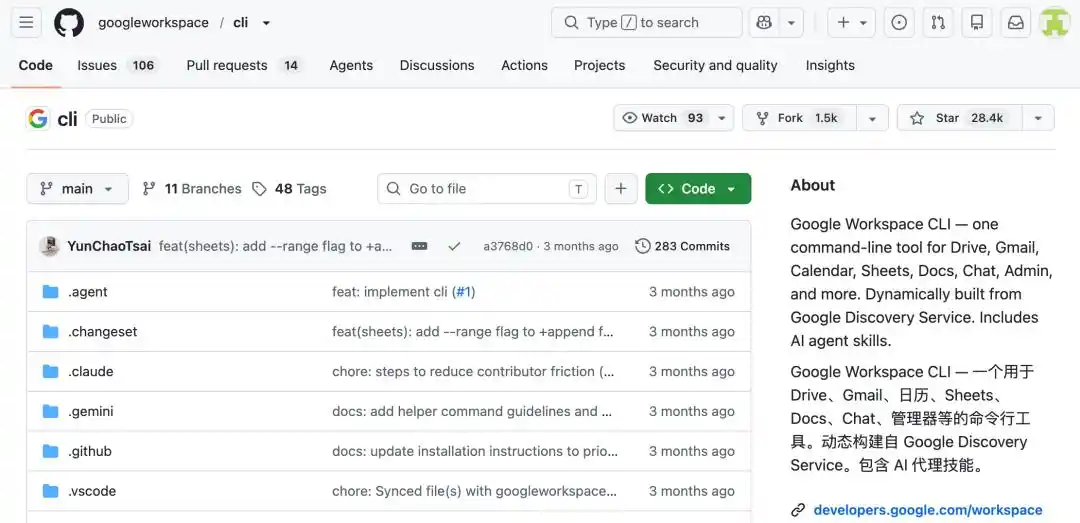
What's even more impressive is that this isn't a static list of commands. It dynamically generates all commands at runtime by reading Google's own Discovery Service—if Google adds a new API tomorrow, it supports it automatically the day after, requiring zero maintenance.

Moreover, it was designed for AI Agents from day one. Built-in with over 40 Agent skill files, its outputs are all structured JSON, ready for AI to use.

The result upon release was explosive.

Within just a few days, gws topped the Hacker News charts (953 points, 285 comments), GitHub stars soared to over 28,000, and tens of thousands of real users poured in.
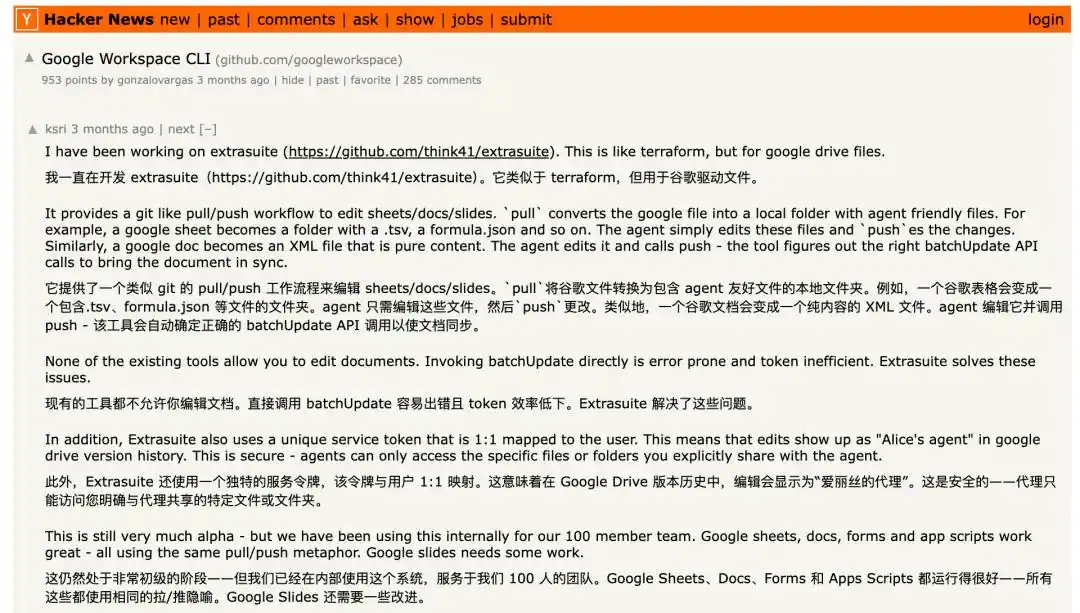
Managers and Directors flocked to learn about the design philosophy behind this tool.

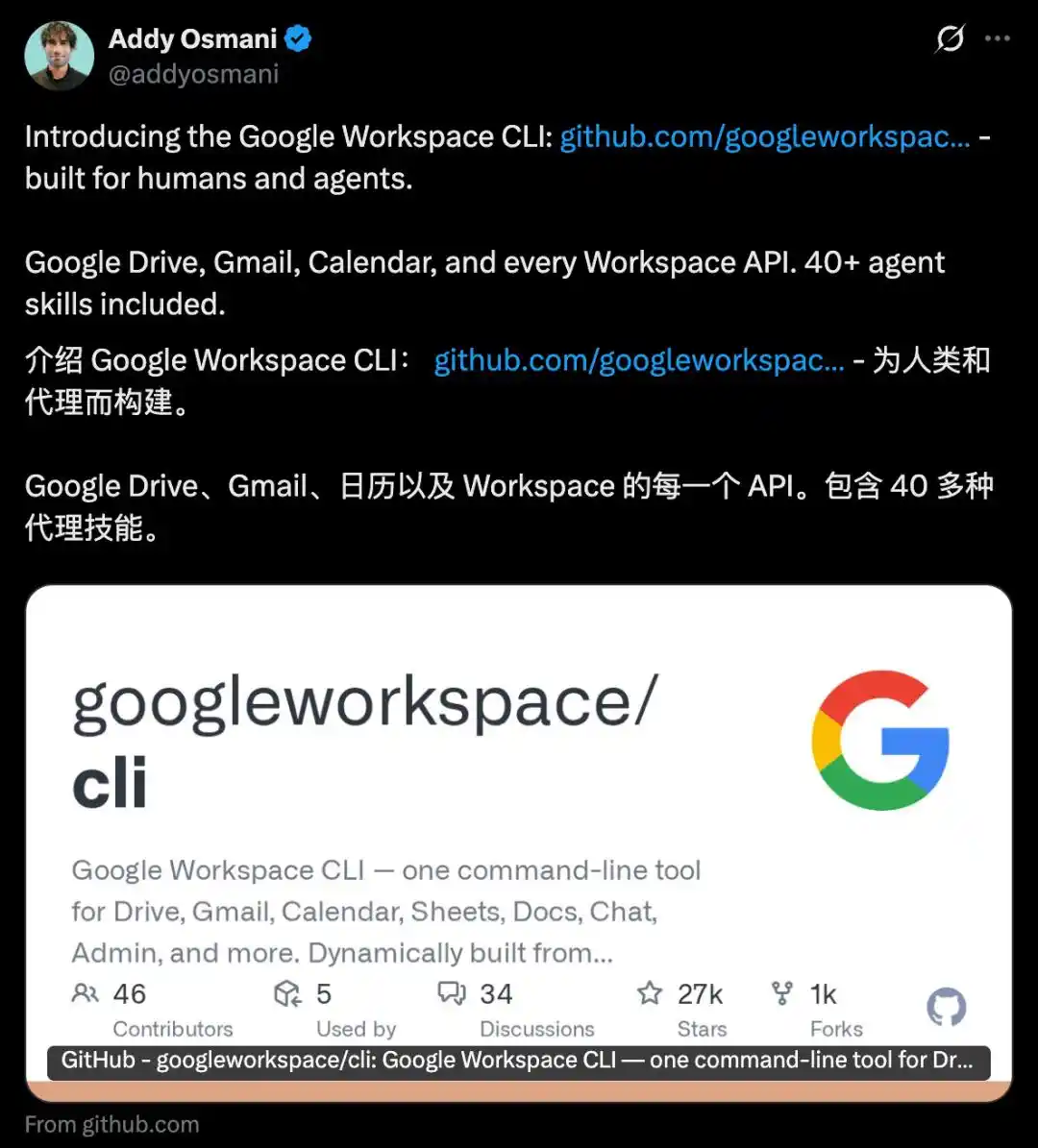
Addy Osmani, Director of Google Cloud AI, gave it a push on X with a concise and powerful caption: "Introducing the Google Workspace CLI—built for humans and agents."
At any normal company, this would be a champagne-popping highlight moment.

But what Google gave him wasn't a reward; it was a termination notice.

The viral hit became a dismissal notice.

A Textbook Case of "Kill the Goose That Lays the Golden Eggs"

What followed was even more absurd.

Just two days before Poehnelt was officially fired, Google publicly announced at the Cloud Next 2026 conference: "We're launching the 'official' Workspace CLI."

The scale of that conference? Over 32,000 attendees, three keynotes, more than 700 breakout sessions.

The same thing, coming from an employee's hands, was called "a violation." Coming from the company's mouth, it's called "innovation."

Just two days ago, Poehnelt disclosed everything on X, and the post's views quickly surged to 4 million.
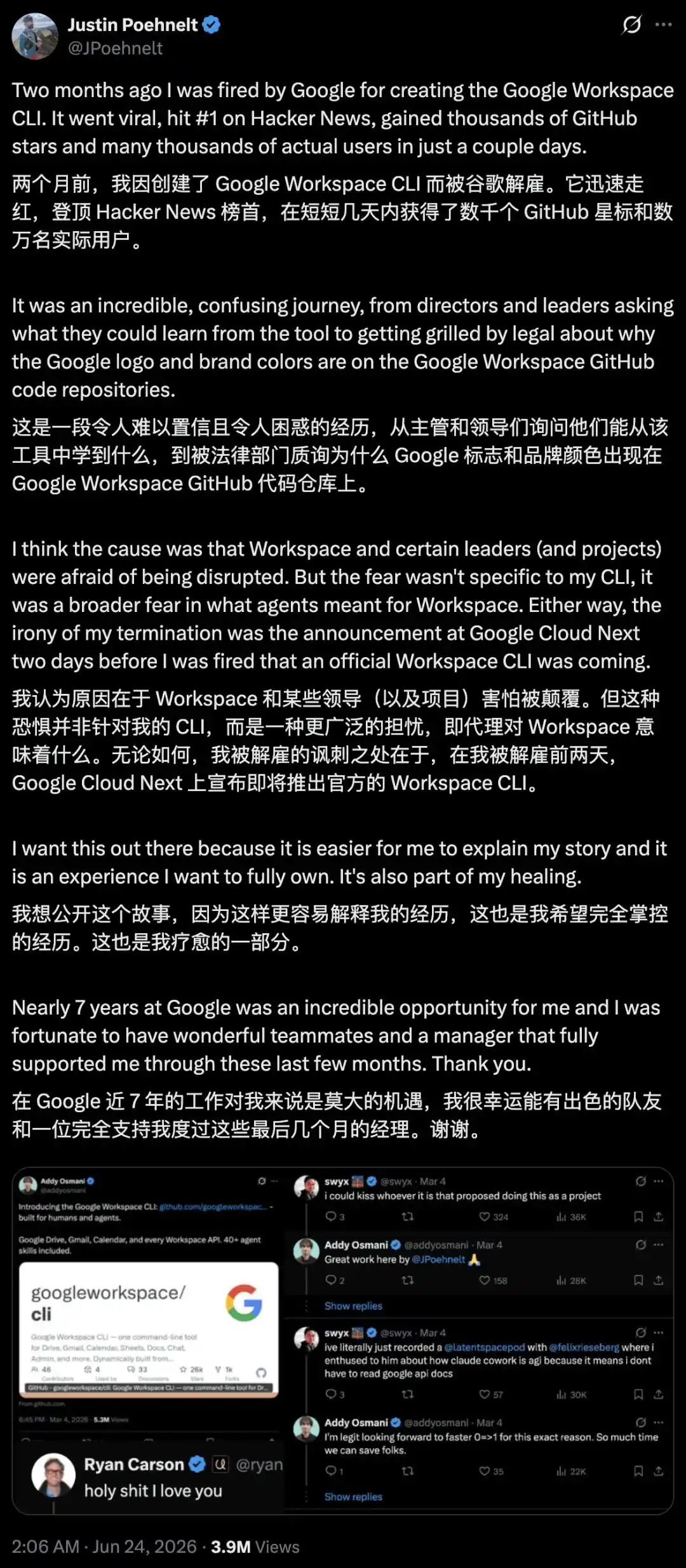
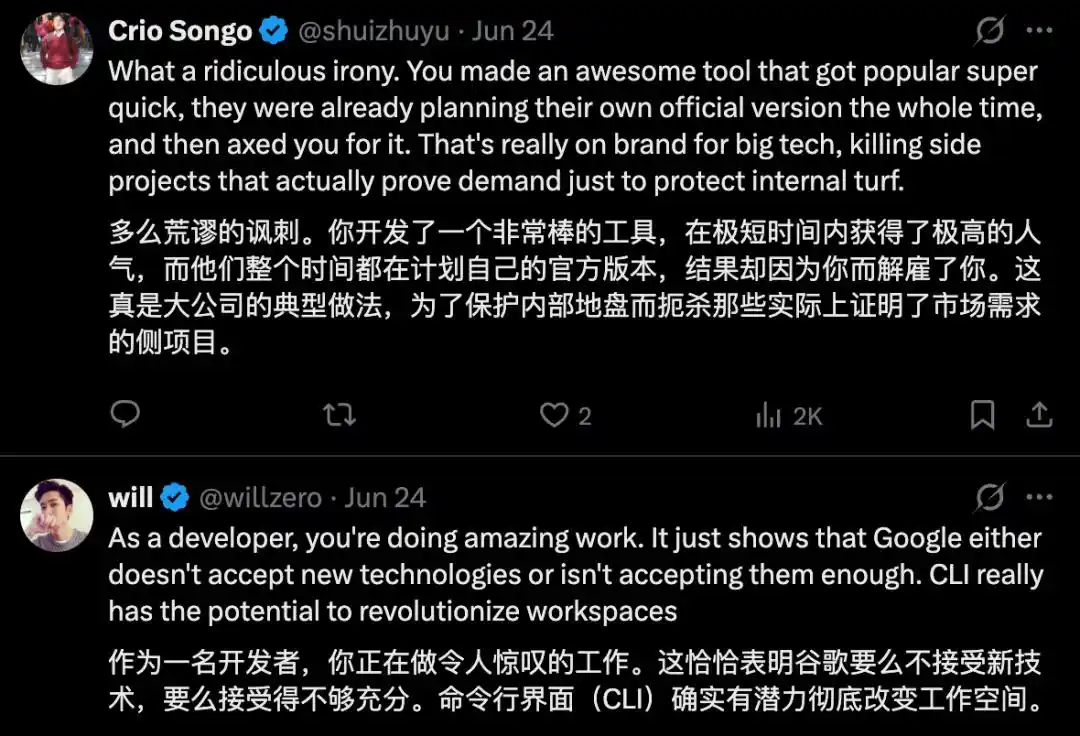
Netizens' comments were direct—isn't this essentially "appropriating the idea for free" and then killing the goose that laid the golden egg?
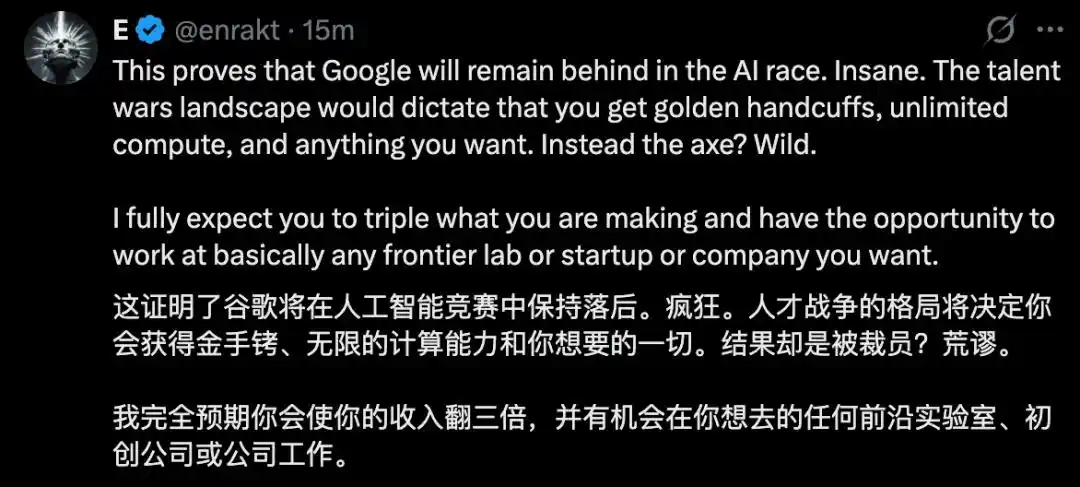
A former Google employee added a sharp comment under the post: "Having spent 7 years at Google, I applaud you. It's all because of the Cloud leadership, a bunch of folks who only know office politics and empire building."
The 'Openclaw' Founder's Direct Jab

The most ironic part is, before leaving, the individual involved left a gracious remark: his nearly 7 years at Google were an incredible experience, he was lucky to have fantastic teammates and a manager who fully supported him in the final months.

Gracious as it was, the slap in the face landed solidly.

This surreal incident within the big tech company soon drew a crowd.

OpenClaw founder Peter Steinberger was the first to step into the fray. He reposted Poehnelt's post, adding a sharp jab:

"Google fired the guy who made the Google Workspace CLI for making the Google Workspace CLI. Lucky for me, Google can't fire me."
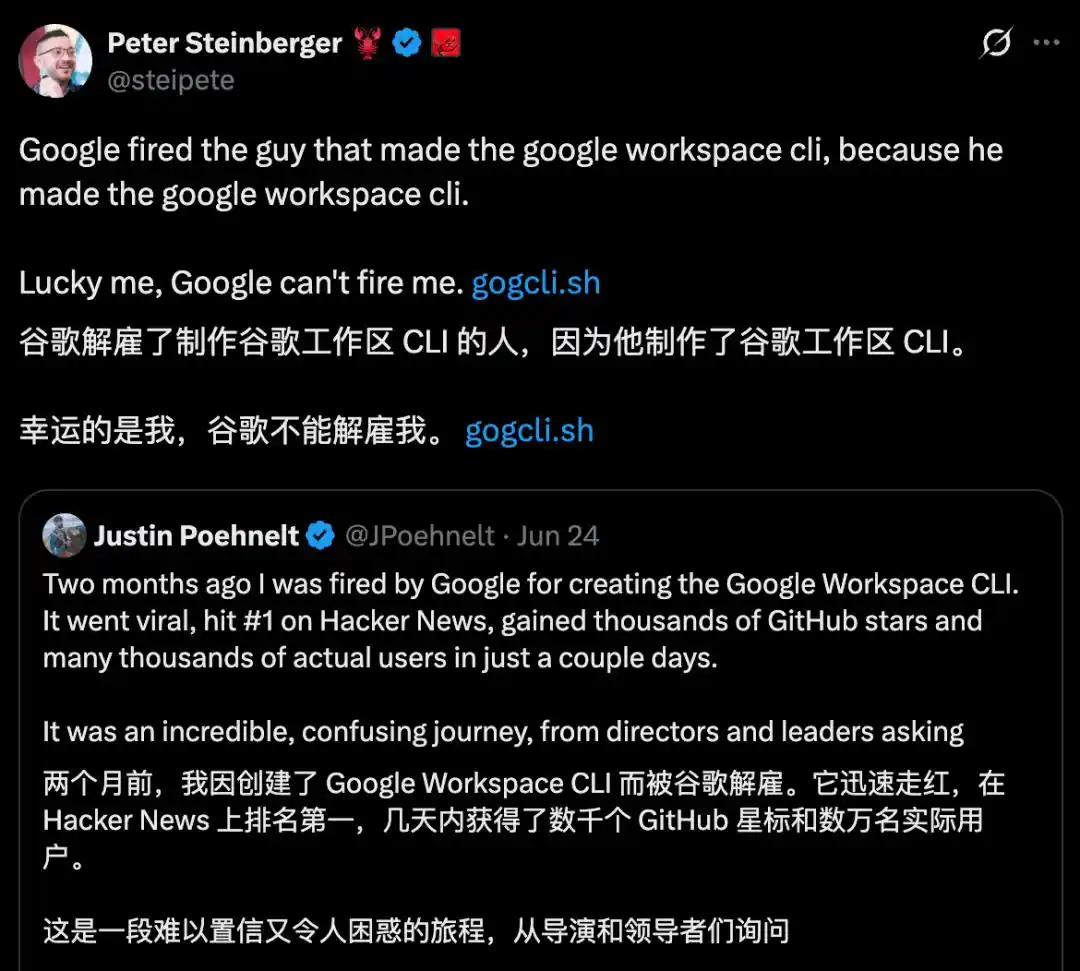
With one sentence, he tore off the fig leaf covering how big company bureaucracy suppresses grassroots tech geeks.

The mockery was complete.

What's even more hilarious is that Peter Steinberger immediately switched to recruitment mode. He publicly invited Justin Poehnelt to join the Codex team online.

This move was truly masterful~
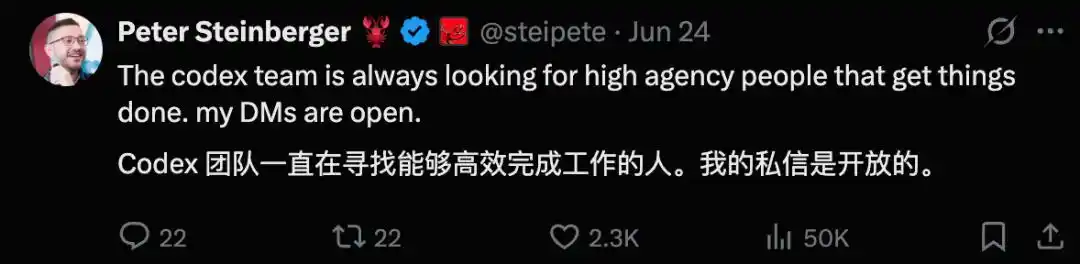
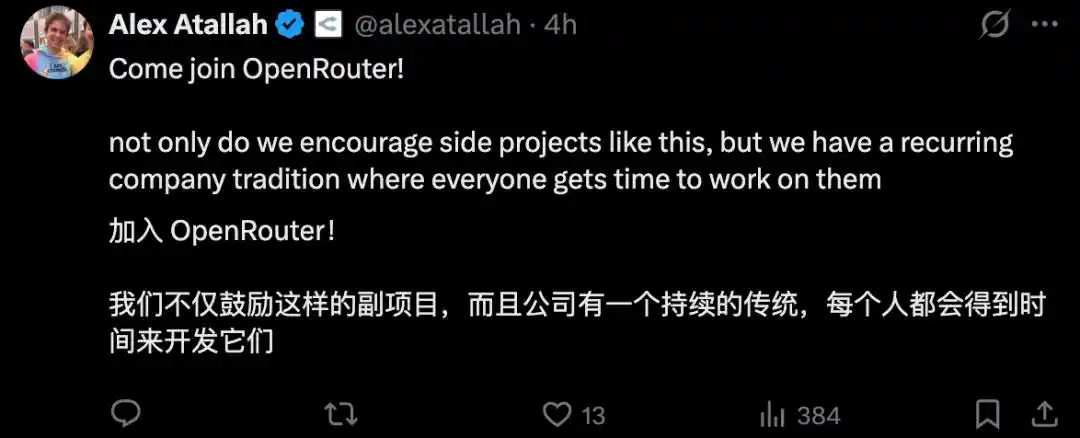
CEOs from OpenRouter, vercel, and other companies also joined the talent battle.

Finding a job is the least of this guy's worries now.
The Real Trigger

So the question arises: why was the creator of a tool that brought the company a massive influx of users, even attracting Directors for insights, fired?

According to Poehnelt's own analysis, the surface trigger was absurd, almost like a joke: the legal department confronted him, seriously questioning—why were Google's logo and brand colors appearing in the GitHub repository for Google Workspace.
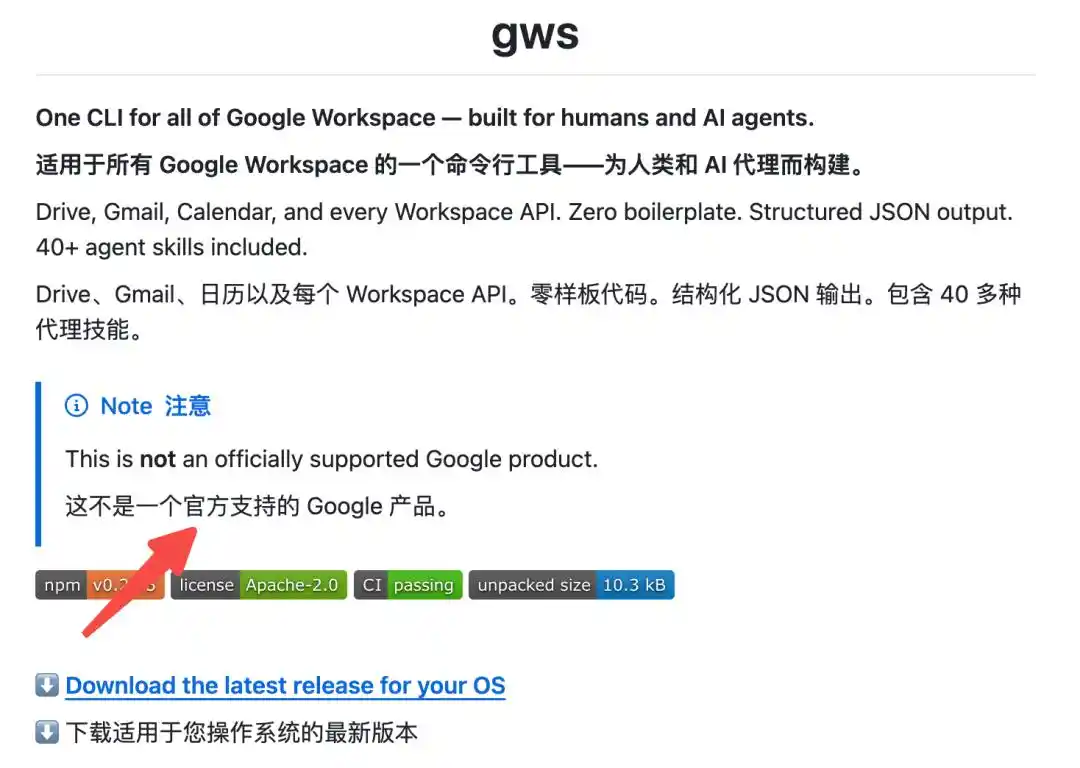
A Google employee, for a Google tool, placed under the official Google GitHub organization googleworkspace, with Google's logo, was chased down by Google's legal team asking, "What gives you the right to use our logo?"

This logic itself is surreal enough.

What's even more ironic is that a core part of the DevRel team's daily work is to release open-source tools with Google branding under Google's GitHub organization—because developers only trust and use them when they see the official logo.

The line between "unofficial open-source project" and "official product" has always been deliberately blurred, because the higher the blur, the higher the user adoption rate.

This is a strategy Google itself has been playing for years.

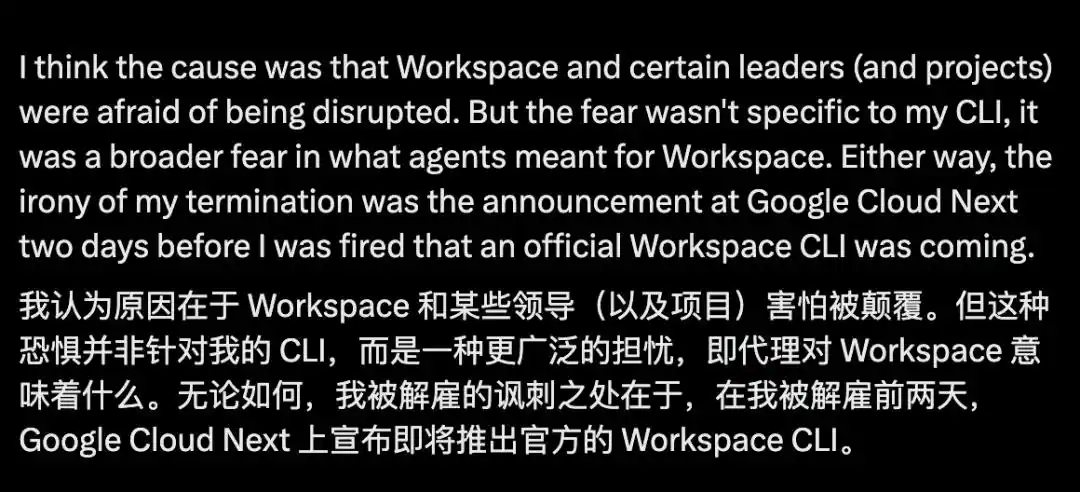
But the person involved saw it clearly. He said the real reason wasn't the logo or brand compliance at all—it was fear.

"I believe Workspace and certain leaders, certain projects, are afraid of being disrupted," Poehnelt wrote. "But this fear isn't specifically about my CLI; it's a broader concern about what AI Agents really mean for Workspace."

This statement is the core of the entire matter.
What gws does essentially transforms Google Workspace from a "you need to log into a webpage, open an interface, and click around yourself" product into a "AI Agent works for you, you just give natural language commands" infrastructure.

And it has already proven this path works.

This precisely touches Google's most sensitive nerve.

Workspace is Google's major cash cow, a productivity suite with over 3 billion users, the lifeline countless businesses pay subscriptions for.

An Agent tool casually made by an internal DevRel employee, which went viral in days, essentially handed evidence of "your moat is being filled in" directly to all executives.

When an Agent can read your emails, schedule meetings, search documents, write reports for you—who needs software that makes you log into a webpage and click around yourself?

gws posed this question for everyone.

The more useful and popular it became, the more it resembled a wake-up call.

Thus, the suppression came from within, not from competitors—the first to want to snuff out this spark was precisely the company that should have been most proud of it.

It's worth noting that Addy Osmani—a 14-year Google veteran who led Chrome and later Cloud AI developer experiences—who helped push that "explosive tweet" for Poehnelt, also left Google around the same time.

Whether there's a causal link between their departures is unknown, but the coincidence in timelines is already quite telling.

References:

https://x.com/JPoehnelt/status/2069482265953087602

https://x.com/steipete/status/2069594195522941059?s=20

https://github.com/googleworkspace/cli

This article is from WeChat public account "Xinzhiyuan" (New Zhiyuan), author: ASI Revelation, Editor: Solomon

Пов'язані питання

QWhy was Justin Poehnelt fired by Google after creating a highly successful CLI tool for Google Workspace?

AHe was fired because Google's legal department questioned his use of Google's logo and branding in the project's repository, although he believes the real reason was internal fear that his tool, which empowered AI agents to use Workspace, threatened the established product and business model.

QWhat is the key feature of the 'gws' CLI tool that made it instantly popular?

AIts key feature is that it dynamically generates commands at runtime by reading Google's own Discovery Service, automatically supporting new APIs with zero maintenance, and it is designed from the ground up for AI Agents with structured JSON output.

QHow did the tech community and other companies react to Justin Poehnelt's firing?

AThe tech community expressed outrage, calling it a case of corporate exploitation. Several tech leaders, including OpenClaw's Peter Steinberger and CEOs from OpenRouter and Vercel, immediately offered him job opportunities.

QAccording to the article, what is the ironic timing related to Google's official announcement of a Workspace CLI?

AGoogle officially announced its 'official' Workspace CLI at the Cloud Next 2026 conference just two days before formally firing Justin Poehnelt, the creator of the highly successful unofficial version.

QWhat does the article suggest is the deeper, underlying reason for Google's reaction to the 'gws' tool?

AThe article suggests the deeper reason is fear within Google that AI Agents, empowered by tools like gws, could disrupt or 'flatten the moat' of the traditional, user-interface-based Google Workspace product, which is a major revenue source.

Пов'язані матеріали

Indices Strong, Natural Gas Soars | TradeXYZ Weekend Market Watch

Weekend Market Observations: Indices Show Strength, Natural Gas Surges Key regional developments centered on Iran. Iran and Oman indicated negotiations over reopening a key shipping channel are nearing completion, with Oman calling for a halt to military actions to facilitate an agreement. However, talks are stalled as Iran has raised its demands, linking Strait reopening to conditions like US sanctions relief, troop withdrawal, and war reparations—terms previously associated with nuclear talks. Iran's Revolutionary Guard stated it will maintain control until all demands are met. In response, the US administration has adopted a lower-key approach, describing a state of "semi-negotiations" while observing Iran's economic pressures. Amid this, reported attacks on a Saudi refinery and an Emirati vessel added to regional tensions. **Crude Oil & Indices:** Crude oil (CL) experienced volatility, initially dipping on comments from Iran's president before recovering. Prices later rose toward $79 after the US signaled a shift toward economic pressure over military escalation. Major equity indices (SP500, XYZ100) posted modest gains (0.13%, 0.22% respectively), demonstrating resilience despite rising oil prices. **Individual Stocks:** The market saw mixed sector performance. Memory stocks were divided (Micron up, SK Hynix down). The optical communications sector was strongest, with MRVL and LITE both gaining around 2.4%. Crypto-related stocks rebounded in pre-market trading after an early dip, closing higher. **Commodity Futures:** Precious and industrial metals (gold, silver, copper) advanced over the weekend, with futures showing V-shaped recoveries. The standout performer was natural gas, surging 3.10% at the open. The primary driver is a forecast for sustained hotter weather into mid-August across the southern and eastern US, boosting power generation demand. This is compounded by tighter supply margins due to pipeline maintenance, a slight dip in dry gas production, and high utilization of LNG export terminals.

marsbit5 хв тому

Indices Strong, Natural Gas Soars | TradeXYZ Weekend Market Watch

marsbit5 хв тому

Bitcoin Withstood 10 Bearish Blows in 2026, Yet Experienced Its Mildest Bear Market

Bitcoin, the leading cryptocurrency by market cap, peaked above $126,000 in early October before entering a prolonged decline. By August, it was mainly trading between $63,000 and $65,400, inflicting losses on late buyers but resulting in what is, historically for Bitcoin, an unusually shallow bear market—down about 49% from its peak, compared to typical 75-80% plunges. Throughout 2026, Bitcoin faced multiple headwinds yet demonstrated notable resilience. Geopolitical tensions in the Middle East and volatile oil prices revived inflation concerns but failed to trigger the panic-driven sell-offs seen in prior cycles. A significant psychological blow came from corporate seller MicroStrategy, a longtime accumulator, which began strategic sales to bolster its cash position, reducing its holdings. U.S. spot Bitcoin ETFs also faced sustained outflows, though a late-week inflow hinted at potential relief. Pressure also came from within the ecosystem. A contentious blockchain proposal, BIP-110, failed after a minority chain stalled. Miners, facing tighter economics, sold reserves and pivoted infrastructure toward AI. A major security breach involving Coldcard hardware wallets saw an estimated 2,000 BTC stolen, shaking confidence in self-custody. Long-term threats like quantum computing resurfaced in discussions. Despite this confluence of corporate selling, ETF outflows, miner capitulation, geopolitical shocks, internal conflict, and security issues—any one of which could historically cause sharp declines—Bitcoin stubbornly held above a key $60,000 support level. Deeper market liquidity, regulated products, and long-term holders appear to be absorbing selling pressure that once would have caused deeper crashes. This resilience suggests a maturing market structure, though risks remain. Another shock could still push Bitcoin toward $50,000. For now, its 49% decline, severe for most assets, is relatively moderate by Bitcoin's own volatile standards. The remaining months of 2026 will test whether $60,000 is a durable floor or merely the next major line of defense.

cryptonews.ru1 год тому

Bitcoin Withstood 10 Bearish Blows in 2026, Yet Experienced Its Mildest Bear Market

cryptonews.ru1 год тому

Торгівля

Спот
活动图片