Биткоин в 2024: ключевые события и рост цены

cryptonews.ruОпубліковано о 2023-06-06Востаннє оновлено о 2025-01-06

По мнению аналитиков CryptoRank, 2024 год стал значимым для Биткоина. Важные события на рынке криптовалют сильно повлияли на его цену, которая под конец года приблизилась к отметке $100 000 и даже преодолела ее. Эксперты изучили главные мероприятие за год и выделили ключевые моменты, которые стали драйверами роста.

Год начался с запуска первых спотовых ETF на Биткоин в США 11 января. Этот шаг привел к заметному росту интереса со стороны институциональных инвесторов. Однако укрепление цены произошло лишь через месяц, так как рынок адаптировался к распродажам от Grayscale.

Следующим важным событием стал халвинг Биткоина, который состоялся 19 апреля. Этот процесс традиционно сокращает объем добычи новых монет, что повышает их ценность. Влияние было ощутимым — цена постепенно начала двигаться вверх уже через несколько недель.

Летом произошел еще один ключевой момент — предложение о создании стратегического резерва США на основе Биткоина. Об этом высказался будущий избранный глава государства Дональд Трамп и несколько человек из Сената. Хотя эта инициатива вызвала споры, она привлекла внимание к цифровым активам как к важному элементу мировой экономики.

В сентябре рынок получил поддержку от Федеральной резервной системы (ФРС), которая снизила ставку 18 сентября. Этот шаг укрепил позиции Биткоина, так как инвесторы искали защиту от инфляции. Наконец, выборы в США 5 ноября завершились победой кандидата, поддерживающего криптовалюты. Это стало сигналом для рынка, что Биткоин может получить дополнительную поддержку на законодательном уровне.

Анализируя итоги года, эксперты предположили, что дальнейший рост Биткоина будет зависеть от практических действий правительства Соединенных Штатов. Если политика продолжит поддерживать индустрию, рынок увидит новые высоты.
Ошибка в тексте? Выделите её мышкой и нажмите Ctrl + Enter

Пов'язані матеріали

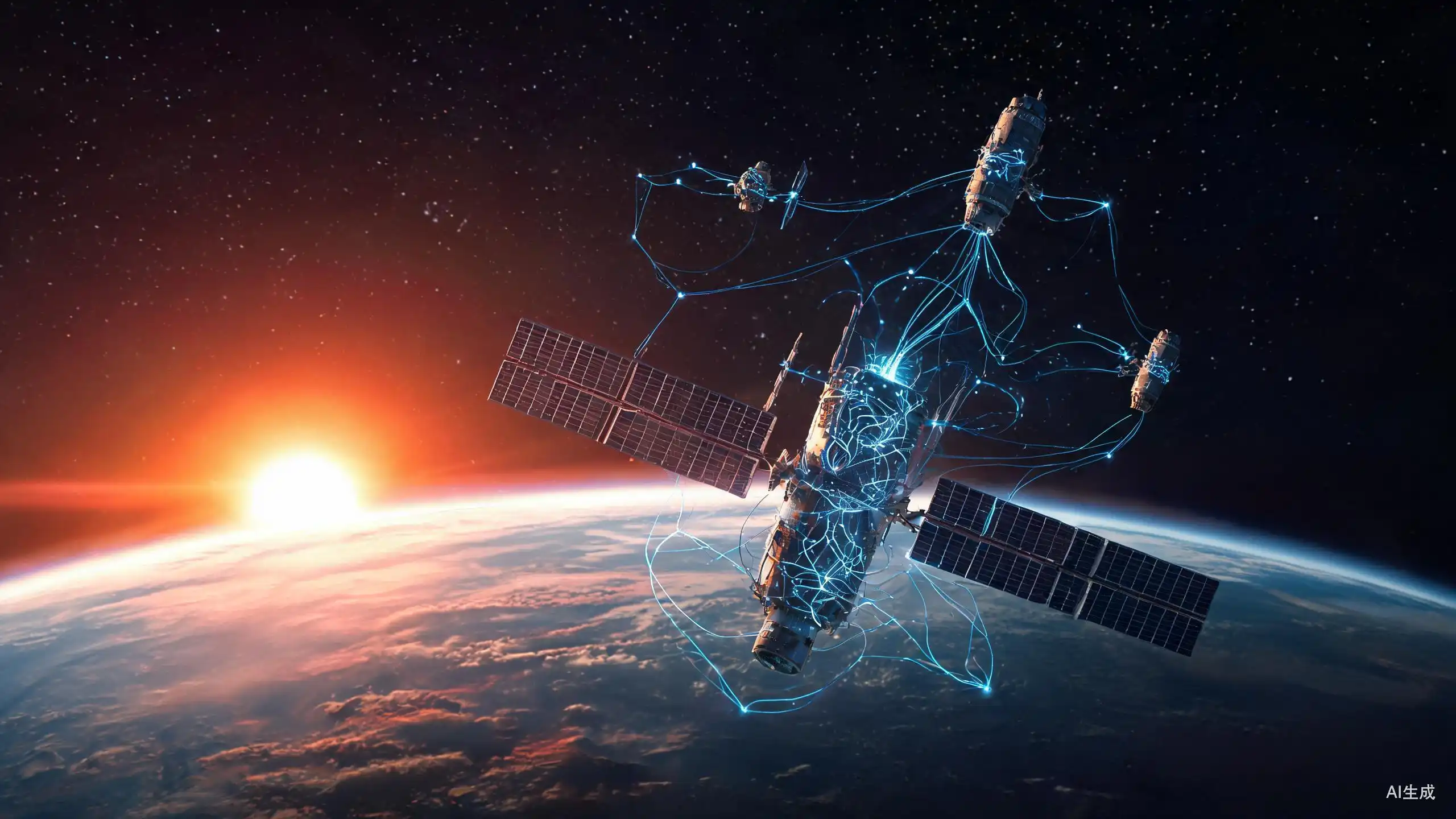
The Domestic Answer to Space Computing Power: Photonics Are More Efficient, Musk and Huang's Approaches Are Too Roundabout

The Space Computing Race: A Photonic Advantage The competition for space-based computing has intensified, with figures like Elon Musk and NVIDIA's Jensen Huang highlighting its potential. Musk predicts solar-powered AI satellites could offer the most cost-effective computing by 2032. However, space presents extreme challenges for traditional electronic chips: radiation from cosmic particles can cause errors, the vacuum environment hinders heat dissipation, and limited solar power constrains energy-hungry systems. Photonic computing, using light instead of electrons, offers a promising solution. Its core advantages for space are threefold: 1) **Radiation Resistance**: Photons are charge-neutral, making them inherently immune to particle interference. 2) **Low Heat Generation**: Light propagation in waveguides generates minimal heat, bypassing critical thermal management issues. 3) **Low Power Consumption**: Photonic chips have near-zero static power draw, aligning perfectly with the energy constraints of satellites. Furthermore, for a given payload weight and volume, photonic systems can potentially deliver higher total compute density. Since they require less bulky cooling and power infrastructure, more space can be allocated to the compute units themselves. While photonic computing holds great promise, current industry approaches face hurdles like the memory-compute bottleneck (separate storage and processing) and challenges in large-scale integration. Engineering for space—withstanding launch vibrations and validating full system operation in orbit—remains a critical step. The path forward resembles the evolution from single GPUs to computing clusters, but via a photonic route. As electronic chips approach physical limits in miniaturization, photonic computing and optical interconnects (光算光联) may provide a key alternative to bypass these constraints and define the next generation of space-based computing capabilities.

marsbit37 хв тому

The Domestic Answer to Space Computing Power: Photonics Are More Efficient, Musk and Huang's Approaches Are Too Roundabout

marsbit37 хв тому

Торгівля

Спот
活动图片