MistTrack: отчет о преступлениях и заморозке $53 млн в Q4

cryptonews.ruОпубліковано о 2024-07-04Востаннє оновлено о 2025-01-04

Платформа MistTrack представила отчет за 4-й квартал 2024 года, в котором обработала 2077 обращений по случаям кражи криптовалют. Среди них 1591 инцидент связан с инцидентом DEXX. MistTrack предоставила бесплатные услуги по оценке ущерба, поддерживая сообщество криптопользователей.

Среди всех случаев, 335 заявлений поступили от пользователей из Китая, а 151 — от международных юзеров. Для борьбы с преступлениями команда MistTrack активно сотрудничала с 18 платформами, где удалось заморозить активы на общую сумму $53,52 млн.

Основной причиной криптовалютных краж в 4-м квартале 2024 стали мошеннические действия. Помимо традиционных методов, появились новые тактики обмана, которые активно использовались злоумышленниками. MistTrack отмечает, что повышение уровня информированности пользователей может значительно снизить риски.

SlowMist, компания, стоящая за MistTrack, активно развивает направление противодействия отмыванию денег. Сервис MistTrack включает функции анализа криптокошельков, мониторинга активов и отслеживания средств. Система уже содержит более 300 млн тегов адресов и более 90 млн рискованных кошельков.

Среди успехов за прошедший квартал стоит отметить участие MistTrack в расширении партнерских инициатив. Платформа делится адресами хакеров с глобальной сетью Threat Intelligence Network, что помогает предотвращать дальнейшие атаки и минимизировать ущерб.

Если вы стали жертвой криптомошенничества, SlowMist предлагает бесплатную помощь. Пользователи могут заполнить форму для оценки инцидента. Это доступно как для локальных, так и международных случаев, что делает платформу универсальным инструментом для защиты криптоактивов. MistTrack продолжает работу над улучшением безопасности в криптовалютной индустрии, демонстрируя высокую эффективность в предотвращении и расследовании финансовых преступлений.
Ошибка в тексте? Выделите её мышкой и нажмите Ctrl + Enter

Пов'язані матеріали

Why 2026 could redefine Ethereum, Solana, Base and Avalanche

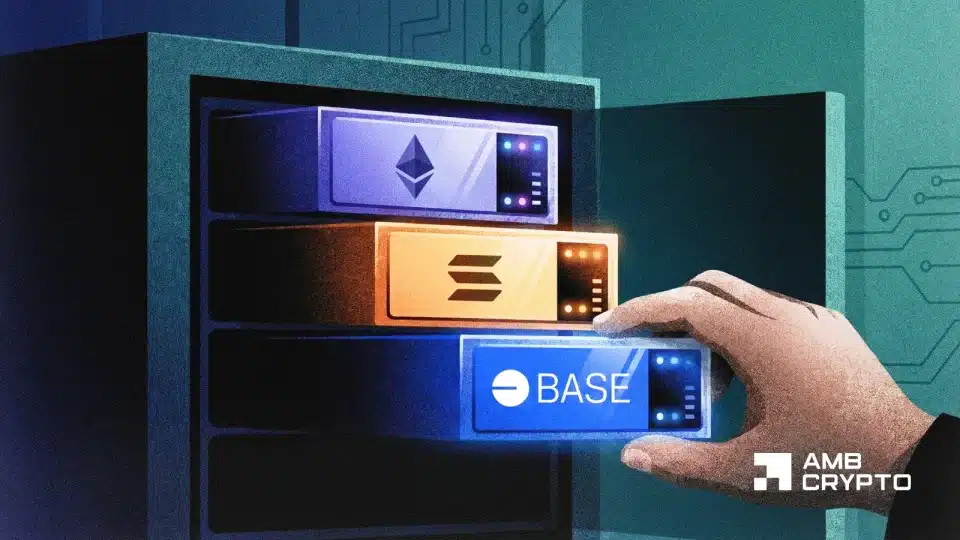
Blockchain infrastructure is undergoing a major coordinated transformation, driven by institutional demand for reliability, compliance, and predictable settlement. Over $30 billion in Real-World Assets (RWA) on-chain has exposed network weaknesses. Major blockchains are responding with foundational upgrades, moving beyond incremental speed improvements. Ethereum's "Glamsterdam" upgrade, planned for H1 2026, will significantly increase gas limits and introduce features like PBS (pre-blocked state) for enhanced settlement and parallel execution. Solana's "Alpenglow," targeting a mainnet launch in H2 2026, focuses on reducing finality time dramatically and freeing network resources to improve reliability. Beyond speed, compliance is critical. Base's "Beryl" upgrade in Q3 2026 will introduce a standardized, regulatory-compliant token framework (B20). Avalanche's "Octane" upgrade aims to boost transaction processing and reduce costs for enterprise applications. Even Bitcoin is evolving with the potential activation of OP_CAT by late 2026/early 2027. The competition is shifting. While technical upgrades are widespread, institutions will ultimately allocate capital based on proven execution, operational resilience, and regulatory compatibility during market stress. Ethereum currently leads in tokenized assets, while networks like Base and Solana are strengthening their institutional offerings. The blockchain that best delivers reliable, compliant, and uninterrupted service is poised to attract the greatest share of future institutional capital.

ambcrypto6 хв тому

Why 2026 could redefine Ethereum, Solana, Base and Avalanche

ambcrypto6 хв тому

Tiger Research: Take RWA Tokenization Overseas First

This article discusses the strategic choices facing financial institutions in jurisdictions lacking mature regulatory frameworks for Real-World Asset (RWA) tokenization. With the market growing rapidly, institutions must choose between waiting for local legislation, using regulatory sandboxes, or—the recommended priority—expanding into overseas markets to gain early experience. Successfully launching cross-border RWA tokenization requires meticulous preparation across six key areas: establishing an overseas base (e.g., Hong Kong, Singapore, the U.S.), securing necessary licenses, defining the tokenized asset (with bonds being simpler than non-standard assets), defining the target investor scope, deciding on settlement currencies/payment flows, and designing operational requirements like custody and on-chain governance. The article outlines two primary strategic paths: a direct "onshore" path and a "native on-chain" path. The direct path involves setting up a legal entity and obtaining licenses in a mature jurisdiction like Hong Kong, Singapore, or the U.S., leveraging existing platforms (e.g., DigiFT, Securitize) for efficiency. The alternative native on-chain path involves partnering with compliant, decentralized platforms (e.g., Ondo, Plume Nest) that use structures like offshore SPVs to facilitate tokenization and access DeFi liquidity, offering speed and broader reach but with greater structural complexity. The core argument is that institutions should not wait for perfect domestic regulation. A detailed hypothetical case study illustrates the multi-step, 6-12 month process of launching an overseas tokenized bond. The key takeaway is that the essence of a tokenization business lies not in the technology but in successfully executing the entire sales and operational process. The market is moving forward, and the time to act is now.

marsbit17 хв тому

Tiger Research: Take RWA Tokenization Overseas First

marsbit17 хв тому

Chain Gaming Giant YGG Capitulates, Losing $15 Billion in Value Over 5 Years

The leading blockchain gaming guild Yield Guild Games (YGG) is shutting down its publishing arm, YGG Play, announced on July 6th by its official account and co-founder Gabby Dizon. The platform and its supported games will be phased out by July 31st. While YGG Play successfully validated a market for casual, crypto-native mobile games—generating over $9M in total revenue, including $876,000 in Q1 2026—Dizon stated the closure was a market-driven decision. He cited insufficient liquidity and declining user confidence in the macroeconomic environment, making the business commercially unsustainable. Founded in 2020, YGG rose to prominence during the Play-to-Earn (P2E) boom, particularly with Axie Infinity, organizing players and managing assets. Its token price soared above $10 during the 2021 bull market. However, the 2022 crypto downturn exposed the fragility of P2E economic models. YGG attempted to pivot in 2025 with the YGG Play publishing initiative, focusing on short-session casual games. The shutdown reflects broader struggles in the Web3 gaming sector. An April 2026 report highlighted a "structural mismatch" between speculative financial designs and genuine player entertainment needs, leading to an estimated $15 billion in destroyed capital. The report noted that 93% of roughly 3,200 tracked blockchain game projects are now "functionally dead," with token prices down an average of 95% from 2022 peaks. YGG itself is now pivoting its strategy entirely towards the AI Data Economy, aiming to build B2B pipelines around gaming datasets.

Foresight News35 хв тому

Chain Gaming Giant YGG Capitulates, Losing $15 Billion in Value Over 5 Years

Foresight News35 хв тому

Торгівля

Спот
活动图片