盘点 Desci 龙头 BIO 生态,还有哪些潜力标的?

MarsBitОпубліковано о 2024-12-23Востаннє оновлено о 2026-07-07

Анотація

全面梳理了当前 BIO 生态以及 DeSci 概念相关的潜力标的,从 DAO 到 NFT 再到 meme 币,DeSci 领域其实不乏炒作机会。

.details .details-cont p, p {word-break: normal; text-align: unset} p img {text-align: center !important;}


在本文中,BlockBeats 全面梳理了当前 BIO 生态以及 DeSci 概念相关的潜力标的,从 DAO 到 NFT 再到 meme 币,DeSci 领域其实不乏炒作机会。


BIO 生态 DeSci DAO


BIO 是一个生物 DAO 网络,每个生物 DAO 都专注于开发特定科学领域的研究和产品,目前,BIO 网络由八个不同的科学社区组成,专注于长寿、女性健康、神经退行性疾病和合成生物学等领域。关于 BIO Protocol 的背景及机制,本文不再过多赘述。


初始 DeSci DAO


初始 DeSci DAO 是在 BIO Protocol 从 Molecule 分离出来前便已成立的 DeSci DAO 组织,目前有 7 个。在 BIO Protocol 成立后,这些 DAO 组织首先被纳入 BIO 网络中。在此前的 BIO Genesis Event 中,用户也必须通过使用这些 DAO 组织的代币兑换 BIO 代币,因此这些 DAO 代币也是 BIO 网络资产的组成部分之一。

DAO


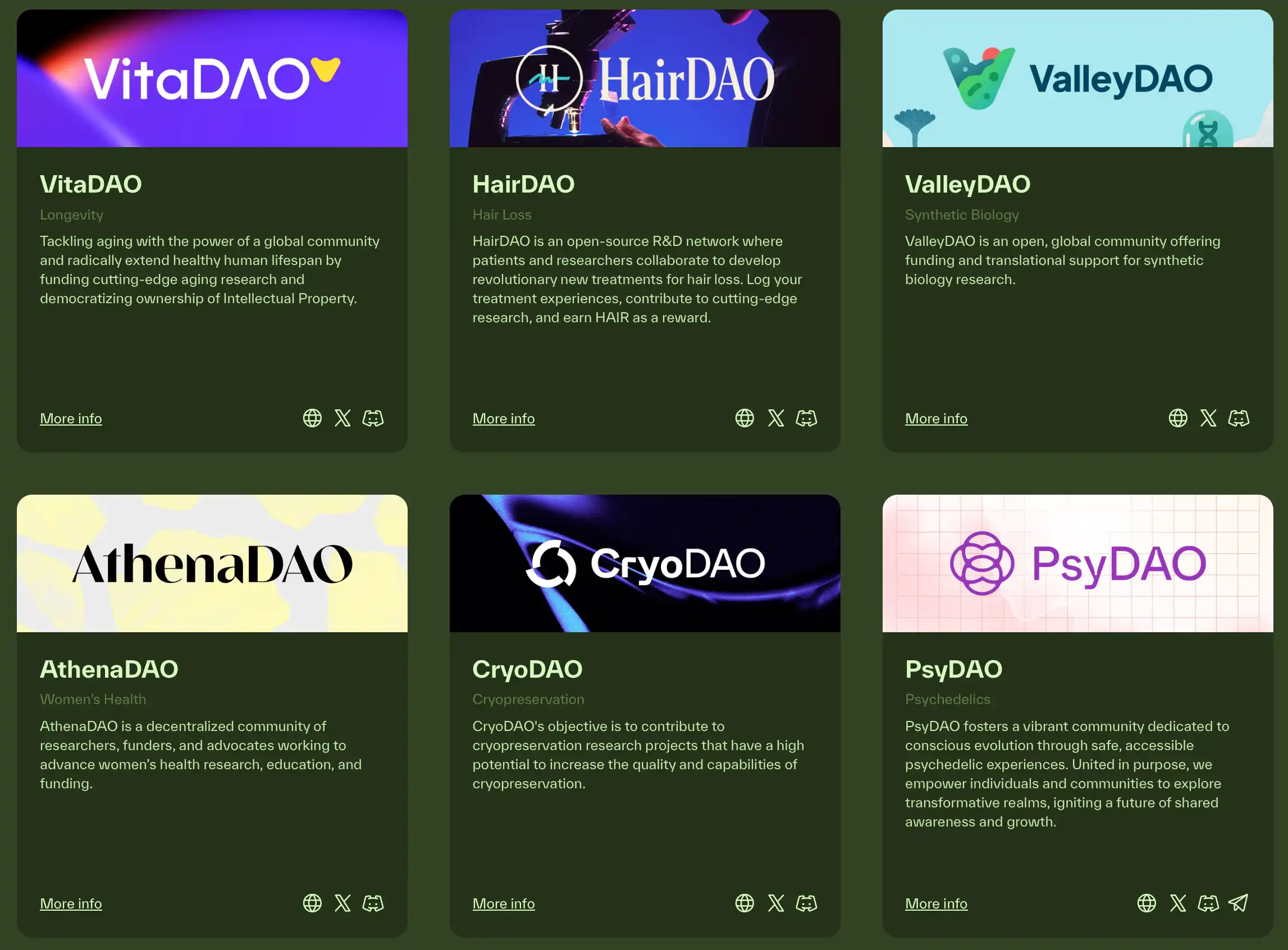
VitaDAO:在长寿科学领域获得 500 多万美元的资金,是辉瑞风投部门和 Balaji Srinivasan 支持的 DeSci 去中心化科学组织,与纽卡斯尔大学合作。值得注意的是,VitaDAO 是「元老中的元老」,是 DeSci 鼻祖、BIO 协议之母 Molecule 的首个 DeSci DAO,专注于长寿领域的研究。当前的 BIO Protocol 协会也是由 VitaDAO 主要成员创立的一家瑞士非营利组织。


HairDAO:针对脱发;DAO 拥有专利和消费产品 Follicool。


CerebrumDAO:促进大脑健康,筹集了 150 多万美元,与 Fission Pharma 达成协议,以解决神经退行性疾病中的线粒体功能障碍。


ValleyDAO:专注于合成生物学,筹集了 200 多万美元,并与伦敦帝国理工学院合作。


AthenaDAO:促进女性健康研发,为转化研究提供 50 万美元资金,有 14 项知识产权交易待定。


CryoDAO:促进低温学领域的发展,为该领域筹集了 300 多万美元,与牛津低温技术和高级神经生物科学建立了项目。


PsyDAO:专注于迷幻药物,推出了利用迷幻药物试验和数据的新平台 OPSY。

首批 Launchpad DAO
BIO Protocol 近期宣布了上线后的首批 Launchpad DAO,这些 DAO 通过 BIO 平台的 Launchpad 机制进行竞拍启动。其中,最先进行代币竞拍的 DAO 是 Quantum Biology DAO,竞拍活动已于 12 月 17 日结束,期间竞价十分火热,起拍价格一度超出原始标价 10 余倍之多。
DAO


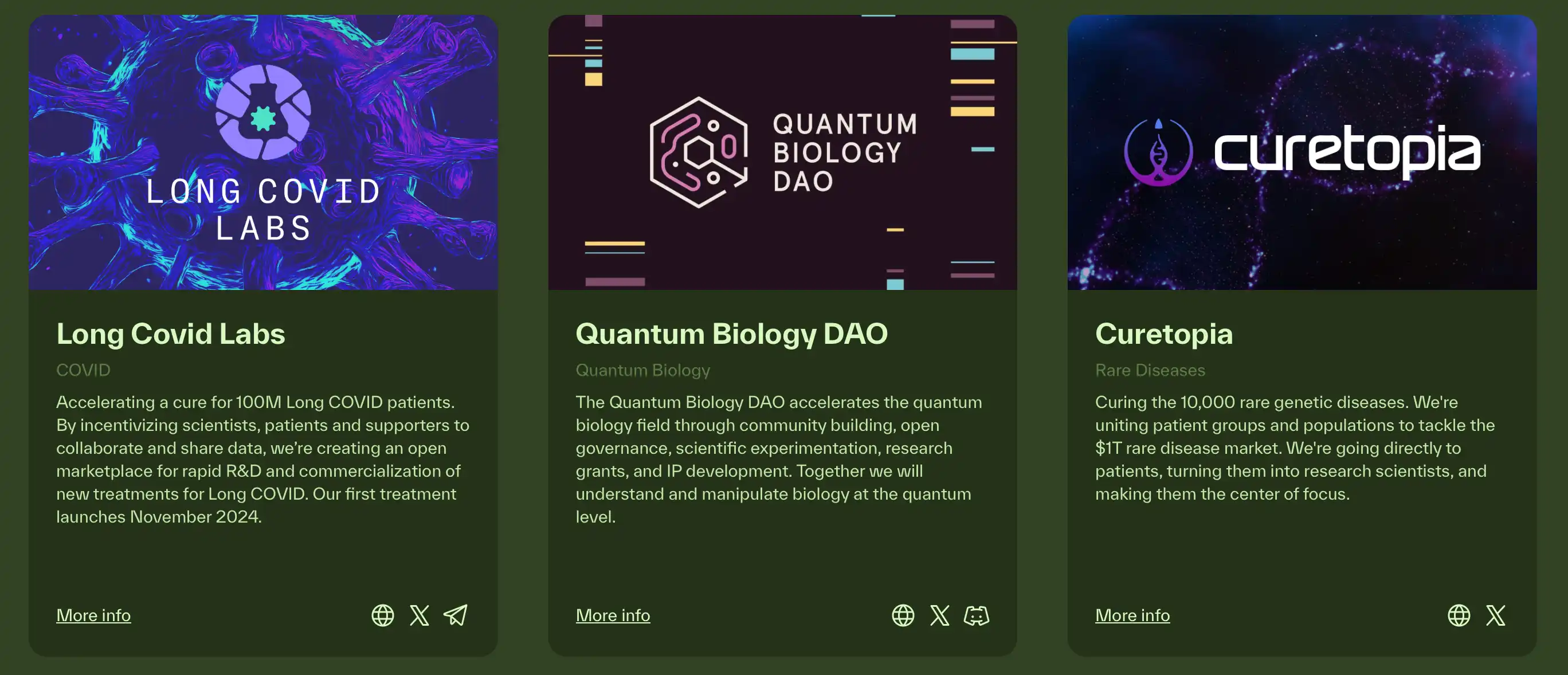
Long COVID Labs:加速治愈 1 亿多例 Long COVID 患者。创始人为 Rohan Dixit,前斯坦福大学神经科学家、医疗保健企业家和 Long COVID 幸存者。


Quantum Biology DAO:制造量子显微镜以推进生物研究。创始人为 Clarice D. Aiello(麻省理工学院博士、世界领先的量子生物学科学家)和 Geoff Anders(Leverage Research 执行董事)。


Curetopia(罕见疾病):通过团结家庭和患者社区来解决价值 1 万多美元的罕见疾病领域。创始人为 Ethan Perlstein,哈佛大学博士、企业家和 Y-Combinator 校友。

BIO 系 meme & AI DAO


除了严肃的科研 DAO 组织外,BIO 团队和社区也在 DeSci DAO 之外进行了有趣的 DeSci 实验,并成功为 DeSci 领域带来了大量的关注度。

RIF/URO


Pump.Science 是 BIO Protocol 在今年的 Token 2049 的 Solana Breakpoint 大会上推出的一个 meme 发币平台,玩家可以购买代表药物的 meme 代币,参与药物效果的预测和实验数据的交易。而 DEVCON 曼谷后 RIF/URO 的暴涨也是点燃 DeSci 领域的直接导火索,在过去较长一段时间被市场视为 DeSci 领域的炒作龙头。


DAO


DRUGS


DRUGS(Big Pharmai)又被称为「小 BIO」,是 BIO Protocol 生态的「亲儿子」。DRUGS 旨在颠覆传统大型医疗药物公司的垄断商业模式,该项目自发起之初便得到 BIO 生态的广受支持,包括 Pump Science、其他 BIO 系 DeSci DAO 以及 BIO 联创 Paul 本人。


DAO


GIRLE/BABY


GIRLE 和 BABY 则是 BIO 生态中 AthenaDAO 分别在 Solana DAOs.fun 平台和 Base 链上发行的 AI DAO 和 meme 代币,二者皆在支持女性生育领域的科学研究。


DAO


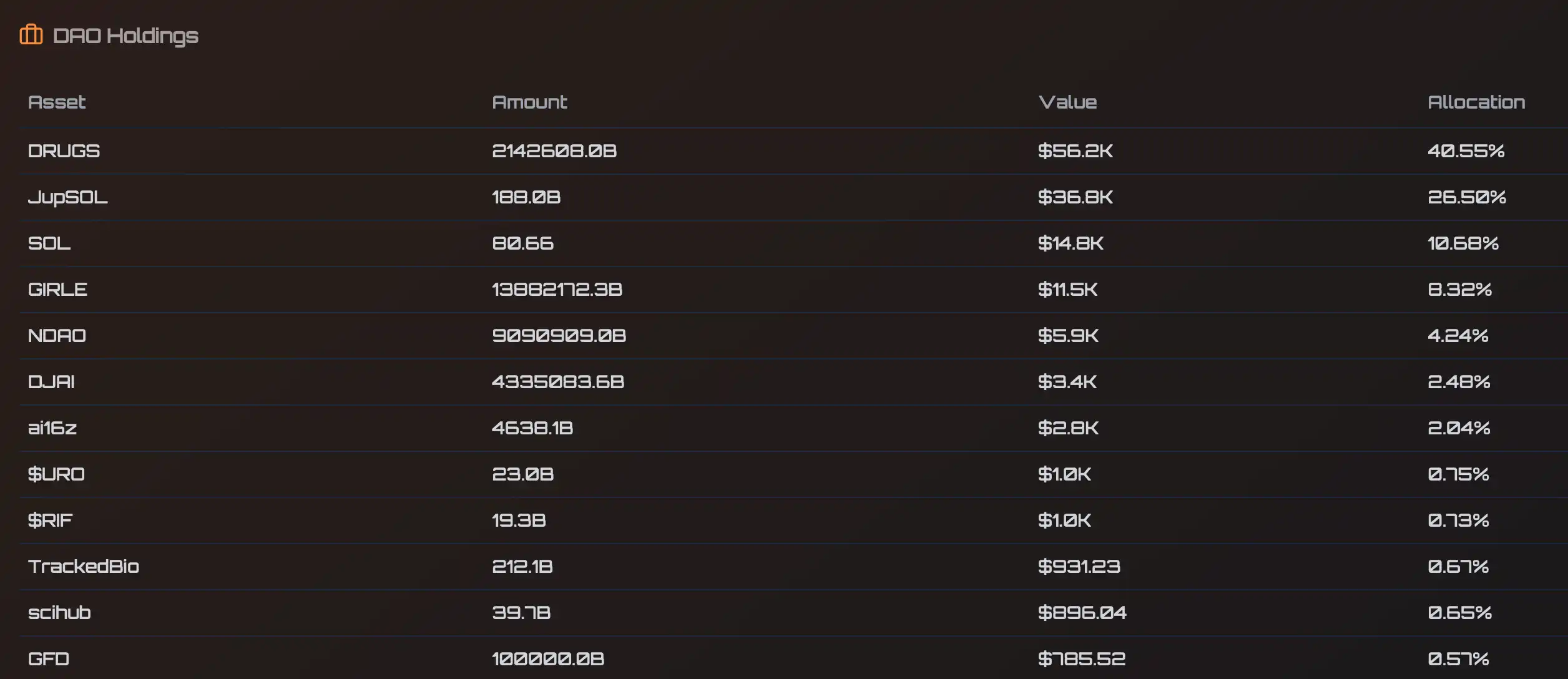
其中,GIRLE 旨在通过 AI 和 Web3 用代币赋能生育的未来,团队近期正在进行肽细胞修复的相关实验,测试肽对细胞的影响,并即将推出相关实验代币。而在其官网则还可以看到 DAO 国库中的其他代币持仓。
DAO


BIO 生态 IPT
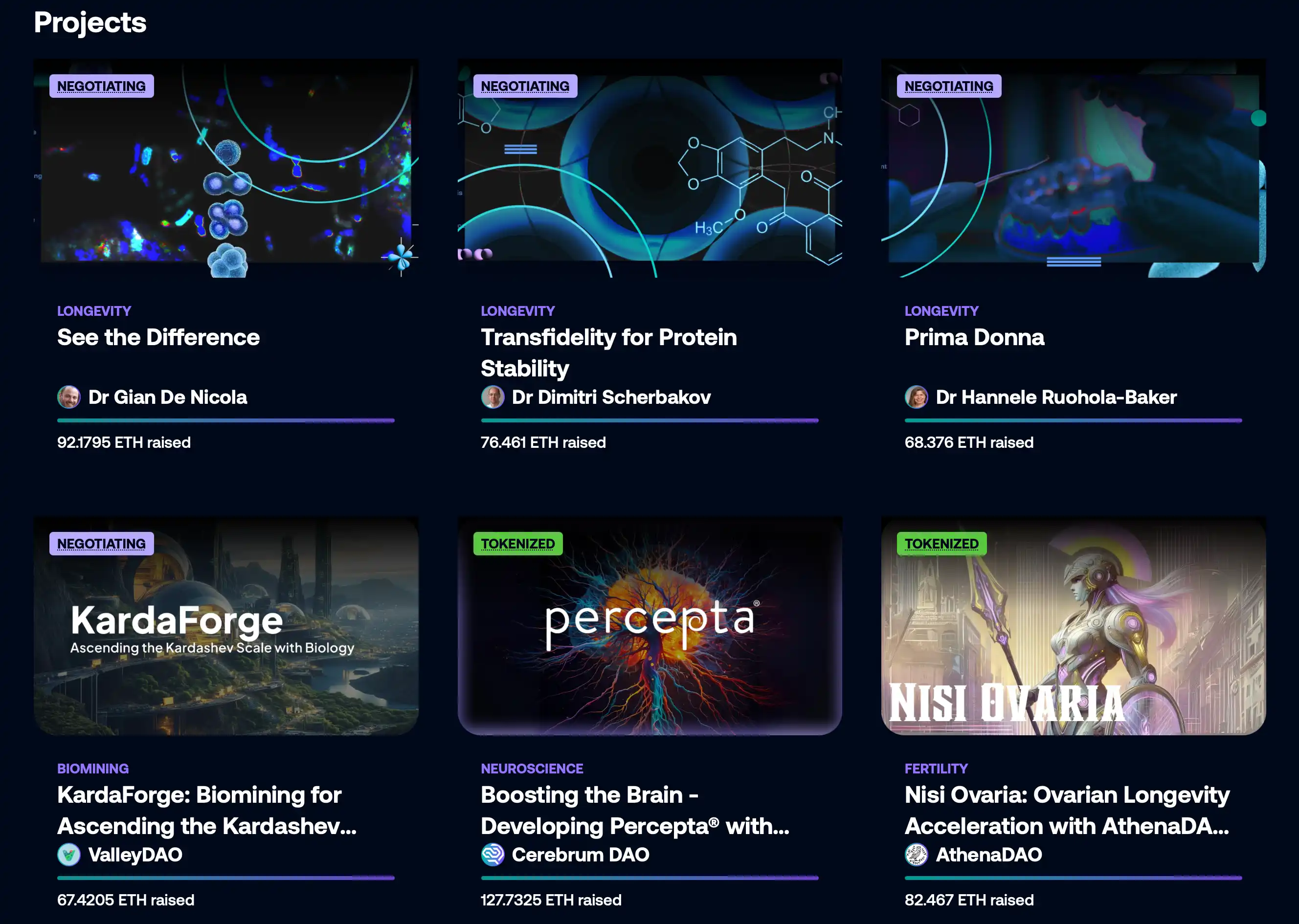
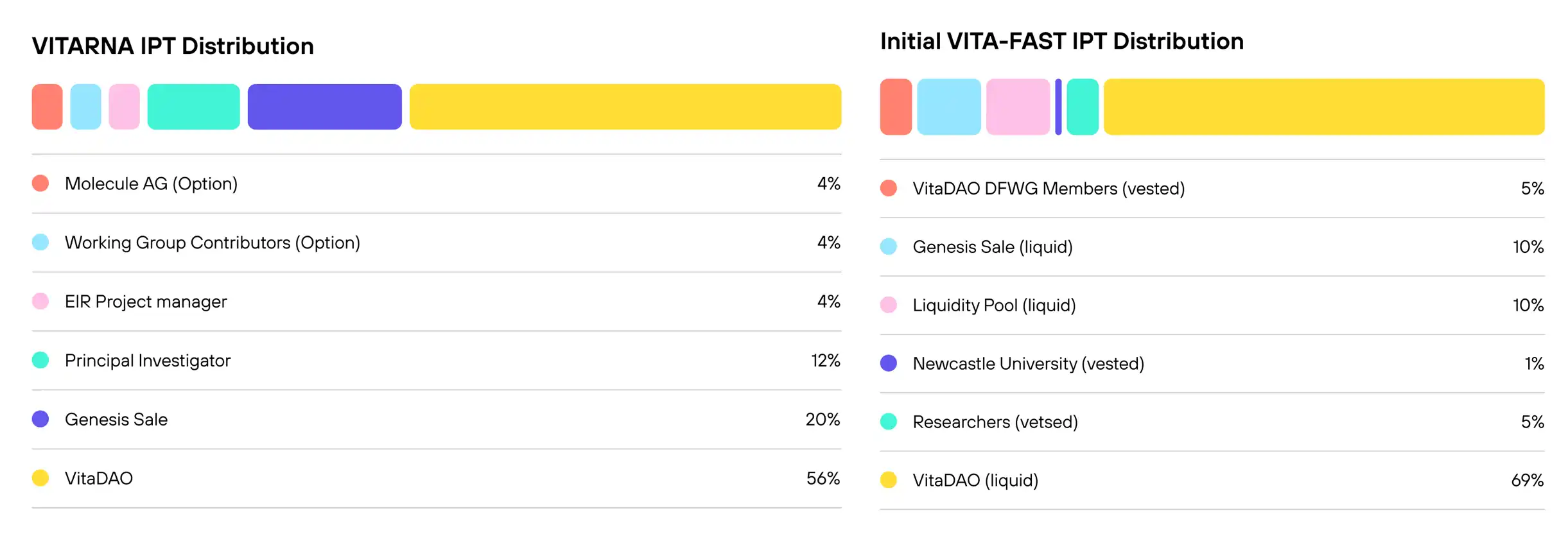
IPT 是由 Molecule Catalyst 平台首创的知识产权代币,代表对生成的科研 IP 的部分治理权。这些代币让持有者有机会直接参与研究的开发、决策和未来方向。每个 BioDAO 通常持有一个 IP 代币组合,代表与 BioDAO 的特定科学研究领域相关的知识产权。目前,最受认可的 IPT 是 VitaDAO 开发并拥有的 IPT VitaRNA 和 VITA-FAST。
DAO


IPT VitaRNA & VITA-FAST
VitaRNA 是 Artan Bio 的 IPT,这是一个基因治疗项目,筹集资金超 30 万美元。Artan Bio 正在探索有助于解决与衰老相关的遗传因素的有前途的基因疗法领域。该公司的方法旨在开发可能抑制导致衰老的突变的治疗候选者。Artan Bio 由两名企业家领导,他们之前将药物开发平台推进到人体临床试验中。
VITA-FAST 则是 Viktor Korolchuk 实验室的 IPT,同样成功筹集了超 30 万美元。VITA-FAST 专注对增强自噬的药物的研究,自噬是内置在我们身体细胞中的天然「垃圾处理」,可以消除不必要的蛋白质堆积。
DAO


OVARIA
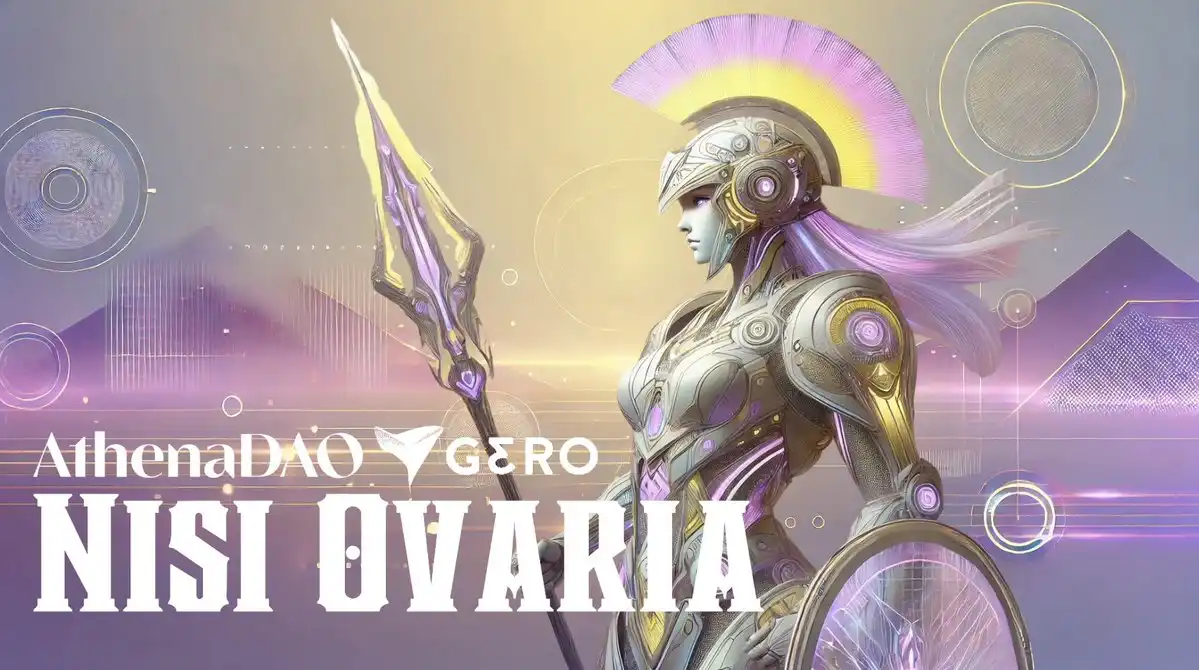
OVARIA 是 AthenaDAO 与 Gero 合作推出的 IPT。Gero 是一家使用人工智能进行靶标和药物发现的生物技术公司,AthenaDAO 与 Gero 合作,旨在彻底改变卵巢老化的治疗环境,在目前有限的领域提供治疗潜力。AthenaDAO 将使用他们的平台识别预计多达 10 个卵巢老化的新靶点,这些试验结果有望推迟更年期并减少其与健康相关的后果。
DAO


竞对 & 相关 meme
除了 BIO 系相关标的外,生态热度也同样扩展到 DeSci 的其他领域。

RSC
Research Hub 是由 Coinbase CEO Brain Armstrong 创立的 DeSci 项目,其使命是加快科学研究的步伐。通过制做现代化的移动和网络应用程序,让人们可以以更有效的方式进行科学研究。
在 ResearchHub 平台内,研究论文按研究领域存储并分组在「中心」中。个人中心基本上将在重点领域内作为现场期刊,在投票率很高的帖子中。(即论文及其相关的摘要和讨论)移动到每个中心的顶部。

DAO


Scihub
Scihub 灵感源自全世界最大的免费论文下载中心 Sci-hub,其因开源面临法律问题,平台仅靠捐赠维持。0xAA(@0xAA_Science) 是该代币的 TOP1 持有者,目前持有总量 22% 的代币,他表示会将 20% 代币捐赠给 SciHub 的运营者,表示对其事业和平台发展的支持。

DAO


目前,BIO Protocol 公布了 2025 年路线图,包括:


BIO 代币将于 1 月 3 日在以太坊主网上进行 TGE;
BIO 代币将上线 Solana 和 Base 网络;
新的 BioDAO 启动;
BIO/BioDAO 流动性池;
新的 BIO Launchpad 正式上线。


Пов'язані матеріали

Blood Loss of $55 Million Selling 3,588 BTC, Strategy Becomes a Literal Scumbag

On July 6th, Strategy (formerly MicroStrategy) disclosed in an SEC filing that it sold 3,588 Bitcoin (BTC) between June 29th and July 5th for approximately $216 million, at an average price of ~$60,200. This marked the company's largest net sale since initiating its Bitcoin strategy in 2020 and its first institutionalized reduction of its core holding. The sale resulted in a realized loss of about $54.8 million, as the selling price was below its average cost basis of ~$75,476 per BTC. The proceeds were used to pay preferred stock dividends and replenish USD reserves. This move follows a new "Digital Credit Capital Framework" approved on June 29th, authorizing the sale of up to $1.25 billion in Bitcoin. The sale consumes roughly 17% of this authorized amount in its first week. Strategy's foundational narrative, built by founder Michael Saylor, was a commitment to "never sell" Bitcoin. The recent institutionalized selling framework and these substantial sales represent a significant shift from that original promise. While the amount sold is only 0.4% of Strategy's total holdings of 843,775 BTC, the action challenges the premium at which its stock (MSTR) trades relative to its Bitcoin holdings. Investors had priced in the "never sell" narrative. The company now faces a contradiction: it sells Bitcoin at a loss to pay dividends on the preferred stock it issued to fund Bitcoin purchases. Saylor has framed selling as a tool for future strategic purchases, but each sale erodes the credibility of the original commitment, potentially threatening the premium valuation of MSTR shares.

Foresight News33 хв тому

Blood Loss of $55 Million Selling 3,588 BTC, Strategy Becomes a Literal Scumbag

Foresight News33 хв тому

JP Morgan Tokenized Fund Surges 250% in TVL in One Month, Institutional Funds Are Treating Ethereum as the Default Underlying Layer

JPMorgan's tokenized money market fund, JLTXX, has seen its on-chain total value locked (TVL) surge approximately 250% in a month, reaching nearly $700 million from an initial $200 million since its launch seven weeks ago. The fund, which invests in short-term U.S. Treasuries and repos, operates exclusively on the public Ethereum mainnet, signaling growing institutional acceptance of Ethereum as a foundational layer for compliant financial products. A key driver of this growth is its inclusion as reserve assets for stablecoins like USDG, meeting requirements under U.S. stablecoin legislation. Simultaneously, despite a significant price decline—ETH has fallen over 50% from its 2025 high—institutional accumulation continues. BitMine Immersion Technologies, led by Tom Lee, purchased an additional $73 million worth of ETH last week, bringing its holdings to roughly 4.8% of Ethereum's circulating supply. The article highlights a divergence: while the tokenization of real-world assets and stablecoin reserves is driving long-term institutional adoption of Ethereum's infrastructure, short-term price action remains pressured by market sentiment and ETF outflows. This suggests that institutional on-chain activity, though a positive fundamental development, may not serve as a reliable signal for near-term price bottoms.

marsbit37 хв тому

JP Morgan Tokenized Fund Surges 250% in TVL in One Month, Institutional Funds Are Treating Ethereum as the Default Underlying Layer

marsbit37 хв тому

Dialogue with Yihui Capital, SoundAI Technology, Ling Universe, and Zhongbo Jili: Opportunities and Challenges in the AI Smart Hardware Track

On June 28, 2026, an event titled "New Opportunities in AI Hardware: The Battle for Interactive Entry Points Begins" was held in Beijing. It featured a report from ITJuzi and discussions with experts from SoundAI, Ling Universe, One Reed Capital, and Zhongbo Juli on the opportunities and challenges in China's AI hardware sector. Key report findings highlight the sector's intense activity: 327 out of 431 startups founded post-2023 have secured funding, with 179 investments in H1 2026 alone. The landscape is dominated by embodied intelligent robots, while wearable tech like smart rings and AI glasses shows rapid growth. Geographically, Shenzhen leads, leveraging its superior hardware supply chain, followed by Beijing and Shanghai. The overarching trend is for companies to focus on micro-innovations within specific scenarios rather than reinventing foundational technology. Industry leaders shared several critical insights: 1. **Balancing Innovation & Market Readiness**: Entrepreneurs face the "hammer looking for a nail" dilemma. Success requires balancing technical capability with user acceptance, cost control, and incremental design improvements rather than chasing disruptive innovation. 2. **Competitive Landscape**: The future interactive entry point may not be a single super-device but a mix of universal terminals and specialized, scenario-specific hardware. While large companies have ecosystem advantages, startups can win by deeply targeting vertical markets and specific user groups. 3. **Core Challenges & Business Models**: Key hurdles include deep understanding of AI models and navigating non-transparent hardware supply chains. Viable business models may involve selling hardware at cost and generating revenue through software subscriptions, but this requires tight control over both hardware BOM and model inference costs. 4. **The Road to Commercialization**: The ultimate test is market validation—achieving sales growth and sustainable cash flow. Companies must find the right application scenario, use edge computing effectively, and close the loop from technology to commercial success. 5. **The Future of Interaction**: Proactive, context-aware interaction is the next frontier, though it's currently limited by issues like model hallucinations and environmental perception. The near-term focus should be on identifying target users and creating a coherent experience in specific domains, such as health wearables. In summary, to succeed in the competitive AI hardware arena, companies must strategically choose their niche, build a team with the right geographical advantages (e.g., leveraging Shenzhen's supply chain), and most importantly, execute a flawless commercialization strategy that translates technology into market-accepted products and sustainable business growth.

marsbit1 год тому

Dialogue with Yihui Capital, SoundAI Technology, Ling Universe, and Zhongbo Jili: Opportunities and Challenges in the AI Smart Hardware Track

marsbit1 год тому

Торгівля

Спот
活动图片