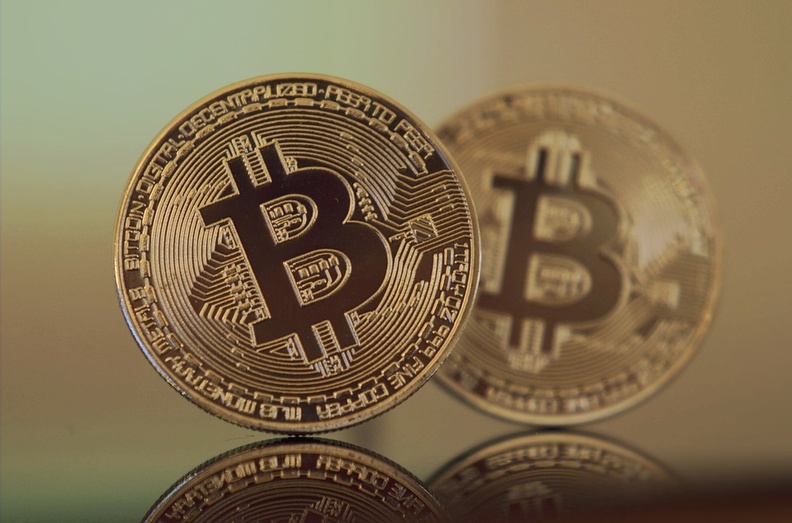
Билл Миллер раскрыл среднюю цену покупки своих биткоинов

cryptonews.ruОпубліковано о 2024-06-21Востаннє оновлено о 2024-10-21

Основатель Miller Value Partners Билл Миллер купил биткоин «в самом начале» по $200, а его средняя цена входа с 2012 по 2024 года составляет около $700. Об этом бизнесмен рассказал в интервью Forbes.

По его словам, первая криптовалюта — единственная экономическая единица, где предложение не зависит от спроса или цены, в отличие от традиционных активов и драгоценных металлов.

«Если бы цена золота составляла $10 000 или $100 000 за унцию, его на рынок поступало бы намного больше, поскольку нерентабельные месторождения стали бы экономически выгодными. Но если цена биткоина достигнет $100 000 или $1 млн, предложение останется фиксированным […]», — объяснил Миллер.

Инвестор рассказал, что обратил внимание на биткоин благодаря выступлению основателя Xapo Венсеса Касареса на конференции Allen & Co Sun Valley в 2012 году.

Тогда среди одной из причин, почему люди не владеют первой криптовалютой, Касарес назвал непонимание технологии и ее цели.

«Он сказал, что эта штука другая, что это новая технология, которая, по сути, является цифровым золотом, но лучше. Вы можете мгновенно отправить его в любую точку мира бесплатно, а активы нельзя конфисковать», — вспоминает Миллер.

Основатель Miller Value считает, что биткоин — «страховка от финансовой катастрофы, от инфляции и от ситуации, которую мы видели во время пандемии». По его прогнозам, в течение следующих трех-пяти лет большинство финансовых консультантов начнут рекомендовать клиентам вкладывать 1-3% активов в первую криптовалюту.

Напомним, в январе 2023 года Миллер подчеркнул, что следует разделять биткоин и такие централизованные компании вроде FTX и Celsius Network, крах которых отпугнул от крипторынка многих потенциальных инвесторов.

В 2022 году он раскрыл свои инвестиции в биткоин и альткоины. Тогда эти вложения составляли до половины его личных сбережений.

Пов'язані матеріали

MSTR Discloses Sale of 3,588 Bitcoins, Stock Price Drops Over 5% at One Point During Trading

MicroStrategy, the world's largest corporate holder of Bitcoin, has significantly shifted its business model. Between June 29 and July 5, the company sold 3,588 bitcoins for approximately $216 million to fund quarterly dividends for its preferred stock. This marks its largest-ever Bitcoin sale and signals a strategic pivot: Bitcoin is transitioning from a "buy-and-hold" reserve asset to a liquidity management tool for the company. This move follows a recent authorization allowing Bitcoin sales when equity fundraising is less attractive. The announcement contributed to a more than 5% intraday drop in MicroStrategy's stock price, while Bitcoin fell to around $61,800—below the company's average holding cost of roughly $75,700. The sale represents a major departure from MicroStrategy's long-standing "never sell" commitment, which saw its first minor breach in May with a $2.5 million sale. The latest, hundred-times-larger transaction underscores growing financial pressures. Analysts note the company faces about $1.5 billion in annual preferred dividend obligations, far exceeding cash flow from its software business. As of July 5, MicroStrategy holds 843,775 bitcoins. Its current operational logic involves buying Bitcoin during favorable financing conditions and selling portions to cover dividends when needed, creating a flexible capital management cycle amidst a challenging market environment.

华尔街日报7 год тому

MSTR Discloses Sale of 3,588 Bitcoins, Stock Price Drops Over 5% at One Point During Trading

华尔街日报7 год тому

Q-Day Countdown: Will Quantum Computing End Cryptocurrencies?

Quantum Computing's Threat to Cryptocurrency: A Countdown to Q-Day Quantum computing, specifically Shor's algorithm, poses a fundamental threat to the public-key cryptography (e.g., ECDSA, RSA) that secures blockchain networks like Bitcoin and Ethereum. This critical juncture, known as Q-Day, is estimated to occur potentially within the next 5-15 years. The core vulnerability stems from the public and immutable nature of blockchains. Assets in addresses where the public key is already exposed on-chain (e.g., spent outputs) are at direct risk, as a sufficiently powerful quantum computer could derive the private key. This threatens the very trust model of cryptocurrencies. The response lies in Post-Quantum Cryptography (PQC)—algorithms like lattice-based ML-DSA and hash-based SLH-DSA, which are resistant to quantum attacks. NIST has standardized key PQC algorithms (FIPS 203, 204, 205), providing a migration path. However, the primary challenge is not technical but socio-economic and involves complex governance: * **Bitcoin's** path is constrained by its conservative ethos. Migrating requires a soft-fork to new address types, facing hurdles like significantly larger signature sizes and, most critically, the divisive governance question of how to handle at-risk legacy UTXOs without violating core principles. * **Ethereum** is pursuing a "cryptographic agility" strategy, with a multi-layered roadmap. It leverages account abstraction for user accounts and is developing compressed hash-based signatures (e.g., leanXMSS) for its consensus layer, aiming for a full-stack upgrade over time. In conclusion, quantum computing does not spell an instant end for cryptocurrency but initiates a critical countdown. The industry has a limited "engineering comfort window" to orchestrate a coordinated, ecosystem-wide migration to PQC. The ultimate bottlenecks are the immense coordination efforts and governance decisions required for this foundational transition.

marsbit8 год тому

Q-Day Countdown: Will Quantum Computing End Cryptocurrencies?

marsbit8 год тому

Торгівля

Спот
活动图片