Blockcast привлекает $2,85 млн от инвесторов

cryptonews.ruОпубліковано о 2019-12-15Востаннє оновлено о 2024-10-15

Компания Blockcast объявила о завершении раунда финансирования на сумму $2,85 млн, который был возглавлен фондом Lattice. Среди других участников данного этапа по сбору средств такие крупные игроки, как AllianceDAO, Protocol Labs, Finality Capital, Zee Prime Capital, а также сооснователь Solana, Анатолий Яковенко. Это важный шаг в развитии Blockcast, который подтверждает доверие инвесторов к проекту, нацеленному на инновации в области интернет-инфраструктуры.

Одновременно с анонсом, Blockcast запустила версию V0 своего веб-портала для управления узлами сети. Он уже сейчас дает возможность пользователям взаимодействовать с системой и станет основным центром для регистрации и управления CDN (Content Delivery Network) PoP (Points of Presence). Площадка будет полезна как для коммерческих операторов, так и для глобального сообщества, открывая возможности для участия в работе децентрализованной сети.

Благодаря новому порталу, Blockcast планирует создать хаб для управления инфраструктурой CDN, что станет важным шагом для развития децентрализованных сетевых технологий. Это позволит улучшить управление и распространение данных через узлы, что в конечном итоге может привести к значительному повышению эффективности доставки контента в интернете. В будущем платформа продолжит развиваться, предоставляя более удобные и эффективные инструменты для операторов узлов.

Для того чтобы отблагодарить своих ранних сторонников, Blockcast организовала бонусную программу. Все пользователи, которые зарегистрируются на веб-портале и подпишутся на компанию в Twitter в течение 48 часов, получат 888 бонусных очков.

Основатель Blockcast, Оли Рамадан, назвал запуск портала «парадигмальной сменой» в инфраструктуре интернета. В интервью для программы Coverage Proved он подчеркнул, что участники Blockcast могут стать частью этого технологического прорыва, помогая формировать новую систему управления интернет-ресурсами, ориентированную на децентрализацию и участие сообщества.


Пов'язані матеріали

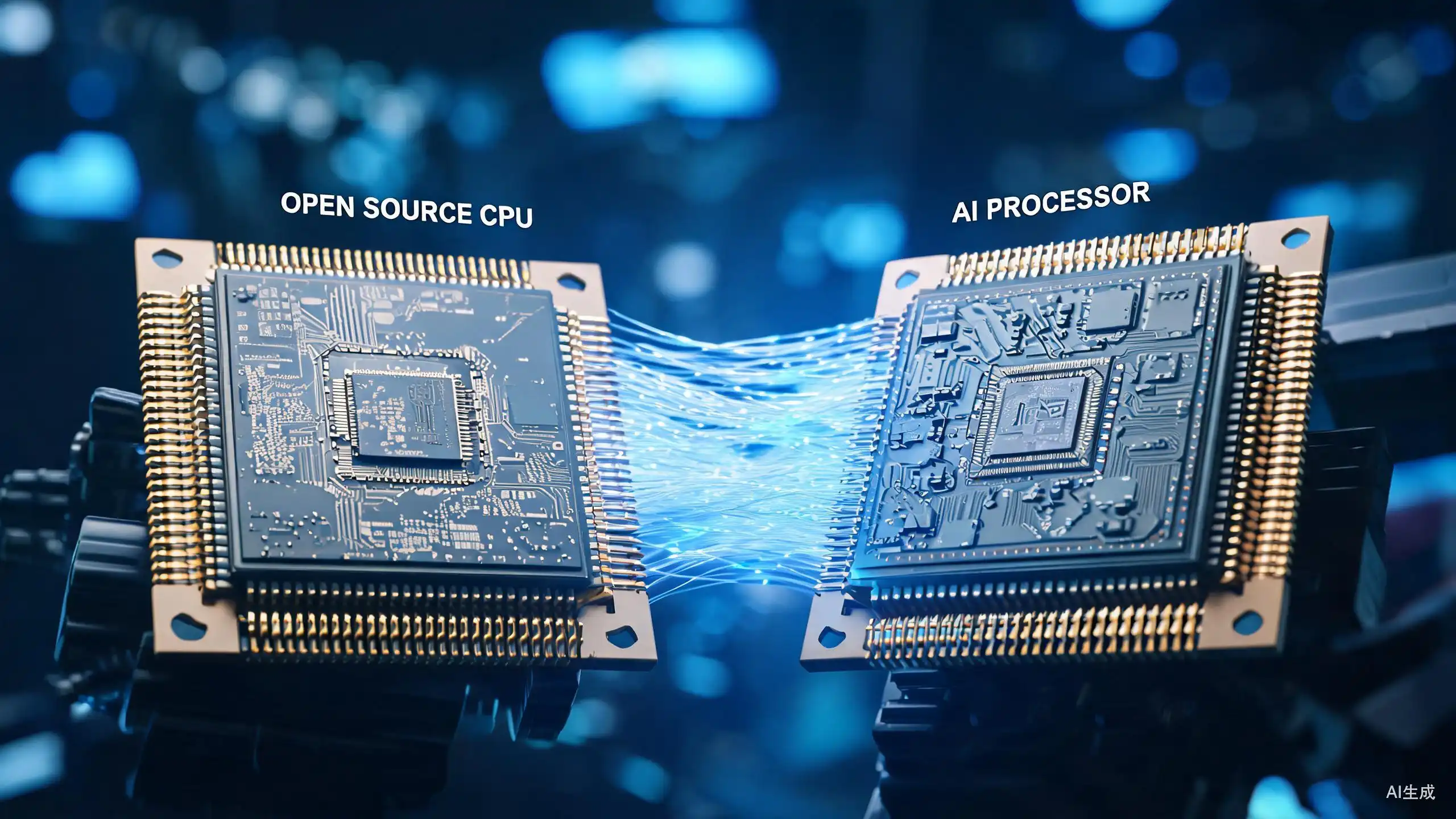
NVIDIA CPU Advances, China's RISC-V Responds: Semiconductor Deep Dive - Part Four

NVIDIA is set to launch its new Vera AI data center CPU in China as early as August, with high pricing. While this move offers a new option, it highlights China's continued dependence on foreign-controlled Arm architecture. In response, the Chinese semiconductor industry is increasingly turning to RISC-V as a strategic alternative for achieving high-performance computing autonomy. The article explores the concept of the "impossible triangle" in CPU development—balancing prosperity, control, and autonomy—and posits that RISC-V's open-source, modular nature offers a unique path to achieving all three. While RISC-V is already dominant in embedded systems, the focus is now shifting to data centers and AI workloads. China has become a global hotspot for RISC-V development, driven by AI-driven compute demand, supply chain concerns from export controls, cost benefits of open-source, and strong policy support. Multiple Chinese companies have reportedly crossed the key performance threshold of 15 SPECint per GHz, a benchmark for entering the high-performance CPU club. Progress extends beyond single-core benchmarks. Companies are developing complete computing subsystems, including commercial-grade coherent network-on-chip (NoC) technology and server processors with up to 40 cores that strictly adhere to the RVA23 standard to ensure software compatibility. Real-world applications are emerging in areas like video transcoding and edge AI. However, significant challenges remain. The RISC-V ecosystem faces fragmentation, immature toolchains and verification processes, and gaps in single-core performance and energy efficiency compared to mature x86 and Arm architectures. The formidable software moat, epitomized by NVIDIA's CUDA, is a long-term hurdle. In conclusion, while RISC-V cannot immediately replace offerings like NVIDIA's Vera, it represents a viable long-term path for China to develop a self-sufficient, high-performance CPU ecosystem. The journey is acknowledged to be long and arduous, requiring sustained effort to overcome technical and ecosystem challenges.

marsbit7 год тому

NVIDIA CPU Advances, China's RISC-V Responds: Semiconductor Deep Dive - Part Four

marsbit7 год тому

Торгівля

Спот
Ф'ючерси
活动图片