PayPal прокладывает путь для массового внедрения стейблкоинов

cryptonews.ruОпубліковано о 2024-07-03Востаннє оновлено о 2024-10-03

PayPal, гигант платежной индустрии, сделал значительный шаг в мир криптовалют, успешно проведя первую бизнес-транзакцию с использованием своего стейблкоина, PayPal USD (PYUSD).

Что такое PYUSD?

PYUSD ⸺ это стейблкоин, выпущенный PayPal в августе 2023 года. Он привязан к доллару США в соотношении 1⁚1, что означает, что 1 PYUSD всегда можно обменять на 1 доллар США.

Преимущества PYUSD⁚

  • Стабильность⁚ В отличие от других криптовалют, PYUSD не подвержен резким колебаниям цен.
  • Надежность⁚ PYUSD обеспечен депозитами в долларах США, казначейскими облигациями США и аналогичными активами.
  • Удобство⁚ PYUSD интегрирован в платформу PayPal, что делает его использование простым и доступным.

Первая бизнес-транзакция

Хотя детали первой транзакции не разглашаются, PayPal подтвердил, что она была проведена между двумя бизнес-аккаунтами в США. Это событие знаменует собой важную веху для PayPal и для всей индустрии стейблкоинов.

Влияние на бизнес

Успешная транзакция демонстрирует потенциал PYUSD для упрощения бизнес-платежей. Вот некоторые из преимуществ, которые PYUSD может предложить бизнесу⁚

  1. Более быстрые транзакции⁚ Транзакции с PYUSD могут обрабатываться быстрее, чем традиционные банковские переводы.
  2. Низкие комиссии⁚ Комиссии за транзакции с PYUSD могут быть значительно ниже, чем за использование традиционных платежных систем.
  3. Глобальный охват⁚ PYUSD может использоваться для отправки и получения платежей по всему миру.

Будущее PYUSD

PayPal планирует активно продвигать PYUSD среди бизнеса и потребителей. Компания верит, что стейблкоины могут революционизировать платежную индустрию, и PYUSD призван сыграть ключевую роль в этой революции.

Первая бизнес-транзакция с PYUSD ⎻ это важный шаг для PayPal и для всей индустрии стейблкоинов. Это событие демонстрирует растущий интерес к стейблкоинам как к надежному и удобному способу проведения платежей. В будущем можно ожидать еще большего распространения PYUSD и других стейблкоинов в бизнес-среде.

Пов'язані матеріали

Why 2026 could redefine Ethereum, Solana, Base and Avalanche

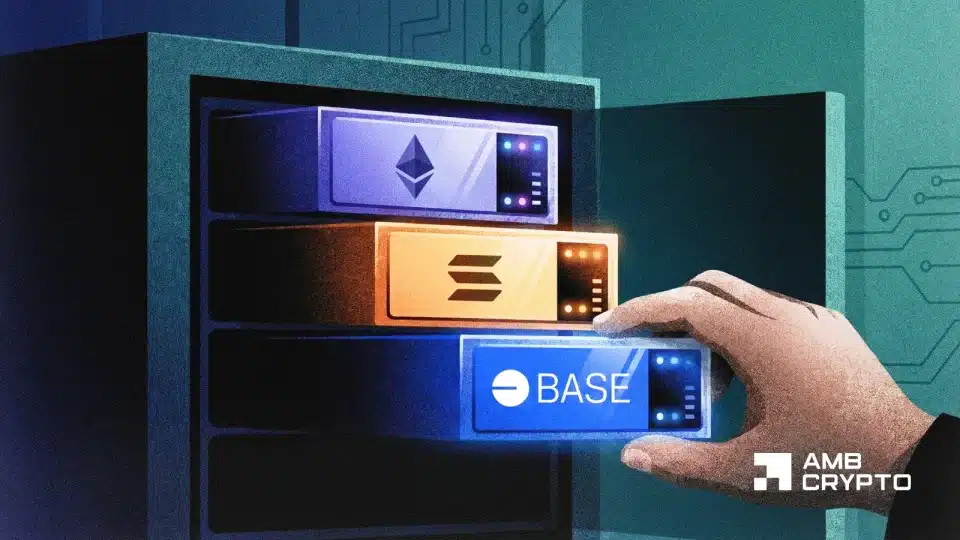
Blockchain infrastructure is undergoing a major coordinated transformation, driven by institutional demand for reliability, compliance, and predictable settlement. Over $30 billion in Real-World Assets (RWA) on-chain has exposed network weaknesses. Major blockchains are responding with foundational upgrades, moving beyond incremental speed improvements. Ethereum's "Glamsterdam" upgrade, planned for H1 2026, will significantly increase gas limits and introduce features like PBS (pre-blocked state) for enhanced settlement and parallel execution. Solana's "Alpenglow," targeting a mainnet launch in H2 2026, focuses on reducing finality time dramatically and freeing network resources to improve reliability. Beyond speed, compliance is critical. Base's "Beryl" upgrade in Q3 2026 will introduce a standardized, regulatory-compliant token framework (B20). Avalanche's "Octane" upgrade aims to boost transaction processing and reduce costs for enterprise applications. Even Bitcoin is evolving with the potential activation of OP_CAT by late 2026/early 2027. The competition is shifting. While technical upgrades are widespread, institutions will ultimately allocate capital based on proven execution, operational resilience, and regulatory compatibility during market stress. Ethereum currently leads in tokenized assets, while networks like Base and Solana are strengthening their institutional offerings. The blockchain that best delivers reliable, compliant, and uninterrupted service is poised to attract the greatest share of future institutional capital.

ambcrypto14 хв тому

Why 2026 could redefine Ethereum, Solana, Base and Avalanche

ambcrypto14 хв тому

Tiger Research: Take RWA Tokenization Overseas First

This article discusses the strategic choices facing financial institutions in jurisdictions lacking mature regulatory frameworks for Real-World Asset (RWA) tokenization. With the market growing rapidly, institutions must choose between waiting for local legislation, using regulatory sandboxes, or—the recommended priority—expanding into overseas markets to gain early experience. Successfully launching cross-border RWA tokenization requires meticulous preparation across six key areas: establishing an overseas base (e.g., Hong Kong, Singapore, the U.S.), securing necessary licenses, defining the tokenized asset (with bonds being simpler than non-standard assets), defining the target investor scope, deciding on settlement currencies/payment flows, and designing operational requirements like custody and on-chain governance. The article outlines two primary strategic paths: a direct "onshore" path and a "native on-chain" path. The direct path involves setting up a legal entity and obtaining licenses in a mature jurisdiction like Hong Kong, Singapore, or the U.S., leveraging existing platforms (e.g., DigiFT, Securitize) for efficiency. The alternative native on-chain path involves partnering with compliant, decentralized platforms (e.g., Ondo, Plume Nest) that use structures like offshore SPVs to facilitate tokenization and access DeFi liquidity, offering speed and broader reach but with greater structural complexity. The core argument is that institutions should not wait for perfect domestic regulation. A detailed hypothetical case study illustrates the multi-step, 6-12 month process of launching an overseas tokenized bond. The key takeaway is that the essence of a tokenization business lies not in the technology but in successfully executing the entire sales and operational process. The market is moving forward, and the time to act is now.

marsbit25 хв тому

Tiger Research: Take RWA Tokenization Overseas First

marsbit25 хв тому

Торгівля

Спот
活动图片