Plume запускает «Mineral Vault» на фоне спроса на доходность RWA

cryptonews.ruОпубліковано о 2024-03-10Востаннє оновлено о 2024-09-10

Plume Network, блокчейн, специализирующийся на реальных активах (RWA), запускает токенизированное хранилище «Mineral Vault» на фоне высокого спроса на высокодоходные частные активы в блокчейне, сообщил 9 сентября Крис Инь, генеральный директор Plume.

Созданное управляющей компанией Allegiance Oil & Gas, Mineral Vault представляет токенизированные интересы в сфере полезных ископаемых, форму недвижимости, которая получает роялти от добычи и продажи природных ресурсов.

Целью Vault является обеспечение «финансового доступа к добыче ресурсов, таких как золото, серебро, уголь и, в первую очередь, сырая нефть и природный газ» в Соединенных Штатах, заявил представитель Plume.

По данным RWA.xyz, в настоящее время токенизированные RWA имеют общую заблокированную стоимость (TVL) около 12 миллиардов долларов. В конечном итоге они могут представлять собой рыночную возможность в размере 30 триллионов долларов в глобальном масштабе, сказал в августе Колин Батлер, руководитель отдела международного институционального капитала Polygon.
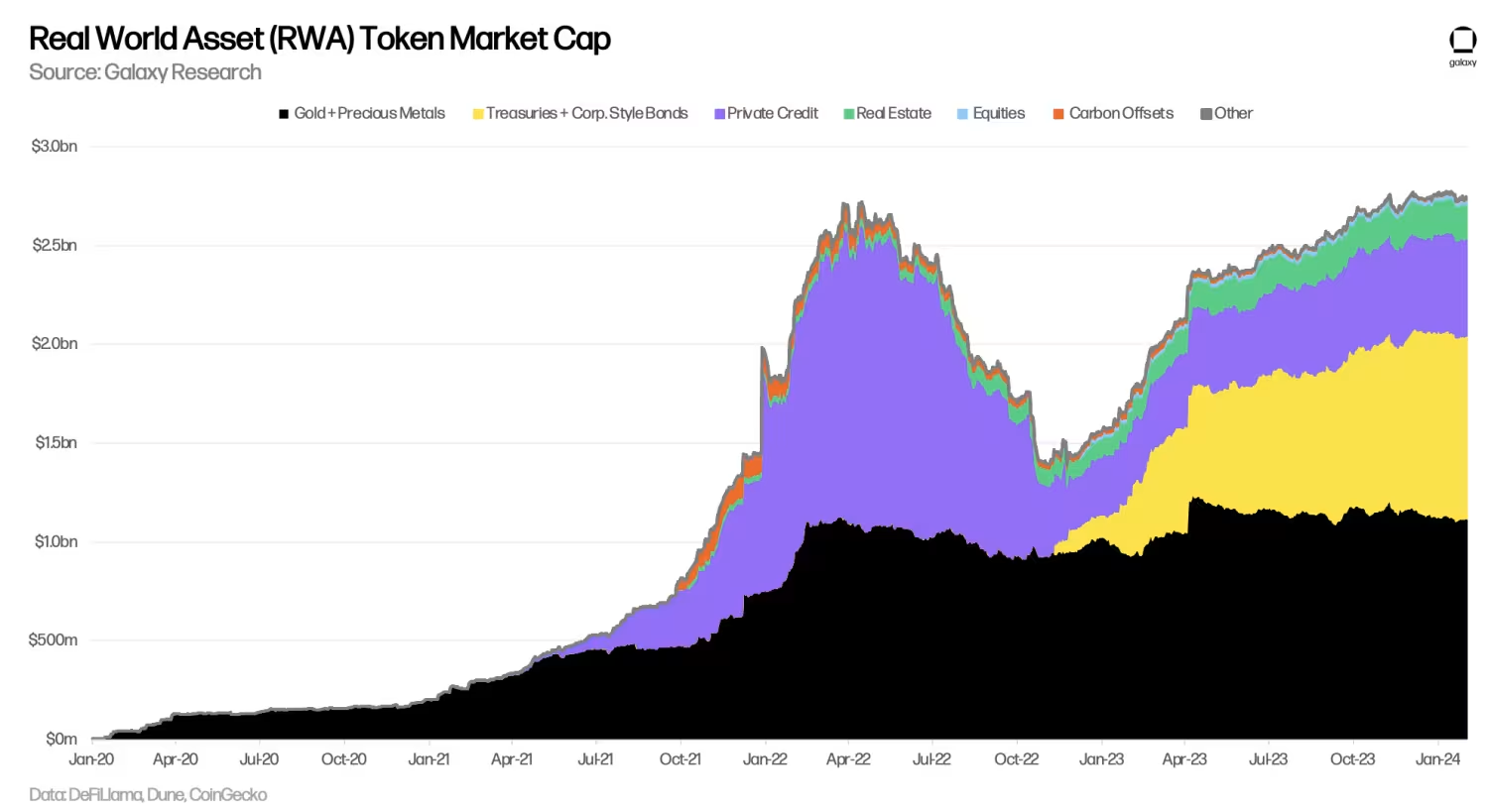

Сегменты RWA по общей рыночной капитализации. Источник: Galaxy Research.

«Если посмотреть на принятие RWA, то совершенно ясно, что есть определенная область, которая растет быстрее всего — доходные активы», — сказал Инь.

RWA с самой высокой TVL включают токенизированные казначейские векселя США и денежные фонды, такие как BlackRock USD Institutional Digital Liquidity Fund (BUIDL) и Franklin OnChain US Government Money Fund (FOBXX). По данным RWA.xyz, фонды имеют приблизительно 514 миллионов и 443 миллиона долларов в TVL соответственно.

«В последнее время мы наблюдаем возросший спрос на доступ к более частным, ликвидным активам, таким как права на полезные ископаемые (которые традиционно очень труднодоступны), поскольку их доходность превышает 10% и она выплачивается в стейблкоинах», — сказал Инь.

«Естественная эволюция заключается в том, чтобы немного подняться вверх по течению, где продукты выглядят и ощущаются очень похожими, но теперь обеспечивают некоторую дополнительную доходность сверху», — добавил он.

Plume стремится разработать экосистему, ориентированную на RWA, получившую название RWAfi, направленную на «наделение реальных активов теми же свойствами, что и собственные криптоактивы», включая использование токенов RWA в качестве обеспечения по кредитам, среди других распространенных вариантов использования децентрализованных финансов, сказал Инь.

«Например, токенизированные права на полезные ископаемые стоимостью 10 долларов могут легко стоить в 1,5–2 раза больше, если будут надлежащим образом обеспечены и заимствованы в экосистеме RWAfi Plume, что откроет больше ликвидности и доходности для конечного пользователя», — сказал Инь.

Plume Network позиционирует себя, как блокчейн второго уровня для реальных активов. Он запустил свою тестовую сеть в июле в партнерстве с уровнем доступности данных Celestia (TIA), но пока не запущен в основной сети.

Пов'язані матеріали

77 Bloody Codes: When the '$5 Wrench' Shatters the Privacy Myth of France's Crypto Elite

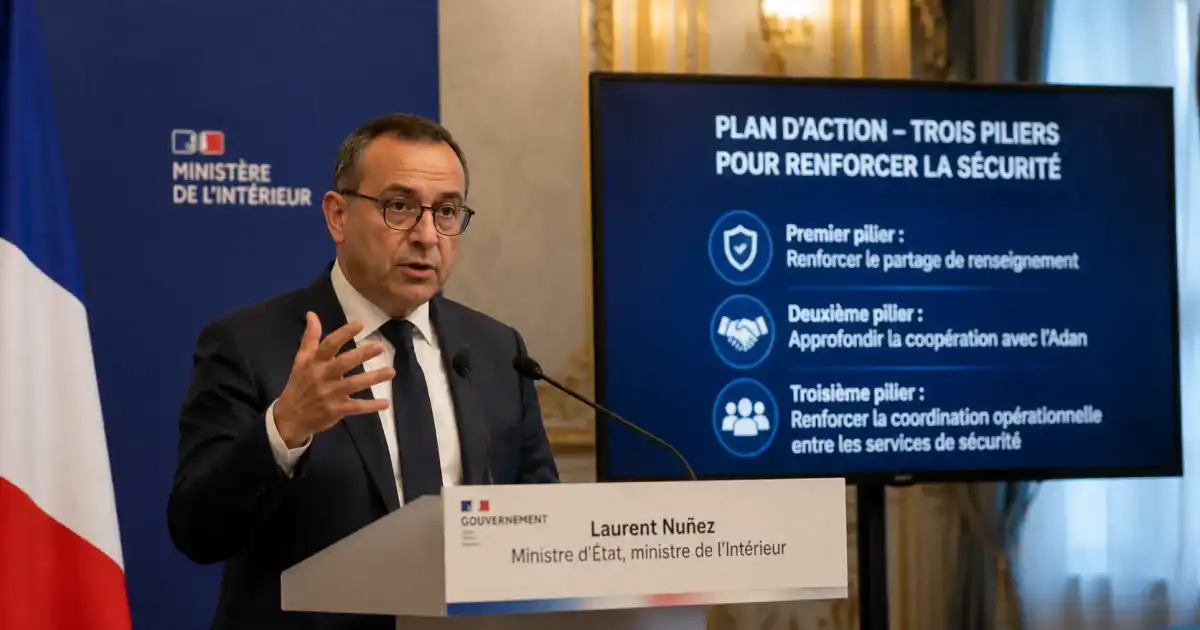
**Summary** In the first half of 2026, France recorded 77 violent crimes—including kidnappings, illegal confinement, and extortion—targeting cryptocurrency holders, a 71% increase over the 45 cases in all of 2025. This equates to an attack every 2.3 days, making France a global hotspot for so-called "wrench attacks," where criminals use physical violence to coerce victims into surrendering crypto assets. High-profile cases include the 2025 kidnapping of Ledger co-founder David Balland, who was shown with a severed finger in a ransom video, and an attempted kidnapping of the family of Paymium's CEO in Paris. Prosecutors note these are not isolated incidents but part of structured criminal networks, sometimes involving minors. Several factors contribute to France's vulnerability: a large holder base (approx. 7.3 million people), the presence of major crypto firms and executives, a culture of public disclosure among enthusiasts, and potential data leaks. The trend is spreading across Europe, which now accounts for over 40% of such global attacks. Research indicates a correlation between Bitcoin price surges and increased wrench attacks. In response, French Interior Minister Laurent Nuñez announced a three-pillar action plan focusing on enhanced intelligence sharing, deeper cooperation with the industry association Adan, and improved operational and cross-border coordination. Authorities have made over 200 arrests in the past year. Security experts warn that digital asset safety now extends to the physical world. They advise holders to use hardware wallets, avoid disclosing holdings on social media, enable multi-factor authentication, and report suspicious activity. The situation underscores the urgent need for the crypto community to shift from a "show-off" culture to one of discretion as physical security becomes paramount.

marsbit54 хв тому

77 Bloody Codes: When the '$5 Wrench' Shatters the Privacy Myth of France's Crypto Elite

marsbit54 хв тому

Both OpenAI and Anthropic are 'Developing Their Own Chips' — Beyond Cost, the Control Over Computing Power is Paramount

OpenAI and Anthropic are both advancing plans to develop custom AI chips, driven by the need to control computing power and reduce costs. According to reports, Anthropic is in early-stage development of its own chips and in talks with Samsung for manufacturing, while OpenAI is collaborating with Broadcom and TSMC, aiming to deploy its first inference chip by late 2026. The primary motivation extends beyond just lowering expenses. For these large model companies, chips are core production assets. By designing specialized hardware (ASICs) tailored to their specific model architectures—OpenAI's being more sparse and Anthropic's more dense—they aim to achieve deeper software-hardware co-design. This synergy can significantly improve inference speed, energy efficiency, and overall unit economics, offering advantages that off-the-shelf GPUs cannot. This move does not signify an immediate replacement for suppliers like Nvidia. The process from design to deployment takes 18-24 months, and Nvidia's GPU ecosystem remains deeply entrenched. Instead, custom chips provide a strategic alternative and negotiating leverage, allowing companies to use them for specific, high-volume workloads like inference while still relying on external GPUs and TPUs for other tasks. The trend reflects a broader industry shift where AI competition is evolving from pure algorithmic prowess to integrated control over the entire software-hardware stack. Companies like Google, Amazon, Meta, and Microsoft are already on this path. For foundries like Samsung, securing orders from AI leaders like Anthropic represents a significant opportunity to expand its footprint in the advanced semiconductor market for AI. Ultimately, the race for "computing sovereignty" is now a central battleground for major AI players.

marsbit1 год тому

Both OpenAI and Anthropic are 'Developing Their Own Chips' — Beyond Cost, the Control Over Computing Power is Paramount

marsbit1 год тому

Торгівля

Спот
活动图片