美国证券交易委员会指控NovaTech创始人涉嫌6.5亿美元加密货币计划

币界网Опубліковано о 2024-08-12Востаннє оновлено о 2024-08-12

币界网报道:

美国证券交易委员会(SEC)周一表示,该机构已对NovaTech的创始人提起诉讼,指控其经营庞氏骗局,该骗局净赚6.5亿美元的加密货币。

美国证券交易委员会指控Cynthia和Eddy Petiton涉嫌将该骗局策划为一个“加密资产投资计划”和多层次营销(MLM)公司,据该机构称,该公司在2019年至2023年间主要针对海地裔美国人社区。

美国证券交易委员会沃思堡地区办事处主任埃里克·沃纳在一份声明中表示:“NovaTech和请愿书给全球数万名受害者造成了难以估量的损失。”。“正如我们所声称的那样,这种规模的传销计划需要发起人来推动它们,今天的行动表明,我们不仅会追究这些大规模计划的主要设计者的责任,还会追究那些通过非法招揽受害者来传播欺诈行为的发起人的责任。”

6月,纽约总检察长Letitia James分别起诉NovaTech和AWS Mining运营非法传销。纽约股份公司表示,骗子从投资者那里获得了10亿美元,其中11000美元来自纽约。

“这些加密货币公司以移民和宗教社区为目标,承诺财务自由,但却偷走了他们的钱,耗尽了他们的毕生积蓄,”詹姆斯当时说。

根据美国证券交易委员会的投诉,NovaTech向投资者承诺利润和资金安全,声称他们将投资于加密货币和外汇市场。相反,他们将大部分资金用于支付现有投资者和发起人的费用,同时为自己吸走了数百万美元。

美国证券交易委员会表示:“当NovaTech最终倒闭时,大多数投资者无法撤回投资,导致重大损失。”。

虽然NovaTech能够窃取数亿加密货币,但美国证券交易委员会的新投诉没有具体说明骗局中窃取了哪种类型的加密货币。

美国证券交易委员会还对NovaTech的发起人Martin Zizi、Dapilinu Dunbar、James Corbett、Corrie Sampson、John Garofano和Marsha Hadley提出指控,指控他们为该计划招募投资者和发起人。

美国证券交易委员会表示:“NovaTech为他们及其网络招募的投资者支付了可观的佣金。”。“当Zizi、Dunbar、Corbett和Sampson意识到NovaTech的某些危险信号,包括美国和加拿大监管机构对其采取的监管行动时,他们继续招募投资者并淡化了这些危险信号。”

美国证券交易委员会表示,Zizi已同意在等待法院批准的情况下,通过同意10万美元的民事罚款来部分解决其指控,并被禁止参与未来的类似活动。然而,该机构表示,齐齐没有承认或否认美国证券交易委员会的指控,并指出其他处罚将在稍后确定。

美国证券交易委员会没有立即回应Decrypt的置评请求。

由Ryan Ozawa编辑。
Пов'язані матеріали

From Corning to Ciena: The 10X Stock Opportunities in the AI Optical Communication Chain

From Copper to Light: The AI-Driven Optical Communication Supply Chain and Investment Opportunities The exponential data demands of AI are pushing data centers beyond the physical limits of copper cables, forcing a critical transition to optical communication. This shift from electrical to photonic signals over distances greater than ~3 feet solves heat, power, and bandwidth constraints. The real investment opportunity lies not just in headline chipmakers, but across the entire essential photonics supply chain. **Key Investment Layers & Companies:** * **Glass & Fiber:** **Corning** is a dominant, irreplaceable supplier of advanced fiber to all major cloud/AI players (Meta, Amazon, Google, MSFT, OpenAI, NVIDIA), with multi-billion-dollar, multi-year contracts locked in years ahead of delivery. Its profit growth (93%) far outpaces revenue growth (36%), showing pricing power. * **Interconnects:** **Amphenol**, a consolidating giant in high-speed connectors (both copper and optical), shows robust growth (>80% in AI data centers) and expanding margins post-acquisition. **Credo Technology** bridges old and new worlds, extending copper's life in racks while moving into optics. It has hyper-growth but carries high customer concentration risk. * **Systems:** **Ciena** is a leader in coherent optics, enabling massive data capacity upgrades on existing fiber. It has a massive, growing order backlog ($~7B) and strong ties with cloud providers. * **Upstream & Enablers:** **AXT** produces mission-critical indium phosphide wafers for lasers, creating a supply bottleneck, but faces significant geopolitical/export license risk from its China-based manufacturing. **VEO Solutions** is the essential "picks and shovels" play, providing test equipment needed by every component in the optical chain, regardless of the eventual winner. A new pure-play photonics ETF (**FOTO**) offers a consolidated investment vehicle for this theme, though it is new and small. The core thesis is clear: the move from copper to light is inevitable and accelerating, with wealth creation spreading across this critical, multi-layered supply chain.

marsbit6 хв тому

From Corning to Ciena: The 10X Stock Opportunities in the AI Optical Communication Chain

marsbit6 хв тому

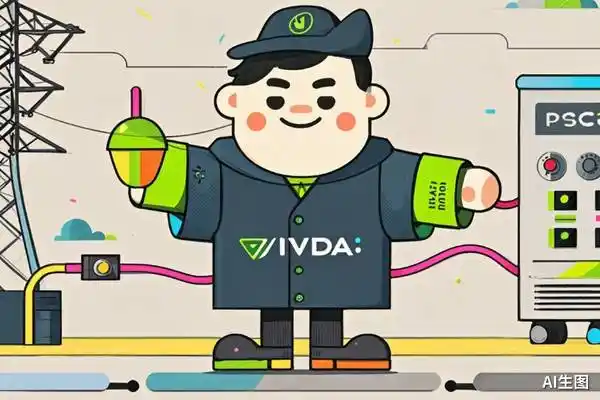
A Chip Company Releases AIDC Energy Storage Certification Standards. Why NVIDIA? Computing Power Reshapes Power Supply Logic. Who's in the Lead and Who's Left Out?

NVIDIA has released a "Battery Energy Storage System Self-Certification Guide," setting strict technical standards for energy storage systems specifically for AI data centers (AIDC). The guide focuses solely on certifying the Power Conversion System (PCS), not the batteries, with 10 mandatory performance metrics and 12 validation tests requiring real-world and simulation comparisons. Key requirements include rapid dynamic response to AI workloads, high-frequency system telemetry, and detailed electromagnetic transient models. The move is driven by the extreme and fluctuating power demands of next-generation AI hardware. Modern AIDCs require energy storage systems to act as intelligent, controllable grid assets, not just passive backup, to manage instantaneous, massive power load shifts that traditional UPS systems cannot handle. This redefines the competitive landscape for energy storage providers, shifting focus from capacity and cost to advanced control capabilities and system integration. While the market potential is significant—with forecasts of hundreds of GWh in new demand by 2030—the certification creates a high barrier to entry. It requires proven PCS delivery volumes and credible plans for rapid capacity scaling, favoring established, well-resourced players. Early movers like Fluence (partnering with Siemens) and several Chinese companies have secured projects ahead of the standard, but new entrants must now navigate this rigorous, costly, and time-intensive certification process to compete in the AIDC energy storage market.

marsbit53 хв тому

A Chip Company Releases AIDC Energy Storage Certification Standards. Why NVIDIA? Computing Power Reshapes Power Supply Logic. Who's in the Lead and Who's Left Out?

marsbit53 хв тому

Торгівля

Спот
Ф'ючерси
活动图片