教授警告加密货币市场风险-最新加密货币新闻

币界网Опубліковано о 2024-08-11Востаннє оновлено о 2024-08-11

币界网报道:

近年来,加密货币市场迅速扩张,引起了投资者的极大兴趣。然而,康奈尔大学戴森商学院教授Eswar Prasad对这一新兴行业日益增长的风险表示担忧。Prasad强调了当今加密货币领域存在的更大危险,并警告个人投资者和金融机构都面临严重威胁。

内容隐藏1比特币的激增和政治支持2中心化的威胁:FTX案例3投资者的关键要点

比特币的激增和政治支持

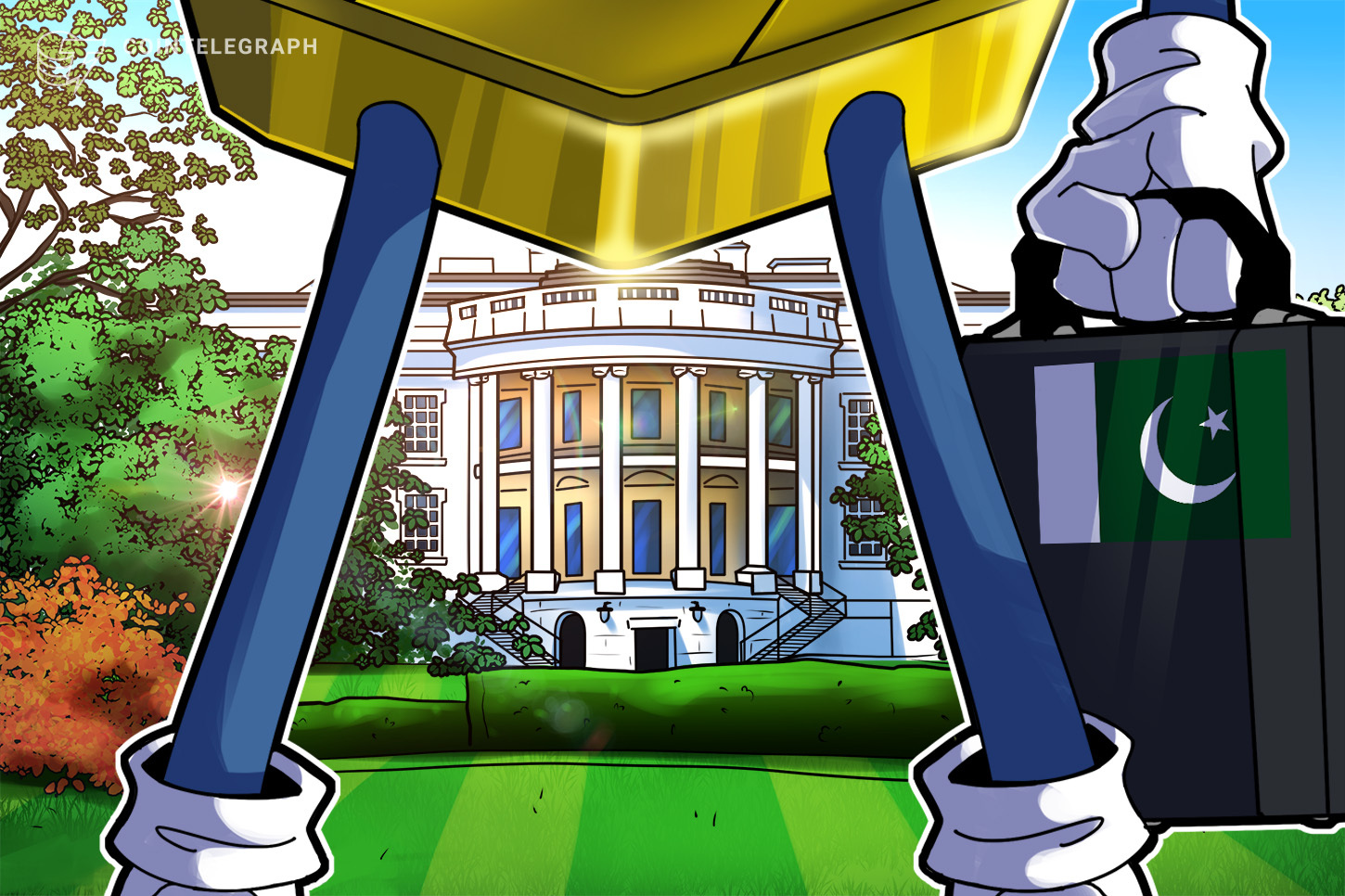
比特币最近飙升至历史新高,得到了前总统特朗普和现任副总统哈里斯等政治人物的支持,放大了加密货币的吸引力。美国证券交易委员会(SEC)通过放宽监管进一步促进了这一趋势,从而允许更多的个人投资者参与市场。然而,Prasad警告说,这些新投资者往往对所涉及的风险缺乏彻底的了解,导致市场波动加剧和潜在的财务损失。访问COINTURK FINANCE获取最新的金融和商业新闻。

中央集权的威胁:FTX案

Prasad还强调了加密货币生态系统中集中化的危险,并引用了FTX的崩溃和币安的法律问题作为警示。Prasad表示,集中式结构通过集中权力破坏了区块链和DeFi的基本原则,这可能会对市场参与者和更广泛的金融体系产生广泛影响。他强调,传统金融的不足被带入去中心化金融,去中心化的金融面临更少的监管和新的风险。

投资者的关键要点

市场参与者的关键见解:

监管漏洞和集中化给加密货币市场带来了重大风险新投资者往往对市场风险缺乏了解,导致市场波动集中式结构破坏了分权原则,造成了系统性漏洞传统金融和DeFi之间的相互作用可能会导致全球金融危机。

随着加密货币行业的持续扩张,监管空白和集中化等未解决的问题变得更加棘手。投资者必须保持警惕和知情,以维护金融体系的稳定。如果没有适当的法律框架,更大的风险即将出现。

您可以在Telegram、Twitter(X)和Coinmarketcap上关注我们的新闻。免责声明:本文所含信息不构成投资建议。投资者应该意识到加密货币具有高波动性,因此存在风险,应该进行自己的研究。

Пов'язані матеріали

Wall Street Morning Report: Philadelphia Semiconductor Index Falls Nearly 3%, Nvidia's 'Circular Financing' Concerns Trigger Tech Stock Correction, Optical Communication and Chip Stocks Plunge

Wall Street Morning Report: The Philadelphia Semiconductor Index fell nearly 3%, and concerns over Nvidia's "revolving financing" sparked a tech stock pullback, with optical communications and chip stocks declining sharply. U.S. stocks retreated from record highs on Monday amid geopolitical tensions and AI financing doubts. The Dow fell 0.11%, the Nasdaq 0.32%, and the S&P 500 was nearly flat. Hopes for reopening the Strait of Hormuz dimmed after Trump demanded war reparations from Iran, pushing Brent crude above $87 and WTI above $82. Spot gold broke above $4400/oz. Treasury yields rose, with the market pricing in a ~54% chance of a September Fed hike. The semiconductor and AI infrastructure sectors were hit hard. The Philly Semiconductor Index dropped nearly 3%, with the semiconductor ETF down 2.28%. Optical communication was the worst-performing AI sub-sector, with Coherent plunging over 14%. The sell-off centered on Nvidia, which fell 2.86% on reports it is collaborating with major financial institutions to mobilize over $500 billion in third-party capital for AI infrastructure. Market concerns focused on whether this creates a circular financing loop and if future AI facilities can generate sufficient cash flow. Other notable moves: Intel dropped over 4% on a new share offering. Microsoft rose 1.21% on plans for its next-gen Maia 300 chip. The software sector outperformed, with Palantir up 1.85%. Energy stocks rallied nearly 4.7% on geopolitical risks. Key upcoming events include the RBA rate decision on Aug 11 and earnings from Lumentum, CoreWeave, and Super Micro Computer after the close on Aug 12, which will test the real demand for AI infrastructure.

marsbit31 хв тому

Wall Street Morning Report: Philadelphia Semiconductor Index Falls Nearly 3%, Nvidia's 'Circular Financing' Concerns Trigger Tech Stock Correction, Optical Communication and Chip Stocks Plunge

marsbit31 хв тому

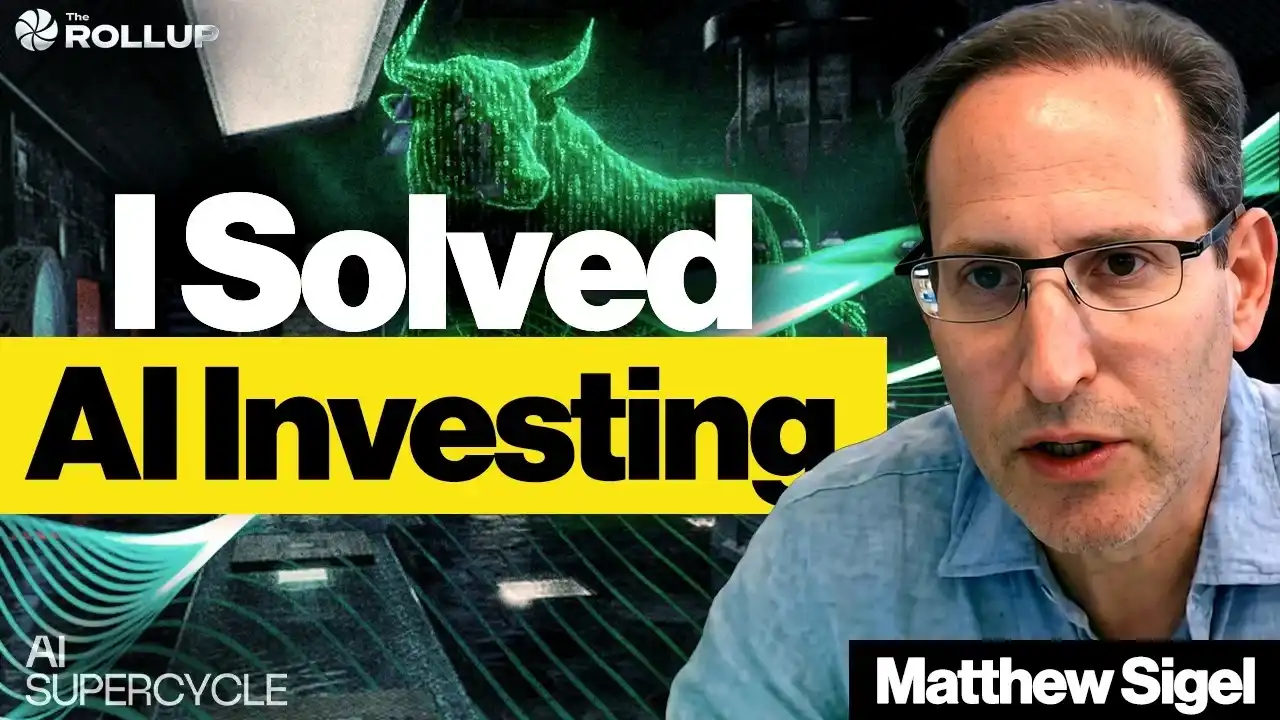
Podcast Notes | VanEck Digital Asset Research Head: Current AI Infrastructure Rally Not a Bubble; Crypto Market Quiet Due to Institutional Disappointment in L1s

In this podcast, VanEck's Head of Digital Asset Research Matthew Sigel discusses the current market dynamics. He argues the ongoing AI infrastructure boom is not a bubble, contrasting it with the 19th-century railroad mania. Unlike railroads funded by speculative land grants and government bonds, today's AI data centers are backed by long-term private contracts and significant customer prepayments, making the investment cycle more sustainable. Sigel notes a recent market shift: companies with high capital expenditures (capex) were rewarded in early 2024 but are now being punished. Cryptocurrencies, categorized as software assets, have suffered alongside the broader software sector. His NODE ETF has outperformed Bitcoin by nearly 100 percentage points over 15 months, largely by betting on Bitcoin miners transitioning into AI data centers. He highlights the value of miners' key assets—power and land—and their new ability to fund growth through debt instead of diluting shareholders. Regarding the crypto market's weakness, Sigel points to institutional disappointment with major Layer-1 (L1) blockchains like Ethereum and Solana. Post-election rallies lacked breakout applications, and regulated entities are increasingly building their own private, permissioned chains (e.g., by Circle, Stripe, Wells Fargo), diluting the "winner-takes-all" potential of public L1s. He believes a regulatory catalyst like the CLARITY Act, which would enforce disclosure standards, could trigger a significant relief rally for some tokens, but remains cautious until then. He also views proposals by ETH, Solana, and NEAR to reduce token inflation as a positive, necessary adjustment for the maturing sector.

marsbit35 хв тому
Podcast Notes | VanEck Digital Asset Research Head: Current AI Infrastructure Rally Not a Bubble; Crypto Market Quiet Due to Institutional Disappointment in L1s

marsbit35 хв тому

Shenzhen Competing for 'Tsinghua Faction' Talent

Shenzhen is actively attracting Tsinghua University-affiliated technology ventures, as highlighted during the "X-Day" Xili Lake Roadshow held in Nanshan. The event featured six startup projects from Tsinghua alumni, spanning semiconductors, AI, materials, and healthcare. The showcased companies include: Zhichen Semiconductor, developing edge AI chips; Guangsu Evolution, creating AI-powered home security systems; Qingli Technology, commercializing "self-superlubricating" technology; Shu Yu Technology, offering an AI Agent for analog chip design; Heyi Intelligent Control, providing AI-driven building management systems; and Shengshengyi, applying AI to assisted reproductive medicine. These ventures represent a trend of deep-tech innovation closely linked to academic research. The roadshow series, initiated a year ago, underscores a strategic shift in Shenzhen's investment landscape. Venture capital is moving earlier into the innovation cycle, seeking projects directly from laboratories and research papers. Tsinghua University serves as a key source for such early-stage, technology-intensive startups. Over the past two years, Tsinghua alumni projects have accounted for nearly 30% of the approximately 280 billion RMB in early-stage deep-tech funding in Shenzhen. The "X-Day" platform has facilitated significant growth. To date, its 19 roadshows have connected companies with investors thousands of times, leading to over 3.3 billion RMB in equity financing for 58 firms. Past participants like Kuaiwei Intelligent (recently valued over 10 billion RMB after a Series B round) and Lingcifang (securing four funding rounds in 18 months) exemplify the successful trajectory from this ecosystem. The activity underscores Shenzhen's, particularly Nanshan District's, role in bridging academic research from institutions like Tsinghua with industrial application and venture capital.

marsbit36 хв тому

Shenzhen Competing for 'Tsinghua Faction' Talent

marsbit36 хв тому

Торгівля

Спот
活动图片