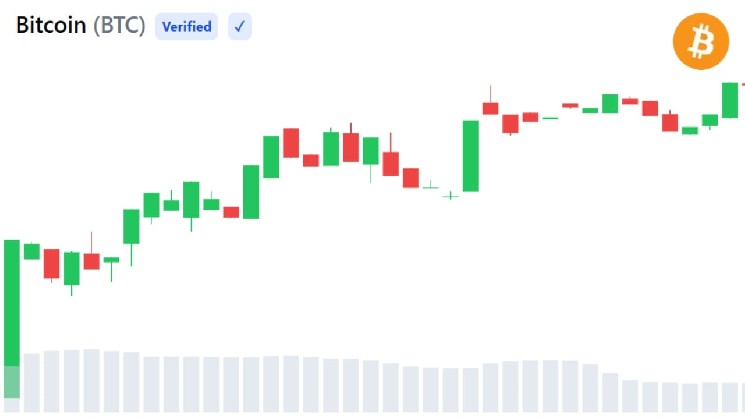
Arthur Hayes Warns Bitcoin Could Drop to $50,000 Before Reaching $1 Million
Arthur Hayes, co-founder of BitMEX and CIO of Maelstrom, argues that the multi-trillion dollar AI infrastructure boom resembles a real estate credit bubble more than a traditional tech sector expansion. He compares its financing to the 2008 financial crisis, warning that a potential AI credit collapse could trigger massive government liquidity injections. Hayes believes this eventual flood of money, surpassing 2008 levels, will ultimately propel Bitcoin to $1 million.
Hayes identifies hyperscalers building AI data centers as central to this bubble, financing real estate filled with rapidly depreciating hardware. He notes the Fed's own reports highlight AI as a top short-term risk. Banks continue lending due to favorable yield spreads, but Hayes predicts capital flowing into AI has drained liquidity from Bitcoin, causing its price to stall between $60,000-$70,000, with a potential drop to $50,000.
He forecasts the AI bubble's peak for mid-to-late 2020s, with data center capex growth slowing from mid-2027. When excessive lending leads to losses, Hayes expects policymakers to inject unprecedented liquidity into the financial system. Unlike past crises, Bitcoin now exists to absorb this capital, driving its historic rise toward $1 million.
cryptonews.ru8 хв тому