
无聊的加密伪牛市,呼唤狠人与英雄

深潮Опубліковано о 2024-08-01Востаннє оновлено о 2024-08-01

真正的勇士与狠人,敢于直面惨淡的市场,敢于正视淋漓的赛道,自强则万强。

“无聊”。

这是最近诸多加密市场参与者对这轮周期的评价。

一级投资者觉得一级市场无聊,要么思考如何向LP解释,“收益率跑不赢比特币”,要么忙着维权,力图挽回一点损失,毕竟一级市场实在没啥可投的;

二级投资者也觉得无聊,除了比特币和Solana,还有一些MEME,实在也找不到啥好的标的;

项目方也觉得无聊,总觉得自己辛苦做产品好似修炼屠龙之术,有一番本领,但是找不到龙,MEME当道,散户对VC币祛魅,实在不知道做啥能获得散户的注意力;

……

总结起来,这是一轮缺少创新的伪牛市,特别是相比于2020-2022年,DeFi/NFT/元宇宙/算法稳定币/MEME……等各类新概念、新产品、新赛道竞相绽放,每一个小的创新都带来广泛财富的效应,吸引大量新人(韭菜)入场,就连曾经看不起Crypto的各大美元基金姥爷们也纷纷换上Punk/Bored Ape的NFT头像,高呼“ALL IN CRYPTO”……

盛况不再,是什么导致这轮周期创新乏力,只有MEME乱舞?

作为一位文字工作者,小编现在一直为选题而发愁,相较上一轮周期,缺少性感的选题,特别是缺乏新的人物故事。

人物传记类内容一直是流量密码,遥想过去,这个行业的崛起就是各大传奇人物的发家史,烤猫、吴忌寒、神鱼、CZ、何一、徐明星、李林、孙宇晨、达鸿飞、Vitalik、BM、李笑来、宝二爷……人均狠人,他们或发迹于草根,但都在加密历史上留下了自己的印迹与脍炙人口的故事,从而成为我等小编骗流量的素材。
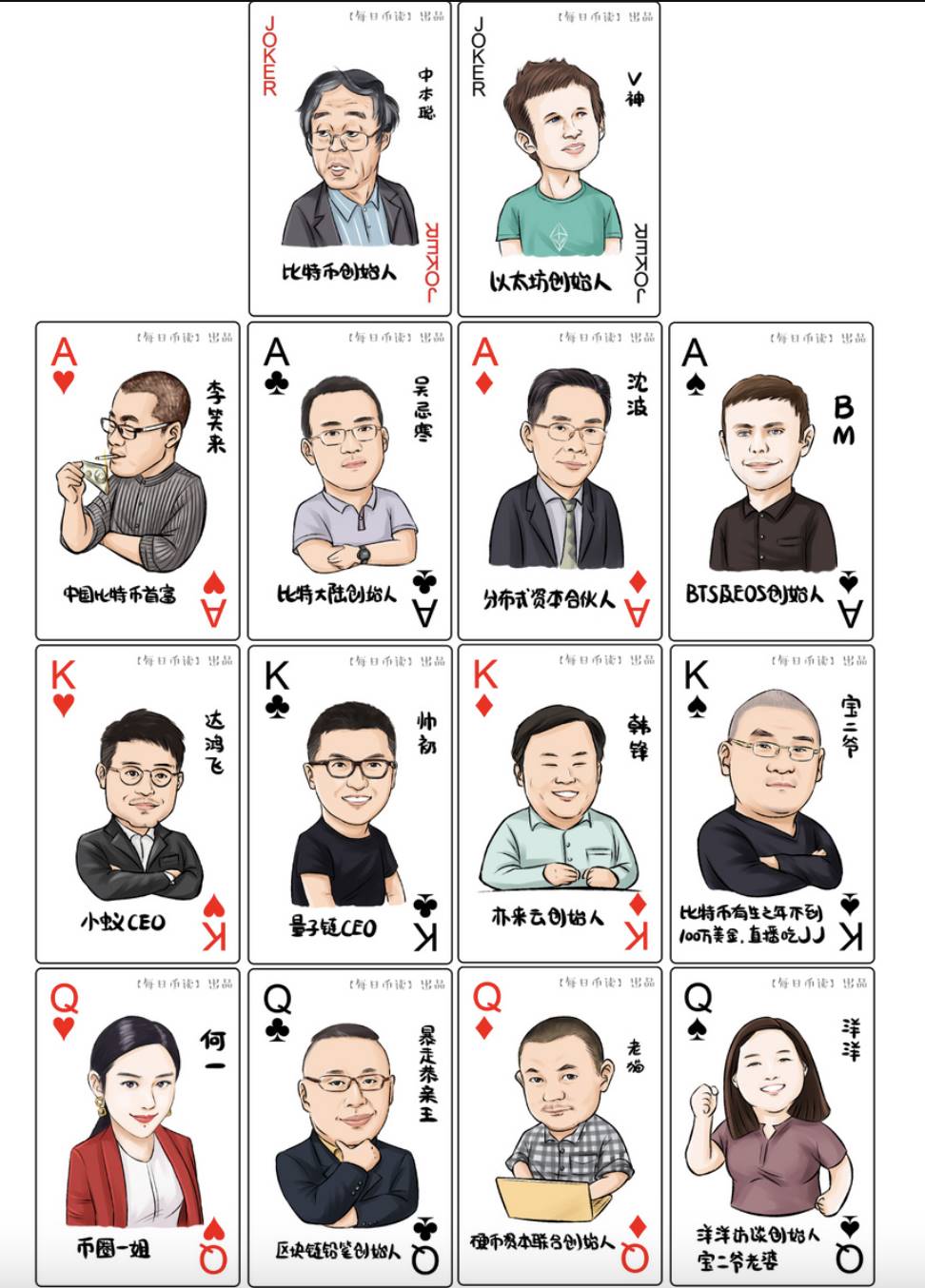
2018年,某媒体制作的币圈大佬扑克牌

上一轮周期,适逢DeFi Summer ,群雄并起,涌现出了大量“加密新英雄”:马斯克、SBF、SuZhu、Andre Cronje、Stani Kulechov、Do Kwon、Anatoly Yakovenko、Barry Silbert 、Kyle Samani …… 各有传奇,每一个人背后代表着一股势力,好似地方诸侯,相互竞争,各成派系,每一个派系背后,是大量的项目资产,代表着潜在的财富机会。

这一轮牛市呢?

Sry,的确没看到太多新势力与新英雄,当FTX倒下后,如今活跃在舞台中央的依然是加密老人们。

究竟是因为没创新吸引不到新人,还是没有强力新人才没有创新,这个问题好似先有鸡还是先有蛋,我更倾向于认同后者,相较于之前,这个行业对精英的吸引力在减弱。

原因可以说很多:

FTX/3AC/DCG的暴雷让行业进入了幻灭时刻,传统行业的部分精英与资本对加密行业失去了信任;

随着比特币ETF的通过,贝莱德、富达等传统金融巨头开始介入加密市场,比特币以太坊有了外部流动性,但草根机会愈发贫乏;

ChatGPT大火,OpenAI创始人Sam Altman与英伟达黄仁勋,成为全球瞩目的AI英雄,AI 超越 WEB3 成为资本宠儿,各路精英竞相入局;

……

总之,最后现状就是,当下“老人当道”:老项目创始人流水线作业,不断发新项目;VC老人亲自下场,做(蹿)高估值的新项目;行业老人根据新概念蹿新项目……都是那些人和面孔,的确有点无聊。

根据第一性原理,这个行业的未来或者说投资机会,归根到底依然是与人有关,无论是一级还是二级市场,投资一个币就是投资背后的人与团队。 没有创新、叙事陈旧、没有山寨行情……说到底还是行业新人青黄不接,缺少能带来创新的新人,或者新人还在蛰伏建设,需要时间才能迎来质变时刻。

撰写此文时,恰好收到一则新闻推送,Binance Labs 宣布投资 Particle Network。

一位VC从业者连续投资Particle Network,给出的理由十分简单,“创始人很强,坚韧有毅力,有想法,会做人,执行力强……无论未来Particle Network做什么赛道方向,都会成功。”

诞生之初,Particle Network 团队过往背景并不算耀眼,甚至有点“泯然众人”,但是几年过去,同期项目有的要么摆烂关停,Rug,要么寂静无声……Particle 不断迭代,从MPC应用变成了一个模块化 L1 链抽象网络,如今俨然已是链抽象领域的代表项目。

回忆同时期的几个项目,令人唏嘘,当项目遭遇困境,有人怪罪于市场,“市场不好,我也没办法”;有人怪罪于赛道,“这个赛道凉了,我也没办法”;有人怪罪于自己的血统,“我们是华人项目,被歧视,没得到足够的支持”……

真正的勇士与狠人,敢于直面惨淡的市场,敢于正视淋漓的赛道,自强则万强。

期待,加密行业再次迎来狠人倍出,群雄四起的创新与应用时代,届时,不要犹豫,投资这个时代的新英雄与狠人,人才是一切问题与解决问题的根源。

Пов'язані матеріали

Dialogue with ViaBTC CEO Yang Haipo: Is the Essence of Blockchain a Libertarian Experiment?

"ViaBTC CEO Yang Haipo: Blockchain as a Hardcore Libertarian Experiment" In a deep-dive interview, ViaBTC CEO Yang Haipo reframes the essence of blockchain, arguing it is not merely a new technology or infrastructure but a hardcore libertarian experiment. This experiment, born from the 2008 financial crisis and decades of cypherpunk ideology, tests a fundamental question: to what extent can freedom and self-organization exist without centralized trust? The discussion highlights the experiment's verified outcomes. On one hand, it has proven its core value of censorship resistance, providing critical financial lifelines for entities like WikiLeaks and individuals in hyperinflationary or sanctioned countries via tools like stablecoins. However, Yang points out a key paradox: the most successful product, USDT, is itself a centralized compromise, showing users prioritize a less-controlled pipeline over pure decentralization. On the other hand, the experiment has exposed the severe costs of this freedom—a "dark forest" without safeguards. Events like the collapses of LUNA, Celsius, and FTX, resulting in massive wealth destruction and prison sentences for founders, underscore the system's fragility and the inherent risks of an unregulated environment. Yang observes that despite decentralized protocols, human nature inevitably recreates centralized power structures, speculative frenzies, and narrative-driven cycles (from ICOs to Meme coins), where emotion and belonging often trump technological substance. Looking forward, he believes blockchain's future is significant but niche. Its real value lies in serving specific, real-world needs for financial sovereignty and bypassing traditional controls, not as a universal infrastructure replacing all centralized systems. For the average participant, Yang's crucial advice is to cultivate independent judgment. True freedom is not holding a crypto wallet, but possessing a mind resilient to groupthink and narrative hype in a high-risk, often irrational market.

marsbit8 хв тому

Dialogue with ViaBTC CEO Yang Haipo: Is the Essence of Blockchain a Libertarian Experiment?

marsbit8 хв тому

North Korean Hackers Loot $500 Million in a Single Month, Becoming the Top Threat to Crypto Security

North Korean hackers, particularly the notorious Lazarus Group and its subgroup TraderTraitor, have stolen over $500 million from cryptocurrency DeFi platforms in less than three weeks, bringing their total theft for the year to over $700 million. Recent major attacks on Drift Protocol and KelpDAO, resulting in losses of approximately $286 million and $290 million respectively, highlight a strategic shift: instead of targeting core smart contracts, attackers are now exploiting vulnerabilities in peripheral infrastructure. For instance, the KelpDAO attack involved compromising downstream RPC infrastructure used by LayerZero's decentralized validation network (DVN), allowing manipulation without breaching core cryptography. This sophisticated approach mirrors advanced corporate cyber-espionage. Additionally, North Korea has systematically infiltrated the global crypto workforce, with an estimated 100 operatives using fake identities to gain employment at blockchain companies, enabling long-term access to sensitive systems and facilitating large-scale thefts. According to Chainalysis, North Korean-linked hackers stole a record $2 billion in 2025, accounting for 60% of all global crypto theft that year. Their total historical crypto theft has reached $6.75 billion. Post-theft, they employ specialized money laundering methods, heavily relying on Chinese OTC brokers and cross-chain mixing services rather than standard decentralized exchanges. Security experts, while acknowledging the increased sophistication, emphasize that many attacks still exploit fundamental weaknesses like poor access controls and centralized operational risks. Strengthening private key management, limiting privileged access, and enhancing coordination among exchanges, analysts, and law enforcement immediately after an attack are critical to improving defense and fund recovery chances. The industry's challenge now extends beyond secure smart contracts to safeguarding operational security at the infrastructure level.

marsbit1 год тому

North Korean Hackers Loot $500 Million in a Single Month, Becoming the Top Threat to Crypto Security

marsbit1 год тому

Торгівля

Спот
Ф'ючерси
活动图片