交易策略 3 步走:从识别市场形态,到制定一致性策略

深潮Опубліковано о 2024-07-30Востаннє оновлено о 2024-07-30

识别环境是减少交易并获得更多利润的最大秘诀。

作者:Koroush AK

编译:深潮TechFlow

这些是我用来实现财务自由的交易技巧,以下是您需要遵循的指南:

  • 识别市场阶段

  • 最大化利润

  • 创建一致的策略

使用本指南来:

  1. 理解结构、新闻和市场情绪

  2. 创建假设

  3. 锁定利润

  4. 执行您的系统

我付出了很多努力,并将发布更多有用的内容。

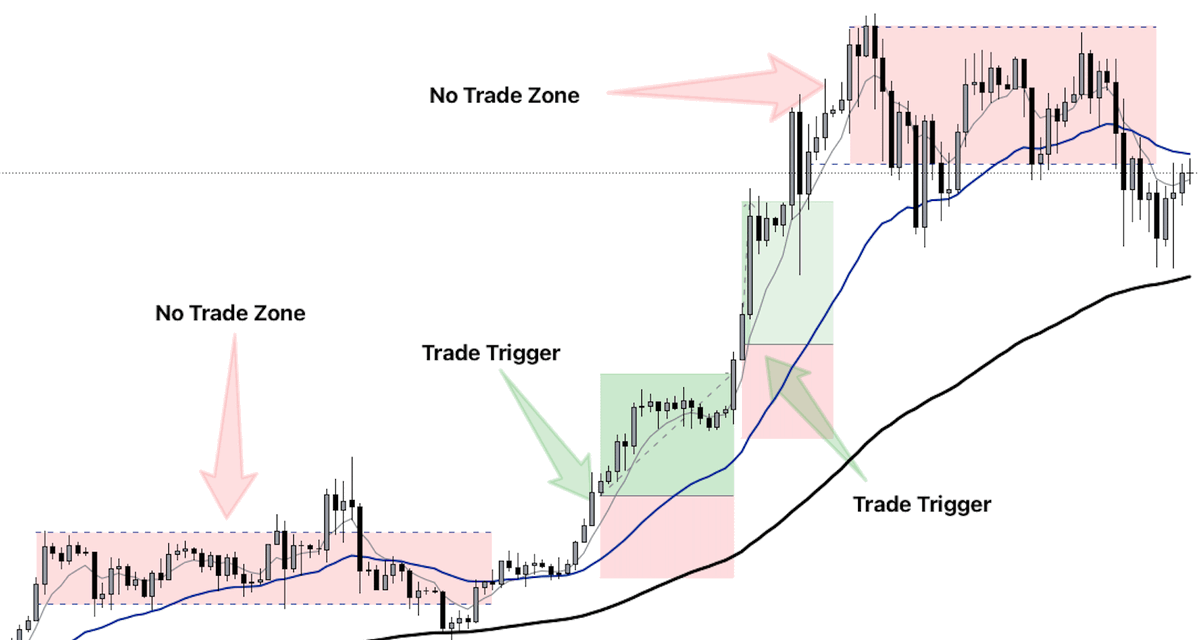
步骤 1:识别环境

这是减少交易并获得更多利润的最大秘诀。

因为您最大的亏损来自于在错误的环境中进行交易。

识别“无交易区”可让您专注于高概率设置。

有 3 种方法可以识别环境:

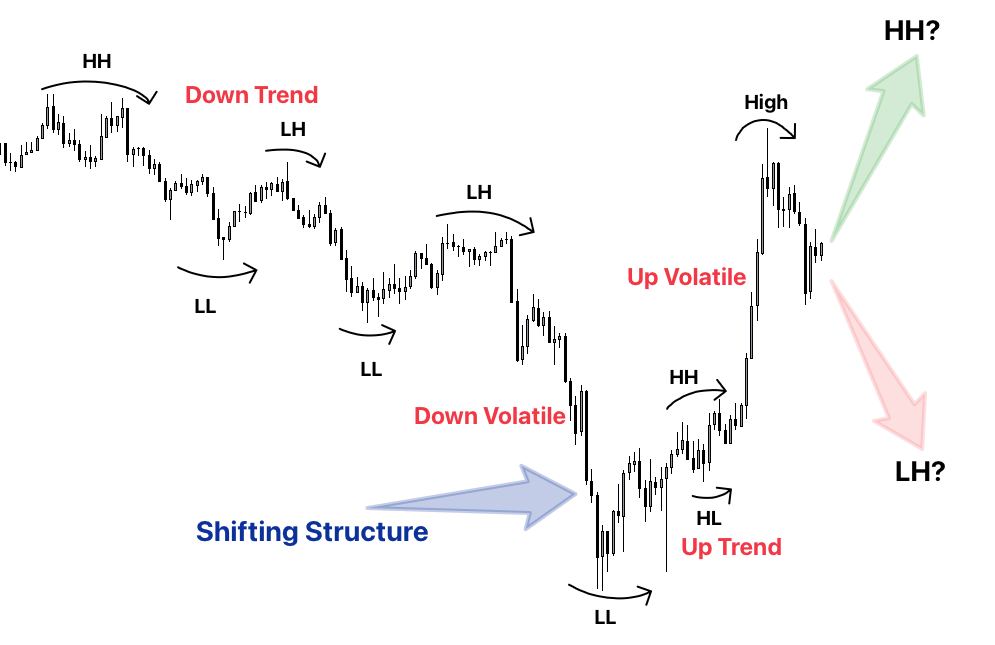
A) 市场结构

这可以让您找到趋势的方向,只有 6 种;

  • 上涨

  • 震荡上行

  • 横盘

  • 横盘震荡

  • 下跌

  • 震荡下跌

B) 市场情绪

这可以让你了解哪些叙述是趋势。

我使用:

  • Twitter 用于一般市场情绪

  • 与行业领袖的群聊把握市场动态

您可以从以下内容开始:

  • Twitter 用于一般市场情绪

  • TradingView 用于宏观分析

  • 恐惧与贪婪指数

C) 市场新闻

这让您可以预测:

-主要波动日

-宏观市场方向

-关键经济事件

我常用的市场新闻账户是:@kimtalkscrypto

第 2 步:逻辑

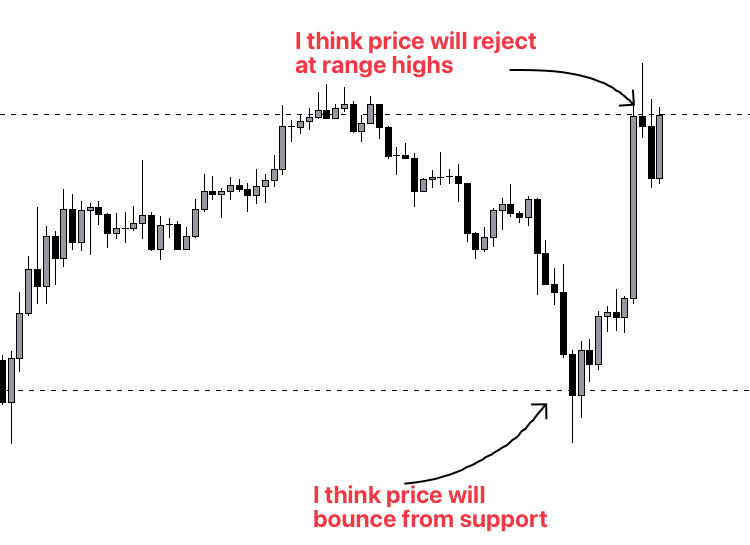
这是您对市场的假设:“我认为 X 会发生,因为 Y”

90% 的交易策略分为两类:

-我认为价格会呈现趋势

-我认为价格会回归均值

越简单越好。

步骤 3:风险管理

这包括:

A) 入场

B) 止损

C) 利润目标

D) 风险(头寸规模)

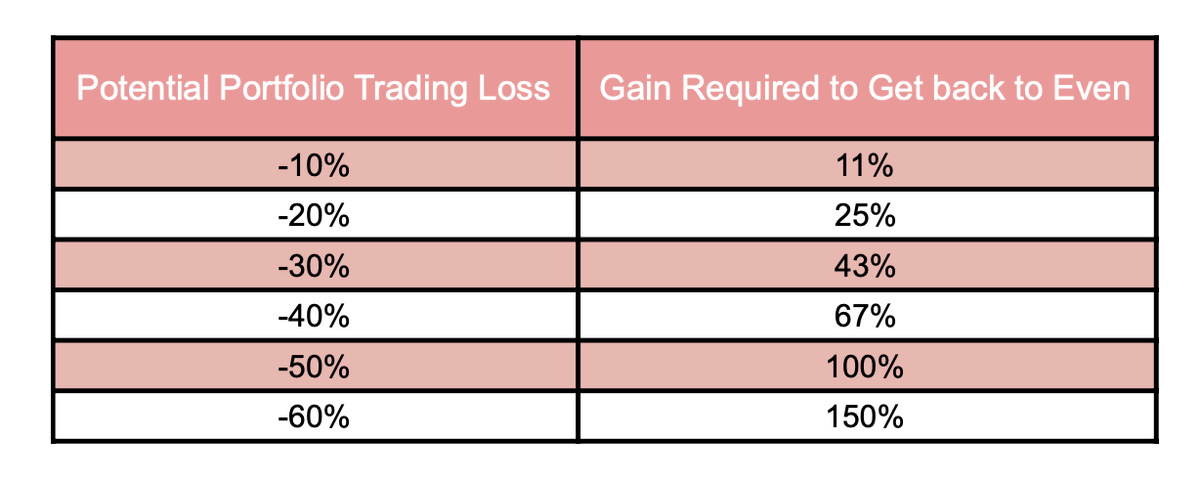
当假设错误时要限制损失,而当假设正确时则要最大化利润。

这个框架将帮助你在面临损失时保持生存:

步骤 4:执行/管理

A) 坚持你的计划

B) 根据新数据做出改变

执行是优秀与卓越之间的分水岭。

管理需要测试、数据、经验和直觉。

然而,即使有盈利的策略,交易者仍可能会遭遇亏损。

要持续执行自己的交易系统,需要极强的心理纪律和规律的生活方式。

这是一个终身的挑战,连拥有20年以上经验的交易者也难以避免。

现在您拥有了制定自己策略的工具。

但是,要实现盈利,还有很长的路要走。

Пов'язані матеріали

Warsh's Latest Speech: The Era We Are In

Federal Reserve Chairman Kevin W. Warsh delivered a speech titled "In Our Time" at the Jackson Hole Economic Policy Symposium. The remarks struck a cautiously hawkish tone, with Warsh emphasizing that inflation remains significantly above the Fed's 2% target and should be the primary focus of monetary policy. He expressed that recent, better-than-expected CPI and PCE data do not yet signal a meaningful improvement in the underlying inflation trend. Warsh outlined core principles for monetary policy, including the firm commitment to the 2% inflation target, the importance of both price stability and maximum employment, and the primary role of short-term interest rates as a policy tool. He also stressed the relevance of monetary aggregates and advocated for a Fed that communicates with greater purpose and restraint. A significant portion of the speech addressed the practice of "forward guidance." Warsh argued that while essential during crises, forward guidance should be limited in normal times. He warned that excessive pre-commitment to future policy paths can constrain the Fed's flexibility and create a "hall-of-mirrors" problem, where markets rely too heavily on Fed signals rather than independently assessing economic fundamentals. On the current economy, Warsh noted impressive resilience, strong business investment (partly driven by AI infrastructure), healthy consumer spending, and a stable labor market with low unemployment. However, he observed that broad financial conditions are not particularly restrictive. Despite economic strength, inflation metrics remain elevated, with a high proportion of PCE basket components still showing price increases above 3%. Warsh concluded by stating the Fed's standard: policymakers must be confident that underlying inflation is moving clearly and sufficiently quickly toward the 2% target. Otherwise, "we have more work to do." He framed his approach as a commitment to disciplined policy-making rather than to any specific near-term decision.

marsbitЩойно
Warsh's Latest Speech: The Era We Are In

marsbitЩойно

Access to Active Sessions Instead of Databases: How the Shadow Market in Russia Has Changed

The Russian cybercriminal underground is shifting from selling massive, stolen corporate databases to trading active, short-term access to user accounts, according to a 2026 report. The value of information intercepted directly from infected devices by malware has risen nearly 13% in a year. Attackers now sell packets containing active session tokens (bypassing passwords and two-factor authentication), live email credentials, VPN and cloud storage logins, and corporate network access. A subscription for a steady stream of fresh data costs $250-$300 per month, far exceeding the value of outdated archives. While Russian regulators have successfully penalized companies for data leaks from centralized storage—with no repeat violations recorded after imposing turnover fines—this framework fails against the new threat model. Malware now steals data *after* it leaves the corporate perimeter and is on a user's personal device, a legal grey area. In 2026, 60% of studied web attacks aimed to steal keys for infiltrating corporate infrastructure. The situation mirrors global trends, akin to the Genesis Market shutdown in 2023, and highlights a structural risk: the demand for "fresh" data incentivizes botnet operators to maintain long-term control of infected devices for recurring revenue. This creates a persistent vulnerability layer between personal devices and corporate networks, currently outside the reach of existing regulatory protections.

cryptonews.ru2 год тому

Access to Active Sessions Instead of Databases: How the Shadow Market in Russia Has Changed

cryptonews.ru2 год тому

Торгівля

Спот
活动图片