起底Blast创始人Pacman:从16岁辍学到16亿美金TVL的商业帝国

Odaily星球日报Опубліковано о 2024-06-27Востаннє оновлено о 2024-06-27

Анотація

Pacman能再次改变市场情绪吗?

原文作者:Pix

原文编译:深潮 TechFlow

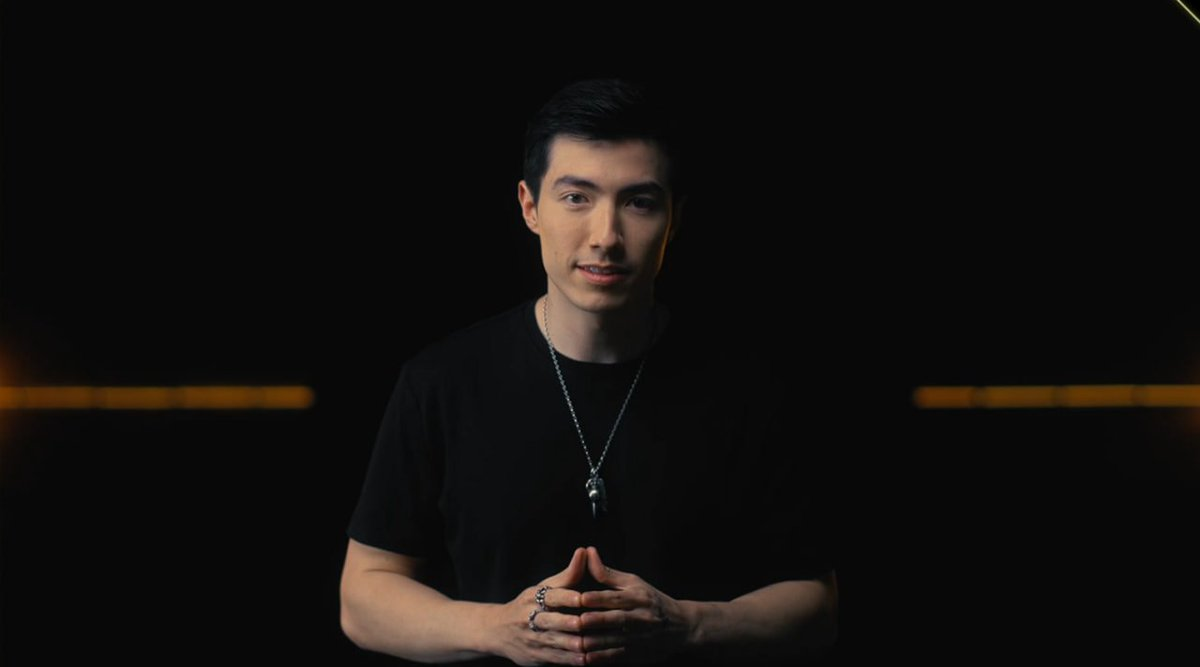
这是 Pacman, 16 岁时他辍学了。现在,他拥有一个价值数十亿美元的帝国。以下是 Blast and Blur 创始人背后不为人知的故事。

起底Blast创始人Pacman:从16岁辍学到16亿美金TVL的商业帝国

在他十几岁的时候,Pacman 就想建立一家公司。因此,在 16 岁时,他克隆了一家现有的创业公司,并被他们录用。为了在那里工作,他辍学并搬到了全国各地,在一年之内,他的整个生活都改变了。

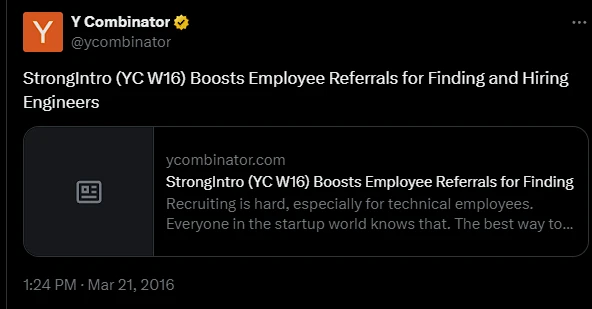
只有 17 岁的 Pacman 创办了 StrongIntro,一个帮助科技初创公司建立和发展工程团队的平台。尽管他付出了很多努力,通过 YCombinator 并筹集到 12 万美元的资金,但这个项目并没有如愿成功,这次挫折让他回到了起点。

起底Blast创始人Pacman:从16岁辍学到16亿美金TVL的商业帝国

Pacman 意识到下一次创业需要一个联合创始人。他决定去最好的地方寻找:大学。经过两年在 MIT 的时间,他终于找到了他的商业伙伴 Anthony Liu。他们的合作关系在 Pacman 获得 Thiel Fellowship 的 10 万美元资助后进一步巩固,这使他得以辍学并创办一家初创公司。

起底Blast创始人Pacman:从16岁辍学到16亿美金TVL的商业帝国

(详见视频

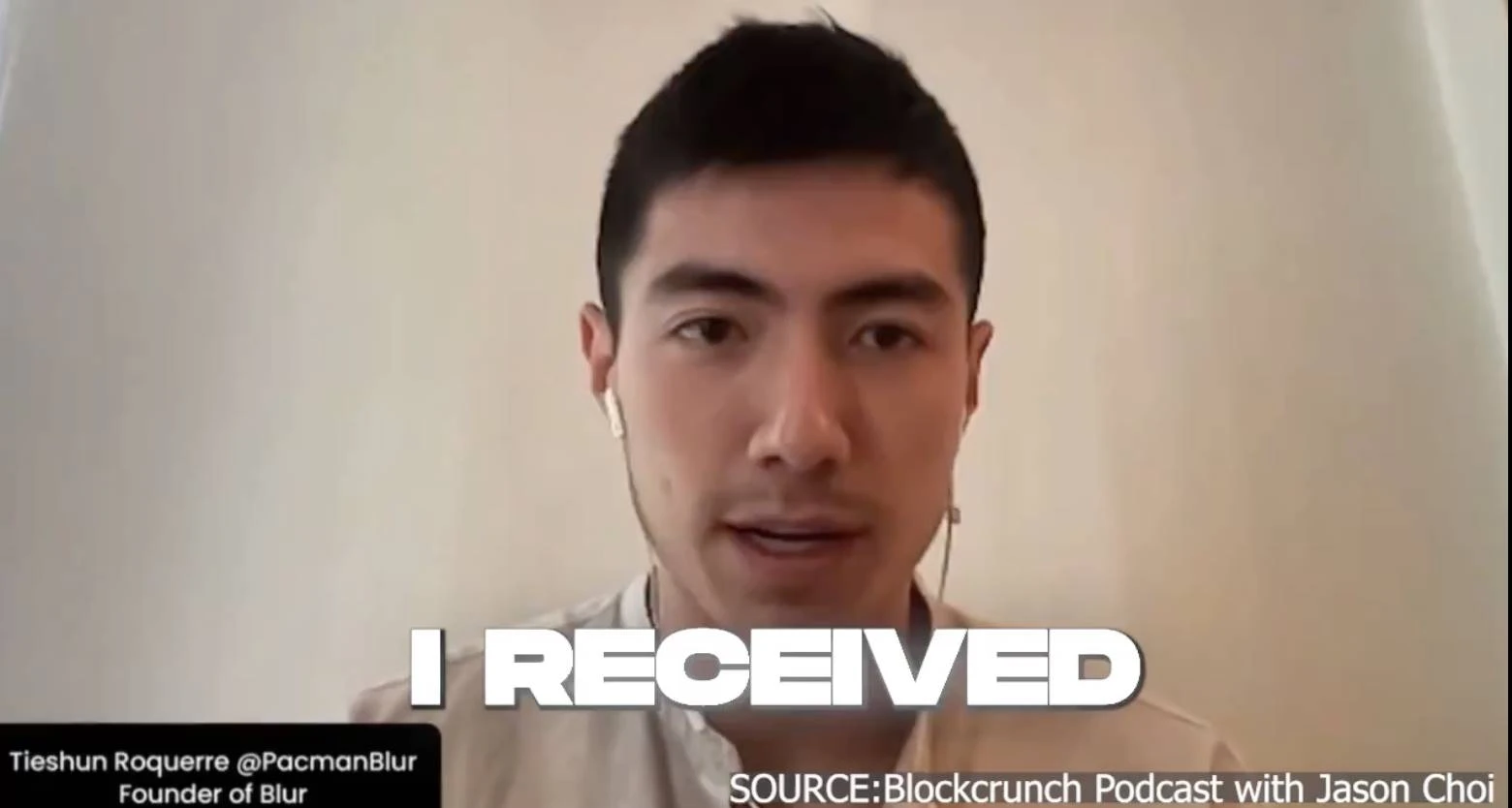
与 Anthony Liu 一起,Pacman 创办了 Namebase,一个链上网站域名市场。该平台迅速获得了关注,在短短三个月内交易额超过 1000 万美元,并筹集了超过 500 万美元的资金。公司取得了成功,但他们在两年后决定卖掉公司。

起底Blast创始人Pacman:从16岁辍学到16亿美金TVL的商业帝国

(详见视频

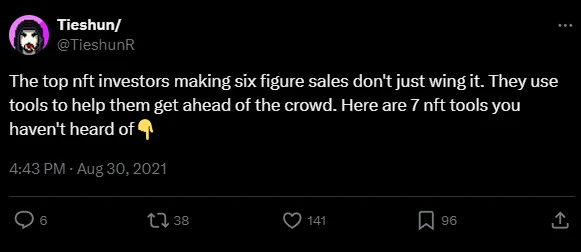
2021 年,Pacman 发现了 NFT 并立即被吸引。他购买的第一个 NFT(Blitmap),为他赚取了 30 ETH,这进一步激发了他的兴趣。他开始撰写关于该领域的文章,并深入研究其细节。然而,他注意到 NFT 生态系统中基础设施的显著缺乏。

起底Blast创始人Pacman:从16岁辍学到16亿美金TVL的商业帝国

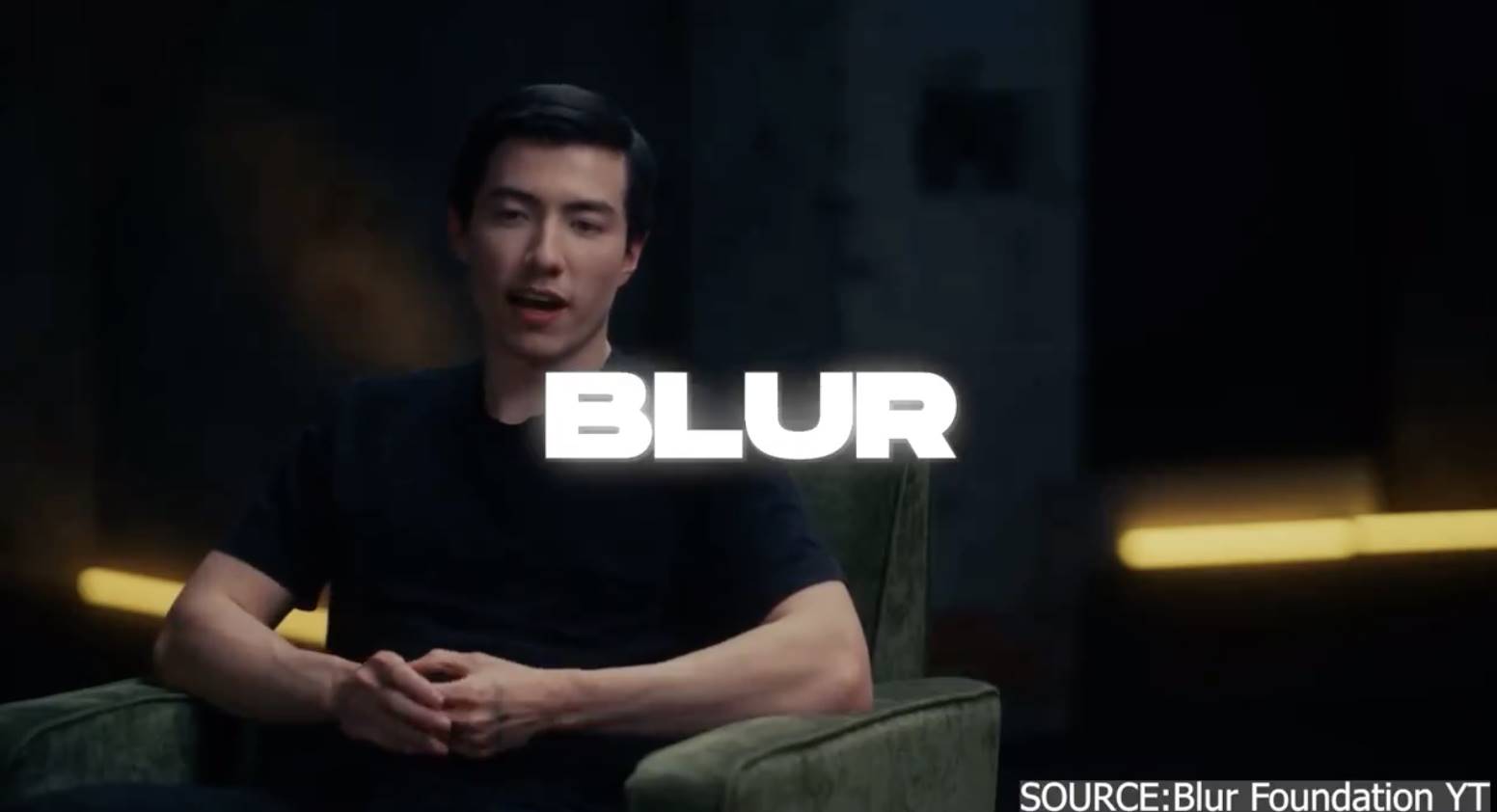
2022 年 10 月,Pacman 果断行动,创建了 Blur,一个 NFT 市场。在一年内,Blur 成为最大的 NFT 市场,这要归功于一些关键功能和战略性的空投。尽管遭到一些批评和“Blur 杀死了 NFT”这样的评论,平台的成功是不容否认的。

起底Blast创始人Pacman:从16岁辍学到16亿美金TVL的商业帝国

(详见视频

Pacman 并没有满足于现状,他推出了 Blast,第一个具有原生收益的 L2 解决方案。最初,该项目面临大量的 FUD(恐惧、不确定性和怀疑)。然而,一旦 Blast 退出测试阶段,它经历了爆炸性的增长,人们蜂拥而至以获取空投。

起底Blast创始人Pacman:从16岁辍学到16亿美金TVL的商业帝国

快进到现在:

  • 第一季空投 已经发布。

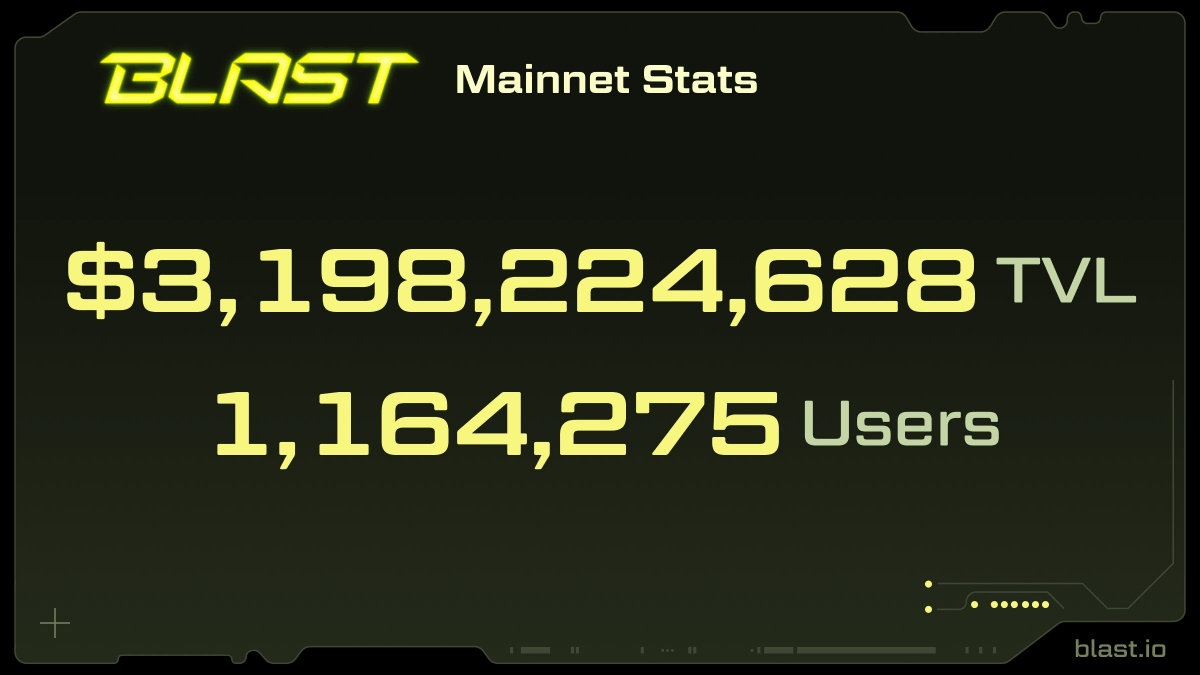
  • Blast 拥有 16.8 亿美元的总锁定价值(TVL)。

  • 超过 100 万个钱包 连接到平台。

尽管有这些成就,Blast 仍然面临 FUD,最大的问题是:Pacman 能再次改变市场情绪吗?

起底Blast创始人Pacman:从16岁辍学到16亿美金TVL的商业帝国

原文链接

Трендові криптовалюти

Пов'язані матеріали

Yangtze Memory: Is It the Second ChangXin?

The largest IPO in the history of the STAR Market is approaching. Yangtze Memory Technologies (YMTC) has filed for a listing on the Shanghai Stock Exchange's STAR Market, aiming to raise 33 billion yuan. This surpasses the previous record set by competitor ChangXin Memory Technologies (CXMT), which raised 29.5 billion yuan and saw its market capitalization surge on its debut. Despite both being leading Chinese memory chipmakers founded in 2016 and operating under the IDM model, the two companies are fundamentally different. CXMT focuses on DRAM, the memory used for temporary data processing, while YMTC specializes in NAND Flash, used for long-term data storage. Industry reports indicate the global DRAM market is significantly larger and more concentrated among three major players, where CXMT ranks as the fourth-largest supplier. The NAND Flash market is more fragmented, with YMTC ranking third globally by shipment volume in Q2 2026, though fifth by revenue due to a stronger focus on consumer-grade products. Experts are divided on whether YMTC can replicate CXMT's explosive market debut. Some analysts believe it is highly unlikely, citing a cooler market environment and YMTC's perceived lower strategic scarcity within the AI supply chain compared to DRAM/HBM-focused companies. They warn that aggressive IPO pricing could lead to downward pressure post-listing. Industry forecasts suggest the DRAM market may remain tight, while the NAND Flash market could face price corrections due to new capacity and weaker demand. Other experts argue that while short-term market sentiment differs, the long-term investment value of both companies is comparable, hinging on future performance and potential breakthroughs in areas like HBM. They believe YMTC's IPO is unlikely to face significant cooling given still-elevated market interest in the semiconductor sector.

marsbit21 хв тому

Yangtze Memory: Is It the Second ChangXin?

marsbit21 хв тому

Tether Completes Full Audit by KPMG U.S., 150 Tons of Gold and 100,000 BTC Reserves Verified

Tether Announces Completion of Full Financial Audit by KPMG US, Confirming Gold and BTC Reserves Tether CEO Paolo Ardoino announced that the company has completed its first-ever full financial audit by the "Big Four" accounting firm KPMG US. The audit covers the financial statements of Tether International, S.A. de C.V. as of December 31, 2025. Ardoino stated that Tether's delay in obtaining a full audit was primarily due to the previous US administration's hostile stance towards the digital asset industry. With a more favorable regulatory environment, the company engaged KPMG US for the rigorous review. Ardoino emphasized the audit confirmed the strength of Tether's reserves, including over $6 billion in excess equity. He also revealed the company holds substantial physical assets: approximately 150 tons of gold and over 100,000 Bitcoin (BTC). The audit process reportedly involved physically verifying each gold bar. Addressing past criticism and ongoing skepticism, Ardoino pointed to Tether's ability to handle large-scale redemptions, citing the processing of around $7 billion within 48 hours during market stress in 2022. He stated the company plans to undergo annual full financial audits alongside its ongoing quarterly attestation reports. Regarding a potential private equity round, Ardoino clarified that Tether, as a highly profitable company, does not require external capital but acknowledges significant market interest in its shares. The company remains private and mission-focused, aiming to serve users outside the traditional financial system. Looking ahead, Ardoino expressed Tether's interest in potentially funding initiatives like the "Bitcoin Red Team," which uses AI to audit Bitcoin's code and wallet security for vulnerabilities.

marsbit40 хв тому

Tether Completes Full Audit by KPMG U.S., 150 Tons of Gold and 100,000 BTC Reserves Verified

marsbit40 хв тому

Wall Street's Imagination Can't Keep Up with Nvidia's 'Speed'

NVIDIA once again delivered stellar earnings, with revenue, operating profit, and EPS all hitting record highs for Q2 FY2027 (ended July 26, 2026). Revenue reached $96.221 billion, a 106% YoY increase, while net profit surged 126% to $59.688 billion. The core driver remained the Data Center segment, which grew 117% YoY to $89.023 billion, fueled by ongoing global AI infrastructure investments. The company segmented its Data Center revenue into Hyperscale (large cloud providers) and ACIE (AI cloud, enterprise, industrial, and sovereign AI) categories, with the latter showing faster growth. Notably, shipments of Hopper architecture products to mainland China accounted for less than 1% of Data Center revenue this quarter, and future guidance excludes contributions from China's Data Center compute market. CEO Jensen Huang stated that AI has reached a "tipping point," directly generating productivity and revenue. Financially, NVIDIA maintained robust profitability with a gross margin of 75%. The company also returned approximately $26 billion to shareholders via buybacks and dividends. Looking ahead, product transitions are key. The Blackwell Ultra platform is now in large-scale deployment, while the next-generation Vera Rubin platform, including NVIDIA's first CPU designed for AI agents, has entered full production. The company is also expanding its software ecosystem with tools like the DSX platform for building AI factories. However, NVIDIA's role is evolving beyond chip supplier. It is increasingly involved in financing and facilitating massive AI infrastructure projects, exemplified by its credit support for the SB Energy project in Ohio intended for OpenAI. The company aims to mobilize over $500 billion in third-party capital for such builds, though this raises questions about future capital intensity. For Q3 FY2027, NVIDIA forecasts revenue of approximately $108 billion, signaling continued growth but at a potentially moderated pace. While still dominant, the competitive landscape is intensifying with rivals like AMD and in-house chips from major cloud customers. Key challenges include maintaining growth through the Blackwell-to-Rubin transition, sustaining the pace of AI infrastructure investment, and defending market share as inference workloads grow and competition increases.

marsbit40 хв тому
Wall Street's Imagination Can't Keep Up with Nvidia's 'Speed'

marsbit40 хв тому

MiniMax Starts Earning Money by Relying on Others

MiniMax, a Chinese AI company known initially for its consumer-facing products like Conch AI, has undergone a significant business shift according to its first post-IPO semi-annual report. While overall revenue grew to $117 million (surpassing its full-year 2025 projection), the revenue structure flipped dramatically. Revenue from its open platform and enterprise AI services surged 703.1% to $73.93 million, now constituting 63.4% of total income. In contrast, revenue from its own AI-native products, though doubling to $42.64 million, dropped from 69.7% to 36.6% of the total. This indicates MiniMax is transitioning from a product-centric to a platform-centric model, embedding its AI capabilities into other companies' workflows and developer applications rather than solely relying on its own apps. The company is now monetizing its core model technology as a service. However, profitability remains a challenge. Despite revenue growth of 283.1%, R&D expenses were $297 million—2.55 times revenue—leading to an adjusted net loss of $293 million. A positive sign is improving gross margin, which rose from 12.1% to 17.9%, suggesting initial progress toward scaling efficiently. Geographically, MiniMax demonstrates a "developed in China, monetized globally" model, with 60.8% of its revenue coming from outside mainland China. The report highlights that MiniMax has successfully moved past proving demand and model capability. The critical next phase is demonstrating that its growing enterprise and developer customer base can generate sufficient, sustainable profit to offset the high inherent costs of AI model training and inference.

marsbit51 хв тому

MiniMax Starts Earning Money by Relying on Others

marsbit51 хв тому

Торгівля

Спот

Популярні статті

Як купити BLAST

Ласкаво просимо до HTX.com! Ми зробили покупку Blast (BLAST) простою та зручною. Дотримуйтесь нашої покрокової інструкції, щоб розпочати свою криптовалютну подорож.Крок 1: Створіть обліковий запис на HTXВикористовуйте свою електронну пошту або номер телефону, щоб зареєструвати обліковий запис на HTX безплатно. Пройдіть безпроблемну реєстрацію й отримайте доступ до всіх функцій.ЗареєструватисьКрок 2: Перейдіть до розділу Купити крипту і виберіть спосіб оплатиКредитна/дебетова картка: використовуйте вашу картку Visa або Mastercard, щоб миттєво купити Blast (BLAST).Баланс: використовуйте кошти з балансу вашого рахунку HTX для безперешкодної торгівлі.Треті особи: ми додали популярні способи оплати, такі як Google Pay та Apple Pay, щоб підвищити зручність.P2P: Торгуйте безпосередньо з іншими користувачами на HTX.Позабіржова торгівля (OTC): ми пропонуємо індивідуальні послуги та конкурентні обмінні курси для трейдерів.Крок 3: Зберігайте свої Blast (BLAST)Після придбання Blast (BLAST) збережіть його у своєму обліковому записі на HTX. Крім того, ви можете відправити його в інше місце за допомогою блокчейн-переказу або використовувати його для торгівлі іншими криптовалютами.Крок 4: Торгівля Blast (BLAST)Легко торгуйте Blast (BLAST) на спотовому ринку HTX. Просто увійдіть до свого облікового запису, виберіть торгову пару, укладайте угоди та спостерігайте за ними в режимі реального часу. Ми пропонуємо зручний досвід як для початківців, так і для досвідчених трейдерів.

207 переглядів усьогоОпубліковано 2024.12.11Оновлено 2026.06.02

Як купити BLAST

Обговорення

Ласкаво просимо до спільноти HTX. Тут ви можете бути в курсі останніх подій розвитку платформи та отримати доступ до професійної ринкової інформації. Нижче представлені думки користувачів щодо ціни BLAST (BLAST).

活动图片