操作指南:如何将Farcaster空投机会最大化?

Odaily星球日报Опубліковано о 2024-06-03Востаннє оновлено о 2024-06-03

Анотація

每个空投猎手都必须在Farcaster上建立社交存在。

原文作者:FIP Crypto | Airdrops Made Simple

原文编译:深潮 TechFlow

本文将帮助你充分利用 Farcaster 平台,确保你有最大的机会参与未来的空投。

Farcaster 是一个最近筹集了 1.5 亿美元的去中心化社交网络 SocialFi 项目。尽管像 Lens Protocol 这样的项目已经存在了更长时间,但 Farcaster 凭借与 Layer 3 和 Zora 等流行 DApp 的整合,迅速获得了最多的关注。每个空投猎手都必须在 Farcaster 上建立社交存在。以下是浏览此平台的分步指南:

1.创建 Warpcast 账户

Warpcast 是使用 Farcaster 基础设施的最流行客户端。其他客户也使用 Farcaster,但本文将重点放在最著名的 Warpcast 上。

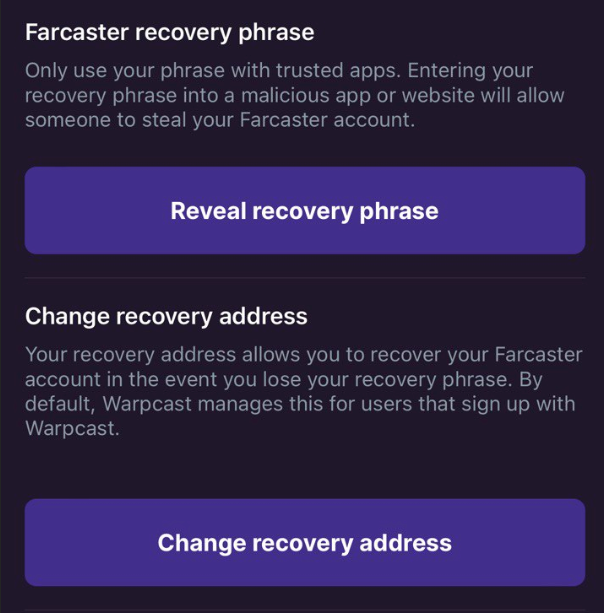
创建 Warpcast 账户最烦人的部分是无法使用加密货币支付 5 美元/年的费用。只能通过 iOS/Android 进行账户创建,并且 5 美元/年的费用只能在应用中以法币支付购买。这违背了去中心化的理念。输入你的电子邮件地址后,你将获得一个全新的助记词。
操作指南:如何将Farcaster空投机会最大化?

这与钱包的助记词分开,需要同样妥善保管。

1.将你的空投钱包链接到 Warpcast

这是确保你的链上活动符合未来空投资格的重要步骤。例如,@Spectral_Labs 的空投奖励了在 Base 上活跃的 Warpcast 用户。我的两个钱包(Warpcast + 空投)都在这份资格名单中(但我未能获得此次空投资格)。

因此,我强烈建议将你的空投钱包链接到 Warpcast,以防未来的空投考虑你的 Farcaster 活动。我分享了一个连接钱包的快速指南

2.将 Layer 3 账户链接到 Warpcast

你需要一个 Warpcast 账户来完成某些 Layer 3 任务。但是将 Warpcast 链接到你的 Layer 3 账户稍微复杂一些。在点击Farcaster 链接后,必须在 Warpcast 上完成一个 Layer 3 任务以链接账户。但这可能因人而异。

3.在 Warpcast 上保持活跃

Spectral 的空投奖励了至少有以下条件的 Farcaster 账户:

❍ 10 个粉丝

❍ 10 个点赞

❍ 10 个发布

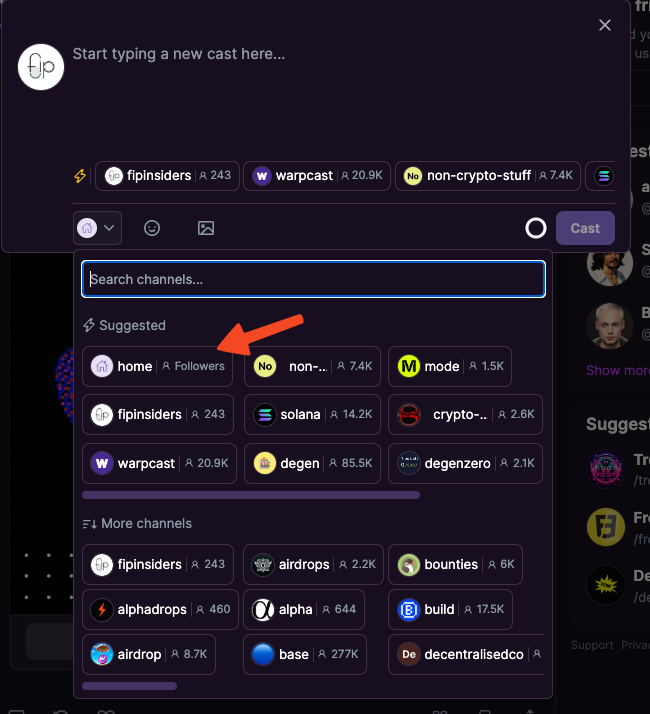
因此,一个活跃的 Warpcast 账户可能会让你有资格参与未来的空投。但 Warpcast 的算法与 Twitter 不同。如果你在主页上发布(默认情况下),你只是与关注者分享。
操作指南:如何将Farcaster空投机会最大化?

这在开始时几乎没有人,所以,如果你想获得更多点赞和粉丝,最好的方法是在频道上发帖。频道类似于 Twitter 的社区功能,任何人都可以创建和加入频道。获得点赞和关注的最佳方式是发布到有更多关注者的频道,如:

❍ /base

❍ /ethereum

❍ /farcaster

要创建频道,你需要花费应用内货币(Warps),稍后我会详细说明:

4.购买和使用 Warps

Warps 是某些链上操作所必需的,包括:

❍ 给其他用户的帖子赠送 Warps(类似于打赏)

❍ 将 Warpcast 账户连接到其他应用

❍ 在某些频道发布

❍ 创建自己的频道

❍ 铸造 NFT

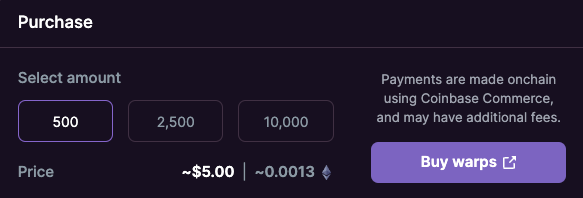
你需要用 ETH 以 5 美元兑换 500 个 warps 的比例购买Warps

操作指南:如何将Farcaster空投机会最大化?

好消息是这可以用加密货币支付。创建频道需要每年 2500 个 Warps(25 美元)。我认为创建和管理频道可能是 Farcaster 空投的一个乘数。有些频道要求每次发布支付 10 个 Warps,这些 Warps 会转给频道所有者。Warpcast 在 FAQ 中提到,积累 Warps 没有任何好处,所以最好花掉你拥有的Warps。Warps 只能在 Warpcast 客户端中使用,不能转移到其他客户端。

5.互动 Frames

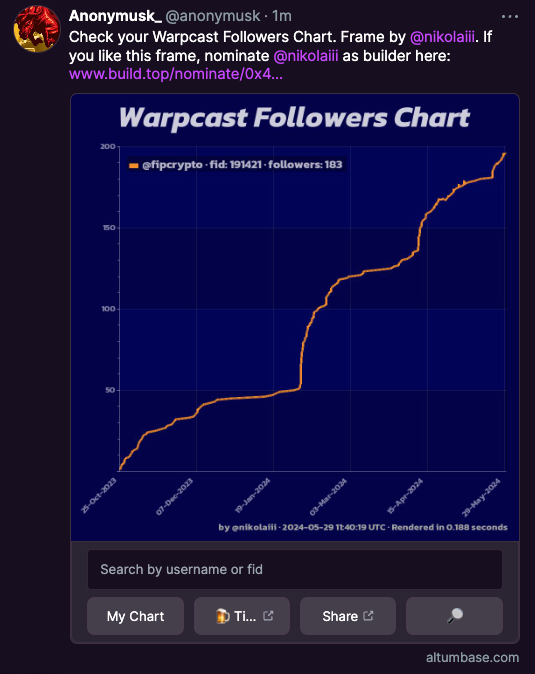
Frames 是 Farcaster 最新的功能,可以将任何 cast 变成互动应用。
操作指南:如何将Farcaster空投机会最大化?

我发现它们大多数都很卡,尤其是在通过它们完成 Layer 3 任务时(有些任务需要一段时间才能验证)。但在可能的情况下,我尽量与 Farcaster 上看到的任何 Frames 互动。这也可能是未来空投的一个标准。你可以用 Fileverse创建一个 Frame

6.获得 Power Badge

Power Badge 专门奖励活跃的 Warpcast 用户,我正在努力获得一个。尽管算法不是公开的。Warpcast 暗示了授予的标准:

❍ 活跃度(发布的频率)

❍ 亲和力(power 用户是否喜欢你的发布)

❍ 标记(如果你的帖子被标记为垃圾信息)

我给一个有 Power Badge 的人发了私信,他提到他通过“有意识地努力获得拥有 Power Badge 的 OG 的反应” 获得了这个徽章。因此,我建议你与 Power Badge 用户互动。但不要给垃圾信息,尽量有创意地评论,这样你更有可能获得他们的点赞,增加你获得 Power Badge 的机会。

所有这些看起来可能很繁琐,但这正是我们比那些懒得创建账户的人更有优势的地方。

原文链接

Пов'язані матеріали

When Billions Begin to Operate Everything by Voice, How Far is ‘All Assets on Chain’?

In June 2026, WeChat began a limited rollout of "Xiaowei," its native AI assistant. This move is more than an upgrade to a smarter chatbot; it signals a crucial step from "universal internet access" toward the broader vision of "full asset tokenization." Xiaowei, powered primarily by WeChat's in-house WeLM model, demonstrates four key capabilities: 1) direct voice/web chat control of app functions, 2) automated access to mini-programs for services, 3) instant comprehension and summarization of complex documents like PDFs, and 4) generating functional mini-program prototypes from simple natural language requests. This represents a fundamental shift from GUI (Graphical User Interface) to LUI (Language User Interface), eliminating friction in human-digital interaction. The rollout is pivotal because it brings AI Agents to China's massive user base with zero friction—no new app downloads or accounts needed. This "seamless access" mirrors past platform revolutions like the App Store or WeChat Mini-Programs, potentially unlocking a global AI Agent market projected to grow from $7.92 billion in 2025 to nearly $295 billion by 2035. The article argues that China's internet evolution has moved from "connecting everyone" to "putting all services online." The next phase is "tokenizing all assets"—a concept broader than just Real World Assets (RWA) like real estate. It encompasses tokenizing personal assets like social influence, attention, and credit history. RWA tokenization itself is forecast to explode from $35 billion in 2025 to over $500 billion in 2026. The convergence of ubiquitous AI Agents and rapidly tokenizing assets points to a future paradigm for wealth management. Your AI Agent could autonomously manage a globally diversified, tokenized portfolio based on your preferences. Initiatives like EXIO Group's full-stack RWA services aim to lower investment barriers, paralleling WeChat's democratization of AI access. In conclusion, the launch of Xiaowei is not merely a technical upgrade but a historic inflection point. It marks AI Agents' transition from niche tools to essential utilities and accelerates the movement toward a future where voice commands seamlessly interact with tokenized value, redefining humanity's relationship with the digital and financial worlds.

marsbit6 хв тому

When Billions Begin to Operate Everything by Voice, How Far is ‘All Assets on Chain’?

marsbit6 хв тому

SoftBank CEO Masayoshi Son's New Trillion-Dollar "Gamble"

SoftBank founder Masayoshi Son is embroiled in a new trillion-dollar "bet" on Physical AI and humanoid robotics, even as his massive wager on OpenAI faces uncertainty ahead of its potential IPO. Recent reports reveal OpenAI's steep losses—$85 billion net loss by Q1 2026 and a $38.5 billion loss in 2025—casting doubt on its path to a trillion-dollar valuation. SoftBank, OpenAI's second-largest external shareholder with a planned 13% stake, stands to gain hugely if OpenAI succeeds. Undeterred, Son is already pushing forward with his next ambitious venture: consolidating SoftBank's AI and robotics assets into a new U.S.-based company named "Roze," targeting a $100 billion IPO as early as late 2026. This move aligns with his belief that Physical AI, merging AI cognition with robotic physical execution, is the next trillion-dollar frontier. Son's confidence stems from recent AI wins; SoftBank's stock surged and he briefly regained the title of Asia's richest person, largely due to OpenAI's soaring valuation. However, his aggressive strategy has raised internal concerns about over-reliance on OpenAI and strained finances. With competitors like Anthropic advancing rapidly and OpenAI's IPO timing uncertain, Son is racing to capitalize on the AI boom. His long-term vision for Physical AI includes a decade of investments in robotics, from Boston Dynamics to recent acquisitions like ABB's robotics unit, and a planned $1 trillion investment in U.S.-based AI robotics industrial parks. Yet, challenges remain: humanoid robotics firms like Figure AI lack the clear revenue paths of AI software companies, and Roze's lofty valuation faces skepticism. For Son, these bets are also driven by an unfulfilled promise of massive returns to key investors like Saudi Arabia's PIF. Despite risks, he continues to double down, betting that the fusion of AI and physical machines will define the next technological era.

marsbit13 хв тому

SoftBank CEO Masayoshi Son's New Trillion-Dollar "Gamble"

marsbit13 хв тому

Торгівля

Спот
Ф'ючерси
活动图片