
SignalPlus波动率专栏(20240304):BTC站上65K关口冲击ATH

Odaily星球日报Опубліковано о 2024-03-04Востаннє оновлено о 2024-03-04

Анотація

数字货币方面,BTC日内上涨逾4%,期权收盘前又一波拉盘将币价推上65K关口,向着All Time High发出挑战。

SignalPlus波动率专栏(20240304):BTC站上65K关口冲击ATH

SignalPlus波动率专栏(20240304):BTC站上65K关口冲击ATH

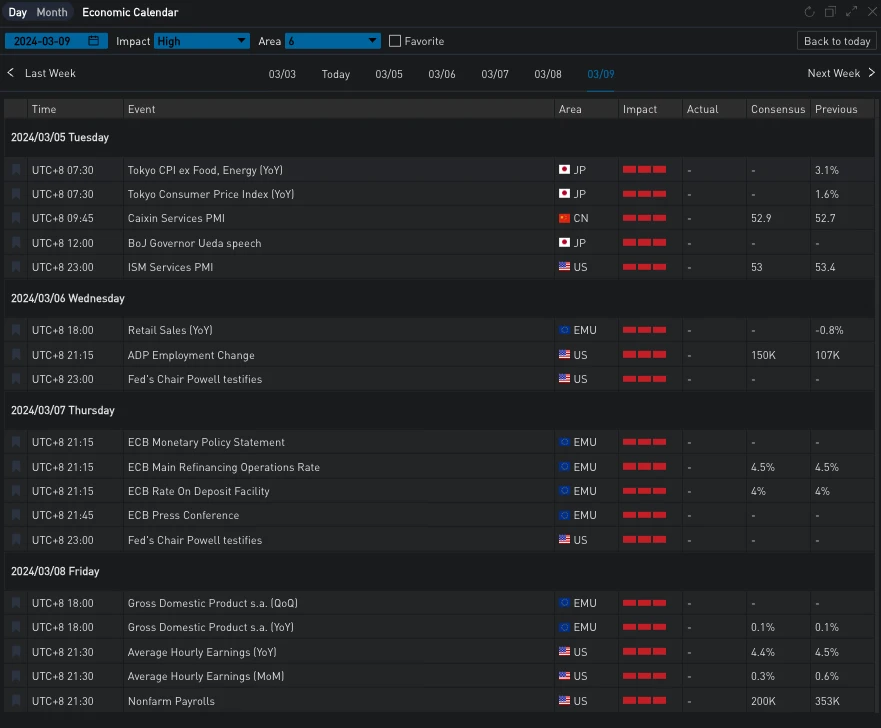
上周五美联储公布了半年度货币政策报告,指出了银行体系健全且有韧性的,但金融稳定方面仍存在一些弱点,此外,美联储官员高度关注通胀风险,在更有说服力的评估数据公布之前并不急于降息。数据方面,周五公布的经济数据普遍低于预期,增强了市场对降息的预期,美国三大股指齐涨,美债收益率逐步回落,当前两年期/十年期分别为 4.552% /4.204 。
SignalPlus波动率专栏(20240304):BTC站上65K关口冲击ATH

Source: SignalPlus, Economic Calendar

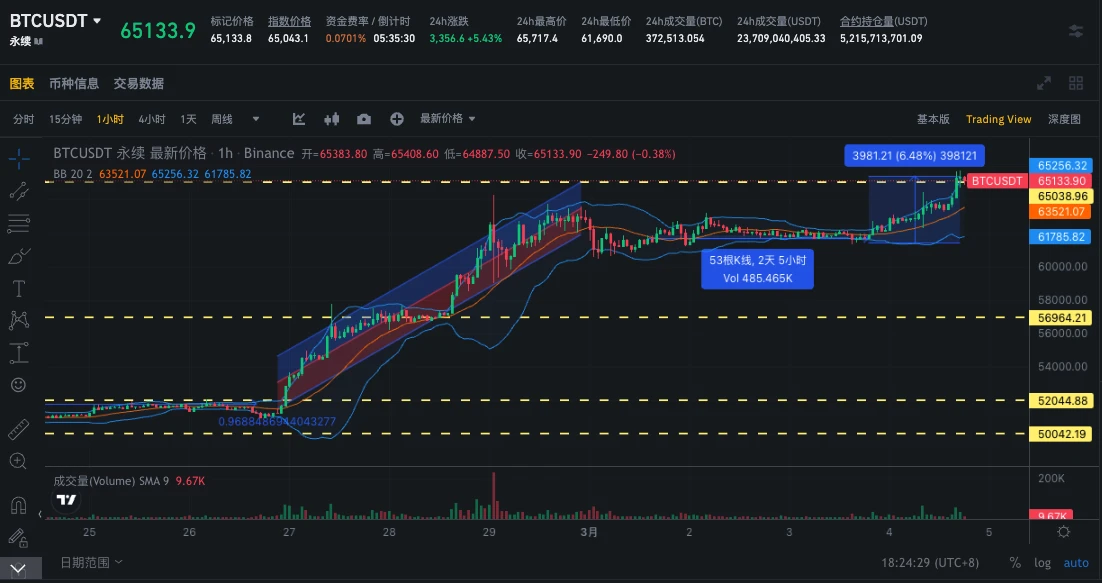
数字货币方面,BTC 日内上涨逾 4% ,期权收盘前又一波拉盘将币价推上 65 K 关口,向着 All Time High 发出挑战。此轮上涨行情的重要催化剂当属 BTC Spot ETFs 带来的资金流入,日均 10000 BTC 价值的购买需求已经远远超出 BTC 挖矿的产量,更别提即将到来的 Bitcoin Halving 将再度减少比特币一半的产出,加剧供需不平衡的现状。
SignalPlus波动率专栏(20240304):BTC站上65K关口冲击ATH

Source: Binance & TradingView

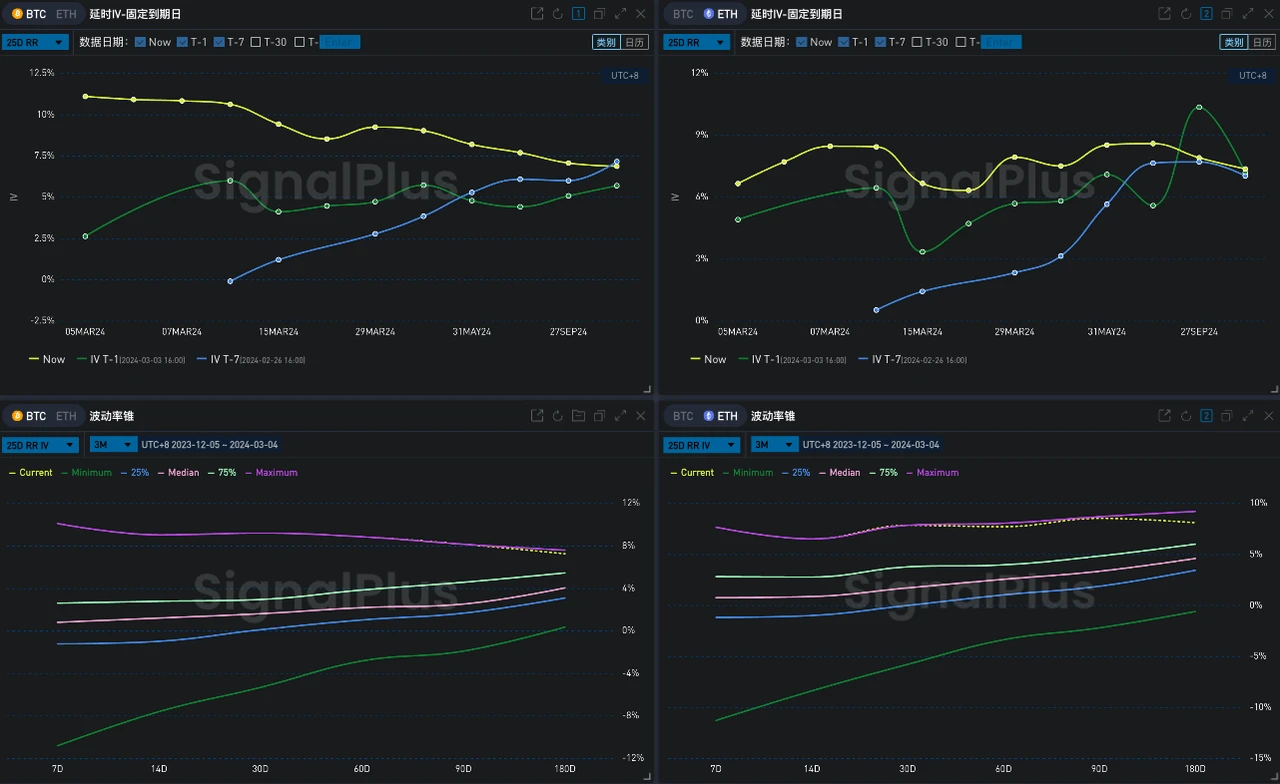
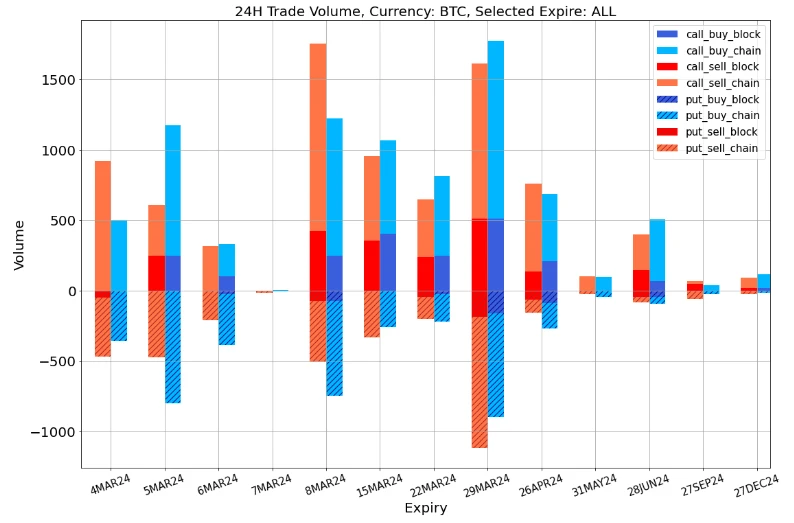
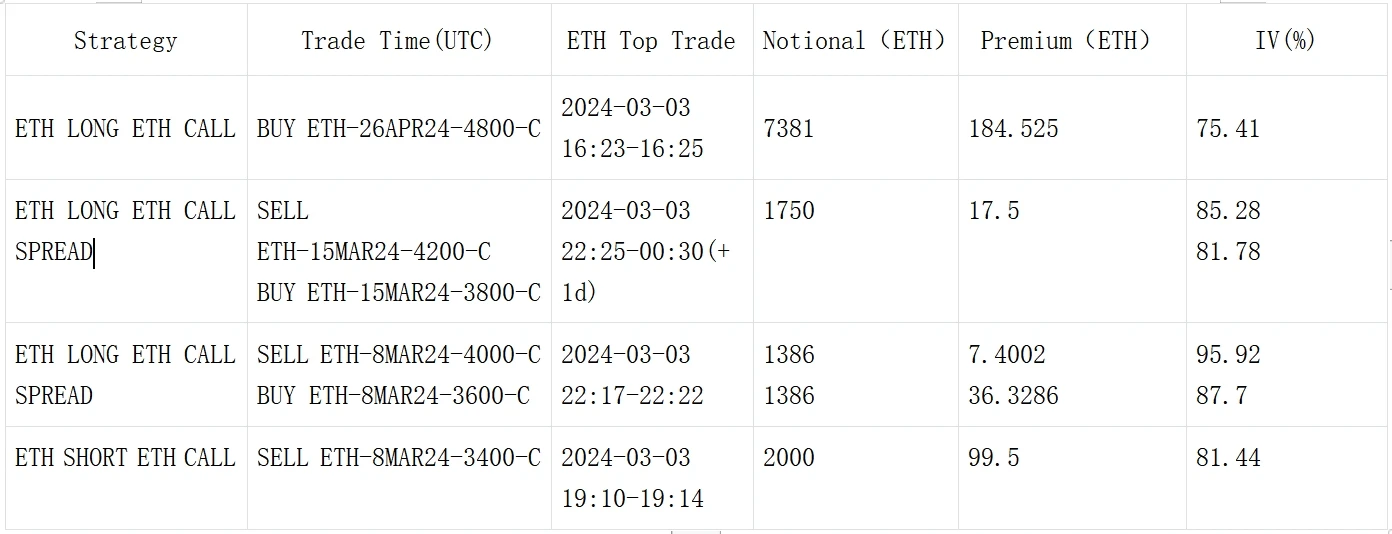
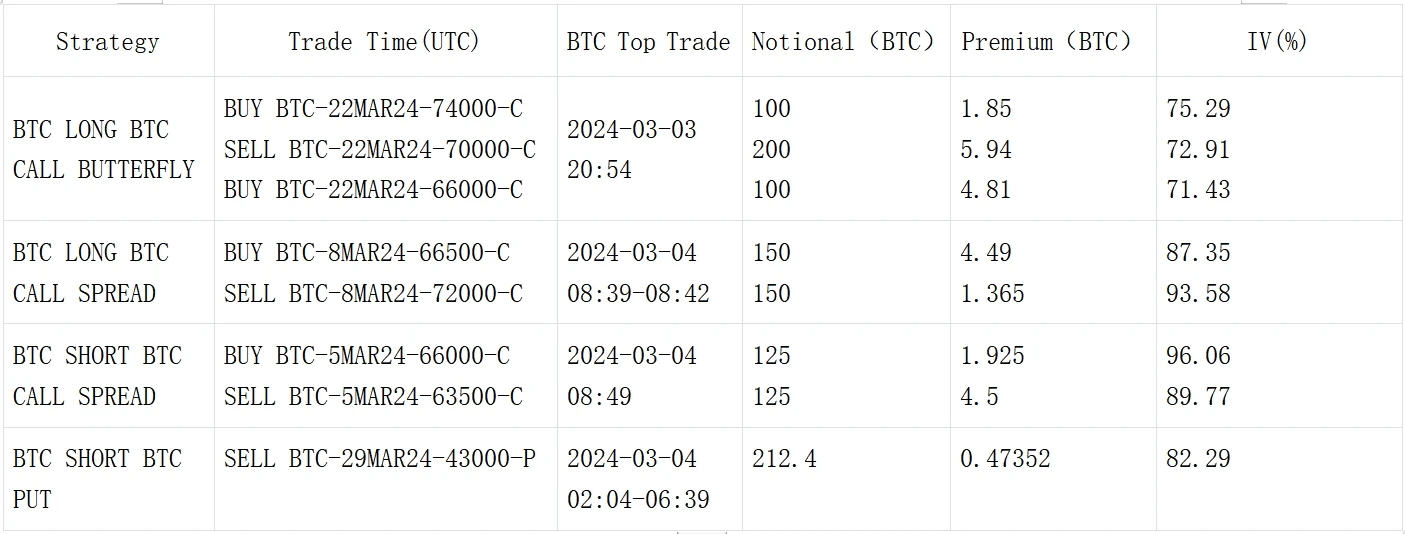
若币价能延续上行势能,突破历史最高点的时刻想必也不会遥远,期权市场也在日内将前端隐含波动率指数再度推高至 BTC 90% / ETH 85% 的高峰,同时衡量曲面斜率的 25 d RR 指标也再度上升打破过去三个月的最高点。从交易上看,以 Long Call Spread/Call Butterfly 为代表的大宗策略成为交易的热门,表达了有限看涨的观点。
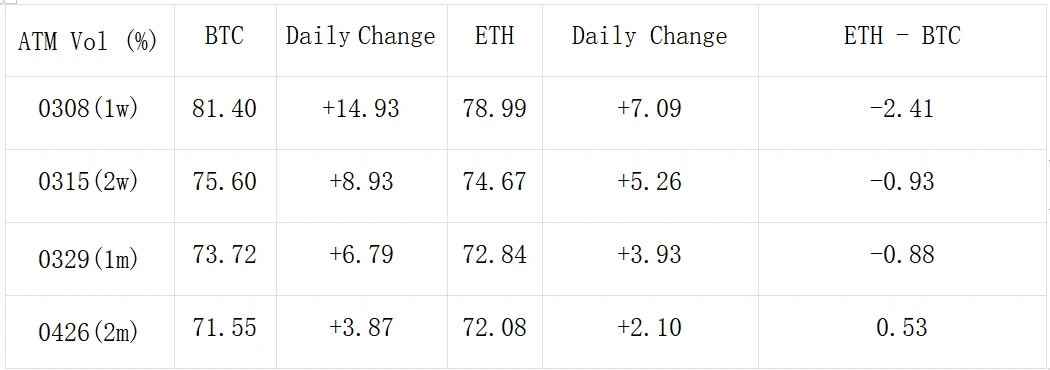
SignalPlus波动率专栏(20240304):BTC站上65K关口冲击ATH

Source: Deribit (截至 4 MAR 16: 00 UTC+ 8)
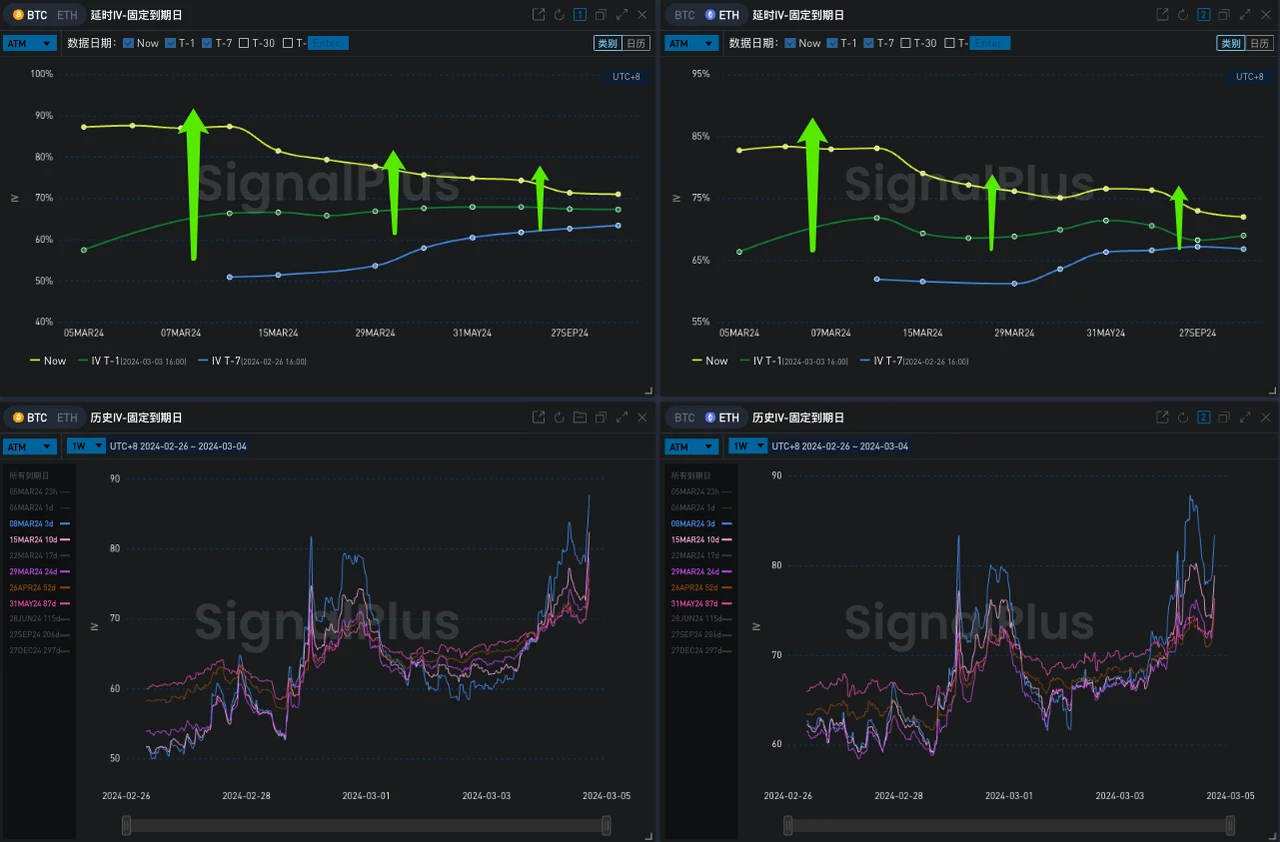
SignalPlus波动率专栏(20240304):BTC站上65K关口冲击ATH

Source: SignalPlus

SignalPlus波动率专栏(20240304):BTC站上65K关口冲击ATH

Source: SignalPlus

SignalPlus波动率专栏(20240304):BTC站上65K关口冲击ATH

SignalPlus波动率专栏(20240304):BTC站上65K关口冲击ATH

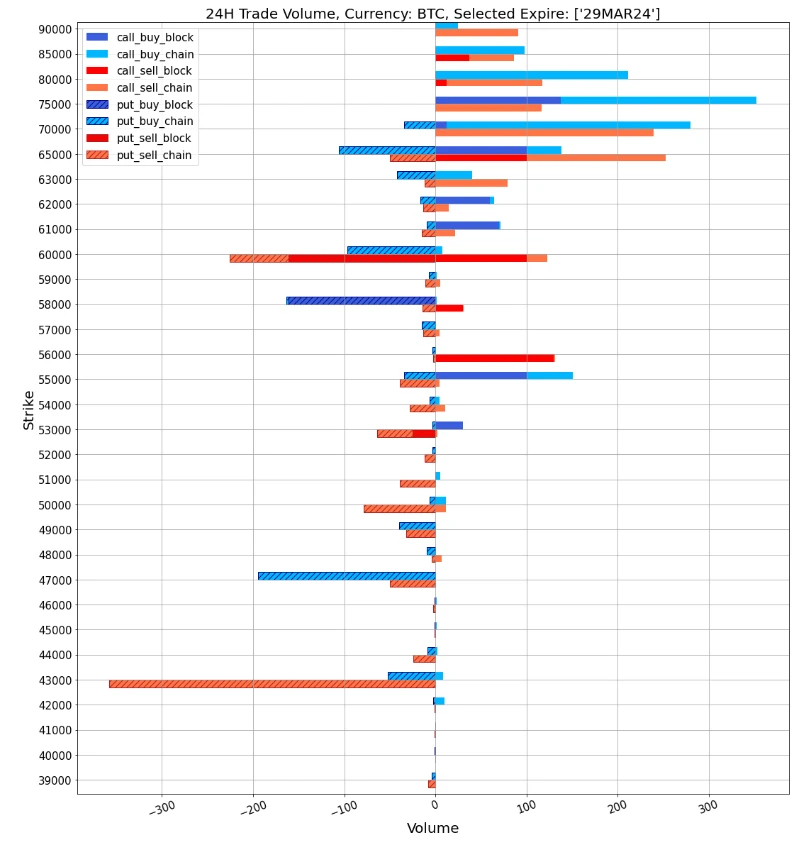
Data Source: Deribit,BTC 成交分布

SignalPlus波动率专栏(20240304):BTC站上65K关口冲击ATH

SignalPlus波动率专栏(20240304):BTC站上65K关口冲击ATH

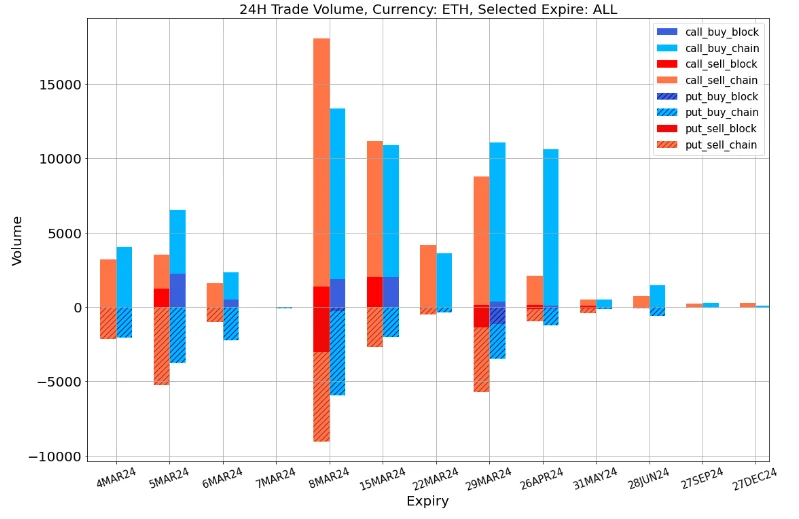
Data Source: Deribit,ETH 成交分布

SignalPlus波动率专栏(20240304):BTC站上65K关口冲击ATH

Source: Deribit Block Trade

SignalPlus波动率专栏(20240304):BTC站上65K关口冲击ATH

Source: Deribit Block Trade

SignalPlus波动率专栏(20240304):BTC站上65K关口冲击ATH

您可在 ChatGPT 4.0 的 Plugin Store 搜索 SignalPlus ,获取实时加密资讯。如果想即时收到我们的更新,欢迎关注我们的推特账号@SignalPlus_Web3 ,或者加入我们的微信群(添加小助手微信:SignalPlus 123)、Telegram 群以及 Discord 社群,和更多朋友一起交流互动。

SignalPlus Official Website:https://www.signalplus.com
Пов'язані матеріали

A Company Once on the Brink of Bankruptcy Just Surpassed Bitcoin in Market Cap

On June 22nd, driven by rising stock prices, SK Hynix’s market capitalization reached $1.35 trillion, surpassing Bitcoin's total market cap of approximately $1.29 trillion. This temporarily made it South Korea's highest-valued company. The core driver of this surge is HBM (High Bandwidth Memory), for which SK Hynix is the primary supplier to NVIDIA, holding over 60% market share. AI's demand for high memory bandwidth has translated into immense profitability, with SK Hynix reporting a 72% operating profit margin in Q1. The company's success follows a 13-year bet on HBM technology, beginning in 2009. It nearly failed after the 2001 dot-com bubble, was acquired by SK Group in 2012, and was subsequently recapitalized to continue its long-term HBM development. The article contrasts this with the Crypto AI narrative. Capital currently favors AI infrastructure players like SK Hynix due to "real orders, physical barriers, and quantifiable profit margins." In comparison, Crypto AI projects, promising decentralized compute and data markets, remain largely conceptual with limited tangible progress. Examples include Bittensor, whose core mechanisms are still under development, and Bitcoin miners transitioning to AI, who face significant funding gaps and execution challenges. The piece cites analysis suggesting the AI sector has absorbed nearly all new market liquidity since 2022, leaving little for crypto. It concludes that the current AI infrastructure红利 is captured by entities with proven technical barriers and supply capabilities, while crypto networks still need to define their concrete role in the value chain.

链捕手30 хв тому

A Company Once on the Brink of Bankruptcy Just Surpassed Bitcoin in Market Cap

链捕手30 хв тому

Bittensor Moves Towards Ultimate Decentralization: The Critical 18 Months for the TAO Ecosystem is Here?

Bittensor, a decentralized AI protocol, is accelerating its transition to full decentralization over the next 18 months, as outlined in a recent post by co-founder Const. The project currently operates in a "semi-decentralized" state: ownership and network participation are open and permissionless, with TAO distribution based on competitive contribution. However, protocol upgrades and governance have remained under core team control to enable rapid iteration in the fast-evolving AI sector. This strategic shift comes as the ecosystem matures, boasting 128 subnets and a large community. Const argues that continued centralization now poses risks, including single points of failure and regulatory scrutiny. The upcoming decentralization roadmap includes optimizing validator competition, opening liquidity pools, introducing governance rights for Alpha holders, and refining economic models. The move could fundamentally reshape TAO's value proposition, adding governance premiums to its existing valuation based on AI narrative and scarcity. It also signals a potential maturation of the AI crypto sector, where competition may shift from hype to sustainable protocol design and real economic activity. Bittensor positions itself not just as another AI token, but as foundational infrastructure aiming to decentralize intelligence production—analogous to Bitcoin's role in decentralizing money—with the goal of creating a resilient "Millennium Intelligence Federation."

marsbit42 хв тому

Bittensor Moves Towards Ultimate Decentralization: The Critical 18 Months for the TAO Ecosystem is Here?

marsbit42 хв тому

Japan's AI Dark Horse Emerges: How a 7B Small Model Challenges Fable and Mythos?

In June 2026, Sakana AI's new model Fugu caused a stir in the AI community. Its Fugu Ultra variant achieved scores of 73.7 on SWE-Bench Pro and 82.1 on TerminalBench 2.1, surpassing GPT-5.5 and Claude Opus 4.8, and was claimed to be comparable to export-restricted models like Fable 5 and Mythos Preview. Remarkably, the core of this high-performance system is not a massive model, but a small 7B-parameter RL Conductor model. Fugu operates as a multi-agent orchestrator: the 7B model acts as a "foreman," dynamically analyzing user tasks and delegating subtasks to a pool of top-tier global models (e.g., GPT-5, Gemini 3.1 Pro). It then synthesizes and verifies their outputs. This architecture represents a paradigm shift from monolithic models to an expert-team approach. It enhances performance in complex, multi-step engineering tasks like code review and security testing by enabling cross-validation from specialized models, improving long-session stability and token efficiency. However, Fugu's strengths come with trade-offs: it faces inherent latency due to multiple API calls, relies heavily on underlying US model APIs (creating dependency risks), and its benchmark comparisons with Fable/Mythos are based on reported scores, not head-to-head testing. For Japan's AI ecosystem, which lacks the massive compute and data resources of the US or China, Fugu exemplifies an "asymmetric breakthrough" strategy. Instead of competing directly in parameter scale, it focuses on intelligent orchestration of existing global models, offering a degree of AI sovereignty and resilience. While a significant system-level innovation, its ultimate capability is still bounded by the underlying models it coordinates.

marsbit43 хв тому

Japan's AI Dark Horse Emerges: How a 7B Small Model Challenges Fable and Mythos?

marsbit43 хв тому

Торгівля

Спот
Ф'ючерси
活动图片