Vivek Ramaswamy, Crypto-Friendly U.S. Presidential Candidate, Suspends Campaign

CoinDeskPolicyОпубліковано о 2024-01-15Востаннє оновлено о 2024-01-16

Анотація

The former biotech executive was the only Republican contender to have a crypto plan.

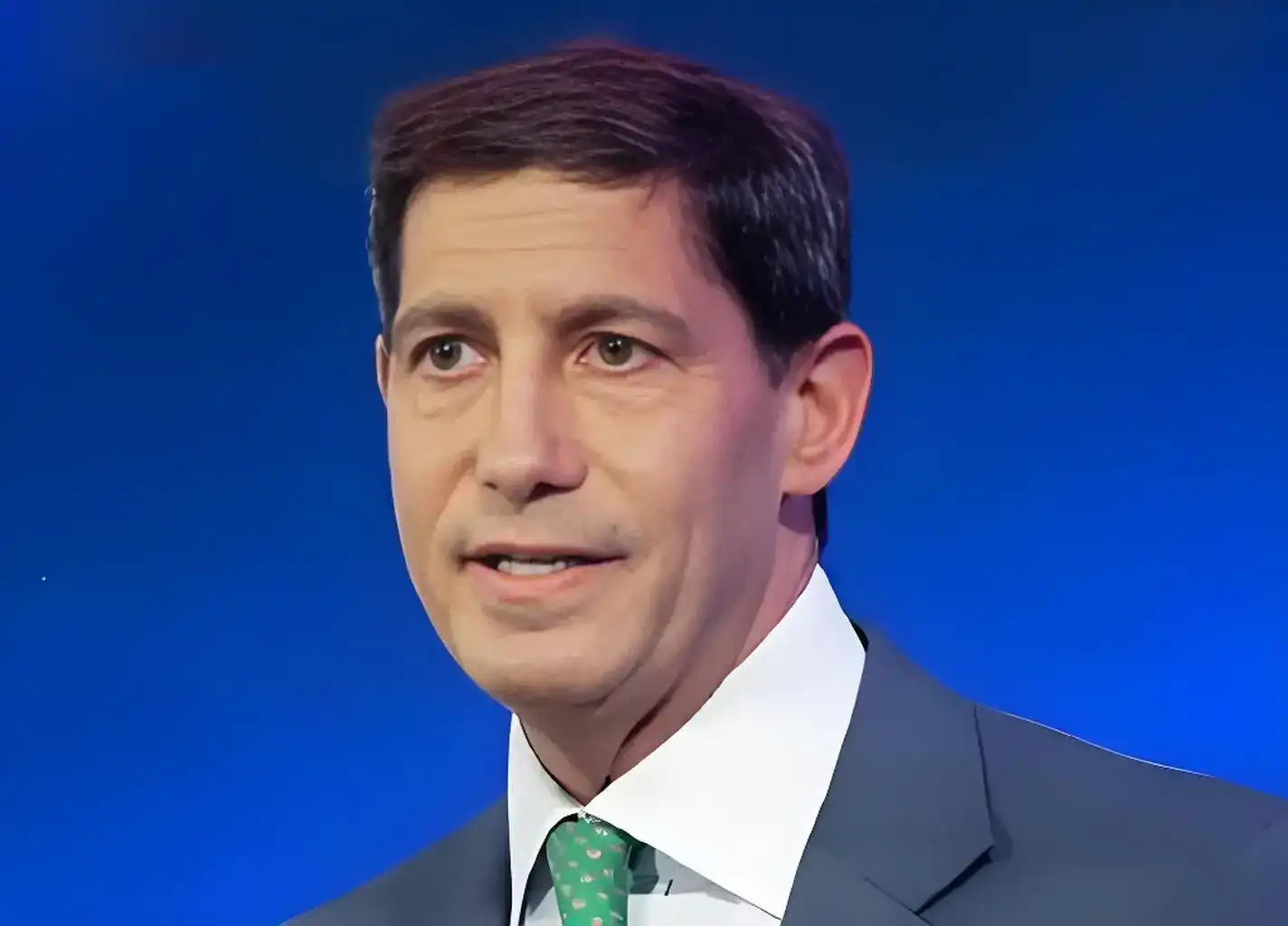
Vivek Ramaswamy – who pledged to lay off most of the Securities and Exchange Commission (SEC) and direct a path for digital assets policy if elected President– suspended his campaign for Republican leadership after a fourth-place finish in Iowa.

In his concession speech, Ramaswamy thanked his supporters and endorsed former President Donald Trump.

“I’m going to appear with Donald Trump at a rally in New Hampshire to lay out what I see and what we see for the future of the country,” he said.

Advertisement
Advertisement

Ramaswamy’s crypto plan emphasized safeguarding software developers and unhosted digital wallets, treating most cryptocurrencies as commodities, and significantly reducing the SEC’s influence in the crypto sector.

“A big part of what we’re missing today is clarity from our regulators,” Ramaswamy said in a prior interview with CoinDesk TV. “What we’re going to have is rescinding any of those regulations that are allowing the regulatory state to go after perfectly legal behavior, but by claiming that somehow it shouldn’t exist because they don’t like it. All of that can end on my watch.

VolumeMuteUnmute
GOP Presidential Candidate Vivek Ramaswamy Unveils Crypto Plan; Bitcoin Bounces
0 seconds of 42 minutes, 15 secondsVolume 0%
Press shift question mark to access a list of keyboard shortcuts
Keyboard ShortcutsEnabledDisabled
Play/PauseSPACE
Increase Volume
Decrease Volume
Seek Forward
Seek Backward
Captions On/Offc
Fullscreen/Exit Fullscreenf
Mute/Unmutem
Seek %0-9
Settings
OffEnglish
Font Color
White
Font Opacity
100%
Font Size
100%
Font Family
Arial
Character Edge
None
Background Color
Black
Background Opacity
50%
Window Color
Black
Window Opacity
0%
Reset
WhiteBlackRedGreenBlueYellowMagentaCyan
100%75%50%25%
200%175%150%125%100%75%50%
ArialCourierGeorgiaImpactLucida ConsoleTahomaTimes New RomanTrebuchet MSVerdana
NoneRaisedDepressedUniformDrop Shadow
WhiteBlackRedGreenBlueYellowMagentaCyan
100%75%50%25%0%
WhiteBlackRedGreenBlueYellowMagentaCyan
100%75%50%25%0%
00:25
41:50
42:15
 

During a Republican leadership debate in December, Ramaswamy said that regulations need to play catch-up to the fast-moving world of digital assets.

“The fact that SBF was able to do what he did FTX shows that whatever they have is the current framework isn’t working,” he said on stage.

"It’s nothing short of embarrassing that Gary Gensler, the SEC chair, couldn’t even confirm in front of Congress whether Ethereum is a regulated security,” he said during the December debate, referring to the debate inside the SEC on whether ether (ETH) is a security.

Advertisement
Advertisement

“This is another example of the administrative state going too far,” he continued.

The SEC is withholding from CoinDesk the emails and notes that influenced William Hinman’s pivotal 2018 speech at the Yahoo Markets Summit, only providing heavily redacted versions, where he declared ether not a security, a significant moment in cryptocurrency history.

According to a disclosure from earlier this year, Ramaswamy owns between $100,001-$250,000 of bitcoin (BTC) in a Coinbase (COIN) account and between $15,001 and $50,000 in ether.

Edited by Parikshit Mishra.


Пов'язані матеріали

Warsh's Latest Speech: The Era We Are In

Federal Reserve Chairman Kevin W. Warsh delivered a speech titled "In Our Time" at the Jackson Hole Economic Policy Symposium. The remarks struck a cautiously hawkish tone, with Warsh emphasizing that inflation remains significantly above the Fed's 2% target and should be the primary focus of monetary policy. He expressed that recent, better-than-expected CPI and PCE data do not yet signal a meaningful improvement in the underlying inflation trend. Warsh outlined core principles for monetary policy, including the firm commitment to the 2% inflation target, the importance of both price stability and maximum employment, and the primary role of short-term interest rates as a policy tool. He also stressed the relevance of monetary aggregates and advocated for a Fed that communicates with greater purpose and restraint. A significant portion of the speech addressed the practice of "forward guidance." Warsh argued that while essential during crises, forward guidance should be limited in normal times. He warned that excessive pre-commitment to future policy paths can constrain the Fed's flexibility and create a "hall-of-mirrors" problem, where markets rely too heavily on Fed signals rather than independently assessing economic fundamentals. On the current economy, Warsh noted impressive resilience, strong business investment (partly driven by AI infrastructure), healthy consumer spending, and a stable labor market with low unemployment. However, he observed that broad financial conditions are not particularly restrictive. Despite economic strength, inflation metrics remain elevated, with a high proportion of PCE basket components still showing price increases above 3%. Warsh concluded by stating the Fed's standard: policymakers must be confident that underlying inflation is moving clearly and sufficiently quickly toward the 2% target. Otherwise, "we have more work to do." He framed his approach as a commitment to disciplined policy-making rather than to any specific near-term decision.

marsbit55 хв тому

Warsh's Latest Speech: The Era We Are In

marsbit55 хв тому

Access to Active Sessions Instead of Databases: How the Shadow Market in Russia Has Changed

The Russian cybercriminal underground is shifting from selling massive, stolen corporate databases to trading active, short-term access to user accounts, according to a 2026 report. The value of information intercepted directly from infected devices by malware has risen nearly 13% in a year. Attackers now sell packets containing active session tokens (bypassing passwords and two-factor authentication), live email credentials, VPN and cloud storage logins, and corporate network access. A subscription for a steady stream of fresh data costs $250-$300 per month, far exceeding the value of outdated archives. While Russian regulators have successfully penalized companies for data leaks from centralized storage—with no repeat violations recorded after imposing turnover fines—this framework fails against the new threat model. Malware now steals data *after* it leaves the corporate perimeter and is on a user's personal device, a legal grey area. In 2026, 60% of studied web attacks aimed to steal keys for infiltrating corporate infrastructure. The situation mirrors global trends, akin to the Genesis Market shutdown in 2023, and highlights a structural risk: the demand for "fresh" data incentivizes botnet operators to maintain long-term control of infected devices for recurring revenue. This creates a persistent vulnerability layer between personal devices and corporate networks, currently outside the reach of existing regulatory protections.

cryptonews.ru3 год тому

Access to Active Sessions Instead of Databases: How the Shadow Market in Russia Has Changed

cryptonews.ru3 год тому

Торгівля

Спот
活动图片