Polygon Gas暴涨背后,pols能否再现sats奇迹?

Odaily星球日报Опубліковано о 2023-11-16Востаннє оновлено о 2023-11-16

Анотація

各链开花的新暴富机会?

原创 | Odaily星球日报

作者 | 0xAyA

提到 Polygon,人们的印象总是能言善道的印度裔开发者们,以及不时”爆炸“的链上情况。提到 sats,人们的印象又变成了其巨大的供应量以及社区对这个铭文所爆发出来的热情。相关阅读:《两日涨幅 250% ,BRC-20 代币 sats 迎来高光时刻

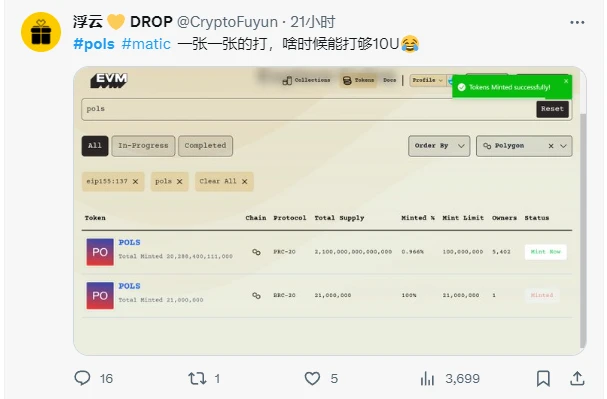
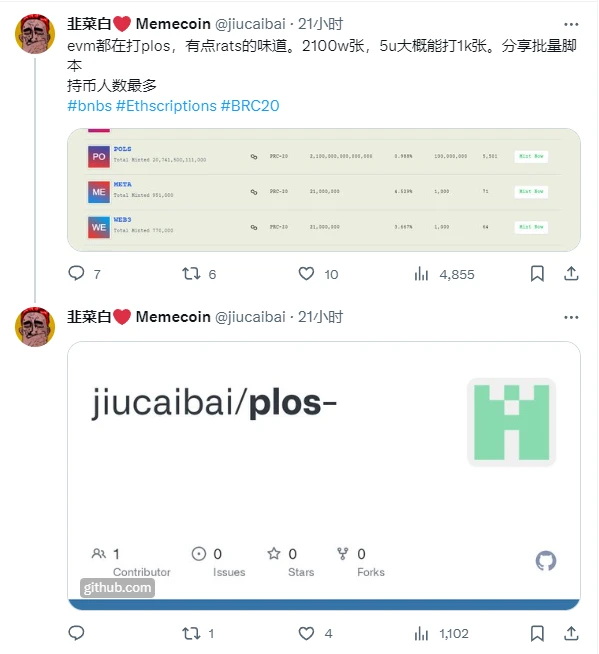
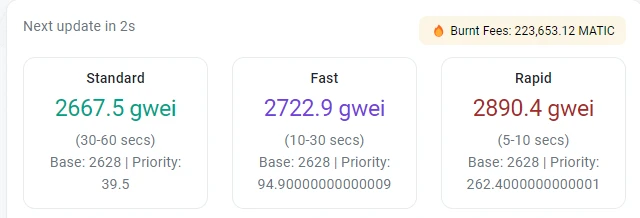
两者似乎风马牛不相及,然而,当 sats 的“同分异构体”——pols 在 Polygon 上被人发现时,却点燃了这条老公链的铭文热情,甚至一度让 Polygon 的 Gas 费冲到了 2000 以上,截止发稿前,Gas 费已经逼近了 2700 的大关,正朝着 3000 疾驰而去。Polygon 的交易笔数也突破了 610 万笔,到达了年内的峰值。Polygon Gas暴涨背后,pols能否再现sats奇迹?称 pols 为 sats 的“同分异构体”,是因为两者都有着同样巨大的供应量。而不同的点在于,Polygon 的 Gas 费相比于 ETH 和 BTC 十分廉价,这使得打一张 pols 的成本远远低于 sats,同时人手一个的小狐狸钱包又方便了用户进行操作,于是人工队和机械队开始互相暗自较劲了起来。

Polygon Gas暴涨背后,pols能否再现sats奇迹?

Polygon Gas暴涨背后,pols能否再现sats奇迹?

廉价的交易费用也使得社区开始 Fomo,Polygon 的 Gas 费在一天之内几乎翻了十倍,而随着越来越多人手握着脚本学会了批量打印,还未被挖出来的 pols 也是越来越少。

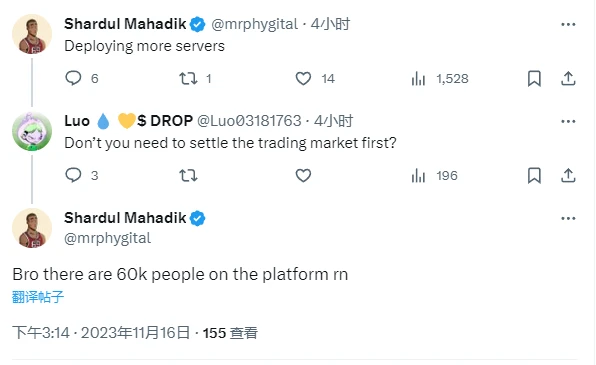
事实上,EVM.ink 的前端早已被蜂拥而来的玩家冲的不堪重负,无论是铸造的百分比、持有人数以及自己持有的 pols 数量都无法正常显示,而 EVM.ink 的开发者对此表示:“哥们,网站上现在有 6 万人。”

Polygon Gas暴涨背后,pols能否再现sats奇迹?

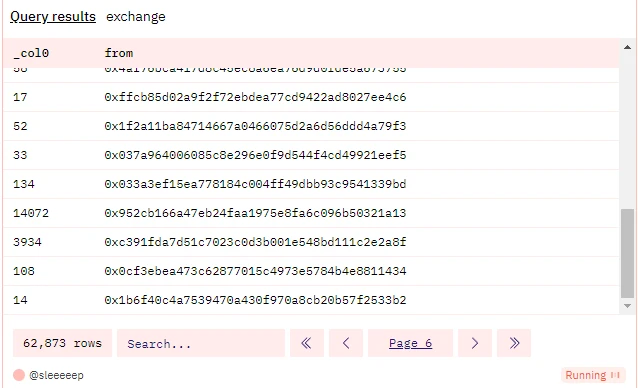
实际的数据可以在 Dune 查看,截止发稿,pols 持币地址接近 7 万个,共有 950 万个 pols 铭文被铸造,其中不乏有单地址上千甚至上万的“科学家”。

Polygon Gas暴涨背后,pols能否再现sats奇迹?

无论结果如何,Polygon 此次因铭文而引发的 Gas 热潮,都说明了铭文生态此时此刻在加密社区中的影响力和吸引力是多么巨大。这种热情的爆发也展示了玩家对于对新项目的 Fomo,也从侧面透露出对市场的信心——牛回,速归。pols 能否像 sats 一样给社区带来新的暴富故事?Odaily星球日报将保持关注。

Пов'язані матеріали

Financial Changes under the New SEC Rules: Opportunities and Regulatory Red Lines Behind "Tokenized Stocks"

The article discusses the emergence of "Tokenized Stocks" following the U.S. SEC's proposed "innovation exemption" framework, which could allow some assets to be traded on blockchain. It clarifies key misconceptions for investors, particularly those in China. Firstly, it emphasizes that most "tokenized stocks" currently offered by third-party crypto platforms are synthetic assets, not actual equity. Purchasers do not gain shareholder rights like dividends or voting; instead, they hold a derivative contract dependent on the issuing platform's credit and its ability to track the underlying stock's price. The article examines the risks of 24/7 trading, a major selling point. It notes the absence of circuit breakers, which could lead to sudden, unrecoverable losses during off-hours market shocks. It also warns of liquidity traps and high volatility due to the market's currently small size. It reveals that the primary drivers are institutional players like BlackRock and JPMorgan, who are focused on using blockchain for efficiency gains in areas like treasury settlements (T+0), not retail speculation. For Chinese readers, it strongly cautions that platforms offering "easy" access to U.S. stocks via tokens with RMB likely violate strict domestic regulations on cross-border securities and virtual currencies, offering no legal protection. The conclusion offers practical advice: use legal channels like QDII for long-term investment, be wary of high-return promises, monitor evolving regulations like the U.S. CLARITY Act, and prioritize compliance and risk management over chasing innovation. The SEC's move is framed as a strategic experiment in financial tech leadership, but for individual investors, understanding the risks and regulatory boundaries is paramount.

链捕手7 хв тому

Financial Changes under the New SEC Rules: Opportunities and Regulatory Red Lines Behind "Tokenized Stocks"

链捕手7 хв тому

Trump Halts AI Executive Order, Regulatory Efforts Succumb to Competitive Anxiety

In a last-minute reversal, former President Donald Trump halted the signing of a long-anticipated executive order on artificial intelligence. The order had sought to establish a voluntary, pre-release safety testing framework for advanced AI models developed by leading companies like OpenAI, Google, Anthropic, and xAI. Under the proposed plan, companies would have shared their most powerful models with the U.S. government 90 days before public release for national security and cybersecurity risk assessments. Trump refused to approve the order, stating he did not want anything to "slow down our leadership," emphasizing America's lead over China in AI and the technology's role in job creation. This decision highlights the core tension in U.S. AI policy: balancing the management of systemic risks posed by frontier models—such as exposing financial system vulnerabilities—against fears that any regulation could stifle innovation and undermine competitive advantage. The move came despite significant public support for AI safety testing and followed internal administration debates. Some officials, alarmed by the capabilities of models like Anthropic's Mythos in uncovering critical security flaws, had advocated for stronger oversight. However, the industry and many within Trump's circle opposed even this voluntary framework, arguing it would hamper American innovation. The incident underscores how AI policy is increasingly intersecting with national security, economic strategy, and political governance.

marsbit39 хв тому

Trump Halts AI Executive Order, Regulatory Efforts Succumb to Competitive Anxiety

marsbit39 хв тому

Machines Pay, Humans Reap: Coinbase, Stripe, Google, Visa's AI Payments Land Grab

One year after being a concept, machine-to-machine payments are now a battleground. Four competing architectures are already deployed by Coinbase (x402 protocol), Stripe/Tempo (MPP standard), Google (AP2 authorization layer), and Visa (tokenized credentials). AI Agents have already settled over $73 million across 176 million transactions, with a median value between $0.01 and $0.10. A key barrier is the ~$0.30 minimum fee of traditional card rails, making them unviable for micro-payments. In contrast, Layer 2 stablecoin settlement costs $0.0001, with USDC dominating 98.6% of all transactions. The dynamic is less about a single winning protocol and more about vertical integration within a new payment stack. Companies like Coinbase and Stripe control multiple layers (settlement, wallet, routing, protocol, governance), driving over $8 billion in recent acquisitions to solidify their positions. The shift from extractive bot activity to productive Agent commerce is underway, with AI Agents accounting for 37% of all Gnosis Chain Safe transactions. The pace of adoption will be set not by available technology but by the development of trust and safety infrastructure for autonomous transactions. While a fully permissionless vision is appealing, supervised access remains crucial until AI reliability improves. Regulatory frameworks like MiCA and the EU AI Act, due in mid-2026, currently lag behind this rapidly evolving reality. The foundational argument is clear: crypto rails have already won micro-payments. The central question is how quickly the trust layer can catch up to the scaling settlement layer.

marsbit1 год тому
Machines Pay, Humans Reap: Coinbase, Stripe, Google, Visa's AI Payments Land Grab

marsbit1 год тому

Торгівля

Спот
Ф'ючерси
活动图片