L2 潮流之下,L1 为何重获新生?

foresightnewsОпубліковано о 2023-11-15Востаннє оновлено о 2023-11-16

Анотація

L1 不断创新和专业化,而 L2 则成为新的 L1。

L1 不断创新和专业化,而 L2 则成为新的 L1。


撰文:Ignas

编译:Luffy,Foresight News


L2 越多,我就越看好竞争性 L1。


上一轮牛市是非以太坊 L1 的 Beta 阶段:Alt-L1 通过在 Aave 和 Uniswap V2 的分叉协议上提供流动性挖矿奖励来争夺渴望收益的 Degen。以太坊之外的应用层几乎没有创新。


甚至非 EVM 链也推出了 EVM 侧链:NEAR 的 Aurora、Polkadot 的 Moonbeam、Cosmos 的 Kava。 EOS EVM 和 Solana 的 Neon 未能赶上这次风口。


这些链唯一的区别是:


  • 更低的 Gas 费;
  • 速度;
  • 品牌;
  • 可以提供多少流动性挖矿奖励。


然而,随着熊市的开始,流动性挖矿奖励减少,TVL 回归到更加安全的以太坊。


更糟糕的是,以太坊 L2 的新叙事领域涌现出了 Optimism、Arbitrum 等,他们承诺在不影响安全性的情况下为以太坊带来可扩展性。此外,他们还用潜在的空投预期来吸引用户。


L1 需要重塑,我很高兴看到他们做到了:


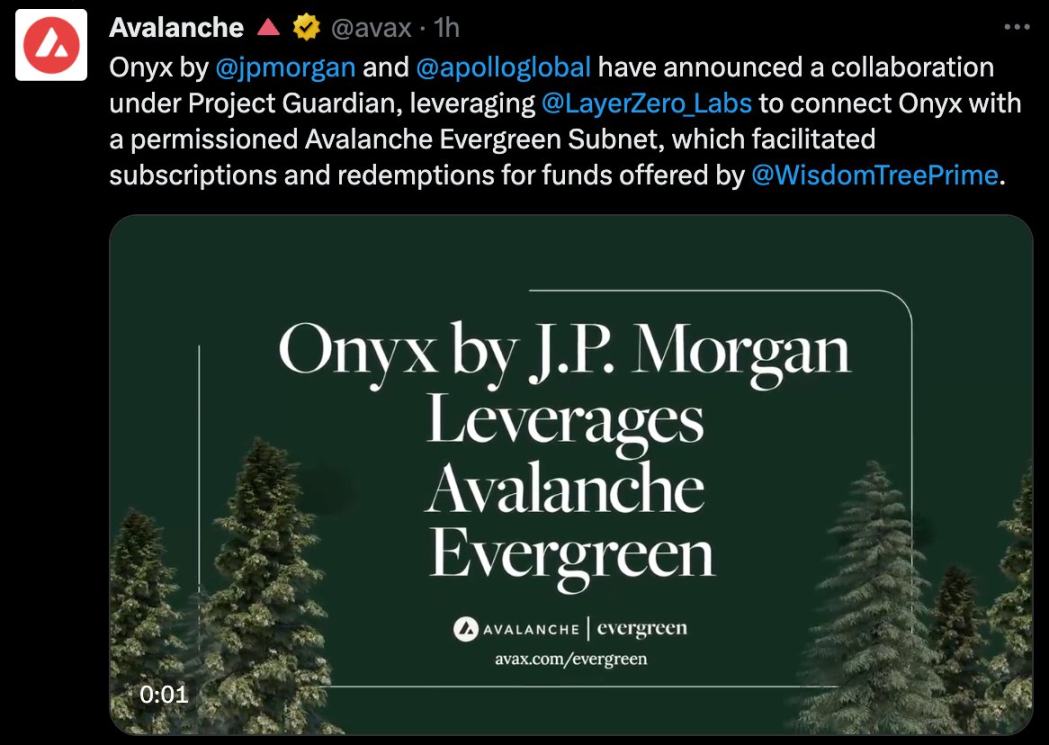
Avalanche:通过子网加倍扩展;专注于资产代币化;引入更多稳定币等。


Polygon:成为用于任何特定应用程序的主权 L2 的中心;与 OKX 合作推出新链。


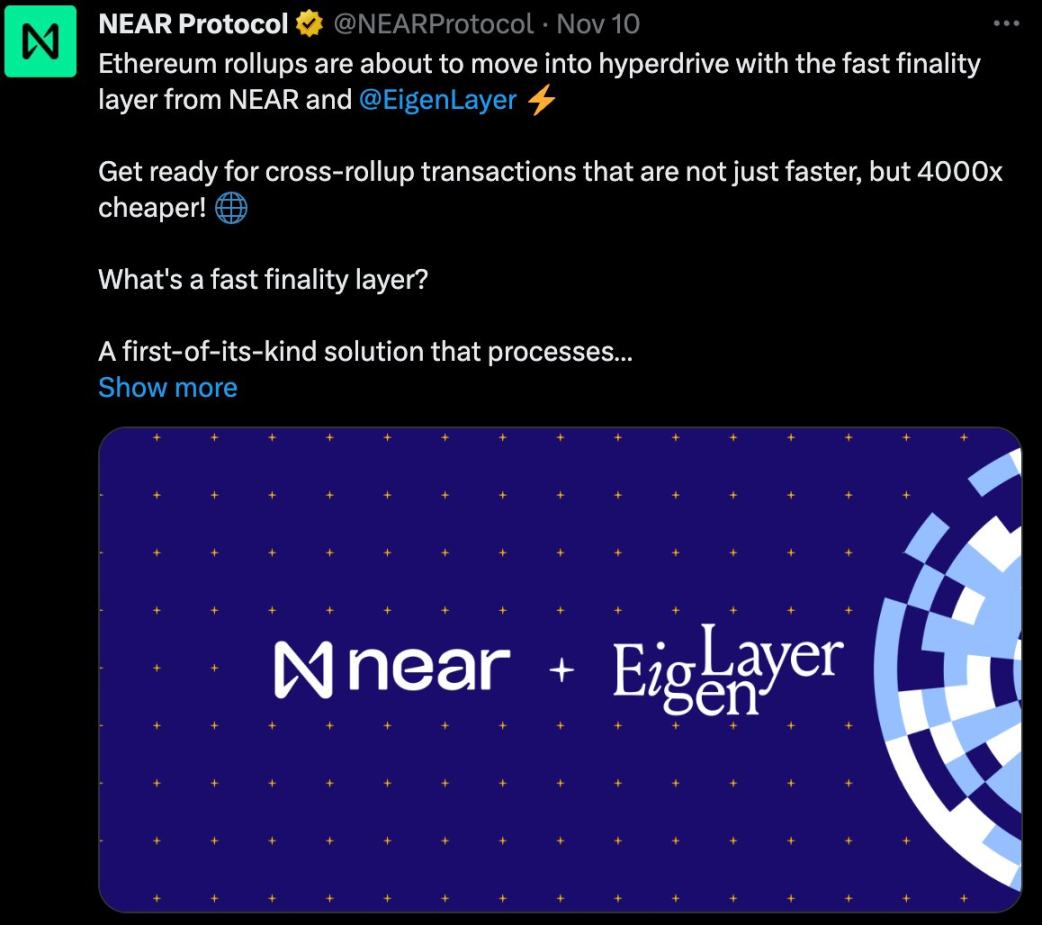
NEAR:将自己打造为单体式和模块化的区块链;与 Polygon 合作在 DA 层上扩展以太坊;NEAR 还通过统一 UI ( BOS)和 L2 帐户聚合向 L2 提供链抽象。


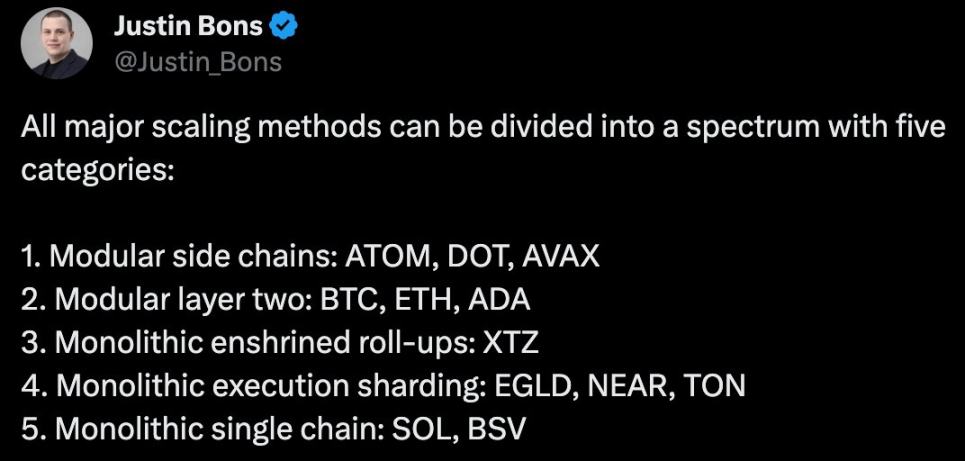
Solana:引领单体区块链扩容浪潮,可实现快速交易,且无需繁琐的模块化用户体验。我将在后续文章中分享更多有关以太坊与 Solana 辩论的内容。


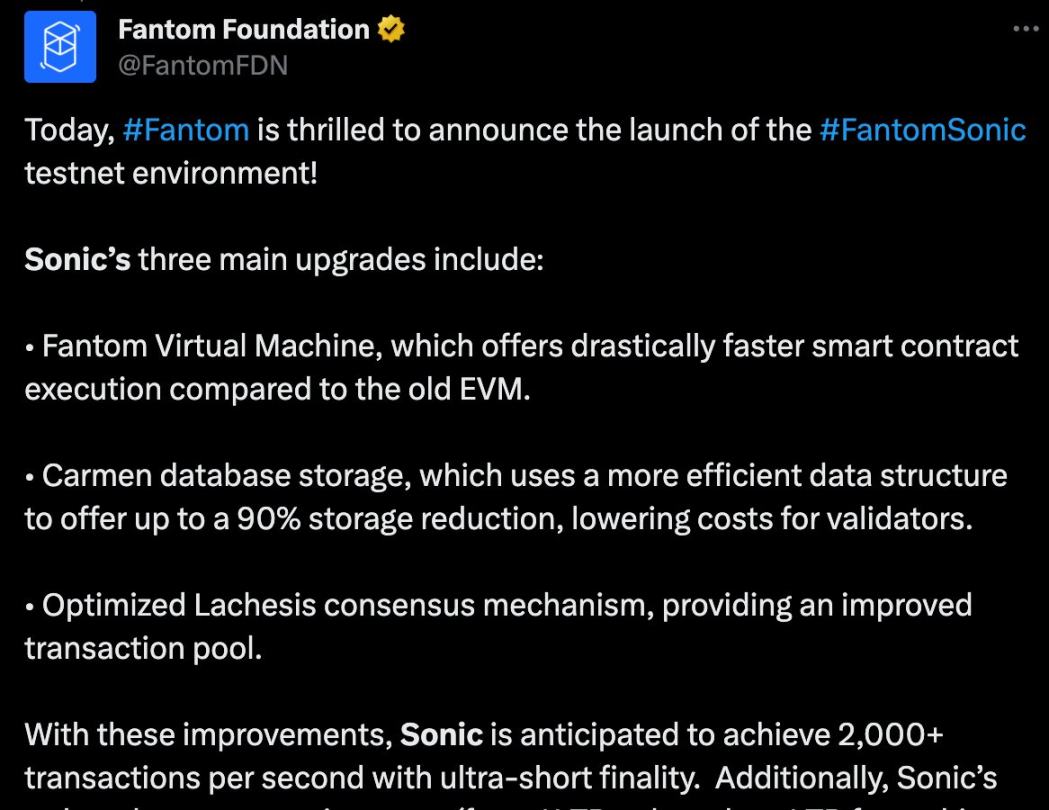
Fantom:通过 Sonic 升级改进单体式区块链设计,无需分片或 L2 即可实现 2000 TPS,目标是吸引新一代 DApp。


BNB Chain:推出了 opBNB L2 以降低费用,但更重要的升级是 BNB Greenfield,它专注于数据和 IP 货币化的数据金融,以及去中心化 AI(具有隐私保护的 LLM 训练)。


Cosmos: ATOM 本身在其价值主张方面似乎迷失了方向,但随着 Osmosis、Injective、Kuji 的进展,Cosmos Hub 正在蓬勃发展。


L1 不断创新和专业化,而 L2 则成为新的 L1。如今的 L2 忙于吸引分叉协议,但缺乏创新和多样化。


不幸的是,许多 L2 代币的代币经济学较差,看看 ARB 备受争议的「质押」提案便能略知一二。


毫不奇怪,老牌 L1 的代币开始流行。与之前的牛市相比,它们现在提供了更具吸引力的价值主张。


或者,这只是短期轮动?我希望不是。

Пов'язані матеріали

The Verdict in Choi Tae-won's Divorce Case: Revealing the Inheritance Undercurrent Behind SK Hynix's Trillion-Won Empire

SK Group Chairman Chey Tae-won's high-profile divorce case, involving a record 1.38 trillion won settlement, has drawn attention to the succession plans for Korea's second-largest conglomerate, especially its crown jewel, SK hynix. Unlike traditional chaebol scripts centered on the eldest son, Chey's three children from his marriage to former President Roh Tae-woo's daughter, Roh Soh-yeong, are carving distinct, non-traditional paths. Eldest daughter Chey Yun-jung (b. 1989) is seen as the most evident successor. With a scientific and consulting background, she holds executive roles at SK bioscience and SK Inc.'s growth support department, focusing on future strategy and biopharma. Her marriage is to an AI infrastructure entrepreneur, not a traditional business alliance. Second daughter Chey Min-jung (b. 1991) took a unique route, voluntarily serving as a South Korean naval officer, including an anti-piracy deployment. She later worked on policy and strategy for SK hynix in Washington D.C. before co-founding an AI-driven healthcare startup. She married a former U.S. Marine Corps officer, connecting her to U.S. defense and policy circles—networks crucial for a global semiconductor giant. The only son, Chey In-geun (b. 1995), who studied physics like his father, worked briefly at SK E&S before joining McKinsey. Despite fitting the traditional "heir" profile as the eldest son, he remains silent and holds no public position or shares in SK, suggesting the old succession playbook is obsolete. As SK hynix's valuation soars, becoming a geopolitical asset in the AI era, the heirs' legitimacy is no longer automatic. They must prove themselves in fields like AI biotech, global policy, and strategic consulting. Their marriages also reflect new elite networks in tech and defense, not old political alliances. Their inheritance is the complex challenge of navigating a globalized, tech-driven world, not just a corporate throne.

marsbit2 дні тому 09:06

The Verdict in Choi Tae-won's Divorce Case: Revealing the Inheritance Undercurrent Behind SK Hynix's Trillion-Won Empire

marsbit2 дні тому 09:06

From OpenSea to OpenRouter: Is Alex Atallah Repeating His 'Exit at the Peak' Playbook?

From OpenSea to OpenRouter: Is Alex Atallah Repeating His "Exit at the Peak" Playbook? According to the Wall Street Journal, payments giant Stripe is in talks to acquire the AI model aggregation platform OpenRouter in a potential deal valuing the company near $100 billion. This would mark founder Alex Atallah's second creation of a company reaching a $100 billion valuation, following his co-founding of NFT marketplace OpenSea. OpenRouter, founded just over three years ago, has grown rapidly by acting as a unified gateway for developers to access over 400 AI models. It currently has about 10 million users and processes over 200 trillion tokens monthly. While the platform's annualized revenue is around $50 million, its valuation has skyrocketed from $1.3 billion in March 2026. The potential acquisition by Stripe, a company OpenRouter's founder once likened it to, represents a major expansion into AI infrastructure for the payments leader. This move echoes Atallah's previous timing with OpenSea, where he departed before the NFT market's significant downturn. For OpenRouter, selling now may be strategic. Despite its scale, its business model—charging a 5-5.5% fee on AI inference calls—faces pressure from competition, open-source models, and potential price wars among model providers, limiting its profitability narrative for an IPO. A key asset for potential acquirers like Stripe is OpenRouter's vast repository of real-world AI usage data, which offers unique insights into model performance and developer preferences that are difficult to replicate. Whether this potential deal signifies a new valuation benchmark for AI infrastructure or another market peak signal remains to be seen.

链捕手2 дні тому 08:42

From OpenSea to OpenRouter: Is Alex Atallah Repeating His 'Exit at the Peak' Playbook?

链捕手2 дні тому 08:42

Торгівля

Спот
活动图片




