增持热潮助持仓总量创历史新高,CFTC 新增收录 Nano 合约数据 | CFTC 比特币持仓周报

foresightnewsОпубліковано о 2023-11-14Востаннє оновлено о 2023-11-14

Анотація

受假期影响,最新一期持仓周报延后至本周二发布,但数据统计周期仍为 11 月 1 日至 11 月 7 日。

参考阅读:《一文读懂 CFTC 持仓周报是什么


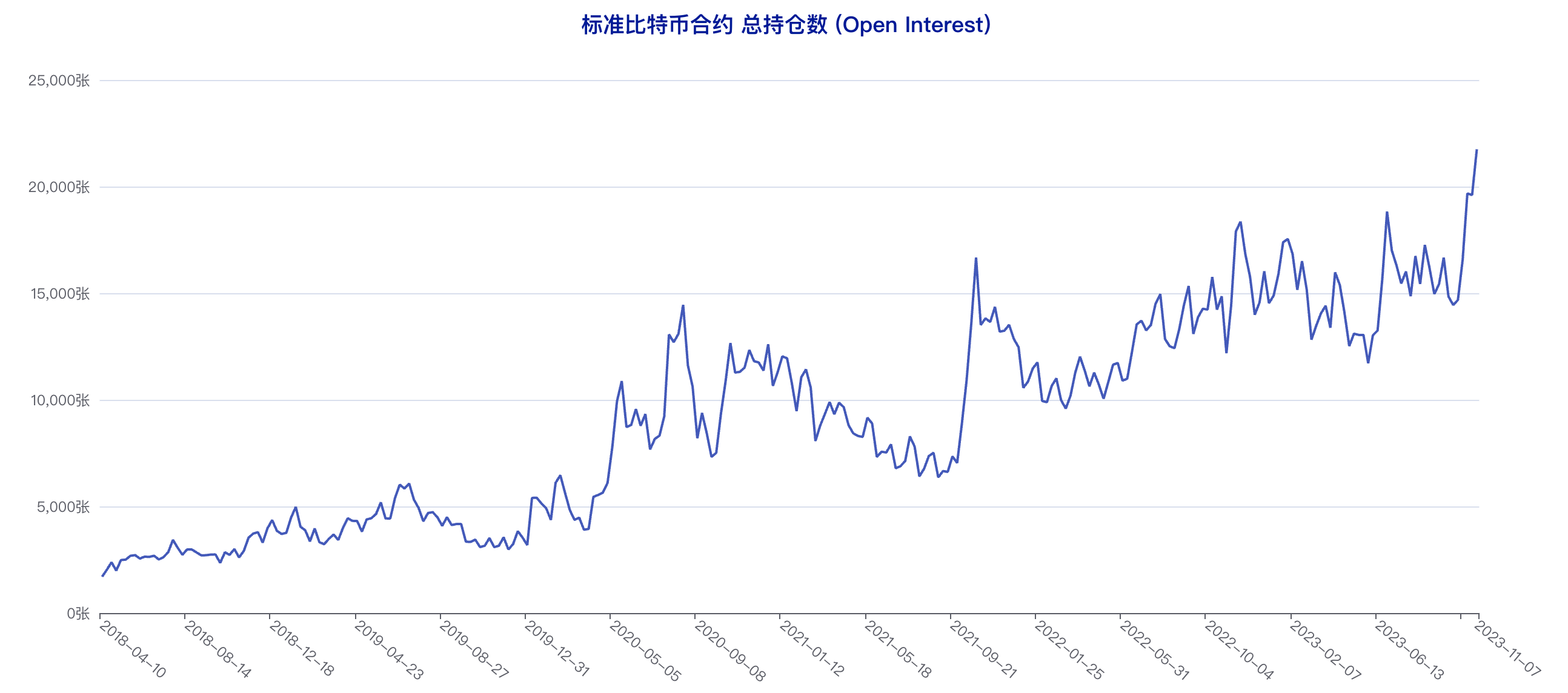
受假期影响,最新一期 CFTC 持仓周报延后至本周二发布,11 月 14 日公布的最新一期 CFTC CME 比特币持仓周报( 11 月 1 日 - 11 月 7 日)显示,比特币标准合约总持仓量自 19678 上升至 21749,该数值上周短暂回落后在最新统计周期内大幅刷新了原有的历史高点水平,也是首度突破 20000 整数关口水平。该统计周期内行情波动幅度有限,不过在统计周期结束后市场迎来了一波小幅冲高。在整体持仓量明显上升的背景下,哪类账户精准预判了这轮上涨,是本期持仓周报的关键。不过需要注意的是,由于发布时间延后,因此本期周报数据的前瞻价值进一步减弱,例行更新但不建议对这一期数据做过度解读。


标准合约


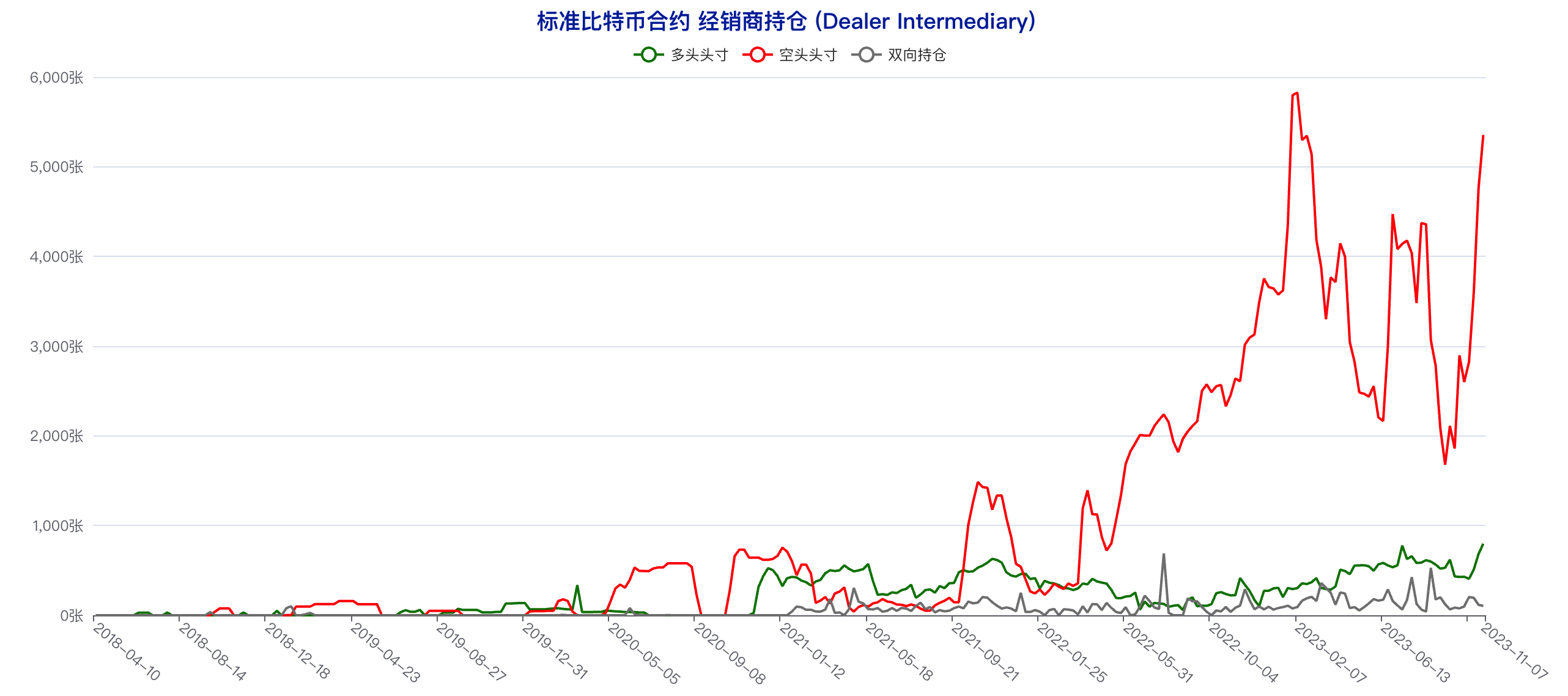
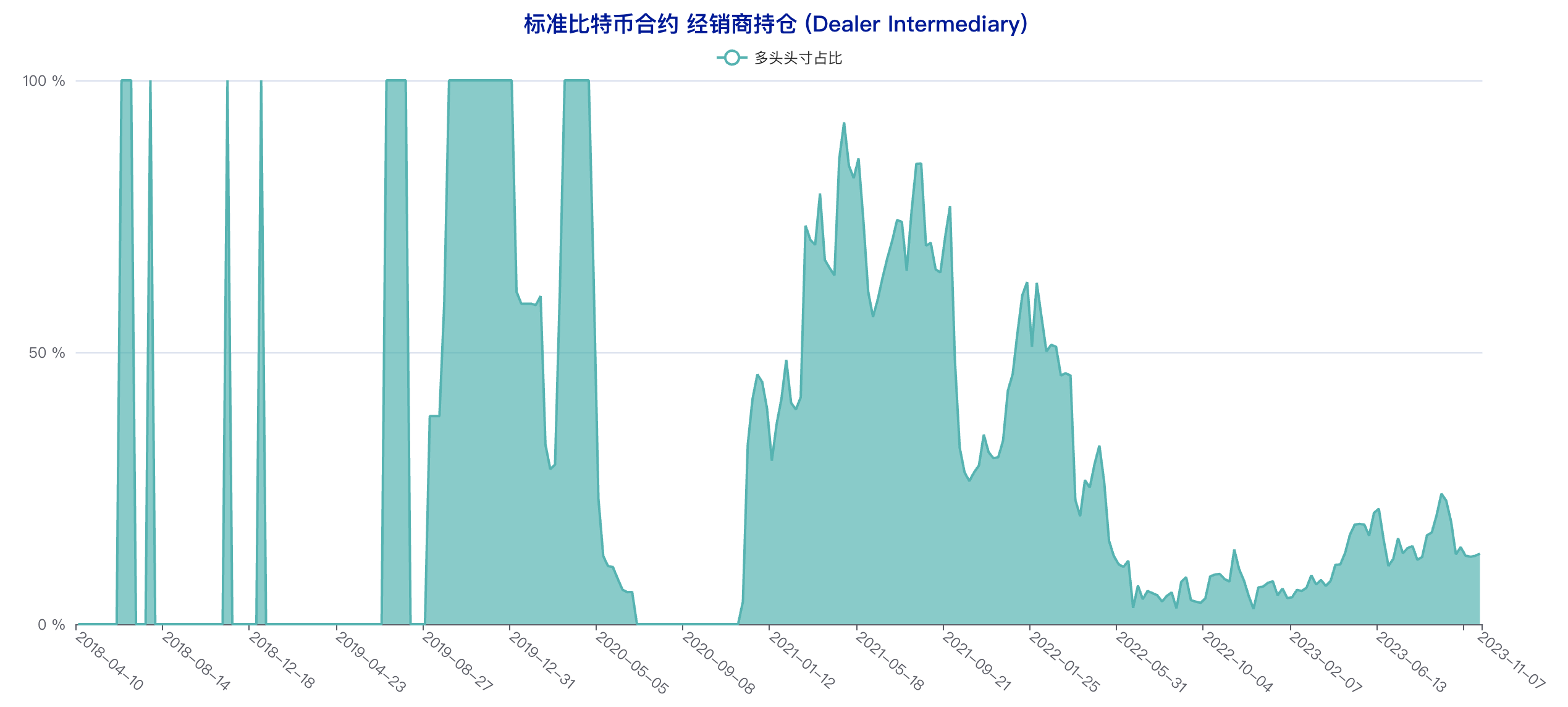
规模最大的经销商账户多头头寸自 683 上升至 798,该数值创出历史新高,空头头寸自 4757 上升至 5355,该数值创出近 39 周新高,这类账户在最新统计周期内又一次进行了多空双向同步增持,多空持仓比数值虽然没有出现明显波动,但是这类账户连续三周大幅加仓,多头头寸创出历史新高,因此整体来看延续了前两周的中性偏多的思路。

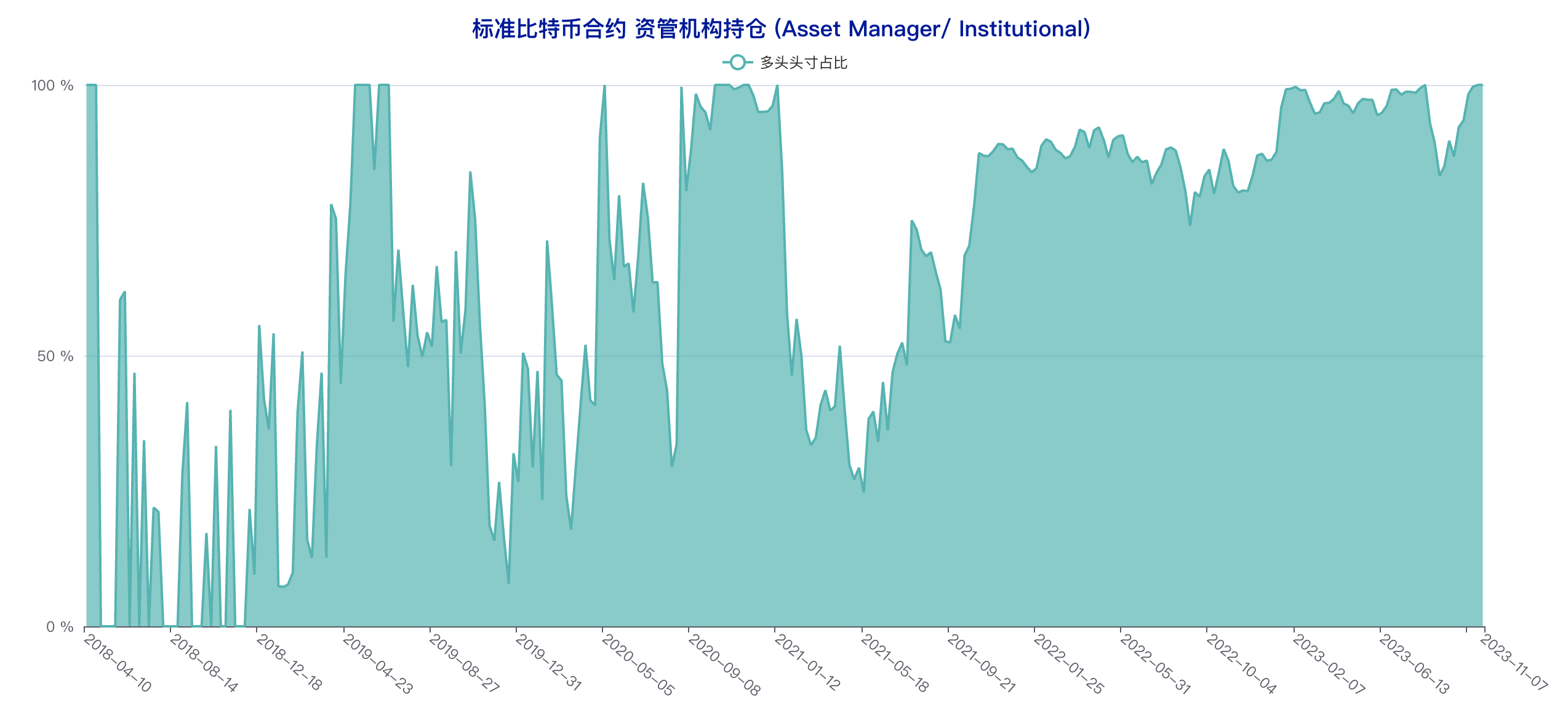
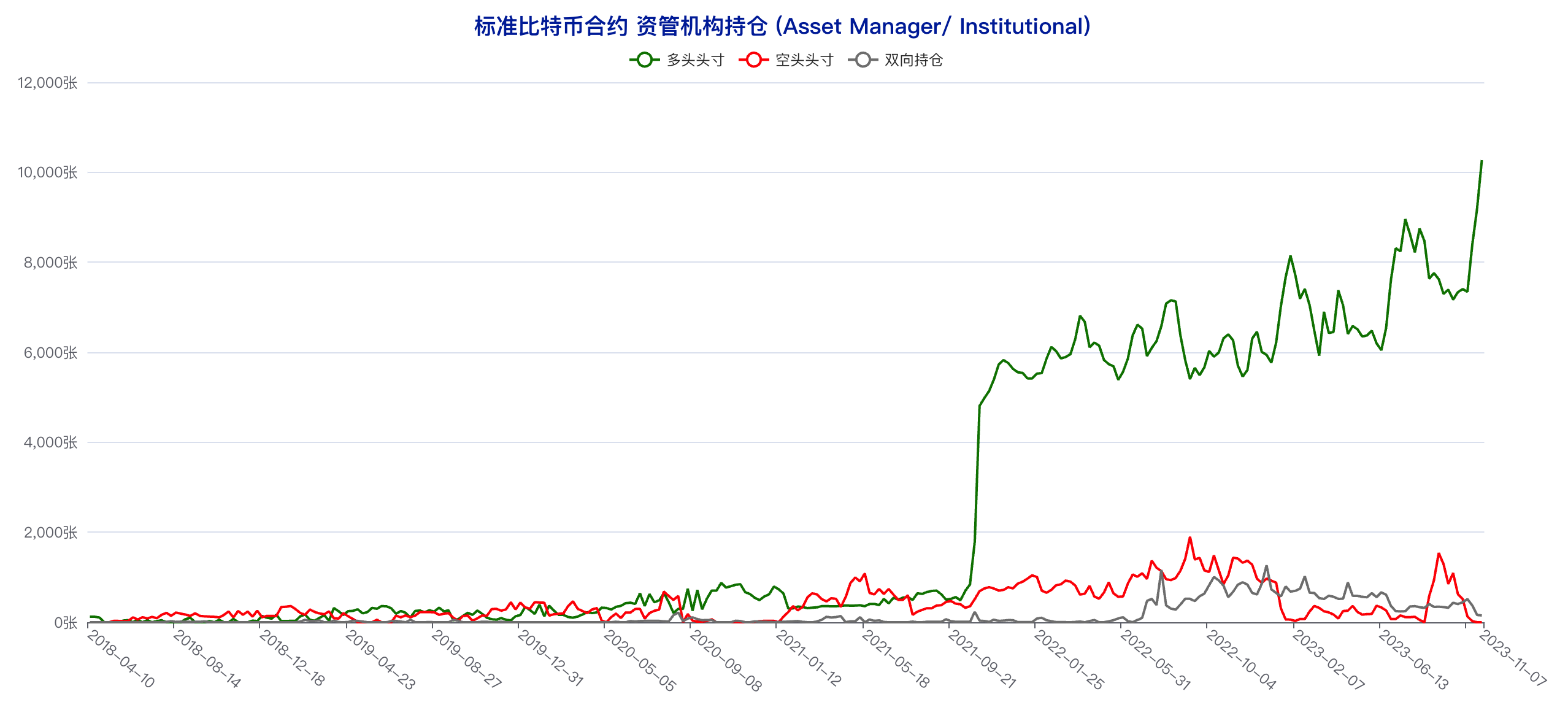
资管机构多头头寸自 9181 上升至 10268,该数值创出历史新高,同时也是首次来到 10000 以上水平,空头头寸保持 0 不变,资管机构在最新统计周期内又一次进行了清晰的净多调仓,继续巩固近期保持的坚定看涨思路。


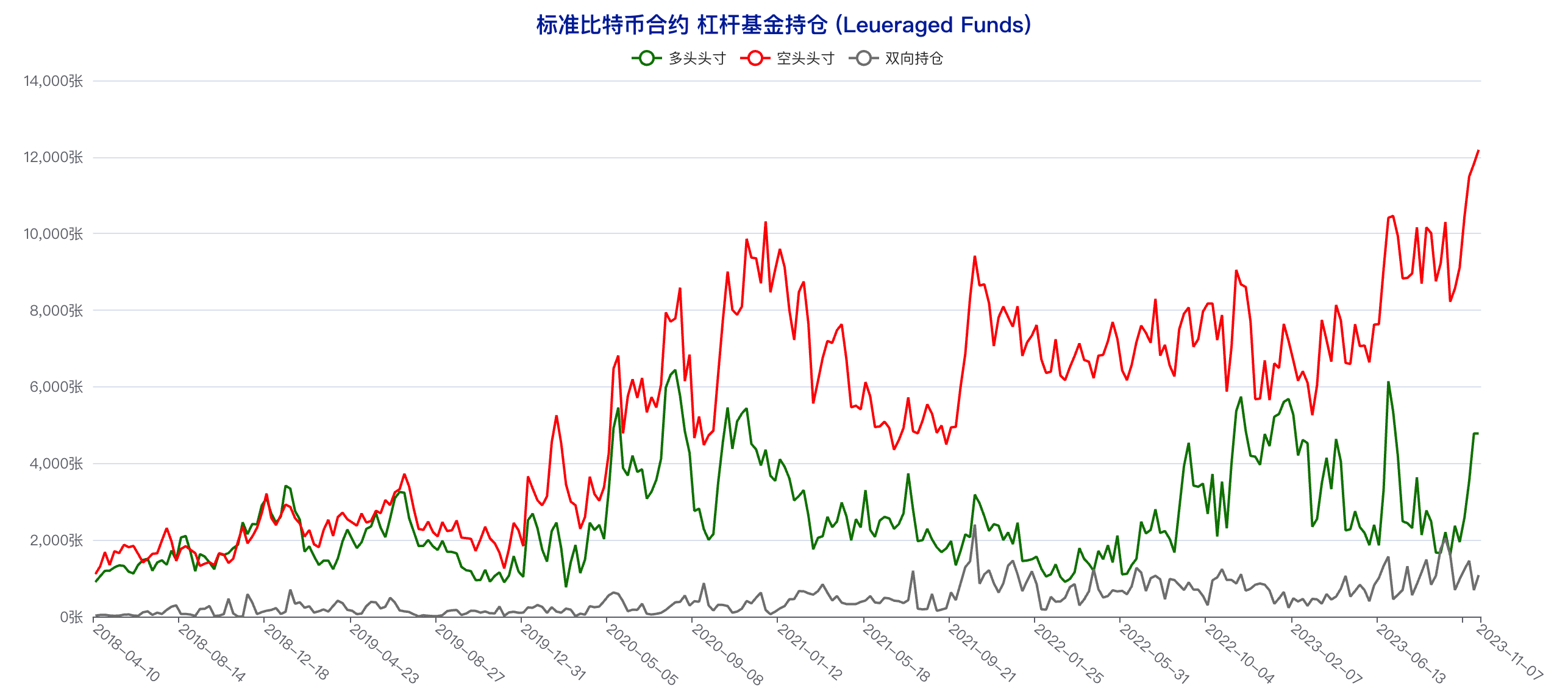
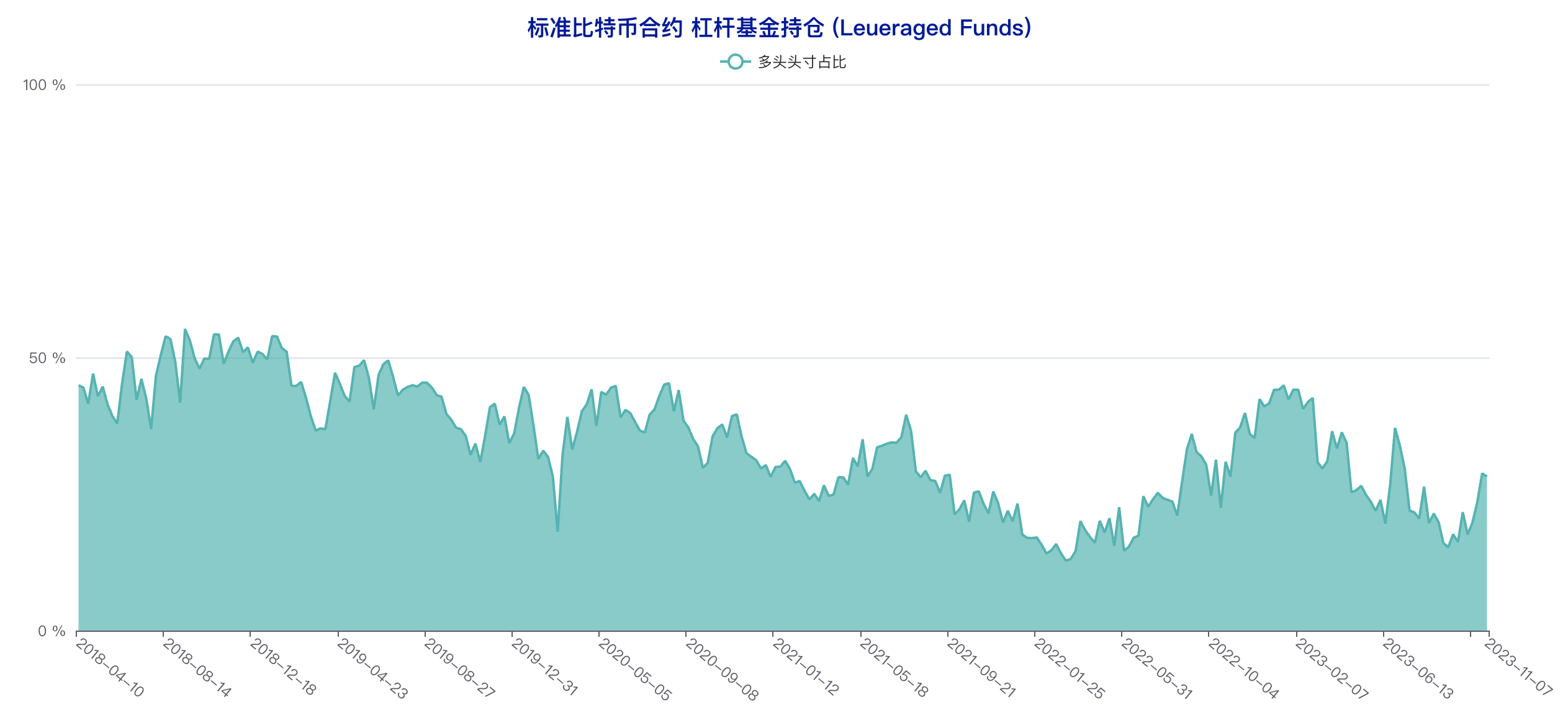
杠杆基金多头头寸自 4780 上升至 4782,空头头寸自 11822 上升至 12188,该数值进一步刷新历史高点水平,这类账户在最新统计周期内又一次进行了多空双向同步增持,整体数值变化与前一统计周期相似,不过多单持仓占比与前一统计周期持平,杠杆基金的调仓表现出了与经销商账户相似的中性偏多态度。


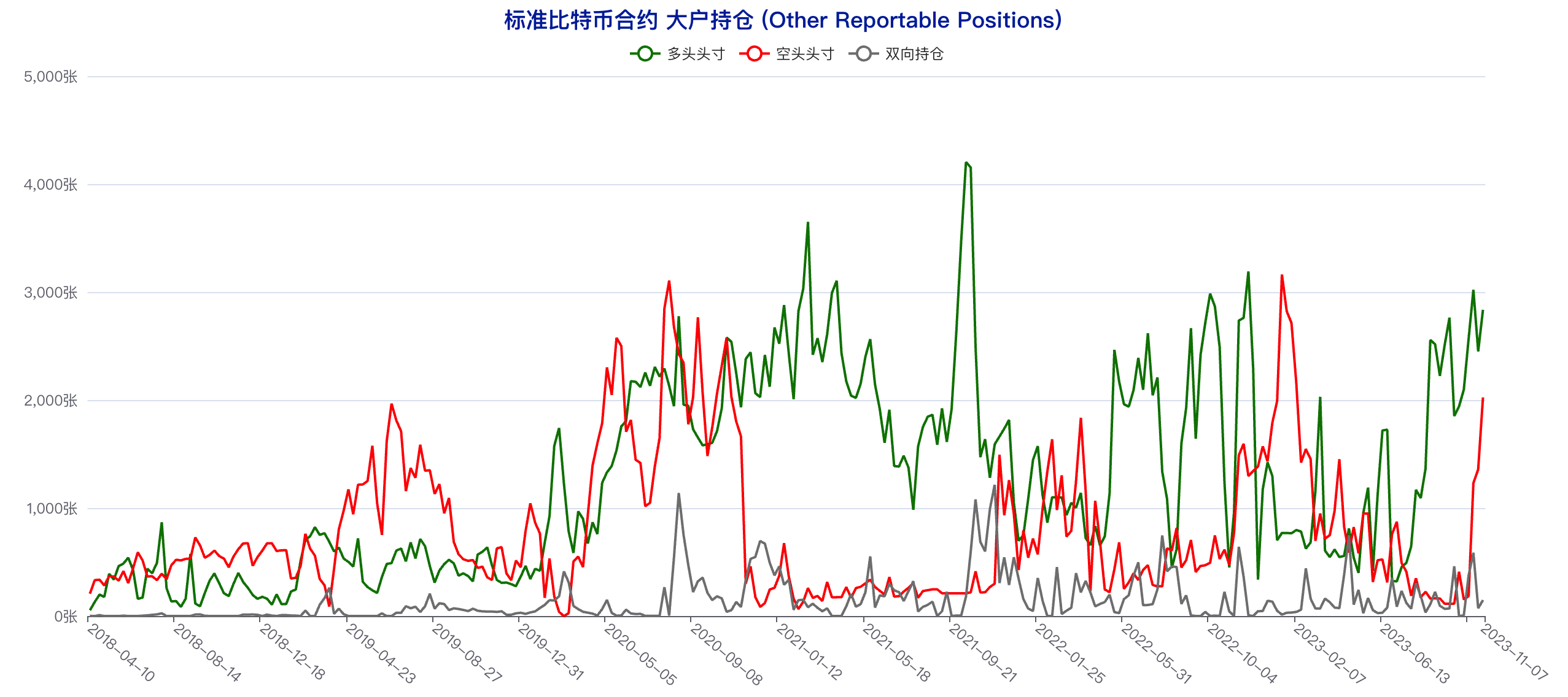
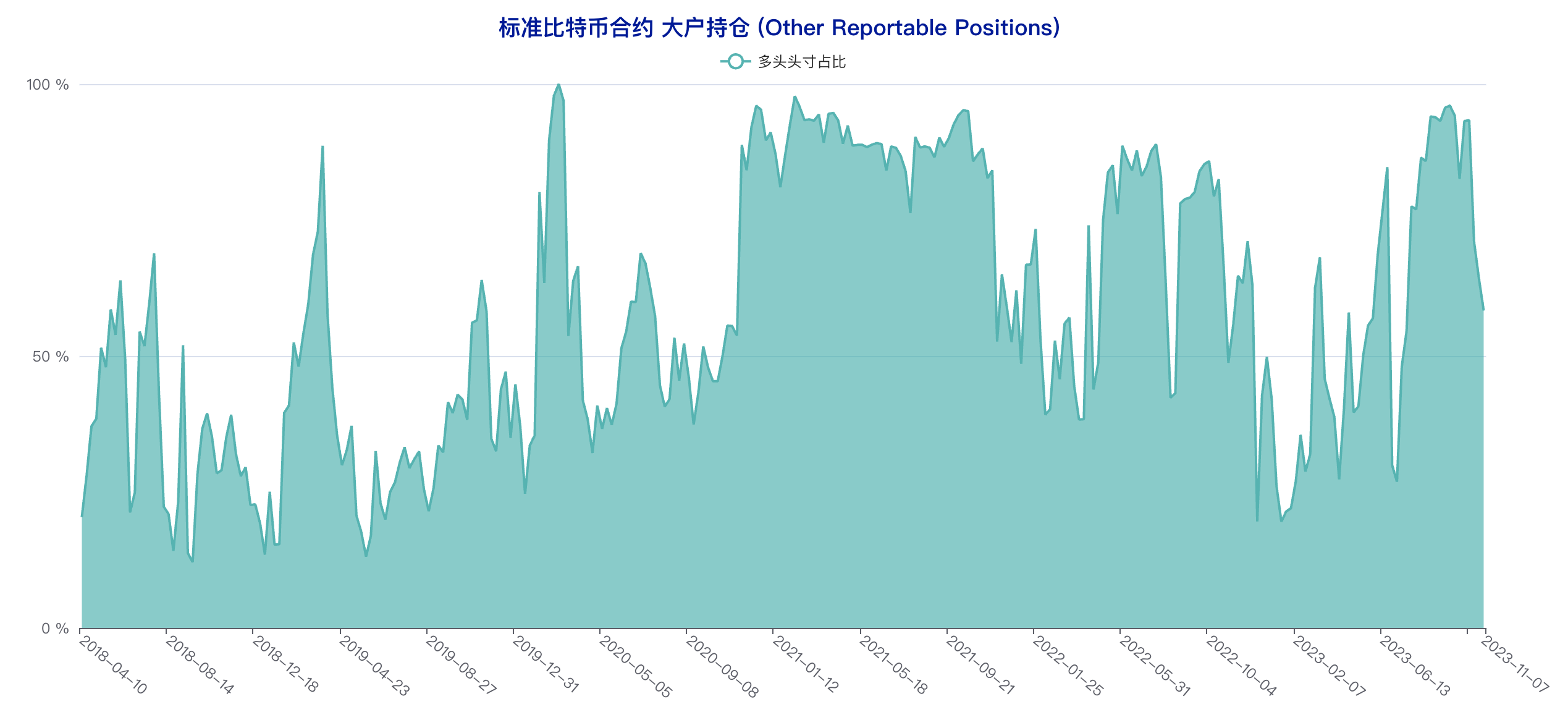
大户账户多头头寸自 2450 上升至 2836,空头头寸自 1358 上升至 2024,该数值创出近 39 周新高,这类账户在最新统计周期内同样进行了多空双向同步增持,多单持仓占比下降并迫近 1:1 水平,这类账户短期调仓思路偏空,也是增持热潮中为数不多的偏空账户。
 

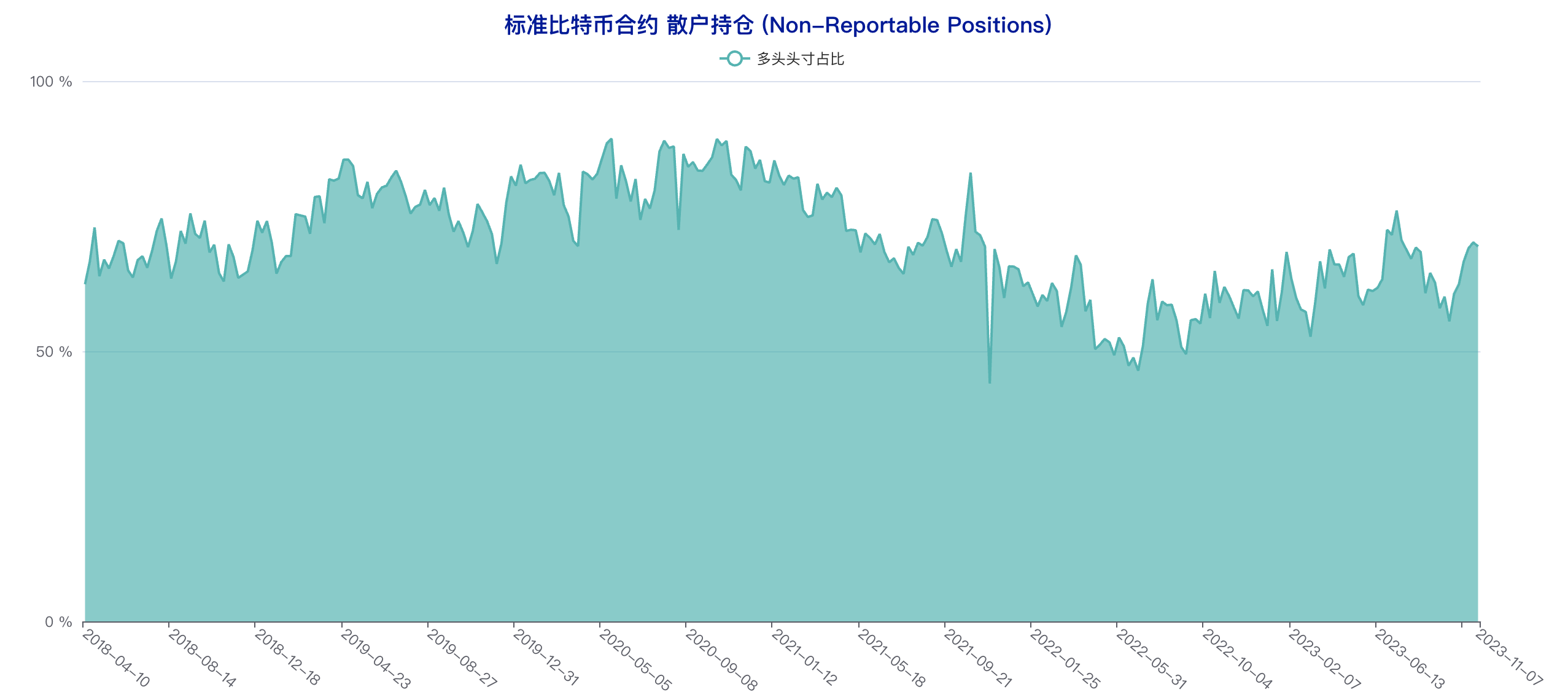
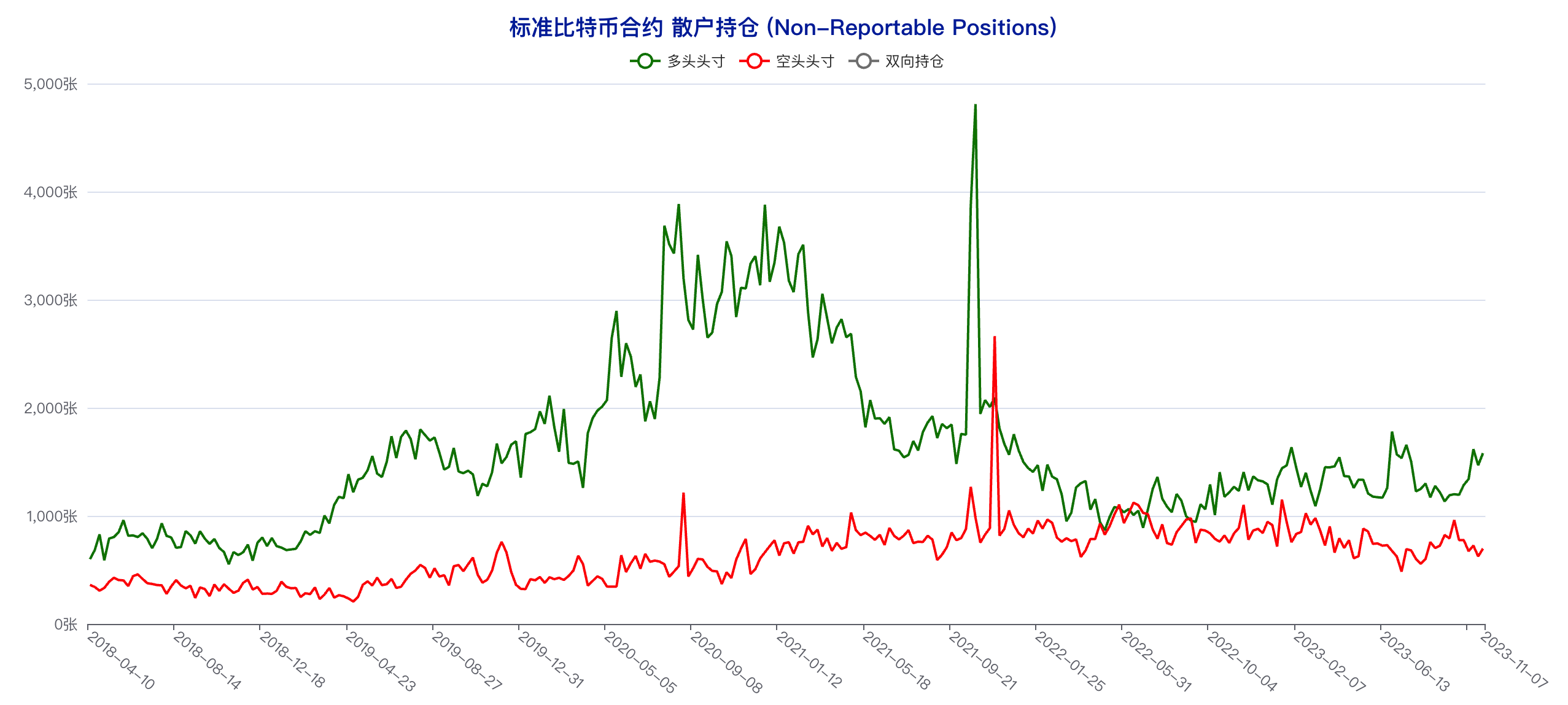
散户多头头寸自 1468 上升至 1580,空头头寸自 625 上升至 697,散户在最新统计周期内进行了多空双向同步增持,多空持仓比变化不大,指向性不强。


微型合约


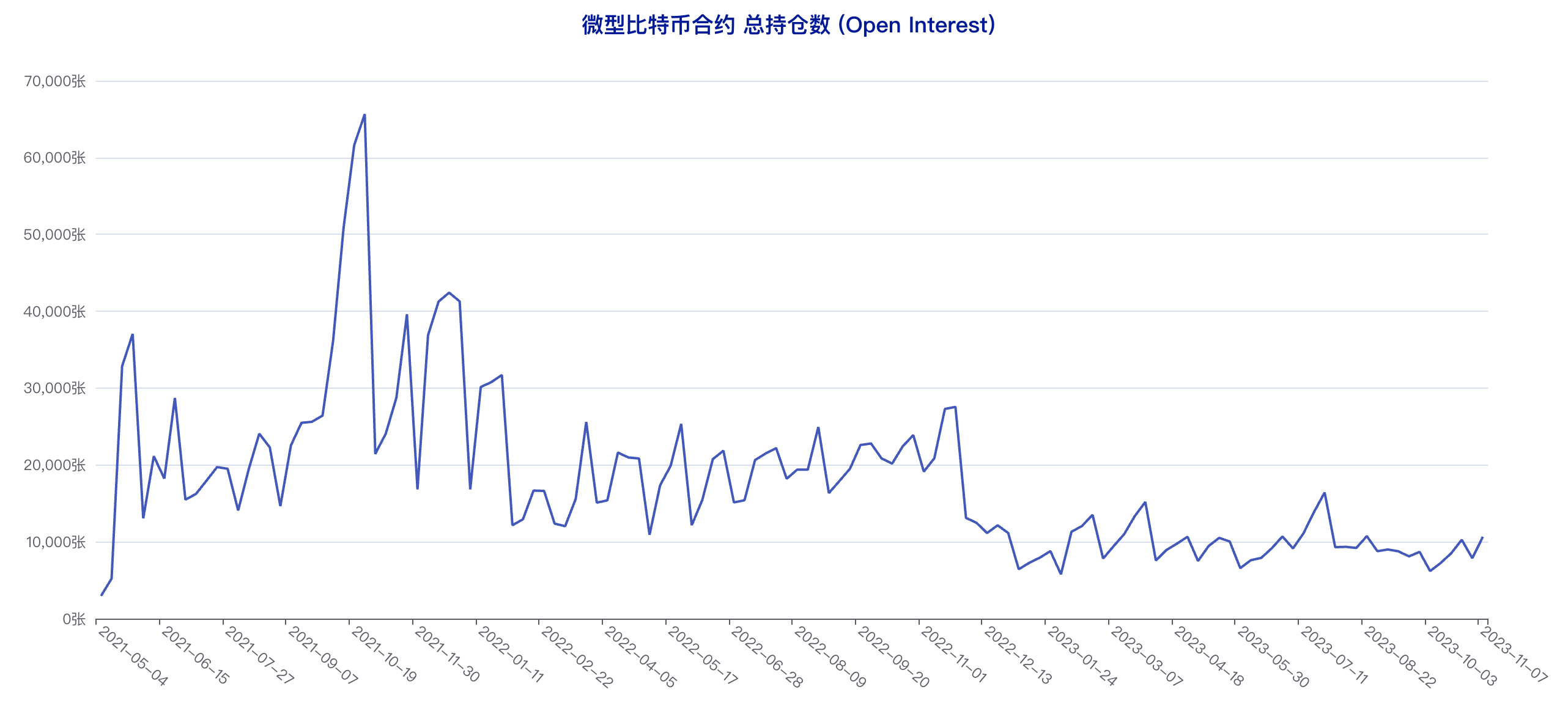
比特币微型合约总持仓量自 7862 上升至 10661。


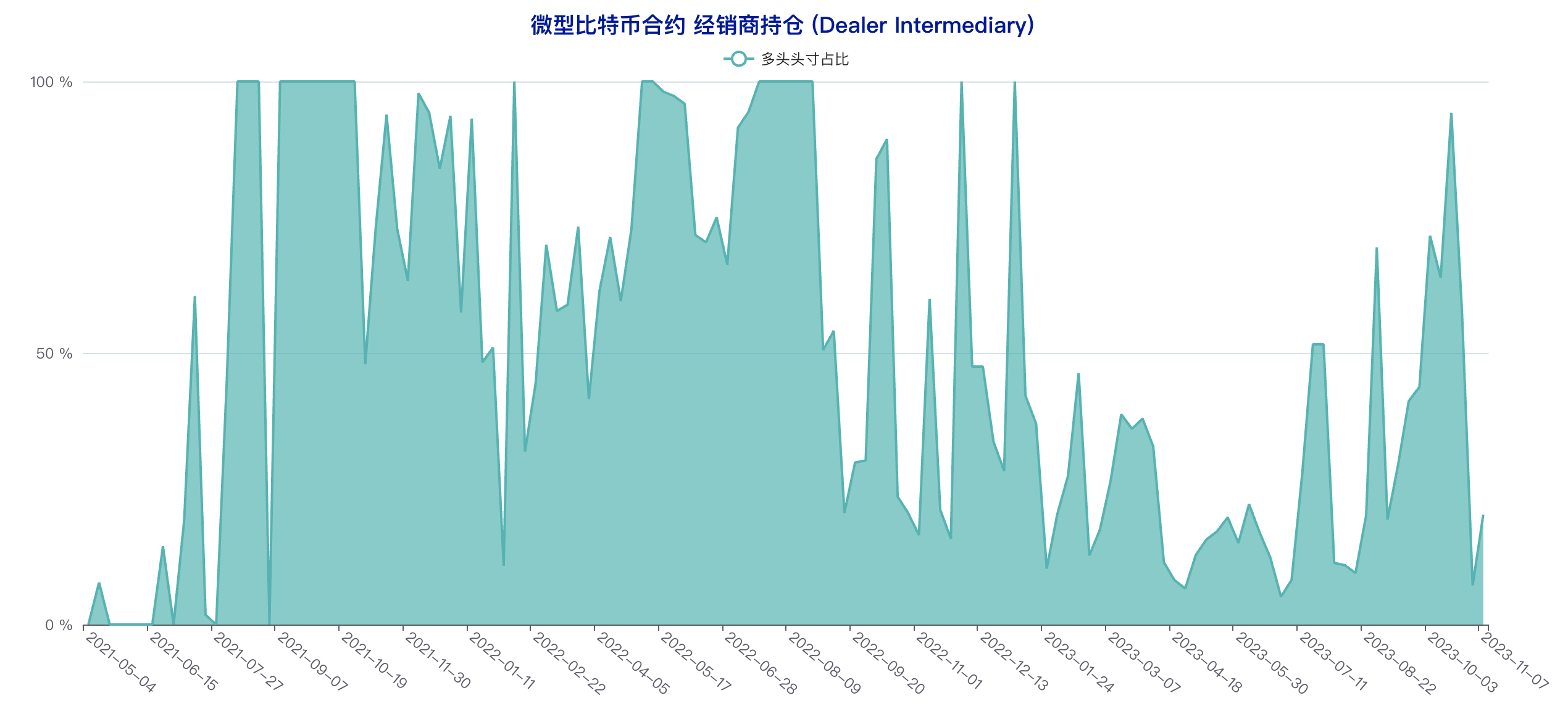
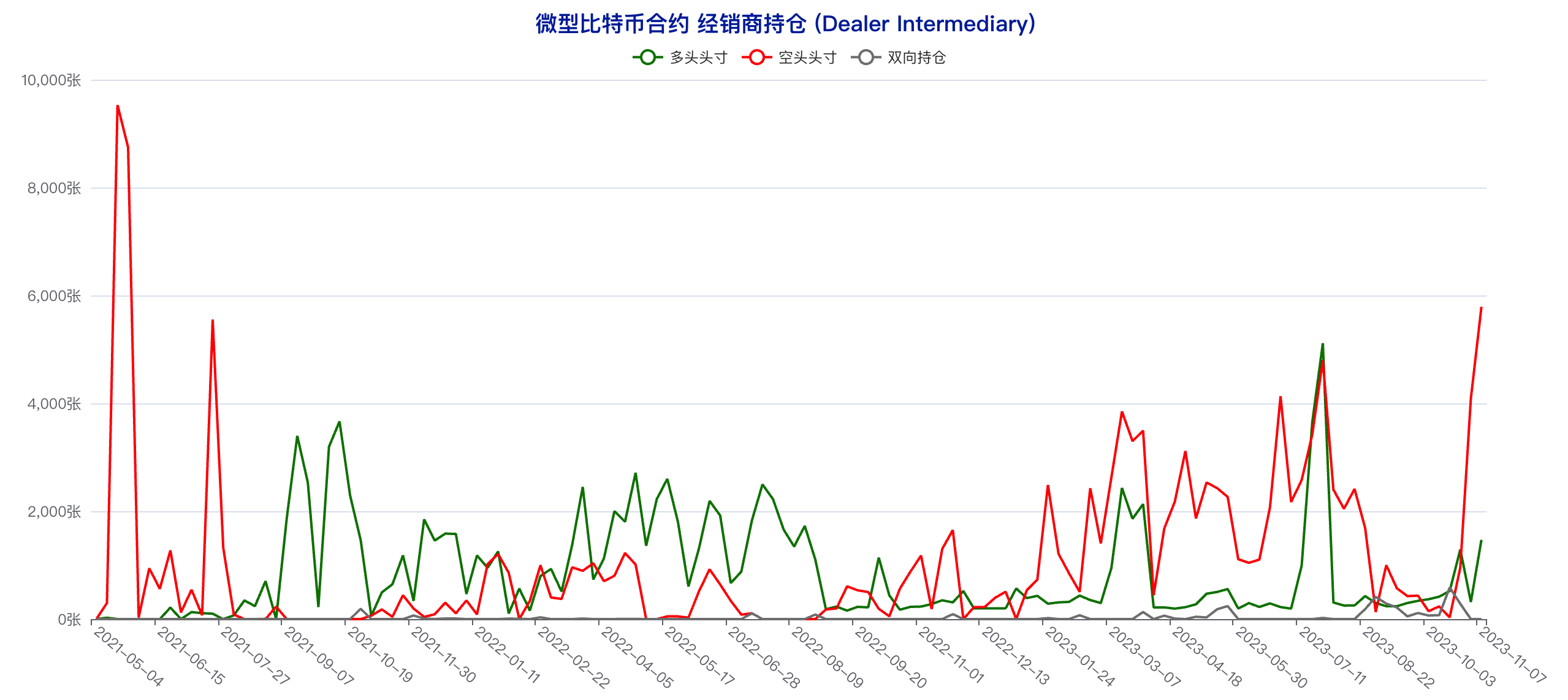
经销商账户多头头寸自 317 上升至 1469,空头头寸自 4088 上升至 5789,这类账户在微型合约中进行了多空双向同步增持,与标准合约调仓思路一致,可解读信息有限。


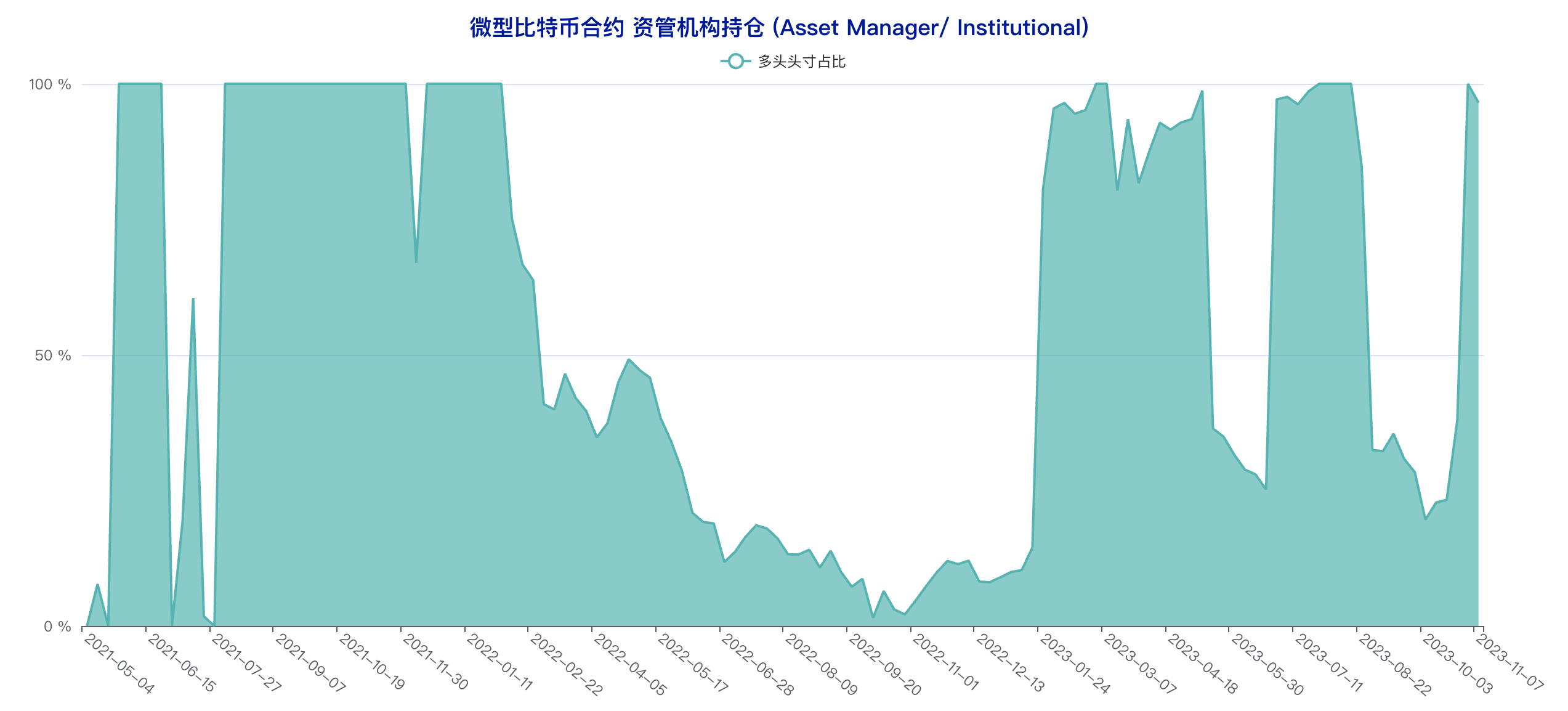
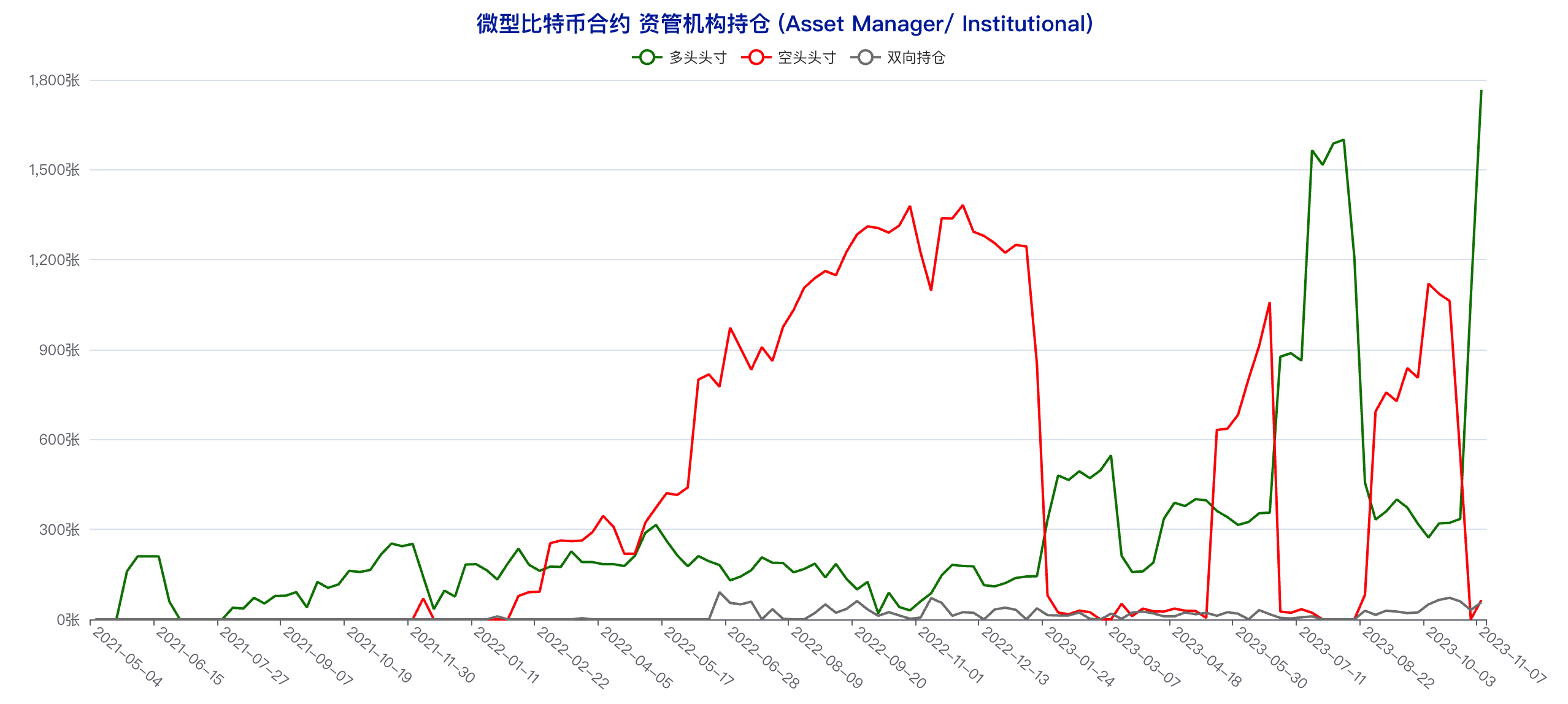
资管机构账户多头头寸自 1070 上升至 1766,空头头寸保持 0 不变,资管机构在微型合约中又一次进行了清晰的净多调仓,继续巩固这类账户的看涨坚定程度。


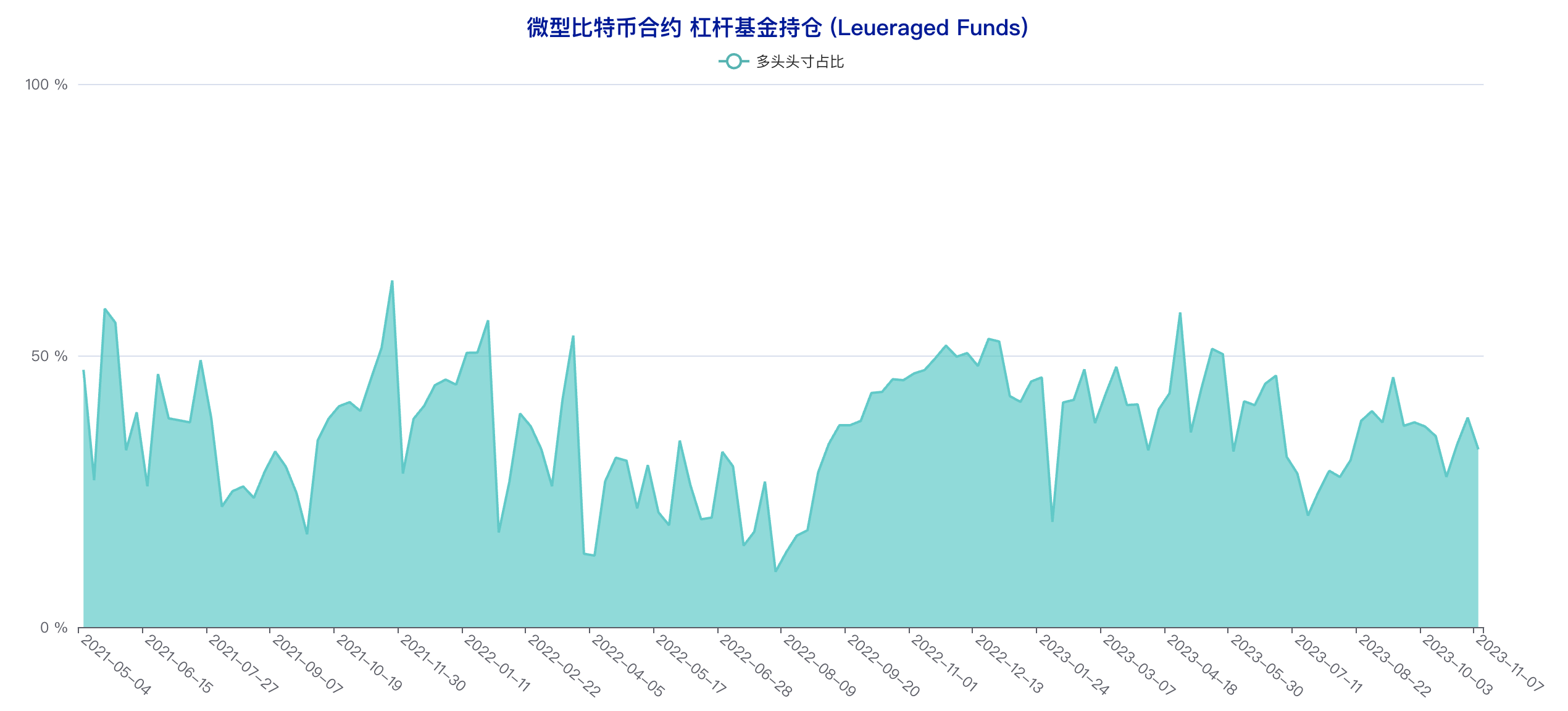
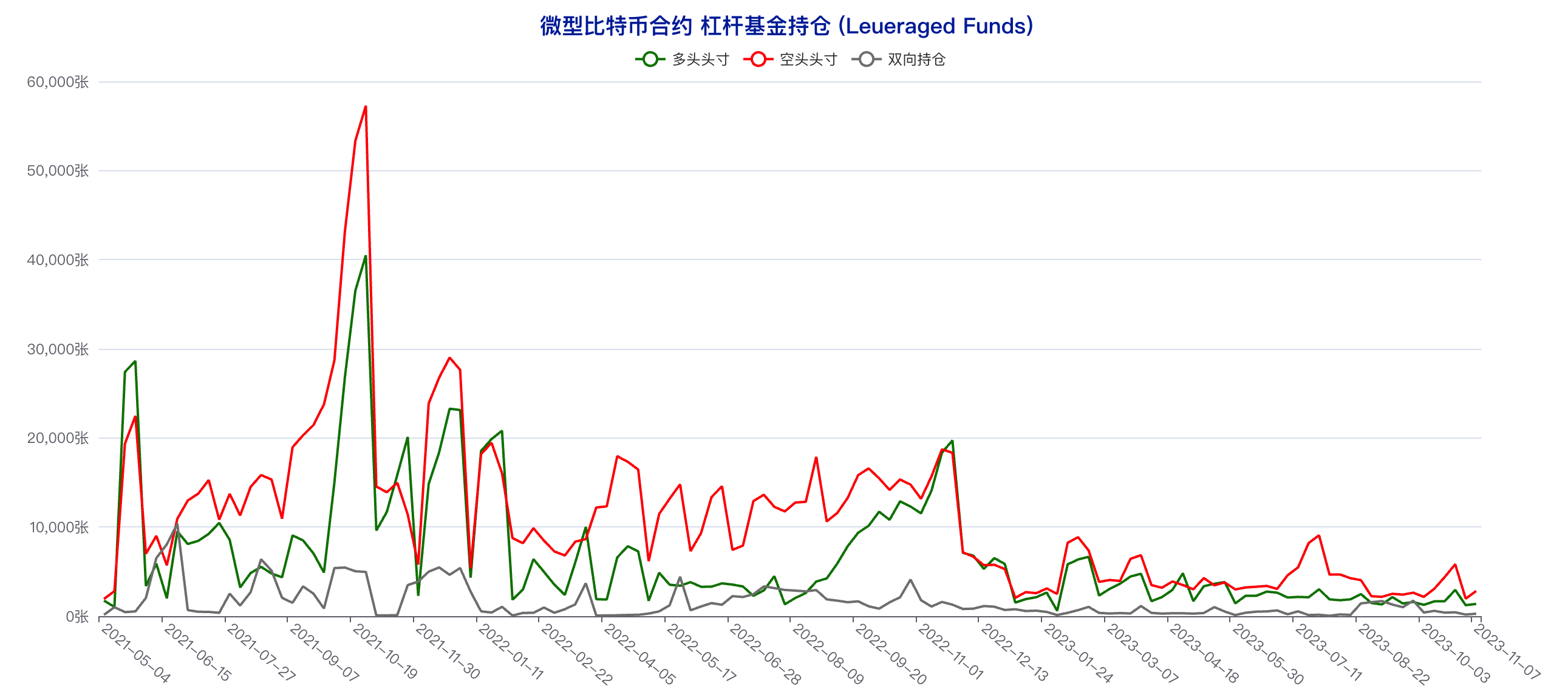
杠杆基金多头头寸自 1229 上升至 1372,空头头寸自 1959 上升至 2823,杠杆基金在最新统计周期内进行了多空双向同步增持。


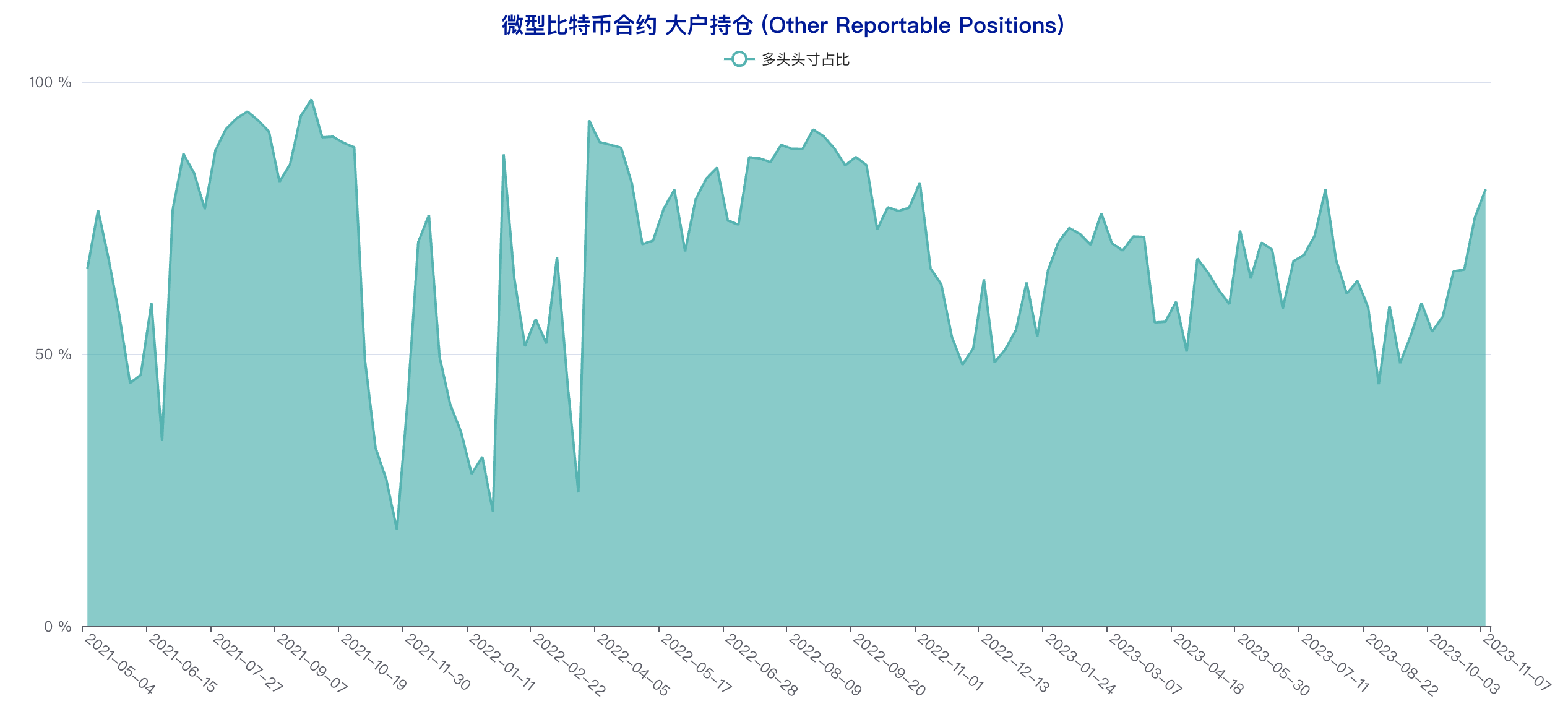
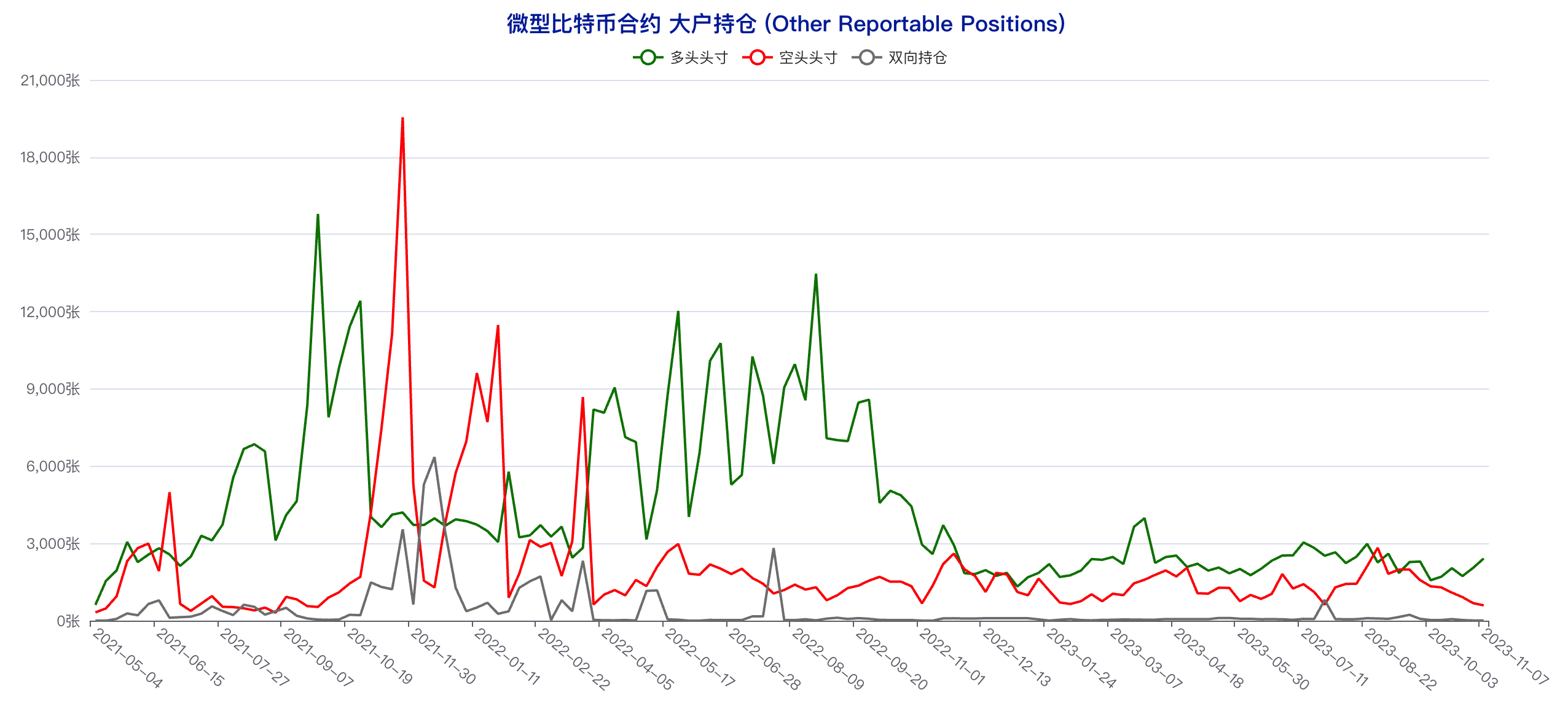
大户多头头寸自 2049 上升至 2414,空头头寸自 681 下降至 594,这类账户在最新统计周期内进行了清晰的净多调仓,与标准合约调仓形成对冲,这类账户短线思路偏空的态度反而一定程度上得以做实。


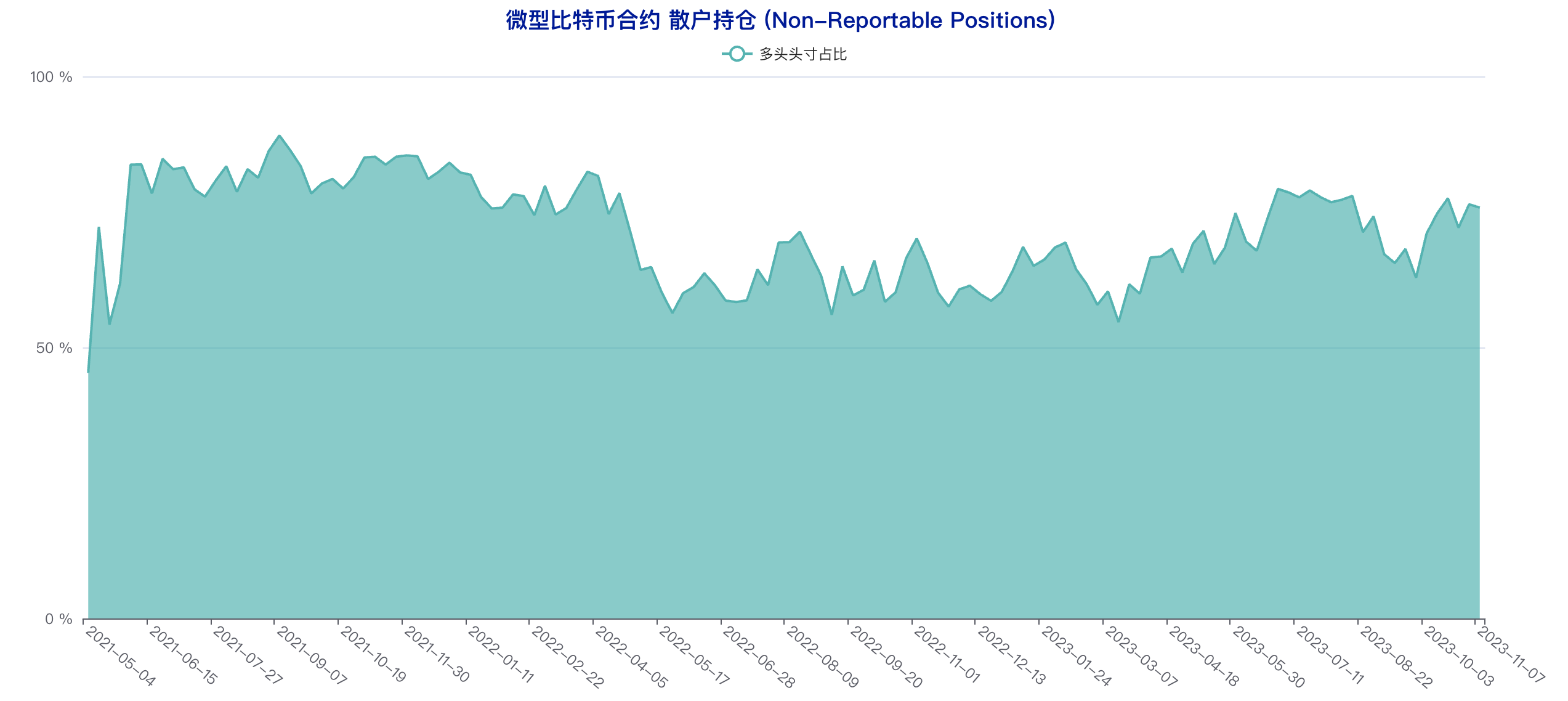
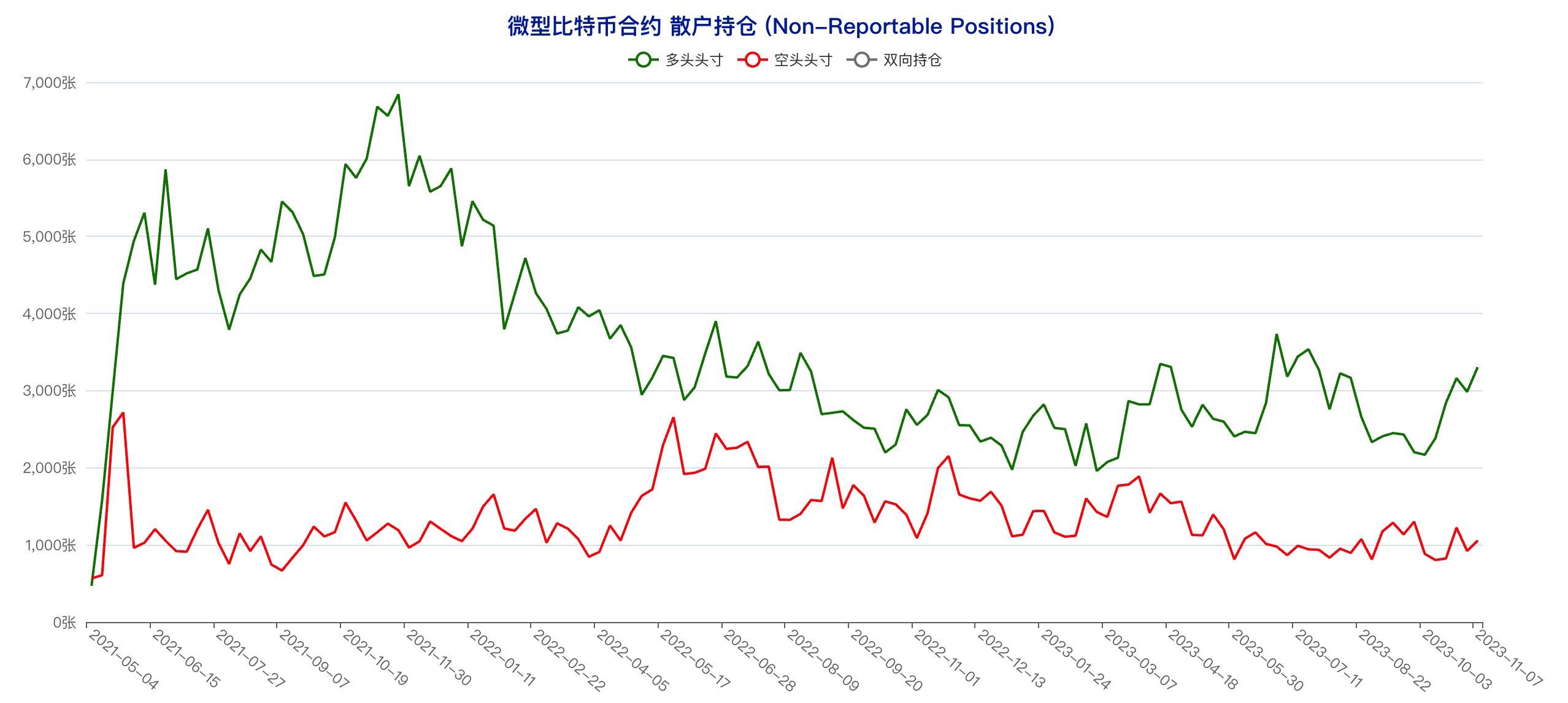
散户多头头寸自 2985 上升至 3305,空头头寸自 922 上升至 1056。


Nano 合约


最新一期 CFTC 持仓周报中新收录了一类比特币产品,由被 Coinbase 收购的主体 Lmx Labs 在今年(2023 年)6 月推出的 nano Bitcoin(BIT)这一比特币机构期货产品,该合约每份代表 1/100 枚比特币。


首期数据如下:


比特币 Nano 合约总持仓量 33801。


经销商账户多头头寸 467,空头头寸 0。


资管机构账户多头头寸 0,空头头寸 0。


杠杆基金多头头寸 30,空头头寸 2554。


大户多头头寸 2198,空头头寸 527。


散户多头头寸 672,空头头寸 286。

 

Пов'язані матеріали

Why Is the World Nervous About Japan Raising Interest Rates?

In June 2026, the Bank of Japan raised its policy rate to 1%, marking its first hike to this level since 1995. While this rate remains low compared to global peers like the US and Europe, the move signals a profound shift for a nation that has been a global source of ultra-cheap funding for decades. Japan's long-standing near-zero or negative interest rates had facilitated massive "yen carry trades," where international investors borrowed low-cost yen to invest in higher-yielding assets worldwide, such as US tech stocks and emerging market bonds. This made Japan a critical, often overlooked, source of global liquidity. Japan's ultra-loose policy stemmed from structural challenges post-1990s asset bubble: aging demographics, chronic low inflation/deflation, and high public debt. Recent shifts, including sustained wage growth (exceeding 5% in recent years) and inflation consistently above the 2% target, have created a "wage-price spiral" possibility, prompting the policy normalization. The global market's concern lies not in the absolute rate but in the potential unwinding of the yen carry trade. As Japanese borrowing costs rise, the economics of these leveraged global investments change, potentially triggering deleveraging and capital outflows from risk assets. Market anxiety focuses on the end of a thirty-year consensus that Japan would perpetually provide cheap funding. Ultimately, the global impact will depend on the interplay with US monetary policy. While Japan is tightening, the significant interest rate differential with the US remains. The key future dynamic is whether simultaneous Japanese hikes and eventual US rate cuts will narrow this gap, forcing a major recalibration of global capital flows and asset pricing built on an era of abundant, cheap yen liquidity.

marsbit7 год тому

Why Is the World Nervous About Japan Raising Interest Rates?

marsbit7 год тому

Торгівля

Спот
Ф'ючерси
活动图片