14 Years After Incubating Coinbase, YC Finally Decides to Issue Investment Funds in USDC

marsbitОпубліковано о 2026-02-05Востаннє оновлено о 2026-02-05

Анотація

Y Combinator (YC), the renowned startup accelerator behind companies like Airbnb, Stripe, and Coinbase, announced on February 3 that, starting from the Spring 2026 batch, it will offer its startups the option to receive their $500,000 investment in USDC stablecoin. This marks the first time YC has officially introduced a stablecoin payment method for its investments. The decision follows the U.S. GENIUS Act passed in July 2025, which established a federal regulatory framework for stablecoins, requiring 1:1 reserve backing and granting holders redemption rights. This regulatory clarity has removed a major barrier to institutional adoption of cryptocurrencies. YC's move is significant because it signals a shift from being a crypto investor to an active participant using stablecoins in its core operations. Benefits include near-instant, low-cost transactions, especially beneficial for international startups in regions like India and Latin America, where traditional banking can be slow and expensive. YC specifically selected USDC due to its U.S.-based issuer, Circle, and regulatory compliance. The accelerator will support USDC on Ethereum, Base, and Solana blockchains. While crypto-native VCs have used stablecoins before, YC’s standardized integration into its process for all startups—not just crypto projects—represents a major step for mainstream venture capital. This shift reflects broader trends: 90% of financial institutions are integrating stablecoins, which saw $46 tril...

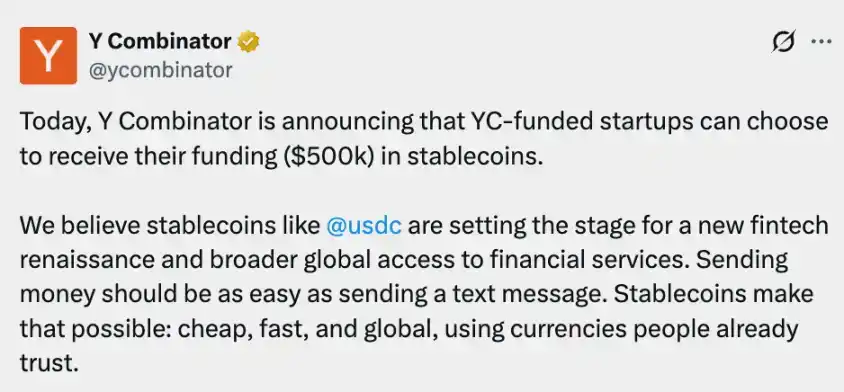
Y Combinator (YC), the "premier startup incubator" that successfully nurtured Airbnb, Stripe, and Coinbase, announced on February 3 that starting from the Spring 2026 batch, funded startups can choose to receive their $500,000 investment in the form of the USDC stablecoin. This marks the first time YC has officially announced the option to invest using stablecoins.
From Spectator to Participant

When YC invested in Coinbase in 2012, Bitcoin's price was only between $5 and $13. Over the next 14 years, although YC invested in nearly 100 crypto companies, the investment funds were still transferred via traditional bank wires.

A key reason for YC's change is the passage of the U.S. "GENIUS Act" in July 2025. This act established a federal regulatory framework for stablecoins, requiring 1:1 reserve backing and granting holders redemption rights. The arrival of regulatory clarity removed the biggest obstacle for top-tier institutions to adopt cryptocurrency. Just 7 months later, YC announced the stablecoin payment option.

The true significance of this move lies in YC "using" stablecoins itself. When an institution is willing to migrate its core business processes to new technology, it is a true vote of confidence. From investor to user, from spectator to participant, YC has completed a thorough role transformation over 14 years.

Why Choose Stablecoins?

The benefits of using stablecoins for investment first lie in efficiency. Consider an Indian startup receiving a $500,000 investment from YC: if using a traditional wire transfer, it might cost thousands of dollars in fees and take 3 to 7 days; if using USDC, the cost is nearly zero, and the funds arrive in 1 second.

Furthermore, YC's decision is based on a practical assessment: the new generation of entrepreneurs is already "Crypto Native." YC's statement pointed out that the practical application of stablecoins is growing among its portfolio companies, especially in markets like India and Latin America.

Startups including Aspora and DolarApp are already using stablecoins to help customers transfer and store funds more efficiently in regions where traditional banking infrastructure is limited or costly. To align with this trend, YC specifically emphasized support for stablecoins on the Ethereum, Base, and Solana public blockchains, allowing global entrepreneurs to choose the payment path that best suits them.

Why Choose USDC?

Keen observers have noted that YC did not vaguely refer to using stablecoins in general but specifically named USDC. Although USDC's market capitalization is smaller than USDT's, it is issued by Circle, a US-based company regulated by the Federal Reserve and state authorities. As a benchmark for Silicon Valley venture capital, YC must ensure every dollar complies with U.S. regulatory requirements.

And let's not forget, YC invested in Coinbase back in 2012. Coinbase is one of the co-founders of USDC. Moreover, Nemil Dalal, the YC partner overseeing crypto initiatives, was previously a Product Director at Coinbase. This "kinship" relationship might also naturally lead YC to trust and support the USDC ecosystem more.

VC's "Nokia Moment"

Actually, using stablecoins is not new in the crypto VC circle; firms like Paradigm or a16z Crypto have long been using them on a "case-by-case" basis. But YC's breakthrough lies in this: it is the "godfather of mainstream VC," and over 90% of its investments are in AI, enterprise services, or consumer goods, not cryptocurrency companies.

Previously, VCs used stablecoins often as a "last resort" when founders couldn't open dollar accounts; now, YC proactively includes this option in the standard contract template for every founder. Whether you're working on large models or biomedicine, if you want, you can directly receive USDC. This process-oriented, standardized move signals that the venture capital industry is facing its own "Nokia moment"—traditional transfer models are being outcompeted.

Will Other VCs Follow Suit?

Currently, top Silicon Valley VCs' attitudes towards crypto are diverging. a16z crypto represents the "radical faction," having raised $15 billion in early 2026 to focus on AI and crypto; YC represents the "pragmatic faction," entering through payments, not radical but extremely steady.

More traditional VCs might still be watching and waiting, but history provides a clear reference. Traditional financial institutions typically take 3 to 5 years to move from skepticism to embrace: both Goldman Sachs and JPMorgan Chase went from calling it "fraud" to launching related services.
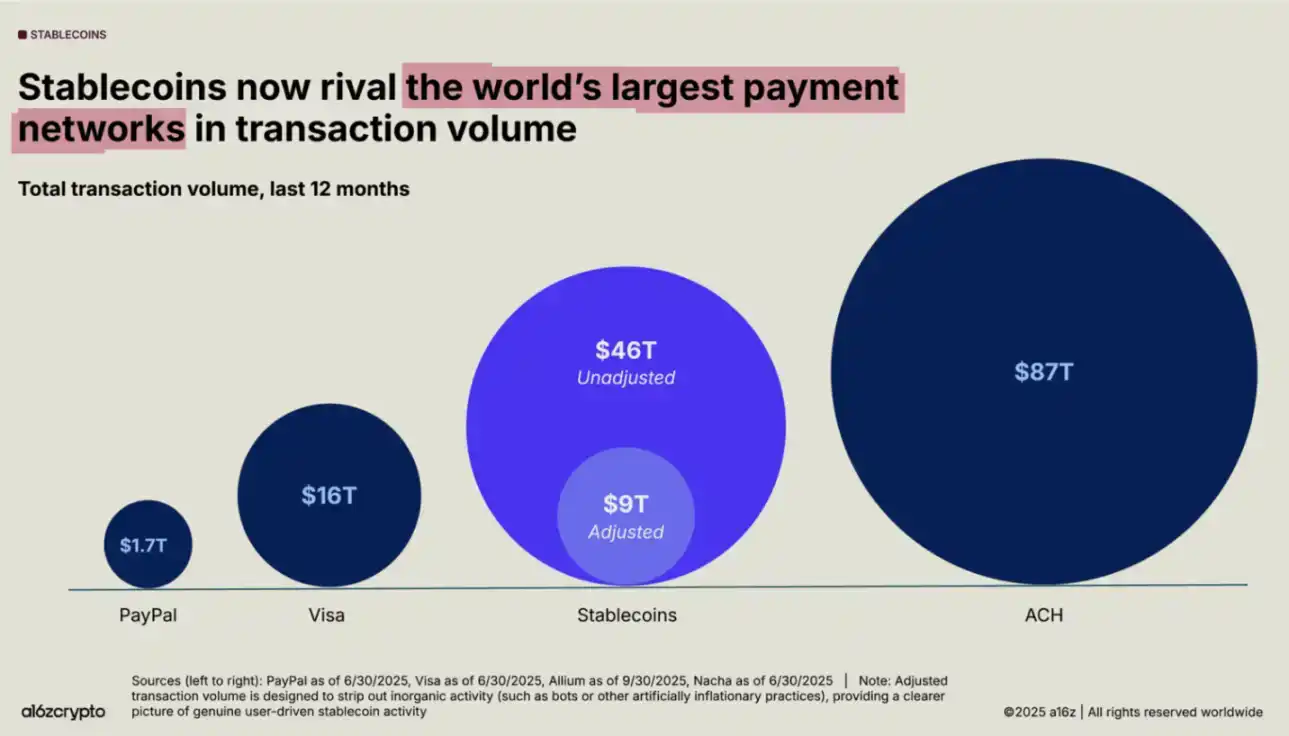
According to an a16z report, currently 90% of financial institutions are integrating stablecoins. Stablecoin transaction volume reached $46 trillion in 2025, nearly three times that of Visa. Market forecasts predict the stablecoin circulating supply will exceed $1 trillion in 2026. Behind these numbers is an irreversible trend. YC's decision might just be a node in the stablecoin wave.

What Kind of Entrepreneurs Is YC Looking For?

Currently, applications for YC's Spring 2026 batch are open. The program will run from April to June in San Francisco. The application deadline is February 10 at 12:00 PM Pacific Time. Applications submitted before the deadline will receive results by March 13.

In September 2025, YC launched the "Fintech 3.0" initiative in collaboration with Base and Coinbase Ventures, highlighting a desire to fund on-chain startup projects in the following areas: stablecoin applications, tokenization and trading (new credit markets, on-chain capital formation, new trading interfaces), and Apps and Agents (including social, financial, collaborative, gaming, etc.).

14 years ago, YC investing in Coinbase was betting on the future; 14 years later, YC using USDC is becoming the future.


Трендові криптовалюти

Пов'язані питання

QWhat major change did Y Combinator announce regarding its investment distribution method starting in Spring 2026?

AY Combinator announced that starting in the Spring 2026 batch, the startups it funds will have the option to receive their $500,000 investment in the form of the USDC stablecoin.

QWhat was a key legislative event in the US that helped pave the way for YC's decision to use stablecoins?

AThe key event was the passing of the 'GENIUS Act' in July 2025, which established a federal regulatory framework for stablecoins, requiring 1:1 reserve backing and granting holders redemption rights.

QWhat are the three specific blockchain networks that YC will support for stablecoin transfers?

AYC will support stablecoin transfers on the Ethereum, Base, and Solana blockchain networks.

QWhy did Y Combinator specifically choose USDC over other stablecoins like USDT for its investment disbursements?

AYC chose USDC because it is issued by Circle, a US-based company regulated by the Federal Reserve and state authorities, ensuring compliance with US regulations. Additionally, YC has historical ties to Coinbase, a co-founder of USDC.

QAccording to the article, how does the transaction volume of stablecoins in 2025 compare to that of Visa?

AIn 2025, stablecoin transaction volume reached $46 trillion, which is nearly three times the transaction volume of Visa.

Пов'язані матеріали

7 Months After the Collapse of Huiwang, Southeast Asia's Escrow Platforms Undergo a Major Reshuffle

Following the collapse of Huione Pay—dubbed the "Alipay of Southeast Asia"—seven months ago, the region's underground financial guarantee platform sector is undergoing a significant reshuffle. This power vacuum has been swiftly filled by emerging platforms such as XinBi, Tiger/Navigator, JinBei (renamed JinBo), Dali/Tiancheng, and FullyLight. These platforms, operating largely via Telegram and offering services like escrow for illicit transactions, have absorbed the vast user base and markets left behind by Huione. While positioning themselves as "trust intermediaries," their primary clientele consists of networks involved in online scams, money laundering, illegal gambling, and even human trafficking. For instance, the Tiger/Navigator platform explicitly provides "escrow" services for kidnapping-for-ransom operations ("强押车交易"). Data underscores the immense scale: Huione alone processed over $103 billion in cryptocurrency payments and facilitated over $31 billion through its escrow market before its downfall, linking it to Cambodia's notorious Prince Group. Since its collapse, competitors have seen explosive growth. For example, the XinBi platform has accumulated over $1.6 billion in total USDT revenue, while platforms like NewPay, OkPay (under Dali), and FullyLight Wallet collectively processed over $4.8 billion in USDT in a single year. This ecosystem thrives in regions like Cambodia and Myanmar, where regulatory gaps allow these platforms to act as critical financial infrastructure for sprawling cybercrime industries, from scam compounds to online casinos. The article concludes that the moniker "Southeast Asian Alipay" is a misnomer, obscuring the platforms' fundamental role in enabling serious criminal enterprises rather than representing legitimate financial innovation.

Odaily星球日报42 хв тому

7 Months After the Collapse of Huiwang, Southeast Asia's Escrow Platforms Undergo a Major Reshuffle

Odaily星球日报42 хв тому

The Changing Landscape: What Are Crypto VCs Experiencing?

Title: The Shifting Landscape of Crypto Venture Capital The era of dedicated crypto venture capital funds is undergoing a significant transformation. Once essential for navigating the sector's complexity and high risk, these specialized funds are now facing an identity crisis as the market matures. This shift mirrors historical patterns in other specialized investment classes like cleantech and SPACs, where initial information advantages dissipate as technologies become mainstream and integrated into existing industry frameworks. The article argues that crypto is reaching a critical inflection point, transitioning from a "building phase" to an "integration phase." Major players like Stripe, BlackRock, and Visa now engage with crypto not for its novel mechanics but as a foundational financial infrastructure. Their needs—regulatory compliance, banking partnerships, distribution channels—align with traditional fintech, a domain easily understood by large, generalist funds like Sequoia and Founders Fund. This evolution creates a "barbell effect" within the VC landscape. On one end are massive, diversified platforms that can incorporate crypto as one vertical among many. On the other are small, nimble funds focused on niche, experimental projects. The middle ground—medium-sized dedicated crypto funds—is being squeezed out. Their typical fund size makes it impossible to generate sufficient returns solely from early-stage crypto bets, yet they cannot compete with giants for later-stage deals. Consequently, leading crypto-native firms like Paradigm and Framework Ventures are expanding into AI, robotics, and other sectors, driven partly by LP pressure for better returns amid a broader VC DPI crisis. Others, like Dragonfly and a16z, have narrowed their crypto focus predominantly to financial infrastructure like stablecoins, reframing the sector's core narrative. For crypto entrepreneurs, this consolidation presents challenges. While generalist funds offer larger checks and broader resources, crypto projects now compete fiercely with AI for attention and capital within these firms. Furthermore, the long-term, non-commercial foundational work that built the ecosystem—funded by dedicated crypto VCs—is less likely to attract generalist capital focused on direct returns. The conclusion is that "crypto investor" as a standalone category is becoming obsolete, akin to "internet investor." Crypto is becoming a baseline infrastructure layer. The future will see a barbell structure: large-scale growth financing handled by generalist funds, while pioneering, speculative projects are funded by small, specialized vehicles. The dedicated crypto funds of the 2017-2021 boom, which incubated core infrastructure, are giving way to this new, bifurcated reality.

Foresight News59 хв тому

The Changing Landscape: What Are Crypto VCs Experiencing?

Foresight News59 хв тому

As Consensus Accelerates, What Are Young Investors Betting On?

Title: As Consensus Forms Faster, What Are Young Investors Betting On? In the rapid evolution of tech investment, a new generation of young investors is navigating a landscape where AI, robotics, commercial aerospace, and quantum computing are advancing simultaneously. Traditional investment logic based on financial models is giving way to a need for deep technical understanding and the ability to act before industry consensus forms. An analysis of trends from the "WAIC FUTURE TECH" list of young investment leaders reveals key shifts in focus. The first major trend is the movement of AI from the digital screen into the physical world. Investment is shifting from large language models and chatbots towards embodied AI, robotics, AI hardware, and edge computing. While demonstrations generate excitement, the real challenge lies in achieving scalable, reliable, and cost-effective delivery in complex real-world environments like factories and logistics. Success depends not just on algorithms but on the integration of sensors, actuators, and control systems. Second, the competitive focus for large models is moving beyond raw capability toward building an "intelligence flywheel." The goal is to create self-reinforcing systems where user interaction generates data, improving the model, which in turn enhances the user experience and attracts more engagement. Companies that successfully embed AI into workflows to create these closed-loop systems can build lasting value that isn't easily erased by the next model upgrade. Third, facing a potential bottleneck in high-quality human-generated data, investors are looking at new underlying technologies. Reinforcement learning and self-play, as demonstrated by AlphaGo Zero, offer paths for AI to generate its own experience. Scientific foundation models, which aim to build general AI capabilities for fields like life sciences and materials discovery, represent a non-consensus direction that could unlock new frontiers of knowledge and data. Finally, in deep-tech areas like quantum computing, commercial aerospace, and space-based infrastructure, patient capital is essential. These fields have long, uncertain development and validation cycles involving complex engineering, supply chains, and regulations. Investment here requires a long-term view, focusing on foundational team capabilities and the eventual emergence of market demand, even if commercial returns are distant. Collectively, these trends illustrate how young investors are adapting to a new era. They are learning to make earlier, technically-informed judgments, balance hype with real-world viability, and provide the patient capital needed to build the deep-tech foundations of the future.

marsbit1 год тому

As Consensus Accelerates, What Are Young Investors Betting On?

marsbit1 год тому

Торгівля

Спот

Популярні статті

Що таке USDC(WORMHOLE)

USD Coin (Wormhole): Всеосяжний огляд Вступ У швидко мінливому світі криптовалют USD Coin (Wormhole), що називається $USDC(Wormhole), вирізняється як піонерське рішення у сфері DeFi (децентралізовані фінанси). Функціонує на кількох блокчейн-платформах, включаючи Solana, USD Coin (Wormhole) є більше ніж просто цифрове представлення американського долара. Він втілює інноваційний дух сучасних фінансів, що дозволяє безшовні трансакції між різними ланцюгами та підвищує взаємодію між різними блокчейн-екосистемами завдяки передовому протоколу Wormhole. Що таке USD Coin (Wormhole)? USD Coin (Wormhole) — це токенізована версія американського долара, розроблена для полегшення безперешкодних трансакцій між різними блокчейн-мережами. Його основна мета — зміцнити ліквідність і поліпшити функціональність екосистеми DeFi. Використовуючи протокол Wormhole, який встановлює надійну мережу міжланцюгового зв'язку, користувачі можуть без зусиль передавати токени USDC між різними платформами. Ця можливість міжланцюгових трансакцій є суттєвим досягненням у використанні криптовалюти, сприяючи більш взаємопов'язаній та ефективній екосистемі, де активи можуть вільно пересуватися між різними блокчейнами. Цінність USD Coin (Wormhole) полягає не тільки в його стабільності, оскільки він закріплений за американським доларом, але й у його здатності заповнювати прогалини між різними блокчейн-середовищами. Цей інноваційний підхід сприяє більшій участі серед користувачів і розробників, прокладаючи шлях для нових і захоплюючих застосувань у сфері децентралізованих фінансів. Хто є творцем USD Coin (Wormhole)? Походження USD Coin (Wormhole) тісно пов'язане з мережею Wormhole, яка була розроблена Jump Crypto. Хоча конкретні індивідуальні творці не документуються, Jump Crypto відзначається своєю участю в просуванні блокчейн-технологій та підтримці їх застосувань у фінансах. Створивши мережу Wormhole, Jump Crypto зіграв життєво важливу роль у просуванні міжланцюгових передач активів, підвищуючи ефективність і різноманітність використання криптовалюти. Хто є інвесторами USD Coin (Wormhole)? Успіх USD Coin (Wormhole) підтримується інвестиціями з кількох значних фондів та організацій у світі криптовалют. Ключовими інвесторами є: Coinbase Ventures: Значна венчурна компанія, яка підтримується однією з провідних криптовалютних бірж у галузі, Coinbase Ventures надає важливий капітал і стратегічну підтримку багатообіцяючим блокчейн-проєктам. Arrington XRP Capital: Спеціалізуючись на цифрових активах, Arrington XRP Capital визнає потенціал інноваційних проектів, таких як USD Coin (Wormhole), і відповідно інвестував для підтримки його розвитку. Jump Trading: Як материнська організація Jump Crypto, Jump Trading приносить не тільки інвестиції, але й багатий досвід у торгових технологіях і динаміці ринку для підтримки проєкту Wormhole. Як працює USD Coin (Wormhole)? Операційна структура USD Coin (Wormhole) ретельно розроблена для забезпечення ефективних міжланцюгових трансакцій, максимізуючи безпеку та ефективність. Ось спрощений огляд того, як він працює: Блокування активів: Коли користувач хоче передати USDC з одного блокчейну на інший, спочатку він блокує свої токени на вихідному блокчейні. Цей процес забезпечує безпеку активів, які будуть знищені або переміщені пізніше. Мінтинг токенів: Після блокування токенів, на цільовому блокчейні випускається еквівалентна кількість USDC. Це надає користувачеві доступ до своїх коштів на новій платформі, що відображає гнучкість, якою володіє протокол Wormhole. Міжланцюговий переказ: Протокол Wormhole ефективно сприяє всьому процесу переказу. Він забезпечує, що після того, як USDC випущений на цільовому ланцюзі, еквівалентні токени знищуються на вихідному ланцюзі. Результатом є безшовний переказ вартості між двома різними блокчейн-середовищами. Ця методологія міжланцюгових трансакцій забезпечує безпеку та прозорість, значно підвищуючи ліквідність у різних екосистемах DeFi. Хронологія USD Coin (Wormhole) Розуміння еволюції USD Coin (Wormhole) надає важливий контекст для його значення у світі криптовалют. Ось хронологія, що підкреслює важливі віхи в історії проєкту: 2021: Запущено проєкт Wormhole, який встановлює рамки для міжланцюгових передач активів і створює передумови для розвитку USD Coin (Wormhole). 2022: Мережею Wormhole відбулося суттєве випробування внаслідок порушення безпеки, що призвело до крадіжки на суму 325 мільйонів доларів. Однак цей інцидент пізніше був вирішений і відшкодований Jump Crypto, що підкреслює прихильність проєкту до безпеки та прозорості. 2023: USD Coin (Wormhole) інтегрується з протоколом міжланцюгового переказу Circle (CCTP), що підвищує його можливості для міжланцюгових переказів і ще більше зміцнює його позицію в екосистемі DeFi. 2024: Продовжується розвиток і розширення мережі Wormhole, спрямоване на збільшення корисності та досяжності USD Coin (Wormhole) та покращення його операційної структури. Ключові особливості Успіх USD Coin (Wormhole) можна віднести до кількох ключових особливостей, які відрізняють його від інших криптовалютних пропозицій: Міжланцюгова взаємодія У центрі USD Coin (Wormhole) знаходиться здатність забезпечувати безшовні перекази між кількома блокчейн-мережами. Ця взаємодія служить основою для децентралізованих фінансів, дозволяючи різним платформам взаємодіяти одна з одною, прискорюючи еволюцію фінансових послуг. Безпека Wormhole використовує добре спроектовану мережу Гвардіанів, що складається з валідаторів вузлів, які забезпечують безпечні міжланцюгові транзакції. Цей колективний нагляд зменшує ризик шахрайства і дає користувачам впевненість у тому, що їхні активи захищені під час міжланцюгових переказів. Підвищення ліквідності Дозволяючи USDC вільно використовуватися між різними блокчейнами, USD Coin (Wormhole) підвищує ліквідність у екосистемі DeFi. Це збільшене ліквідність може сприяти більш ефективному трейдингу, поліпшити цінові стратегії та поліпшити загальну динаміку ринку, що охоплює різні цифрові активи. Висновок USD Coin (Wormhole) є ключовою інновацією в блокчейн-просторі, зміцнюючи можливості децентралізованих фінансів (DeFi) та встановлюючи більш зв'язану фінансову екосистему. Завдяки своїй надійній структурі для міжланцюгових транзакцій, функціям безпеки та потужній підтримці з боку авторитетних інвесторів, USD Coin (Wormhole) має гарні перспективи для відігравання ключової ролі у майбутньому криптовалюти. Оскільки ландшафт цифрових фінансів продовжує розвиватися, USD Coin (Wormhole) не тільки схвалює майбутнє взаємозв'язку між блокчейн-мережами, але й підтверджує силу токенізації та блокчейн-технологій у трансформації нашого сприйняття та використання цінності у цифровому світі. Орієнтуючись на складнощі міжланцюгової функціональності, він демонструє досконалий підхід до забезпечення фінансової інклюзії та інновацій у світі криптовалют.

171 переглядів усьогоОпубліковано 2024.04.03Оновлено 2024.12.03

Що таке USDC(WORMHOLE)

Що таке $USDC

Classic USDC: Всеосяжний огляд Введення в Classic USDC У швидко змінюваному ландшафті ринку криптовалют стейблкоїни стали критично важливими компонентами, зокрема, забезпечуючи стабільність на фоні волатильності, яка характеризує цифрові активи. Один з таких проєктів - Classic USDC, цифрова валютна ініціатива, яка має на меті надати стабільний і надійний засіб обміну. Підтримуючи співвідношення 1:1 з американським доларом, Classic USDC прагне запропонувати користувачам надійний цифровий актив, придатний для різноманітних застосувань у екосистемах web3 та криптовалют. Що таке Classic USDC? Classic USDC в основі своїй є стейблкоїном, який є типом криптовалюти, що має на меті мінімізувати цінову волатильність, яка зазвичай спостерігається на ринку цифрових активів. Зокрема, Classic USDC прагне близько представляти вартість американського долара, забезпечуючи, щоб користувачі могли використовувати цю цифрову валюту для транзакцій, заощаджень та інших фінансових діяльностей без страху раптових цінових коливань, які можуть затруднити багато криптовалют. Основною метою Classic USDC є надання надійного і довіреного цифрового еквівалента американського долара, розробленого для безперебійної інтеграції в широкий спектр застосувань web3, платформ децентралізованих фінансів (DeFi) та інших фінансових систем, пов'язаних з криптовалютами. Шляхом надання стабільної цифрової валюти, Classic USDC прагне сприяти повсякденному комерційним обслуговуванню, зробити технологію блокчейн більш зручною для користувачів і спонукати до прийняття криптовалют для використання в масах. Створювач Classic USDC Особистість творця або команди розробників, що стоїть за Classic USDC, залишається largely невідомою, а відсутність прозорості спричинила певний рівень невизначеності щодо походження проєкту. У той час як багато ініціатив з криптовалют відкрито демонструють своїх засновників і команди розробників, Classic USDC не надає чіткої інформації про своїх творців, що ставить перед потенційними користувачами або інвесторами труднощі в оцінці достовірності та надійності проєкту. Інвестори Classic USDC Поряд з невизначеністю, що оточує її творців, Classic USDC також не має конкретики щодо своїх інвесторів. Фінансова підтримка проєкту може часто надати йому достовірність і стабілізувати його операції; однак відсутність задокументованих інвестиційних фондів або організацій, які підтримують Classic USDC, викликає питання щодо його фінансової структури. Ця відсутність прозорості може ускладнити довіру зацікавлених сторін до проєкту. Як працює Classic USDC? Операційні механізми Classic USDC надзвичайно залежать від його резервної системи, яка є основною в будь-якому стейблкоїні. Classic USDC зобов'язується підтримувати резерв активів, які безпосередньо відповідають вартості цифрової валюти в обігу. Зокрема, за кожним випущеним токеном Classic USDC зберігається еквівалентна кількість активів у резерві, будь то готівка або еквіваленти, які близькі до готівки. Ця стратегія покликана підтримувати вартість Classic USDC, запевняючи користувачів у тому, що викуп їх токенів на американські долари можливий у будь-який час. Ця резервна структура має на меті підвищити стабільність і надійність Classic USDC, позиціонуючи його як безпечну альтернативу на ринку криптовалют. Забезпечуючи, щоб вартість Classic USDC постійно корелювала з американським доларом, проєкт прагне викликати довіру серед користувачів, які можуть бути обережні щодо ширшої динаміки ринку. Історія Classic USDC Історія Classic USDC відзначена кількома важливими етапами, які відображають його шлях і еволюцію в екосистемі криптовалют: 2021: Зазначається початок Classic USDC, який вводить нову цифрову валютну опцію, розроблену для стабільності. Протягом цього року виникають перші записи активності токена, і його початкові цінові рівні були встановлені. 2024: Classic USDC починає відчувати помітні цінові коливання, оскільки ринок криптовалют загалом стикається з різними тенденціями та настроями користувачів. З'являються прогнози щодо його майбутнього потенціалу, що вказує на значний інтерес з боку спостерігачів та аналітиків ринку, які передбачають можливості зростання. Прогнози на майбутнє Експерти припускають, що Classic USDC може досягти вищих рівнів прийняття та стабільності в наступні роки, з потенційними подальшими розвитками, які очікуються близько 2025 і 2026 року. Однак до цих прогнозів слід ставитися з обережним оптимізмом, оскільки ринок криптовалют невід'ємно непередбачуваний, а різні зовнішні фактори можуть вплинути на траєкторію Classic USDC. Ключові моменти щодо Classic USDC Стабільність: Основна пропозиція Classic USDC пов'язана з наданням цифрової валюти, яка паралельна вартості американського долара, забезпечуючи таким чином стабільність на часто волатильному ринку. Резервна система: Зобов'язання проєкту підтримувати резерв активів, щоб підкріпити свою вартість, підкреслює його надійність і операційну стабільність. Інтеграція Web3 і криптовалют: Classic USDC спроектований для спрощення інтеграції в різні програми, прагнучи підвищити досвід користувачів і розширити прийняття криптовалюти у повсякденних транзакціях. Потенціал майбутнього зростання: Хоча він ще на етапі розвитку, Classic USDC має перспективні можливості для зростання в міру зростання усвідомлення та використання стейблкоїнів в контекстах web3 і криптовалют. Висновок Classic USDC позиціонує себе як помітна ініціатива стейблкоїнів у сфері криптовалют, прагнучи надати користувачам надійну цифрову валюту, яка втілює стабільність американського долара. Незважаючи на невизначеність щодо своїх творців і фінансової підтримки, основні принципи Classic USDC—зосереджені на резервно підкріплених гарантіях—намагаються позиціонувати його як надійний варіант для осіб і підприємств, які орієнтуються на цифрову економіку. З нетерпінням спостерігаючи за майбутнім, аналітики ринку очікують, як Classic USDC еволюціонуватиме у відповідь на змінні динаміки ринку криптовалют, потенційно встановлюючи себе як значний гравець у царині стейблкоїнів.

68 переглядів усьогоОпубліковано 2024.05.01Оновлено 2024.12.03

Що таке $USDC

Як купити USDC

Ласкаво просимо до HTX.com! Ми зробили покупку USD Coin (USDC) простою та зручною. Дотримуйтесь нашої покрокової інструкції, щоб розпочати свою криптовалютну подорож.Крок 1: Створіть обліковий запис на HTXВикористовуйте свою електронну пошту або номер телефону, щоб зареєструвати обліковий запис на HTX безплатно. Пройдіть безпроблемну реєстрацію й отримайте доступ до всіх функцій.ЗареєструватисьКрок 2: Перейдіть до розділу Купити крипту і виберіть спосіб оплатиКредитна/дебетова картка: використовуйте вашу картку Visa або Mastercard, щоб миттєво купити USD Coin (USDC).Баланс: використовуйте кошти з балансу вашого рахунку HTX для безперешкодної торгівлі.Треті особи: ми додали популярні способи оплати, такі як Google Pay та Apple Pay, щоб підвищити зручність.P2P: Торгуйте безпосередньо з іншими користувачами на HTX.Позабіржова торгівля (OTC): ми пропонуємо індивідуальні послуги та конкурентні обмінні курси для трейдерів.Крок 3: Зберігайте свої USD Coin (USDC)Після придбання USD Coin (USDC) збережіть його у своєму обліковому записі на HTX. Крім того, ви можете відправити його в інше місце за допомогою блокчейн-переказу або використовувати його для торгівлі іншими криптовалютами.Крок 4: Торгівля USD Coin (USDC)Легко торгуйте USD Coin (USDC) на спотовому ринку HTX. Просто увійдіть до свого облікового запису, виберіть торгову пару, укладайте угоди та спостерігайте за ними в режимі реального часу. Ми пропонуємо зручний досвід як для початківців, так і для досвідчених трейдерів.

393 переглядів усьогоОпубліковано 2024.12.11Оновлено 2026.06.02

Як купити USDC

Обговорення

Ласкаво просимо до спільноти HTX. Тут ви можете бути в курсі останніх подій розвитку платформи та отримати доступ до професійної ринкової інформації. Нижче представлені думки користувачів щодо ціни USDC (USDC).

活动图片













