抄底逃顶指南:CEX的流入流出情况

区块律动Опубліковано о 2023-06-05Востаннє оновлено о 2023-06-05

Анотація

当某个代币大量流入中心化交易所,大概率是卖出行为,提现则相反。很多时候有着巨大的威力。

原文标题:《 抄底逃顶指标 2:cex 的流入流出情况 》
原文作者:日月小楚


当某个代币大量流入中心化交易所,大概率是卖出行为,提现则相反。很多时候有着巨大的威力,逻辑和原理看着也简单,但是必须注意:


1)该数据最需要结合市场的大环境以及币的涨跌。如果单单看到大额流入,就觉得会跌,这样的错误率比较高。


2)特定情况下的使用,威力比较大。比如某个币已经很高涨幅,市场 fomo 情绪高,但是交易所出现持续的大额流入,那么顶部的概率非常大了。


3)要提防有时候主力故意放出烟雾弹。例如一个币已经跌的比较多,在底部震荡,这时候出现大量流入交易所,有可能是庄家拉盘前,提前冲入交易所。


1、cex 的交易量占比分析


如果要想使用该指标,cex 的交易量的占比是前提。如果一个币的交易都在链上,那研究中心化交易所的数据就没有意义。从一般来说


1)比较新的币,往往 dex 上的交易占比比较多


2)上了币安后,交易量基本上币安占很大比例


3)在不知道的情况,可以在 coinmarketcap 上查看交易占比,
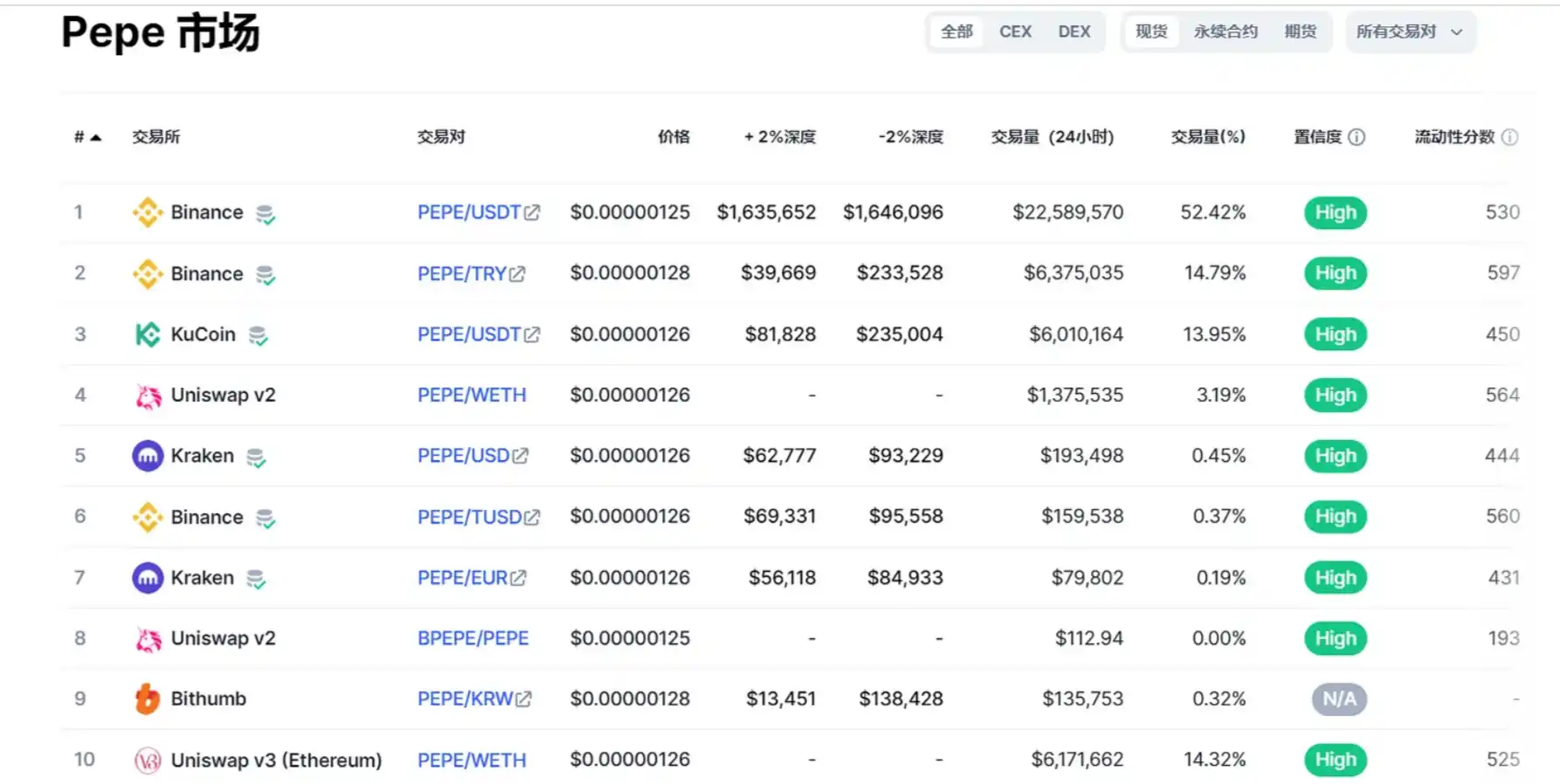


比如说 PEPE,在上币安之前,uniswap 是最主要的交易量。但是上币安后,主要在币安。


4)如果没有币安,也需要小心一些二线交易所,会机器人刷量,造成占比「假」高。


2、案例分析 


2.1 ssv
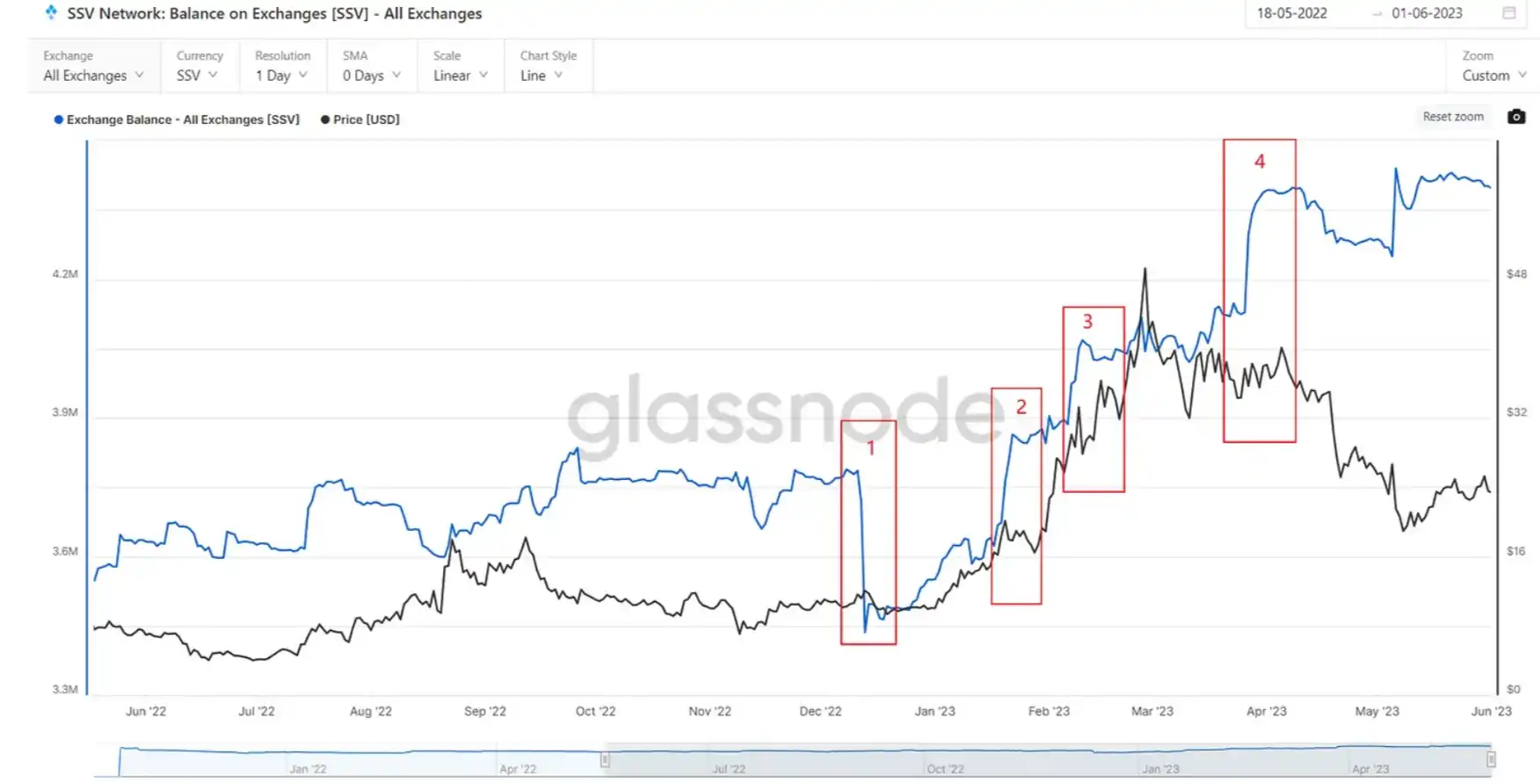


SSV 在今年经历过一次暴涨,在红色的数字框


1)交易所大量提现,对应币价在底部,震荡一段时间后,开启了这次的暴涨


2)交易所大量充值,ssv 从 21 刀调整到 16 刀


3)交易所大量充值,ssv33 刀调整到 27 刀。


4)交易所大量充值,币价开始一路下跌


为何红框 2 只是调整呢,所以要结合大环境。当时 btc 开启上涨行情,山寨都在轮流爆拉。然后 LSD 又是热门赛道。


而红框 3 已经到达顶部区域了,简单来看涨幅已经比较大。说实话,当时是没办法确定。ssv 在最高点没有大量流入交易所,说明庄家并不在最高点冲入(因为这样无疑是名牌告诉市场)但是经历了 2)3)大量充值后,明显进入了顶部区域了。


如果在顶部没有卖出。那么在红框 4,40 刀左右肯定是要离场了。因为再一次出现大量流入交易所,并且时间已经临近上海升级,利好马上兑现。并且当时其他山寨也都是砸下跌。


2.2 magic
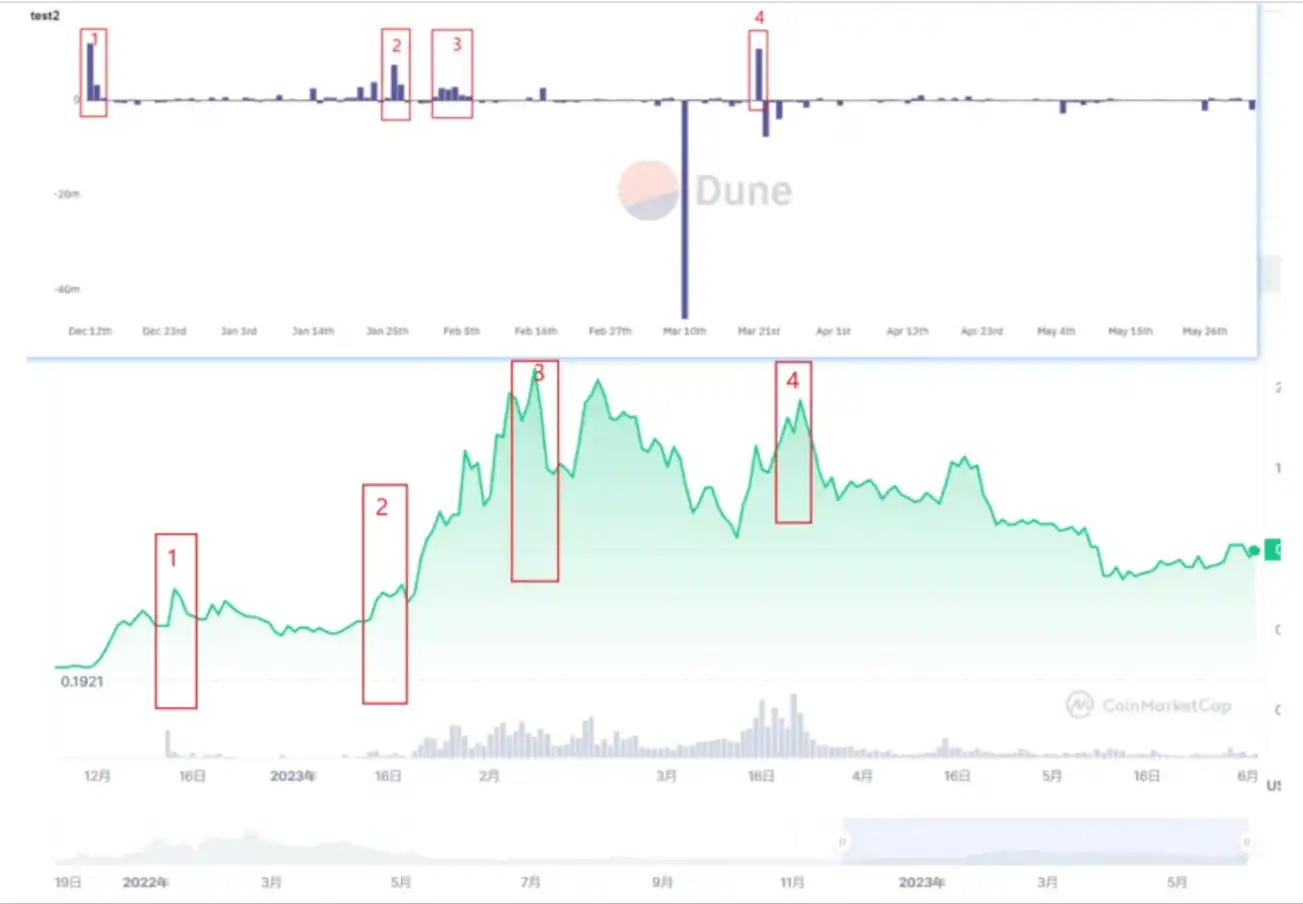


上面的 Magic 冲入交易所的情况,其中红框 1 3 4,对于着绿色币价的下跌。


红框 2 是特殊情况,对于着 magic 一次巨量的解锁。而当时的其它情况是,整体市场行情很好,山寨都在暴涨。Magic 没有很大涨幅。所以这次并没有出现大跌。


2.3 PEPE
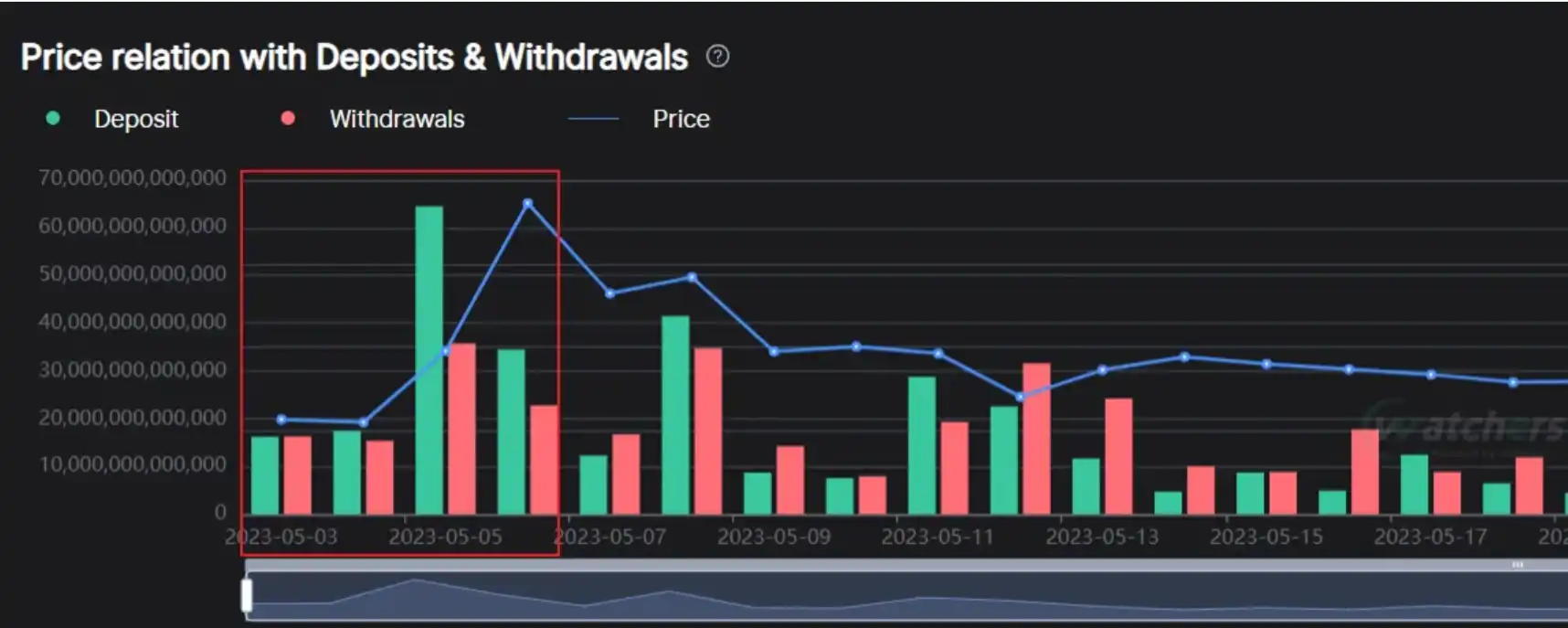


上面是 watechers 的交易所流入流出情况,绿色代表流入,绿色柱子高于红色,代表净流入


PEPE 的见顶信号也非常明显,在 5 月 6 日达到币价达到最高点。而之前几天,基本都是净流入。并且随后的几天,大部分都是净流入。所以可以判断 PEPE 的币价到顶,并不是深度调整。币价之后也是一路下跌。


2.4 STG
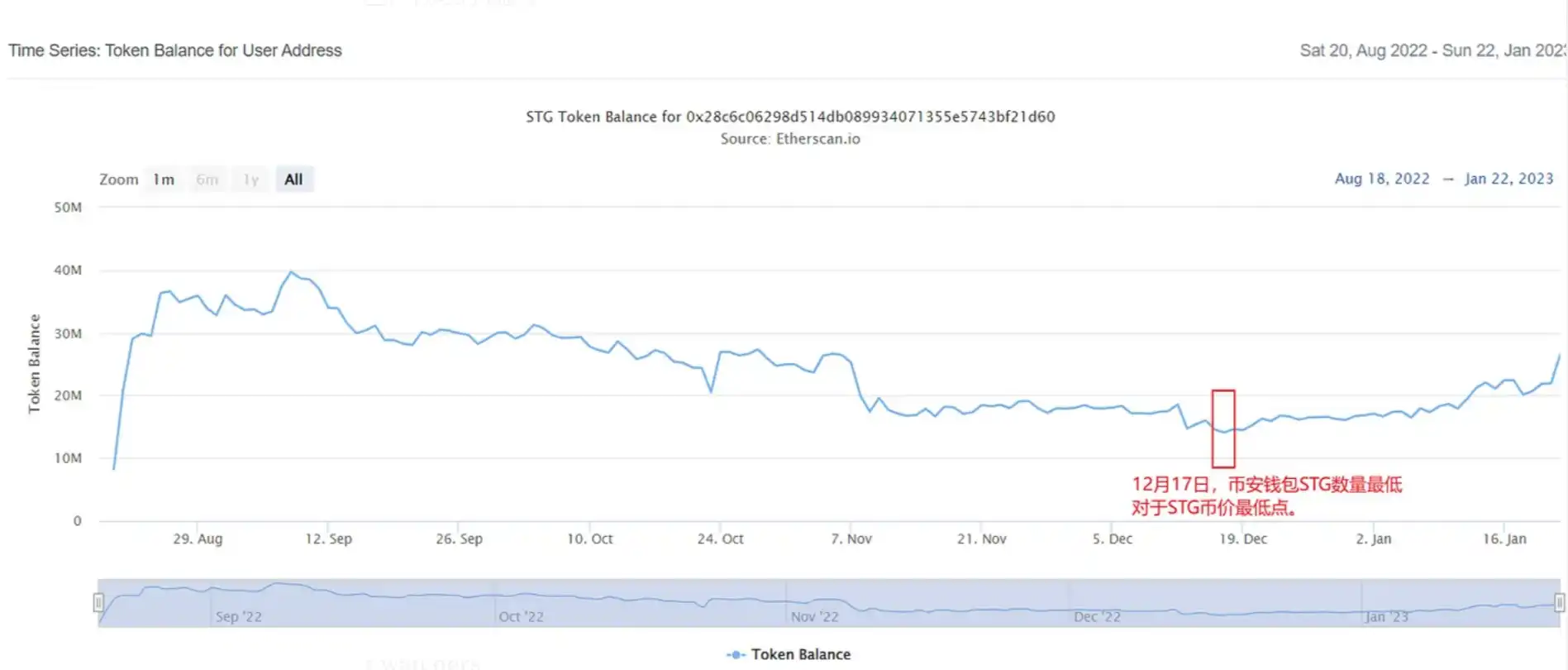


对币安 14 的代币余额发现,在一路下跌中,交易所的 STG 余额是在一路下跌的,说明在 STG 的下跌中,有资金在不断的买入。直到 12 月 17 日,币安钱包内 STG 达到最低,同期 STG 的币价也是局部最低的,并且经过几天调整后,开始了上涨。


3、数据来源


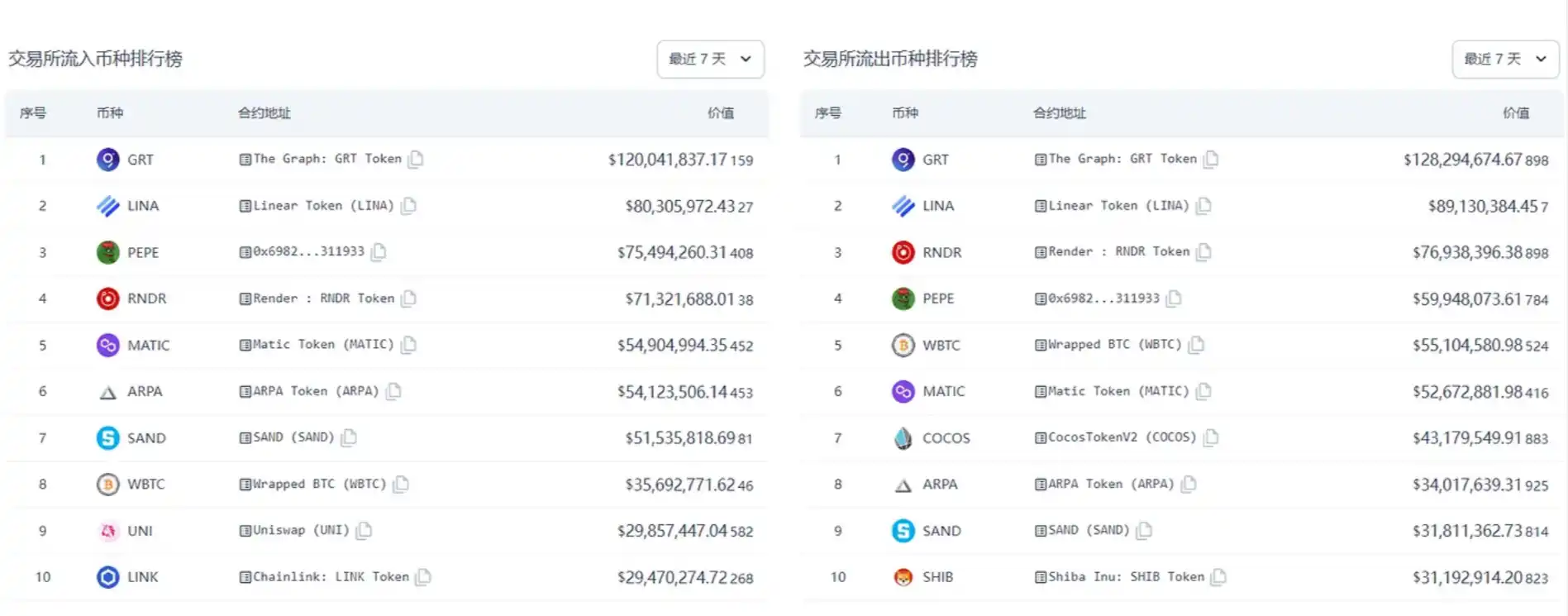
最后,给大家推荐几个可以查看交易所流入流出情况的网站。


1、watchers


https://watchers.pro/user/referral?referralcode=fLjhuIHL


查看某个币的流入流出。免费版可以使用。现在用钱包登录+推特认证后,可以获得 14 天的会员版。建议大家尝试下其它功能。


2、glassnode


glassnode.com  必须是付费会员。而且代币大部分是老币。已经是会员的可以用用,新人不建议付费使用。


3、区块链浏览器


https://blockscan.com/


优点是:各个公链都支持,并且是免费。


缺点是:只能看一个个单独的地址(例如币安的钱包 14 等)。


4、Jiedata


https://jiedata.com/


Jiedata 是从交易所的角度查看流入流出,并且可以用来设置报警提醒。现在 jiedata 处于免费阶段。


原文链接


Пов'язані матеріали

a16z on Hiring: How to Choose Between Crypto-Native and Traditional Talent?

Hiring in Crypto: Balancing Crypto-Native and Traditional Talent As the crypto industry grows, founders face the dilemma of whether to prioritize hiring professionals with blockchain experience or those with traditional tech backgrounds who can learn. The key is recognizing that crypto companies are still tech companies at their core and should apply proven hiring best practices. Crypto-native talent offers immediate productivity and is essential for roles involving high-stakes, specialized work like smart contract development, where errors can be catastrophic. However, traditional professionals from large-scale software companies bring valuable experience in scaling products, operational flexibility, and expertise in areas like fintech, UX, and security, which are crucial as crypto products target mainstream adoption. Recruiting requires tailored approaches. Some candidates may be hesitant due to crypto's volatility or complexity, while others are excited by its innovative potential. Assess candidates' motivations, curiosity, and alignment with the company's vision early. Emphasize the opportunity to shape technology's future and address financial incentives, such as token-based compensation, which can offer liquidity compared to traditional equity. Onboarding is critical. Identify knowledge gaps during hiring and design education programs, mentorship, knowledge-sharing sessions, and resources like blogs or courses to accelerate learning. Pairing new hires with experienced crypto professionals helps bridge gaps and fosters collaboration. Ultimately, successful teams blend both crypto-native and traditional talent, leveraging their strengths to drive innovation and growth.

marsbit29 хв тому

a16z on Hiring: How to Choose Between Crypto-Native and Traditional Talent?

marsbit29 хв тому

DeFi Hacked Again for $292 Million, Is Even Aave No Longer Safe?

On April 19, a major DeFi security breach occurred, resulting in the loss of approximately $292 million. The attack targeted Kelp DAO’s rsETH bridge contract built on LayerZero, with 116,500 rsETH stolen. The attacker initiated the exploit using funds from Tornado Cash and manipulated the LayerZero EndpointV2 contract to transfer the assets. Kelp DAO confirmed the incident and temporarily paused rsETH contracts across multiple networks while collaborating with security experts for investigation. Initial analysis suggests the root cause was a compromised private key on the source chain, with the contract secured by only a 1/1 validator set, making it vulnerable to a single malicious transaction. The attacker used the stolen rsETH as collateral on lending platforms—including Aave, Compound, and Euler—to borrow more liquid assets like WETH, accumulating over $236 million in debt. Aave alone accounted for $196 million of this amount. In response, Aave froze its rsETH markets and stated it would explore covering potential bad debt through its Umbrella safety module, which holds around $50 million in WETH. This incident follows another large exploit earlier in April, where Drift Protocol on Solana lost $280 million. The repeated high-value attacks raise concerns about DeFi security, even affecting major protocols like Aave. Users are advised to exercise caution, diversify holdings, and limit exposure to on-chain protocols until more robust security measures are established.

marsbit2 год тому

DeFi Hacked Again for $292 Million, Is Even Aave No Longer Safe?

marsbit2 год тому

Торгівля

Спот
Ф'ючерси
活动图片