魔幻的韩国股市,父母给婴儿开户买股票

marsbitОпубліковано о 2026-05-04Востаннє оновлено о 2026-05-04

作者:巴九灵,吴晓波频道

在韩国,一种新奇的“婴儿投资”正在年轻父母之间流行起来。

父母早在孕晚期便已开始选定投资标的,待婴儿呱呱坠地那一刻,就利用手机远程开户,下单买入。

于是,韩国宝宝尚在襁褓之中,就已成为韩国知名企业SK海力士与三星电子的“婴儿股东”。

韩国父母的神操作,一方面,与韩国政府的政策有关。

给婴儿定投半导体龙头?

根据韩国现行的《继承税及赠与税法》:19岁以下未成年子女,每10年免税额度为2000万韩元。成年子女每10年免税额度提高至5000万韩元。
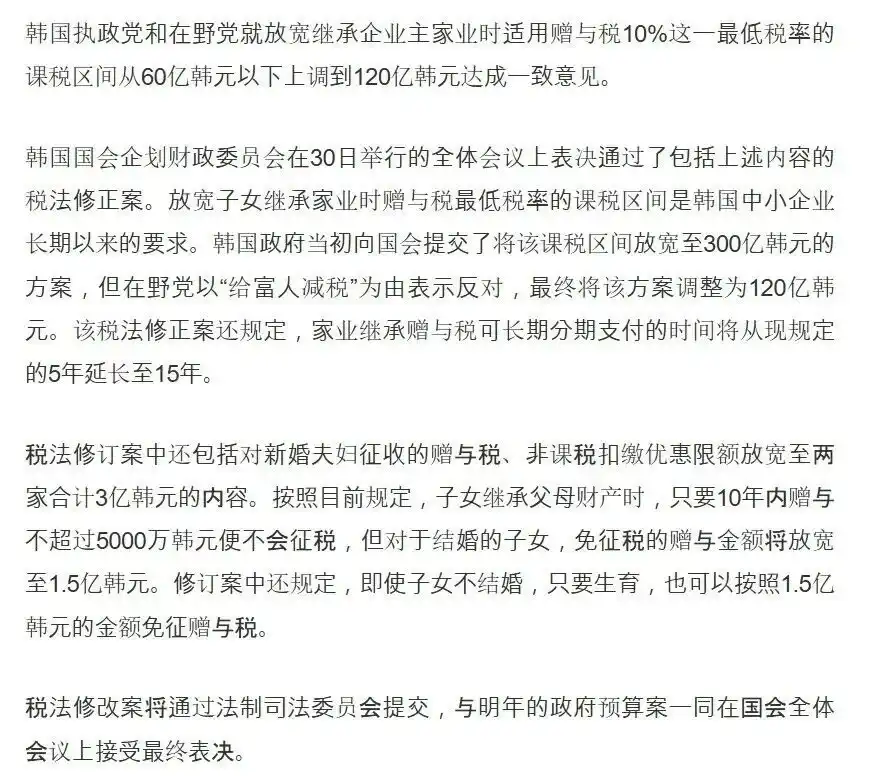
图源:《中央日报》中文网

利用上述政策,很多韩国家长从孩子出生就开始进行资产转移:孩子一出生就给他开设证券账户并且转入2000万韩元,等到10岁再转2000万韩元,20岁和30岁成年后分别转入5000万韩元,这样30岁就可以从父母处合法免税地获得1.4亿韩元,约合10万美元的资产。

韩国家长之所以通过为孩子开设股票或ETF账户的形式而非现金,是因为赠与税是按赠与时的价值计税,后续资产不再额外征收,因此早早给自己孩子买入ETF,就可以免除最高50%的韩国继承税。

根据韩国证券存管机构公布的数据,截至2025年底,韩国未成年股东的数量为343694人,占总股东数的8.19%,持股总价值约为2.68万亿韩元。

2025年12月,韩国未成年人单月开户数量为34590户,是2025年1月份的近三倍。持有证券的规模表明,通过以儿童名义开立的账户进行继承和赠与的交易相当频繁。

当我们把每年亲友给孩子的红包攒起来做教育基金的时候,韩国的“孩子”已经开始定投半导体ETF基金了。

另一方面,韩国父母们着急忙慌地“从娃娃抓起”,也和韩国当前的超级牛市脱不开干系。

韩国半导体大牛市

这一年来,韩国股市的排名就像坐上了火箭。

截至4月30日,韩国综合指数报收6598.87点,年涨幅高达56.59%,与此同时,韩国KOSPI指数在4月28日盘中创下历史新高,将老牌资本主义国家英国,往后压了一个身位,位列全球第八。
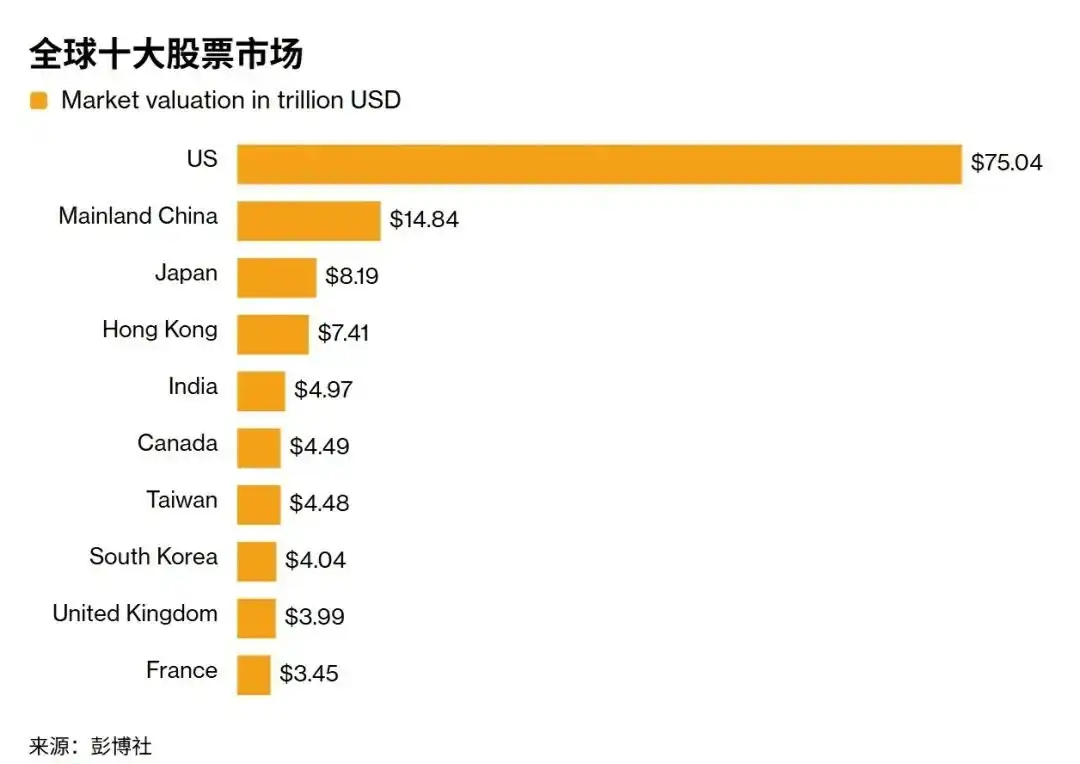
韩国股市超越英国

韩国股市暴涨的原因,在于两家世界级的半导体巨头:SK海力士和三星电子。

韩国KOSPI指数虽然有超过800只成分股,但40%以上的市值集中在三星电子和SK海力士这两家存储芯片巨头上。

因此,与其说韩国股市表现出色,不如说是这两家半导体巨头的股价表现强势。

截至目前,SK海力士今年股价已上涨97.54%,一年以来累计涨幅624.51%;三星电子今年涨幅为83.90%,一年以来累计涨幅297.3%。
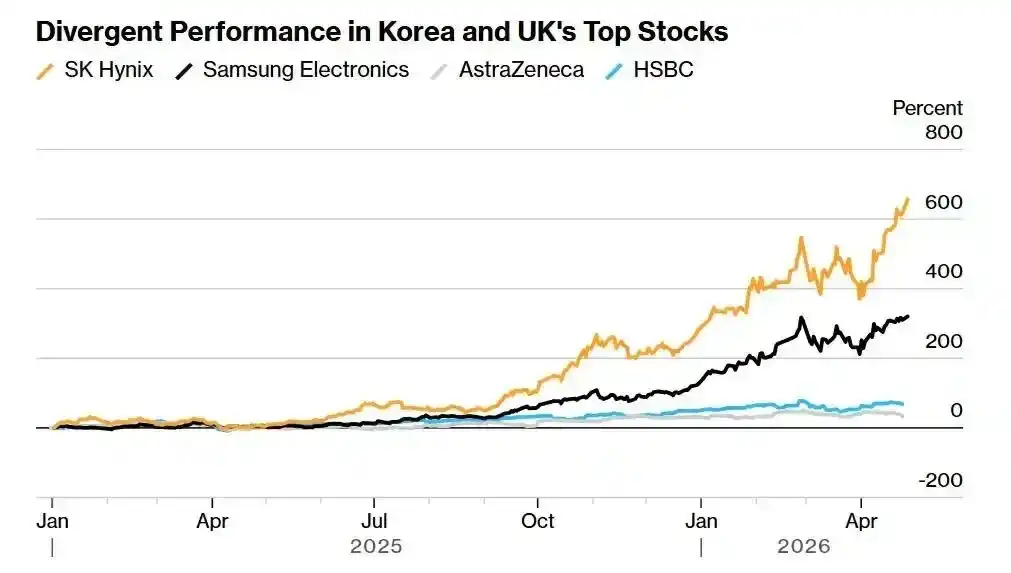
图源:新浪财经

AI行业的快速迭代是两巨头股价起飞的主要助推器。

当前,AI大模型的参数已经进入万亿级别,越庞大的参数,意味着需要越多性能强大的闪存芯片用于加载大模型,业内一般将其称为“HBM高带宽内存”。

同时,在AI推理场景下,大规模用户请求的上下文长度不断增长,对高吞吐、低延迟存储系统的需求远超过往,因而还需要更多性能强大的“NAND闪存”用来存储数据。

而韩国股市,同时踩中了这两大风口。

SK海力士是全球HBM(高带宽内存)的绝对领导者,截止2025年第二季度,SK海力士在HBM市场的份额高达62%。

再看三星电子,财报显示,三星电子已经启动面向英伟达的HBM4量产产品销售,下一代HBM产品也在研发之中,产能有望继续追赶SK海力士,市场份额或达到28%左右。

除此之外,三星电子还拥有储存业务。同样是由于AI行业的庞大需求,三星电子2026年一季度储存业务销售额环比增长翻倍,同比增长也高达292%,创下有史以来单季度销售记录。整体而言,公司一季度合并营收897亿美元,环比增长43%;营业利润388.3亿美元,同比暴增756%,创下历史新高。
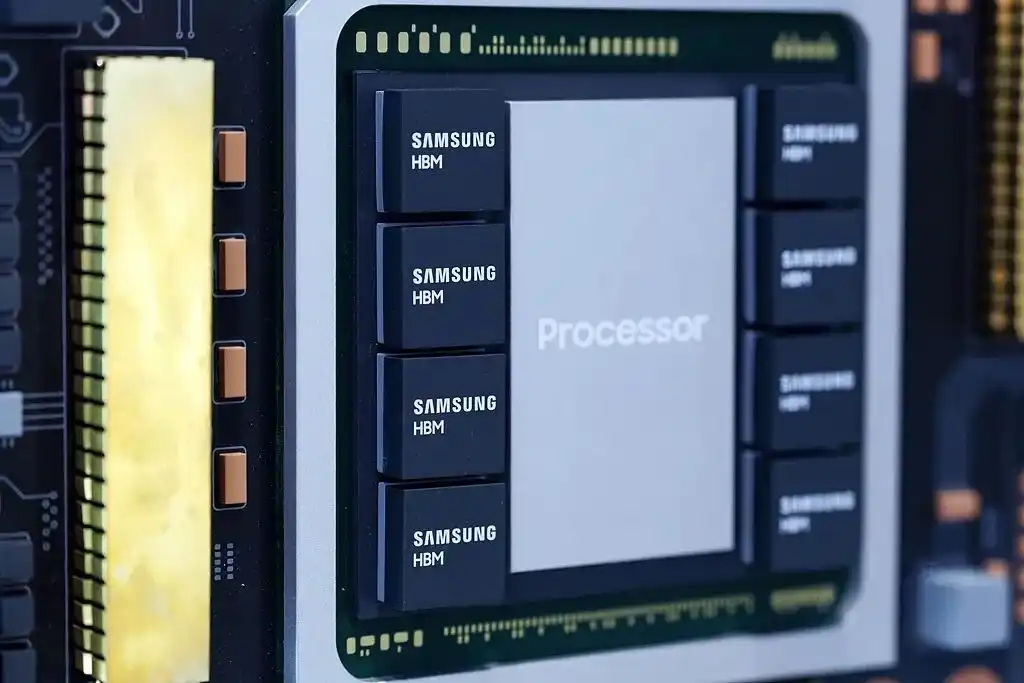
用于人工智能系统的高带宽存储芯片模型

当疯牛遇上疯狂的投资者

除了半导体厂商赚得盆满钵满,韩国资本市场的暴涨,也离不开韩国投资者的全情投入,给婴儿买半导体只不过是其中一个神操作。

在中国,投资者一般全仓“All in”已经算是比较偏激的投资风格,但是在韩国投资者,买股票,上杠杆才是投资常态。

之前韩国投资者喜欢投资包括英伟达、特斯拉等“美股巨头”,但现在,他们更愿意转向半导体基金,特别是那些带杠杆的ETF产品。
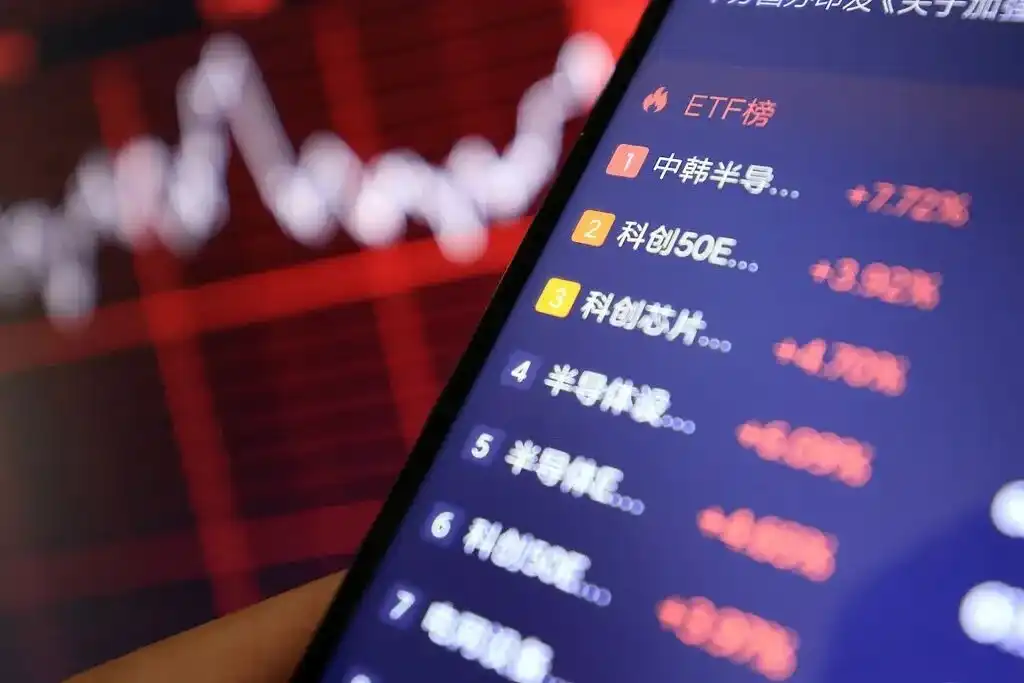
国内ETF榜

韩国证券存管机构4月6日的数据显示,3月中东战争爆发以后,追踪半导体指数、3倍杠杆率的ETF SOXL吸引了12.542亿美元的资金,位居净买入金额榜首;紧随其后的是3倍做多纳斯达克的Nasdaq 3x(TQQQ)和3倍做多韩国市场的3x(KORU)等杠杆型产品。

韩国国际金融中心的研究员申瑟薇在报告中指出:“韩国投资者以杠杆ETF等高风险资产为核心的激进投资趋势有所加剧,用于风险对冲的固定收益资产比例有所上升。”

除了杠杆炒股之外,韩国投资者还喜欢“借钱炒股”。

韩联社4月22日报道,韩国股市信用交易融资余额,也就是“投资者借钱炒股”的金额,首次突破34万亿韩元(230.84亿美元)。由于股市杠杆投资热情明显升温,韩国多家券商已紧急采取措施,上调保证金比例并暂停部分杠杆交易,试图抑制市场非理性扩张。

尽管政策层面不断降温,但韩国投资者借钱炒股的热情根本拦不住。就在券商采取措施的第二天,韩国信用交易融资余额续创新高,截至4月28日,信用交易余额已达到35.69万亿韩元(约242.31亿美元)。

在韩国投资者看来,现在正是史无前例的半导体超级大牛市,贷的越多,买的越多,赚得越多。

全球资本拥抱“HALO”

与韩国股市一样,借由AI东风,中国台湾的股市最近表现也不俗。

在韩国超过英国前,中国台湾的股市市值,就先超过英国,跻身全球第七大资本市场。

与韩国股市的双巨头相比,台湾股市由台积电挑大梁。

4月27日周一,台积电股价触及2330新台币大关,创下历史新高。截至5月1日,台积电今年涨幅32.21%,最近一年股价涨幅高达140.80%,市值约合1.75万亿美元,相较之下,台湾股市的总市值仅有4.47万亿美元。
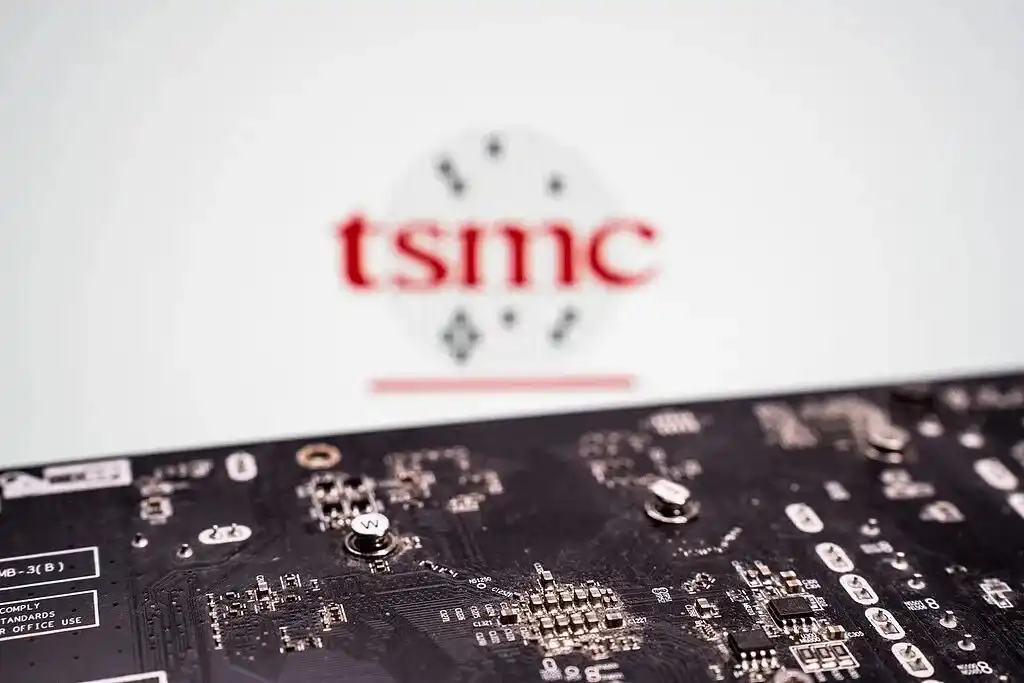
台积电制造的半导体芯片

台积电在2025年年报中强调:AI市场持续快速发展,尤其是大型语言模型(LLM)的兴起极大地推动了算力需求的增长。企业级AI和主权AI应用也在同步扩展,成为支撑半导体行业长期需求的重要动力。

当前,全球几乎所有AI计算的核心芯片,无论是GPU还是基于AI的专用芯片,都必须经由台积电的先进制程,才能实现物理存在。

而中国台湾和韩国的股市表现强势的背后,在于它们都踩中了当下最热的市场风口——“HALO资产”。

2026年2月份,高盛基于全球人工智能浪潮和地缘政治的不确定性,提出要寻找那些物理上难以替代、不会被AI技术轻易颠覆的硬资产,即“HALO”,其中典型的领域,是能源与公用事业、基础资源与材料、交通基础设施和高端制造设备。

而韩国和台湾股市,坐拥了既能代表“HALO资产”,同时又扮演AI浪潮下“卖铲人”角色的高端芯片制造产业。

并且,随着美伊冲突的爆发,“HALO”还成为了对冲全球系统性风险的工具——越来越多的资本试图规避过去以“美国中心化”的系统性风险,寻找更具有“稀缺性”的资产。

管理720亿美元资产的首鹰投资基金经理朱利安・阿尔贝蒂尼曾指出:“能源安全、国防、供应链韧性已成为各国战略自主的核心,这推动了全球资本从美国的‘金融资产’向非美地区的‘实物资产’进行大规模再平衡。”

简单来说,他认为美国主导全球、靠金融收割全世界的时代,就要结束了。现在全世界各个国家,最核心的生存目标,已经不是“跟着美国搞金融赚快钱”,而是三件关乎国家存亡的大事:能源安全、国防安全、供应链安全。

寻找“HALO”资产的风也刮到了A股市场。

中金公司研究部宏观分析师认为:“HALO交易”是全球资金在旧秩序松动后寻找新锚点的交易热潮,而中国资产成为安全资产,则是这一热潮在中国市场的具象化与深化。

中国银河证券首席策略分析师杨超认为:全球资本在高不确定性环境下对“确定性与稀缺性”的再定价,让中国资产被赋予“安全资产”属性。

值得一提的是,中国资产的“安全属性”更多源于宏观体系层面,定价基础在于经济体的产业完整性、政策空间与内需韧性,是对“系统稳定性与增长确定性”的重估。

结语

不过,无论是押注AI浪潮还是积极拥抱“HALO”,市场疯狂的背后,也有重量级人物保持了理性和清醒。

退居幕后的股神巴菲特,在前日伯克希尔股东大会间隙就对媒体坦言:“当前的投资环境并不理想”,真正的买入时机要等到市场恐慌至“无人接听电话”之时。

最新财报显示,伯克希尔一季度,手握创纪录的3970亿美元现金储备。

伯克希尔新掌门人阿贝尔也强调:“我们不会为了AI而AI,AI必须为业务创造实际价值。”

他再次强调了伯克希尔的五大基石:现金与国债安全垫,财务独立,灵活配置,税务高效,杜绝傲慢、官僚和自满。

或许有投资者认为,全球投资者都在拥抱“HALO”和AI,而巴菲特和他的追随者已经老了。

但投资大师霍华德·马克斯也曾说过一句至理名言“在乐观顶峰买入好资产往往意味着灾难。”

因此,在追捧“HALO”的路上,保持一丝冷静,也许才是这场所谓的稀缺性盛宴里,最稀有的品质。

Пов'язані матеріали

Elon Musk Building Terafab: The Largest Chip Factory for AI, Robots, and Space Data Centers

Elon Musk's SpaceX and Tesla have launched the Terafab project to build a massive semiconductor facility in Grimes County, Texas. The plant, exceeding 9.3 million square meters, aims to integrate logic chip manufacturing, memory production, advanced packaging, and testing. The initial phase requires $16.8 billion in capital investment, with a long-term goal of producing over 1 terawatt of computing power annually. This capacity will support Tesla's Optimus robots and Cybercab autonomous vehicles, as well as SpaceX's orbital data centers. Texas Governor Greg Abbott confirmed the project's start in August 2026, highlighting 3,000 new jobs and a $30 million state grant. Elon Musk emphasized the strategic advantage of combining logic, memory, and packaging under one roof. Musk called the future complex the "largest and most valuable building on Earth," with an area roughly 50 times that of the Pentagon. Intel is the key technology partner, with plans to use its 14A process node for chip production. This partnership aims to diversify supply chains currently dominated by TSMC. The project aligns with the U.S. Pax Silica initiative to secure semiconductor supply chains. An AI analysis notes the project's scale and potential challenges, comparing it to delays seen in other U.S. megafab projects like Intel's Ohio facility. It questions whether Terafab can avoid similar pitfalls related to timelines, budgets, workforce, and supply chain stability. The facility's success could significantly shift the global semiconductor balance and strengthen the U.S. position in the tech race.

cryptonews.ru18 хв тому

Elon Musk Building Terafab: The Largest Chip Factory for AI, Robots, and Space Data Centers

cryptonews.ru18 хв тому

Elon Musk is Building Terafab: The Largest Chip Plant for AI, Robots, and Space Data Centers

Elon Musk's SpaceX and Tesla have launched the massive Terafab project to build a semiconductor plant in Grimes County, Texas. Spanning over 9.3 million square meters, the facility will integrate logic chip and memory production, advanced packaging, and testing. The initial phase requires $16.8 billion in capital investment, with a long-term goal of producing over 1 terawatt of computing power annually. This output is intended to supply Tesla's Optimus robots and Cybercab autonomous vehicles, as well as SpaceX's orbital data centers. Texas Governor Greg Abbott confirmed the project's start on August 6, 2026, highlighting the creation of 3,000 jobs and a $30 million grant from the Texas Enterprise Fund. Musk emphasized the strategic advantage of combining chip design, memory production, and packaging under one roof to accelerate hardware development. He stated the fully built complex would be "the largest and most valuable building on Earth," about 50 times larger than the Pentagon. An estimated 25% of production is earmarked for Tesla's robotics, with 75% for SpaceX's space-based AI systems. Earlier tax documents suggested a total project cost of up to $119 billion, but this has not been officially confirmed. Intel is the key technology partner, with plans to use its 14A process node for chip manufacturing. This partnership aims to diversify supply chains and reduce dependence on dominant foundries like TSMC. The initiative aligns with the broader U.S. Pax Silica program, which seeks to build secure international semiconductor supply chains with allied nations. An AI-driven analysis notes that megafab projects, such as Intel's delayed Ohio facility, often face schedule and budget overruns. While Terafab represents a significant step toward U.S. semiconductor self-sufficiency and could shift the global tech balance, its success will depend on factors like skilled labor availability, energy supply, and supply chain stability. The final outcome may not be clear until the late 2030s.

cryptonews.ru33 хв тому

Elon Musk is Building Terafab: The Largest Chip Plant for AI, Robots, and Space Data Centers

cryptonews.ru33 хв тому

"AI God of Stocks" Blowup Dragged Down, Jane Street Suffered Massive 15 Billion Loss in July, First Monthly Loss in a Decade

Jane Street, a major proprietary trading firm, suffered an estimated $15 billion loss in July, marking its first monthly loss in about a decade. The loss was primarily triggered by the blow-up of the AI-focused hedge fund Situational Awareness, which faced massive margin calls amid a sharp sell-off in AI and semiconductor stocks in July. Jane Street, an investor in the fund, was significantly impacted. Compounding the loss were substantial declines in Jane Street's own Asian non-AI equity long positions, which had performed well earlier in the year. The firm described the losses as a concentrated reversal of previously successful trading strategies in AI and tech sectors. Despite the historic monthly loss, Jane Street's net trading income for the year to date remains strong at over $40 billion. In response, the firm stated it has become more selective in risk-taking, closing specific losing exposures and reducing risk in other strategies. Coinciding with the loss, Jane Street is undergoing a major debt refinancing of approximately $14.6 billion, led by JPMorgan. The move aims to shift more debt from public markets to private investors like Pimco and Fidelity, accepting higher costs for greater flexibility and less public disclosure. The Situational Awareness incident highlights systemic risks in the prime brokerage ecosystem, where leveraged bets on crowded AI trades can lead to forced liquidations and market volatility. Jane Street's subsequent risk reduction and debt restructuring are seen as key responses to this costly lesson.

marsbit38 хв тому

"AI God of Stocks" Blowup Dragged Down, Jane Street Suffered Massive 15 Billion Loss in July, First Monthly Loss in a Decade

marsbit38 хв тому

QCP Capital Analysts Explained Why Bitcoin Stalled at $63,000

QCP Capital's latest report explains that Bitcoin has stalled around $63,000, testing the lower boundary of its recent trading range ($62,500–$64,000). The retreat wasn't due to a single catalyst but stems from several cross-market pressures: heightened geopolitical risks, rising oil prices, uncertainty around global liquidity, and a muted reaction to positive U.S. macroeconomic data. While U.S. inflation and jobs data softened, reducing expectations of imminent Fed tightening, Bitcoin's price response has been subdued. This highlights the importance of other factors like trader positioning, liquidity conditions, and overall risk appetite. The regulatory landscape is progressing on two tracks: congressional legislation (like the CLARITY Act) is delayed, but SEC rulemaking continues. Corporate treasury activity, exemplified by Strategy's new Bitcoin monetization program, now creates a potential two-way flow, adding complexity to supply dynamics. Geopolitical tensions around the Strait of Hormuz keep oil prices elevated, impacting crypto indirectly through inflation expectations and financial conditions. Historical seasonality shows August and September are typically weak for Bitcoin, but this is descriptive, not predictive, in today's ETF-driven market. In conclusion, Bitcoin has shown resilience by absorbing multiple negative forces without a decisive breakdown. However, it has failed to convert improving macro fundamentals into sustained upward momentum. The market awaits key events like the U.S. PCE data, the Jackson Hole symposium, and the September FOMC meeting for a potential catalyst to break the current range.

cryptonews.ru1 год тому

QCP Capital Analysts Explained Why Bitcoin Stalled at $63,000

cryptonews.ru1 год тому

Торгівля

Спот
活动图片