Xiaomi to pre-install Sei crypto wallet on millions of phones in global rollout

cointelegraph2025-12-11 tarihinde yayınlandı2025-12-11 tarihinde güncellendi

Özet

Sei Labs, the developer behind the Sei blockchain, has partnered with Xiaomi to pre-install a crypto wallet and discovery app on all Xiaomi smartphones sold outside mainland China and the U.S. The app will allow users to sign in with Google or Xiaomi accounts and includes a secure MPC wallet, access to crypto applications, and support for P2P and merchant payments. The rollout will begin in Europe, Latin America, Southeast Asia, and Africa. A $5 million fund will support mobile blockchain projects. The companies also plan to enable stablecoin payments for Xiaomi products, including phones and EVs, starting in Hong Kong and the EU by mid-2026. This move follows similar efforts by Solana Mobile, which has launched two Web3 smartphones, and Samsung’s integration of crypto features via Coinbase.

Sei Labs, the core development group behind the Sei blockchain, has reached a distribution deal with Xiaomi to pre-install a new crypto wallet and discovery app on all Xiaomi smartphones sold outside mainland China and the United States.

According to Thursday’s announcement, the app will let users sign in with their existing Google or Xiaomi IDs and will feature a multiparty computation wallet for security, access to popular crypto applications, and support for both peer-to-peer and merchant payments.

The rollout will start in Europe, Latin America, Southeast Asia and Africa. Sei Labs is also creating a $5 million program aimed at funding mobile projects that bring blockchain features to consumer devices.

The companies plan to add stablecoin payments across Xiaomi’s retail and online channels, allowing customers to purchase devices, including phones and electric vehicles, using assets like USDC (USDC), which is supported by Sei. Early launches are targeted for Hong Kong and the EU by mid-2026, with broader expansion to follow.
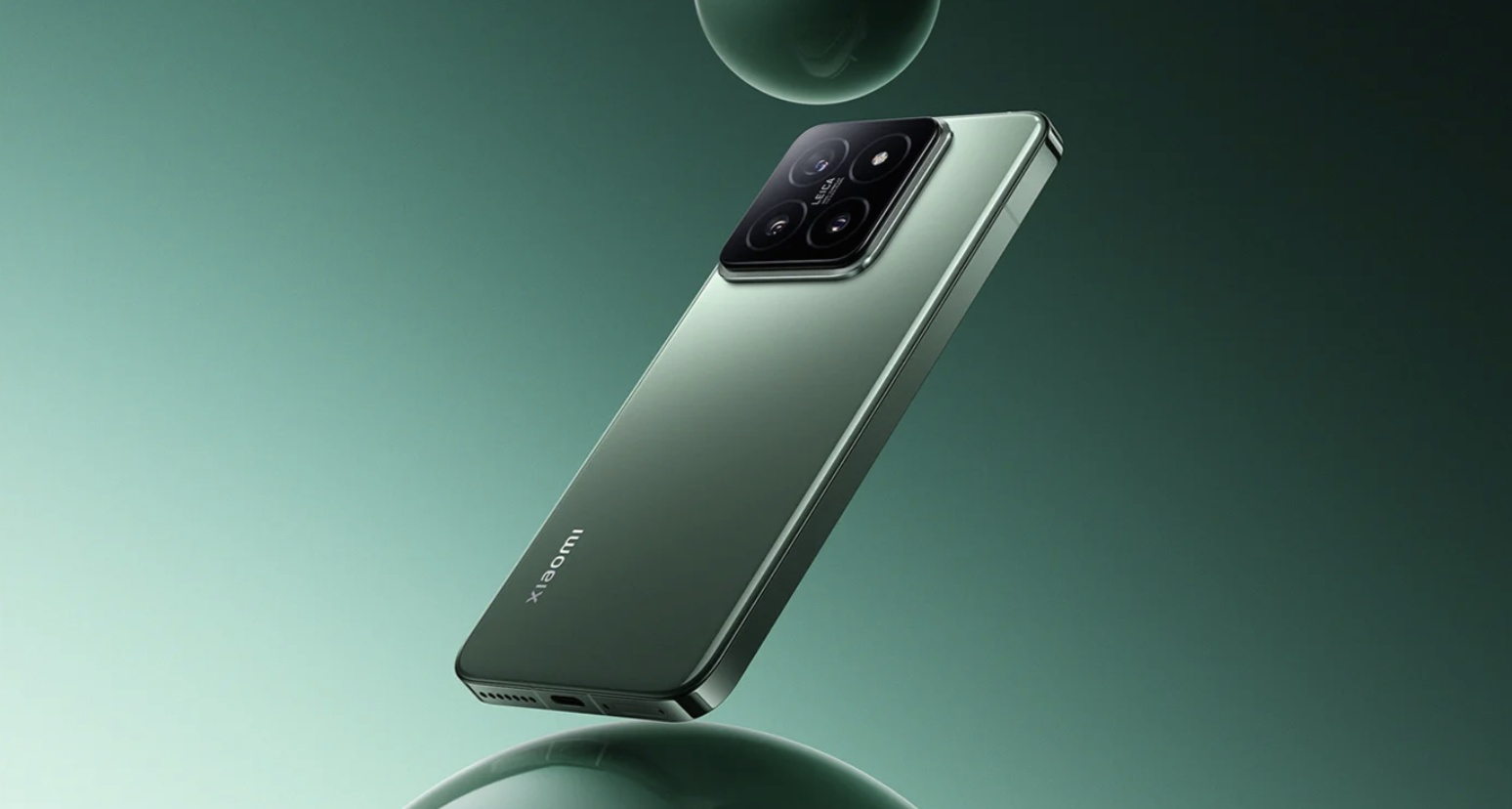
Xiaomi’s “Lens to Legend” smartphone. Source: Xiaomi

Sei, launched in 2023, is a high-speed layer-1 blockchain built for low-cost transactions. Xiaomi is a global electronics company that makes smartphones, smart-home devices, IoT hardware and electric vehicles. It was founded in 2010 and is based in Beijing.

Related: Chinese tech giants halt Hong Kong stablecoin plans amid Beijing concerns: FT

Solana’s push into smartphones

Sei Labs isn’t the first Web3 project to target smartphones as a gateway for mainstream crypto adoption.

The Solana Mobile, a subsidiary of Solana Labs, announced its first smartphone, the Saga, in June 2022 before beginning shipments the following year. In late 2023, sales surged when a BONK airdrop tied to each device briefly made the phone worth more in tokens than its retail price.

In August 2024, Solana began shipping its second-generation Seeker phone to users in over 50 countries after receiving more than 150,000 preorders. The device includes broad hardware upgrades, a built-in crypto wallet, a decentralized app store and an updated seed-vault system.
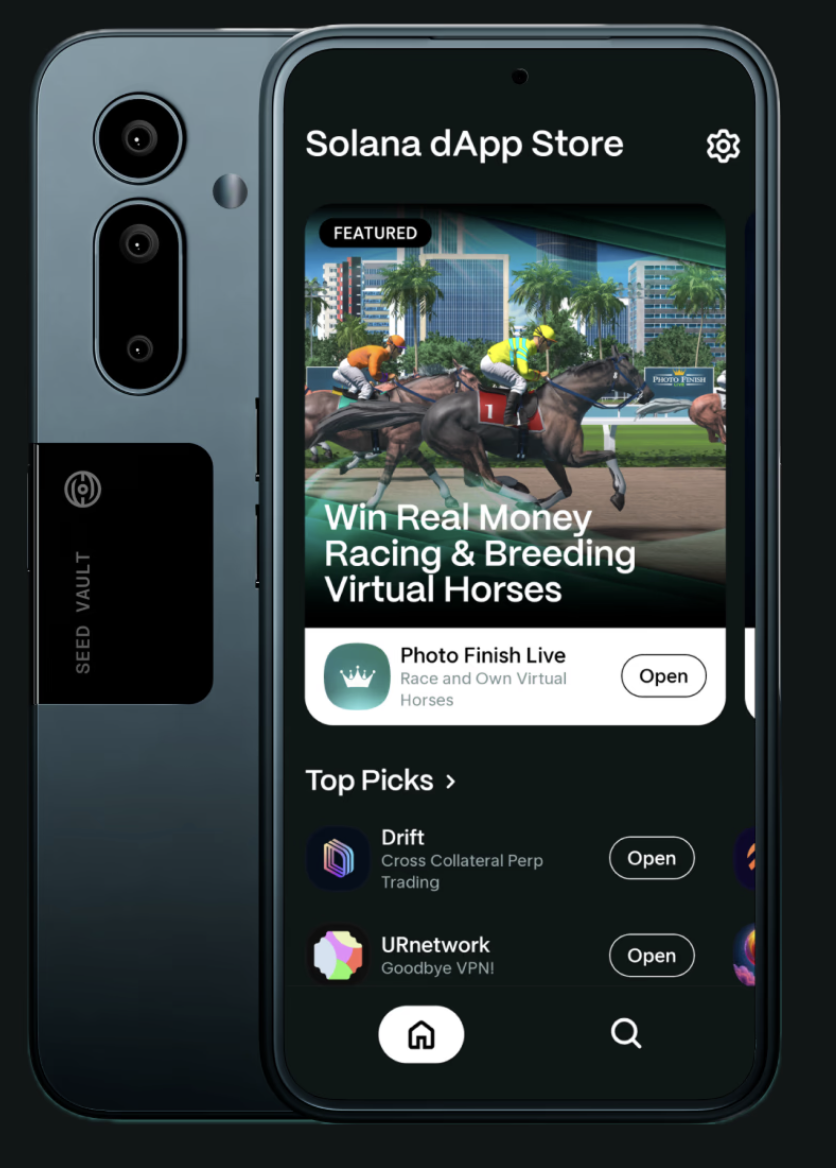
Source: Solana Mobile

On Dec. 3, Solana Mobile announced its plans to launch a native token, SKR, tied to its Seeker phone and broader mobile ecosystem in early 2026. The 10 billion-token supply will include large allocations for airdrops, growth incentives, liquidity and a community treasury, with portions also set aside for Solana Mobile and Solana Labs.

Samsung has also been expanding crypto features on its phones through a recent partnership with Coinbase. In October, the companies began allowing roughly 75 million US Galaxy users to buy crypto directly in Samsung Wallet, with plans to extend the integration to other markets.

Magazine: Meet the onchain crypto detectives fighting crime better than the cops


Trend Kriptolar

İlgili Okumalar

Bitcoin Withdrawals Continue: 8 Years of Storage in a Coldcard Cold Wallet Ended in Zero

Coldcard Hardware Wallet Hacked: Losses Mount Due to Vulnerable Seed Generation A critical vulnerability in Coldcard hardware wallets has led to a continued wave of fund thefts. According to Galaxy Research, the total stolen has reached 1,367.05 BTC (approx. $88.6 million) from 4,585 addresses, a significant increase from the initial 594.5 BTC reported on July 30, 2026. Most of the stolen funds remain on the attackers' addresses. The issue is not with the current firmware, which Coinkite has updated, but with seed phrases generated on vulnerable devices between March 2021 and the release of fixed firmware versions. Due to a programmer error, devices switched from using a hardware random number generator to the software-based Yasmarang generator, which was initialized with publicly accessible data like the chip's serial number. This made the seed phrases predictable through offline brute-force attacks, meaning wallets remain at risk until funds are moved to a new wallet generated with the patched firmware. Affected devices include Mk2/Mk3 with firmware 4.0.1–4.1.9 (and up to 5.0.3), Mk4/Mk5 up to version 5.6.0, and Q models up to 1.5.0Q. The only exceptions are seeds created with a high-entropy method like at least 50 independent dice rolls or a strong unique BIP-39 passphrase. All other owners must generate a new seed on the fixed firmware and transfer their assets. A case highlighting the human impact involves a 39-year-old long-term investor who lost 2 BTC (approx. $130,000) in minutes. He had accumulated the Bitcoin over eight years through physical labor, viewing it as a financial lifeline and a retirement plan in a country suffering from hyperinflation. His story underscores that even conservative "buy and hold in cold storage" strategies can be compromised by such underlying technical flaws. From a technical perspective, this incident echoes historical failures where weak random number generators undermined cryptographic security, challenging the assumption that offline storage is automatically foolproof.

cryptonews.ru5 saat önce

Bitcoin Withdrawals Continue: 8 Years of Storage in a Coldcard Cold Wallet Ended in Zero

cryptonews.ru5 saat önce

İşlemler

Spot

Popüler Makaleler

SEI Nasıl Satın Alınır

HTX.com’a hoş geldiniz! Sei Network (SEI) satın alma işlemlerini basit ve kullanışlı bir hâle getirdik. Adım adım açıkladığımız rehberimizi takip ederek kripto yolculuğunuza başlayın. 1. Adım: HTX Hesabınızı OluşturunHTX'te ücretsiz bir hesap açmak için e-posta adresinizi veya telefon numaranızı kullanın. Sorunsuzca kaydolun ve tüm özelliklerin kilidini açın. Hesabımı Aç2. Adım: Kripto Satın Al Bölümüne Gidin ve Ödeme Yönteminizi SeçinKredi/Banka Kartı: Visa veya Mastercard'ınızı kullanarak anında Sei Network (SEI) satın alın.Bakiye: Sorunsuz bir şekilde işlem yapmak için HTX hesap bakiyenizdeki fonları kullanın.Üçüncü Taraflar: Kullanımı kolaylaştırmak için Google Pay ve Apple Pay gibi popüler ödeme yöntemlerini ekledik.P2P: HTX'teki diğer kullanıcılarla doğrudan işlem yapın.Borsa Dışı (OTC): Yatırımcılar için kişiye özel hizmetler ve rekabetçi döviz kurları sunuyoruz.3. Adım: Sei Network (SEI) Varlıklarınızı SaklayınSei Network (SEI) satın aldıktan sonra HTX hesabınızda saklayın. Alternatif olarak, blok zinciri transferi yoluyla başka bir yere gönderebilir veya diğer kripto para birimlerini takas etmek için kullanabilirsiniz.4. Adım: Sei Network (SEI) Varlıklarınızla İşlem YapınHTX'in spot piyasasında Sei Network (SEI) ile kolayca işlemler yapın.Hesabınıza erişin, işlem çiftinizi seçin, işlemlerinizi gerçekleştirin ve gerçek zamanlı olarak izleyin. Hem yeni başlayanlar hem de deneyimli yatırımcılar için kullanıcı dostu bir deneyim sunuyoruz.

193 Toplam GörüntülenmeYayınlanma 2024.12.11Güncellenme 2026.06.02

SEI Nasıl Satın Alınır

Tartışmalar

HTX Topluluğuna hoş geldiniz. Burada, en son platform gelişmeleri hakkında bilgi sahibi olabilir ve profesyonel piyasa görüşlerine erişebilirsiniz. Kullanıcıların SEI (SEI) fiyatı hakkındaki görüşleri aşağıda sunulmaktadır.

活动图片













