Vietnam Sets Deadline for Pilot Crypto Exchange Licences by Mid-January

TheNewsCrypto2026-01-08 tarihinde yayınlandı2026-01-08 tarihinde güncellendi

Özet

Vietnam is advancing cautiously into the digital asset space by planning to license pilot cryptocurrency exchanges under a sandbox framework before January 15, 2026. This follows the enactment of the Law on Digital Technology Industry in effect since January 1, 2026. The government, led by Prime Minister Pham Minh Chinh, has set strict criteria for licensing, including a minimum capital requirement of approximately $400 million and at least 65% institutional ownership from qualified entities like banks or securities firms. These institutions must also demonstrate two consecutive profitable years and clean audits. Multi-agency oversight will be implemented to monitor operations, money flows, anti-money laundering risks, and cybercrime, ensuring a tightly controlled initial crypto environment. Only about five companies are expected to be licensed initially.

Vietnam has taken a cautious path towards incorporating digital assets into its financial system. As the Vietnamese government plans to license pilot crypto exchanges by mid-January, specifically before January 15, 2026, under a sandbox framework.

Previously, in June 2025, Vietnam announced the Law on Digital Technology Industry which took effect on January 1, and explicitly covers digital assets. Following this, Digital and cryptoassets have drawn growing interest from domestic and foreign investors.

Vietnam Sets Strict Framework

According to the Vietnam Investment Review, Prime Minister Pham Minh Chinh has ordered regulators to issue these licences, as this plan was part of a national finance-sector review meeting outlining important tasks for 2026.

With that, the launch of the sandbox-style regulatory system keeps the initial crypto market tightly controlled. As the government plans to be controlled under this framework, only around five companies will be licensed initially. The criteria for the sandbox are very strict.

Each is required to meet a minimum capital threshold of about $400 million and maintain at least 65% institutional ownership, with more than 35% contributions from two or more qualified institutions such as banks or securities firms. These institutions must also show two consecutive profitable years and clean audits.

In addition, Vietnam intends to implement multi-agency governance, with the Ministry of Finance supervising operations, the State Bank of Vietnam monitoring money flows and anti-money laundering risks, and the Ministry of Public Security addressing cybercrime, to ensure that the initial crypto market is closely tracked and under control.

Highlighted crypto news today:

Binance Launches USDT-Settled Gold and Silver TradFi Perpetual Contracts

TagsCrypto Exchange LicenesVietnam

İlgili Sorular

QWhat is the deadline set by Vietnam for issuing pilot crypto exchange licenses?

AThe deadline is mid-January, specifically before January 15, 2026.

QWhat is the minimum capital requirement for companies to be licensed under Vietnam's crypto exchange sandbox?

AThe minimum capital requirement is about $400 million.

QWhich government body in Vietnam will supervise the operations of licensed crypto exchanges?

AThe Ministry of Finance will supervise the operations.

QWhat are the ownership requirements for companies seeking a crypto exchange license in Vietnam?

ACompanies must maintain at least 65% institutional ownership, with over 35% contributions from two or more qualified institutions like banks or securities firms.

QWhich law in Vietnam, effective from January 1, explicitly covers digital assets?

AThe Law on Digital Technology Industry, announced in June 2025, explicitly covers digital assets.

İlgili Okumalar

Stocks of Companies in Bitcoin Mining and AI Infrastructure Soar, Short Sellers Face Losses

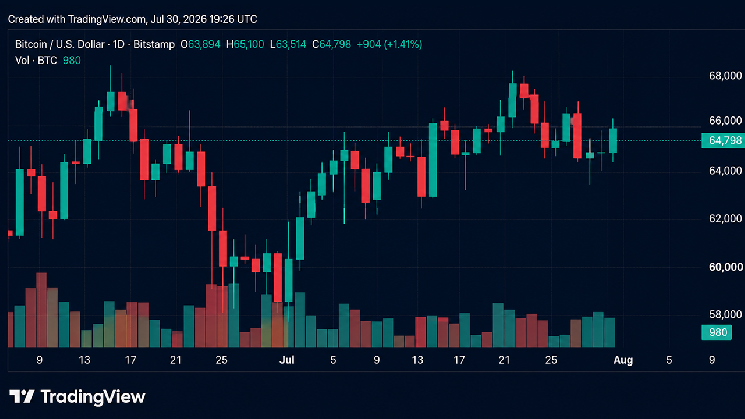
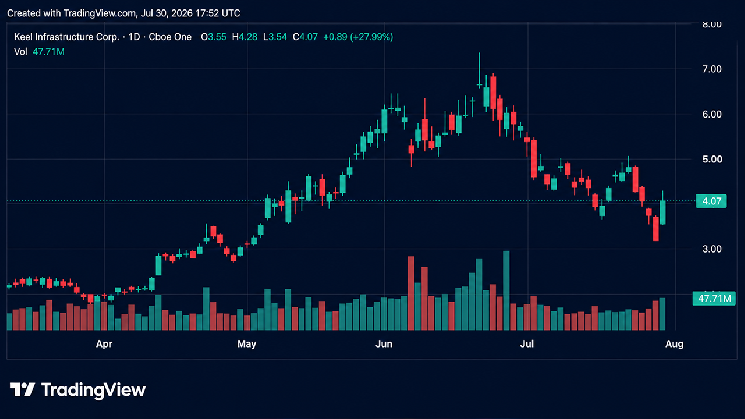
Shares of companies involved in Bitcoin mining and AI infrastructure surged, causing losses for short sellers. On Thursday, July 30, 2026, Keel Infrastructure (formerly Bitfarms) led the gains, rising 29.13%, followed by Nebius Group, Cipher Digital, and IREN Limited with jumps over 27%. Other notable gainers included Riot Platforms, Bitdeer, Core Scientific, Hut 8, and Cleanspark, with increases mostly ranging from 17% to 24%. The rally was attributed to a short squeeze triggered by a hedge fund's forced liquidation of its holdings, which were largely bought by Citadel. Additionally, Bitcoin trading above $64,000 and strong Microsoft earnings, highlighting AI's profitability, boosted market sentiment. Coreweave also announced a deal to provide AI cloud services for U.S. defense and intelligence agencies. This surge reflects a broader, longer-term trend of Bitcoin miners pivoting to AI data centers, leveraging their existing energy infrastructure and land. Recent multi-billion dollar deals by companies like Hut 8, IREN, and Terawulf for AI cloud services underscore this strategic shift. Other gainers, including Sandisk, Micron, Bloom Energy, and Cerebras, are suppliers critical to the AI infrastructure build-out. While the rally provided relief after July's losses, questions remain about capital expenditures, power availability, and long-term AI demand. The sustainability of these gains depends on these companies successfully converting their energy contracts and AI service deals into stable revenue streams.

cryptonews.ru8 dk önce

Stocks of Companies in Bitcoin Mining and AI Infrastructure Soar, Short Sellers Face Losses

cryptonews.ru8 dk önce

İşlemler

Spot
活动图片