US Media Reveals the Inside Story of Sora's Shutdown: Losing Millions Daily, User Base Halved, and Facing Talent Poaching from Competitors

marsbit2026-03-30 tarihinde yayınlandı2026-03-30 tarihinde güncellendi

Özet

OpenAI has abruptly shut down its Sora video-generation tool, a project once hailed as the next consumer AI frontier after ChatGPT. Initially launched with high expectations, including a major partnership with Disney, Sora allowed users to insert themselves into various video scenes. However, it quickly became a significant financial drain, reportedly losing about $1 million daily. Its user base peaked at roughly one million before halving, and it consumed excessive computational resources needed for OpenAI's core priorities, such as its upcoming "Spud" AI model and enterprise productivity tools. Facing stiff competition from rivals like Anthropic and a strategic shift towards AI agents and coding tools ahead of its IPO, OpenAI decided to reallocate resources. Key researchers behind Sora were also targeted in a Silicon Valley talent war, with Meta's CEO personally attempting to recruit them. The shutdown shocked Disney, which had planned to invest $1 billion and use Sora across its operations. The deal has now collapsed, and Disney is exploring other AI partnerships. OpenAI will focus its efforts on robotics and other long-term projects.

Earlier this month, when OpenAI CEO Sam Altman arrived in Los Angeles to attend Vanity Fair's post-Oscars party, his company was just weeks away from licensing the Sora video generation tool to major Hollywood studios.

Following the massive success of ChatGPT, Sora was hyped as the next consumer-facing AI frontier. This simple app allowed users to place themselves and their friends into various video scenes, whether dribbling like the Harlem Globetrotters or engaging in a lightsaber duel with the Star Wars character Darth Vader.

Then-Disney CEO Bob Iger was also optimistic about its prospects, agreeing to invest $1 billion in OpenAI and allowing characters from the studio's Marvel, Pixar Animation, and other properties to appear in Sora-generated videos. Equally important, amid widespread industry concerns about AI's threat to creative work, he lent the emerging technology the valuable seal of approval from Disney.

Computational Burden

However, OpenAI suddenly decided to shut down Sora.

Disney executives were shocked, many of them learning of the decision less than an hour before it was announced. What they didn't know was that Sora had quietly become a major burden for OpenAI in the months following its launch, especially as the startup was tightening its business focus ahead of its initial public offering (IPO).

At the time, OpenAI was just weeks away from completing a new AI model codenamed "Spud" and needed to free up more computational resources to support the coding tools and enterprise products running on that model. AI chips are the most precious resource for any top research lab, and at OpenAI, Sora was consuming too many of them.

Moreover, Sora was not yet profitable, and every user who "stitched" themselves into a WWII newsreel or a Hollywood chase scene was consuming finite computing resources.

Strategic Miscalculation

Today, Sora looks like a costly strategic miscalculation, and the key employees who led the project are at the center of the AI talent war sweeping Silicon Valley.

Altman described the decision to shut down Sora as a difficult but necessary sacrifice for the company to achieve its larger goals. In a memo to employees, he wrote that he was encouraged to see everyone willing to make "tough trade-offs" for the company's benefit.
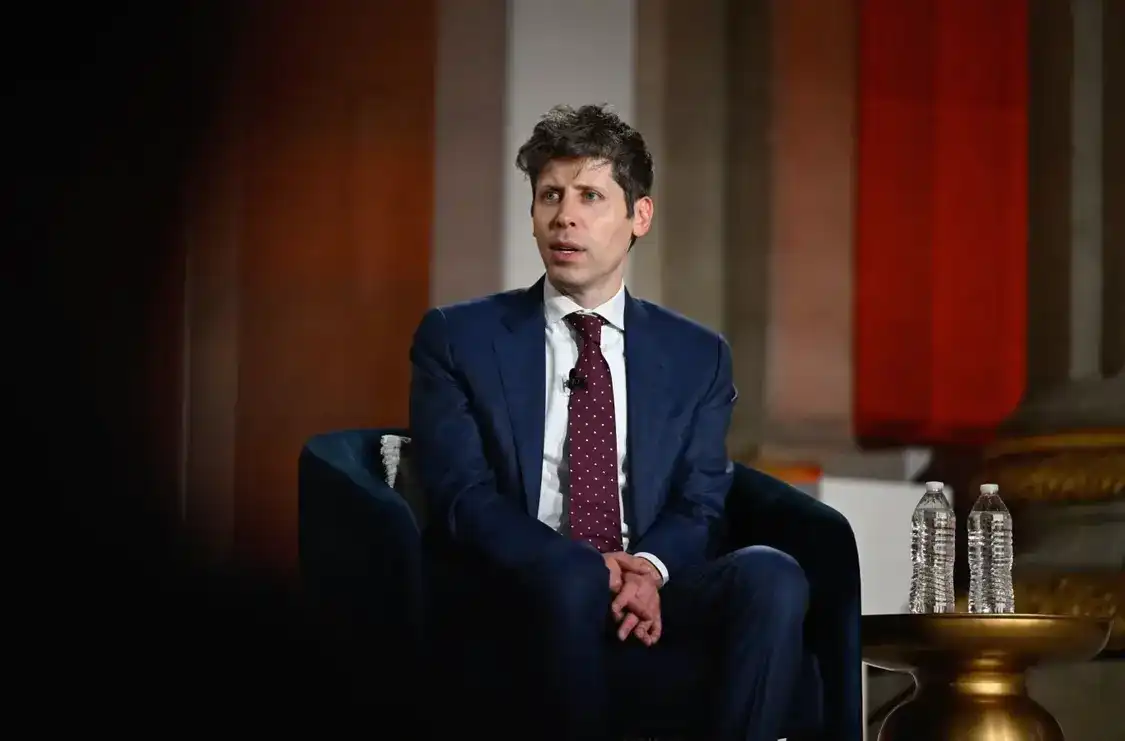
Altman

The decision marked a stunning conclusion to a project Altman had once pinned high hopes on. He had dreamed of using Sora to position OpenAI as the creative pioneer of the AI era and bring in substantial new revenue streams for the company.

Two years ago, OpenAI first showcased Sora to the world, presenting dreamlike landscapes generated by the technology, reminiscent of Hayao Miyazaki's fantasy worlds or the surrealist paintings of Salvador Dalí. When OpenAI launched the standalone Sora app for consumers last September, Altman compared it to the company's initial release of ChatGPT.

However, the app never became as popular as its developers envisioned. It was more akin to low-quality AI-generated content than an AI creative marvel. By the end of last year, its usage had plateaued.

Shortly after its launch, the global user base peaked at around 1 million but never reached that level again. According to data from AI research firm Similarweb, user numbers dropped below 500,000 in the following months.

A person familiar with the matter revealed that Sora was losing approximately $1 million per day. As OpenAI tightened its purse strings ahead of the IPO, company executives began scrutinizing Sora more strictly, and the results were not to their satisfaction.

At the time, OpenAI's research team was about to begin training a new model designed to power video generation features for ChatGPT. Unlike language models that learn from text, video models need to understand the entire dynamic world, making their creation significantly more expensive. After carefully calculating the required costs, OpenAI decided to cancel Sora.

OpenAI plans to shift its focus to a new type of "super app" it is building, which will integrate so-called AI agent tools capable of autonomously performing tasks for users, such as writing software, analyzing data, and booking travel. These productivity-focused products are gradually gaining widespread adoption in the labor market, and OpenAI currently lags behind competitor Anthropic in the race for this market, posing a threat to its leading position in the AI competition.

Altman told employees that the Sora team would next focus on longer-term strategic initiatives like robotics.

An OpenAI spokesperson said the company is rigorously prioritizing computational resources based on the areas that can deliver the greatest long-term economic value. She stated: "This careful focus on where we deploy compute allows us to achieve growth, accelerate innovation, and serve businesses and developers more efficiently."

Zuckerberg's Talent Poaching

Sora was the brainchild of Tim Brooks and Bill Peebles. The two researchers became close friends while pursuing their PhDs at UC Berkeley. They joined OpenAI in early 2023 with the goal of building models capable of simulating the physical world by generating high-quality video from text.

Sora was part of OpenAI's World Simulations team, led by Aditya Ramesh. This department operated independently from OpenAI's core research team, which builds the large language models powering ChatGPT.

Last spring, Meta CEO Mark Zuckerberg launched a full-scale talent war against OpenAI, personally contacting dozens of OpenAI's top researchers with lucrative compensation packages to lure them to his new AI lab. One of his targets was Peebles, who received an offer and briefly considered joining Meta.

According to people familiar with the matter, OpenAI managed to retain Peebles by giving him a raise. Shortly thereafter, his responsibilities on the Sora project expanded. Peebles oversaw the training of a new version of the video generation model and the development of the Sora consumer app.

Disney's AI Dream

Despite Sora's daily losses of $1 million, OpenAI had tried to find a viable path for it. Last December, it announced a multi-year agreement with Disney, securing licensing rights to use over 200 characters from the entertainment giant's film library. As part of the deal, Disney agreed to become a major customer of OpenAI and invest $1 billion in it.

Iger, in an interview with CNBC, said the deal gave Disney an opportunity to participate in the rapid development of AI and new forms of media entertainment. Altman said he hoped the collaboration would offer users a new way to engage in creative expression with AI.
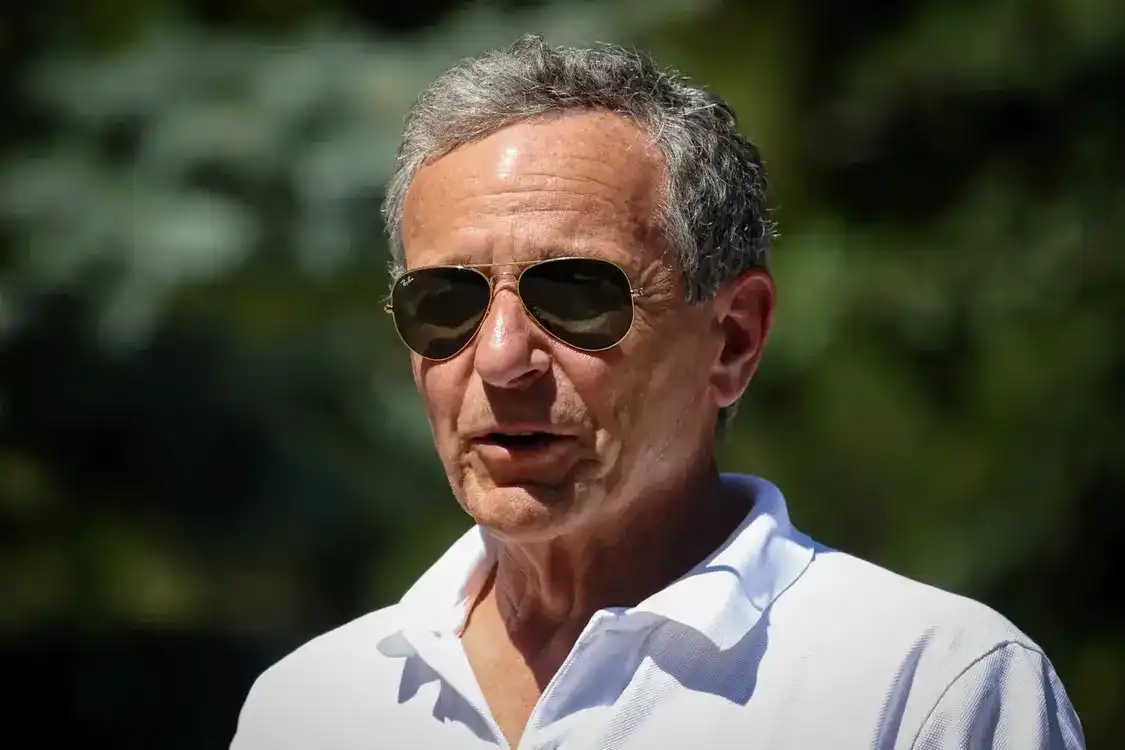
Then-Disney CEO Iger

For Disney, the deal demonstrated a viable business model for AI licensing around its intellectual property. Just a day before announcing the agreement with OpenAI, Disney had sent a cease-and-desist letter to Google, accusing the tech giant of "massive copyright infringement of Disney's works."

Cloud Service Solution

In February, Iger said on an earnings call that short videos generated by Sora would soon appear on the Disney+ streaming platform, which was preparing to launch a vertical video feed. According to people familiar with the matter, Disney was also in talks with OpenAI about using ChatGPT company-wide.

In recent weeks, OpenAI began piloting an enterprise version of Sora, allowing companies like Disney to use the tool with security guarantees. Disney had expected to roll out this tool as early as this spring. It would have allowed select Disney executives to use Sora for everything from marketing campaign design to special effects production, without OpenAI having access to their work.

However, OpenAI was already considering how to withdraw from the Sora project. The gap with competitor Anthropic widened further. Anthropic's recent technical progress reignited concerns that AI could replace traditional software and services, briefly causing a dip in software stocks. OpenAI realized it needed to devote more resources to building these so-called productivity tools and began deprioritizing certain areas.

After initially planning to continue offering video generation features through ChatGPT, the company ultimately decided to shut down Sora completely.

Disney's planned $1 billion investment in OpenAI ultimately did not materialize, and the relationship between the two is effectively stalled.

According to a person familiar with the matter, under new CEO Josh D'Amaro, Disney is actively discussing the application of other AI tools with more than a dozen partners.

Real-time Information Push

Disney said in a statement: "As the emerging AI field develops rapidly, we respect OpenAI's decision to exit the video generation business and realign its priorities. We appreciate the constructive collaboration between our teams and the lessons learned from it."

On Sora's X account, its team posted a message reminiscent of a digital obituary: "To everyone who ever created, shared, and built a community around Sora: thank you."


İlgili Sorular

QWhat were the main reasons behind OpenAI's decision to shut down Sora?

AOpenAI shut down Sora primarily due to its excessive consumption of limited and expensive AI computing resources (chips), its failure to become profitable (reportedly losing about $1 million daily), and a strategic shift in company priorities. The resources were needed for the upcoming 'Spud' AI model, coding tools, and enterprise products, especially as OpenAI focused on its IPO preparation and fell behind competitors like Anthropic in productivity-focused AI agent tools.

QHow did the user base of the Sora consumer app perform after its launch?

AThe Sora consumer app initially reached a peak of around 1 million users shortly after its launch. However, its user base subsequently declined and never reached that peak again, dropping to under 500,000 users in the following months, according to data from AI research firm Similarweb.

QWhat was the significance of the deal between OpenAI and Disney regarding Sora?

AThe deal was significant as it involved Disney investment of $1 billion in OpenAI and granted OpenAI a license to use over 200 characters from Disney's film library (including Marvel and Pixar) for Sora-generated videos. It was seen as a major endorsement from a creative industry leader and an attempt to establish a viable business model for AI-generated content. However, the investment ultimately did not materialize after Sora was shut down.

QWho were the key researchers behind the Sora project, and what external challenge did they face?

AThe Sora project was the brainchild of researchers Tim Brooks and Bill Peebles. A key external challenge was a talent war from Meta CEO Mark Zuckerberg, who personally contacted dozens of OpenAI's top researchers, including Peebles, offering lucrative compensation to join Meta's AI lab. OpenAI managed to retain Peebles by giving him a raise.

QWhat is OpenAI's new strategic focus after shutting down the Sora project?

AOpenAI is shifting its strategic focus towards developing a new 'super app' that integrates AI agent tools capable of autonomously performing tasks for users, such as writing code, analyzing data, and booking travel. The company is also prioritizing resources for its upcoming 'Spud' AI model and enterprise products, areas where it feels it is lagging behind competitors and which offer greater long-term economic value.

İlgili Okumalar

In Conversation with Ray Dalio: We Are Currently in an AI Bubble, with 1% of My Portfolio in Bitcoin

Ray Dalio, founder of Bridgewater Associates, warns in an interview that the current AI boom shows classic bubble characteristics, which could lead to significant economic downturns as seen in past cycles like 1929 or 2000. He explains that speculative enthusiasm, fueled by debt and overvaluation, often precedes a crash when rising rates or taxation force asset sales, causing widespread losses and recession. Dalio also outlines his "Big Cycle" theory, describing an approximate 80-year pattern where widening wealth gaps, massive government deficits, and shifting geopolitical power (like China's rise) create internal conflict and global instability. He emphasizes that we are in a late-cycle, transitional phase where traditional powers like the US and UK face decline. For personal wealth protection, Dalio advises diversification beyond cash into assets like stocks, bonds, real estate, and particularly gold, which he prefers over Bitcoin. While he holds about 1% of his portfolio in Bitcoin as a non-printable hard asset, he views gold as more secure from technological or governmental threats. Regarding AI's impact, Dalio believes it will disproportionately benefit capital owners, worsening inequality by replacing both physical and cognitive labor. He suggests that human intuition and emotional intelligence, combined with AI, will be key for future workers. On taxation, Dalio argues that wealth taxes are impractical and risk triggering asset sell-offs, reducing productive investment. He points to the UK as a cautionary example of debt, low productivity, and political strife. Geopolitically, Dalio foresees a more regionalized world, with the US showing weakness in prolonged conflicts like with Iran, akin to past imperial declines. The ideal outcome, he suggests, is coexisting powerful blocs (e.g., Americas, China-Asia Pacific) without major war.

marsbit1 saat önce

In Conversation with Ray Dalio: We Are Currently in an AI Bubble, with 1% of My Portfolio in Bitcoin

marsbit1 saat önce

Daily 7.2 Trillion KRW: Foreign Capital's Record Net Buying on Friday! Wall Street Says Headwinds for Korean Stock Fund Flows Have Subsided

South Korean stock market sees a dramatic shift in fund flows. On July 31, foreign investors made a record net purchase of approximately KRW 7.2 trillion in KOSPI stocks, marking a fundamental reversal from the persistent large-scale net outflows seen in previous months. This contributed to a significant narrowing of foreign net selling in July to KRW 9.8 trillion, down sharply from KRW 48.4 trillion in June and KRW 44.5 trillion in May. Simultaneously, domestic institutional pressure eased. South Korean pension funds and asset managers turned to a net buying position in July, purchasing KRW 1.0 trillion worth of KOSPI shares, contrasting with net sales in May and June. Market volatility is expected to be dampened by new financial regulations. Effective July 31, the Financial Services Commission tightened access for retail investors to single-stock leveraged ETFs by raising the minimum cash deposit requirement. Trading volumes for these products subsequently dropped to about 50% of their monthly average. Citigroup Research maintains its year-end KOSPI target of 10,000 points. The firm cites several supportive factors: the substantial easing of headwinds from capital outflows, a robust fundamental outlook for the semiconductor sector, historically low market valuations, strong economic fundamentals, and the potential for policy support from financial authorities if needed.

marsbit1 saat önce

Daily 7.2 Trillion KRW: Foreign Capital's Record Net Buying on Friday! Wall Street Says Headwinds for Korean Stock Fund Flows Have Subsided

marsbit1 saat önce

Thanks to Dice Rolls, Bitcoin Keys Are Stored Offline, But Not Everyone Will Do It

The article discusses using dice rolls to generate secure Bitcoin wallet seeds, providing entropy independent of potentially flawed hardware random number generators. It explains that each fair dice roll offers about 2.585 bits of entropy, with around 50 rolls needed for a standard 12-word seed phrase and 99+ recommended for higher security. This method gained attention after a vulnerability was revealed in some Coldcard hardware wallets, where a faulty firmware RNG (dating back to 2021) compromised generated keys. The analysis notes that while a dice-generated main seed was safe from this specific flaw, other Coldcard functions (like creating paper wallets, backup keys, or passwords) could still be vulnerable if they used the defective RNG. The piece argues that while dice-based entropy is technically robust, the manual process is error-prone, tedious, and unrealistic for most new users, who might make mistakes in recording or inputting rolls. It concludes that while manual entropy generation should remain an option for advanced users, the long-term goal is to develop reliable, user-friendly hardware and software that securely generates randomness without requiring specialized knowledge. Coldcard users are advised to check their firmware version and replace any secondary secrets (like paper wallet keys) created with vulnerable devices, while also considering multi-signature setups with devices from different manufacturers for added security.

cryptonews.ru6 saat önce

Thanks to Dice Rolls, Bitcoin Keys Are Stored Offline, But Not Everyone Will Do It

cryptonews.ru6 saat önce

İşlemler

Spot
活动图片




