U.S. Faces Scrutiny Over Bitcoin Sale Despite Strategic Reserve Order

TheNewsCrypto2026-01-06 tarihinde yayınlandı2026-01-06 tarihinde güncellendi

Özet

The U.S. government is under scrutiny for allegedly violating its own Executive Order 14233, which mandates that seized Bitcoin must be held in a Strategic Bitcoin Reserve and not sold. Despite this, the U.S. Marshals Service transferred approximately 57.55 BTC (worth $6.3 million) seized in a legal case involving Samourai Wallet to Coinbase Prime, effectively selling it. This action contradicts the order’s intent to treat Bitcoin similarly to gold reserves. U.S. Senator Cynthia Lummis has criticized the move, warning it could weaken the country’s strategic position as other nations accumulate Bitcoin. The incident raises concerns about inconsistent crypto policies and eroding trust in U.S. digital asset strategy.

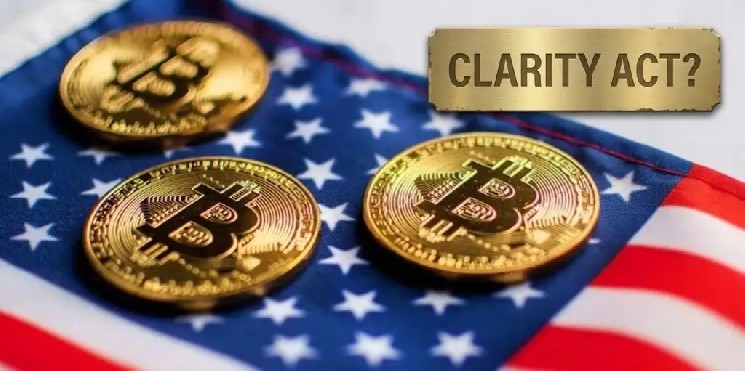
The controversy has been whether the U.S. government is breaking its own rule by selling Bitcoin that was supposed to be kept as part of the national Bitcoin reserve. They already passed Executive Order 14233 that if the government seized the Bitcoin, then it should not be sold.

In November 2025, The Developer of the Samourai Wallet was involved in a legal case, and as part of the Plea Deal with the U.S. Department of justice they agreed to surrender about 57.55 BTC worth $6.3 million. This seized Bitcoin was handled by the U.S. Marshals Service, which manages all the seized assets. Instead of holding the Bitcoin, the Blockchain data shows that the BTC was transferred to Coinbase Prime, which was a private exchange platform. Now the Wallet shows the Zero Balance. This clearly shows that Bitcoin has been sold.

What the Strategic Bitcoin Reserve Is and Why This Sale Raises Questions

As per the Executive Order of 14233 Any Bitcoin that was seized must be kept in the Strategic Bitcoin Reserves. The Order clearly states that the Government BTC shall not be sold. The Thai Order is passed to keep Bitcoin like the Gold Reserve, not for selling out quickly. The U.S. government has approximately 325,000 BTC in its Reserve, which is primarily accumulated from law enforcement seizures. As per the order, if the Bitcoin were sold, then it would violate this executive order.

Cynthia Lummis, a U.S. Senator and a strong Bitcoin supporter, has publicly criticized the situation. She said that the government should not sell Bitcoin when the President ordered agencies to preserve it. She also warns that the other countries are preserving Bitcoin, but the U.S. could be weakening its strategic positions.

This situation raised Serious Concerns that whether the Federal Agencies are ignoring the white house directives or the U.S. Crypto policies are inconsistent. These types of actions could decrease the trust in the U.S. Crypto Strategy and would put the U.S. behind other Countries in Digital Asset Competition. The lawmakers and the crypto community are closely watching until there is a clear explanation from the U.S. government.

Highlighted Crypto News:

‌Whale Wallet Bought HYPE, Made Profit on ETH; Bull Run Ahead?

TagsBitcoinbitcoin reserve

İlgili Sorular

QWhat is the main controversy surrounding the U.S. government's recent Bitcoin sale?

AThe controversy is whether the U.S. government is violating its own Executive Order 14233 by selling Bitcoin that was supposed to be held in the national Bitcoin reserve instead of being sold.

QHow much Bitcoin was seized from the Samourai Wallet developer and what was its value?

AApproximately 57.55 BTC was seized, worth $6.3 million at the time.

QWhich government agency handled the seized Bitcoin and where was it transferred?

AThe U.S. Marshals Service handled the seized Bitcoin and transferred it to Coinbase Prime, a private exchange platform.

QWhat does Executive Order 14233 specify about seized Bitcoin?

AExecutive Order 14233 states that any seized Bitcoin must be kept in the Strategic Bitcoin Reserves and shall not be sold, similar to how gold reserves are maintained.

QWho has publicly criticized the government's action and what was their concern?

AU.S. Senator Cynthia Lummis criticized the action, stating that the government should not sell Bitcoin when ordered to preserve it, and warned this could weaken the U.S. strategic position compared to other countries accumulating Bitcoin.

İlgili Okumalar

Following US Ban on Fable 5, Zhipu AI's Stock Soars 47%

On June 15th, shares of Zhipu AI surged dramatically on the Hong Kong stock market, peaking at a 47.6% gain before closing 32.82% higher. This sharp increase was directly triggered by two recent industry events. On June 12th, Anthropic announced it was suspending global access to its latest flagship models, Claude Fable 5 and Claude Mythos 5, to comply with a U.S. government export control order. The next day, Zhipu AI announced it would open access to its latest open-source flagship model, GLM-5.2, under the permissive MIT license. The Anthropic incident highlighted a critical issue beyond raw model capability: the risk of sudden, unpredictable loss of access to advanced AI models, especially for developers and enterprises deeply integrated with them. This has shifted industry and market focus toward factors like stability, sustainable access, and controllability. Zhipu's move, promoting "frontier intelligence for all," positions its openly available model as a reliable and accessible alternative. The GLM-5.2 model emphasizes "Long Horizon Task" capabilities with a 1M context window, targeting complex, multi-step coding and engineering workflows where maintaining context is crucial. Analysts note this event exposes the risk of dependency on closed-source models subject to single jurisdictional controls, potentially accelerating a shift toward domestic base models and localized deployments. The market's reaction signals a new valuation dimension in AI: providers who can offer stable, long-term, and sustainably accessible AI capabilities are gaining strategic importance.

marsbit11 dk önce

Following US Ban on Fable 5, Zhipu AI's Stock Soars 47%

marsbit11 dk önce

Fully Entering the AI Era: Alipay Bets on Conversation, WeChat Holds Fast to Social

In May 2026, Alipay announced over 300 million AI payment transactions. Shortly after, WeChat opened its mini-programs for AI integration, sparking controversy by requiring developer source code access. This highlights their diverging approaches to AI integration. Alipay is testing "Project Treasure," an optional AI-native interface replacing traditional app grids with a conversational window. Users can command complex tasks (e.g., "book a ride and order coffee") handled end-to-end by AI. This shift follows an abandoned standalone AI app, focusing instead on enhancing its existing user base. For unmodified mini-programs, Alipay's AI uses "screen-reading" to simulate user interactions, bypassing the need for developer overhaul. It also introduced "Token Pay" for micro-transactions and "AI Wallets" for autonomous agent spending. WeChat, prioritizing its core social function, is taking an embedded approach. Its AI agent will operate within existing contexts like group chats and official accounts, assisting without a separate interface. To enable this, WeChat offers developers two paths: granting source code access for direct AI control ("Automatic Mode") or manually encapsulating services into standardized "Skills." Both place significant burden on developers. Key differences emerge in handling legacy services: WeChat demands developer cooperation (code or labor), while Alipay's screen-reading offers immediate, if potentially less stable, compatibility. Alipay's 3 billion AI transactions demonstrate user acceptance of AI-driven commercial actions. The divergent strategies may reshape mini-program ecosystems—Alipay passively "AI-fying" services, WeChat potentially favoring resource-rich developers—and set competing technical standards. Ultimately, the competition centers on where users entrust the command to "help me get things done."

marsbit11 dk önce

Fully Entering the AI Era: Alipay Bets on Conversation, WeChat Holds Fast to Social

marsbit11 dk önce

İşlemler

Spot
Futures

Popüler Makaleler

ORDER Nasıl Satın Alınır

HTX.com’a hoş geldiniz! Orderly (ORDER) satın alma işlemlerini basit ve kullanışlı bir hâle getirdik. Adım adım açıkladığımız rehberimizi takip ederek kripto yolculuğunuza başlayın. 1. Adım: HTX Hesabınızı OluşturunHTX'te ücretsiz bir hesap açmak için e-posta adresinizi veya telefon numaranızı kullanın. Sorunsuzca kaydolun ve tüm özelliklerin kilidini açın. Hesabımı Aç2. Adım: Kripto Satın Al Bölümüne Gidin ve Ödeme Yönteminizi SeçinKredi/Banka Kartı: Visa veya Mastercard'ınızı kullanarak anında Orderly (ORDER) satın alın.Bakiye: Sorunsuz bir şekilde işlem yapmak için HTX hesap bakiyenizdeki fonları kullanın.Üçüncü Taraflar: Kullanımı kolaylaştırmak için Google Pay ve Apple Pay gibi popüler ödeme yöntemlerini ekledik.P2P: HTX'teki diğer kullanıcılarla doğrudan işlem yapın.Borsa Dışı (OTC): Yatırımcılar için kişiye özel hizmetler ve rekabetçi döviz kurları sunuyoruz.3. Adım: Orderly (ORDER) Varlıklarınızı SaklayınOrderly (ORDER) satın aldıktan sonra HTX hesabınızda saklayın. Alternatif olarak, blok zinciri transferi yoluyla başka bir yere gönderebilir veya diğer kripto para birimlerini takas etmek için kullanabilirsiniz.4. Adım: Orderly (ORDER) Varlıklarınızla İşlem YapınHTX'in spot piyasasında Orderly (ORDER) ile kolayca işlemler yapın.Hesabınıza erişin, işlem çiftinizi seçin, işlemlerinizi gerçekleştirin ve gerçek zamanlı olarak izleyin. Hem yeni başlayanlar hem de deneyimli yatırımcılar için kullanıcı dostu bir deneyim sunuyoruz.

326 Toplam GörüntülenmeYayınlanma 2024.12.10Güncellenme 2026.06.02

ORDER Nasıl Satın Alınır

Tartışmalar

HTX Topluluğuna hoş geldiniz. Burada, en son platform gelişmeleri hakkında bilgi sahibi olabilir ve profesyonel piyasa görüşlerine erişebilirsiniz. Kullanıcıların ORDER (ORDER) fiyatı hakkındaki görüşleri aşağıda sunulmaktadır.

活动图片