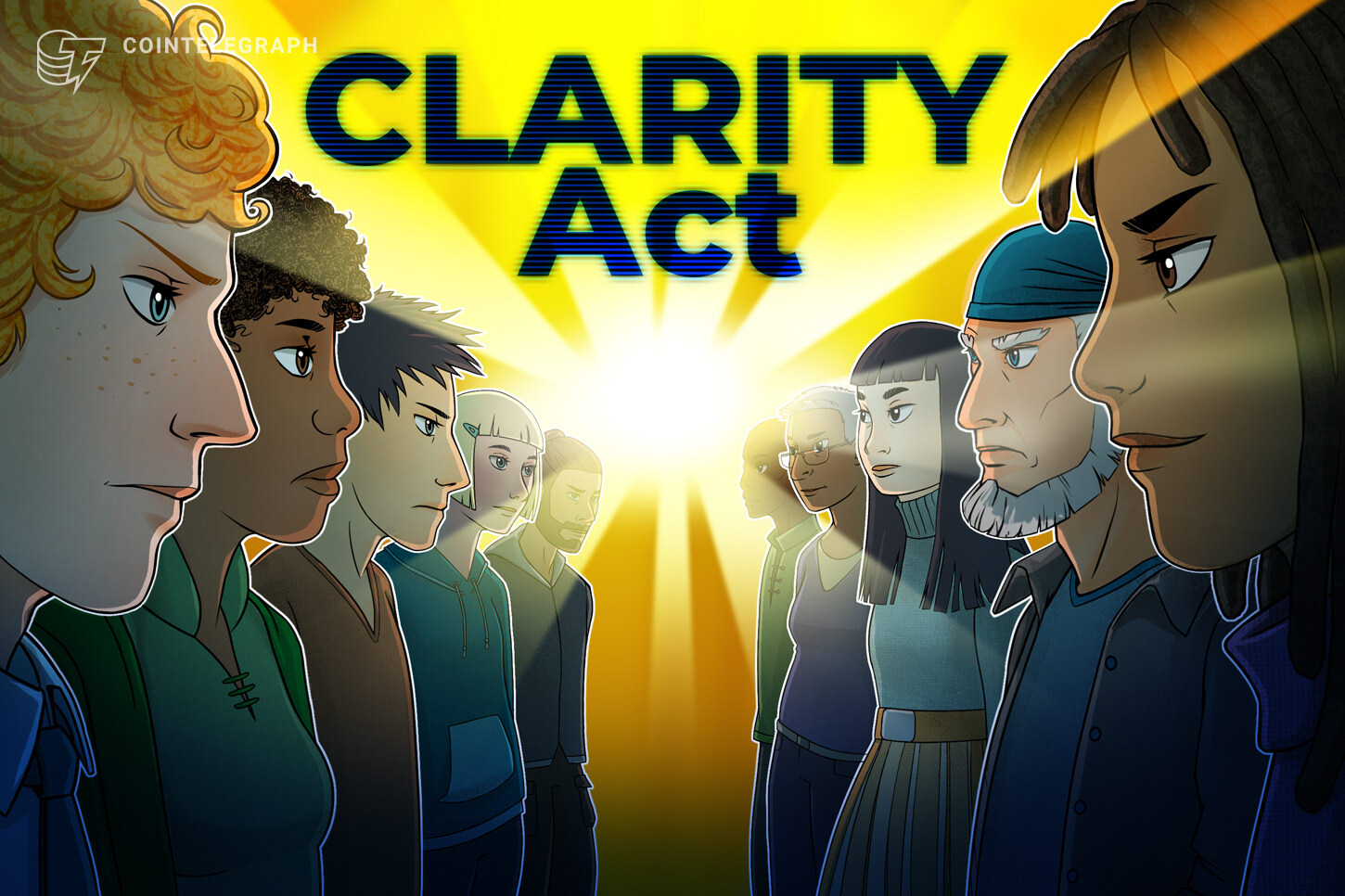
Thune Delays Vote on CLARITY Act to September Due to Senate Deadlock

cryptonews.ru2026-08-07 tarihinde yayınlandı2026-08-07 tarihinde güncellendi

Özet

U.S. Senate Majority Leader John Thune has delayed a critical cloture vote on the bipartisan "CLARITY Act" (The Crypto-Asset Reporting Transparency and Investor Yield Act) until September, citing an unresolved stalemate with Democrats. The postponement comes despite significant industry pressure for a vote this week before the August recess. Thune blamed Democrats for insisting on further negotiations, particularly concerning ethics provisions. A key sticking point is an amendment proposed by Senators Tillis and Gallego that would require the President and federal officials to divest from digital asset holdings exceeding $1 million or 10% of a company's value—a measure seen as directly targeting former President Trump's crypto ventures. Discussions also involve the role of state attorneys general and concerns over politically motivated enforcement. While Thune had aimed to complete work on the bill before the break, securing the necessary 60 votes for cloture appears unlikely. Some Republicans, including Senators Moran and Hawley, have also stated they will vote against the bill unless amendments addressing banking sector concerns are incorporated. The legislation will return to the Senate's agenda when it reconvenes in September.

The deadline to consider the "Digital Asset Market Transparency Act" passed before the parliamentary recess, and it has now been confirmed that the current work and potential vote to end debate on the bill have been postponed until September, despite influential industry representatives having pressured for it to happen this week.

Politico was the first to report that Majority Leader John Thune delayed consideration of the bill until after the August recess, placing the blame on Democrats who still have outstanding concerns about the legislation.

"Democrats insisted that there be no vote on CLARITY. We will bring this matter up first [when] we return in September," Thune was reportedly quoted as saying late Thursday. Senior Congressional correspondent Jordan Carney confirmed that the delay is indeed happening and that work on the bill will resume after the break.

Thune had previously stated that he anticipated a vote on the "CLARITY Act" the week before the recess, emphasizing that they would work to finish the bill. "We have a whole stack of work we need to finish, and we are just going to stay here until we get it done," he stressed on Tuesday.

Nevertheless, the bill's passage has been delayed due to a standoff between the White House and Democrats, who have failed to reach a compromise on a proposed ethics provision. According to the latest information, Senators Tom Tillis and Ruben Gallego proposed a provision that would require the President and other federal officials to divest any stake in a digital asset company worth more than $1 million if it constitutes more than 10% of the company's value, a measure clearly targeting Trump's cryptocurrency ventures.

The role of state Attorneys General has also become a topic of discussion, as there are concerns about potential future prosecutions fueled by political disagreements.

However, reports indicate that there is no consensus on achieving a positive outcome for the cloture vote: passing the bill will require at least 60 votes, and even some Republicans have stated they will vote "no." Senators Jerry Moran and Josh Hawley, both Republicans, have stated they will vote against the CLARITY Act unless it is amended to address the banking sector's concerns.


İlgili Sorular

QWhy was the vote on the CLARITY Act delayed until September?

AThe vote was delayed because Senate Majority Leader John Thune postponed it due to a lack of consensus among Democrats, who insisted the vote should not happen before the August recess.

QWho first reported the delay of the CLARITY Act vote?

AThe news outlet Politico was the first to report that Majority Leader John Thune had delayed the bill's consideration.

QWhat is a key point of contention causing the impasse on the CLARITY Act?

AA key point of contention is a proposed ethics provision that would require the President and other federal officials to divest holdings exceeding $1 million in digital asset companies, which is seen as targeting former President Trump's crypto ventures.

QHow many votes are needed to invoke cloture and advance the CLARITY Act, and why is success uncertain?

AAt least 60 votes are needed to invoke cloture. Success is uncertain because even some Republicans, like Senators Jerry Moran and Josh Hawley, have stated they will vote against it unless amendments addressing banking sector concerns are added.

QWhat specific concerns have Senators Moran and Hawley raised about the CLARITY Act?

ASenators Jerry Moran and Josh Hawley have concerns related to the banking sector. They have stated they will vote against the CLARITY Act unless it is amended to address these banking industry apprehensions.

İlgili Okumalar

İşlemler

Spot
活动图片