The World Cup is Approaching: Sports Entering the Era of 'Fragmented Finance'

Odaily星球日报2026-05-19 tarihinde yayınlandı2026-05-19 tarihinde güncellendi

Özet

With the approaching World Cup, sports are entering an era of "fragmented finance." This shift is exemplified by FIFA's new rule requiring debutant players to wear a special "World Cup debut patch." Post-tournament, these patches will be authenticated, cut, and embedded into collectible cards, potentially transforming into high-value assets. The global sports trading card market, valued at over $11.5 billion, represents a sophisticated alternative asset class with deep secondary markets and distinct bull/bear cycles. While football has a massive fanbase, its card market has historically lacked the liquidity and unified narrative of the NBA's system. The NBA's success stems from its centralized, star-driven storytelling—from draft nights to championships—which perfectly fuels financialization. The World Cup patch initiative is FIFA's attempt to create similar "financial raw material" for football. The NBA card market, evolving over 70 years, has matured into a financial ecosystem. After a 1990s crash due to overproduction, the industry rebounded by embracing scarcity: limited editions, autographs, game-worn memorabilia (patches), and serial numbering. Today, it features professional grading (e.g., PSA, BGS), auction platforms, live "break" streams, and dedicated marketplaces, mirroring aspects of cryptocurrency markets with their volatility, speculation, and community-driven trading. The core driver is narrative. A card's value is tied to a specific historic moment or playe...

Original | Odaily Planet Daily (@OdailyChina)

Author | Planet Xiao Hua
The World Cup is about to kick off. Beyond the prediction markets gearing up, another industry is quietly heating up.

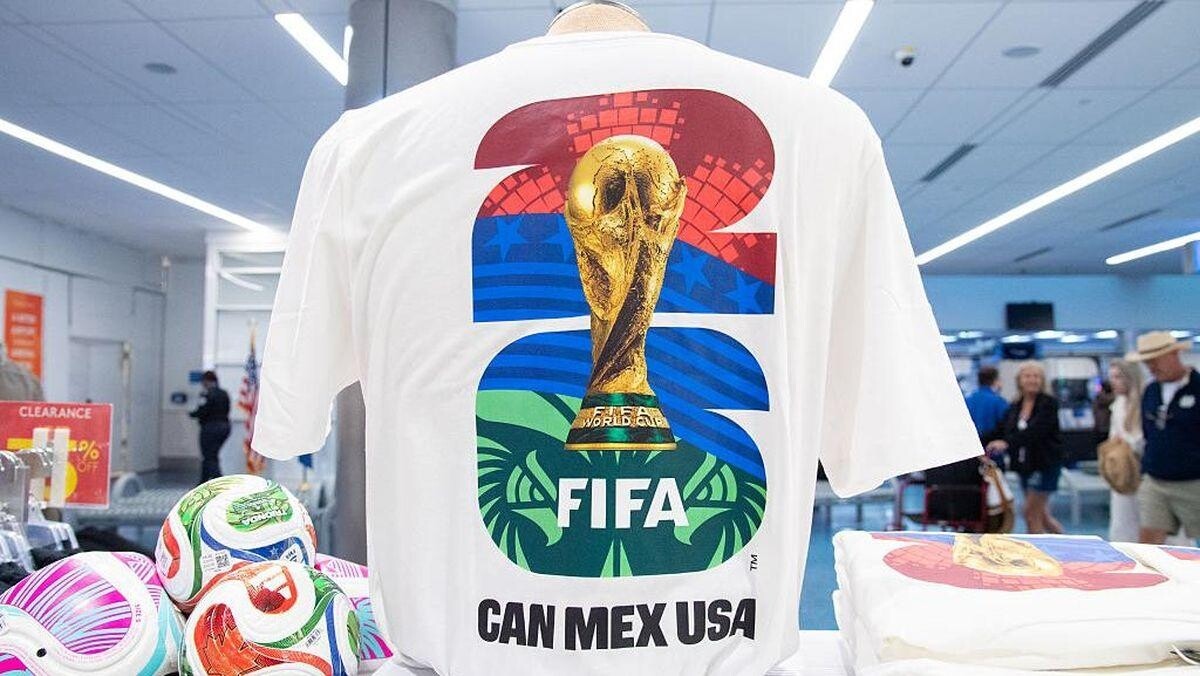
Recently, FIFA announced a new rule: all players making their first World Cup appearance must wear a 'World Cup debut patch' on their jerseys. This means that even globally famous superstars like Erling Haaland or Lamine Yamal, who have never set foot on a World Cup pitch before, must wear this special badge. Some national teams returning to the World Cup after many years may even have the entire squad wearing them.

This isn't just about adding a 'ceremonial touch' for World Cup rookies. Those familiar with the sports trading card industry know that this patch will be removed, authenticated, cut up after the tournament, and then embedded into trading cards. Ultimately, it might become a 1/1 debut autograph card, graded, auctioned, traded, potentially fetching a price in the future that exceeds that of a supercar.

Just this May, FIFA announced a long-term exclusive collectibles licensing deal with Fanatics. The future ecosystem of World Cup-related trading cards, stickers, and collectibles will officially enter the Fanatics/Topps era.

You might not collect trading cards, but it's worth noting that behind these small cards lies an alternative asset world exceeding $10 billion in scale, with a vast secondary market and long-term bull/bear cycles.

Simultaneously, the entire sports world is entering a new era of 'fragmented finance.'
Sports Leagues "Slicing History for Sale"

In the past, fans cared about 'a jersey witnessing a historic moment.' Now, what people might care about is 'how many pieces of history can this jersey be split into.'

After all, one jersey can belong to dozens of cards, hundreds of buyers, be resold countless times in the future, and even form a continuously rising or sharply fluctuating price curve.

A piece of fabric might travel from a player's chest to a card factory, into a blind box, then to a grading company, an auction house, and finally become an alternative asset in someone's investment portfolio.

Soccer trading cards aren't new. Since the 1970 World Cup, Panini has established the World Cup sticker and trading card system. Many fans' childhoods started with a World Cup sticker album.

However, it has never managed to build a mature, highly liquid 'sports financial asset system' like the NBA has.

Those unfamiliar might find it strange: soccer has the largest global fan base, and superstar commercial value is extremely high, yet soccer card prices, liquidity, and secondary market depth have long been unable to compare with the NBA.

The reason behind this is that the NBA is inherently more suited for 'assetization,' whereas soccer lacks a highly unified, continuous system of manufacturing emotion and scarcity like the NBA's commercial operation.

Basketball is a sport of high individual heroism, with superstars hitting game-winners, a standardized statistics system, unified league narratives, and an American industry exceptionally skilled at star-making. From draft night, debut, All-Star, MVP, playoffs to championship, every node can be packaged as an asset.

But the soccer world is too fragmented. National teams, leagues, clubs, Champions League, sponsors, and copyright systems are all compartmentalized, making it difficult to form the unified and continuous financial narrative of the NBA.

It's not hard to understand. The World Cup patch mentioned at the beginning is FIFA actively trying to manufacture 'financial raw materials' for future high-value trading cards.
The NBA Spent 70 Years Turning Paper into Financial Assets

Many in the crypto space may have learned about trading cards during the NFT boom, but the NBA trading card market has actually been trading for over 70 years.

In 1948, Bowman released the first batch of NBA player cards. In 1986, Fleer released that Michael Jordan rookie card which later transformed the entire industry. In the 1990s, with the Jordan era and NBA global expansion, the trading card market entered its first wave of mass frenzy. Back then, almost every mall, convenience store, and toy store in America sold cards.

But soon, the industry experienced its first major crash.

In the late '90s, numerous issuers went on a printing spree, production went unchecked, and the market entered a major bear market. This period was later even dubbed the "Junk Wax Era" by the collecting community.

What changed the industry was the 'scarcity revolution' post-2000.

In 2003, LeBron James entered the NBA. That same year, Upper Deck launched the Exquisite series, bringing concepts like autographs, jersey patches, limited numbering, and 1/1 cards into the high-end card market for good.

From then on, trading cards began to transform into alternative financial assets.

They began to have clear numbering, scarcity tiers, long-term price curves, grading systems, auction platforms, professional market makers, and a vast secondary market.

During the pandemic, grading companies like PSA and BGS rose, platforms like eBay, Goldin, and PWCC matured, 'breakers' started live-streaming box openings, and the entire industry gradually formed a complete ecosystem.

The scale of this market is far beyond imagination. According to 2025 data, the global sports trading card market has reached approximately $11.5 billion. Basketball cards remain the most profitable core category in the industry, while autograph and patch cards are the fastest-growing high-end assets.

Simultaneously, grading companies have even become de facto "platform businesses."

In 2025, Collectors, the parent company of PSA, completed the acquisition of Beckett (parent of BGS). The entire industry is moving towards higher financialization and consolidation.

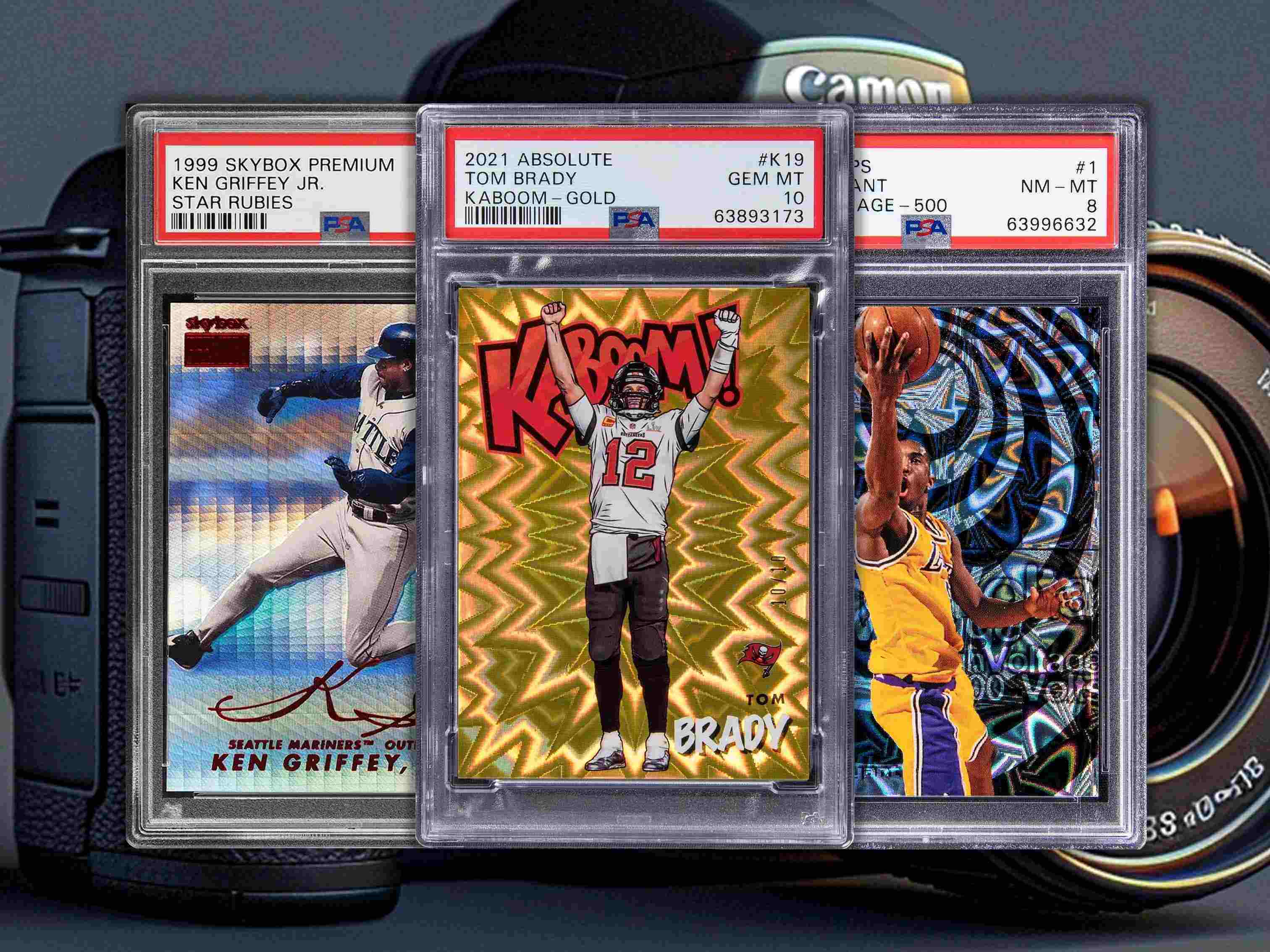
Over the past few years, grading companies have essentially become very close to the "asset issuance layer" in Crypto. PSA's annual revenue in 2024 already exceeded $300 million. In today's trading card world, whether a piece of paper goes from $500 to $5,000 often depends solely on whether it ultimately gets sealed inside a PSA plastic slab.
Furthermore, offline "exchanges" specifically centered around trading cards have emerged globally. CardsHQ in Atlanta, USA, is called the "world's largest trading card store" by many media outlets. It's not just about selling cards; it's a large-scale financial entertainment venue integrating live breaks, auctions, KOLs, communities, and trading.
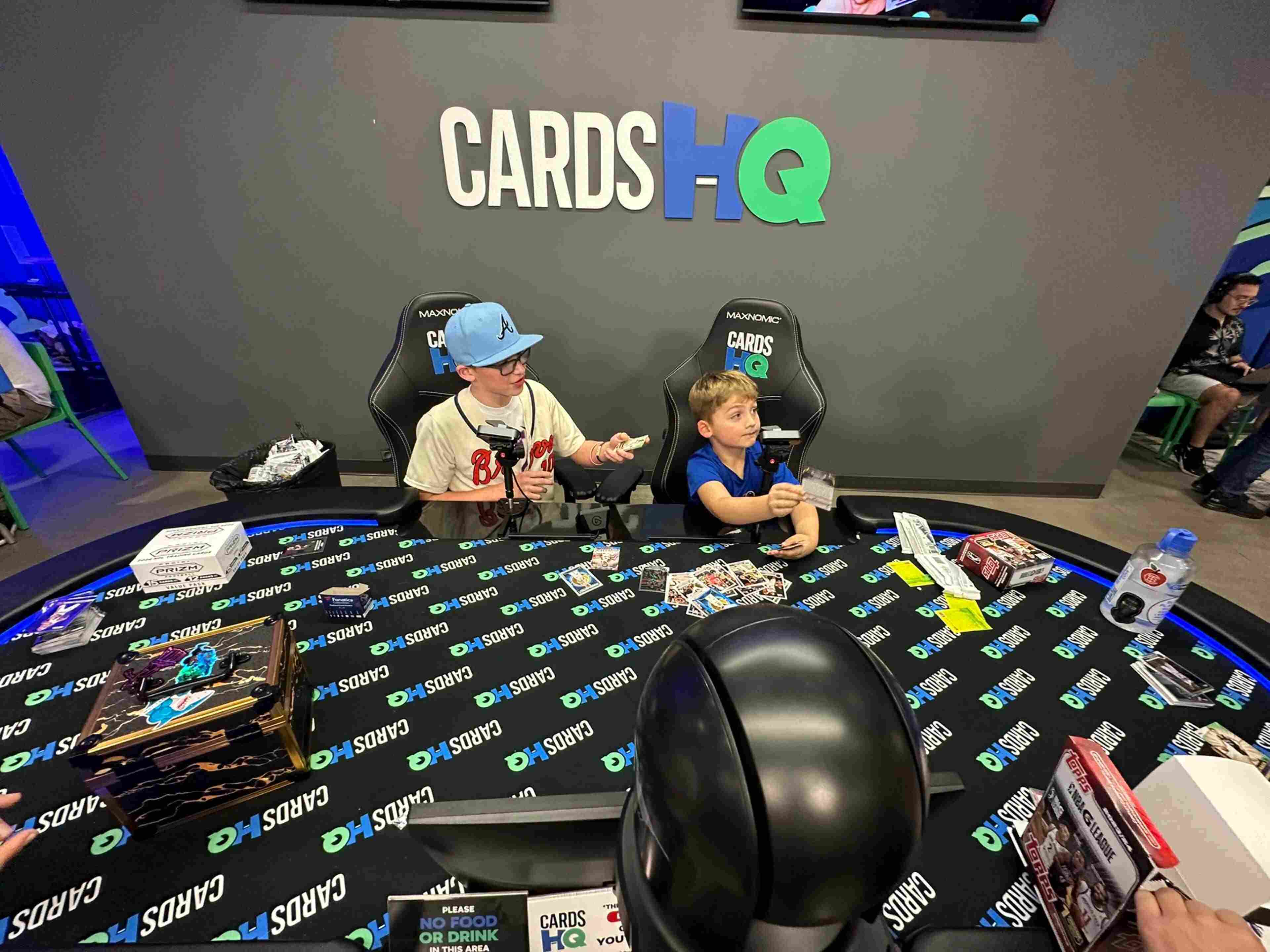
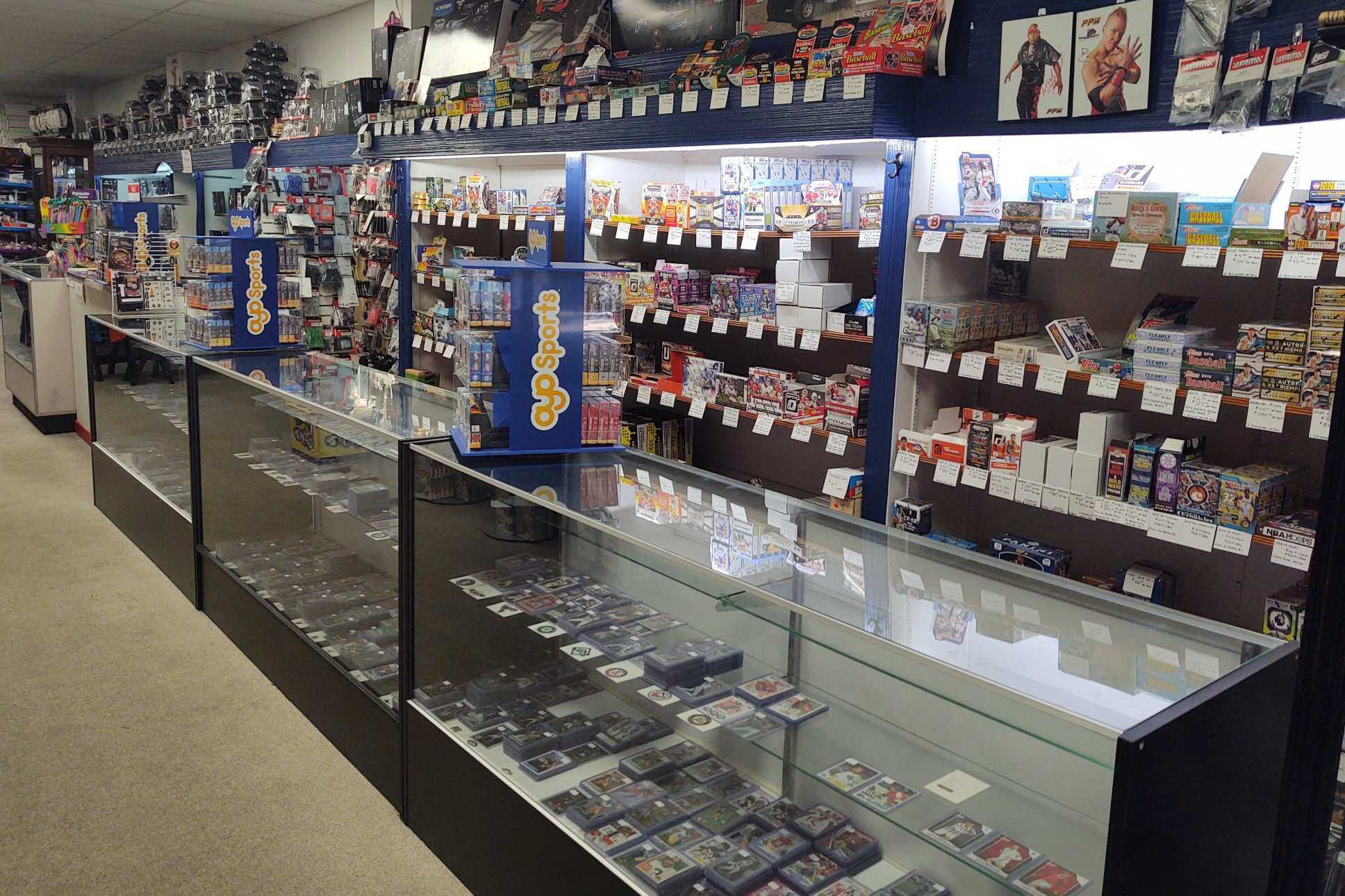
Today's NBA trading card market is actually very close to the Crypto world.

It has stood the test of time, has long-term bull/bear cycles, massive secondary liquidity, long-term holders ("diamond hands"), KOL shilling, and emotional trading betting on future GOATs.

Many trading card break communities are like meme communities: streamers driving hype, community shilling, betting on rookies, speculating on scarcity narratives, FOMO-driven box openings...

Collective Emotion Can Become an Asset

What gives this market sustained liquidity and makes it financeable, like any other asset, relies on "narrative."

Last June, a Stephen Curry 2024 Topps Now Paris Olympics 1/1 autograph card sold for $518,500 at Goldin Auctions.

This card is valuable because it's tied to a moment. In the 2024 Paris Olympics men's basketball final, Curry hit consecutive clutch three-pointers and made his classic "night-night" (you can go home to sleep) gesture towards France.

So, a card's price is deeply tied to the "narrative moment" hyped behind it. That shot, that game, that cheer, that "I witnessed history live" emotion.

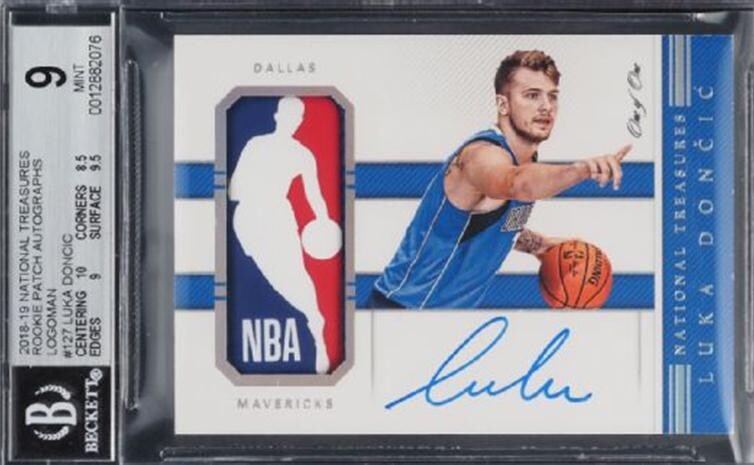
However, this price isn't outrageous in the top-tier trading card market. In 2021, Curry's Rookie Logoman Autograph 1/1 sold for $5.9 million.
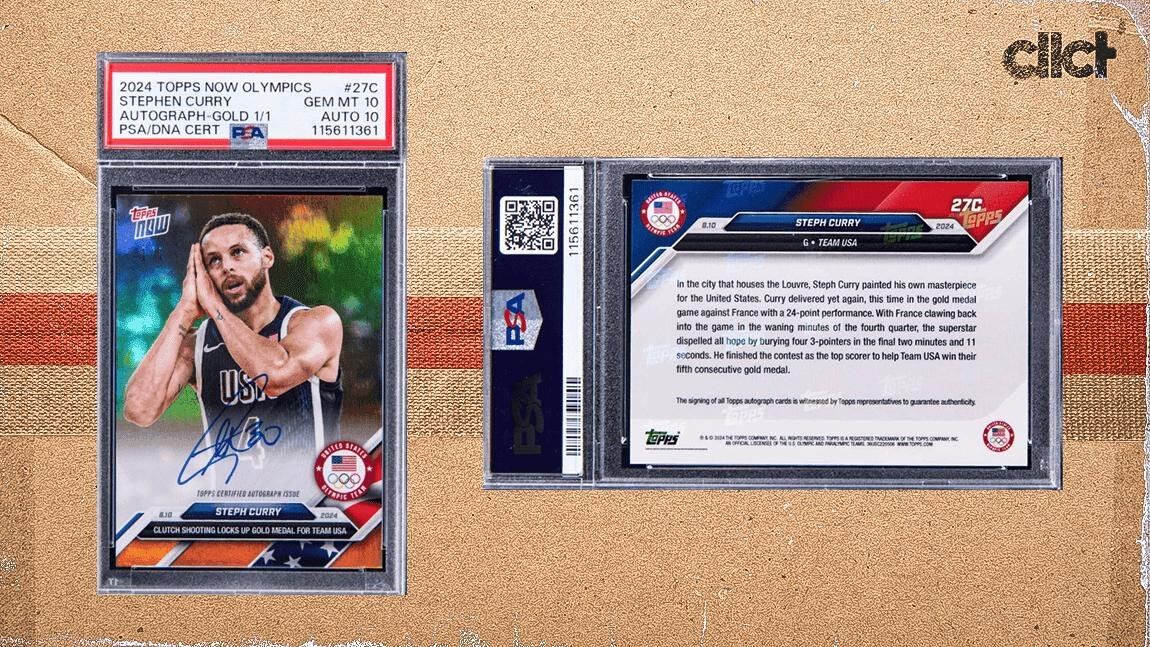
This is the most profound change in the sports collectibles market over the past few years. Price is no longer bound solely by absolute time or scarcity but is defined by different "story-driven hype."

This is essentially the same logic as the booming prediction markets. On Polymarket, we trade on whether Trump will be elected, whether Bitcoin will hit a new high, whether a movie will win an Oscar.

In the trading card market, they trade on whether Yamal will become the next soccer king, whether Haaland can win the World Cup, whether a certain rookie will become the future GOAT.

Prediction markets sell "outcome probability"; trading cards sell "ownership of history." At their core, both are about pricing collective emotion in advance.

What NFTs Couldn't Achieve

Crypto players burned by NFTs might find this chain of "emotion turning into assets" familiar.

But all NFT projects face the same unsolvable problem: a lack of the ability to continuously produce "new stories."

A small picture can be hot for a while after mint, but once the hype fades, project teams can only desperately manufacture: new roadmaps, new airdrops, new collaborations, new utility to barely maintain market consensus.

After infinite loops, they can only launch new projects until there are no buyers left.

But sports are different. Sports is the world's perpetual motion "emotion-generating machine."

It automatically updates its plot daily, and it never ends. Someone hits a game-winner, someone gets injured, someone seeks revenge, someone retires, someone becomes an overnight legend, someone rises from the bench to stardom.

Its narratives aren't fabricated by project teams; they are continuously happening in the real world.

I've always enjoyed watching UFC. Dana White has been one of the sports operators who best understands "attention finance" over the past decade.

UFC isn't selling tickets to a fighting match; it's selling rivalries, trash-talking feuds, revenge plots, underdog stories, dynasty collapses — constantly brewing emotions and dramatic stories.

People won't pay for "technical stats," but they will always pay for "narratives."

In fact, the NBA has been the same in recent years.

On one hand, old fans constantly complain about the league's "entertainment-ization" — referee controversies, superstar team-ups, drama, league hype, an increasing sense of scripting. But on the other hand, the undeniable fact is that the NBA's reach among young people and its commercial value are stronger than ever.

The Financialization of Sports Leagues

Today's sports consumption, and indeed the entire entertainment industry's consumption logic, has changed.

Many young people might not watch full games, but they watch trash talk, memes, short video clips, athlete personas, social media drama, post-game interviews.

Sports are increasingly becoming a never-ending, large-scale reality show IP. And trading cards have become the most direct financialization outlet for these emotions.

During the NFT bull market, project teams also loudly proclaimed that Web3 would redefine sports collectibles. But looking back now, it's the traditional sports leagues that have actually completed "assetization" first. Because they possess what Web3 lacks: real people, real games, real collective emotional consensus.

In today's era of universal financialization, sports is not just a perpetual motion machine manufacturing "future history," but is also becoming a platform for issuing financial assets.


Trend Kriptolar

İlgili Sorular

QAccording to the article, what is the purpose of FIFA's 'debut patch' for first-time World Cup players?

AThe purpose of the 'debut patch' is to create a physical artifact that can be removed, authenticated, cut, and embedded into trading cards after the match, potentially turning into a highly valuable 1/1 debut autograph card, thus providing 'financial raw materials' for the high-end collectibles market.

QHow did the NBA trading card market transform from a 'junk wax era' into a financialized asset class?

AThe transformation occurred post-2000 with a 'scarcity revolution.' The introduction of concepts like player autographs, game-worn patch pieces, limited serial numbering (e.g., 1/1 cards), and professional grading systems (like PSA and BGS) turned cards into alternative financial assets with clear scarcity, price curves, and a mature secondary market ecosystem of auction platforms and dealers.

QWhat key factor does the article identify as driving the value and liquidity of modern sports trading cards?

AThe article identifies 'narrative' as the key factor. Card prices are deeply tied to the 'narrative moment' they represent—a historic game, a iconic celebration, or the potential future greatness of a player. It is the monetization of collective emotional investment and the stories generated by the perpetual drama of sports.

QWhy does the article argue that traditional sports leagues have succeeded in assetizing collectibles where many NFT projects have struggled?

ATraditional sports leagues possess a perpetual, real-world 'emotion production machine.' They generate a continuous, authentic supply of new stories, dramas, and narratives through actual games and athlete careers. Unlike NFT projects that must artificially create new hype cycles, sports provide an endless, self-sustaining source of consensus and emotional engagement for the underlying assets.

QWhat broader trend in sports and entertainment consumption does the article describe in its conclusion?

AThe article describes a shift where sports consumption is becoming more fragmented and narrative-driven. Younger audiences may not watch full games but engage with highlights, memes, social media drama, and athlete personas. Sports are evolving into a continuous reality show IP, and collectibles like trading cards serve as the direct financialization outlet for these engaged emotions.

İlgili Okumalar

After Three Consecutive Quarters of Decline, Can the Crypto Market Find a Window for Stabilization in Q3?

The cryptocurrency market has just concluded its worst-performing quarter since 2022, with total capitalization dropping 12.6% to $2.1 trillion. All core metrics indicate capital is leaving the sector, not just rotating within it. Bitcoin fell 14.2% and Ethereum dropped 25.4% in Q2, breaking their previous correlation with US tech stocks. A key driver is the reversal in US spot Bitcoin ETF flows, which saw a net outflow of approximately $4.67 billion in Q2, including a record monthly outflow near $4.5 billion in June. While recent data suggests long-term holders are accumulating again, sustained ETF outflows mean continued selling pressure. Market focus is now singularly on the Federal Reserve. The upcoming July FOMC meeting is seen as the most critical event for Q3. A dovish signal could support Bitcoin reclaiming a $68,000-$84,000 range, while a hawkish stance might establish a new trading band around $50,000-$56,000. Additionally, regulatory uncertainty persists, with the progress of the crucial *CLARITY Act* stalling in the Senate, reducing its perceived 2026 passage probability to 40-45%. Despite the broad downturn, a few sectors showed growth. Prediction markets saw nominal volume surge 48.7% year-over-year to $113.8 billion, and tokenized collectibles transaction volume rose 143% quarterly to $1.4 billion. The Real-World Asset (RWA) tokenization sector also continued steady growth, now representing ~$28.1 billion in on-chain value. The market's foundation for an extreme crash appears limited, with Bitcoin price hovering near its 200-week moving average. However, the trading paradigm has shifted from narrative-driven speculation to decisions based on price action, policy developments, and interest rate expectations, making a broad sentiment-driven rally unlikely in the near term.

marsbit17 saat önce

After Three Consecutive Quarters of Decline, Can the Crypto Market Find a Window for Stabilization in Q3?

marsbit17 saat önce

BIT Trading Moment: BTC Still Suppressed by Weekly 200 EMA, Rejection May Restart Decline; Storage and Semiconductors that Surged Last Night Begin Falling in Evening Trading

**Crypto & Stock Market Wrap: Bitcoin Tests Resistance, Stocks Retreat After AI Surge** Bitcoin consolidates around $66,000, facing key resistance near $68,000—an area seen as a major psychological and technical hurdle where previous rallies have failed. Analysts note the cryptocurrency is caught between its 200-week moving average (~$63,333) and 200-week EMA (~$68,328). A clear break above $68k is needed to signal a stronger bullish trend, while a rejection could lead to a retest of $63k support. Market sentiment remains cautious, with low futures open interest pointing to a low-liquidity rebound rather than a full bull market. Bitcoin spot ETFs saw another $203 million inflow. US stock futures pointed lower after a strong Tuesday session led by a massive rebound in semiconductors and memory stocks. The rally was fueled by renewed optimism about AI-driven hardware demand, with Micron, SanDisk, and SK Hynix surging. However, those gains reversed in pre-market trading. Super Micro Computer (SMCI) soared over 20% after hours on strong guidance and a record backlog. Other standouts included Rocket Lab and nuclear energy plays Oklo and X-Energy. Rising oil prices (Brent above $91) and climbing Treasury yields (10-year near 4.64%), however, are reigniting inflation concerns and acting as a headwind for equities. In Asia, markets were mixed. South Korea's KOSPI pared early gains to close slightly higher as semiconductor stocks like SK Hynix gave back initial surges. Japan's Nikkei edged lower as the yen hit a fresh 38-year low against the dollar, raising fears of potential market intervention. Key events to watch include the Samsung Galaxy launch, AMD's AI event, and a slew of major tech earnings from Alphabet, Tesla, and IBM after the close on Wednesday, followed by the ECB meeting and Intel's earnings on Thursday.

marsbit17 saat önce

BIT Trading Moment: BTC Still Suppressed by Weekly 200 EMA, Rejection May Restart Decline; Storage and Semiconductors that Surged Last Night Begin Falling in Evening Trading

marsbit17 saat önce

Former CFTC Chairman, Circle President Tarbert: Preaching Long-Termism While Cashing Out $30 Million Himself

Former CFTC Chairman and Circle President Heath Tarbert has consistently advocated for a long-term vision in public, urging patience from investors as Circle’s stock price has fallen significantly from its peak. However, it has been revealed that since Circle’s IPO, Tarbert has continuously sold his CRCL shares through pre-arranged trading plans, cashing out approximately $30 million, without making any public market purchases. This contrast between his public messaging and personal actions has drawn criticism. Tarbert joined Circle in July 2023 as Chief Legal Officer, leveraging his regulatory experience to help guide the company through its IPO and expansion. Despite promoting stablecoins as long-term infrastructure, he established a 10b5-1 trading plan just before Circle went public, leading to substantial stock sales over the following year. In March 2026, he initiated another plan to sell more shares. His career trajectory highlights a pattern of moving between high-level regulatory roles and influential positions in the financial sector. After resigning as CFTC Chairman in early 2021, he joined Citadel Securities as Chief Legal Officer just 27 days later, during a period of intense regulatory scrutiny for the firm. He later joined Circle, aiding its efforts to navigate regulatory challenges for its public listing. While Tarbert's expertise in policy and compliance is valuable to companies like Circle, his actions—advocating long-term confidence while personally divesting—raise questions about the alignment between his public statements and his private financial decisions, leaving investors who followed his advice to bear the market risks.

marsbit18 saat önce

Former CFTC Chairman, Circle President Tarbert: Preaching Long-Termism While Cashing Out $30 Million Himself

marsbit18 saat önce

Gate Research Institute: The 'Wall Street-ization' Wave of Crypto Financial Products – Competition or Integration?

The article titled "Gate Research Institute: Are Crypto Financial Products Sparking a 'Wall Street' Wave—Competition or Convergence?" explores the evolving relationship between the crypto ecosystem and traditional finance (TradFi). The piece begins by reflecting on Bitcoin's original 2009 vision of decentralization, disintermediation, and moving away from banks. It then contrasts this with the 2024 landscape, where key crypto assets like Bitcoin are increasingly held through Wall Street products like ETFs issued by giants like BlackRock. The article questions whether this signifies that TradFi is systematically taking over the rights to issue, price, custody, and distribute crypto financial assets. The core argument is that this is not a zero-sum takeover but rather a bidirectional convergence where each side addresses the other's weaknesses. Crypto offers 24/7 global markets, programmable settlement, and open access but lacks compliant channels, institutional-grade custody, deep fiat liquidity, and mainstream distribution. TradFi possesses these but is constrained by legacy systems, limited operating hours, and slow settlement. Two primary convergence paths are highlighted: * **Path A (CEX to TradFi):** Exemplified by Gate, which has progressed from offering tokenized stocks and CFDs to providing direct, real stock trading (US, Hong Kong, South Korea) within its platform, using USDT. * **Path B (TradFi to Crypto):** Exemplified by Robinhood, which has integrated crypto trading, acquired exchanges like Bitstamp, and is moving traditional assets like stocks onto the blockchain via tokenization and its own Layer 2. Both paths are ultimately competing to become the next-generation, unified financial account—a "super account" where users can seamlessly trade cryptocurrencies, stocks, ETFs, RWA (Real World Assets), and tokenized treasury products in one interface. The growth of RWA and tokenized treasuries (e.g., BlackRock's BUIDL) is presented as the asset-layer fusion, providing stable, yield-bearing assets on-chain and acting as a bridge between the two worlds. In conclusion, the "Wall Street-ization" of crypto is framed as a mutual transformation. Decentralized ideals persist in the protocol layer, while at the application layer, a more efficient, global, and accessible unified capital market is emerging from this convergence. The future competition lies not between crypto exchanges and stockbrokers, but between platforms vying to offer the most comprehensive asset coverage, liquidity, and user experience within a single account.

marsbit18 saat önce

Gate Research Institute: The 'Wall Street-ization' Wave of Crypto Financial Products – Competition or Integration?

marsbit18 saat önce

İşlemler

Spot

Popüler Makaleler

ERA Nasıl Satın Alınır

HTX.com’a hoş geldiniz! Caldera (ERA) satın alma işlemlerini basit ve kullanışlı bir hâle getirdik. Adım adım açıkladığımız rehberimizi takip ederek kripto yolculuğunuza başlayın. 1. Adım: HTX Hesabınızı OluşturunHTX'te ücretsiz bir hesap açmak için e-posta adresinizi veya telefon numaranızı kullanın. Sorunsuzca kaydolun ve tüm özelliklerin kilidini açın. Hesabımı Aç2. Adım: Kripto Satın Al Bölümüne Gidin ve Ödeme Yönteminizi SeçinKredi/Banka Kartı: Visa veya Mastercard'ınızı kullanarak anında Caldera (ERA) satın alın.Bakiye: Sorunsuz bir şekilde işlem yapmak için HTX hesap bakiyenizdeki fonları kullanın.Üçüncü Taraflar: Kullanımı kolaylaştırmak için Google Pay ve Apple Pay gibi popüler ödeme yöntemlerini ekledik.P2P: HTX'teki diğer kullanıcılarla doğrudan işlem yapın.Borsa Dışı (OTC): Yatırımcılar için kişiye özel hizmetler ve rekabetçi döviz kurları sunuyoruz.3. Adım: Caldera (ERA) Varlıklarınızı SaklayınCaldera (ERA) satın aldıktan sonra HTX hesabınızda saklayın. Alternatif olarak, blok zinciri transferi yoluyla başka bir yere gönderebilir veya diğer kripto para birimlerini takas etmek için kullanabilirsiniz.4. Adım: Caldera (ERA) Varlıklarınızla İşlem YapınHTX'in spot piyasasında Caldera (ERA) ile kolayca işlemler yapın.Hesabınıza erişin, işlem çiftinizi seçin, işlemlerinizi gerçekleştirin ve gerçek zamanlı olarak izleyin. Hem yeni başlayanlar hem de deneyimli yatırımcılar için kullanıcı dostu bir deneyim sunuyoruz.

582 Toplam GörüntülenmeYayınlanma 2025.07.17Güncellenme 2026.06.02

ERA Nasıl Satın Alınır

Tartışmalar

HTX Topluluğuna hoş geldiniz. Burada, en son platform gelişmeleri hakkında bilgi sahibi olabilir ve profesyonel piyasa görüşlerine erişebilirsiniz. Kullanıcıların ERA (ERA) fiyatı hakkındaki görüşleri aşağıda sunulmaktadır.

活动图片











