The Wolf Is Really Coming? Quantum Computing Threat to Bitcoin Is 'No Longer Theoretical', Analyst: 20-50% of Bitcoin Has 'Security Risks'

华尔街日报2026-01-23 tarihinde yayınlandı2026-01-23 tarihinde güncellendi

Özet

The threat of quantum computing to Bitcoin is accelerating from theoretical to practical, with analysts warning that 20-50% of Bitcoin’s supply—amounting to 4 to 10 million BTC—is vulnerable to quantum attacks. Coinbase’s research head David Duong highlighted that 32.7% of Bitcoin (6.51 million BTC) is at risk due to weak cryptographic practices, such as address reuse. Institutional investors are reacting: Jefferies’ Christopher Wood removed Bitcoin entirely from his portfolio, reallocating to gold, citing quantum computing as an existential risk to Bitcoin’s value proposition. Quantum computers could break Bitcoin’s elliptic curve digital signature algorithm (ECDSA), potentially exposing private keys. While current quantum systems are far from the estimated 13 million qubits needed to crack Bitcoin’s encryption, experts disagree on the timeline—some say 5 years, others 20-40 years. The Bitcoin community faces a governance dilemma: whether to preemptively destroy vulnerable coins or risk large-scale theft. Developers are proposing quantum-resistant upgrades, but implementation could take 5-10 years. Despite the concerns, some institutions like Harvard and Morgan Stanley continue to increase Bitcoin exposure, reflecting divergent risk assessments. The market is already pricing in these fears, with Bitcoin underperforming gold significantly.

The threat of quantum computing to Bitcoin is moving from theory to reality. A Coinbase researcher has issued a warning that about 33% of the Bitcoin supply faces quantum risk, while Jefferies' Global Head of Equity Strategy has completely removed Bitcoin from his portfolio, shifting allocation to gold. This change is reshaping institutional investors' attitudes towards Bitcoin.

According to the latest media reports, David Duong, Head of Global Investment Research at Coinbase, warned that approximately 32.7% of the Bitcoin supply, involving about 6.51 million Bitcoins, faces potential quantum computing attack risks.

Jefferies strategist Christopher Wood also announced in an analysis column on January 16th that he was liquidating the entire 10% Bitcoin position in his portfolio model, reallocating to 5% physical gold and 5% gold mining stocks. He explained that the emergence of quantum computing could achieve breakthroughs in the coming years rather than decades, which would shake the foundation of Bitcoin as a 'reliable store of value'.

Quantum computers utilize advanced physics principles, and their computing speed far exceeds that of traditional computers, potentially ultimately cracking the encryption algorithms that protect Bitcoin wallets. According to data from cryptocurrency security research institution Project 11, nearly 70% of vulnerable Bitcoin comes from address reuse, which exposes security information that could be exploited by quantum computers.

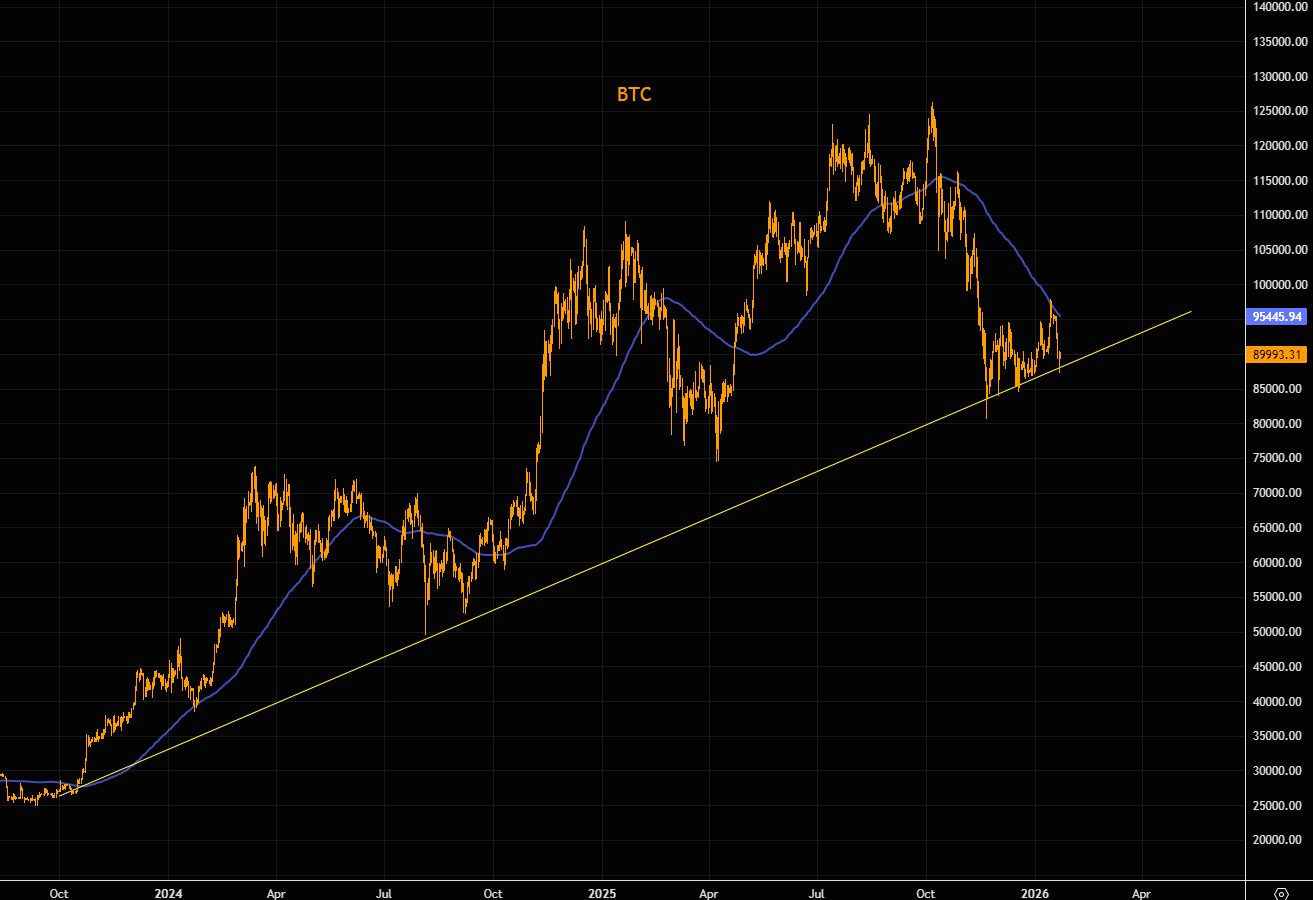
The market has begun to reflect this concern. Bitcoin has fallen 6.5% relative to gold this year, while gold has risen 55% over the same period. The Bitcoin-to-gold ratio fell to 19.26 in January 2026, showing that investors are reassessing Bitcoin's 'digital gold' status. Bitcoin recently encountered a strong pullback near the 100-day moving average, with $85,000 being a key level to watch closely.
The urgency of this threat is triggering a governance dilemma within the Bitcoin community: whether to destroy quantum-vulnerable coins to protect system integrity, or to take no action and risk them being stolen. This choice pits protocol security against property rights protection.

20-50% of Bitcoin Supply at Risk

According to Jefferies analysis, the quantum risk is no longer a theoretical issue. Growing concerns show that quantum computers with cryptography-related capabilities could arrive within years rather than decades, posing an existential threat to Bitcoin's security model and its 'digital gold' narrative.

Estimates show that 20-50% of Bitcoin may be in a vulnerable state. Due to address reuse, approximately 4 million to 10 million Bitcoins are at risk, with exchange and institutional wallets being the most vulnerable targets. Chaincode Labs' 2025 research estimated that about 6.26 million Bitcoins, worth between $650 billion and $750 billion, could be exposed to future quantum attacks.

David Duong pointed out in a LinkedIn analysis on January 5th that upgrading Bitcoin's security is a core challenge. He highlighted two main threats: quantum computers cracking Elliptic Curve Digital Signature Algorithm (ECDSA) keys, and targeting the SHA-256 algorithm that underpins Bitcoin's proof-of-work system. Vulnerable addresses include traditional Pay-to-Public-Key scripts, certain multi-signature wallets, and exposed Taproot setups.

Institutional Investors Lead the Exodus

Christopher Wood stated in his January 16th analysis column that advances in the field of quantum computing would weaken the logic of Bitcoin as a 'reliable store of value', especially for long-term investors like pension funds. He liquidated the entire 10% Bitcoin position in his portfolio model, reallocating to 5% physical gold and 5% gold mining stocks.

Wood was an early institutional supporter of Bitcoin, adding it to his portfolio in December 2020 during the pandemic when countries released massive stimulus measures, and increased his holding to 10% in 2021. He explained that the reason for selling was concern that the advent of quantum computing would shake Bitcoin's foundation, with the technology potentially achieving breakthroughs in the coming years rather than decades.

Quantum computers could theoretically crack Bitcoin's encryption algorithms, reverse-engineering the private keys used to authorize transfers. Wood stated this would destroy the concept of Bitcoin as a store of value, thereby undermining its status as a digital alternative to gold.

Current quantum computers operate with computing power of about 105 qubits. According to research in AVS Quantum Science, a 2022 study by Universal Quantum and the University of Sussex estimated that cracking a Bitcoin private key would require 13 million qubits.

However, industry insiders are divided on the urgency. Blockstream CEO Adam Back believes the threat might still be 20 to 40 years away. MicroStrategy Chairman Michael Saylor believes that quantum computing will enhance rather than threaten Bitcoin, arguing the network will upgrade and fortify its defenses.

University of Calgary quantum computing researcher Pierre-Luc Dallaire-Demers provided a more aggressive estimate, believing the threat could become a reality in about five years. Casa co-founder Jameson Lopp stated that preparing Bitcoin for quantum resistance could take five to ten years.

Bitcoin developers have proposed an upgrade proposal to add quantum-resistant security features. The proposal is still in the draft stage and is being tested. Other blockchain networks are also preparing for the quantum threat through privacy upgrades.

Bitcoin faces a governance dilemma. The community is debating whether to destroy quantum-vulnerable tokens to protect system integrity, or do nothing and bear the risk of theft. This choice creates a conflict between protocol security and property rights protection.

If vulnerable tokens were destroyed, Bitcoin's effective supply would decrease, theoretically potentially supporting the price, but only after going through a highly controversial and precedent-setting, fork-like decision process.

Unlike traditional banks, which can enforce quantum security upgrades through central authority, Bitcoin must coordinate changes within a distributed network. There is no risk committee, no mandatory regulations, and no single entity that can enforce immediate action.

Cardano founder Charles Hoskinson warned that premature adoption of post-quantum cryptography could severely reduce efficiency. The US Defense Advanced Research Projects Agency's (DARPA) quantum blockchain initiative believes a meaningful threat could emerge in the 2030s. However, rapid progress suggests the timeline could accelerate, especially if AI integration compresses the quantum development process.

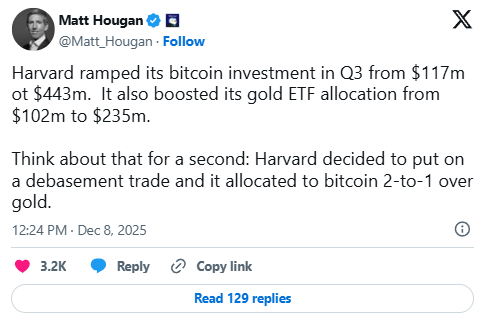
Despite Wood reducing exposure, institutional support has not completely disappeared. Harvard University reportedly increased its Bitcoin allocation by nearly 240%. Morgan Stanley has begun advising its wealth management clients to allocate up to 4% of their portfolio to digital assets. Similarly, Bank of America allows allocations of 1% to 4%. This indicates that support has not vanished but has become more fragmented based on different risk assessments.
Duong pointed out two main threats: quantum computers cracking ECDSA keys, and targeting the SHA-256 algorithm that underpins Bitcoin's proof-of-work system. Vulnerable addresses include traditional Pay-to-Public-Key scripts, certain multi-signature wallets, and exposed Taproot setups.

Address hygiene—avoiding address reuse and moving tokens to quantum-resistant addresses—is considered a key mitigation strategy. However, until Bitcoin's decentralized system can adequately coordinate a quantum-resistant upgrade, the threat remains real.

X platform user batsoupyum wrote: "Financial advisors reading this kind of research will keep client allocations low or zero because quantum computing is an existential threat. Until this issue is resolved, it will be an albatross around Bitcoin's neck."

The quantum computing issue has shifted from theory to having a real impact on portfolios. Bitcoin's underperformance reflects not only market cycles but also the gradual weighting of an existential risk, which is shaping how institutions allocate capital and forcing the network to confront an unprecedented technical challenge.


Trend Kriptolar

İlgili Sorular

QWhat percentage of Bitcoin supply is estimated to be at risk from quantum computing attacks according to Coinbase's research head?

AApproximately 32.7% of the Bitcoin supply, or about 6.51 million Bitcoins, is estimated to be at risk.

QWhy did Jefferies' global equity strategist Christopher Wood remove Bitcoin from his portfolio model?

AHe removed the 10% Bitcoin allocation due to concerns that advancements in quantum computing could break Bitcoin's encryption, undermining its status as a 'reliable store of value', and reallocated to 5% physical gold and 5% gold mining stocks.

QWhat is the primary reason that makes many Bitcoin addresses vulnerable to a future quantum attack?

AAddress reuse is the primary reason, as it exposes public key information that a quantum computer could potentially exploit to derive the private key.

QAccording to a 2022 study, how many qubits would a quantum computer need to break a Bitcoin private key?

AAccording to a 2022 study by Universal Quantum and the University of Sussex, it would require a quantum computer with approximately 13 million qubits to break a Bitcoin private key.

QWhat is the proposed solution for Bitcoin to become quantum-resistant, and what is a major challenge in implementing it?

AThe proposed solution is a network upgrade to implement quantum-resistant cryptographic algorithms. A major challenge is the decentralized governance of Bitcoin, which requires coordination for such a change without a central authority to enforce it, making the process complex and potentially contentious.

İlgili Okumalar

Bank of Japan Signals Interest Rate Hike Despite Keeping Them at 1%

The Bank of Japan (BOJ) kept its benchmark interest rate at 1% on July 31, as widely expected, following a June hike to a 31-year high. The decision passed with an 8-1 vote, with board member Hajime Takata again dissenting in favor of a hike to 1.25%. Despite holding rates steady, the BOJ signaled a hawkish tilt, warning that underlying inflation is likely to accelerate and exceed 2% from the latter half of the fiscal year. While it slightly lowered its core inflation forecast for FY2026, officials expressed stronger confidence that an overshoot will occur later, driven by yen weakness, corporate pricing behavior, and lingering energy shock effects. Markets were focused on the BOJ's forward guidance. Analysts noted the central bank appeared to balance short-term caution with a long-term warning of tighter policy. Governor Kazuo Ueda faces the challenge of reconciling a government reluctant to tighten further with bond markets already pricing in additional hikes, with the timing of the next move debated. Adding complexity, the BOJ reportedly intervened in currency markets hours before the rate decision, buying yen to support the currency which had fallen to 40-year lows against the dollar. Yen weakness stems from the wide U.S.-Japan interest rate gap, high fuel prices, and market skepticism about the pace of BOJ policy normalization. The yield on Japan's 10-year government bonds fell to 2.8%, indicating investor expectations for future monetary tightening.

cryptonews.ru4 dk önce

Bank of Japan Signals Interest Rate Hike Despite Keeping Them at 1%

cryptonews.ru4 dk önce

Why Are Leveraged ETFs like 7709 Inherently Negative EV Products?

This article argues that the SK H力士 2x Leveraged ETF (7709) is fundamentally a negative expected value (EV) product, rather than simply a "double SK H力士" investment. Its core issue stems from its daily rebalancing mechanism to maintain a 2x leverage target. After a price move, the fund must buy more after a rise or sell after a fall to readjust its leverage, creating a systematic pattern of buying high and selling low. This introduces a "delay loss": it always reacts to past price changes, missing potential gains from adjusting earlier during an uptrend and suffering greater losses from adjusting later during a downtrend. While more frequent intraday rebalancing would improve returns in strong, smooth trending markets by reinvesting profits or cutting losses sooner, it also dramatically increases volatility drag (frictional losses) during choppy, oscillating markets due to more frequent high-buy/low-sell trades. The author draws a parallel to an option seller who delta hedges (short gamma), which involves similar "buy high, sell low" dynamic hedging. However, unlike an option seller who receives upfront premium (IV and theta) as compensation for this risk, the leveraged ETF investor receives no such compensation. Instead, they bear all the path-dependent volatility decay, plus additional costs like swap/derivatives financing, management fees, and trading slippage. Thus, the product's return profile can be framed as: 2x directional return minus realized variance drag minus financing costs minus derivatives costs minus management fees minus transaction costs. For the investor to profit, SK H力士's price must not only rise significantly but do so in a strong, sustained, and smooth trend to overcome these inherent structural costs. High volatility and frequent price reversals are particularly damaging. The article also notes that while the ETF has no explicit liquidation line like perpetual futures, avoiding a sudden "blow-up," its net asset value can still decay towards zero over time through this combination of volatility drag and fees. For experienced traders, directly managing leverage via perpetual contracts may offer more control and potentially lower costs than this packaged, mechanistic product.

marsbit11 dk önce

Why Are Leveraged ETFs like 7709 Inherently Negative EV Products?

marsbit11 dk önce

'Backstabbing' or 'Win-Win'? How Likely Is TradeXYZ to Break Away from Hyperliquid and Go Solo?

The article discusses the growing debate over whether TradeXYZ, which dominates Hyperliquid's HIP-3 market with over 90% of its volume, might break away to build its own independent trading platform. This possibility is fueled by TradeXYZ's immense market influence and the common industry trend of successful projects seeking more control and profit capture. Key arguments for a potential split include TradeXYZ's overwhelming contribution to Hyperliquid's metrics and the financial incentive to retain all transaction fees, as it currently splits them 50/50 with Hyperliquid. The piece draws parallels to other cases, like Anthropic's "Claude Code" competing with its former partner Cursor, suggesting "betrayal" can occur when business leverage shifts. However, strong counterarguments suggest a split is unlikely or would be detrimental. TradeXYZ relies on Hyperliquid's high-performance infrastructure and its platform as a primary user acquisition channel. Building a comparable system would be challenging. Furthermore, the founders of both projects share a history of trust and mutual admiration. The analysis concludes that a separation would likely be a lose-lose scenario: Hyperliquid would lose a major growth narrative and trading volume, while TradeXYZ would face technical hurdles, user migration issues, and reputational damage, potentially allowing competitors to seize market share. The most rational path is seen as continued collaboration, with TradeXYZ potentially negotiating better terms while leveraging Hyperliquid's established strengths.

marsbit20 dk önce

'Backstabbing' or 'Win-Win'? How Likely Is TradeXYZ to Break Away from Hyperliquid and Go Solo?

marsbit20 dk önce

İşlemler

Spot

Popüler Makaleler

BITCOIN Nedir

HarryPotterObamaSonic10Inu (ERC-20)'yu ve Kripto Alanındaki Yerini Anlamak Son yıllarda, kripto para piyasası, hem ticaret yapanların hem de topluluk etkileşimi ve eğlence değeri arayanların ilgisini çeken meme coin'lerin popülaritesinde bir artış gördü. Bu benzersiz token'lar arasında, kripto para dokusuna kültürel referansları harmanlayan ilginç bir proje olan HarryPotterObamaSonic10Inu (ERC-20) bulunmaktadır. Bu makale, HarryPotterObamaSonic10Inu'nun temel yönlerini, mekanizmalarını, topluluk odaklı ethosunu ve daha geniş kripto manzarasıyla etkileşimini incelemektedir. HarryPotterObamaSonic10Inu (ERC-20) Nedir? Adından da anlaşılacağı gibi, HarryPotterObamaSonic10Inu, Ethereum blok zinciri üzerinde inşa edilen bir meme coin'dir ve ERC-20 standardı altında sınıflandırılmaktadır. Geleneksel kripto paraların pratik kullanılabilirlik veya yatırım potansiyeline odaklandığı durumların aksine, bu token eğlence değeri ve topluluğunun gücü üzerine kuruludur. Proje, bağlı kullanıcıların bir araya gelebileceği, fikirlerini paylaşabileceği ve çeşitli kültürel fenomenlerden ilham alan etkinliklere katılabileceği bir ortam yaratmayı hedeflemektedir. HarryPotterObamaSonic10Inu'nun dikkate değer özelliklerinden biri işlemlerde sıfır vergi olmasıdır. Bu çekici unsur, küçük ölçekli yatırımcıları caydırabilecek ek ücretlerden yoksun olarak ticareti ve topluluk katılımını teşvik etmeyi amaçlamaktadır. Coin'in toplam arzı bir milyar token olarak belirlenmiştir; bu, topluluk içinde önemli bir dolaşım sağlama niyetini göstermektedir. HarryPotterObamaSonic10Inu (ERC-20) Yaratıcısı HarryPotterObamaSonic10Inu'nun kökenleri bir miktar gizemlidir; yaratıcısı hakkında spesifik bilgilerin ne olduğu bilinmemektedir. Bu token'ın geliştirilmesi, belirli bir ekip veya açık bir plan eksikliği ile gerçekleşmiştir; bu durum, meme coin sektöründe oldukça yaygındır. Proje, topluluğunun heyecanı ve katılımına dayalı olarak organik bir şekilde ortaya çıkmıştır. HarryPotterObamaSonic10Inu (ERC-20) Yatırımcıları Dış yatırımlar ve destekler söz konusu olduğunda, HarryPotterObamaSonic10Inu da belirsiz kalmaktadır. Token, bilinen herhangi bir yatırım fonunu veya önemli bir kurumsal desteği listelememektedir. Bunun yerine, projenin can damarı, kolektif eylem ve kripto alanındaki katılım yoluyla büyüme ve sürdürülebilirlik sağlayan temel topluluğudur. HarryPotterObamaSonic10Inu (ERC-20) Nasıl Çalışır? Bir meme coin olarak, HarryPotterObamaSonic10Inu, genellikle varlık değerini yöneten geleneksel çerçevelerin dışında çalışmaktadır. Projenin nasıl çalıştığını tanımlayan birkaç özelliği vardır: Sıfır Vergi İşlemleri: İşlemlerde vergi ücreti olmadan, kullanıcılar gizli maliyet endişesi olmadan token'ı serbestçe alıp satabilirler. Topluluk Etkileşimi: Proje, topluluk etkileşimi üzerine kuruludur ve sosyal medya platformlarını kullanarak heyecan yaratarak katılımı kolaylaştırır. Tartışmalar, içerik paylaşımı ve katılım, projenin erişimini genişletmeye ve destekleyiciler arasında sadakat oluşturmaya yardımcı olan kritik unsurlardır. Pratik Kullanılabilirlik Yok: HarryPotterObamaSonic10Inu'nun mali ekosistem içinde somut bir kullanılabilirlik sunmadığı belirtilmelidir. Daha ziyade, eğlence ve topluluk etkinlikleri için bir token olarak sınıflandırılmaktadır. Kültürel Referans: Token, popüler kültürden unsurları zekice harmanlayarak ilgi çekmektedir ve hem meme meraklıları hem de kripto takipçileriyle bağlantı kurmaktadır. HarryPotterObamaSonic10Inu, meme coin'lerin, daha geleneksel kripto para projelerinden nasıl farklı çalıştığını örneklendirmektedir; bu projeler, utilitarist varlıklar yerine yenilikçi sosyal yapıların bir parçası olarak piyasaya girmektedir. HarryPotterObamaSonic10Inu (ERC-20) Zaman Çizelgesi HarryPotterObamaSonic10Inu'nun tarihi, birkaç dikkate değer kilometre taşı ile işaretlenmiştir: Oluşum: Token, birçok kripto meraklısının hayal gücünü yakalayan bir viral meme'den ortaya çıkmıştır. Spesifik yaratım tarihleri mevcut değildir ve bu onun organik yükselişini vurgulamaktadır. Borsa Listelemeleri: HarryPotterObamaSonic10Inu, topluluğun daha kolay erişim ve ticaret yapabilmesini sağlamak için çeşitli borsalarda yer bulmuştur. Topluluk Katılım İnisiyatifleri: Yarışmalar, sosyal medya kampanyaları ve hayranlar ile destekçilerden içerik üretimini içeren topluluk etkileşimini artırmayı amaçlayan devam eden etkinlikler. Gelecek Genişleme Planları: Projenin yol haritası, kültürel temalarına ilişkin bir NFT koleksiyonu, ticari ürünler ve bir e-ticaret sitesi başlatılmasını içermektedir; bu da topluluğun daha fazla katılımını sağlamayı ve ekosistemine daha fazla boyut kazandırmayı hedeflemektedir. HarryPotterObamaSonic10Inu (ERC-20) Hakkında Kilit Noktalar Topluluk Odaklı Doğası: Proje, kullanıcı katılımını geliştirme önceliği taşır ve böylece kullanıcıların sürecin en önünde yer almasını sağlar. Meme Coin Sınıflandırması: Eğlenceye dayalı kripto paranın doruk noktasıdır ve geleneksel yatırım araçlarından ayrılmaktadır. Bitcoin ile Doğrudan İlişki Yok: Ticker ismindeki benzeliğe rağmen, HarryPotterObamaSonic10Inu ayırt edicidir ve Bitcoin veya diğer yerleşik kripto paralarla herhangi bir ilişkisi yoktur. İşbirliğine Odaklanma: HarryPotterObamaSonic10Inu, sahipleri arasında işbirliği ve hikaye paylaşımı için bir alan oluşturmak üzere tasarlanmıştır ve bu da yaratıcılık ve topluluk bağlarını sağlamaktadır. Gelecek Beklentileri: Başlangıçta belirlendiği temalardan NFTs ve ticari ürünlere genişleme arzusu, projenin dijital kültürde daha ana akıma girebilmesi için bir yol haritası çizmektedir. Meme coin'ler, kripto para topluluğunun hayal gücünü çalmaya devam ederken, HarryPotterObamaSonic10Inu (ERC-20), kültürel bağları ve topluluk merkezli yaklaşımıyla öne çıkmaktadır. Geleneksel bir hizmet odaklı token modeliyle uyumlu olmasa da, özünde destekçileri arasında sağlanan neşe ve dostluğu vurgulayarak, giderek dijitalleşen bir çağda kripto paraların evrilen doğasını göstermektedir. Proje gelişmeye devam ettikçe, topluluk dinamiklerinin blockchain teknolojisi dünyasındaki seyrini nasıl etkilediğini izlemek önemli olacaktır.

2.2k Toplam GörüntülenmeYayınlanma 2024.04.01Güncellenme 2024.12.03

BITCOIN Nedir

BTC Nasıl Satın Alınır

HTX.com’a hoş geldiniz! Bitcoin (BTC) satın alma işlemlerini basit ve kullanışlı bir hâle getirdik. Adım adım açıkladığımız rehberimizi takip ederek kripto yolculuğunuza başlayın. 1. Adım: HTX Hesabınızı OluşturunHTX'te ücretsiz bir hesap açmak için e-posta adresinizi veya telefon numaranızı kullanın. Sorunsuzca kaydolun ve tüm özelliklerin kilidini açın. Hesabımı Aç2. Adım: Kripto Satın Al Bölümüne Gidin ve Ödeme Yönteminizi SeçinKredi/Banka Kartı: Visa veya Mastercard'ınızı kullanarak anında Bitcoin (BTC) satın alın.Bakiye: Sorunsuz bir şekilde işlem yapmak için HTX hesap bakiyenizdeki fonları kullanın.Üçüncü Taraflar: Kullanımı kolaylaştırmak için Google Pay ve Apple Pay gibi popüler ödeme yöntemlerini ekledik.P2P: HTX'teki diğer kullanıcılarla doğrudan işlem yapın.Borsa Dışı (OTC): Yatırımcılar için kişiye özel hizmetler ve rekabetçi döviz kurları sunuyoruz.3. Adım: Bitcoin (BTC) Varlıklarınızı SaklayınBitcoin (BTC) satın aldıktan sonra HTX hesabınızda saklayın. Alternatif olarak, blok zinciri transferi yoluyla başka bir yere gönderebilir veya diğer kripto para birimlerini takas etmek için kullanabilirsiniz.4. Adım: Bitcoin (BTC) Varlıklarınızla İşlem YapınHTX'in spot piyasasında Bitcoin (BTC) ile kolayca işlemler yapın.Hesabınıza erişin, işlem çiftinizi seçin, işlemlerinizi gerçekleştirin ve gerçek zamanlı olarak izleyin. Hem yeni başlayanlar hem de deneyimli yatırımcılar için kullanıcı dostu bir deneyim sunuyoruz.

8.3k Toplam GörüntülenmeYayınlanma 2024.12.12Güncellenme 2026.06.02

BTC Nasıl Satın Alınır

$BITCOIN Nedir

DİJİTAL ALTIN ($BITCOIN): Kapsamlı Bir Analiz DİJİTAL ALTIN ($BITCOIN) Tanıtımı DİJİTAL ALTIN ($BITCOIN), geleneksel değerli metallerin özelliklerini merkeziyetsiz teknolojilerin yeniliği ile birleştirmeyi amaçlayan Solana ağı üzerinde çalışan blockchain tabanlı bir projedir. Bitcoin ile aynı isme sahip olmasına rağmen, genellikle bir değer saklama aracı olarak algılandığı için “dijital altın” olarak anılmaktadır; DİJİTAL ALTIN, Web3 ortamında benzersiz bir ekosistem yaratmak için tasarlanmış ayrı bir tokendir. Hedefi, uygulanabilir bir alternatif dijital varlık olarak kendini konumlandırmaktır, ancak uygulamaları ve işlevleri ile ilgili ayrıntılar hala gelişmektedir. DİJİTAL ALTIN ($BITCOIN) Nedir? DİJİTAL ALTIN ($BITCOIN), Solana blockchain'inde kullanılmak üzere açıkça tasarlanmış bir kripto para tokenidir. Bitcoin'in yaygın olarak tanınan bir değer saklama rolü sağlamasının aksine, bu token daha geniş uygulamalara ve özelliklere odaklanıyor gibi görünmektedir. Dikkate değer yönler şunlardır: Blockchain Altyapısı: Token, yüksek hızlı ve düşük maliyetli işlemleri yönetme kapasitesi ile bilinen Solana blockchain'inde inşa edilmiştir. Arz Dinamikleri: DİJİTAL ALTIN'ın maksimum arzı 100 katrilyon token (100P $BITCOIN) ile sınırlıdır, ancak dolaşımdaki arzı ile ilgili ayrıntılar şu anda açıklanmamıştır. Kullanım Alanı: Kesin işlevler açıkça belirtilmemiş olsa da, token'ın merkeziyetsiz uygulamalar (dApps) veya varlık tokenizasyon stratejileri ile ilgili çeşitli uygulamalar için kullanılabileceğine dair işaretler bulunmaktadır. DİJİTAL ALTIN ($BITCOIN) Yaratıcısı Kimdir? Şu anda, DİJİTAL ALTIN ($BITCOIN) arkasındaki yaratıcıların ve geliştirme ekibinin kimliği bilinmemektedir. Bu durum, merkeziyetsiz finans ve meme coin fenomenleriyle uyumlu olan birçok yenilikçi proje arasında yaygındır. Böyle bir anonimlik, topluluk odaklı bir kültürü teşvik edebilirken, yönetişim ve hesap verebilirlik konusundaki endişeleri artırmaktadır. DİJİTAL ALTIN ($BITCOIN) Yatırımcıları Kimlerdir? Mevcut bilgiler, DİJİTAL ALTIN ($BITCOIN) için bilinen herhangi bir kurumsal destekçi veya önde gelen risk sermayesi yatırımı olmadığını göstermektedir. Proje, geleneksel finansman yolları yerine topluluk desteği ve benimsemeye odaklanan bir eşler arası modelde çalışıyor gibi görünmektedir. Faaliyetleri ve likiditesi esas olarak PumpSwap gibi merkeziyetsiz borsalarda (DEX'ler) yer almakta olup, bu da onun taban hareketine vurgu yapmaktadır. DİJİTAL ALTIN ($BITCOIN) Nasıl Çalışır DİJİTAL ALTIN ($BITCOIN) 'ın operasyonel mekanikleri, blockchain tasarımı ve ağ özellikleri temelinde açıklanabilir: Konsensüs Mekanizması: Solana'nın benzersiz tarih kanıtı (PoH) ile bir hisse kanıtı (PoS) modelini birleştirerek, proje ağın yüksek performansına katkıda bulunan verimli işlem doğrulamasını sağlar. Tokenomik: Belirli deflasyonist mekanizmalar kapsamlı bir şekilde detaylandırılmamış olsa da, geniş maksimum token arzı, henüz tanımlanmamış mikro işlemler veya niş kullanım durumlarına hitap edebileceğini ima etmektedir. Etkileşim: Solana'nın daha geniş ekosistemi ile entegrasyon potansiyeli bulunmaktadır; bu, çeşitli merkeziyetsiz finans (DeFi) platformlarını içermektedir. Ancak, belirli entegrasyonlarla ilgili ayrıntılar belirtilmemiştir. Önemli Olayların Zaman Çizelgesi DİJİTAL ALTIN ($BITCOIN) ile ilgili önemli kilometre taşlarını vurgulayan bir zaman çizelgesi: 2023: Token'ın Solana blockchain'inde ilk dağıtımı, sözleşme adresi ile işaretlenmiştir. 2024: DİJİTAL ALTIN, PumpSwap gibi merkeziyetsiz borsalarda işlem görmeye başladıkça görünürlük kazanır ve kullanıcıların bunu SOL karşısında ticaret yapmasına olanak tanır. 2025: Proje, topluluk odaklı etkileşimlere yönelik potansiyel ilgi ve ara sıra ticaret faaliyetleri görür, ancak şu ana kadar dikkate değer ortaklıklar veya teknik ilerlemeler belgelenmemiştir. Kritik Analiz Güçlü Yönler Ölçeklenebilirlik: Temel Solana altyapısı, yüksek işlem hacimlerini destekleyerek $BITCOIN'in çeşitli işlem senaryolarındaki faydasını artırabilir. Erişilebilirlik: Token başına potansiyel düşük ticaret fiyatı, perakende yatırımcıları çekebilir ve parçalı mülkiyet fırsatları sayesinde daha geniş katılımı kolaylaştırabilir. Riskler Şeffaflık Eksikliği: Kamuya açık olarak bilinen destekçilerin, geliştiricilerin veya bir denetim sürecinin olmaması, projenin sürdürülebilirliği ve güvenilirliği konusunda şüpheler doğurabilir. Piyasa Volatilitesi: Ticaret faaliyeti büyük ölçüde spekülatif davranışa dayanmakta olup, bu da yatırımcılar için önemli fiyat dalgalanmalarına ve belirsizliklere yol açabilir. Sonuç DİJİTAL ALTIN ($BITCOIN), hızla gelişen Solana ekosisteminde ilginç ama belirsiz bir proje olarak ortaya çıkmaktadır. “Dijital altın” anlatısını kullanmaya çalışırken, Bitcoin'in değer saklama rolünden ayrılması, amaçlanan faydasının ve yönetişim yapısının daha net bir şekilde tanımlanması gerekliliğini vurgulamaktadır. Gelecekteki kabul ve benimseme, mevcut belirsizliklerin giderilmesine ve operasyonel ile ekonomik stratejilerinin daha açık bir şekilde tanımlanmasına bağlı olacaktır. Not: Bu rapor, Ekim 2023 itibarıyla mevcut olan sentezlenmiş bilgileri kapsamaktadır ve araştırma döneminin ötesinde gelişmeler yaşanmış olabilir.

245 Toplam GörüntülenmeYayınlanma 2025.05.13Güncellenme 2025.05.13

$BITCOIN Nedir

Tartışmalar

HTX Topluluğuna hoş geldiniz. Burada, en son platform gelişmeleri hakkında bilgi sahibi olabilir ve profesyonel piyasa görüşlerine erişebilirsiniz. Kullanıcıların BTC (BTC) fiyatı hakkındaki görüşleri aşağıda sunulmaktadır.

活动图片