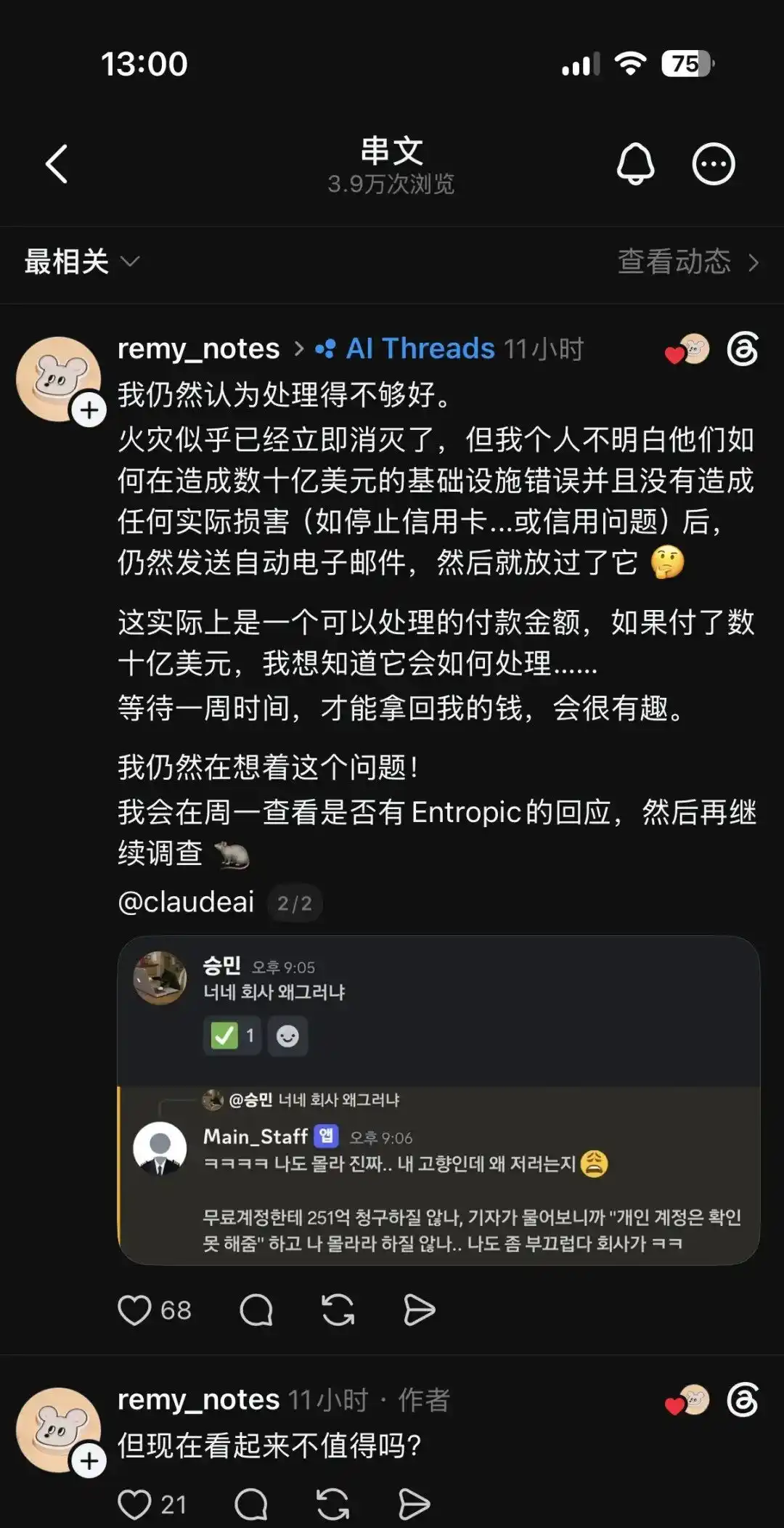
On July 8, the well-known Korean developer remy_notes posted two Anthropic invoice screenshots on Threads: the first for $1.669 million (approximately 11.3 million RMB), the second for $16.62 million (approximately 110 million RMB). The two invoices were issued less than 24 hours apart, with the amount increasing nearly tenfold.
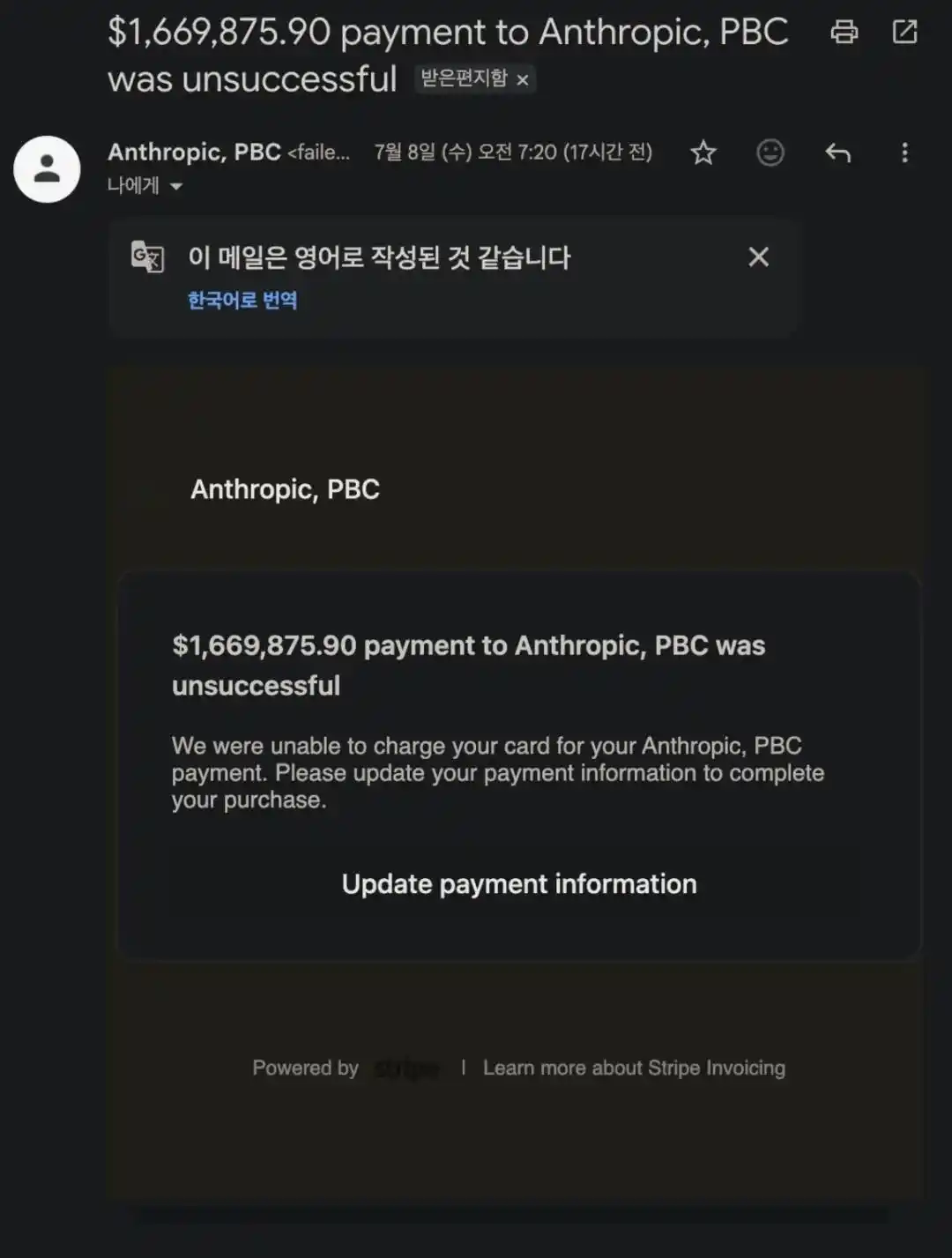
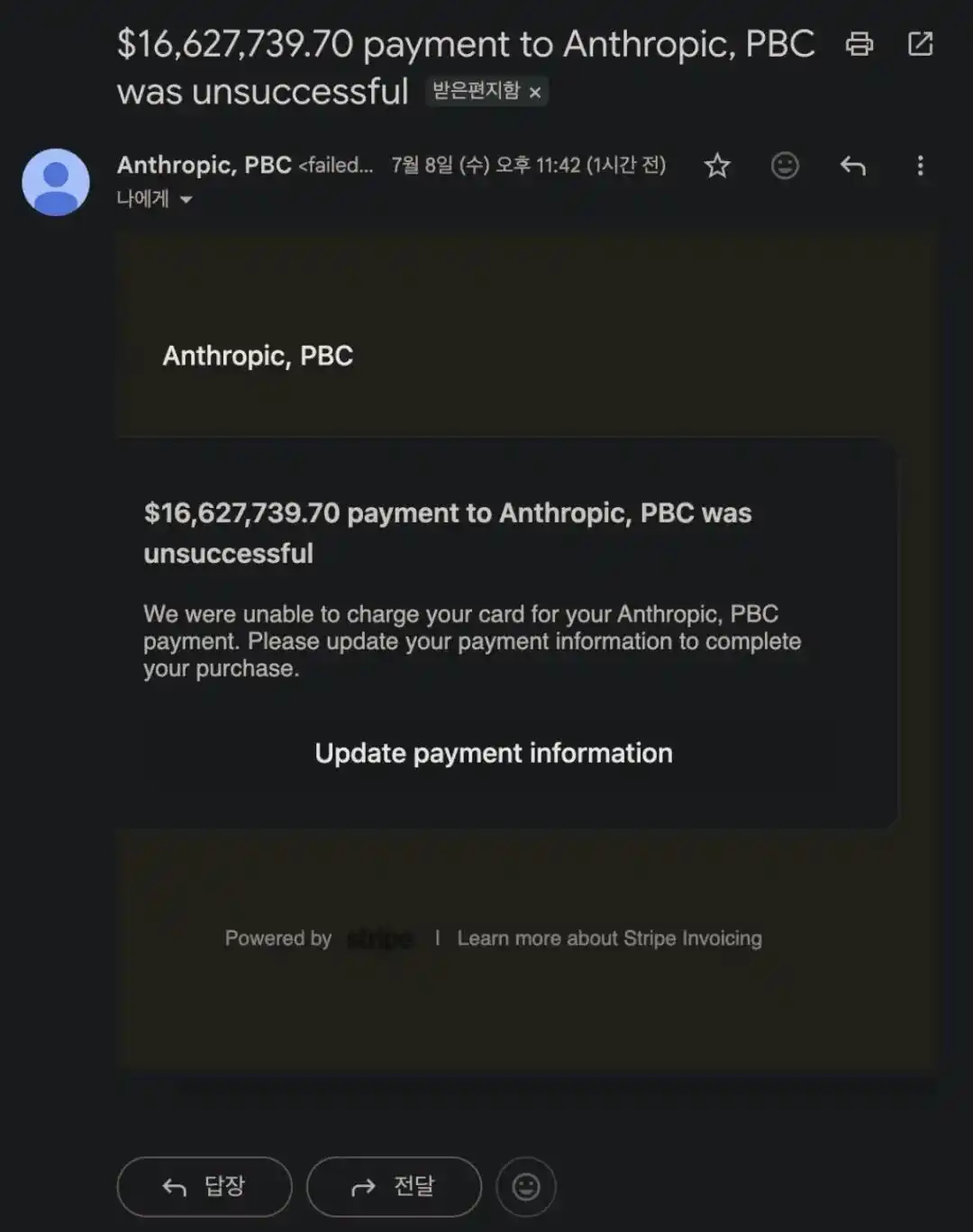
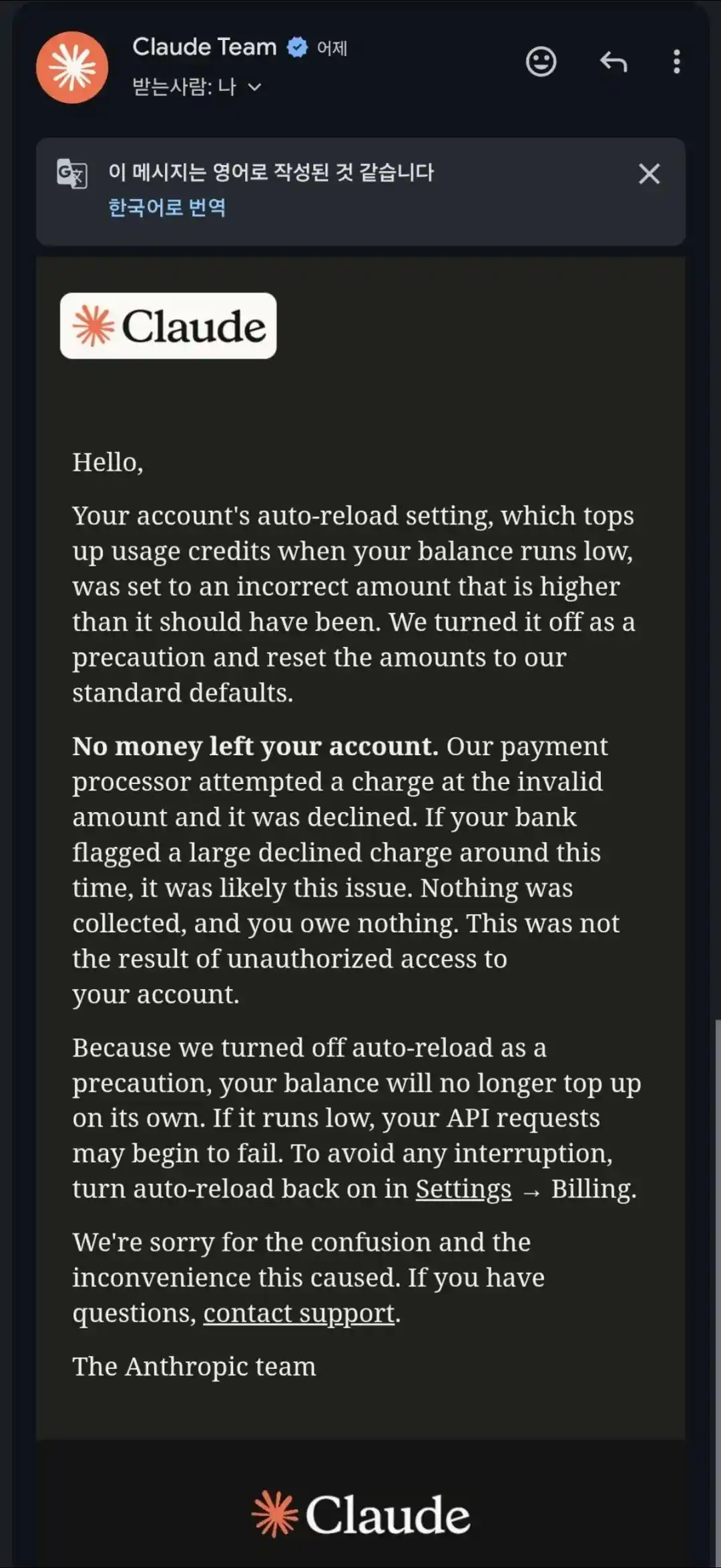
He initially thought it was a phishing email, but the sender address and payment links pointed to Anthropic's official Stripe domain.
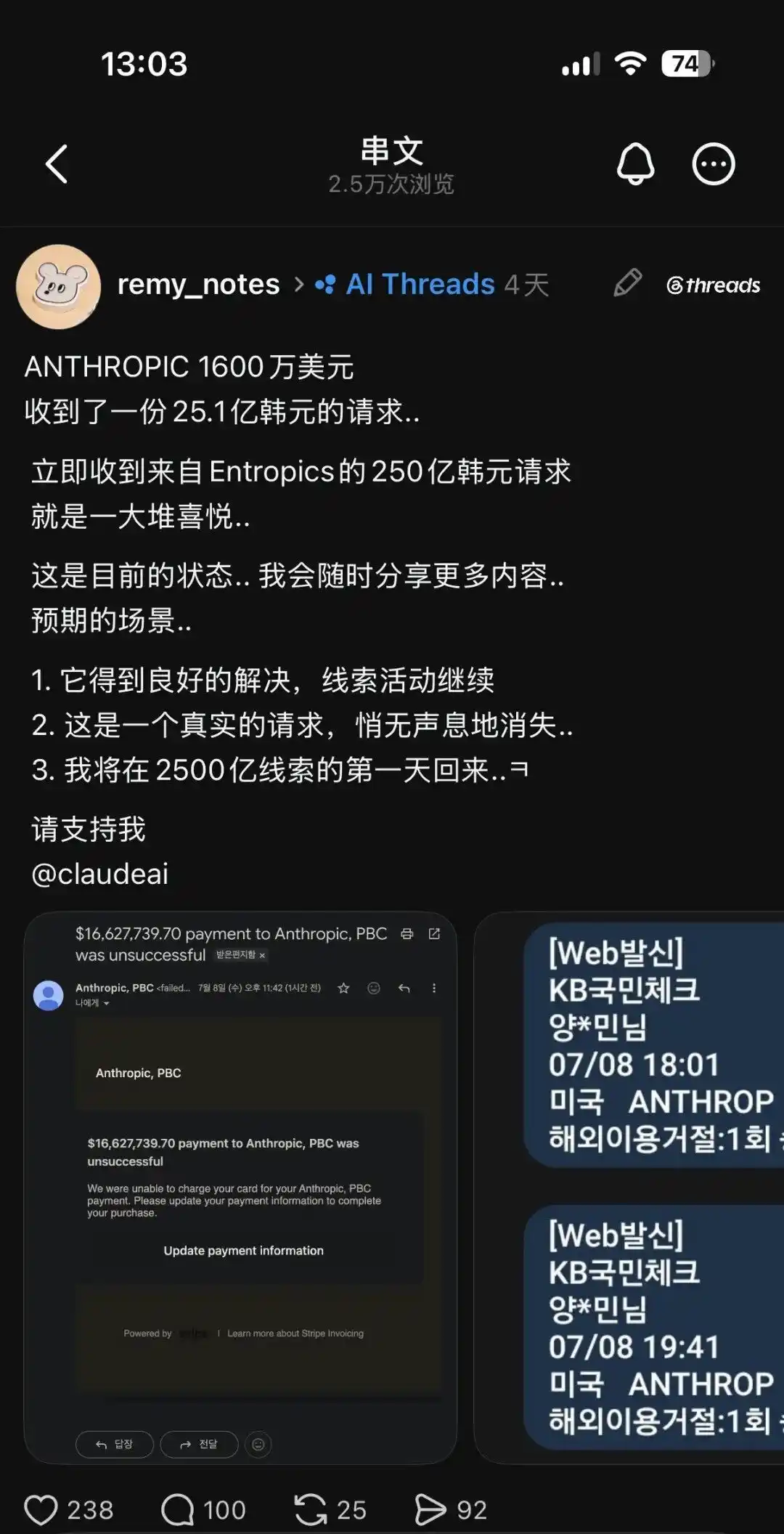
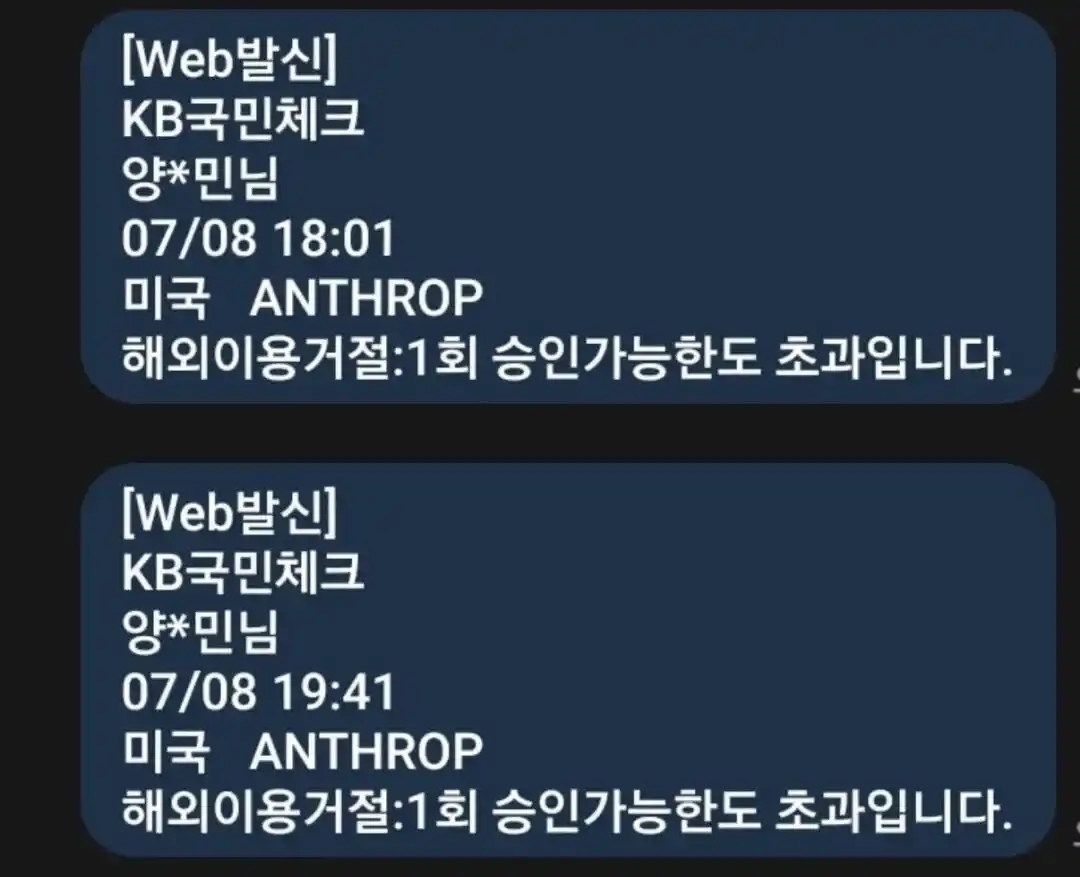
His KB National Bank debit card intercepted two overseas charge requests from the US merchant 'ANTHROP' on the same day—both were denied due to insufficient single-transaction limits.
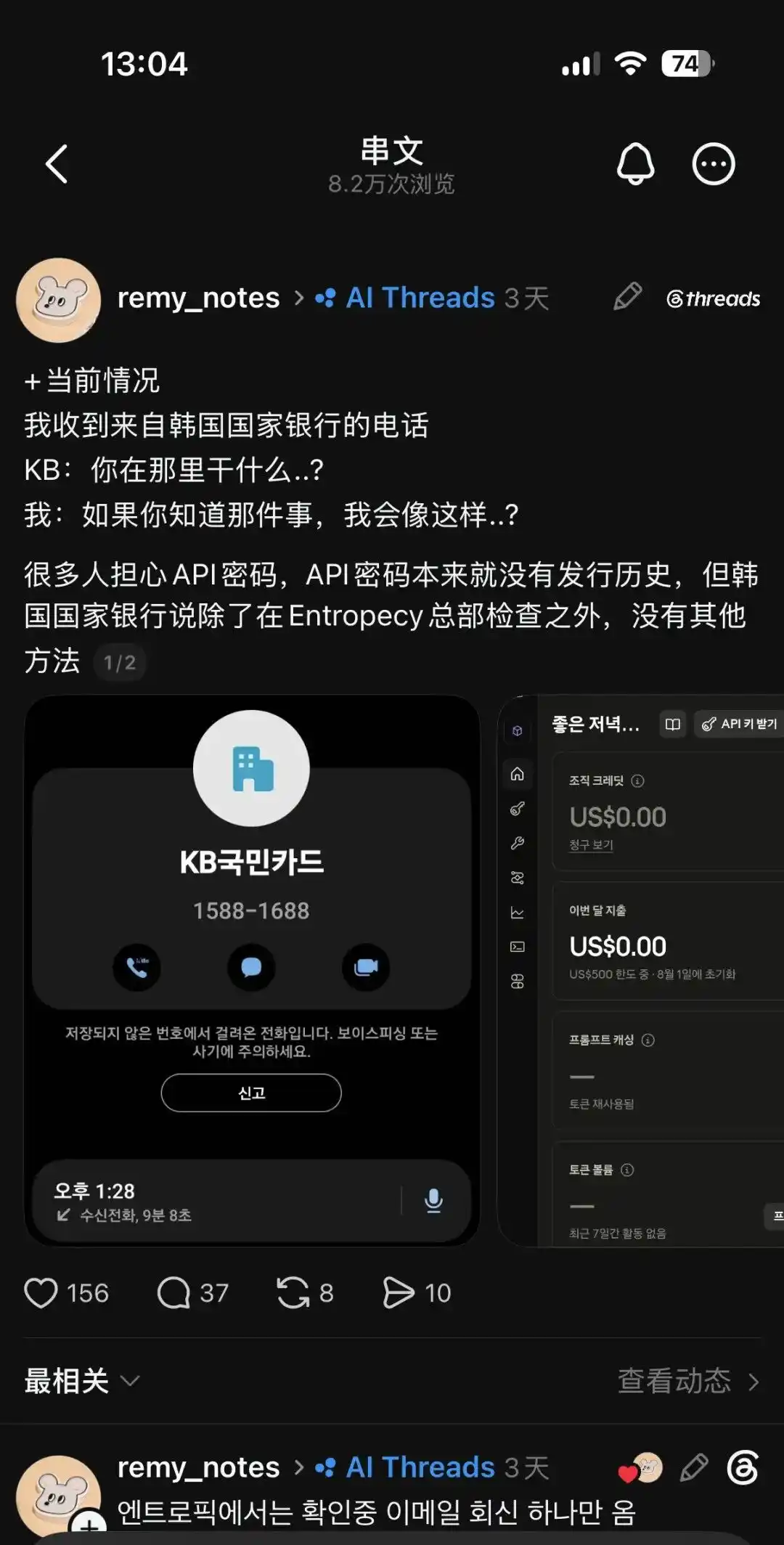
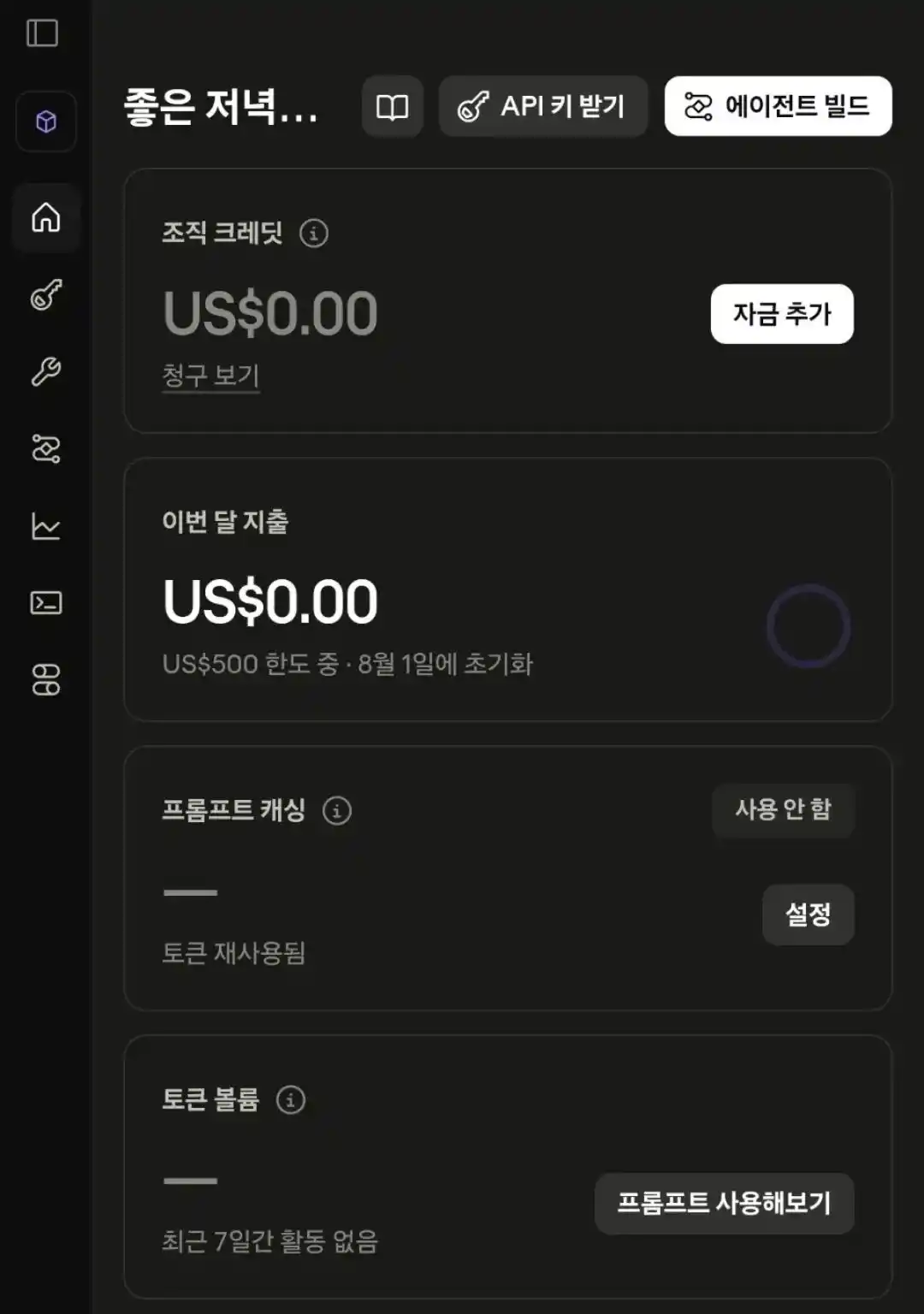
His account was on a free plan, with no credit card linked, and the backend showed zero API usage.
As of publication, Anthropic has not publicly explained the cause of this "phantom bill."
More Than One "Phantom Bill"
The figure of $16.6 million is shocking enough, but what truly deserves attention is the systemic issue emerging from it.
From March to June, AI bill auditing company Vaudit reviewed $34 million in AI bills from 60 companies and discovered approximately $1.7 million in erroneous overcharges, most of which were related to Anthropic's Claude Code.
Vaudit's clients include Panasonic, HP, and Honda, among others.

Vaudit CEO Michael Hahn
Vaudit CEO Michael Hahn described several common overcharging patterns to The Information:
Customers using older, cheaper models but being billed for the more expensive new models;
AI Agents or chatbots failing to complete requests or returning error messages, yet still incurring charges;
Agents repeatedly retrying tasks after failure (retry storms), with each retry being billed.
An Anthropic spokesperson responded, stating the company does not charge for unfulfilled requests or error messages, does not route user requests to older models, and that "overcharging does not seem to be a widespread issue."
However, following appeals from Vaudit and clients, Amazon, Google, Microsoft, Anthropic, and OpenAI refunded about 80% of the disputed amounts.
Hahn said these companies were "very cooperative" in handling billing disputes.
A noteworthy detail: some of Vaudit's audited clients did not purchase services directly from Anthropic but through cloud platforms like AWS, Google Cloud, or Microsoft Azure.
After the billing passes through an additional layer, the responsibility attribution becomes murkier.
Why AI Bills Are Becoming Increasingly Incomprehensible
The developer community's distrust of Anthropic's billing didn't accumulate overnight.
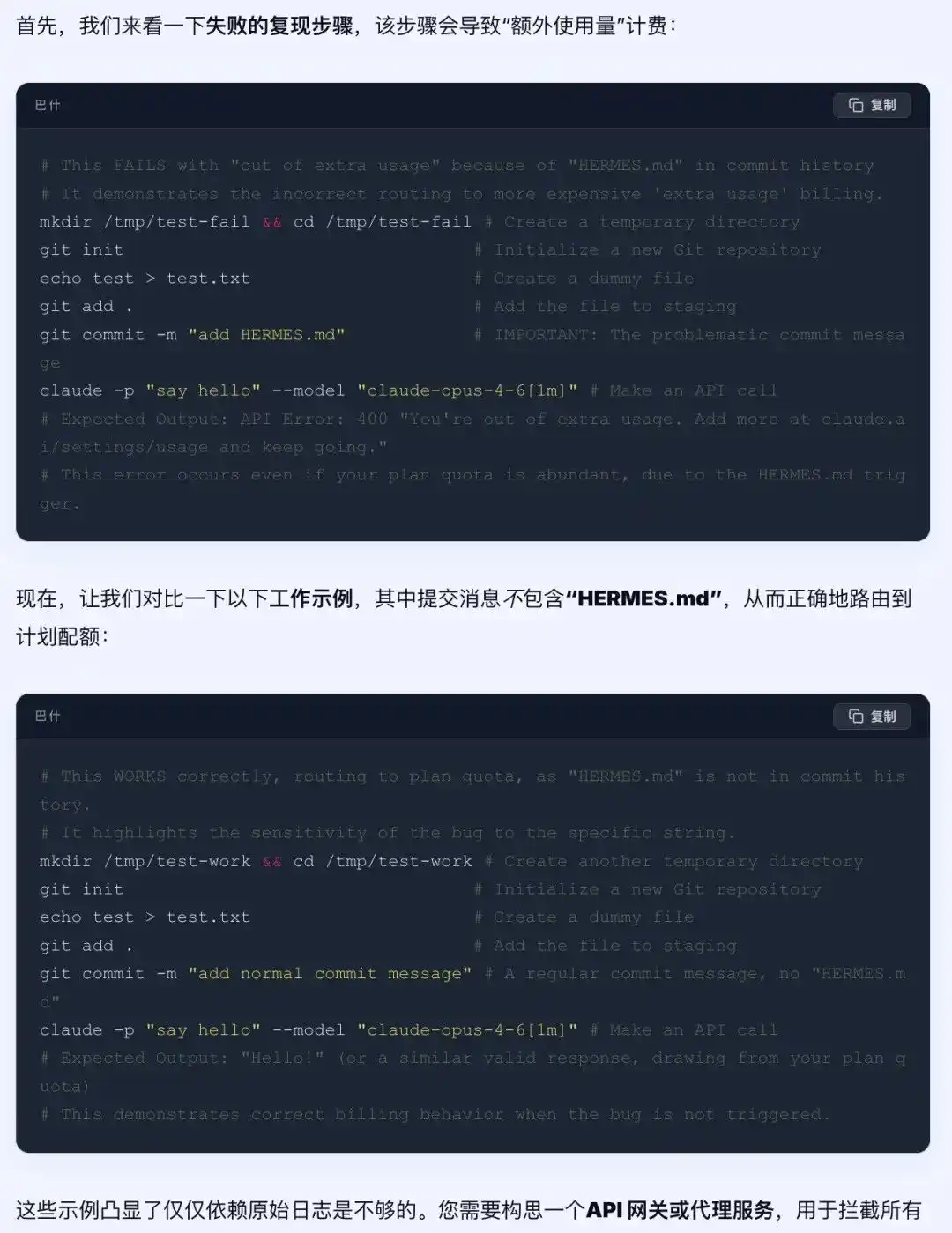
In April this year, developers discovered a billing vulnerability dubbed the "HERMES.md bug": when code commit records contained specific strings, Anthropic's backend would silently route requests that should have been deducted from the Max plan quota to a more expensive "additional usage" billing channel.
Users paid a $200/month subscription fee but were actually billed separately at the API rate.
Anthropic characterized it as an "authentication routing issue" but initially refused refunds, leading many developers to initiate credit card chargebacks.
On June 14, Washington D.C. user Karl Kahn filed a class-action lawsuit in the US District Court for the Northern District of California, alleging that Anthropic's usage promises for the Max 5x ($100/month) and Max 20x ($200/month) subscription plans were misleading.
Kahn claimed that during his use of the Max 20x plan, a single 5-hour programming session consumed 15% of his weekly quota.
The lawsuit argues that Anthropic's usage calculation method is opaque, making it nearly impossible for users to verify whether they are receiving the promised service.
The pricing changes for Claude 5 further amplified this distrust.
Released on June 9 as part of subscription plans, this Anthropic's most powerful publicly available model to date was stripped from them just 13 days later, converted to a usage credit system billed at the API rate ($10 per million input tokens, $50 per million output tokens) – twice the price of Claude 4.8.
Extended reading: Sudden! Anthropic Globally Disables Claude 5
It was also taken offline globally for 19 days due to US government export controls.
After restoration on July 1, the free window provided by Anthropic was only 6 days, later extended to July 12.
When "Safety" Doesn't Cover the Wallet
Anthropic's core brand narrative is "AI safety."
But for paying users, the definition of safety is expanding: it shouldn't only mean the model won't output harmful content; it should also include not being charged an inexplicable fee without your knowledge.
This isn't just Anthropic's problem.
AI service billing structures are inherently complex – model tiers, token usage, API call counts, retries, cloud platform markups, different paths for direct purchase and resale – all layered together, forming a black box that average users can almost never independently verify.
The emergence of auditing companies like Vaudit is itself a signal: AI bills have become so complex that a professional third party is needed to understand them.
Competitors are already sensing the opportunity.
At the June Build conference, Microsoft released MAI-Thinking-1. AI head Mustafa Suleyman told Bloomberg, "Many people are urgently looking for alternatives to Anthropic's expensive models."

OpenAI is reportedly considering significantly lowering token prices.
DeepSeek V4's output token price is about 1/90th of Claude Sonnet 4.6's, starting to be included in developers' cost comparison options.
Over the past year, AI companies won users with model capabilities.
In the next phase of competition, billing transparency will become part of the product experience.
When users start auditing your bills and questioning your pricing promises with class-action lawsuits, "our model is smarter" is no longer enough.
The problem Anthropic faces today, the entire industry will encounter – whoever makes their billing clear first will get the ticket to the next round of trust.
References:
https://www.internationalcyberdigest.com/anthropic-tried-to-phantom-charge-16-6m/
https://www.theinformation.com/newsletters/applied-ai/anthropic-customers-find-errant-charges-auditing-startup-says
This article is from WeChat public account "New Zhiyuan", author: ASI Revelation