Author: Nikka, WolfDAO
I. Banking License: The Precise Calculation of a Permanent Franchise
The Trump family's choice to apply for a national trust bank charter, rather than issuing Meme coins or endorsing NFT projects, is driven by a profound logic of power. Meme coins are a one-time monetization of attention, and stablecoin companies are merely ordinary commercial entities. However, a national trust bank is not a participant in the financial system; it is part of the financial system itself.
Once approved by the OCC, WLTC will have the right to directly access the national payment system, as well as the most critical asset—a scarce license to provide crypto asset custody services to institutional clients. Custody services are a rigid demand for traditional financial institutions entering the crypto world, but the OCC has so far approved only a handful of pure crypto banks, such as Anchorage Digital. This is a highly scarce, high-demand market with extremely high regulatory barriers.
The deeper value lies in the permanence and transferability of the license. Political influence may fade after leaving office, but a federal bank charter is a permanent institutional asset—it can be transferred, used as collateral for financing, and generate ongoing rental income. The Trump family is not applying for a project; they are applying for a financial franchise that can be passed down through generations.
The timing is equally precise. The partial passage of the 2025 GENIUS Act and CLARITY Act provides a legal basis for stablecoins and custody services. This legislation itself carries a strong political background—a regulatory-friendly environment bought by the crypto industry's donations of tens to hundreds of millions of dollars to the Trump camp. However, legislation only opens the door; the real competition lies in who gets through the fastest. While Circle and Ripple are stronger in terms of resources, they lack what WLFI possesses: direct access to political influence.
In this framework, the role of USD1 becomes clear—it is not the goal but a tool to obtain the license. Its $3.3 billion market capitalization is propped up by Binance's 20% annualized yield and subsidies from the WLFI treasury. The existence of USD1 only needs to demonstrate that WLFI has operational experience and partnership channels, and its surface-level metrics are sufficient to meet "business feasibility" requirements. Once the license is secured, whether USD1 continues to exist is no longer critical—WLTC can provide custody for any stablecoin, collecting "toll fees" across the entire crypto financial system.
II. The Perfect Closed Loop of Rent-Seeking
To understand the essence of WLFI, one must return to the wave of political donations in 2025. The crypto industry injected tens to hundreds of millions of dollars into the Trump camp: $20 million from Crypto.com's parent company, millions from Gemini, Blockchain, and a16z founders. These donations bought a policy environment beneficial to all crypto businesses—a classic public good.
However, the Trump family not only enjoys this public good but also reaps private benefits through WLFI: a 75% profit share, already amounting to tens of billions of dollars. This creates a perfect closed loop of interests: using the industry's money to buy policy favors, using policy favors to support their own business, and using business profits to continue influencing policy. Traditional political donations at least have a layer of separation between donors and beneficiaries, but the WLFI model is "industry donations → family profits," where policymakers are simultaneously direct beneficiaries.
What is even more ingenious is that this model is entirely legal in form. The Trump family profits by operating a "market-driven" enterprise—with products, operations, and clients. However, in reality, this enterprise's core competitiveness is not technology or products but the privilege of political connections and regulatory access.
The OCC's discretionary power is precisely where rent-seeking finds its space. Bank charter applications are not binary approve/reject decisions but complex processes with countless discretionary points. What kind of capital structure is "adequate"? What kind of management experience is "qualified"? Each discretionary point provides room for political influence to operate. WLFI doesn't need the OCC to break rules; it only needs "friendly" judgments at countless discretionary points—slightly looser requirements here, slightly more flexible interpretations of standards there. Each individual judgment may seem reasonable, but cumulatively, they create significant differences.
III. Restructuring Competition in the Crypto Industry
WLFI's bank application is essentially competing for a massive but sparsely populated market—institutional-grade crypto custody services. Currently, global institutional demand for crypto asset custody is conservatively estimated at over a hundred billion dollars, but there are only a handful of institutions with compliant custody qualifications. The OCC has approved only a few, such as Anchorage Digital; while Coinbase and Gemini offer custody services, they lack federal bank status.
If WLTC is approved, the most direct impact will be a redivision of the pie in this blue-ocean market. Traditional financial institutions—pension funds, sovereign wealth funds, family offices—prioritize custody security and compliance over yield when seeking crypto asset allocation. A custody institution with a federal bank charter, directly regulated by the OCC, would be irresistibly attractive to these institutional clients. This means that companies like Circle and Coinbase, already in line waiting for licenses, might watch helplessly as WLFI cuts in line using political advantages, seizing first-mover benefits.
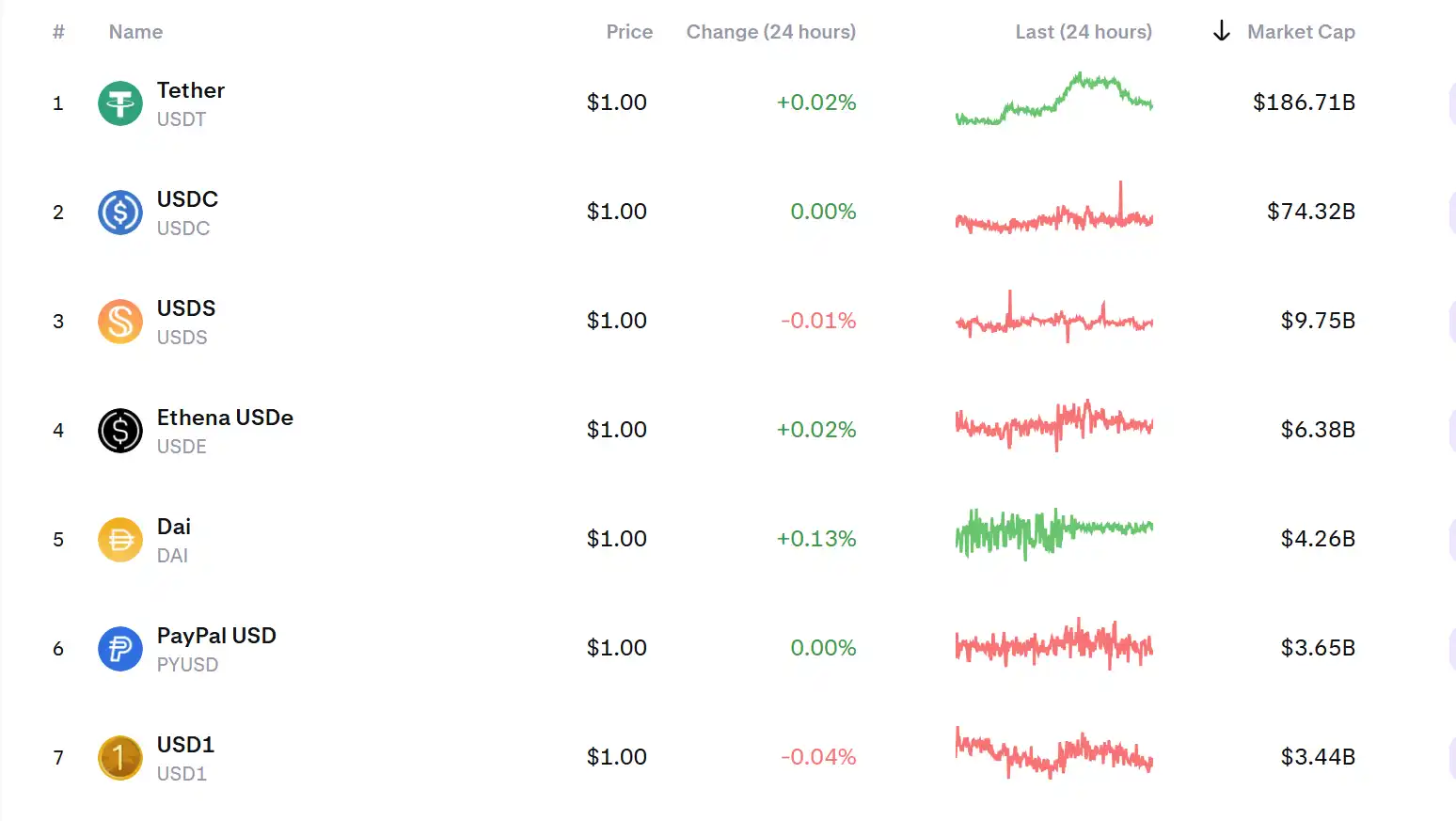
From the perspective of the stablecoin competition landscape, WLTC's approval would break the duopoly of USDT and USDC. Although USD1's current market capitalization is only $3.3 billion, the institutional红利 (institutional红利红利红利红利红利红利红利红利红利红利红利红利红利红利红利红利红利红利红利红利红利红利红利红利红利红利红利红利红利红利红利红利红利红利红利红利红利红利红利红利红利红利红利红利红利红利红利红利红利红利红利红利红利红利红利红利红利红利红利红利红利红利红利红利红利红利红利红利红利红利红利红利红利红利红利红利红利红利红利红利红利红利红利红利红利红利红利红利红利红利红利红利红利红利红利红利红利红利红利红利红利红利红利红利红利红利红利红利红利红利红利红利红利红利红利红利红利红利红利红利红利红利红利红利红利红利红利红利红利红利红利红利红利红利红利红利红利红利红利红利红利红利红利红利红利红利红利红利红利红利红利红利红利红利红利红利红利红利红利红利红利红利红利红利红利红利红利红利红利红利红利红利红利红利红利红利红利红利红利红利红利红利红利红利红利红利红利红利红利红利红利红利红利红利红利红利红利红利红利红利红利红利红利红利红利红利红利红利红利红利红利红利红利红利红利红利红利红利红利红利红利红利红利红利红利红利红利红利红利红利红利红利红利红利红利红利红利红利红利红利红利红利红利红利红利红利红利红利红利红利红利红利红利红利红利红利红利红利红利红利红利红利红利红利红利红利红利红利红利红利红利红利红利红利红利红利红利红利红利红利红利红利红利红利红利红利红利红利红利红利红利红利红利红利红利红利红利红利红利红利红利红利红利红利红利红利红利红利红利红利红利红利红利红利红利红利红利红利红利红利红利红利红利红利红利红利红利红利红利红利红利红利红利红利红利红利红利红利红利红利红利红利红利红利红利红利红利红利红利红利红利红利红利红利红利红利红利红利红利红利红利红利红利红利红利红利红利红利红利红利红利红利红利红利红利红利红利红利红利红利红利红利红利红利红利红利红利红利红利红利红利红利红利红利红利红利红利红利红利红利红利红利红利红利红利红利红利红利红利红利红利红利红利红利红利红利红利红利红利红利红利红利红利红利红利红利红利红利红利红利红利红利红利红利红利红利红利红利红利红利红利红利红利红利红利红利红利红利红利红利红利红利红利红利红利红利红利红利红利红利红利红利红利红利红利红利红利红利红利红利红利红利红利红利红利红利红利红利红利红利红利红利红利红利红利红利红利红利红利红利红利红利红利红利红利红利红利红利红利红利红利红利红利红利红利红利红利红利红利红利红利红利红利红利红利红利红利红利红利红利红利红利红利红利红利红利红利红利红利红利红利红利红利红利红利红利红利红利红利红利红利红利红利红利红利红利红利红利红利红利红利红利红利红利红利红利红利红利红利红利红利红利红利红利红利红利红利红利红利红利红利红利红利红利红利红利红利红利红利红利红利红利红利红利红利红利红利红利红利红利红利红利红利红利红利红利红利红利红利红利红利红利红利红利红利红利红利红利红利红利红利红利红利红利红利红利红利红利红利红利红利红利红利红利红利红利红利红利红利红利红利红利红利红利红利红利红利红利红利红利红利红利红利红利红利红利红利红利红利红利红利红利红利红利红利红利红利红利红利红利红利红利红利红利红利红利红利红利红利红利红利红利红利红利红利红利红利红利红利红利红利红利红利红利红利红利红利红利红利红利红利红利红利红利红利红利红利红利红利红利红利红利红利红利红利红利红利红利红利红利红利红利红利红利红利红利红利红利红利红利红利红利红利红利红利红利红利红利红利红利红利红利红利红利红利红利红利红利红利红利红利红利红利红利红利红利红利红利红利红利红利红利红利红利红利红利红利红利红利红利红利红利红利红利红利红利红利红利红利红利红利红利红利红利红利红利红利红利红利红利红利红利红利红利红利红利红利红利红利红利红利红利红利红利红利红利红利红利红利红利红利红利红利红利红利红利红利红利红利红利红利红利红利红利红利红利红利红利红利红利红利红利红利红利红利红利红利红利红利红利红利红利红利红利红利红利红利红利红利红利红利红利红利红利红利红利红利红利红利红利红利红利红利红利红利红利红利红利红利红利红利红利红利红利红利红利红利红利红利红利红利红利红利红利红利红利红利红利红利红利红利红利红利红利红利红利红利红利红利红利红利红利红利红利红利红利红利红利红利红利红利红利红利红利红利红利红利红利红利红利红利红利红利红利红利红利红利红利红利红利红利红利红利红利红利红利红利红利红利红利红利红利红利红利红利红利红利红利红利红利红利红利红利红利红利红利红利红利红利红利红利红利红利红利红利红利红利红利红利红利红利红利红利红利红利红利红利红利红利红利红利红利红利红利红利红利红利红利红利红利红利红利红利红利红利红利红利红利红利红利红利红利红利红利红利红利红利红利红利红利红利红利红利红利红利红利红利红利红利红利红利红利红利红利红利红利红利红利红利红利红利红利红利红利红利红利红利红利红利红利红利红利红利红利红利红利红利红利红利红利红利红利红利红利红利红利红利红利红利红利红利红利红利红利红利红利红利红利红利红利红利红利红利红利红利红利红利红利红利红利红利红利红利红利红利红利红利红利红利红利红利红利红利红利红利红利红利红利红利红利红利红利红利红利红利红利红利红利红利红利红利红利红利红利红利红利红利红利红利红利红利红利红利红利红利红利红利红利红利红利红利红利红利红利红利红利红利红利红利红利红利红利红利红利红利红利红利红利红利红利红利红利红利红利红利红利红利红利红利红利红利红利红利红利红利红利红利红利红利红利红利红利红利红利红利红利红利红利红利红利红利红利红利红利红利红利红利红利红利红利红利红利红利红利红利红利红利红利红利红利红利红利红利红利红利红利红利红利红利红利红利红利红利红利红利红利红利红利红利红利红利红利红利红利红利红利红利红利红利红利红利红利红利红利红利红利红利红利红利红利红利红利红利红利红利红利红利红利红利红利红利红利红利红利红利红利红利红利红利红利红利红利红利红利红利红利红利红利红利红利红利红利红利红利红利红利红利红利红利红利红利红利红利红利红利红利红利红利红利红利红利红利红利红利红利红利红利红利红利红利红利红利红利红利红利红利红利红利红利红利红利红利红利红利红利红利红利红利红利红利红利红利红利红利红利红利红利红利红利红利红利红利红利红利红利红利红利红利红利红利红利红利红利红利红利红利红利红利红利红利红利红利红利红利红利红利红利红利红利红利红利红利红利红利红利红利红利红利红利红利红利红利红利红利红利红利红利红利红利红利红利红利红利红利红利红利红利红利红利红利红利红利红利红利红利红利红利红利红利红利红利红利红利红利红利红利红利红利红利红利红利红利红利红利红利红利红利红利红利红利红利红利红利红利红利红利红利红利红利红利红利红利红利红利红利红利红利红利红利红利红利红利红利红利红利红利红利红利红利红利红利红利红利红利红利红利红利红利红利红利红利红利红利红利红利红利红利红利红利红利红利红利红利红利红利红利红利红利红利红利红利红利红利红利红利红利红利红利红利红利红利红利红利红利红利红利红利红利红利红利红利红利红利红利红利红利红利红利红利红利红利红利红利红利红利红利红利红利红利红利红利红利红利红利红利红利红利红利红利红利红利红利红利红利红利红利红利红利红利红利红利红利红利红利红利红利红利红利红利红利红利红利红利红利红利红利红利红利红利红利红利红利红利红利红利红利红利红利红利红利红利红利红利红利红利红利红利红利红利红利红利红利红利红利红利红利红利红利红利红利红利红利红利红利红利红利红利红利红利红利红利红利红利红利红利红利红利红利红利红利红利红利红利红利红利红利红利红利红利红利红利红利红利红利红利红利红利红利红利红利红利红利红利红利红利红利红利红利红利红利红利红利红利红利红利红利红利红利红利红利红利红利红利红利红利红利红利红利红利红利红利红利红利红利红利红利红利红利红利红利红利红利红利红利红利红利红利红利红利红利红利红利红利红利红利红利红利红利红利红利红利红利红利红利红利红利红利红利红利红利红利红利红利红利红利红利红利红利红利红利红利红利红利红利红利红利红利红利红利红利红利红利红利红利红利红利红利红利红利红利红利红利红利红利红利红利红利红利红利红利红利红利红利红利红利红利红利红利红利红利红利红利红利红利红利红利红利红利红利红利红利红利红利红利红利红利红利红利红利红利红利红利红利红利红利红利红利红利红利红利红利红利红利红利红利红利红利红利红利红利红利红利红利红利红利红利红利红利红利红利红利红利红利红利红利红利红利红利红利红利红利红利红利红利红利红利红利红利红利红利红利红利红利红利红利红利红利红利红利红利红利红利红利红利红利红利红利红利红利红利红利红利红利红利红利红利红利红利红利红利红利红利红利红利红利红利红利红利红利红利红利红利红利红利红利红利红利红利红利红利红利红利红利红利红利红利红利红利红利红利红利红利红利红利红利红利红利红利红利红利红利红利红利红利红利红利红利红利红利红利红利红利红利红利红利红利红利红利红利红利红利红利红利红利红利红利红利红利红利红利红利红利红利红利红利红利红利红利红利红利红利红利红利红利红利红利红利红利红利红利红利红利红利红利红利红利红利红利红利红利红利红利红利红利红利红利红利红利红利红利红利红利红利红利红利红利红利红利红利红利红利红利红利红利红利红利红利红利红利红利红利红利红利红利红利红利红利红利红利红利红利红利红利红利红利红利红利红利红利红利红利红利红利红利红利红利红利红利红利红利红利红利红利红利红利红利红利红利红利红利红利红利红利红利红利红利红利红利红利红利红利红利红利红利红利红利红利红利红利红利红利红利红利红利红利红利红利红利红利红利红利红利红利红利红利红利红利红利红利红利红利红利红利红利红利红利红利红利红利红利红利红利红利红利红利红利红利红利红利红利红利红利红利红利红利红利红利红利红利红利红利红利红利红利红利红利红利红利红利红利红利红利红利红利红利红利红利红利红利红利红利红利红利红利红利红利红利红利红利红利红利红利红利红利红利红利红利红利红利红利红利红利红利红利红利红利红利红利红利红利红利红利红利红利红利红利红利红利红利红利红利红利红利红利红利红利红利红利红利红利红利红利红利红利红利红利红利红利红利红利红利红利红利红利红利红利红利红利红利红利红利红利红利红利红利红利红利红利红利红利红利红利红利红利红利红利红利红利红利红利红利红利红利红利红利红利红利红利红利红利红利红利红利红利红利红利红利红利红利红利红利红利红利红利红利红利红利红利红利红利红利红利红利红利红利红利红利红利红利红利红利红利红利红利红利红利红利红利红利红利红利红利红利红利红利红利红利红利红利红利红利红利红利红利红利红利红利红利红利红利红利红利红利红利红利红利红利红利红利红利红利红利红利红利红利红利红利红利红利红利红利红利红利红利红利红利红利红利红利红利红利红利红利红利红利红利红利红利红利红利红利红利红利红利红利红利红利红利红利红利红利红利红利红利红利红利红利红利红利红利红利红利红利红利红利红利红利红利红利红利红利红利红利红利红利红利红利红利红利红利红利红利红利红利红利红利红利红利红利红利红利红利红利红利红利红利红利红利红利红利红利红利红利红利红利红利红利红利红利红利红利红利红利红利红利红利红利红利红利红利红利红利红利红利红利红利红利红利红利红利红利红利红利红利红利红利红利红利红利红利红利红利红利红利红利红利红利红利红利红利红利红利红利红利红利红利红利红利红利红利红利红利红利红利红利红利红利红利红利红利红利红利红利红利红利红利红利红利红利红利红利红利红利红利红利红利红利红利红利红利红利红利红利红利红利红利红利红利红利红利红利红利红利红利红利红利红利红利红利红利红利红利红利红利红利红利红利红利红利红利红利红利红利红利红利红利红利红利红利红利红利红利红利红利红利红利红利红利红利红利红利红利红利红利红利红利红利红利红利红利红利红利红利红利红利红利红利红利红利红利红利红利红利红利红利红利红利红利红利红利红利红利红利红利红利红利红利红利红利红利红利红利红利红利红利红利红利红利红利红利红利红利红利红利红利红利红利红利红利红利红利红利红利红利红利红利红利红利红利红利红利红利红利红利红利红利红利红利红利红利红利红利红利红利红利红利红利红利红利红利红利红利红利红利红利红利红利红利红利红利红利红利红利红利红利红利红利红利红利红利红利红利红利红利红利红利红利红利红利红利红利红利红利红利红利红利红利红利红利红利红利红利红利红利红利红利红利红利红利红利红利红利红利红利红利红利红利红利红利红利红利红利红利红利红利红利红利红利红利红利红利红利红利红利红利红利红利红利红利红利红利红利红利红利红利红利红利红利红利红利红利红利红利红利红利红利红利红利红利红利红利红利红利红利红利红利红利红利红利红利红利红利红利红利红利红利红利红利红利红利红利红利红利红利红利红利红利红利红利红利红利红利红利红利红利红利红利红利红利红利红利红利红利红利红利红利红利红利红利红利红利红利红利红利红利红利红利红利红利红利红利红利红利红利红利红利红利红利红利红利红利红利红利红利红利红利红利红利红利红利红利红利红利红利红利红利红利红利红利红利红利红利红利红利红利红利红利红利红利红利红利红利红利红利红利红利红利红利红利红利红利红利红利红利红利红利红利极速扩张。关键在于,WLTC可以提供“一站式服务”——发行、托管、兑换全部内部化,不再依赖第三方。对于机构客户来说,这意味着更少的对手方风险、更简化的合规流程、更低的运营成本。Tether和Circle必须通过多个合作银行和托管商提供类似服务,而WLTC作为联邦银行可以独立完成,这个效率优势是结构性的。
The most pragmatic observation is that WLFI is pioneering a new business path: not through technological innovation or market competition, but by building competitive barriers through political resources and regulatory arbitrage. The success of this path will attract more capital and entrepreneurs to emulate it, forming a new business ecosystem centered on licenses and with political relationships as the moat. In this ecosystem, the rule-makers and the biggest beneficiaries may be the same group, and genuine market competition gives way to power distribution and interest exchange.
Conclusion
The most profound revelation of this case is not about cryptocurrency but about power itself. It reveals the extent to which the fusion of power and capital can achieve seamless integration in the digital age. Traditional revolving doors between politics and business at least had a time lag, but the WLFI model operates in real-time synchronization: formulating policies while operating a business, pushing for oversight while applying for licenses. This increase in efficiency is also a multiplication of corruption risks.






