The Image Generation Model That's Hotter Than Nano Banana Has Leaked, Screenshots Are No Longer Evidence | Includes Prompts

marsbit2026-04-19 tarihinde yayınlandı2026-04-19 tarihinde güncellendi

Özet

A new AI image generation model, widely referred to as "GPT Image 2," has been leaked and is demonstrating significant advancements over predecessors like DALL-E 3 and even Google's Nano Banana Pro. It excels in four key areas: text rendering, prompt adherence, photorealism, and world knowledge. The model can generate highly accurate text in multiple languages, including complex Chinese characters, making it capable of producing convincing fake documents, UI screenshots, and product labels. This capability also raises concerns about the reliability of using screenshots as evidence. The model is currently in A/B testing, with a full release expected around May 2026 when DALL-E services are officially retired. It is accessible for testing on the LM Arena platform. The article includes several prompt templates optimized for the model, such as generating realistic app screenshots, product photos with detailed labels, and street scenes with accurate signage. This advancement is reshaping creative workflows but also accelerating the displacement of some traditional design roles.

Is your impression of text-to-image still stuck on Nano Banana?

But kid, times have changed again.
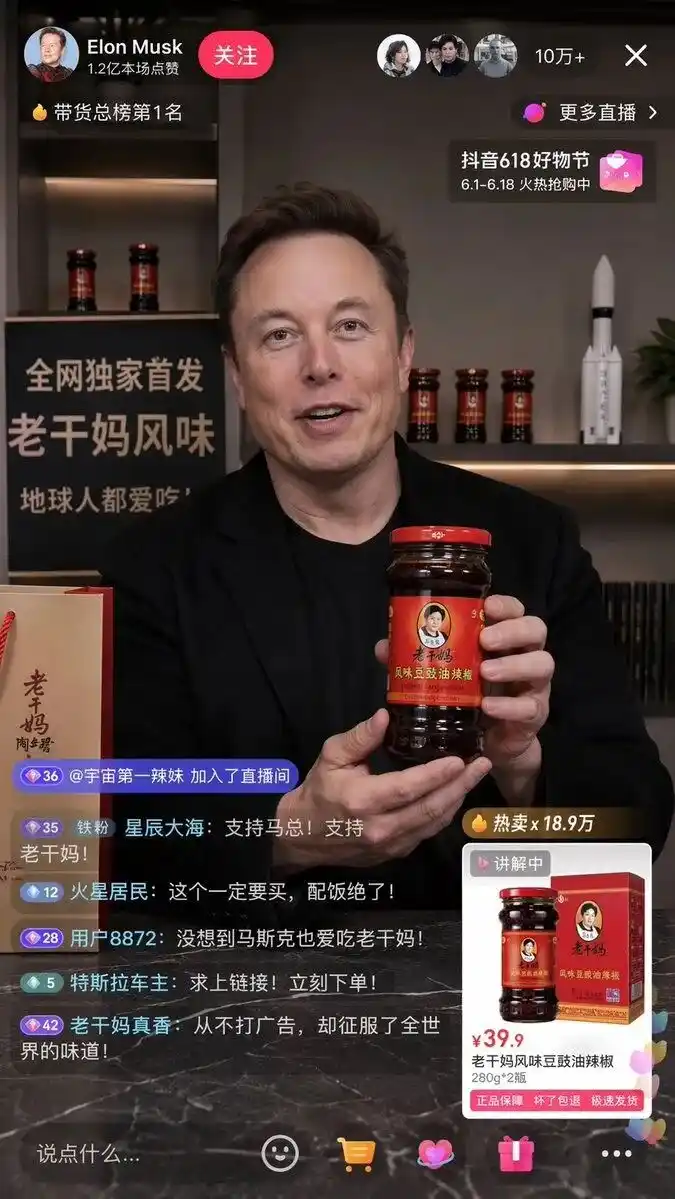
@johnAGI168 https://x.com/johnAGI168/status/2044781168151724067
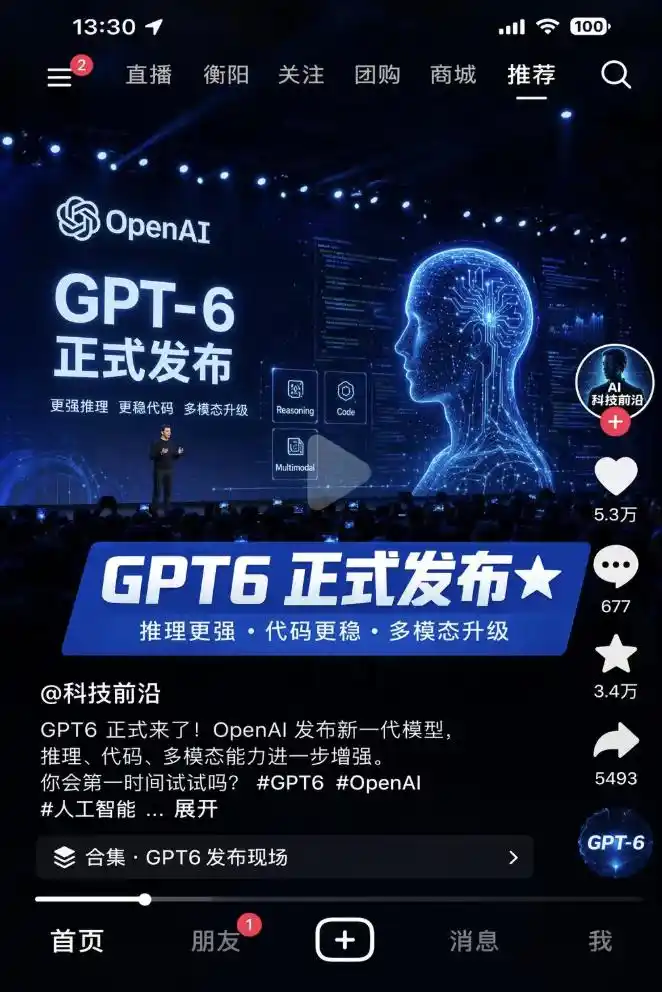
@0115hippo https://x.com/0115hippo/status/2044722124611539160

In early April, three anonymous image models, codenamed maskingtape-alpha, packingtape-alpha, and gaffertape-alpha, appeared on the LM Arena evaluation platform. They disappeared a few hours later.

OpenAI has not officially announced this model yet, but based on the metadata returned by the API and user-side testing records, it has already gained a widely accepted name: GPT Image 2.
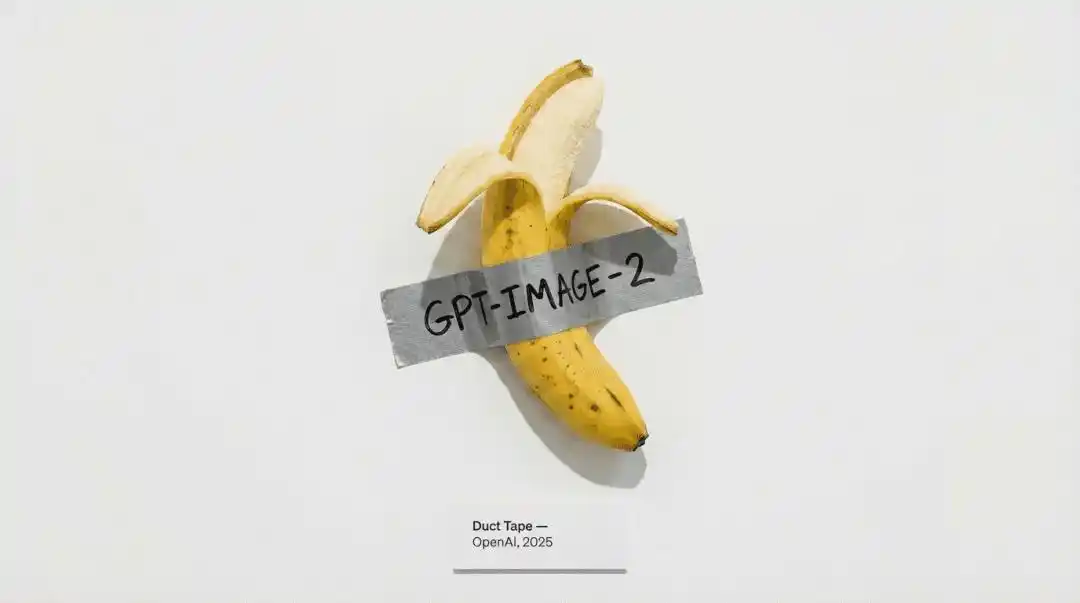
Screenshots Can No Longer Be Used as Evidence

Over the past few years, one of the most obvious weaknesses of AI image generation models has been text within images. In the DALL-E 3 era, if you asked it to write "Hello" in an image, it might output "Hellp" or even "Hl10", with letters tilting drunkenly. GPT Image 1 improved a lot, handling simple English labels. By GPT Image 1.5, its accuracy in rendering English text was close to 95%, but it still had significant flaws with non-Latin scripts like Chinese, Japanese, and Korean.

But the leaked sample images from GPT Image 2 have changed this impression.
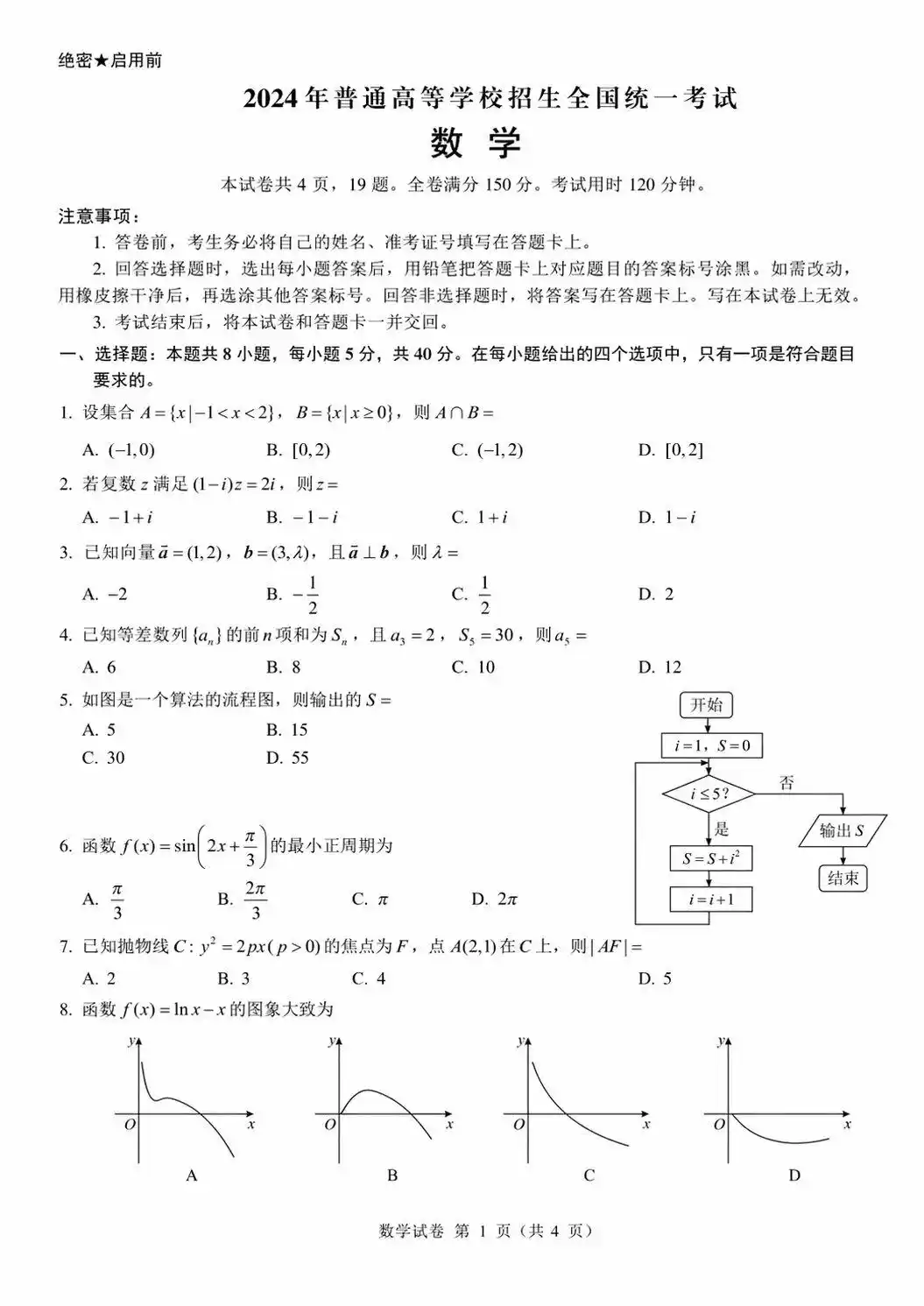
@MrLarus https://x.com/MrLarus/status/2044824800909054181
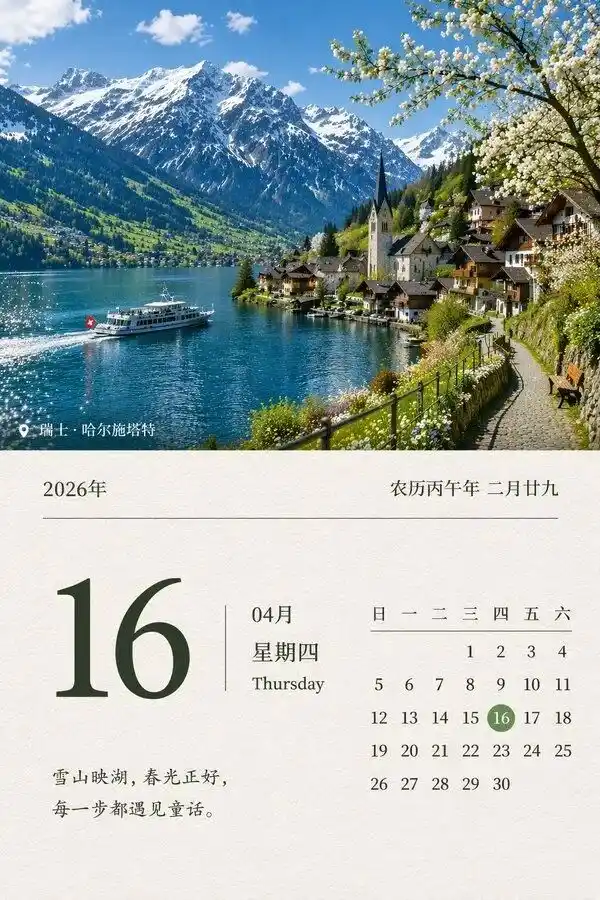
@akokoi1 https://x.com/akokoi1/status/2044789531615056175

The text in the images is exactly what it should be. Chinese characters are clear, with accurate glyphs and complete strokes. Someone tested generating an ID card-style image, where the name, address, and ID number were all rendered correctly, with neat formatting, looking at first glance like a photo of a real document.
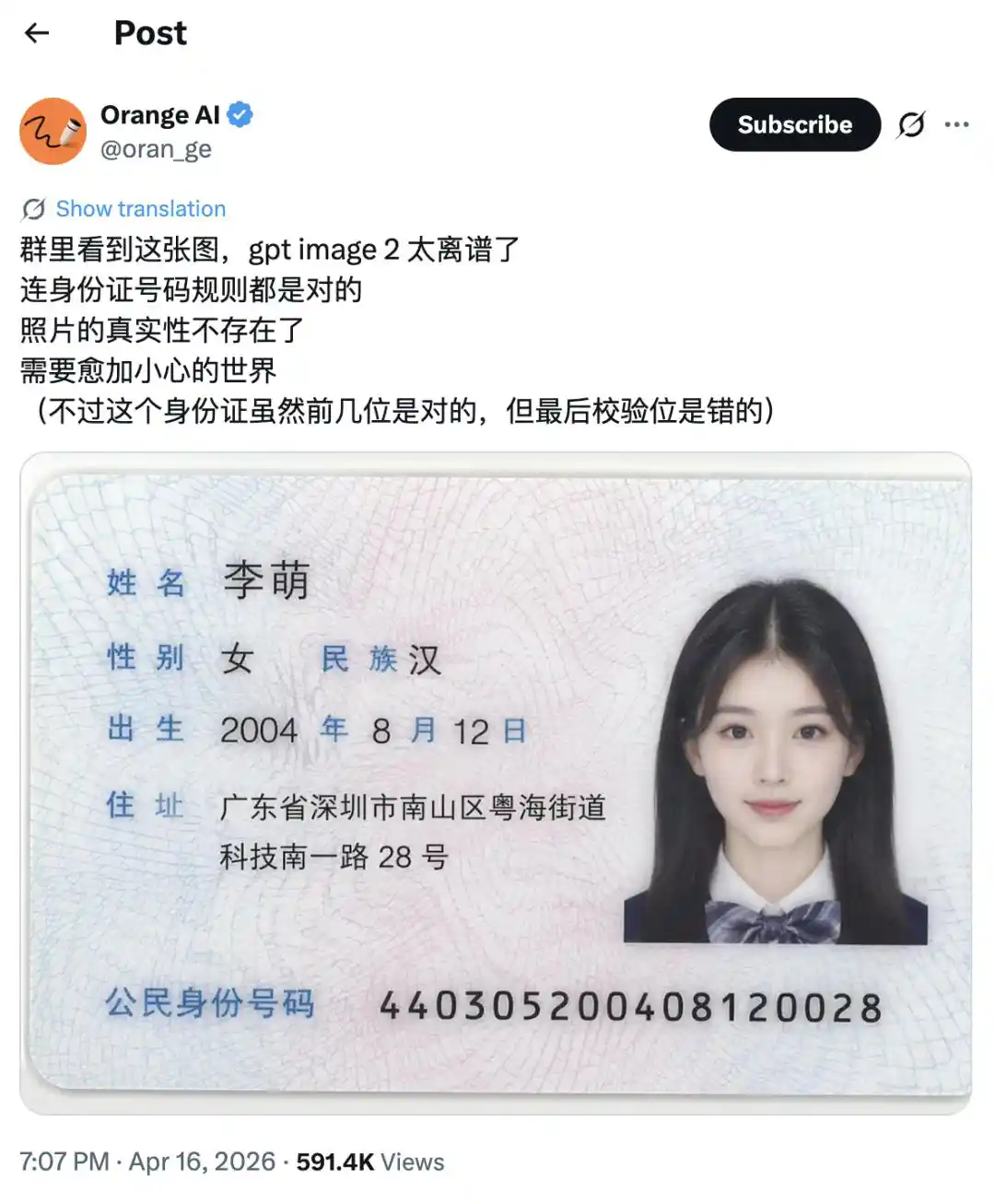
This is good news. The improvement in text rendering means generating infographics, posters, product packaging, and complex charts becomes more reliable.

But there's always another side to the coin. A model that can generate photo-realistic ID-style images and precisely render UI screenshots naturally makes "screenshots can be used as evidence" increasingly questionable.

By comparison, this is also a core difference between the GPT Image series and other models. Midjourney still has no progress in text rendering, and the Stable Diffusion series also has this old problem. According to the leaked Arena test results, GPT Image 2 surpassed Midjourney in four dimensions: text rendering, instruction following, photorealism, and world knowledge. Midjourney's advantages are mainly retained in artistic style and aesthetic control.
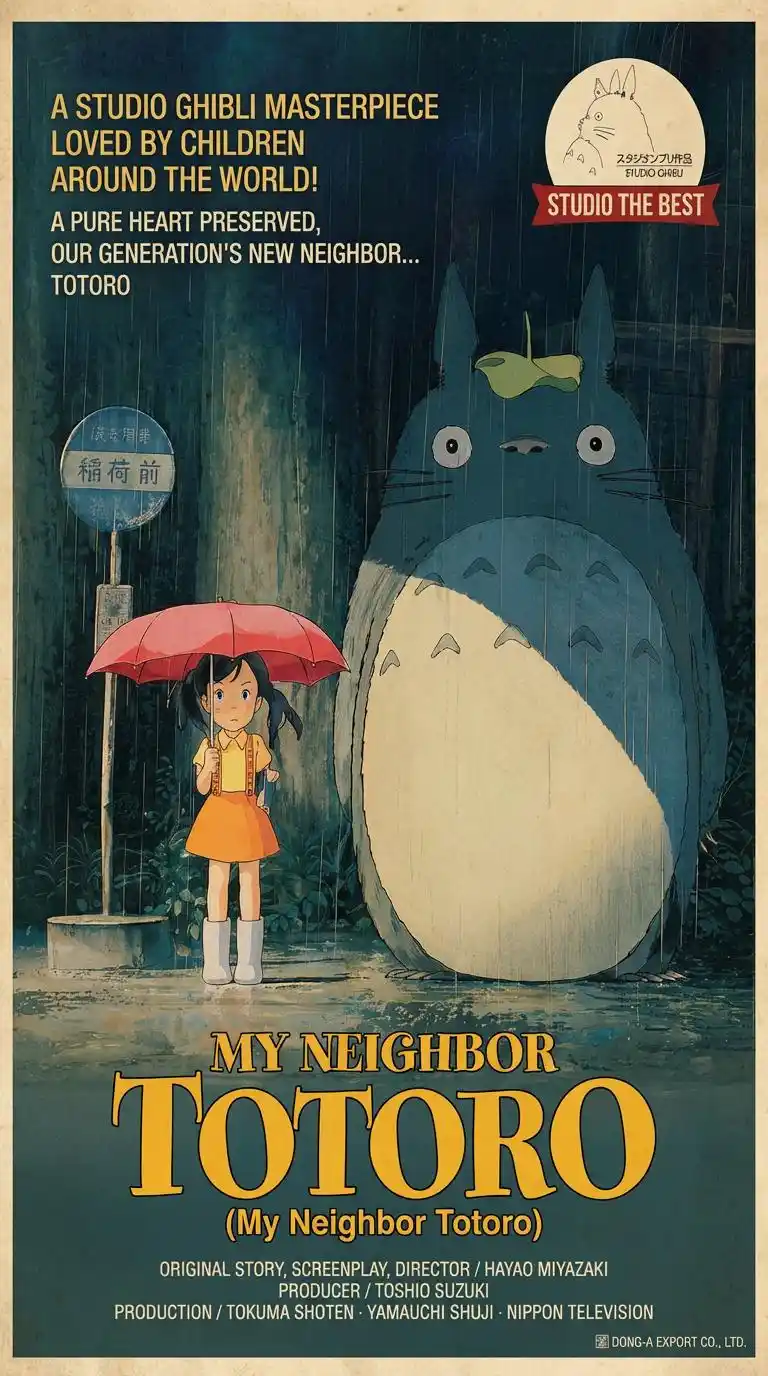
Does It Really Know What the World Looks Like?

A tester asked the model to generate a hypothetical GPT-8 product pricing page. The resulting image had a layout that was indeed in the style of the OpenAI website, with button placement and font choices resembling those from a real interface, and the hierarchical logic of the price table was correct.
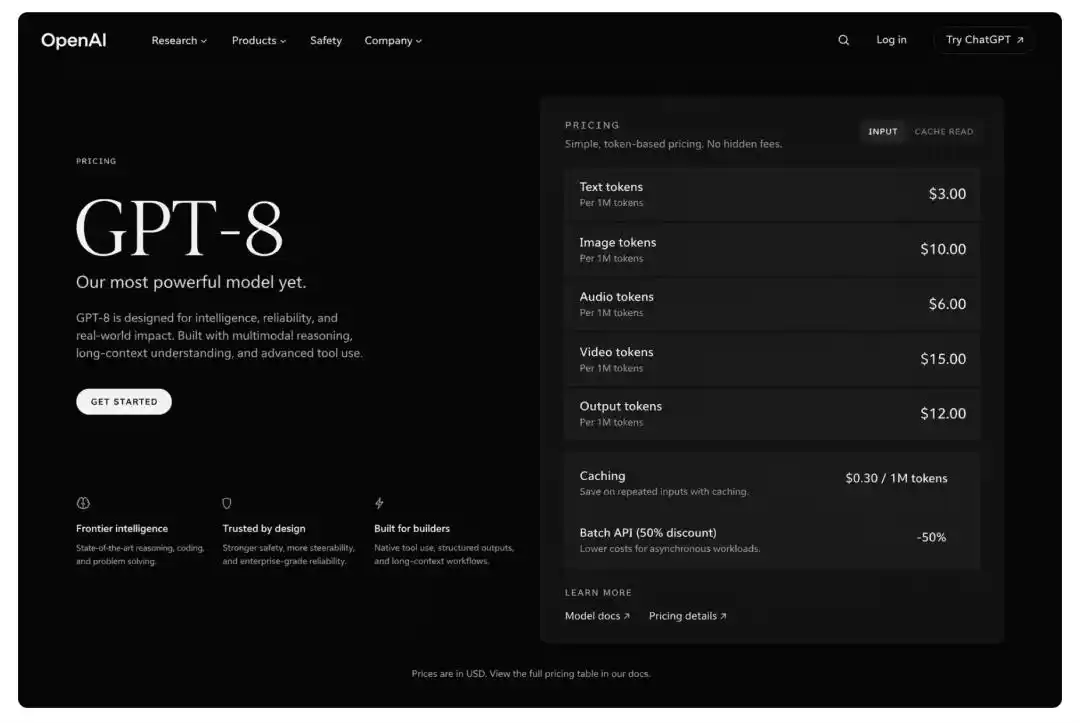
GPT Image 2 can generate images extremely similar to real software interfaces, including browser windows, mobile app interfaces, and data visualization charts, with a level of fidelity unmatched by the previous generation.
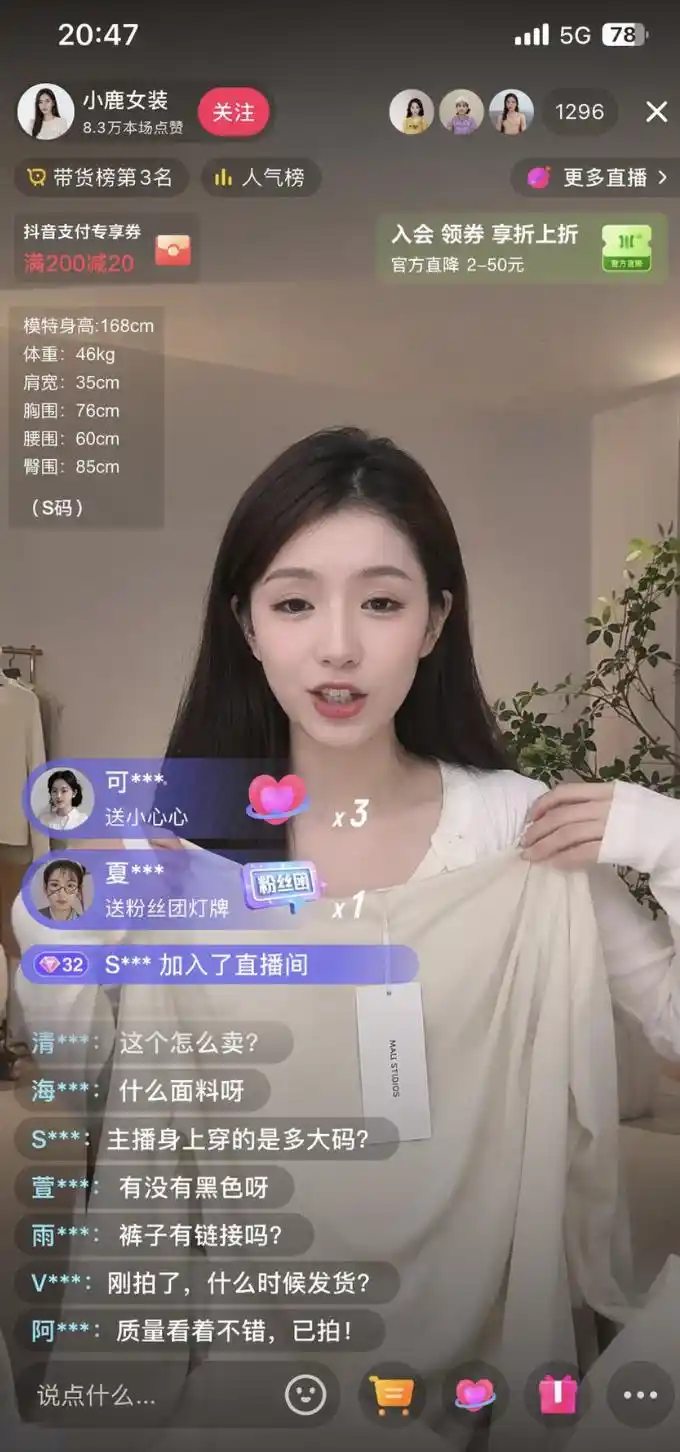
@johnAGI168 https://x.com/johnAGI168/status/2044781168151724067
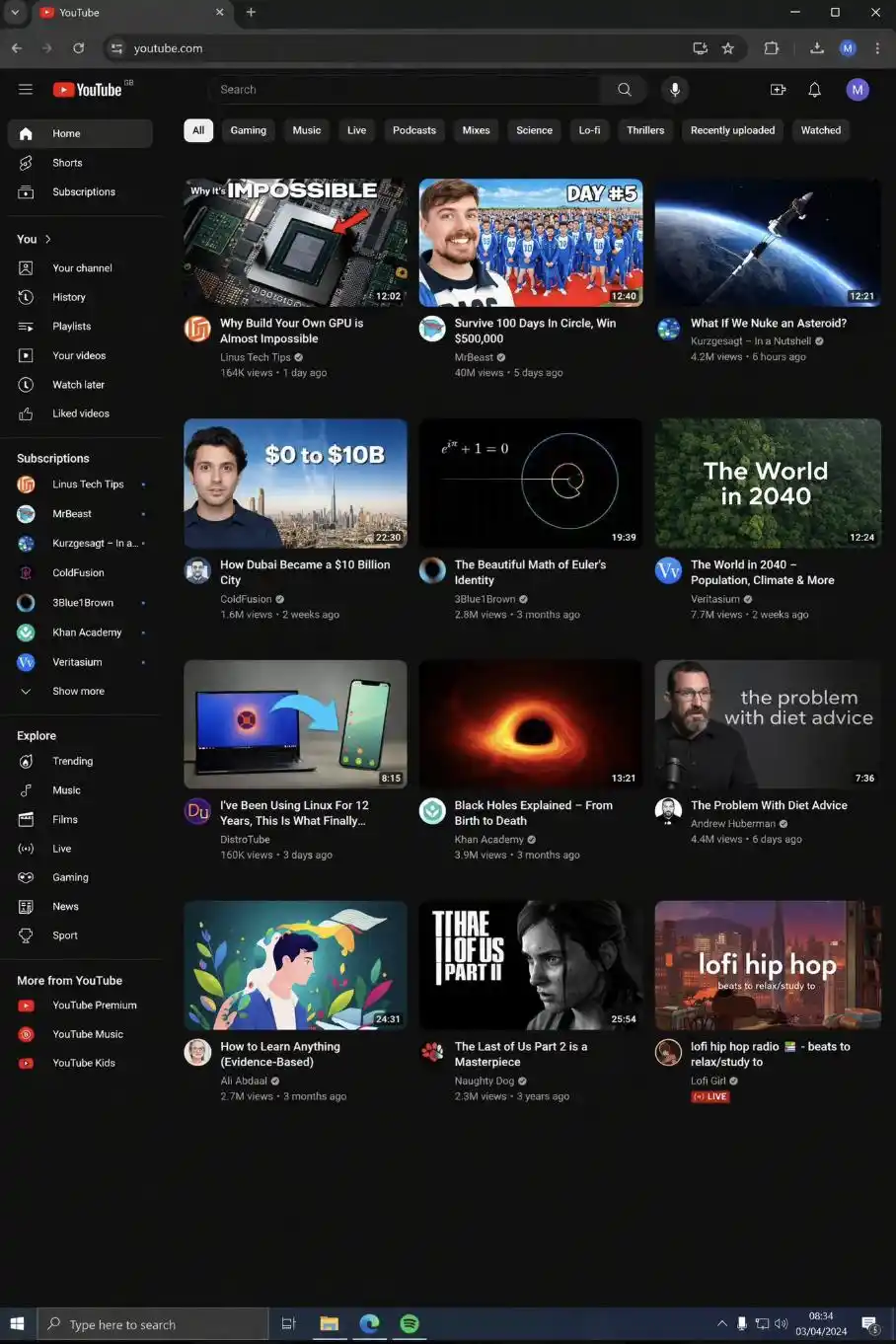
@levelsio https://x.com/levelsio/status/2040333489476681758

This will lead to some very interesting practical uses. When designers are creating product prototypes, they don't need to open Figma first and draw a bunch of wireframes; they can directly describe the desired interface in text, and the output is a reference image that can be used for team discussions. When creating investor decks, they can show a "product screenshot" without waiting for an engineer to write code. When writing documentation, example interface images for illustration can be generated directly, without having to think about where to find screenshots for a blank page.
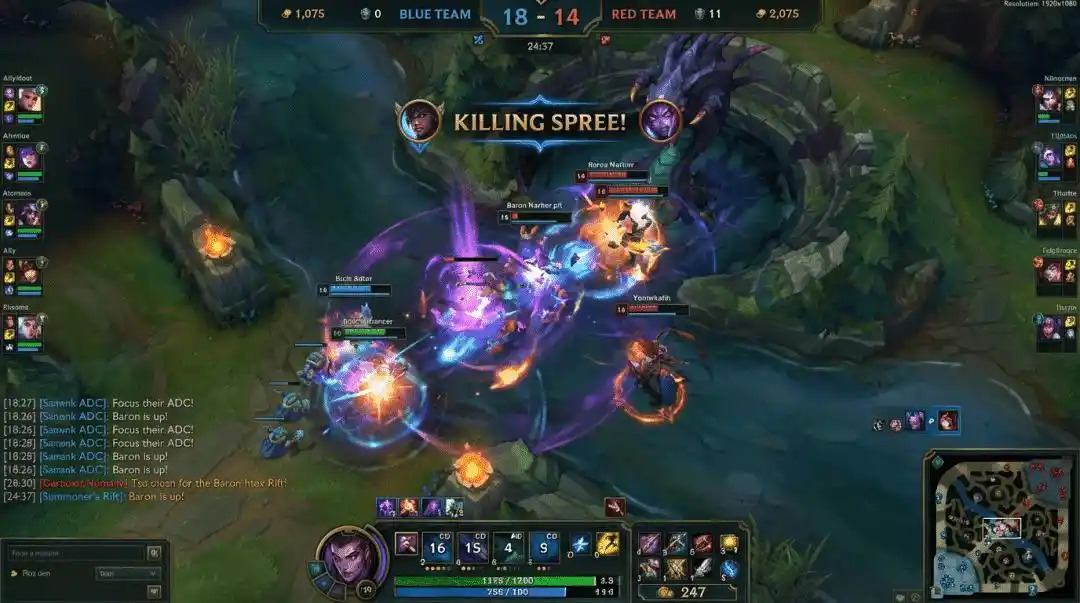
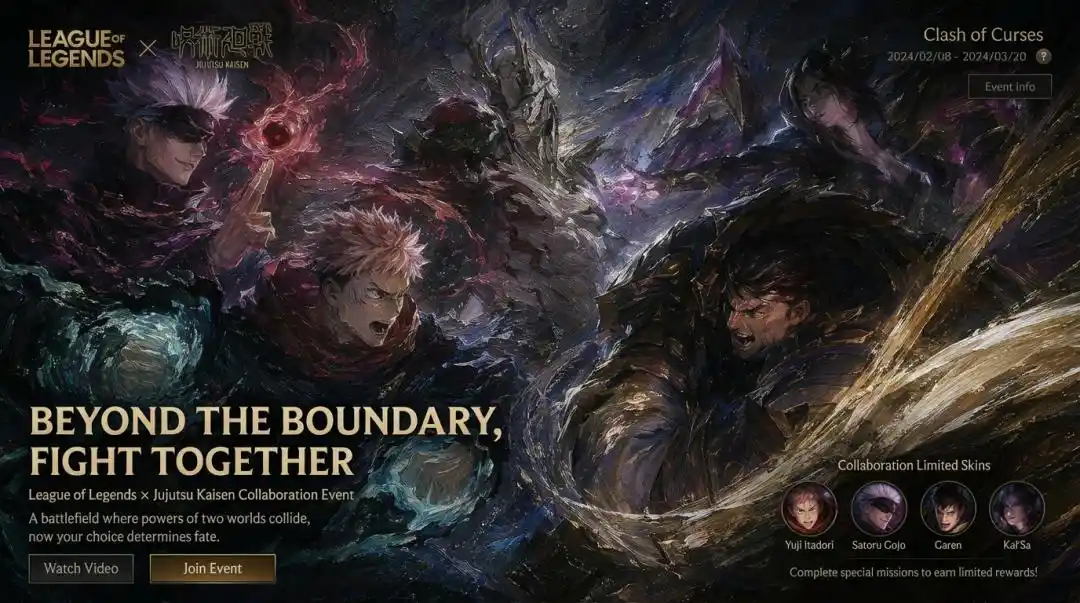
@marmaduke091 https://x.com/marmaduke091/status/2040338311873515597

Image Generation Is No Longer Just "Image Generation"

OpenAI has already announced that DALL-E 2 and DALL-E 3 will officially cease service on May 12, 2026. Azure OpenAI's DALL-E 3 was retired early in February.

DALL-E was the first place many people encountered AI image generation, from those blurry early works to today, in just a few short years.

Meanwhile, Google, which had just established its industry position with Nano Banana Pro in early 2026, might feel the pressure. Early test reports indicate that GPT Image 2 simultaneously surpasses Nano Banana Pro in three dimensions: realism, text rendering, and world knowledge. This kind of triple win is not common.

For creators, the feeling is complex. Illustrators, graphic designers, and photographers are not facing this topic for the first time. Since the release of GPT Image 1, the number of freelance graphic design positions has decreased by about 18%. AI has indeed replaced the decision to "hire someone to do this" in certain scenarios, but it is also creating new ways of working, allowing one person to do more.

The evolution speed of image generation models no longer leaves much time for adaptation. It was only a few months from GPT Image 1's launch to version 1.5. And from 1.5 to 2, it's only been about half a year. Each generation solves the core shortcomings of the previous one while opening up new possibilities.

GPT Image 2 is currently still in the A/B testing phase, with some ChatGPT users randomly gaining access. The official release window is widely predicted to be around May, coinciding with the retirement of DALL-E. If you want to experience it early, you can currently try your luck on the LM Arena evaluation platform.
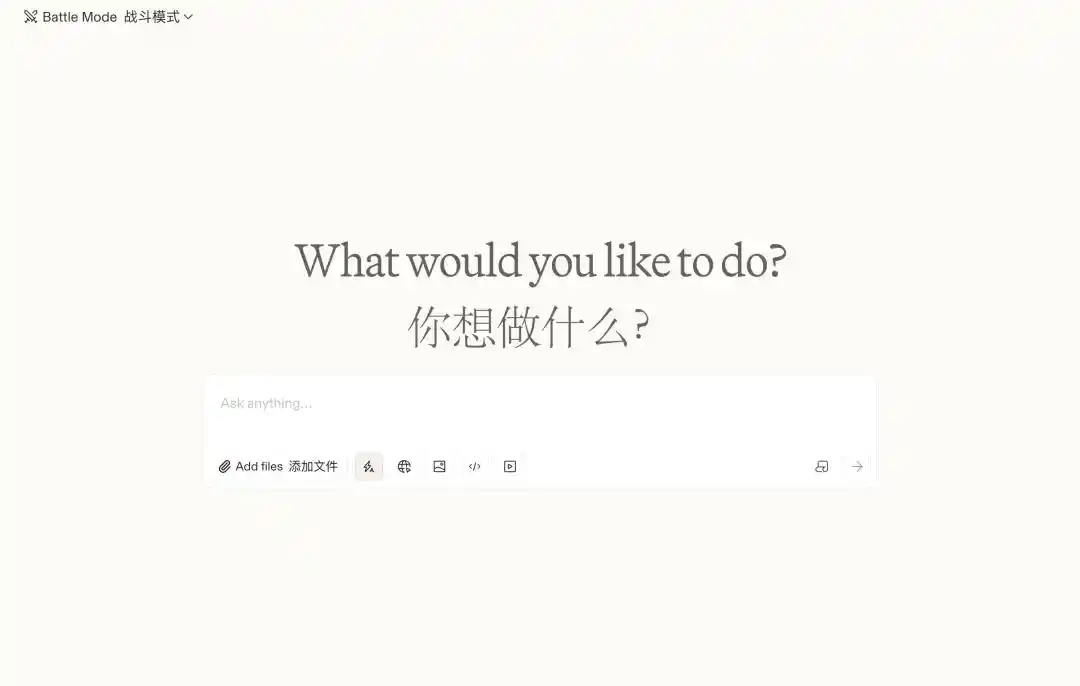
Test Address: https://arena.ai

Based on community feedback and the known strengths of this model, the following prompt templates can maximize your chances of success:

UI/Screenshot Prompt: A photorealistic screenshot of a mobile banking app, clearly showing transaction history with dates, amounts, and merchant names legible. iPhone 16 screen, natural hand holding the phone, coffee shop background.

Product Label Prompt: A photographic product photo of a craft beer bottle, with clear label details showing the brewery name "Oakridge Brewing Co.", alcohol content 6.8%, a mountain logo, and an ingredient list. Studio lighting, white background.

Signage Prompt: A street scene photo of a Tokyo alley at night, showing multiple neon signs in both Japanese and English, including a ramen shop sign reading "Ichiban Ramen — Est. 1987", a karaoke bar sign, and various glowing advertisements. Wet, reflective pavement with light reflections.

Interface/World Knowledge Prompt: A photorealistic YouTube video screenshot showing a video titled "How to Assemble a Computer in 2026" with 2.3 million views, featuring realistic comments, sidebar video recommendations, and channel info. Desktop browser view.

Widescreen Trigger Prompt: A cinematic widescreen photo of an IKEA store exterior at dusk, showing the glowing IKEA sign, a parking lot with realistic cars, and shoppers entering and leaving. Golden hour lighting, 16:9 format.

Unattributed image sources and references: https://miraflow.ai/blog/how-to-use-duct-tape-ai-model-arena-gpt-image-2-guide

This article is from the WeChat public account "APPSO", author: Discovering Tomorrow's Products

Trend Kriptolar

İlgili Sorular

QWhat is the name of the leaked image generation model mentioned in the article, and what is its significance?

AThe leaked model is referred to as GPT Image 2. Its significance lies in its dramatic improvement in text rendering accuracy, especially for non-Latin scripts like Chinese, and its ability to generate highly realistic images, including convincing UI screenshots and document-style images, which challenges the reliability of screenshots as evidence.

QHow does GPT Image 2's performance compare to other models like Midjourney and Google's Nano Banana Pro?

AAccording to the article, GPT Image 2 outperforms Midjourney in text rendering, prompt following, photorealism, and world knowledge, with Midjourney retaining an advantage mainly in artistic style and aesthetic control. It also reportedly surpasses Google's Nano Banana Pro in realism, text rendering, and world knowledge.

QWhat are some of the potential practical applications of GPT Image 2's capabilities?

APotential applications include generating product prototypes and UI mockups for designers, creating realistic 'screenshots' for investor decks without coding, producing example interface images for documentation, and generating accurate product labels, packaging, and information graphics.

QWhat major change is OpenAI making to its image generation services in relation to this new model?

AOpenAI has announced that DALL-E 2 and DALL-E 3 will officially stop service on May 12, 2026, with Azure's DALL-E 3 having already been retired in February. This suggests a transition to the new GPT Image model series.

QWhere can users currently try to access or test the GPT Image 2 model, and what is a recommended strategy for getting good results?

AThe model is currently in A/B testing, with some ChatGPT users randomly gaining access. Users can also try their luck on the LM Arena评测平台 (arena.ai). The article recommends using specific, detailed prompt templates focused on UI/screenshots, product labels, signage, interface/world knowledge, and widescreen formats to maximize success.

İlgili Okumalar

Global Market Share Survey: Japanese Firms Lead in Semiconductor Materials

Global Market Share Survey: Japanese Firms Lead in Semiconductor Materials According to the 2025 "Major Goods and Services Market Share Survey" by Nikkei, Japanese companies maintain strong positions in semiconductor-related materials. In silicon wafers, Shin-Etsu Chemical ranks first with a 26.3% share, followed by SUMCO at 17.8%. Together, they hold 44.1% of the market, widening their lead over competitors from Taiwan, Germany, and South Korea. In photoresists, Tokyo Ohka Kogyo, JSR, and Shin-Etsu Chemical occupy the top three spots, with a combined share of 60.5%. Despite their strength in materials, Japanese firms have a weaker presence in core semiconductor segments like DRAM and NAND flash memory, where South Korean and U.S. companies dominate. For instance, SK Hynix and Samsung lead in DRAM, while China’s CXMT doubled its share to 6% in 2025. The semiconductor market is projected to grow rapidly, with WSTS forecasting a 90% increase to $1.5112 trillion by 2026. Major players like Samsung, SK Hynix, and Micron are making massive investments to expand capacity. To maintain their edge in materials, Japanese companies must similarly commit to large-scale, risk-taking investments. In contrast, Japan’s automotive sector shows stagnation. Toyota remains the global leader but with only a slight share increase to 12.3%, while Japanese brands are absent from the top five in the EV market. In shipbuilding, Imabari Shipbuilding rose to third place globally with a 7.2% share, benefiting from large container ship deliveries. However, Chinese and South Korean firms dominate the sector, holding the top two positions. Japan aims to revitalize its shipbuilding industry through government and corporate efforts, targeting a near doubling of output by 2035. Addressing labor shortages and adopting advanced technologies like physical AI will be critical for competitiveness.

marsbit16 dk önce

Global Market Share Survey: Japanese Firms Lead in Semiconductor Materials

marsbit16 dk önce

STRC Major De-pegging's First Financial Report, How Will Strategy Repair Its Capital Flywheel?

Bitcoin treasury company Strategy released its Q2 2026 earnings report on July 31. Despite a 6.9% year-over-year revenue increase to $122 million, the company recorded a net loss of $8.22 billion, largely due to $8.32 billion in unrealized losses from Bitcoin price fluctuations. As of quarter-end, Strategy holds 843,775 BTC with an average cost of $75,000 per coin, and Bitcoin per share increased. The report highlights a critical shift in Strategy's capital model following the de-pegging of its key financing tool, STRC (Strategic Coin), which fell below its $100 target. Management's top priority is restoring STRC to its target value, aiming for a recovery by September 8. They rule out discounted STRC issuances and plan to maintain its dividend yield at 12%, instead focusing on bolstering its $3.75 billion cash reserve. Strategy has moved from a one-way "buy-and-hold" Bitcoin strategy to active capital management. This new approach, part of its "Digital Credit Capital Framework," involves flexibly managing its balance sheet across four elements: BTC, USD cash, common stock (MSTR), and digital credit securities like STRC. This allows for BTC monetization (having sold $218.4 million in BTC so far), strategic repurchases of discounted securities, and debt optimization, as seen with a $1.5 billion convertible bond buyback. The company's future hinges on two key tests: successfully re-pegging STRC to restore market confidence in its digital credit system, and a long-term recovery in Bitcoin's price to ultimately support its growth thesis.

marsbit1 saat önce

STRC Major De-pegging's First Financial Report, How Will Strategy Repair Its Capital Flywheel?

marsbit1 saat önce

STRC's First Financial Report Post-Depegging, How is Strategy Restoring the Capital Flywheel?

On July 31, 2026, Bitcoin treasury company Strategy released its Q2 financial report. Despite a 6.9% year-over-year increase in revenue to $122 million, the company recorded a substantial net loss of $8.22 billion, primarily due to $8.32 billion in unrealized losses from Bitcoin holdings. While Strategy's core Bitcoin strategy remains intact—its holdings grew 11% to 843,775 BTC—the company is undergoing a fundamental shift in its capital model. Following the de-pegging of its key financing tool, the STRCoin (STRC), from its $100 target in May, Strategy has pivoted from a one-directional "raise funds, buy Bitcoin" cycle to a more dynamic, multi-asset capital management approach. A key part of this new framework is the "Monetization Program," through which Strategy has sold approximately $218.4 million worth of BTC to bolster liquidity. The company's top priority is repairing STRC's peg, committing not to issue discounted shares until it returns to its target range. It has initiated a $1 billion buyback program for discounted digital credit securities, having repurchased $28.9 million face value of STRC so far. Management aims to restore the peg around September 8, 2026. Strategy now actively manages a matrix of assets: Bitcoin (for accumulation or strategic sales), USD cash reserves (now at $3.75 billion), common stock (MSTR), and digital credit securities like STRC. This allows for tactical moves like repurchasing discounted debt or equity to capture value. The future success of Strategy's "capital flywheel" hinges on two factors: the short-term ability to successfully re-peg STRC to restore market confidence in its digital credit system, and the long-term price trajectory of Bitcoin, upon which its entire investment thesis ultimately depends.

Odaily星球日报1 saat önce

STRC's First Financial Report Post-Depegging, How is Strategy Restoring the Capital Flywheel?

Odaily星球日报1 saat önce

İşlemler

Spot

Popüler Makaleler

BANANA Nasıl Satın Alınır

HTX.com’a hoş geldiniz! Banana Gun (BANANA) satın alma işlemlerini basit ve kullanışlı bir hâle getirdik. Adım adım açıkladığımız rehberimizi takip ederek kripto yolculuğunuza başlayın. 1. Adım: HTX Hesabınızı OluşturunHTX'te ücretsiz bir hesap açmak için e-posta adresinizi veya telefon numaranızı kullanın. Sorunsuzca kaydolun ve tüm özelliklerin kilidini açın. Hesabımı Aç2. Adım: Kripto Satın Al Bölümüne Gidin ve Ödeme Yönteminizi SeçinKredi/Banka Kartı: Visa veya Mastercard'ınızı kullanarak anında Banana Gun (BANANA) satın alın.Bakiye: Sorunsuz bir şekilde işlem yapmak için HTX hesap bakiyenizdeki fonları kullanın.Üçüncü Taraflar: Kullanımı kolaylaştırmak için Google Pay ve Apple Pay gibi popüler ödeme yöntemlerini ekledik.P2P: HTX'teki diğer kullanıcılarla doğrudan işlem yapın.Borsa Dışı (OTC): Yatırımcılar için kişiye özel hizmetler ve rekabetçi döviz kurları sunuyoruz.3. Adım: Banana Gun (BANANA) Varlıklarınızı SaklayınBanana Gun (BANANA) satın aldıktan sonra HTX hesabınızda saklayın. Alternatif olarak, blok zinciri transferi yoluyla başka bir yere gönderebilir veya diğer kripto para birimlerini takas etmek için kullanabilirsiniz.4. Adım: Banana Gun (BANANA) Varlıklarınızla İşlem YapınHTX'in spot piyasasında Banana Gun (BANANA) ile kolayca işlemler yapın.Hesabınıza erişin, işlem çiftinizi seçin, işlemlerinizi gerçekleştirin ve gerçek zamanlı olarak izleyin. Hem yeni başlayanlar hem de deneyimli yatırımcılar için kullanıcı dostu bir deneyim sunuyoruz.

191 Toplam GörüntülenmeYayınlanma 2024.12.11Güncellenme 2026.06.02

BANANA Nasıl Satın Alınır

Tartışmalar

HTX Topluluğuna hoş geldiniz. Burada, en son platform gelişmeleri hakkında bilgi sahibi olabilir ve profesyonel piyasa görüşlerine erişebilirsiniz. Kullanıcıların BANANA (BANANA) fiyatı hakkındaki görüşleri aşağıda sunulmaktadır.

活动图片