The Founder of Coinbase Is Going to Research Immortality

marsbit2026-06-03 tarihinde yayınlandı2026-06-03 tarihinde güncellendi

Özet

Coinbase founder Brian Armstrong has co-founded NewLimit, a longevity biotech startup, which just raised $435 million in a Series C funding round led by Peter Thiel’s Founders Fund. The round values the company at $3.1 billion, more than triple its valuation from a year ago. NewLimit is developing drugs aimed at reversing cellular aging to extend human healthspan. Its approach builds on Nobel Prize-winning research on cellular reprogramming (Yamanaka factors), with a focus on identifying specific gene combinations that can restore younger cell function. The company plans to begin human clinical trials next year, initially targeting alcohol-related liver disease as a form of accelerated aging. Founded in 2021 by Armstrong alongside biotech investor Blake Byers and scientist Jacob Kimmel, NewLimit has now raised over $700 million across multiple rounds. It joins a growing field of well-funded longevity ventures backed by tech billionaires, including Sam Altman’s Retro Biosciences and Jeff Bezos-backed Altos Labs, reflecting a surge of interest in using science to combat aging and extend healthy lifespan.

Author | Azuma(@azuma_eth)
At 3:00 AM Beijing time on June 3, longevity technology startup NewLimit announced the completion of a $435 million Series C funding round. This round was led by Peter Thiel's fund Founders Fund, with continued participation from Abstract Ventures, Kleiner Perkins, NFDG, Eli Lilly Ventures, Valor Equity Partners, among others, while also introducing new investors such as Thrive Capital, Greenoaks, and Quiet Capital.

A WSJ report indicated that NewLimit's valuation in this round reached $3.1 billion, more than triple its valuation from a year ago.
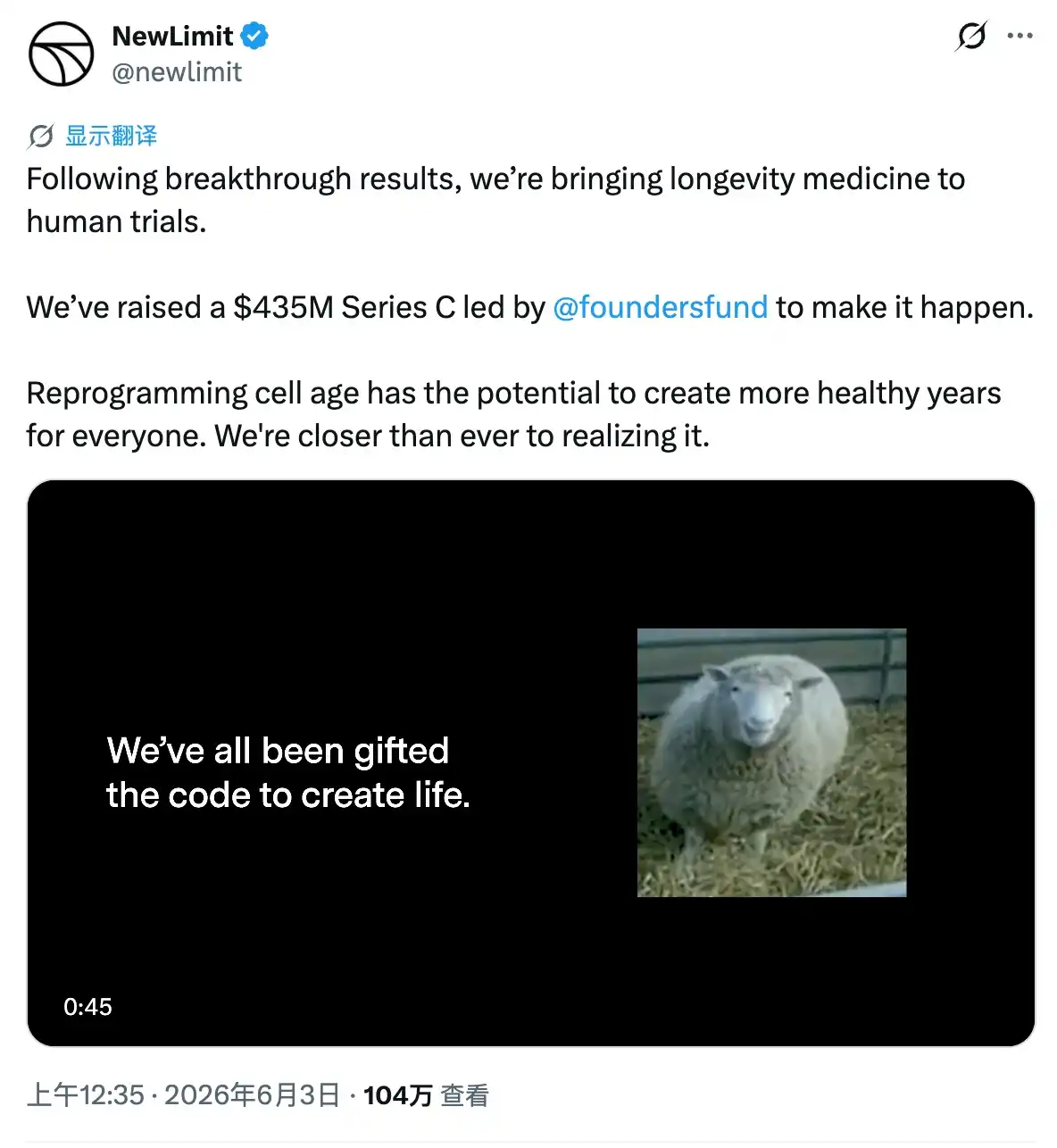
In its funding announcement, NewLimit revealed that following breakthrough research achievements, the company is advancing longevity medicine into the human clinical trial stage. Its first drug targeting alcohol-related liver disease is expected to commence clinical trials next year.

NewLimit also emphasized: "By reprogramming cell age, humans may achieve longer health spans, and now, we are closer than ever to the goal of delaying or even reversing aging."

The Founder Turns Out to Be an Old Acquaintance

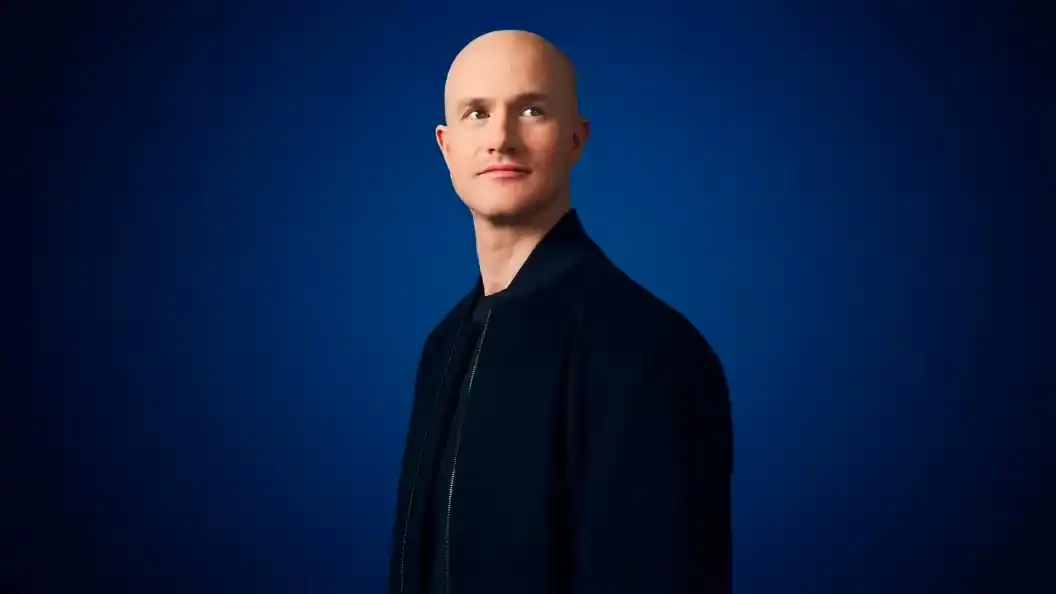
It is worth mentioning that one of NewLimit's co-founders is none other than our old acquaintance — Coinbase founder and CEO Brian Armstrong.

In 2021, Brian Armstrong, together with former GV partner and bioengineer Blake Byers and stem cell biologist Jacob Kimmel, invested $110 million to establish NewLimit in South San Francisco.

Picture: The NewLimit founding team

Prior to this funding round, NewLimit had already completed three rounds of financing, as detailed below.

  • May 2023: Completed a $40 million Series A round, with investors including Dimension, Founders Fund, and Kleiner Perkins;
  • May 2025: Completed a $130 million Series B round, reaching a valuation of $810 million, led by Kleiner Perkins, with participation from Founders Fund, Khosla Ventures, and Human Capital, among others;
  • October 2025: Received an additional $45 million investment, bringing the post-money valuation to $1.62 billion, with investors including Lilly Ventures, Duke University, Section 32, etc.;

According to NewLimit's official introduction, the company is dedicated to developing drugs that can extend human health span — "As humans age, cellular function gradually declines, making people more susceptible to diseases. It was once believed that aging was inevitable, but emerging science shows that the aging process can be reversed at the cellular level. We are developing the first drugs based on these discoveries to restore the youthful function of aging cells."

In simpler terms, NewLimit is using scientific methods to research immortality!

Reversing Aging is Not a Fantasy

Over the past few decades, while the scientific community has long recognized the link between aging and cellular functional decline, it could not precisely find a way to make cells "rejuvenate." The turning point came in 2006 when Japanese scientist Shinya Yamanaka discovered that activating just a few specific transcription factors could reprogram adult cells into a youthful state resembling embryonic stem cells. This discovery was later named "Yamanaka Factors" and helped him win the 2012 Nobel Prize in Physiology or Medicine.
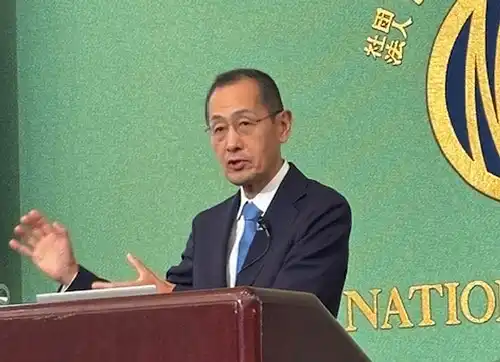
Odaily Note: Picture shows Shinya Yamanaka speaking in Tokyo

Yamanaka's research first proved something previously considered impossible — that cellular age is not irreversible. And the story told by NewLimit is built precisely upon this discovery.

NewLimit writes on its website: "Our drugs can reprogram a cell's epigenome to a younger state by activating specific transcription factor genes. We already know this reversal is possible. However, for different cell types, exactly which combinations of transcription factors are needed to restore their youthful function remains unknown. Finding and discovering these effective payloads is the core challenge of our work."

NewLimit's strategy is to first target a specific disease to obtain drug approval, and then explore broader applications. As mentioned earlier, NewLimit is advancing a drug for alcohol-related liver disease into clinical trials.

NewLimit Co-founder and CEO Jacob Kimmel further explained, "Liver disease can actually be viewed as an 'accelerated version of aging,' it just presents the aging process that everyone experiences in a faster and more intense manner."

The Biggest Investors in This Sector Are All Billionaires

NewLimit is not the only tech company currently targeting "immortality."

In 2022, Sam Altman invested $180 million in Retro Biosciences, which is developing drugs to rejuvenate aging cells. Last month, Retro Biosciences disclosed its valuation had reached $1.8 billion.

Furthermore, Altos Labs, reportedly backed by Jeff Bezos's funding, also launched in 2022 with $3 billion and has since raised nearly twice that amount in total funding.

It's easy to see that from Peter Thiel to Sam Altman to Jeff Bezos, the biggest investors in this sector are without exception super-rich individuals at the pinnacle of technology and wealth. Peter Thiel has publicly expressed extreme aversion to death, advocating similar views on multiple occasions: "Death is humanity's greatest enemy, yet we treat it as a natural law..."

The logic behind these tech titans' willingness to invest hundreds of millions is not hard to understand — when wealth and power reach their peak, time becomes the only enemy, the only luxury that cannot be bought directly with money.

Having earned enough money, "how to live longer" becomes the greatest challenge.

İlgili Sorular

QWhat is NewLimit, and what is its primary goal?

ANewLimit is a longevity biotechnology startup. Its primary goal is to develop drugs to extend human healthspan by reversing the aging process at the cellular level.

QWho is the notable co-founder of NewLimit mentioned in the article?

AThe notable co-founder is Brian Armstrong, who is also the founder and CEO of the cryptocurrency exchange Coinbase.

QWhat scientific breakthrough is NewLimit's research based on?

ANewLimit's research is based on the discovery of the 'Yamanaka Factors' by Japanese scientist Shinya Yamanaka in 2006, which showed that adult cells can be reprogrammed into a younger, pluripotent state.

QHow much funding did NewLimit recently raise and at what valuation?

ANewLimit recently raised $435 million in a Series C funding round, which valued the company at $3.1 billion.

QWhy are super-wealthy tech figures like Peter Thiel and Sam Altman investing in longevity companies?

AFor super-wealthy individuals, time is seen as the ultimate luxury that money cannot directly buy. After achieving immense wealth and power, extending their healthspan and potentially reversing aging becomes a primary focus.

İlgili Okumalar

BIT Trading Moment: BTC Still Suppressed by Weekly 200 EMA, Rejection May Restart Decline; Storage and Semiconductors that Surged Last Night Begin Falling in Evening Trading

**Crypto & Stock Market Wrap: Bitcoin Tests Resistance, Stocks Retreat After AI Surge** Bitcoin consolidates around $66,000, facing key resistance near $68,000—an area seen as a major psychological and technical hurdle where previous rallies have failed. Analysts note the cryptocurrency is caught between its 200-week moving average (~$63,333) and 200-week EMA (~$68,328). A clear break above $68k is needed to signal a stronger bullish trend, while a rejection could lead to a retest of $63k support. Market sentiment remains cautious, with low futures open interest pointing to a low-liquidity rebound rather than a full bull market. Bitcoin spot ETFs saw another $203 million inflow. US stock futures pointed lower after a strong Tuesday session led by a massive rebound in semiconductors and memory stocks. The rally was fueled by renewed optimism about AI-driven hardware demand, with Micron, SanDisk, and SK Hynix surging. However, those gains reversed in pre-market trading. Super Micro Computer (SMCI) soared over 20% after hours on strong guidance and a record backlog. Other standouts included Rocket Lab and nuclear energy plays Oklo and X-Energy. Rising oil prices (Brent above $91) and climbing Treasury yields (10-year near 4.64%), however, are reigniting inflation concerns and acting as a headwind for equities. In Asia, markets were mixed. South Korea's KOSPI pared early gains to close slightly higher as semiconductor stocks like SK Hynix gave back initial surges. Japan's Nikkei edged lower as the yen hit a fresh 38-year low against the dollar, raising fears of potential market intervention. Key events to watch include the Samsung Galaxy launch, AMD's AI event, and a slew of major tech earnings from Alphabet, Tesla, and IBM after the close on Wednesday, followed by the ECB meeting and Intel's earnings on Thursday.

marsbit9 dk önce

BIT Trading Moment: BTC Still Suppressed by Weekly 200 EMA, Rejection May Restart Decline; Storage and Semiconductors that Surged Last Night Begin Falling in Evening Trading

marsbit9 dk önce

Former CFTC Chairman, Circle President Tarbert: Preaching Long-Termism While Cashing Out $30 Million Himself

Former CFTC Chairman and Circle President Heath Tarbert has consistently advocated for a long-term vision in public, urging patience from investors as Circle’s stock price has fallen significantly from its peak. However, it has been revealed that since Circle’s IPO, Tarbert has continuously sold his CRCL shares through pre-arranged trading plans, cashing out approximately $30 million, without making any public market purchases. This contrast between his public messaging and personal actions has drawn criticism. Tarbert joined Circle in July 2023 as Chief Legal Officer, leveraging his regulatory experience to help guide the company through its IPO and expansion. Despite promoting stablecoins as long-term infrastructure, he established a 10b5-1 trading plan just before Circle went public, leading to substantial stock sales over the following year. In March 2026, he initiated another plan to sell more shares. His career trajectory highlights a pattern of moving between high-level regulatory roles and influential positions in the financial sector. After resigning as CFTC Chairman in early 2021, he joined Citadel Securities as Chief Legal Officer just 27 days later, during a period of intense regulatory scrutiny for the firm. He later joined Circle, aiding its efforts to navigate regulatory challenges for its public listing. While Tarbert's expertise in policy and compliance is valuable to companies like Circle, his actions—advocating long-term confidence while personally divesting—raise questions about the alignment between his public statements and his private financial decisions, leaving investors who followed his advice to bear the market risks.

marsbit32 dk önce

Former CFTC Chairman, Circle President Tarbert: Preaching Long-Termism While Cashing Out $30 Million Himself

marsbit32 dk önce

Gate Research Institute: The 'Wall Street-ization' Wave of Crypto Financial Products – Competition or Integration?

The article titled "Gate Research Institute: Are Crypto Financial Products Sparking a 'Wall Street' Wave—Competition or Convergence?" explores the evolving relationship between the crypto ecosystem and traditional finance (TradFi). The piece begins by reflecting on Bitcoin's original 2009 vision of decentralization, disintermediation, and moving away from banks. It then contrasts this with the 2024 landscape, where key crypto assets like Bitcoin are increasingly held through Wall Street products like ETFs issued by giants like BlackRock. The article questions whether this signifies that TradFi is systematically taking over the rights to issue, price, custody, and distribute crypto financial assets. The core argument is that this is not a zero-sum takeover but rather a bidirectional convergence where each side addresses the other's weaknesses. Crypto offers 24/7 global markets, programmable settlement, and open access but lacks compliant channels, institutional-grade custody, deep fiat liquidity, and mainstream distribution. TradFi possesses these but is constrained by legacy systems, limited operating hours, and slow settlement. Two primary convergence paths are highlighted: * **Path A (CEX to TradFi):** Exemplified by Gate, which has progressed from offering tokenized stocks and CFDs to providing direct, real stock trading (US, Hong Kong, South Korea) within its platform, using USDT. * **Path B (TradFi to Crypto):** Exemplified by Robinhood, which has integrated crypto trading, acquired exchanges like Bitstamp, and is moving traditional assets like stocks onto the blockchain via tokenization and its own Layer 2. Both paths are ultimately competing to become the next-generation, unified financial account—a "super account" where users can seamlessly trade cryptocurrencies, stocks, ETFs, RWA (Real World Assets), and tokenized treasury products in one interface. The growth of RWA and tokenized treasuries (e.g., BlackRock's BUIDL) is presented as the asset-layer fusion, providing stable, yield-bearing assets on-chain and acting as a bridge between the two worlds. In conclusion, the "Wall Street-ization" of crypto is framed as a mutual transformation. Decentralized ideals persist in the protocol layer, while at the application layer, a more efficient, global, and accessible unified capital market is emerging from this convergence. The future competition lies not between crypto exchanges and stockbrokers, but between platforms vying to offer the most comprehensive asset coverage, liquidity, and user experience within a single account.

marsbit36 dk önce

Gate Research Institute: The 'Wall Street-ization' Wave of Crypto Financial Products – Competition or Integration?

marsbit36 dk önce

İşlemler

Spot
活动图片





