The Earliest Regulator to Study Bitcoin: How Did He Step into the Crypto World?

Odaily星球日报2026-03-16 tarihinde yayınlandı2026-03-16 tarihinde güncellendi

Özet

This article explores the journey of Mark Wetjen, a former U.S. regulator who transitioned into the cryptocurrency industry. As a policy advisor in the U.S. Senate and later a commissioner and acting chairman of the CFTC, Wetjen was an early advocate for Bitcoin regulation, leading the first U.S. regulatory hearing on digital assets and approving the first regulated Bitcoin derivatives product. After his tenure in government, he worked in traditional finance infrastructure and later joined FTX US to handle policy and regulatory affairs. He is now President of Backpack US, where he is leading the platform’s expansion into the U.S. market. Wetjen believes that long-term success in crypto depends on trust and compliance, not just technical innovation. He sees Backpack as a company that embeds regulatory compliance into its core design rather than treating it as an afterthought. Under his leadership, Backpack is pursuing a deliberate global compliance strategy, with licenses already secured in Dubai and Europe. Wetjen argues that in the future, the most important competitive advantage for crypto exchanges will be trust—built through consistent compliance, user safety, and the ability to bridge traditional finance with the crypto ecosystem.

Original | Odaily Planet Daily (@OdailyChina)

Author | Ding Dang (@XiaMiPP)
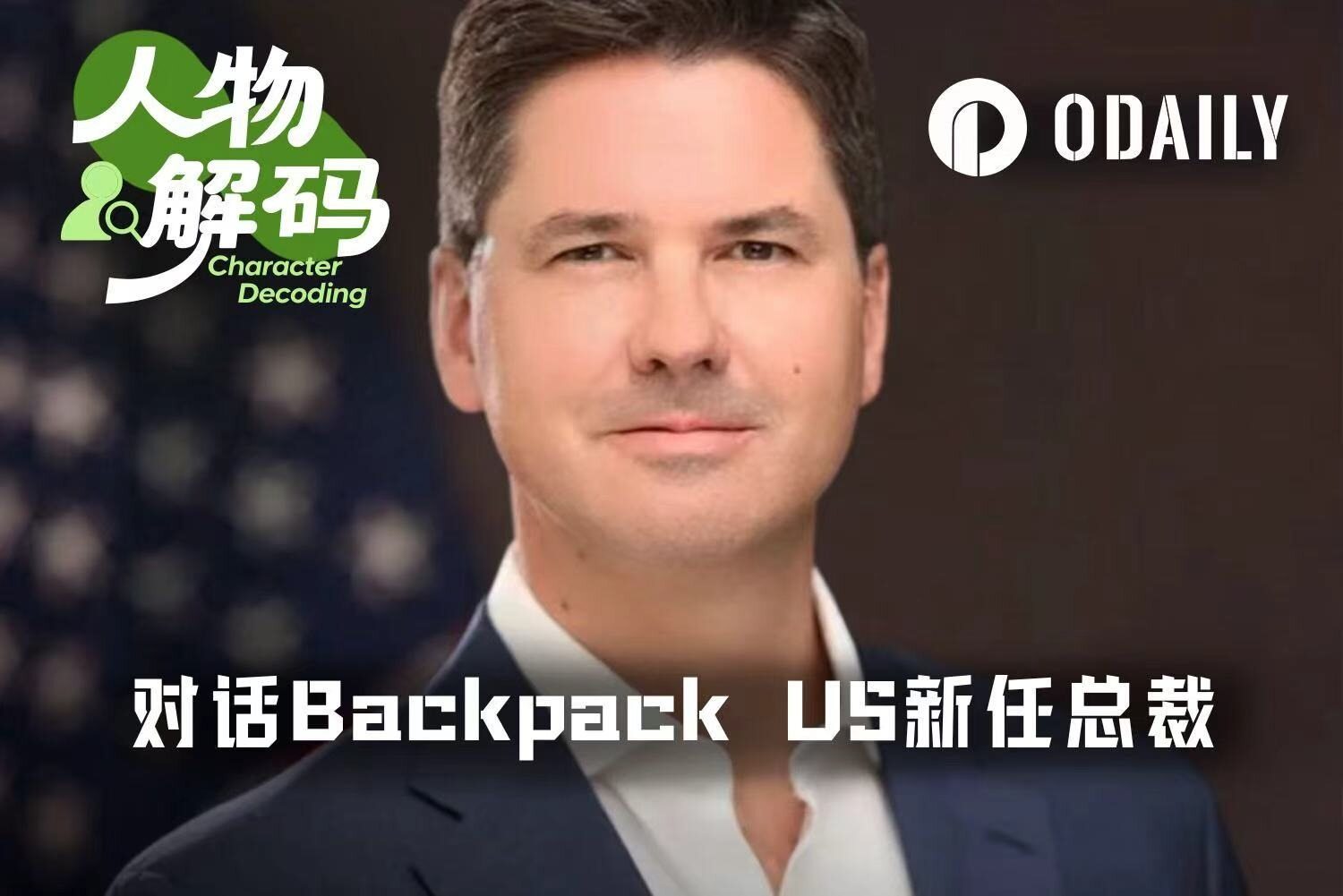
In the eyes of most people, there seems to be an insurmountable gap between the crypto industry and the U.S. regulatory system.

On one side are the tech pioneers constantly pushing boundaries, who believe that code can rewrite financial rules and repeatedly test the limits of the system; on the other side are the regulators tasked with maintaining order and stability, who use caution and rules as a shield to protect the bottom line of the financial system.

Over the past decade, these two forces have sometimes clashed fiercely and sometimes reached brief compromises, always moving forward in a delicate tension.

But there are also some people who happen to stand right on this boundary line, such as Mark Wetjen.

He worked in the U.S. financial regulatory system for nearly two decades: from Policy Advisor to the U.S. Senate Committee on Finance, to being nominated by President Obama as a Commissioner of the U.S. Commodity Futures Trading Commission (CFTC), and even serving as Acting Chairman in 2014. At that time, Wall Street was still largely观望 or even skeptical of Bitcoin, while he had already led and facilitated the first formal hearing on digital assets in U.S. regulatory history within the CFTC. Looking back now, that openness and foresight towards emerging technology must have seemed particularly precious and lonely at the time.

More than a decade later, this former policy maker who once sat in the regulatory seat chose to turn around and step into the crypto world. Today, he has joined the crypto exchange Backpack as President of Backpack US, responsible for U.S. market operations management, regulatory communication, and business development.

And at this point in time, Backpack is also standing at a new critical juncture. The TGE of the platform's native token is expected to take place on March 23. As the token issuance approaches, Backpack is also明显 accelerating its global market compliance layout and has identified the U.S. market as the most important strategic focus for the next phase.

It is against this backdrop that Odaily Planet Daily had the privilege of conducting an in-depth and candid conversation with Mark Wetjen.

This conversation is not just the story of a veteran regulator's personal transition; it also serves as a mirror, reflecting the subtle yet profound changes in the U.S. regulatory environment and the crypto industry ecosystem over the past decade—from initial vigilance and alienation to increasing understanding, dialogue, and even a certain degree of mutual approach.

And Mark Wetjen has恰好 witnessed and participated in all of this.

From the Regulatory Seat to the Market Frontlines

In the development narrative of the crypto industry, regulators are often seen as an "external force." They often arrive late after the market has already formed, using rules to amend, restrict, or even correct the sparks of innovation that have already occurred.

But Mark Wetjen's trajectory is somewhat unique.

While many were still debating "whether this nascent digital asset Bitcoin is an internet bubble," he was already pondering a more practical question: if this asset can truly exist and continue to grow, how should the regulatory system face it?

If we仔细观察 Mark Wetjen's career path, we find that he has几乎 walked through the most important nodes of the modern financial system.

In Washington, he was a policy maker; at the CFTC, he was a regulator; at DTCC (The Depository Trust & Clearing Corporation), he entered the core financial infrastructure of Wall Street and participated in shaping DTCC's early thinking on blockchain technology; later, he was hired to lead MIAX Futures and assisted in its foray into digital asset products. After that, he joined FTX US, responsible for policy and regulatory affairs. From rule drafter, to infrastructure guardian, to exchange leader, this path几乎串起了 the entire bloodstream of the financial market.

During his tenure at the CFTC, he approved the first Bitcoin derivative instrument listed and traded on a regulated U.S. platform and directed the General Counsel to assess whether Bitcoin was a commodity, thus determining its suitability as a reference asset for CFTC-regulated products. At that time, he saw a nascent market full of potential but structurally chaotic. He was already one of the earliest officials in Washington to publicly advocate for a regulatory framework for Bitcoin.

In the early years, Wetjen formed this view: those crypto companies that can truly develop long-term are precisely the ones that treat compliance capabilities as a competitive advantage. Because compliance not only means legal security but also broader market access, more institutional funds, and more stable long-term growth.

In Wetjen's view, Backpack is exactly such a company.

They are a team that truly places compliance at the core of product design, rather than treating it as an afterthought. This was also a key reason why he ultimately chose to join Backpack.

Now, as Backpack officially enters the U.S. market, he has been appointed President of Backpack US, responsible for U.S. market operations management, regulatory communication, and business development. Simply put, his task is单一: to help Backpack truly land in the world's most complex and important financial market.

And judging from today's results, this strategy is already taking shape. Backpack has already obtained regulatory approval in multiple jurisdictions: a VASP license in Dubai, MiFID II authorization in Europe, and the U.S. is its next most important market. In Wetjen's view, this is not accidental—it is a strategic choice made after careful consideration.

The Ultimate Answer to Exchange Competition: Trust

Over the past few years, the battle among crypto exchanges has seemed like an never-ending arms race: who has deeper liquidity, who iterates products quicker, who lists coins faster... These were once hailed as the king's way and indeed allowed some platforms to stand out in the short term.

However, when asked about the most core competitiveness of exchanges in the next decade, in Wetjen's view, these are not the final answer.

His answer is simple: trust.

In the crypto industry, everything comes and goes quickly. Today's领先 matching engine may be replaced by a more efficient architecture tomorrow; an exchange's proud liquidity pool may also be quickly replicated by competitors during market cycles. Even regulatory licenses, once seen as barriers, may no longer be the exclusive advantage of a few institutions as the industry gradually moves towards compliance.

But trust is different.

If an exchange can operate stably over the long term in a complex and changing regulatory environment and always put user asset safety first, then this trust will continuously沉淀 over time, eventually becoming the most difficult to replicate moat.

In Wetjen's view, the role played by crypto trading platforms in the future is far more than just a simple trading matching system.

It is more like a bridge. One end connects the crypto-native world, and the other end connects the traditional financial system, allowing ordinary users and institutional investors to enter this new financial network in a compliant and secure manner.

It is precisely for this reason that he chose to join Backpack. "I believe this team is doing the right thing at the right time," Wetjen said.

If five years from now, when people think of the most compliant, trustworthy, and product-innovative crypto trading platform, the first name that comes to mind is Backpack, then for him, this experiment might already be a success.

In a sense, this is also a natural continuation of his career.

Ten years ago, he was in a Washington conference room discussing how to regulate Bitcoin.

Ten years later, he is participating in building a crypto financial infrastructure that can be accepted by the regulatory system.

Some people are builders of the crypto world, some are gatekeepers of the regulatory system. And people like Mark Wetjen are trying to build a bridge between the two.


İlgili Sorular

QWho is Mark Wetjen and what significant role did he play in the early regulation of Bitcoin?

AMark Wetjen is a former U.S. financial regulator who served as a policy advisor to the U.S. Senate Committee on Finance and was nominated by President Obama as a commissioner of the U.S. Commodity Futures Trading Commission (CFTC). In 2014, he acted as the CFTC's acting chairman. He led and facilitated the first formal U.S. regulatory hearing on digital assets, approved the first Bitcoin derivatives product traded on a regulated U.S. platform, and was one of the earliest officials in Washington to advocate for a regulatory framework for Bitcoin.

QWhat is Mark Wetjen's current role in the cryptocurrency industry?

AMark Wetjen is currently the President of Backpack US, a cryptocurrency exchange. He is responsible for the platform's U.S. market operations, regulatory communication, and business development.

QAccording to Mark Wetjen, what is the ultimate competitive advantage for a cryptocurrency exchange in the long term?

AMark Wetjen believes that the ultimate competitive advantage for a cryptocurrency exchange is trust. He argues that while technological features like liquidity and product innovation can be replicated, the trust built through long-term compliance, user asset security, and stable operation in a complex regulatory environment becomes an enduring and difficult-to-copy moat.

QWhat regulatory approvals has Backpack obtained in its global expansion?

ABackpack has obtained a VASP license in Dubai and received MiFID II authorization in Europe. The United States is identified as its next most important strategic market.

QHow does Mark Wetjen view the role of a cryptocurrency exchange in the future financial system?

AMark Wetjen sees the future role of a cryptocurrency exchange as a bridge connecting the native crypto world with the traditional financial system. It aims to allow both retail users and institutional investors to enter this new financial network in a compliant and secure manner.

İlgili Okumalar

From Payment to Deployment: Stripe Bets on the AI Agent Economy

From Payments to Deployment: Stripe Bets on the AI Agent Economy Stripe is redefining economic infrastructure for the AI era, shifting its focus from serving primarily human users and software companies to enabling machine agents as active economic participants. The core thesis is that AI agents are evolving from tools into independent buyers and builders on the internet, necessitating a complete overhaul of traditional payment, billing, and deployment models. To empower agents as **buyers**, Stripe, in collaboration with Tempo, developed the Machine Payments Protocol. This protocol allows businesses to programmatically accept payments from agents without human intervention, using machine-readable payment instructions. Furthermore, Stripe's consumer wallet, Link, is being adapted to let users securely authorize agents to spend on their behalf. To empower agents as **builders**, Stripe Projects aims to simplify the deployment process. It allows developers and their agents to register, manage, and integrate the services needed to deploy applications directly from the command line, making "vibe-deploying" as seamless as "vibe-coding." This agent-driven economy, where products have real, variable costs (like AI tokens), disrupts traditional SaaS models. **Token-based monetization** is becoming central, requiring usage-based billing that charges for actual resource consumption, as seen with companies like Lovable and ElevenLabs. However, this model introduces new challenges like **token theft**, where fraudsters exploit services and vanish before billing. Stripe Radar helps combat this by assessing new accounts and predicting abuse risks. A critical innovation to balance customer experience and financial risk is **streaming payments**. By combining Metronome (for real-time usage tracking) with Tempo (for low-cost, high-frequency stablecoin payments), Stripe enables AI companies to collect fees *as tokens are consumed*. This eliminates the trade-off between imposing hard usage caps and risking unpaid invoices. In summary, Stripe's vision for AI economic infrastructure now encompasses providing a commercial framework for agents, wallets for agents, deployment tools for agents, token-based billing, fraud prevention for token abuse, and streaming payment capabilities. As AI transforms both commerce and software creation, Stripe is building the foundational infrastructure to support it.

marsbit4 dk önce

From Payment to Deployment: Stripe Bets on the AI Agent Economy

marsbit4 dk önce

Has the 'Digital Gold' Narrative for BTC Failed?

**Title: Has the "Digital Gold" Narrative for Bitcoin Failed?** The article argues that Bitcoin's "digital gold" narrative remains valid despite a recent sharp price decline (from a peak near $126k in Oct 2025 to briefly under $61k in Feb 2026). It presents a long-term investment framework based on three core points: **1. Viewing Bitcoin as an Asset:** Bitcoin is presented as a superior potential store of value compared to gold. Key arguments are its absolute scarcity (21 million cap), superior portability, and transparent auditability via its public ledger. While acknowledging its current use in early, volatile stages (~3-4% global adoption), the author draws parallels to the early, disruptive phases of the internet and e-commerce. **2. Understanding the Recent Downturn:** The current ~50% correction is framed as a predictable, consensus-driven cycle following its post-halving peak (the 2024 halving preceded the Oct 2025 high). A crucial factor is a historic "changing of hands": the influx of new institutional buyers via ETFs allowed early, low-cost holders (miners, OG believers) to take profits. The author notes that while severe, Bitcoin's historical drawdowns (e.g., 93% in 2011, 77% in 2021-22) have been progressively smaller, suggesting maturing holder structure and decreasing volatility over time. **3. The Long-Term Perspective:** The long-term thesis hinges on Bitcoin capturing a portion of gold's market value. With Bitcoin's market cap at ~$1.4 trillion (at $70k) versus gold's ~$20 trillion, significant upside potential exists if the "digital gold" narrative is partially realized. However, the author strongly cautions that short-term risks remain, the bottom is unpredictable, and high volatility is inherent. The real risk is not Bitcoin failing but poor personal position management (over-leverage, wrong capital) and a lack of deep understanding, which can force investors out during severe downturns. The conclusion uses Amazon's 95% crash post-2000 dot-com bubble and subsequent 42x recovery as an analogy. The ultimate question is not if Bitcoin's price will rise, but if an investor's strategy and conviction can withstand the volatility to see the long-term play out. The recent divergence (gold up, Bitcoin down) is posed not as a narrative failure, but as potential evidence of this ongoing, painful transition from a speculative asset to a mainstream allocation.

marsbit10 saat önce

Has the 'Digital Gold' Narrative for BTC Failed?

marsbit10 saat önce

İşlemler

Spot
Futures

Popüler Makaleler

BITCOIN Nedir

HarryPotterObamaSonic10Inu (ERC-20)'yu ve Kripto Alanındaki Yerini Anlamak Son yıllarda, kripto para piyasası, hem ticaret yapanların hem de topluluk etkileşimi ve eğlence değeri arayanların ilgisini çeken meme coin'lerin popülaritesinde bir artış gördü. Bu benzersiz token'lar arasında, kripto para dokusuna kültürel referansları harmanlayan ilginç bir proje olan HarryPotterObamaSonic10Inu (ERC-20) bulunmaktadır. Bu makale, HarryPotterObamaSonic10Inu'nun temel yönlerini, mekanizmalarını, topluluk odaklı ethosunu ve daha geniş kripto manzarasıyla etkileşimini incelemektedir. HarryPotterObamaSonic10Inu (ERC-20) Nedir? Adından da anlaşılacağı gibi, HarryPotterObamaSonic10Inu, Ethereum blok zinciri üzerinde inşa edilen bir meme coin'dir ve ERC-20 standardı altında sınıflandırılmaktadır. Geleneksel kripto paraların pratik kullanılabilirlik veya yatırım potansiyeline odaklandığı durumların aksine, bu token eğlence değeri ve topluluğunun gücü üzerine kuruludur. Proje, bağlı kullanıcıların bir araya gelebileceği, fikirlerini paylaşabileceği ve çeşitli kültürel fenomenlerden ilham alan etkinliklere katılabileceği bir ortam yaratmayı hedeflemektedir. HarryPotterObamaSonic10Inu'nun dikkate değer özelliklerinden biri işlemlerde sıfır vergi olmasıdır. Bu çekici unsur, küçük ölçekli yatırımcıları caydırabilecek ek ücretlerden yoksun olarak ticareti ve topluluk katılımını teşvik etmeyi amaçlamaktadır. Coin'in toplam arzı bir milyar token olarak belirlenmiştir; bu, topluluk içinde önemli bir dolaşım sağlama niyetini göstermektedir. HarryPotterObamaSonic10Inu (ERC-20) Yaratıcısı HarryPotterObamaSonic10Inu'nun kökenleri bir miktar gizemlidir; yaratıcısı hakkında spesifik bilgilerin ne olduğu bilinmemektedir. Bu token'ın geliştirilmesi, belirli bir ekip veya açık bir plan eksikliği ile gerçekleşmiştir; bu durum, meme coin sektöründe oldukça yaygındır. Proje, topluluğunun heyecanı ve katılımına dayalı olarak organik bir şekilde ortaya çıkmıştır. HarryPotterObamaSonic10Inu (ERC-20) Yatırımcıları Dış yatırımlar ve destekler söz konusu olduğunda, HarryPotterObamaSonic10Inu da belirsiz kalmaktadır. Token, bilinen herhangi bir yatırım fonunu veya önemli bir kurumsal desteği listelememektedir. Bunun yerine, projenin can damarı, kolektif eylem ve kripto alanındaki katılım yoluyla büyüme ve sürdürülebilirlik sağlayan temel topluluğudur. HarryPotterObamaSonic10Inu (ERC-20) Nasıl Çalışır? Bir meme coin olarak, HarryPotterObamaSonic10Inu, genellikle varlık değerini yöneten geleneksel çerçevelerin dışında çalışmaktadır. Projenin nasıl çalıştığını tanımlayan birkaç özelliği vardır: Sıfır Vergi İşlemleri: İşlemlerde vergi ücreti olmadan, kullanıcılar gizli maliyet endişesi olmadan token'ı serbestçe alıp satabilirler. Topluluk Etkileşimi: Proje, topluluk etkileşimi üzerine kuruludur ve sosyal medya platformlarını kullanarak heyecan yaratarak katılımı kolaylaştırır. Tartışmalar, içerik paylaşımı ve katılım, projenin erişimini genişletmeye ve destekleyiciler arasında sadakat oluşturmaya yardımcı olan kritik unsurlardır. Pratik Kullanılabilirlik Yok: HarryPotterObamaSonic10Inu'nun mali ekosistem içinde somut bir kullanılabilirlik sunmadığı belirtilmelidir. Daha ziyade, eğlence ve topluluk etkinlikleri için bir token olarak sınıflandırılmaktadır. Kültürel Referans: Token, popüler kültürden unsurları zekice harmanlayarak ilgi çekmektedir ve hem meme meraklıları hem de kripto takipçileriyle bağlantı kurmaktadır. HarryPotterObamaSonic10Inu, meme coin'lerin, daha geleneksel kripto para projelerinden nasıl farklı çalıştığını örneklendirmektedir; bu projeler, utilitarist varlıklar yerine yenilikçi sosyal yapıların bir parçası olarak piyasaya girmektedir. HarryPotterObamaSonic10Inu (ERC-20) Zaman Çizelgesi HarryPotterObamaSonic10Inu'nun tarihi, birkaç dikkate değer kilometre taşı ile işaretlenmiştir: Oluşum: Token, birçok kripto meraklısının hayal gücünü yakalayan bir viral meme'den ortaya çıkmıştır. Spesifik yaratım tarihleri mevcut değildir ve bu onun organik yükselişini vurgulamaktadır. Borsa Listelemeleri: HarryPotterObamaSonic10Inu, topluluğun daha kolay erişim ve ticaret yapabilmesini sağlamak için çeşitli borsalarda yer bulmuştur. Topluluk Katılım İnisiyatifleri: Yarışmalar, sosyal medya kampanyaları ve hayranlar ile destekçilerden içerik üretimini içeren topluluk etkileşimini artırmayı amaçlayan devam eden etkinlikler. Gelecek Genişleme Planları: Projenin yol haritası, kültürel temalarına ilişkin bir NFT koleksiyonu, ticari ürünler ve bir e-ticaret sitesi başlatılmasını içermektedir; bu da topluluğun daha fazla katılımını sağlamayı ve ekosistemine daha fazla boyut kazandırmayı hedeflemektedir. HarryPotterObamaSonic10Inu (ERC-20) Hakkında Kilit Noktalar Topluluk Odaklı Doğası: Proje, kullanıcı katılımını geliştirme önceliği taşır ve böylece kullanıcıların sürecin en önünde yer almasını sağlar. Meme Coin Sınıflandırması: Eğlenceye dayalı kripto paranın doruk noktasıdır ve geleneksel yatırım araçlarından ayrılmaktadır. Bitcoin ile Doğrudan İlişki Yok: Ticker ismindeki benzeliğe rağmen, HarryPotterObamaSonic10Inu ayırt edicidir ve Bitcoin veya diğer yerleşik kripto paralarla herhangi bir ilişkisi yoktur. İşbirliğine Odaklanma: HarryPotterObamaSonic10Inu, sahipleri arasında işbirliği ve hikaye paylaşımı için bir alan oluşturmak üzere tasarlanmıştır ve bu da yaratıcılık ve topluluk bağlarını sağlamaktadır. Gelecek Beklentileri: Başlangıçta belirlendiği temalardan NFTs ve ticari ürünlere genişleme arzusu, projenin dijital kültürde daha ana akıma girebilmesi için bir yol haritası çizmektedir. Meme coin'ler, kripto para topluluğunun hayal gücünü çalmaya devam ederken, HarryPotterObamaSonic10Inu (ERC-20), kültürel bağları ve topluluk merkezli yaklaşımıyla öne çıkmaktadır. Geleneksel bir hizmet odaklı token modeliyle uyumlu olmasa da, özünde destekçileri arasında sağlanan neşe ve dostluğu vurgulayarak, giderek dijitalleşen bir çağda kripto paraların evrilen doğasını göstermektedir. Proje gelişmeye devam ettikçe, topluluk dinamiklerinin blockchain teknolojisi dünyasındaki seyrini nasıl etkilediğini izlemek önemli olacaktır.

1.9k Toplam GörüntülenmeYayınlanma 2024.04.01Güncellenme 2024.12.03

BITCOIN Nedir

BTC Nasıl Satın Alınır

HTX.com’a hoş geldiniz! Bitcoin (BTC) satın alma işlemlerini basit ve kullanışlı bir hâle getirdik. Adım adım açıkladığımız rehberimizi takip ederek kripto yolculuğunuza başlayın. 1. Adım: HTX Hesabınızı OluşturunHTX'te ücretsiz bir hesap açmak için e-posta adresinizi veya telefon numaranızı kullanın. Sorunsuzca kaydolun ve tüm özelliklerin kilidini açın. Hesabımı Aç2. Adım: Kripto Satın Al Bölümüne Gidin ve Ödeme Yönteminizi SeçinKredi/Banka Kartı: Visa veya Mastercard'ınızı kullanarak anında Bitcoin (BTC) satın alın.Bakiye: Sorunsuz bir şekilde işlem yapmak için HTX hesap bakiyenizdeki fonları kullanın.Üçüncü Taraflar: Kullanımı kolaylaştırmak için Google Pay ve Apple Pay gibi popüler ödeme yöntemlerini ekledik.P2P: HTX'teki diğer kullanıcılarla doğrudan işlem yapın.Borsa Dışı (OTC): Yatırımcılar için kişiye özel hizmetler ve rekabetçi döviz kurları sunuyoruz.3. Adım: Bitcoin (BTC) Varlıklarınızı SaklayınBitcoin (BTC) satın aldıktan sonra HTX hesabınızda saklayın. Alternatif olarak, blok zinciri transferi yoluyla başka bir yere gönderebilir veya diğer kripto para birimlerini takas etmek için kullanabilirsiniz.4. Adım: Bitcoin (BTC) Varlıklarınızla İşlem YapınHTX'in spot piyasasında Bitcoin (BTC) ile kolayca işlemler yapın.Hesabınıza erişin, işlem çiftinizi seçin, işlemlerinizi gerçekleştirin ve gerçek zamanlı olarak izleyin. Hem yeni başlayanlar hem de deneyimli yatırımcılar için kullanıcı dostu bir deneyim sunuyoruz.

7.8k Toplam GörüntülenmeYayınlanma 2024.12.12Güncellenme 2026.06.02

BTC Nasıl Satın Alınır

$BITCOIN Nedir

DİJİTAL ALTIN ($BITCOIN): Kapsamlı Bir Analiz DİJİTAL ALTIN ($BITCOIN) Tanıtımı DİJİTAL ALTIN ($BITCOIN), geleneksel değerli metallerin özelliklerini merkeziyetsiz teknolojilerin yeniliği ile birleştirmeyi amaçlayan Solana ağı üzerinde çalışan blockchain tabanlı bir projedir. Bitcoin ile aynı isme sahip olmasına rağmen, genellikle bir değer saklama aracı olarak algılandığı için “dijital altın” olarak anılmaktadır; DİJİTAL ALTIN, Web3 ortamında benzersiz bir ekosistem yaratmak için tasarlanmış ayrı bir tokendir. Hedefi, uygulanabilir bir alternatif dijital varlık olarak kendini konumlandırmaktır, ancak uygulamaları ve işlevleri ile ilgili ayrıntılar hala gelişmektedir. DİJİTAL ALTIN ($BITCOIN) Nedir? DİJİTAL ALTIN ($BITCOIN), Solana blockchain'inde kullanılmak üzere açıkça tasarlanmış bir kripto para tokenidir. Bitcoin'in yaygın olarak tanınan bir değer saklama rolü sağlamasının aksine, bu token daha geniş uygulamalara ve özelliklere odaklanıyor gibi görünmektedir. Dikkate değer yönler şunlardır: Blockchain Altyapısı: Token, yüksek hızlı ve düşük maliyetli işlemleri yönetme kapasitesi ile bilinen Solana blockchain'inde inşa edilmiştir. Arz Dinamikleri: DİJİTAL ALTIN'ın maksimum arzı 100 katrilyon token (100P $BITCOIN) ile sınırlıdır, ancak dolaşımdaki arzı ile ilgili ayrıntılar şu anda açıklanmamıştır. Kullanım Alanı: Kesin işlevler açıkça belirtilmemiş olsa da, token'ın merkeziyetsiz uygulamalar (dApps) veya varlık tokenizasyon stratejileri ile ilgili çeşitli uygulamalar için kullanılabileceğine dair işaretler bulunmaktadır. DİJİTAL ALTIN ($BITCOIN) Yaratıcısı Kimdir? Şu anda, DİJİTAL ALTIN ($BITCOIN) arkasındaki yaratıcıların ve geliştirme ekibinin kimliği bilinmemektedir. Bu durum, merkeziyetsiz finans ve meme coin fenomenleriyle uyumlu olan birçok yenilikçi proje arasında yaygındır. Böyle bir anonimlik, topluluk odaklı bir kültürü teşvik edebilirken, yönetişim ve hesap verebilirlik konusundaki endişeleri artırmaktadır. DİJİTAL ALTIN ($BITCOIN) Yatırımcıları Kimlerdir? Mevcut bilgiler, DİJİTAL ALTIN ($BITCOIN) için bilinen herhangi bir kurumsal destekçi veya önde gelen risk sermayesi yatırımı olmadığını göstermektedir. Proje, geleneksel finansman yolları yerine topluluk desteği ve benimsemeye odaklanan bir eşler arası modelde çalışıyor gibi görünmektedir. Faaliyetleri ve likiditesi esas olarak PumpSwap gibi merkeziyetsiz borsalarda (DEX'ler) yer almakta olup, bu da onun taban hareketine vurgu yapmaktadır. DİJİTAL ALTIN ($BITCOIN) Nasıl Çalışır DİJİTAL ALTIN ($BITCOIN) 'ın operasyonel mekanikleri, blockchain tasarımı ve ağ özellikleri temelinde açıklanabilir: Konsensüs Mekanizması: Solana'nın benzersiz tarih kanıtı (PoH) ile bir hisse kanıtı (PoS) modelini birleştirerek, proje ağın yüksek performansına katkıda bulunan verimli işlem doğrulamasını sağlar. Tokenomik: Belirli deflasyonist mekanizmalar kapsamlı bir şekilde detaylandırılmamış olsa da, geniş maksimum token arzı, henüz tanımlanmamış mikro işlemler veya niş kullanım durumlarına hitap edebileceğini ima etmektedir. Etkileşim: Solana'nın daha geniş ekosistemi ile entegrasyon potansiyeli bulunmaktadır; bu, çeşitli merkeziyetsiz finans (DeFi) platformlarını içermektedir. Ancak, belirli entegrasyonlarla ilgili ayrıntılar belirtilmemiştir. Önemli Olayların Zaman Çizelgesi DİJİTAL ALTIN ($BITCOIN) ile ilgili önemli kilometre taşlarını vurgulayan bir zaman çizelgesi: 2023: Token'ın Solana blockchain'inde ilk dağıtımı, sözleşme adresi ile işaretlenmiştir. 2024: DİJİTAL ALTIN, PumpSwap gibi merkeziyetsiz borsalarda işlem görmeye başladıkça görünürlük kazanır ve kullanıcıların bunu SOL karşısında ticaret yapmasına olanak tanır. 2025: Proje, topluluk odaklı etkileşimlere yönelik potansiyel ilgi ve ara sıra ticaret faaliyetleri görür, ancak şu ana kadar dikkate değer ortaklıklar veya teknik ilerlemeler belgelenmemiştir. Kritik Analiz Güçlü Yönler Ölçeklenebilirlik: Temel Solana altyapısı, yüksek işlem hacimlerini destekleyerek $BITCOIN'in çeşitli işlem senaryolarındaki faydasını artırabilir. Erişilebilirlik: Token başına potansiyel düşük ticaret fiyatı, perakende yatırımcıları çekebilir ve parçalı mülkiyet fırsatları sayesinde daha geniş katılımı kolaylaştırabilir. Riskler Şeffaflık Eksikliği: Kamuya açık olarak bilinen destekçilerin, geliştiricilerin veya bir denetim sürecinin olmaması, projenin sürdürülebilirliği ve güvenilirliği konusunda şüpheler doğurabilir. Piyasa Volatilitesi: Ticaret faaliyeti büyük ölçüde spekülatif davranışa dayanmakta olup, bu da yatırımcılar için önemli fiyat dalgalanmalarına ve belirsizliklere yol açabilir. Sonuç DİJİTAL ALTIN ($BITCOIN), hızla gelişen Solana ekosisteminde ilginç ama belirsiz bir proje olarak ortaya çıkmaktadır. “Dijital altın” anlatısını kullanmaya çalışırken, Bitcoin'in değer saklama rolünden ayrılması, amaçlanan faydasının ve yönetişim yapısının daha net bir şekilde tanımlanması gerekliliğini vurgulamaktadır. Gelecekteki kabul ve benimseme, mevcut belirsizliklerin giderilmesine ve operasyonel ile ekonomik stratejilerinin daha açık bir şekilde tanımlanmasına bağlı olacaktır. Not: Bu rapor, Ekim 2023 itibarıyla mevcut olan sentezlenmiş bilgileri kapsamaktadır ve araştırma döneminin ötesinde gelişmeler yaşanmış olabilir.

92 Toplam GörüntülenmeYayınlanma 2025.05.13Güncellenme 2025.05.13

$BITCOIN Nedir

Tartışmalar

HTX Topluluğuna hoş geldiniz. Burada, en son platform gelişmeleri hakkında bilgi sahibi olabilir ve profesyonel piyasa görüşlerine erişebilirsiniz. Kullanıcıların BTC (BTC) fiyatı hakkındaki görüşleri aşağıda sunulmaktadır.

活动图片













