Tether's Acquisition of Juventus: The European Class Struggle Behind It

比推2025-12-15 tarihinde yayınlandı2025-12-15 tarihinde güncellendi

Özet

Tether, the world's largest stablecoin issuer, has made a cash offer to acquire a controlling 65.4% stake in the historic Italian football club Juventus from the Exor Group, controlled by the Agnelli family. The offer, representing a 20.74% premium, was swiftly rejected. Tether's CEO, Italian-born Paolo Ardoino, a lifelong Juventus supporter, sees this as an attempt to save his childhood club, which is mired in financial crisis following years of losses and a major accounting scandal. However, the old-money Agnelli family, which has owned the club for over a century, views the offer from the crypto giant with suspicion and as a threat to its legacy and traditional industrial prestige. The clash represents a broader cultural and economic conflict between established European "old money" and the emerging wealth of the "new money" crypto industry. Despite the club's financial struggles, Exor has so far refused to sell, prioritizing heritage and control over a significant capital injection.

Author: Sleepy.txt

Original Title: Crypto Printing Press Wants to Buy Juventus: The Offensive and Defensive Battle Between Europe's Old and New Money


Tether, the world's largest stablecoin giant, is preparing to buy Italy's most iconic football powerhouse, Juventus.

On December 12, Tether submitted a takeover offer to the Italian Stock Exchange, proposing to acquire the 65.4% stake in Juventus held by the Exor Group at a price of 2.66 euros per share, a 20.74% premium over the market price. If the deal is successful, Tether will also inject an additional 1 billion euros into the club.

This is an all-cash offer. No bets, no conditions, just a simple "cash on delivery." In the world of capital, this is the most brutal form of sincerity, and Tether gave the Exor Group only 10-day window to consider.

However, the Exor Group, controlled by the Agnelli family, quickly issued a statement: "There are currently no negotiations regarding the sale of Juventus shares."

The implication is clear: Not for sale.

Within 24 hours, renowned Italian journalist Eleonora Trotta reported that Tether was preparing to double its offer, directly valuing Juventus at 2 billion euros.

At the center of the storm is a man named Paolo Ardoino.

In 1984, Paolo was born in an ordinary small town in Italy. His parents were civil servants, and his grandparents tended a traditional olive grove. It was a typical Italian childhood; the black-and-white striped jerseys, the cheers at the Allianz Stadium in Turin, and the glory of the Agnelli family formed the spiritual totems of his growing memories.
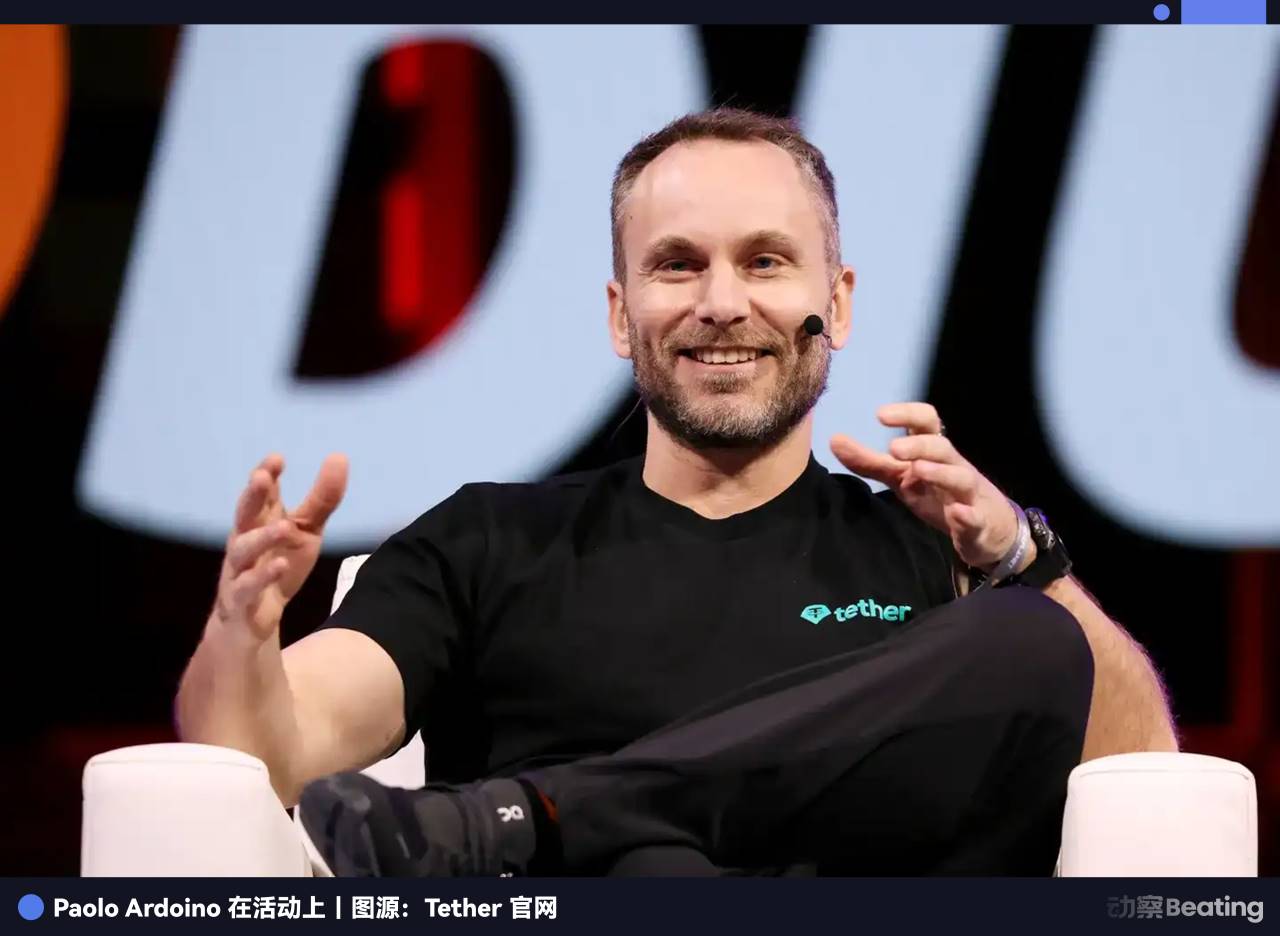
Thirty-two years later, the boy from under the olive trees grew into the Caesar of the cryptocurrency world, managing Tether, a super printing press with an annual profit of $13 billion. Now he has returned home in glory, trying to buy the dream of his childhood and give back to the black-and-white faith flowing in his blood.

But reality taught sentimentality a lesson.

When Paolo enthusiastically knocked on the door of Juventus, he was greeted not with flowers or applause. What awaited him was nine months of exclusion and humiliation from the old world.

The 9 Months of Exclusion

The honeymoon period began in a way that was almost like unrequited love.

In February 2025, Tether announced it had acquired an 8.2% stake in Juventus, becoming the second-largest shareholder after the Exor Group. In the official statement, Paolo shed his business acumen and rarely showed his soft side: "For me, Juventus has always been a part of my life."

Paolo thought it was a mutually beneficial deal: I have money, you need money, let's make a deal. However, in Italy, some doors cannot be opened with money alone.

Two months later, Juventus announced a capital increase plan of up to 110 million euros. At this critical moment when blood transfusion was urgently needed, Paolo, as the second-largest shareholder, was deliberately "forgotten." No phone calls, no emails, not a word of explanation. The Exor Group didn't even bother to send him a consolation prize.

Paolo typed a message full of grievance on social media: "We hoped to increase our stake in Juventus through a possible capital increase by the club, but this wish was ignored."

Paolo had probably never felt so wronged in his life. A financial titan managing an annual profit of $13 billion had to use social media to "remind" Juventus: I want to participate in the capital increase, I want to invest more, but I'm being ignored.

Some sympathized with Paolo, believing he was a true Juventus fan; others questioned his motives, thinking he just wanted to use Juventus to whitewash Tether's image.

Whether the outside world sympathized or doubted, in the eyes of the Agnelli family, Paolo was still an "outsider." The relationship between the two sides was not one of cooperation from the beginning but of "defense."

Since sentimentality couldn't buy respect, he would use money instead.

From April to October, Tether increased its stake from 8.2% to 10.7% through the open market. According to Italian law, a stake exceeding 10% grants the right to nominate board members.

On November 7, Turin, Juventus Annual General Meeting. The atmosphere became treacherous due to Tether's disruption.
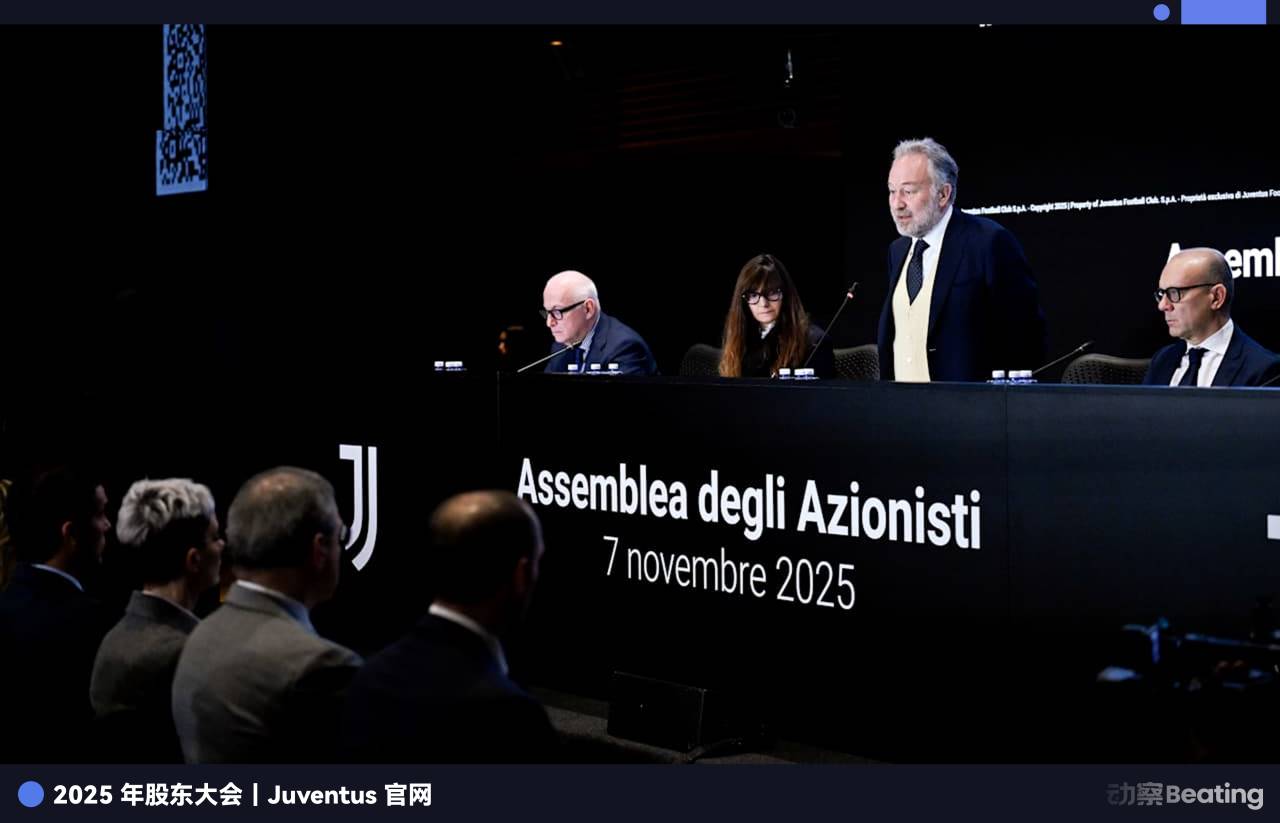
Tether nominated Francesco Garino as a board candidate. He is a well-known local doctor from Turin and a lifelong Juventus fan. Paolo tried to tell everyone: We are not barbarians; we are sons of Turin, bound by blood.

The shrewd Exor Group counterattacked with a trump card: Giorgio Chiellini. This legendary captain, who played for Juventus for 17 years and won 9 Serie A titles, was pushed to the forefront.

This was Exor's strategy: use a club legend to fight capital, use sentiment to fight money.

In the end, Tether barely won a seat on the board. But in a board where the Agnelli family holds absolute control, one seat means you can listen, you can suggest, but you cannot touch the steering wheel.

John Elkann, the fifth-generation leader of the Agnelli family, concluded: "We are proud to have been shareholders of Juventus for over a century. We have no intention of selling our shares, but we are open to constructive ideas from all stakeholders."

To put it more bluntly: This is not just business; this is our family's territory. You can come in for tea, but don't expect to be the master here.

The Arrogance and Prejudice of Old Money

John's words carry the weight of 102 years of family pride and arrogance.

On July 24, 1923, 31-year-old Edoardo Agnelli took up the mantle of President of Juventus. From that day on, the fate of the Agnelli family and Juventus were tightly bound together. The family's Fiat auto empire was, for most of the 20th century, Italy's largest private enterprise, employing countless workers and supporting millions of families.

And Juventus is another symbol of this family's power. With 36 Serie A titles, 2 Champions League titles, and 14 Coppa Italia titles, Juventus is the most successful club in Italian football history and a source of national pride for Italians.
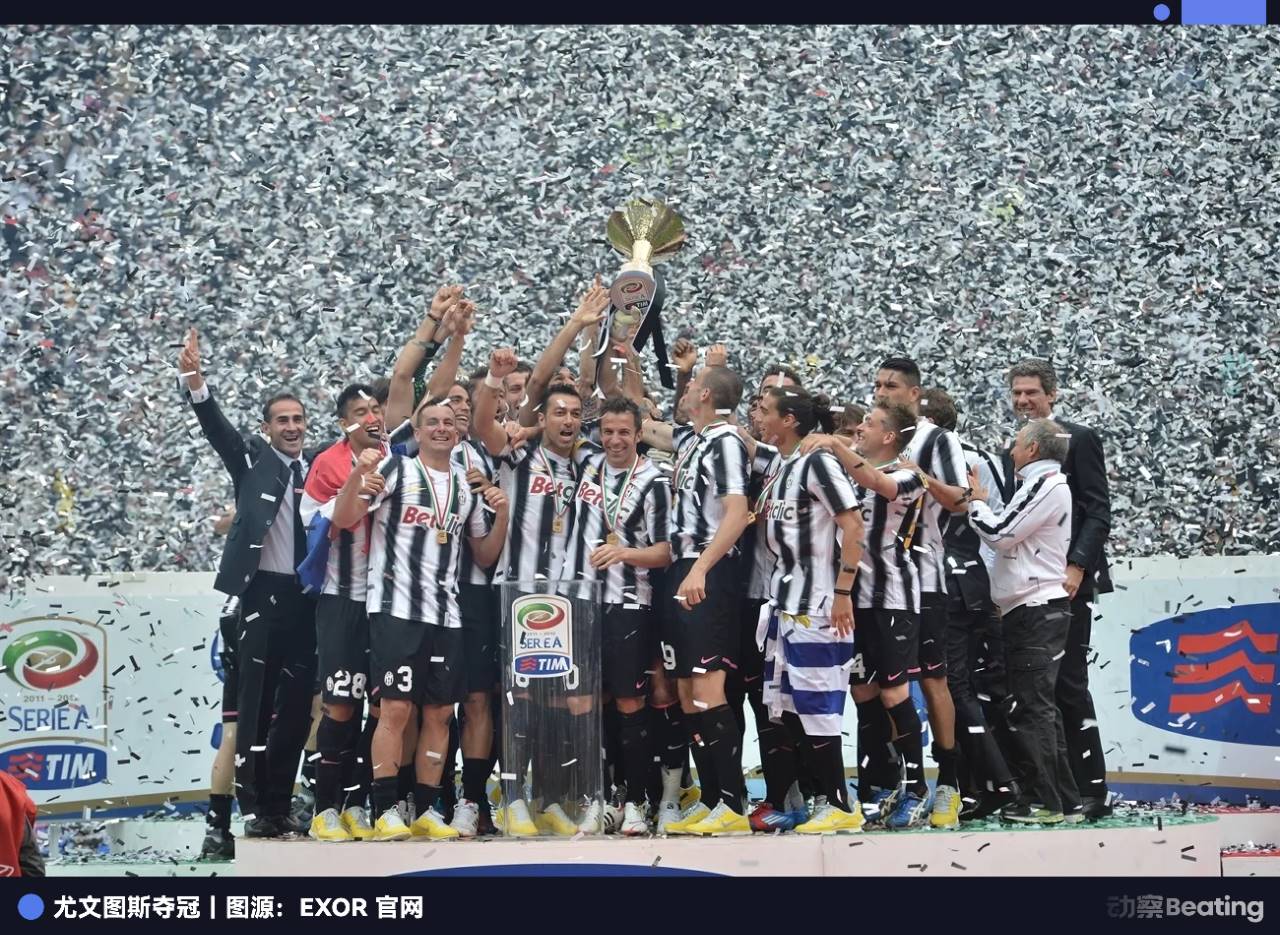
However, the history of the Agnelli family's inheritance is filled with bloodshed and fractures.

In 2000, Agnelli family heir Edoardo Agnelli jumped from a viaduct, ending his battle with depression. Three years later, family patriarch Gianni Agnelli passed away. The baton of power had to be passed to his grandson, John Elkann.

John was born in New York and grew up in Paris. He speaks English, French, and Italian, but his Italian has a noticeable foreign accent. In the eyes of many old-school Italians, he is just a proxy who gained power through bloodline.

It took John a full 20 years to prove himself worthy of the Agnelli name.

He restructured Fiat, swallowed Chrysler, and created Stellantis, the world's fourth-largest automotive group; he took Ferrari to the capital markets, doubling its market value; he bought The Economist, extending the Agnelli family's influence from Italy to the globe.

Unfortunately, the cracks within the family are becoming public. In September 2025, John Elkann's mother, Margherita, submitted a "will" from 1998 to the Turin court, claiming that the inheritance left to her by her father, Gianni, had been misappropriated by John. Mother and son faced off in court, a huge scandal in Italy, where family honor is highly valued.
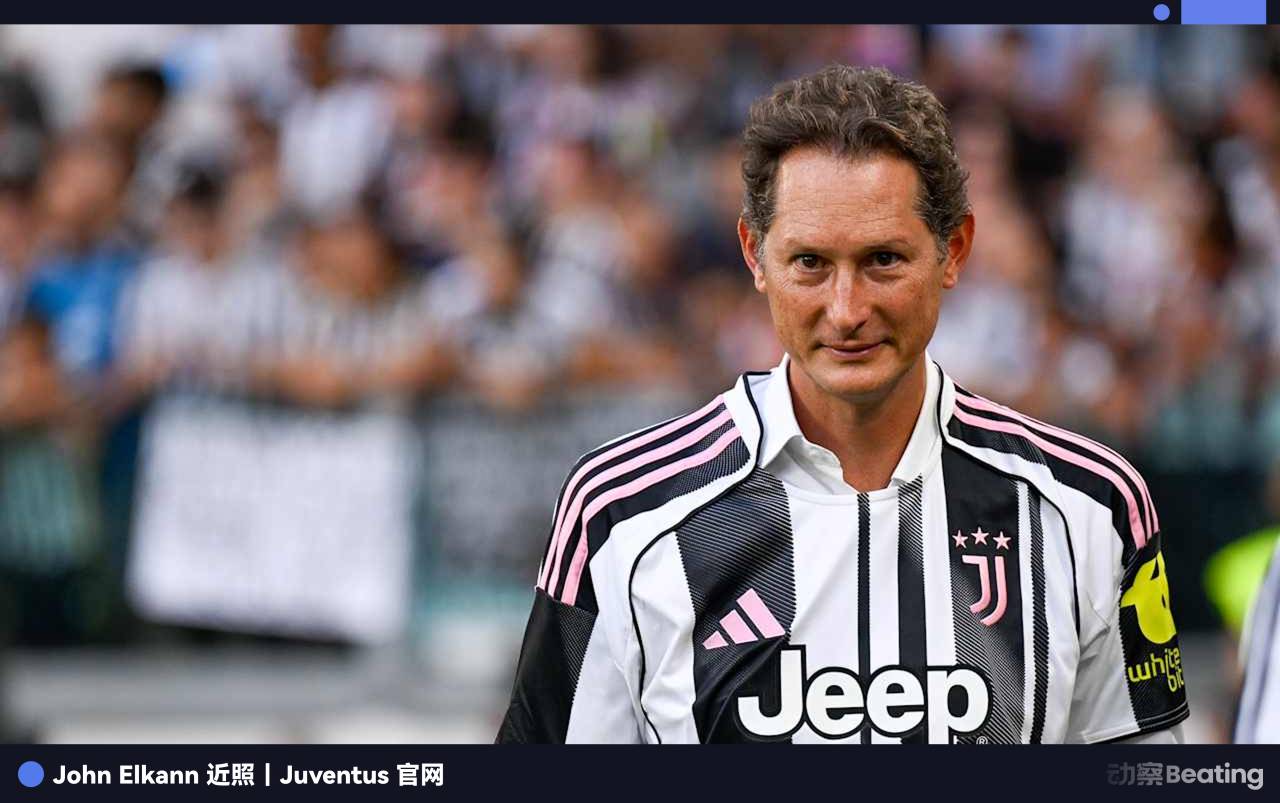
In this context, selling Juventus would be equivalent to admitting the end of the family's glory, admitting that he is inferior to his ancestors.

To keep Juventus, John is frantically selling off other family assets.

Just days before Tether made its offer, the Exor Group was busy selling its GEDI media group to the Greek media group Antenna Group for 140 million euros. GEDI owns two major media outlets, La Repubblica and La Stampa, whose status in Italy is no less than that of Juventus in Italian football.

The news caused an uproar in Italy. The Italian government even invoked the "Golden Power" law, requiring Exor to protect jobs and editorial independence during the sale.

Newspapers losing money are liabilities and must be cut; Juventus losing money is a totem and must be kept.

This choice exposes the plight of the old aristocracy. They can no longer maintain their former empire and can only strive to retain the one that best represents the family's glory.

Therefore, despite Paolo's offer carrying a high 20% market premium, John Elkann still sees it as a threat.

In the value system of European old money, the quality of wealth has a hierarchy.

Every penny of the Agnelli family is steeped in the smell of engine oil. It is an industrial monument forged from steel, rubber, the roar of engines, and the sweat of millions of workers. This kind of wealth is visible and tangible; it represents order, control, and a social contract spanning a century.

Paolo's money, however, comes from cryptocurrency, from an industry that has grown wildly and controversially over the past decade.

Precedents are still fresh.

Just a few years ago, the blockchain company DigitalBit signed sponsorship deals worth 85 million euros with two Serie A giants, Inter Milan and Roma. But DigitalBits defaulted on its payments due to a broken capital chain, forcing both clubs to terminate the contracts, leaving a mess behind.

Not to mention the chain of collapses in the cryptocurrency industry in 2022. Back then, Luna's logo was plastered on the Washington Nationals' stadium, and FTX's name still adorned the Miami Heat's arena. In the eyes of the Agnelli family, the cryptocurrency industry is full of speculation and bubbles.

In the Agnelli family's eyes, Paolo will always be an "outsider." Not because of his origins, but because of his money.

A Totem in Need of Saving

But the problem is, Juventus really needs money.

Today's Juventus is deeply mired in trouble, all stemming from July 10, 2018, when Juventus announced the signing of 33-year-old Cristiano Ronaldo. A 100 million euro transfer fee, a net annual salary of 30 million euros, for a four-year contract.
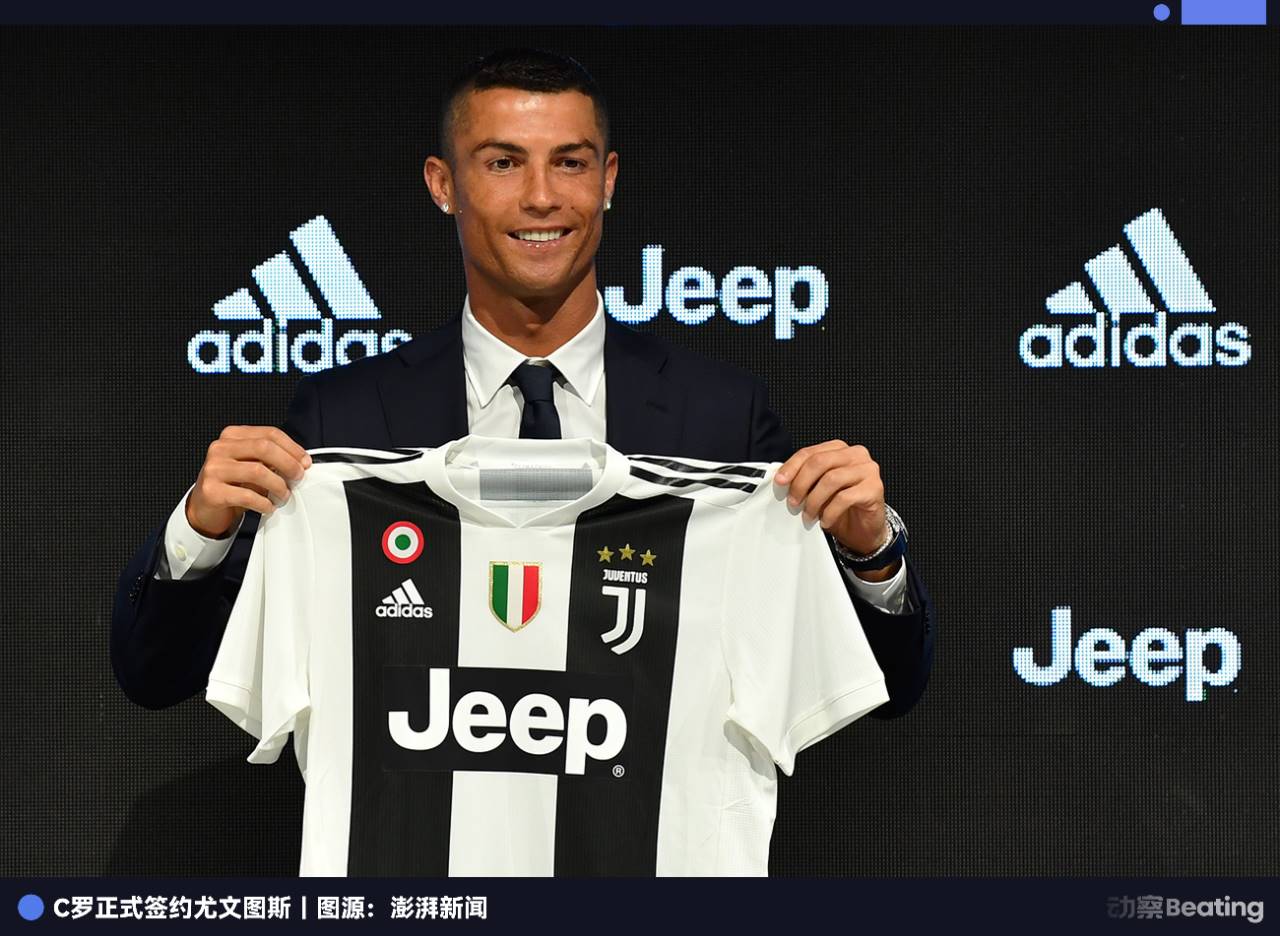
This was the largest transfer in Serie A history and the highest salary in Serie A history. Then-Juventus President Andrea Agnelli, the fourth-generation leader of the Agnelli family, said excitedly at the shareholders' meeting: "This is the most important signing in Juventus history. We will win the Champions League with Ronaldo."

The city of Turin was ecstatic. Fans flocked to the Juventus store to buy jerseys with Ronaldo's name. In just 24 hours after the signing, the club sold over 520,000 jerseys, setting a record in football history. Everyone believed Ronaldo would lead Juventus to the top of Europe.

But Juventus did not win the Champions League. In 2019, they were eliminated by Ajax; in 2020, by Lyon; in 2021, by Porto. In August 2021, Ronaldo suddenly left the team and moved to Manchester United. Juventus not only failed to recoup their investment but fell into deeper financial quagmire.

Accountants later calculated the total cost: including transfer fees, salaries, and taxes, signing Ronaldo cost a total of 340 million euros. In his three years at Juventus, he scored 101 goals, with each goal costing an average of 2.8 million euros.

For a club of Juventus's size, the Champions League is not just an honor; it's a cash flow switch: broadcasting revenue, matchday income, bonus clauses in sponsorship deals—many are tied to the Champions League. Once they lose the Champions League, the books immediately thin, and the team is forced to use accounting methods to fill the gap.

Juventus sold Miralem Pjanić to Spanish giants Barcelona for 60 million euros while buying Arthur from Barcelona for 72 million euros. Both transactions were officially claimed to be unrelated, but everyone knew it was a carefully designed swap. Juventus only needed to pay a 12 million euro cash difference but could record tens of millions of euros in "capital gains" on the books.

This kind of accounting is not uncommon in football, but Juventus overdid it.

The prosecutor's investigation found that over three years, the club had inflated profits by 282 million euros through 42 similar suspicious transactions. After the scandal was exposed, the entire board, including President Andrea Agnelli, resigned collectively.

What followed were punishments for the team: deducted league points, exclusion from the Champions League, long-term bans for executives. This led to an even more terrible vicious cycle: poor team performance led to sharp revenue declines, which led to an inability to sign new talent, which led to worse performance.

Starting with a loss of 39.6 million euros in the 2018-19 season, Juventus's financial situation continued to deteriorate. By the 2022-23 season, the loss had reached 123.7 million euros. From the peak of nine consecutive Serie A titles to years of huge losses, in November 2025, the Exor Group had to inject nearly 100 million euros into Juventus again.

This was the third time in two years that the Exor Group had to bail out Juventus. The Exor Group also owns assets such as Ferrari, the Stellantis automotive group, and The Economist magazine. Juventus's continuous losses are eroding the group's overall profits. In the 2024 financial report, the Exor Group's net profit fell by 12%. Analysts pointed out that Juventus has become a drag on the group's performance.

John Elkann is in a dilemma, unsure how to decide.

And Paolo, with his $13 billion in annual profits, is knocking on the door. He has money, he has patience, he has love for Juventus.

This should have been a perfect deal, if not for the mountain called "class" standing in between.

The Dream Under the Olive Trees

Paolo's knocking received no response, so he made his choice.

On December 12, Paolo bypassed all private roundtable discussions and made the offer public directly through the Italian Stock Exchange. Paolo backed John Elkann into a corner, forcing him to answer this question in front of all of Italy: Do you want money, or do you want family face?

The news caused Juventus's stock price to soar, as the market expressed its desire for "new money." Both La Gazzetta dello Sport and Tuttosport reported it on their front pages. The entire Apennine Peninsula is waiting for the Agnelli family's decision.

The Agnelli family's refusal was expected, yet unreasonable.

Expected, because the Agnelli family's pride does not allow them to bow to new money. Unreasonable, because given their current financial situation, rejecting such a huge sum requires an almost tragic stubbornness.

For Paolo, he wants to use the money he earned to save the idol of his childhood. Companies ultimately have a nationality. Although Tether is a digitally nomadic enterprise with global operations, its CEO is Italian, and its heart is in Italy.

From the Agnelli family's perspective, what they are guarding is not just a club but 102 years of family glory and a symbol of Italy's industrial era.

This is no longer a game of business logic; it is a collision of two beliefs.

In John Elkann's eyes, that bronze door must remain closed because outside stands a speculator trying to whitewash his identity; but in Paolo's eyes, that door should be opened because outside stands a child of Italian blood who can save this team.

However, the times are not on the side of the old aristocracy.
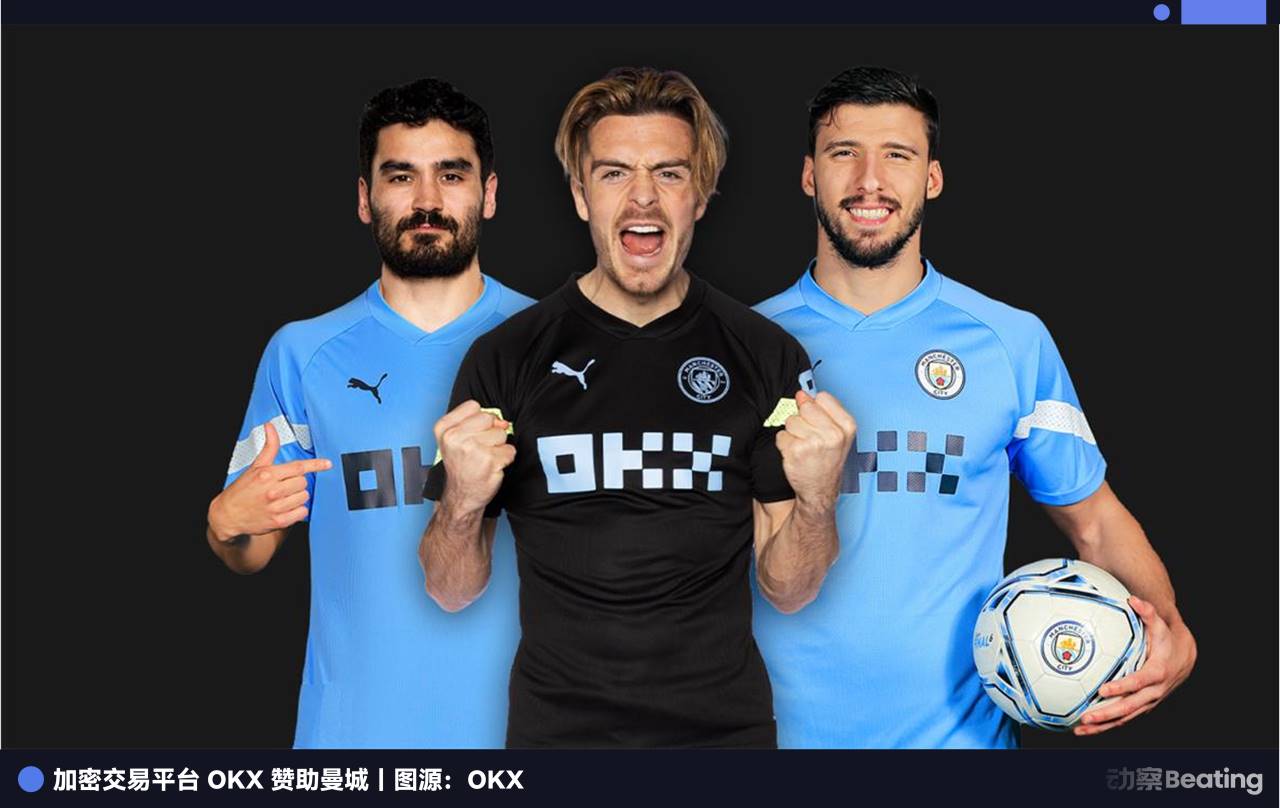
In the same week that Exor rejected Tether, Premier League champions Manchester City announced a renewal of their partnership with the crypto trading platform OKX, with the chest advertisement worth over 100 million. European giants like Paris Saint-Germain, Barcelona, and AC Milan have already established deep cooperation with crypto companies. In Asia, South Korea's K League and Japan's J League have also begun accepting cryptocurrency sponsorships.

New money entering traditional industries controlled by old money is no longer a question of "if" but "in what way." Football is just one battlefield. In the art auction field, Sotheby's and Christie's have begun accepting cryptocurrency payments; in real estate, luxury home transactions in cities like Dubai and Miami can already be completed with Bitcoin. Similar conflicts are playing out all over the world.

Paolo's charge, whether successful or not, is testing the boundaries of this era: When a generation creates huge wealth in new ways, do they deserve a seat at the old world's table controlled by old money?

At the end of the story, the picture freezes on that olive grove in the suburbs.

Thirty-two years ago, a dark-haired boy sat there, accompanied by the sounds of his grandparents working, cheering at the black-and-white figures on the TV. He would never have imagined that one day he would stand outside that door, waiting for an answer.

That tightly closed bronze door remains cold and majestic. Behind it lies a century of Agnelli family glory and the last afterglow of the old industrial era.

It has not opened for new money now, but this time, the person knocking will not back down. Because he knows that pushing this door open is only a matter of time.


Twitter:https://twitter.com/BitpushNewsCN

Bitpush TG Discussion Group:https://t.me/BitPushCommunity

Bitpush TG Subscription: https://t.me/bitpush

Original link:https://www.bitpush.news/articles/7595816

İlgili Sorular

QWhat is the main reason behind the Agnelli family's resistance to Tether's acquisition of Juventus?

AThe Agnelli family views Juventus as a century-old symbol of their industrial legacy and family honor, and they are reluctant to sell to a cryptocurrency company, which they perceive as 'new money' with a controversial and speculative background, threatening their traditional values and control.

QHow did Tether initially attempt to increase its stake in Juventus before the public takeover bid?

ATether first acquired 8.2% of Juventus shares in February 2025, becoming the second-largest shareholder. They then increased their stake to 10.7% through open market purchases from April to October 2025, which allowed them to nominate a board member under Italian law.

QWhat financial challenges is Juventus currently facing that make Tether's offer attractive?

AJuventus is struggling with massive financial losses, reaching €123.7 million in the 2022-23 season, due to failed investments like the signing of Cristiano Ronaldo, accounting scandals, penalties from authorities, and exclusion from Champions League revenue, forcing Exor to repeatedly inject capital.

QWho is Paolo Ardoino and what is his personal connection to Juventus?

APaolo Ardoino is the CEO of Tether, born in Italy, and a lifelong Juventus fan. He grew up idolizing the club and sees the acquisition as a way to save his childhood team, reflecting a personal passion beyond business interests.

QWhat broader trend does the Tether-Juventus situation represent in global business?

AIt symbolizes the clash between 'old money' from traditional industries and 'new money' from disruptive sectors like cryptocurrency, testing whether wealth generated through new avenues can gain acceptance in established, legacy-controlled industries such as sports, real estate, and art.

İlgili Okumalar

Three Frameworks for Ordinary People to Achieve AI Capability Leap: Say Goodbye to the Dilemma of 'Repeating Inputs Every Day'

Summary: This article outlines three frameworks for maximizing AI efficiency, moving beyond basic prompt usage. 1. **Three-Layer Evolution**: Users progress from (1) **Prompt** (one-off instructions, reset each session), to (2) **Project** (context-aware within a specific project), to (3) **Skill** (permanent, auto-applied knowledge). Most users stagnate at the first layer, repeating the same instructions daily with no cumulative improvement. Skills transform the AI from a chat tool into a personalized work system. 2. **Transaction vs. Compound Interest Mindset**: Using prompts is a linear transaction—effort and output are 1:1, and stopping resets progress. Investing time in building Skills is compound interest; a small initial time investment pays continuous dividends, as each Skill permanently elevates the AI's baseline performance. 3. **Thin Harness, Fat Skills**: The system architecture should prioritize thick, well-defined Skills (90% of the value—containing processes, standards, and domain knowledge) and a thin "harness" (the minimal technical environment). Avoid over-engineering the toolchain while neglecting the AI's actual knowledge. Skills are permanent assets that automatically improve with model updates. The key takeaway: Identify tasks you repeat, encode them into Skills (using tools like Claude's Skill Creator), and shift focus from daily prompting to building a compounding, self-improving AI system.

marsbit33 dk önce

Three Frameworks for Ordinary People to Achieve AI Capability Leap: Say Goodbye to the Dilemma of 'Repeating Inputs Every Day'

marsbit33 dk önce

İşlemler

Spot
Futures

Popüler Makaleler

$S$ Nedir

SPERO'yu Anlamak: Kapsamlı Bir Genel Bakış SPERO'ya Giriş İnovasyonun manzarası gelişmeye devam ederken, web3 teknolojilerinin ve kripto para projelerinin ortaya çıkışı dijital geleceği şekillendirmede önemli bir rol oynamaktadır. Bu dinamik alanda dikkat çeken projelerden biri SPERO, $$s$$ olarak adlandırılmaktadır. Bu makale, SPERO hakkında ayrıntılı bilgi toplamak ve sunmak amacıyla, meraklılar ve yatırımcıların web3 ve kripto alanlarındaki temellerini, hedeflerini ve yeniliklerini anlamalarına yardımcı olmayı amaçlamaktadır. SPERO,$$s$$ Nedir? SPERO,$$s$$, kripto alanında merkeziyetsizlik ve blok zinciri teknolojisi ilkelerini kullanarak etkileşimi, faydayı ve finansal kapsayıcılığı teşvik eden bir ekosistem yaratmayı amaçlayan benzersiz bir projedir. Proje, kullanıcıların yenilikçi finansal çözümler ve hizmetler sunarak eşler arası etkileşimleri yeni yollarla kolaylaştırmayı hedeflemektedir. SPERO,$$s$$'nin temel amacı, bireyleri güçlendirmek ve kripto para alanındaki kullanıcı deneyimini artıran araçlar ve platformlar sağlamaktır. Bu, daha esnek işlem yöntemlerini mümkün kılmayı, topluluk odaklı girişimleri teşvik etmeyi ve merkeziyetsiz uygulamalar (dApp'ler) aracılığıyla finansal fırsatlar yaratmayı içermektedir. SPERO,$$s$$'nin temel vizyonu kapsayıcılık etrafında dönmekte olup, geleneksel finansal sistemlerdeki boşlukları kapatmayı ve blok zinciri teknolojisinin faydalarından yararlanmayı hedeflemektedir. SPERO,$$s$$'nin Yaratıcısı Kimdir? SPERO,$$s$$'nin yaratıcısının kimliği bir miktar belirsizdir, çünkü kurucusu(ları) hakkında ayrıntılı arka plan bilgisi sağlayan sınırlı kamuya açık kaynaklar bulunmaktadır. Bu şeffaflık eksikliği, projenin merkeziyetsizlik taahhüdünden kaynaklanabilir—birçok web3 projesinin paylaştığı bir etik anlayışı, bireysel tanınmanın yerine kolektif katkıları önceliklendirmektedir. Topluluk ve onun kolektif hedefleri etrafında tartışmaları merkezileştirerek, SPERO,$$s$$, belirli bireyleri öne çıkarmadan güçlendirme özünü taşımaktadır. Bu nedenle, SPERO'nun etik anlayışını ve misyonunu anlamak, tek bir yaratıcının kimliğini belirlemekten daha önemlidir. SPERO,$$s$$'nin Yatırımcıları Kimlerdir? SPERO,$$s$$, kripto sektöründe yeniliği teşvik etmeye adanmış girişim sermayedarlarından melek yatırımcılara kadar çeşitli yatırımcılar tarafından desteklenmektedir. Bu yatırımcıların odak noktası genellikle SPERO'nun misyonuyla uyumlu olup, toplumsal teknolojik ilerlemeyi, finansal kapsayıcılığı ve merkeziyetsiz yönetimi vaat eden projeleri önceliklendirmektedir. Bu yatırımcı temelleri, yalnızca yenilikçi ürünler sunan projelere değil, aynı zamanda blok zinciri topluluğuna ve ekosistemlerine olumlu katkılarda bulunan projelere de ilgi duymaktadır. Bu yatırımcıların desteği, SPERO,$$s$$'yi hızla gelişen kripto projeleri alanında dikkate değer bir rakip haline getirmektedir. SPERO,$$s$$ Nasıl Çalışır? SPERO,$$s$$, onu geleneksel kripto para projelerinden ayıran çok yönlü bir çerçeve kullanmaktadır. İşte benzersizliğini ve yeniliğini vurgulayan bazı temel özellikler: Merkeziyetsiz Yönetim: SPERO,$$s$$, kullanıcıların projenin geleceğiyle ilgili karar alma süreçlerine aktif olarak katılmalarını sağlayan merkeziyetsiz yönetim modellerini entegre etmektedir. Bu yaklaşım, topluluk üyeleri arasında sahiplik ve hesap verebilirlik duygusunu teşvik etmektedir. Token Kullanımı: SPERO,$$s$$, ekosistem içinde çeşitli işlevler sunmak üzere tasarlanmış kendi kripto para token'ını kullanmaktadır. Bu token'lar, işlemleri, ödülleri ve platformda sunulan hizmetlerin kolaylaştırılmasını sağlayarak genel etkileşimi ve faydayı artırmaktadır. Katmanlı Mimari: SPERO,$$s$$'nin teknik mimarisi, modülerlik ve ölçeklenebilirliği destekleyerek projenin evrimi sırasında ek özelliklerin ve uygulamaların sorunsuz bir şekilde entegrasyonuna olanak tanımaktadır. Bu uyum sağlama yeteneği, sürekli değişen kripto manzarasında geçerliliği sürdürmek için hayati öneme sahiptir. Topluluk Katılımı: Proje, işbirliği ve geri bildirim teşvik eden mekanizmalar kullanarak topluluk odaklı girişimlere vurgu yapmaktadır. Güçlü bir topluluk oluşturarak, SPERO,$$s$$, kullanıcı ihtiyaçlarını daha iyi karşılayabilir ve piyasa trendlerine uyum sağlayabilir. Kapsayıcılığa Odaklanma: Düşük işlem ücretleri ve kullanıcı dostu arayüzler sunarak, SPERO,$$s$$, daha önce kripto alanında yer almamış bireyler de dahil olmak üzere çeşitli bir kullanıcı tabanını çekmeyi hedeflemektedir. Bu kapsayıcılık taahhüdü, erişilebilirlik yoluyla güçlendirme misyonuyla uyumludur. SPERO,$$s$$ Zaman Çizelgesi Bir projenin tarihini anlamak, gelişim yolculuğu ve kilometre taşları hakkında kritik bilgiler sağlar. Aşağıda, SPERO,$$s$$'nin evriminde önemli olayları haritalayan önerilen bir zaman çizelgesi bulunmaktadır: Kavram Geliştirme ve Fikir Aşaması: SPERO,$$s$$'nin temelini oluşturan ilk fikirler, blok zinciri endüstrisindeki merkeziyetsizlik ve topluluk odaklılık ilkeleriyle yakından uyumlu olarak geliştirildi. Proje Beyaz Kağıdının Yayınlanması: Kavramsal aşamayı takiben, SPERO,$$s$$'nin vizyonunu, hedeflerini ve teknolojik altyapısını ayrıntılı bir şekilde açıklayan kapsamlı bir beyaz kağıt yayımlandı ve topluluk ilgisini ve geri bildirimini toplamak amacıyla sunuldu. Topluluk Oluşturma ve Erken Katılımlar: Projenin hedefleri etrafında tartışmalar yürüterek destek toplamak ve erken benimseyenler ile potansiyel yatırımcılar için bir topluluk oluşturmak amacıyla aktif iletişim çabaları gerçekleştirildi. Token Üretim Etkinliği: SPERO,$$s$$, yerel token'larını erken destekçilere dağıtmak ve ekosistem içinde başlangıç likiditesini sağlamak amacıyla bir token üretim etkinliği (TGE) gerçekleştirdi. İlk dApp'in Yayınlanması: SPERO,$$s$$ ile ilişkili ilk merkeziyetsiz uygulama (dApp) faaliyete geçti ve kullanıcıların platformun temel işlevleriyle etkileşimde bulunmalarını sağladı. Sürekli Gelişim ve Ortaklıklar: Projenin tekliflerine sürekli güncellemeler ve iyileştirmeler yapılmakta olup, blok zinciri alanındaki diğer oyuncularla stratejik ortaklıklar, SPERO,$$s$$'yi rekabetçi ve gelişen bir oyuncu haline getirmiştir. Sonuç SPERO,$$s$$, web3 ve kripto paranın finansal sistemleri devrim niteliğinde dönüştürme ve bireyleri güçlendirme potansiyelinin bir kanıtıdır. Merkeziyetsiz yönetime, topluluk katılımına ve yenilikçi tasarlanmış işlevselliğe olan bağlılığıyla, daha kapsayıcı bir finansal manzaraya doğru bir yol açmaktadır. Hızla gelişen kripto alanındaki herhangi bir yatırımda olduğu gibi, potansiyel yatırımcılar ve kullanıcılar, SPERO,$$s$$ içindeki devam eden gelişmelerle ilgili olarak kapsamlı bir araştırma yapmaları ve düşünceli bir şekilde katılmaları teşvik edilmektedir. Proje, kripto endüstrisinin yenilikçi ruhunu sergileyerek, sayısız olasılığını keşfetmeye davet etmektedir. SPERO,$$s$$'nin yolculuğu hala devam ederken, temel ilkeleri, teknoloji, finans ve birbirimizle etkileşim biçimimizi etkileyebilir.

89 Toplam GörüntülenmeYayınlanma 2024.12.17Güncellenme 2024.12.17

$S$ Nedir

AGENT S Nedir

Agent S: Web3'te Otonom Etkileşimin Geleceği Giriş Web3 ve kripto para dünyasında sürekli gelişen manzarada, yenilikler bireylerin dijital platformlarla etkileşim biçimlerini sürekli olarak yeniden tanımlıyor. Bu tür öncü projelerden biri olan Agent S, açık ajans çerçevesi aracılığıyla insan-bilgisayar etkileşimini devrim niteliğinde değiştirmeyi vaat ediyor. Otonom etkileşimlerin yolunu açarak, Agent S karmaşık görevleri basitleştirmeyi ve yapay zeka (AI) alanında dönüştürücü uygulamalar sunmayı hedefliyor. Bu detaylı inceleme, projenin karmaşıklıklarına, benzersiz özelliklerine ve kripto para alanındaki etkilerine dalacaktır. Agent S Nedir? Agent S, bilgisayar görevlerinin otomasyonunda üç temel zorluğu ele almak üzere özel olarak tasarlanmış çığır açıcı bir açık ajans çerçevesidir: Alan Spesifik Bilgi Edinimi: Çerçeve, çeşitli dış bilgi kaynaklarından ve iç deneyimlerden akıllıca öğrenir. Bu çift yönlü yaklaşım, alan spesifik bilgi açısından zengin bir veri havuzu oluşturmasını sağlar ve görev yürütmedeki performansını artırır. Uzun Görev Ufukları Üzerinde Planlama: Agent S, karmaşık görevlerin verimli bir şekilde parçalanmasını ve yürütülmesini kolaylaştıran deneyim artırımlı hiyerarşik planlama kullanır. Bu özellik, çoklu alt görevleri etkili ve verimli bir şekilde yönetme yeteneğini önemli ölçüde artırır. Dinamik, Homojen Olmayan Arayüzlerle Başlama: Proje, ajanlar ve kullanıcılar arasındaki etkileşimi geliştiren yenilikçi bir çözüm olan Ajan-Bilgisayar Arayüzü'ni (ACI) tanıtmaktadır. Çok Modlu Büyük Dil Modellerini (MLLM'ler) kullanarak, Agent S çeşitli grafik kullanıcı arayüzlerini sorunsuz bir şekilde gezinebilir ve manipüle edebilir. Bu öncü özellikler aracılığıyla, Agent S, makinelerle insan etkileşimini otomatikleştirmede karşılaşılan karmaşıklıkları ele alan sağlam bir çerçeve sunarak, AI ve ötesinde birçok uygulama için zemin hazırlıyor. Agent S'nin Yaratıcısı Kimdir? Agent S'nin kavramı temelde yenilikçi olsa da, yaratıcısı hakkında spesifik bilgiler belirsizliğini koruyor. Yaratıcı şu anda bilinmiyor, bu da projenin yeni aşamasını veya kurucu üyeleri gizli tutma stratejik tercihini vurguluyor. Anonimlikten bağımsız olarak, odak çerçevenin yetenekleri ve potansiyeli üzerinde kalıyor. Agent S'nin Yatırımcıları Kimlerdir? Agent S, kriptografik ekosistemde oldukça yeni olduğundan, yatırımcıları ve finansal destekçileri hakkında ayrıntılı bilgiler açıkça belgelenmemiştir. Projeyi destekleyen yatırım temelleri veya organizasyonları hakkında kamuya açık bilgilerdeki eksiklik, finansman yapısı ve gelişim yol haritası hakkında sorular doğuruyor. Destekleyicilerin anlaşılması, projenin sürdürülebilirliğini ve potansiyel pazar etkisini değerlendirmek için kritik öneme sahiptir. Agent S Nasıl Çalışır? Agent S'nin temelinde, çeşitli ortamlarda etkili bir şekilde çalışmasını sağlayan son teknoloji bir sistem yatmaktadır. İşleyiş modeli birkaç ana özellik etrafında inşa edilmiştir: İnsan Benzeri Bilgisayar Etkileşimi: Çerçeve, bilgisayarlarla etkileşimleri daha sezgisel hale getirmeyi amaçlayan gelişmiş AI planlaması sunar. Görev yürütmedeki insan davranışını taklit ederek, kullanıcı deneyimlerini yükseltmeyi vaat eder. Anlatı Belleği: Yüksek düzeyde deneyimlerden yararlanmak için kullanılan Agent S, görev geçmişlerini takip etmek amacıyla anlatı belleğini kullanarak karar verme süreçlerini geliştirir. Episodik Bellek: Bu özellik, kullanıcılara adım adım rehberlik sağlayarak, çerçevenin görevler gelişirken bağlamsal destek sunmasına olanak tanır. OpenACI Desteği: Yerel olarak çalışabilme yeteneği ile Agent S, kullanıcıların etkileşimleri ve iş akışları üzerinde kontrol sağlamasına olanak tanır ve Web3'ün merkeziyetsiz felsefesiyle uyumlu hale gelir. Dış API'lerle Kolay Entegrasyon: Çeşitli AI platformlarıyla uyumluluğu ve çok yönlülüğü, Agent S'nin mevcut teknolojik ekosistemlere sorunsuz bir şekilde entegre olmasını sağlar ve geliştiriciler ile organizasyonlar için cazip bir seçenek haline getirir. Bu işlevsellikler, Agent S'nin kripto alanındaki benzersiz konumuna katkıda bulunarak, karmaşık, çok aşamalı görevleri minimum insan müdahalesi ile otomatikleştirir. Proje geliştikçe, Web3'teki potansiyel uygulamaları dijital etkileşimlerin nasıl gelişeceğini yeniden tanımlayabilir. Agent S'nin Zaman Çizelgesi Agent S'nin gelişimi ve kilometre taşları, önemli olaylarını vurgulayan bir zaman çizelgesinde özetlenebilir: 27 Eylül 2024: Agent S'nin kavramı, “Bilgisayarları İnsan Gibi Kullanan Açık Bir Ajans Çerçevesi” başlıklı kapsamlı bir araştırma makalesi ile tanıtıldı ve projenin temelini sergiledi. 10 Ekim 2024: Araştırma makalesi arXiv'de kamuya açık olarak yayınlandı ve çerçevenin derinlemesine bir incelemesini ve OSWorld benchmark'ına dayalı performans değerlendirmesini sundu. 12 Ekim 2024: Agent S'nin yetenekleri ve özellikleri hakkında görsel bir içgörü sağlayan bir video sunumu yayımlandı ve potansiyel kullanıcılar ve yatırımcılarla daha fazla etkileşim sağlandı. Bu zaman çizelgesindeki işaretler, sadece Agent S'nin ilerlemesini değil, aynı zamanda şeffaflık ve topluluk katılımına olan bağlılığını da göstermektedir. Agent S Hakkında Ana Noktalar Agent S çerçevesi gelişmeye devam ederken, birkaç ana özellik öne çıkmakta ve yenilikçi doğasını ve potansiyelini vurgulamaktadır: Yenilikçi Çerçeve: İnsan etkileşimine benzer bir bilgisayar kullanımı sağlamak üzere tasarlanan Agent S, görev otomasyonuna yeni bir yaklaşım getiriyor. Otonom Etkileşim: GUI aracılığıyla bilgisayarlarla otonom olarak etkileşim kurabilme yeteneği, daha akıllı ve verimli hesaplama çözümlerine doğru bir sıçrama anlamına geliyor. Karmaşık Görev Otomasyonu: Sağlam metodolojisi ile karmaşık, çok aşamalı görevleri otomatikleştirerek süreçleri daha hızlı ve daha az hata payı ile gerçekleştirebilir. Sürekli İyileştirme: Öğrenme mekanizmaları, Agent S'nin geçmiş deneyimlerden öğrenmesini sağlar ve sürekli olarak performansını ve etkinliğini artırır. Çok Yönlülük: OSWorld ve WindowsAgentArena gibi farklı işletim ortamlarında uyumlu olması, geniş bir uygulama yelpazesine hizmet edebilmesini sağlar. Agent S, Web3 ve kripto alanında kendini konumlandırırken, etkileşim yeteneklerini artırma ve süreçleri otomatikleştirme potansiyeli, AI teknolojilerinde önemli bir ilerlemeyi temsil etmektedir. Yenilikçi çerçevesi aracılığıyla, Agent S dijital etkileşimlerin geleceğini örneklemekte ve çeşitli sektörlerde kullanıcılar için daha sorunsuz ve verimli bir deneyim vaat etmektedir. Sonuç Agent S, AI ve Web3'ün birleşiminde cesur bir sıçramayı temsil ediyor ve teknoloji ile etkileşim biçimimizi yeniden tanımlama kapasitesine sahip. Henüz erken aşamalarında olmasına rağmen, uygulama olanakları geniş ve çekici. Kritik zorlukları ele alan kapsamlı çerçevesi ile Agent S, otonom etkileşimleri dijital deneyimin ön plana çıkmasına taşımayı hedefliyor. Kripto para ve merkeziyetsizlik alanlarına daha derinlemesine girdikçe, Agent S gibi projelerin teknoloji ve insan-bilgisayar işbirliğinin geleceğini şekillendirmede önemli bir rol oynayacağı kesin.

426 Toplam GörüntülenmeYayınlanma 2025.01.14Güncellenme 2025.01.14

AGENT S Nedir

S Nasıl Satın Alınır

HTX.com’a hoş geldiniz! Sonic (S) satın alma işlemlerini basit ve kullanışlı bir hâle getirdik. Adım adım açıkladığımız rehberimizi takip ederek kripto yolculuğunuza başlayın. 1. Adım: HTX Hesabınızı OluşturunHTX'te ücretsiz bir hesap açmak için e-posta adresinizi veya telefon numaranızı kullanın. Sorunsuzca kaydolun ve tüm özelliklerin kilidini açın. Hesabımı Aç2. Adım: Kripto Satın Al Bölümüne Gidin ve Ödeme Yönteminizi SeçinKredi/Banka Kartı: Visa veya Mastercard'ınızı kullanarak anında Sonic (S) satın alın.Bakiye: Sorunsuz bir şekilde işlem yapmak için HTX hesap bakiyenizdeki fonları kullanın.Üçüncü Taraflar: Kullanımı kolaylaştırmak için Google Pay ve Apple Pay gibi popüler ödeme yöntemlerini ekledik.P2P: HTX'teki diğer kullanıcılarla doğrudan işlem yapın.Borsa Dışı (OTC): Yatırımcılar için kişiye özel hizmetler ve rekabetçi döviz kurları sunuyoruz.3. Adım: Sonic (S) Varlıklarınızı SaklayınSonic (S) satın aldıktan sonra HTX hesabınızda saklayın. Alternatif olarak, blok zinciri transferi yoluyla başka bir yere gönderebilir veya diğer kripto para birimlerini takas etmek için kullanabilirsiniz.4. Adım: Sonic (S) Varlıklarınızla İşlem YapınHTX'in spot piyasasında Sonic (S) ile kolayca işlemler yapın.Hesabınıza erişin, işlem çiftinizi seçin, işlemlerinizi gerçekleştirin ve gerçek zamanlı olarak izleyin. Hem yeni başlayanlar hem de deneyimli yatırımcılar için kullanıcı dostu bir deneyim sunuyoruz.

1.3k Toplam GörüntülenmeYayınlanma 2025.01.15Güncellenme 2025.03.21

S Nasıl Satın Alınır

Tartışmalar

HTX Topluluğuna hoş geldiniz. Burada, en son platform gelişmeleri hakkında bilgi sahibi olabilir ve profesyonel piyasa görüşlerine erişebilirsiniz. Kullanıcıların S (S) fiyatı hakkındaki görüşleri aşağıda sunulmaktadır.

活动图片