# US İlgili Makaleler

HTX Haber Merkezi, kripto endüstrisindeki piyasa trendleri, proje güncellemeleri, teknoloji gelişmeleri ve düzenleyici politikaları kapsayan "US" hakkında en son makaleleri ve derinlemesine analizleri sunmaktadır.

Hong Kong Airdrops Stablecoins, US Defines Boundaries: The Institutionalization Phase of Stablecoins

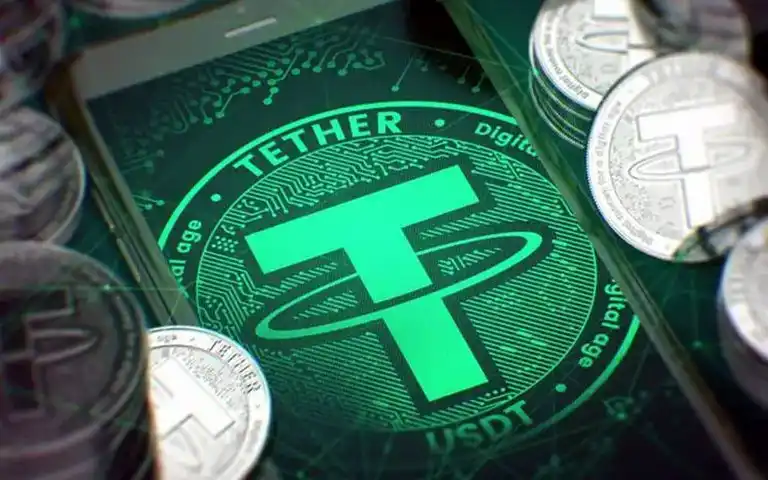
Stablecoin regulation is entering a new institutionalized phase, as evidenced by recent developments in Hong Kong and the United States. Hong Kong is set to issue its first stablecoin issuer licenses by March, marking the start of a licensed era. Lawmaker Johnny Ng has proposed distributing stablecoin-based consumption vouchers to citizens to encourage adoption among local SMEs—a strategy reminiscent of the e-voucher campaigns that boosted digital payment uptake. Hong Kong’s regulatory framework requires licensed issuers to hold full reserve backing, independent custody, and face-value redemption, effectively treating stablecoin operators as quasi-financial institutions. Meanwhile, the U.S. is clarifying the regulatory status of payment stablecoins. Following a key meeting between banking and crypto industry representatives, the SEC is revising Rule 15c3-1 to include payment stablecoins under broker-dealer capital rules, applying a 2% capital deduction. Eligible stablecoins must be dollar-denominated, fully reserved, audited monthly, and redeemable. This move formally integrates payment stablecoins into the U.S. financial regulatory system. Together, these developments signal that stablecoins are transitioning from market experiments to regulated financial instruments—no longer just crypto products but recognized gateways into the global monetary system.

marsbit03/04 01:08

Hong Kong Airdrops Stablecoins, US Defines Boundaries: The Institutionalization Phase of Stablecoins

marsbit03/04 01:08

From Spring Festival Gala Robots to the Computing Power Energy War: Why Does China Hold the 'Trump Card' in the AI Era?

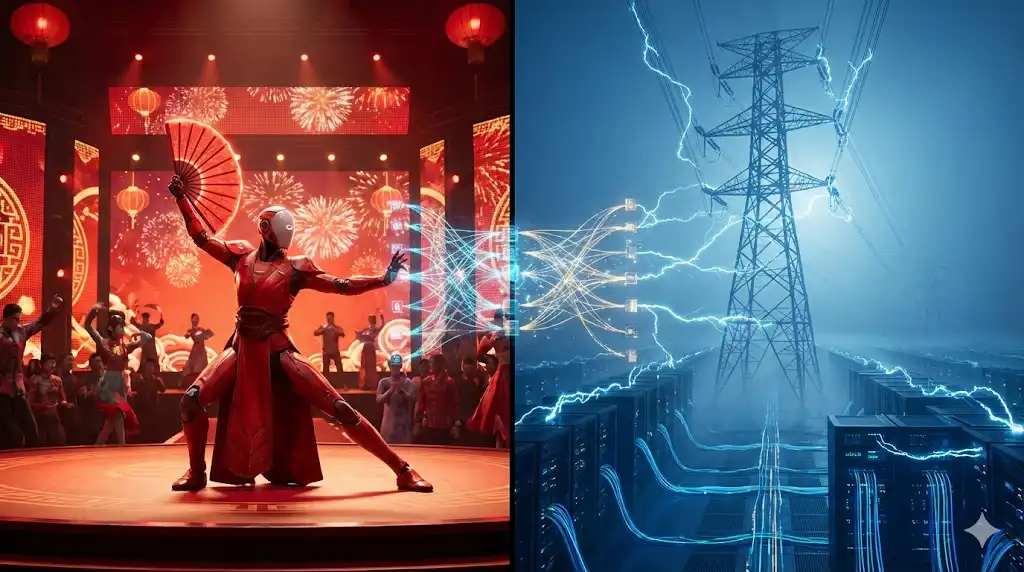
China's 2026 Spring Festival Gala showcased a breakthrough in embodied AI, featuring robots from companies like Magic Atom, Unitree, and Galaxy General performing complex tasks such as dancing, martial arts, and comedy. This demonstrated China's advanced progress in robotics and AI physical integration. Meanwhile, the U.S. faces an escalating energy crisis, with electricity prices rising 36% by early 2026. Training AI models like GPT-4 consumes power equivalent to 100,000 households annually, and U.S. data centers are projected to use 600,000 GWh by 2028. Aging infrastructure, fragmented grids, and lengthy approval processes for new transmission lines exacerbate the problem. In contrast, China has built a strategic advantage through decades of infrastructure investment. It operates 45 ultra-high-voltage (UHV) power transmission projects, spanning 40,000 kilometers, efficiently delivering clean energy from the west to eastern data centers. Renewable energy accounts for over 60% of China’s power capacity, with 40% of electricity coming from green sources. China also dominates transformer production, holding 60% of global capacity. While the U.S. excels in AI algorithms, China’s robust energy infrastructure—UHV grids, renewable energy, and manufacturing capacity—provides a foundational edge in the AI era, turning energy into a critical competitive asset.

marsbit02/22 02:27

From Spring Festival Gala Robots to the Computing Power Energy War: Why Does China Hold the 'Trump Card' in the AI Era?

marsbit02/22 02:27

活动图片