From Lloyd's Coffeehouse to Polymarket: Prediction Markets Are Reshaping the Insurance Industry
From the coffeehouses of 17th-century London to the blockchain-based prediction markets of today, the fundamental nature of risk management is being reimagined. The article begins with a contemporary crisis: major insurers like Farmers Insurance and State Farm are canceling hundreds of thousands of policies in states like Florida and California, a "great insurance withdrawal" driven by catastrophic losses from hurricanes and wildfires that have shattered traditional actuarial models.
The narrative then returns to the origin of modern insurance at Lloyd's Coffee House, where merchants and shipowners gathered to collectively underwrite voyages, dispersing individual risk among a group. For centuries, this model of risk transfer, priced by expert actuaries, has dominated. However, climate change and unprecedented disasters are now exposing its limits.
The article proposes looking beyond insurance to the financial concept of *hedging*—offsetting risk rather than transferring it. Examples include Ray Dalio's innovative solution for McDonald's to lock in corn and soybean meal prices to launch the McChicken, and Southwest Airlines' legendary fuel hedging strategy that saved it billions. This "elegant" mechanism turns future uncertainty into present-day certainty through open markets.
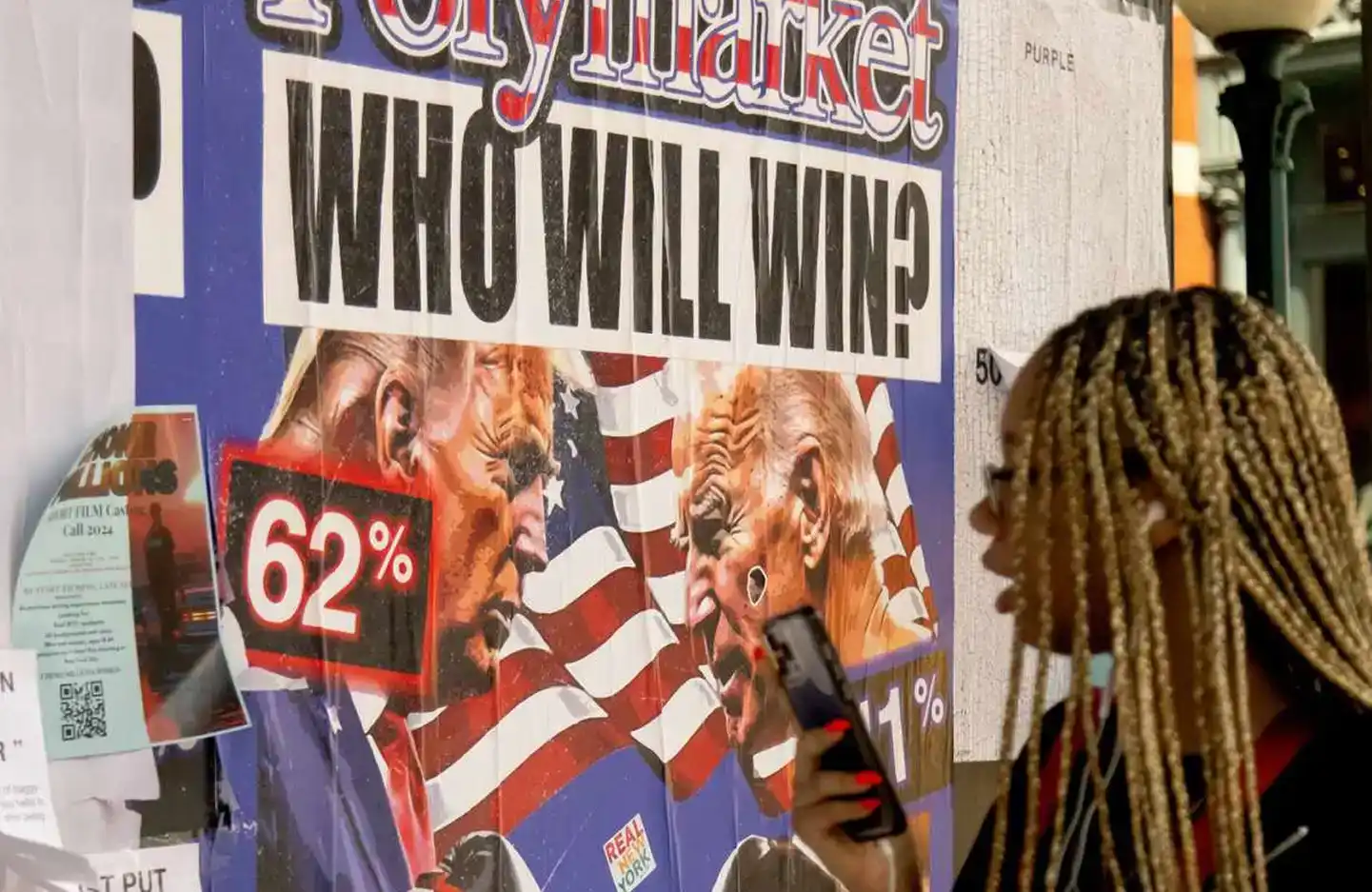
The pivotal shift is embodied by Polymarket, a prediction market platform. Here, users can trade contracts on the outcome of real-world events, from elections to weather patterns. This creates a decentralized, real-time mechanism for pricing risk based on collective wisdom, not proprietary models. A homeowner in Florida could, for instance, buy a contract predicting a hurricane's landfall; its payout would act as a personalized hedge against damage.
While prediction markets threaten to disintermediate insurers by eliminating information asymmetry and operational friction, they are not a complete replacement. They excel at pricing objective, verifiable risks (weather, events) but fail with complex, subjective ones (car accidents, health). The future likely holds a hybrid model: prediction markets serving as a foundational pricing layer and risk-hedging tool, while traditional insurers evolve to focus on personalized service, complex underwriting, and long-term risk management in areas where deep engagement is required.
The piece concludes that we are witnessing a historic shift from passive risk acceptance to active risk trading, empowering individuals to become their own risk managers in an increasingly uncertain world.
marsbit22 saat önce