Stack Overflow Is Dying, New Questions Are Fewer Than During the Beta Period

marsbit2026-08-17 tarihinde yayınlandı2026-08-17 tarihinde güncellendi

Özet

The article discusses the decline of Stack Overflow, the prominent programming Q&A community, noting that new question submissions in July 2026 dropped to just 1,304—far below its peak of 207,000 in March 2014. Official data reveals a steady decline in activity since 2014, exacerbated by the rise of AI coding assistants like ChatGPT, which offer instant, private solutions and reduce the need for public forum posts. While a restrictive community culture that often penalized new users contributed to the downturn, the widespread adoption of AI tools has dramatically accelerated the platform's stagnation. Similar declines are observed in other knowledge-based platforms like Chegg, Fiverr, and Wikipedia, where AI-generated content is displacing human-generated queries and contributions. Research indicates that not only are fewer users asking questions, but high-reputation experts are also leaving the platform at increasing rates—a phenomenon termed "signal compression," where the value of demonstrated expertise diminishes when AI can produce superficially competent answers. This threatens the formation of future human expertise. Although AI models have been trained extensively on Stack Overflow's open corpus, the reduction in new, timely public Q&A content may limit the knowledge available for future AI training. Some suggest that trustworthy human-curated knowledge layers, blogs, and niche communities may regain importance as sources of reliable, attributed information. The sh...

Stack Overflow, hailed as the "programmer's bible," a professional community that has amassed over 24 million questions and the largest programming Q&A corpus on the internet, is dying.
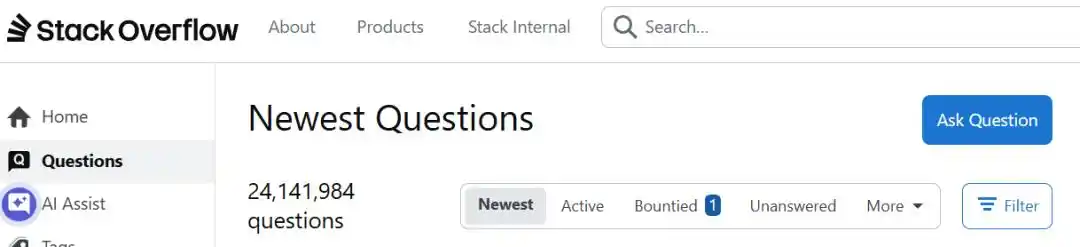
In July 2026, programmers worldwide asked a total of 1304 questions on Stack Overflow.

In March 2014, that number was 207,000.

The other day, developer Daniel Lockyer posted a line chart containing this data on X, lamenting "the end of an era."
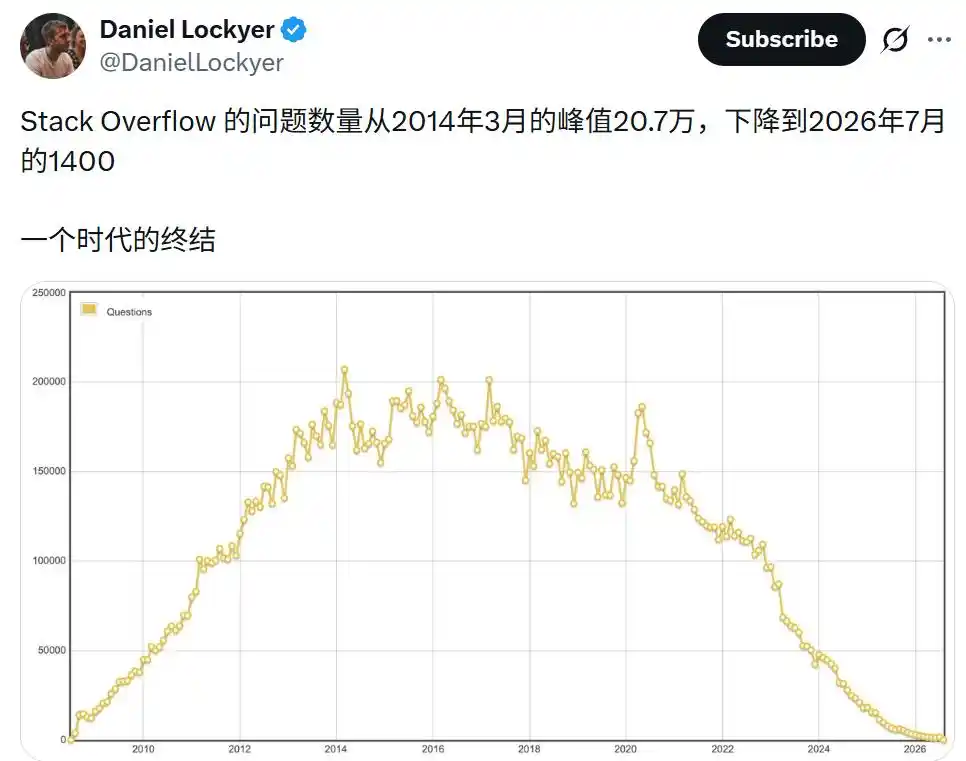
The data is genuine, sourced from Stack Overflow's official public SQL query interface, the Stack Exchange Data Explorer.

The next day, independent developer Pieter Levels (levelsio) reposted this chart, linking it to another topic: if no one asks questions on Stack Overflow anymore, and Reddit is overrun by promotion bots, how much real human-written content remains on the internet? With no new content, what will the next generation of models train on?
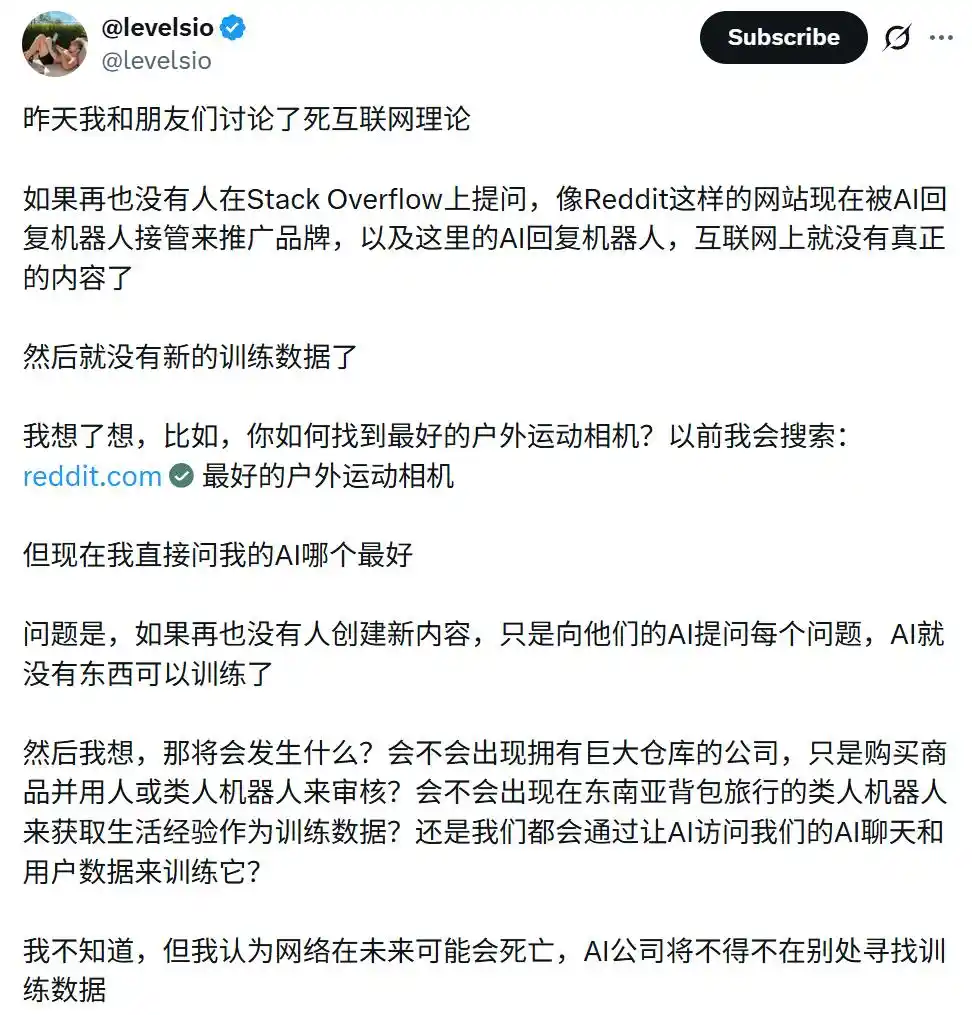
These two tweets sparked widespread discussion. Netizens' attitudes varied greatly, ranging from lamentation and excitement to sorrow... and more.

The Rise and Fall of Stack Overflow

Looking closely at the monthly question volume curve for Stack Overflow above, we can clearly divide it into three segments.

The first segment is growth. In July 2008 during the private beta, there were only 4 questions; 3744 in August; and after the public beta on September 15, it jumped to 14,024 that month. By January 2010, it was already 44,923 per month. The annual question count surpassed one million in 2011 and two million in 2013. This is a textbook hockey stick phenomenon.

The second segment is the plateau. The single-month peak stalled at 207,000 in March 2014, followed by 201,000 in March 2017 and March 2016. The three highest months spread over four years indicate a plateau, not a sharp spike. The annual total remained stable above two million between 2013 and 2017, peaking at 2.18 million in 2016. It began to loosen afterward but didn't collapse: 1.88 million in 2018, 1.75 million in 2019, rebounding to 1.85 million in 2020, with April 2020 alone seeing 180,000 questions.

The third segment is the decline phase. 1.34 million for the whole year in 2022, 790,000 in 2023, 400,000 in 2024, and 110,000 in 2025. The entire 2025 question volume is less than 53% of the single month of March 2014.

Looking more granularly, the compression is even more dramatic. 17,935 in December 2024, 3,312 in December 2025 (an 81.5% year-on-year drop), 2,910 in January 2026, 1,903 in March, 1,229 in May, and 1,072 in June. Excluding the private beta launch month of July 2008 with its 4 questions, June's 1,072 is the lowest full month in the site's entire history. July 2026 saw a slight rebound but remained low at only 1,304 questions.
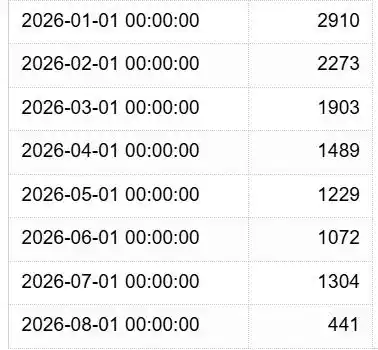
The first seven months of 2026 total about 12,000 questions. Based on the daily question rate of 2016, this is roughly the amount from about two days that year.

Stack Overflow's Decline Is Not Entirely Due to AI

From the graph, Stack Overflow's decline actually started eight years earlier than ChatGPT.

The inflection point appeared in 2014 when Stack Overflow began systematically improving moderation efficiency, more actively closing duplicate questions and queries that "did not meet standards." The site's intention was to preserve the signal-to-noise ratio, at the cost of blocking new users. A 2022 study showed that in a sample of 968 new user posts, 49% encountered at least one of: closure, no replies, or unexplained downvotes.
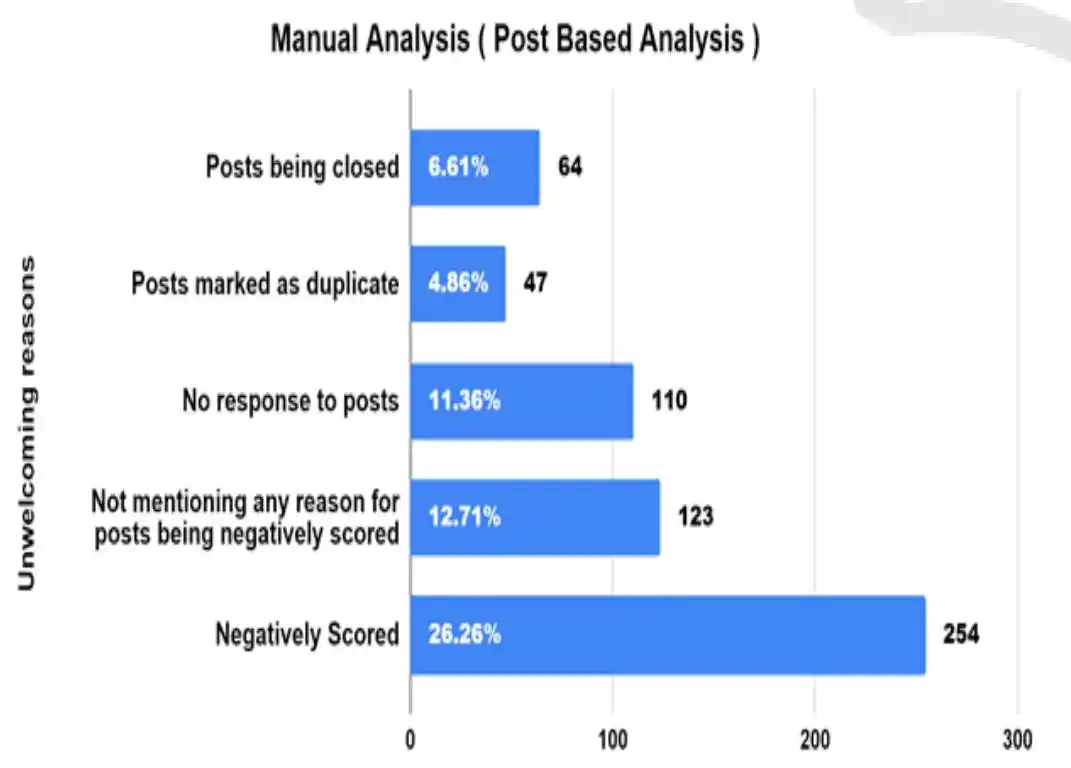
https://www.scitepress.org/PublishedPapers/2022/110811/110811.pdf

This culture has been criticized for a decade. Devclass, reporting on the January data wave, quoted a developer's reaction, roughly stating that AI indeed accelerated the decline, but the root lies in the community long punishing those trying to participate, and people finally have a tool that doesn't say "your question is stupid."

Below Daniel Lockyer's tweet, we can also see many similar criticisms:

The problem is that a hostile culture alone isn't enough to drive annual question volume down to the tens of thousands. Before 2022, that number consistently stayed above 1.3 million. The real cliff is the result of two things combined: ChatGPT reduced the marginal cost of asking to zero, and then AI assistants in IDEs made the act of asking disappear altogether.

Developers no longer need to leave the editor, don't need to formulate the problem into a minimal reproducible example a stranger can understand, and don't need to wait hours.

Stack Overflow's value was once built on "turning one person's problem into everyone's asset." AI assistants do precisely the opposite: they turn public questions back into private conversations.

The site hasn't been idle. In October 2023, it laid off 28% (following 58 layoffs in May), launched OverflowAI, pivoted to data licensing for companies like OpenAI, and erected anti-scraping walls to force platforms back to the negotiating table.
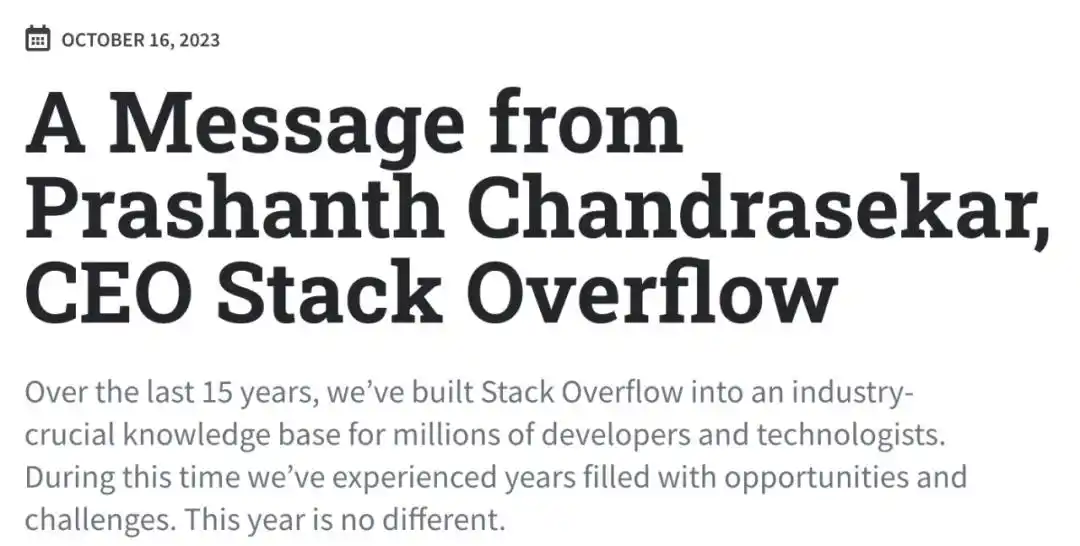
https://stackoverflow.blog/2023/10/16/stack-overflow-company-announcement-october-2023/

In 2025, it fully migrated to the cloud, decommissioning all ~50 servers from the New Jersey data center (its NYC location was actually NJ), retired the Colorado disaster recovery site in June, and ended the year with the blog post "The Great Unracking," giving this sixteen-year physical infrastructure history a subtitle: "So long, and thanks for all the bits."
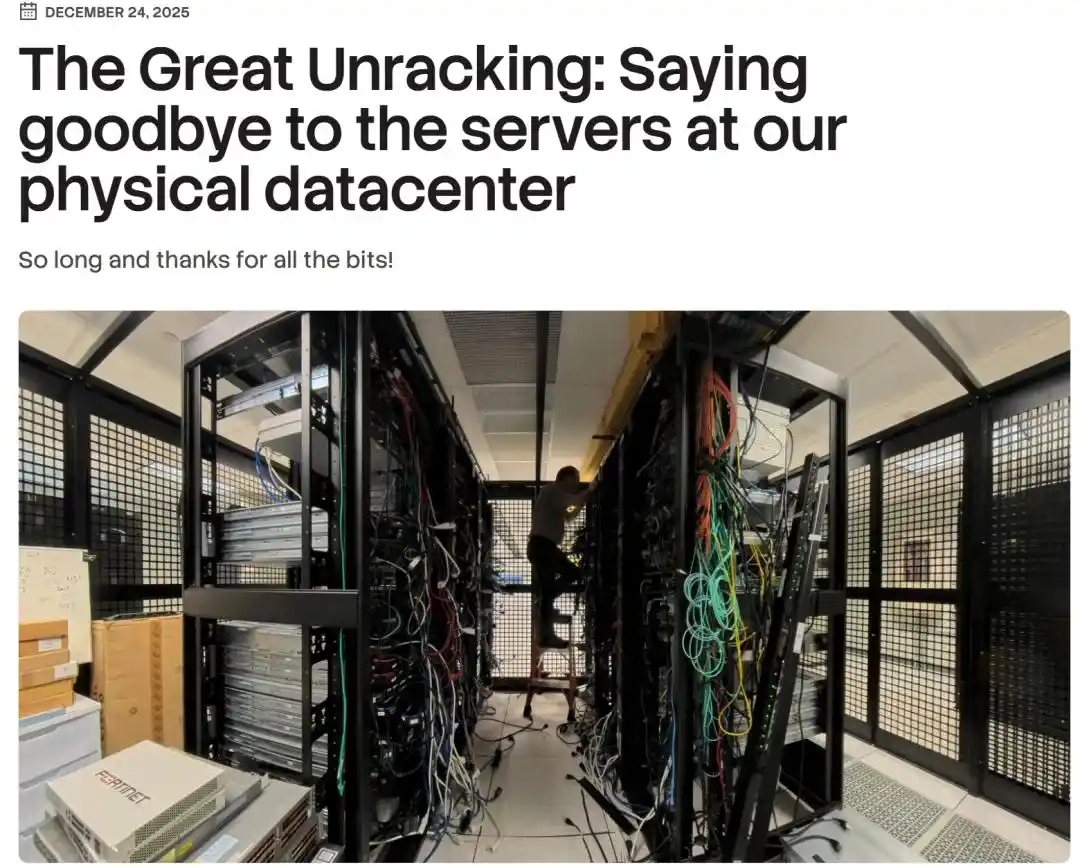
In February 2026, the site underwent a redesign and got a new logo. CEO Prashanth Chandrasekar, in place since 2019, remains, and the company is still owned by Prosus. The $1.8 billion acquisition in June 2021 was completed exactly eighteen months before the steepest decline began.

Not Just Stack Overflow

Stack Overflow looks particularly conspicuous because it clearly publishes question statistics. But in reality, similar curves are appearing in many places with different slopes.

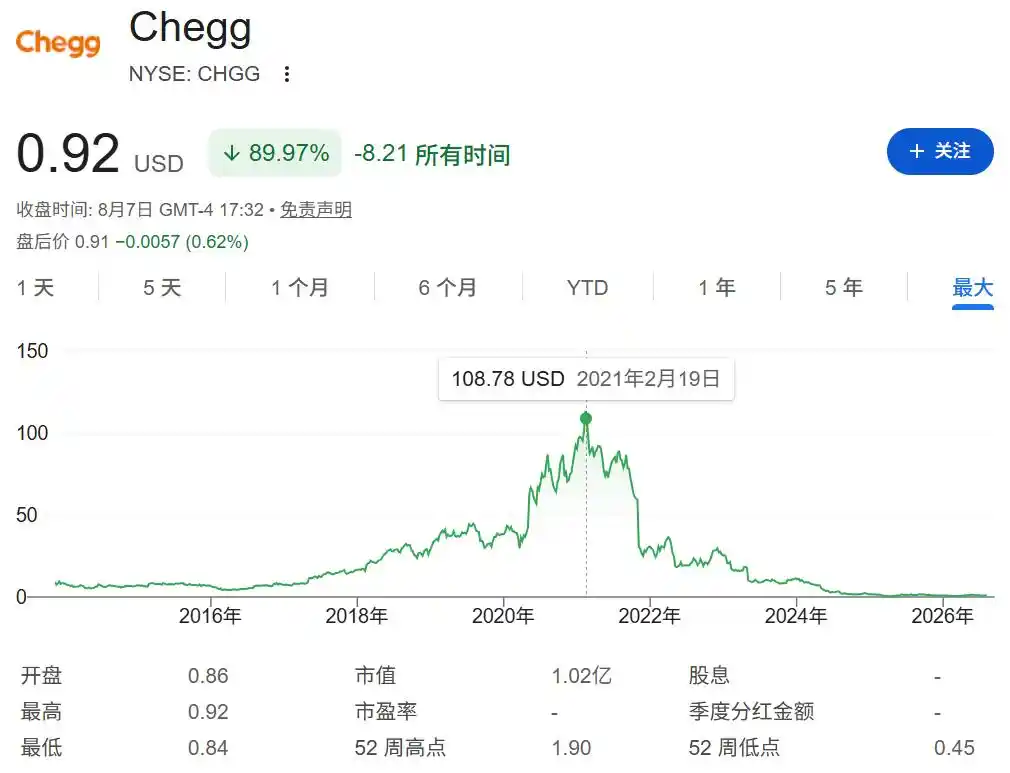
Chegg is widely acknowledged as the fastest to die. This online education company, which started with textbook rentals in 2005 and went public in 2013, relied on the same model: turning homework answers into searchable stock assets, using search engines for traffic, and charging a monthly fee.

After ChatGPT launched, students had no reason to pay anymore. Needham's research showed that in November 2024, 62% of students planned to use ChatGPT, up from 43% in spring 2023; Chegg dropped from 38% to 30% over the same period.

In 2023, it attempted a self-rescue, creating CheggMate using GPT-4 plus its over 100 million academic data points, trying to prove a specialized AI was worth paying for, but students didn't buy it.

In May 2025, it laid off 248 employees (22%) and closed US and Canada offices; in October, it laid off another 388 (45% of remaining staff). By late April 2026, its stock hovered around $1.07, with a market cap of about $125 million in May, roughly 99% evaporated from its peak. From peak to near zero, about 39 months.
Freelance platforms are the second sample, and they show clear stratification. Fiverr's Q2 2026 earnings released on July 29: revenue of $97.8 million, down 10% year-over-year; marketplace revenue from matching transactions fell 15.5% to $63.1 million. The real eye-catcher is buyer count: 2.7 million annual active buyers as of June 30, down 21.9% from 3.4 million a year earlier. But average spend per buyer rose 15.6% to $368 over the same period, take rate increased from 27.6% to 28.0%, and the number of clients completing projects over $1000 grew 13% year-over-year. Management gave the most straightforward annotation on the earnings call: on a TTM basis, the writing and translation categories saw the largest declines, over 24%. Full-year guidance was lowered to $356-$372 million, down 14% to 17% year-over-year, and they stated this transformation might take at least six quarters to show results.

The same logic repeats on Upwork and Freelancer.com.

Upwork's active client count at the end of 2025 was about 785,000, down from about 832,000 in 2024—a drop of about 47,000, its largest contraction since going public.

Freelancer's parent company's FY25 group GMV was 881.5 million AUD, down 7.1% year-over-year.

The raison d'être of these platforms was to commoditize human skills to lower costs; now there's a technology that further commoditizes "output." Research from Manav Raj et al. at the Wharton School of the University of Pennsylvania in 2024 already quantified this displacement: measurable substitution occurred in freelance demand for writing, translation, and basic coding after ChatGPT.

Wikipedia's situation is subtler because it's losing readers, not contributors. In May 2025, the Wikimedia Foundation updated its bot identification system, reclassifying a batch of human-impersonating crawlers, and discovered real human traffic had fallen by about 8% year-over-year.

Senior Director of Product Marshall Miller indicated: fewer visits mean fewer volunteers growing into editors and fewer individual donors. Wikipedia's contributions were already extremely concentrated: research shows 77% of articles were written by 1% of editors. The Foundation's 2026–2027 fiscal year annual plan draft states the judgment: this is not temporary, it's a structural shift.

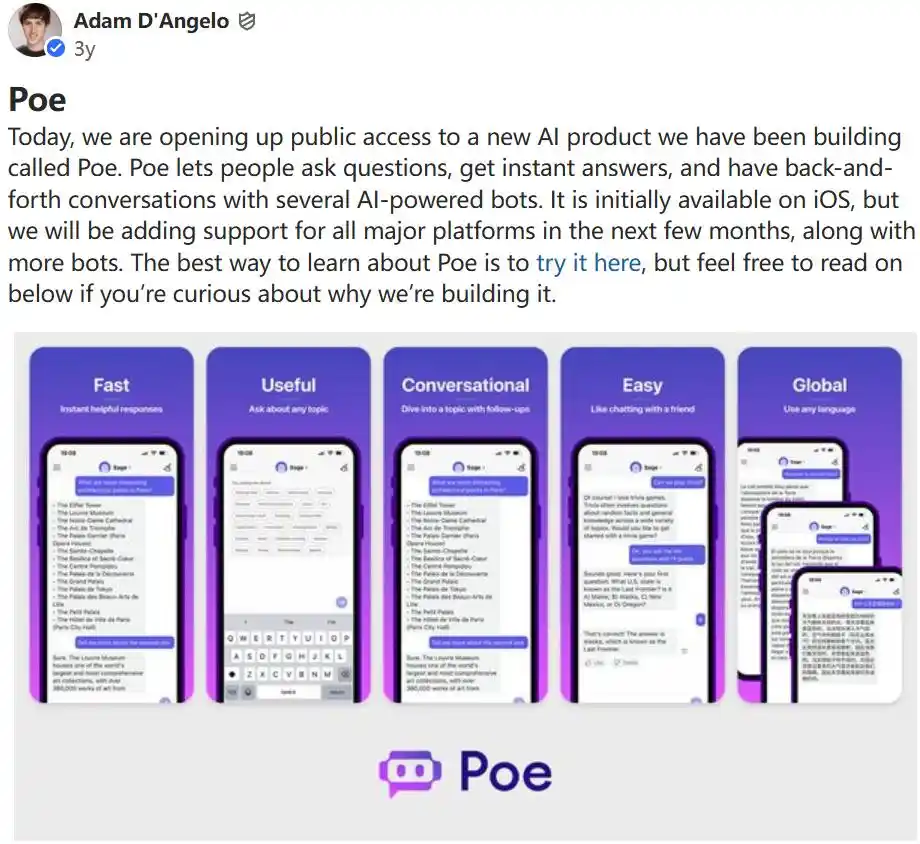
Quora took another path: instead of guarding Q&A, build an AI gateway itself. It poured resources into Poe, securing $75 million in funding from a16z in January 2024 to expand this multi-model aggregation platform. A Q&A community ultimately bet its future on something that replaces Q&A...
One step further out is the entire informational content business. A randomized controlled experiment covering 1065 desktop Chrome users found that when AI Overviews appear, off-site organic clicks drop 39.8%, zero-click searches rise 34.5%, and users show no measurable improvement in experience ratings. Ahrefs' February 2026 research calculated a click-through rate drop of up to 58% for top-ranking pages. Consequences have already manifested in layoffs and site closures: Bauer Media Group announced in April 2026 the closure of its German digital subsidiary, cutting 160 positions; the 21-year-old public reference site Overfishing.org shut down.

To summarize the pattern: the faster the collapse, the more the category is one where "machine-generated answers are functionally equivalent to the original." Reference materials, technical documentation, definitional content, how-to tutorials—all are in this set. Conversely, work requiring long-term relationships, context, and accountability shows little change. Fiverr's earnings also illustrate this: low-value transactions are disappearing, while complex projects over $1000 are growing.

More Troublesome: Experts Are Retreating

If users were merely asking questions elsewhere, the story would be simpler. But Kenny Ching from the University of Auckland Business School, in a working paper released in July 2026, pointed out a more problematic mechanism.

He tracked the behavior of 24,304 contributors on Stack Overflow over 17 months, finding that since 2022, the departure rate of high-reputation users began accelerating, gradually catching up with the faster-departing low-reputation users. In other words, it's not just question-askers leaving, but also answerers, and the more people who spent years accumulating expertise and earning recognition in the community, the more resolutely they are leaving.
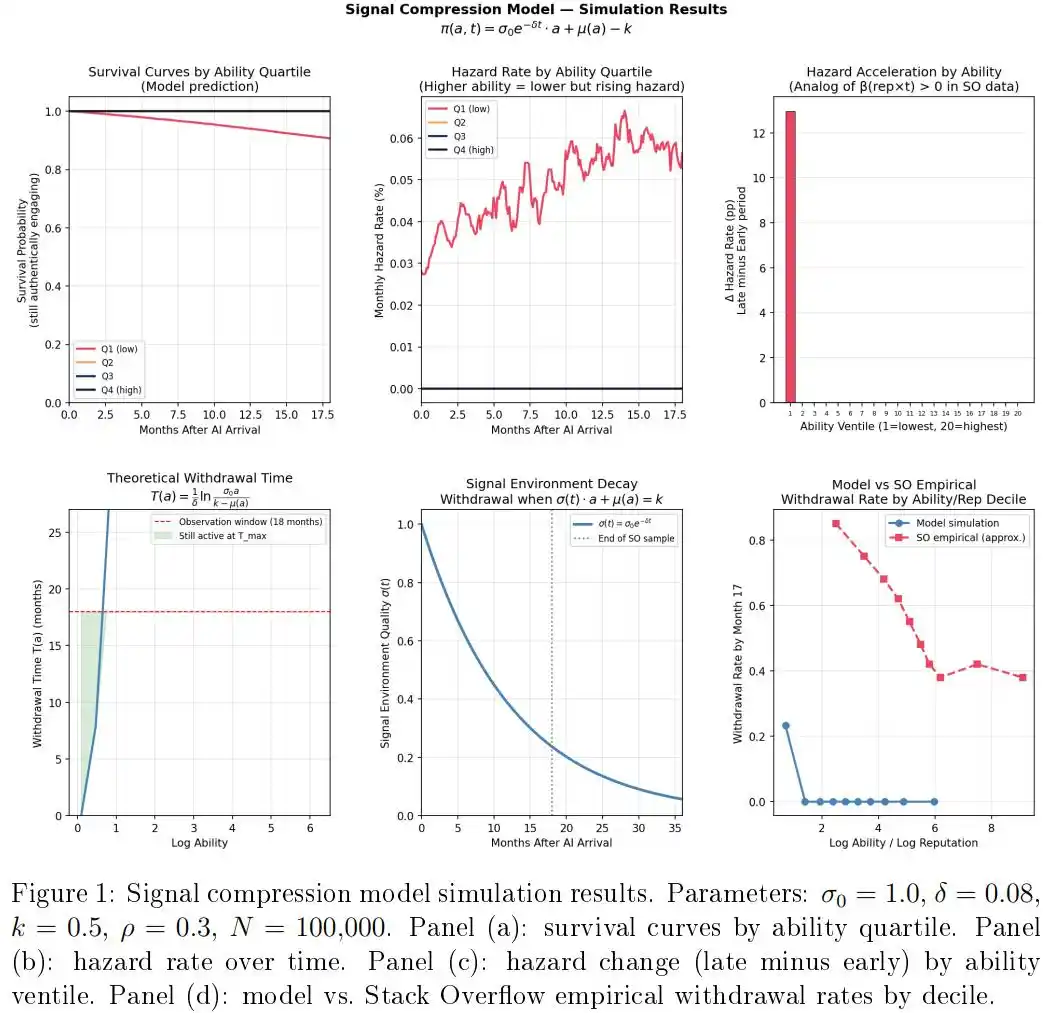
Ching named this mechanism "signal compression." His explanation: these people are leaving because the expertise they painstakingly earned is no longer distinguishable from a chatbot's answer.

When everyone can use AI to produce something that looks decent, the act of putting in genuine effort ceases to be a recognizable signal. In an interview, he extended this logic beyond platforms: the same thing is happening in classrooms, companies, and scientific communities. The long-term risk is that "by destroying the incentive to demonstrate genuine effort, AI may cut off the formation of future human expertise."

This aligns with Stack Overflow's own survey data. The 2025 survey covering about 49,000 developers from 177 countries showed 84% of respondents using or planning to use AI tools (76% in 2024), but only 29% trusted the accuracy of AI output, 46% explicitly distrusted it, and only 3% "highly trusted" it—2.6% among senior developers.
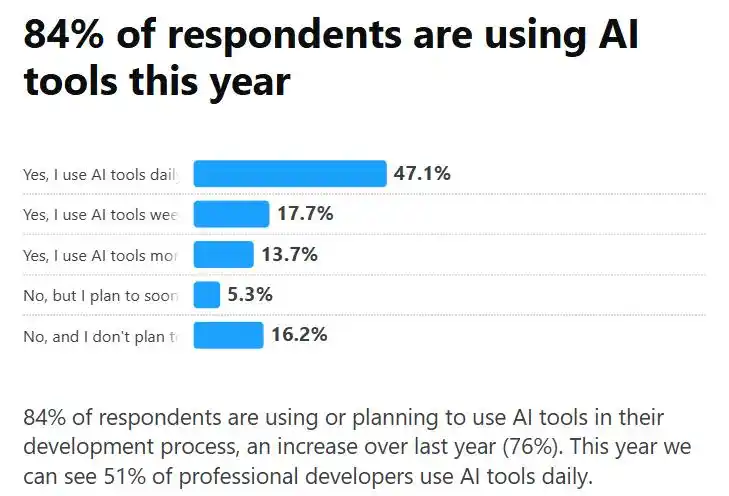
https://survey.stackoverflow.co/2025

The biggest complaint wasn't that AI can't code, but that its output is "almost right, but not quite," with 66% troubled by this and 45% saying they spend significant time debugging AI code. And when they don't trust an AI answer, 75.3% said they would ask a person.
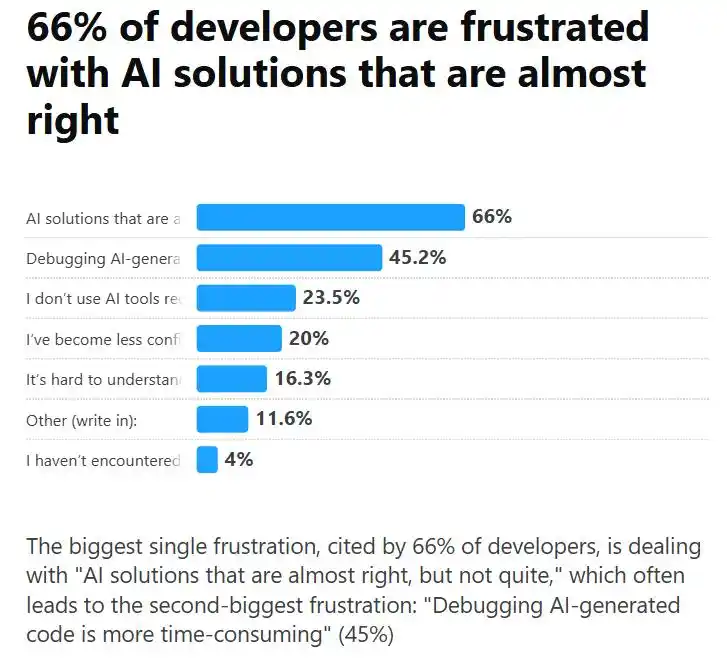
The problem is, that person is leaving.

Conclusion

Now let's synthesize a few things.

Stack Overflow's stock corpus is openly licensed under CC BY-SA, making it one of the most thoroughly scraped technical corpora. The models that ingested it are now the reason for the halt in new contributions.

Stock corpus has timestamps. Answers about jQuery, Python 2, and Angular.js on Stack Overflow will gradually become outdated. Knowledge about new frameworks, breaking changes in new versions, compilation errors of a library used by only three thousand people under a specific CUDA version... This type of knowledge was previously written on a public webpage by the first person to step on the landmine. Now it happens in a private conversation between someone and a model, disappearing after resolution.

The site's answer is the "trusted human intelligence layer." Chandrasekar repeatedly uses this term: AI has risks of misleading, may lack complexity and relevance, so a path relying on curated knowledge bases and responsible data use is critical. This is logically sound, but it requires people willing to continuously supply that layer; but Ching's data says those people are diminishing.

There's also a reverse possibility. Models may not need forum-style Q&A to learn new knowledge: they can learn from code repositories, official documentation, interaction logs with users.

Google opened a documentation API in 2026 covering about 40 million documents with 24-hour re-indexing, clearly meant for machines to read. Framework maintainers are also catching up: Next.js documentation features "Common Errors" sections, written almost like Stack Overflow answers; the Svelte team simply trained its own chatbot based on docs and source code. The site of knowledge production might just be migrating, not disappearing.

But there's an unanswered difference between these two prospects. Forum-style Q&A has a byproduct: it's public, searchable by third parties, and doesn't belong to any single company. Documentation is written by maintainers, interaction logs belong to model vendors. When a programmer's first reaction to a problem shifts from "search if someone asked" to "ask the AI," what's lost isn't just a website's traffic, but a public record anyone can consult and correct.

In the discussion under Lockyer's tweet, developer Mayberry offered a less pessimistic prediction: blogs, niche communities, and personal accounts might regain importance because "people with reputations and sites with reputations for original content will become valuable again."
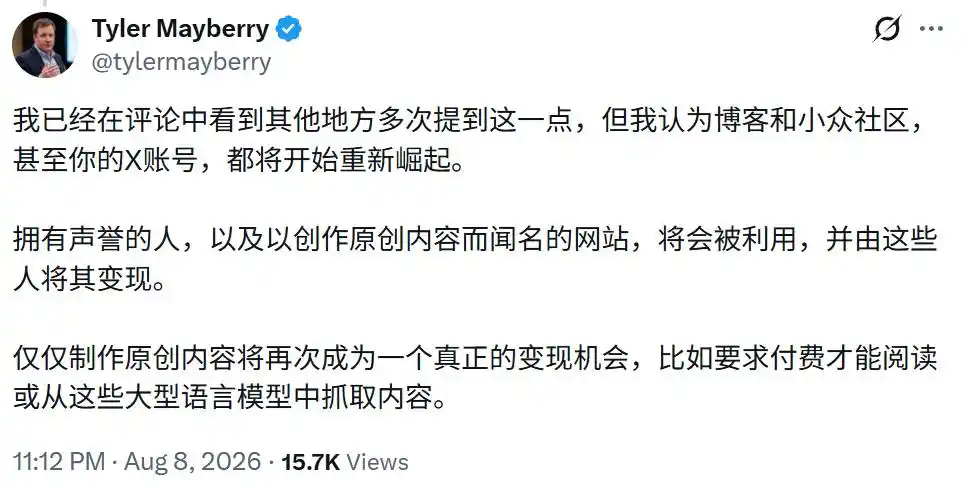
This article is from WeChat public account "Almost Human" (ID: almosthuman2014), author: Panda


Trend Kriptolar

İlgili Sorular

QAccording to the article, what is the key data point highlighting Stack Overflow's decline in user activity?

AIn July 2026, users posted only 1,304 new questions on Stack Overflow, which is lower than the number of questions posted during its private beta month in July 2008 (except for the very first month with 4 questions). This is a drastic drop from a peak of 207,000 monthly questions in March 2014.

QWhat are the two main phases of decline discussed, and what primary factor is blamed for the earlier phase starting around 2014?

AThe article discusses two phases of decline. The first phase, beginning around 2014, is primarily attributed to Stack Overflow's increasingly strict moderation culture and policies that aggressively closed 'duplicate' or 'low-quality' questions, which created a hostile environment for new users and stifled participation.

QWhat is the 'signal compression' effect described in the article, and why is it problematic?

A'Signal compression' refers to the phenomenon where the effort and expertise of high-reputation contributors on platforms like Stack Overflow become indistinguishable from AI-generated answers. This devalues their hard-earned professional standing, removing the incentive to contribute and leading experts to leave the platform, which risks cutting off the formation of future human expertise.

QBesides Stack Overflow, what other types of online platforms or businesses does the article mention as being significantly impacted by generative AI?

AThe article mentions several other impacted platforms: educational Q&A services like Chegg, freelance marketplaces for writing/translation/coding (e.g., Fiverr, Upwork), Wikipedia (seeing a decline in human readers), Q&A sites like Quora, and general informational websites/SEO-based content businesses.

QWhat potential future for knowledge sharing does the article suggest, as an alternative to centralized Q&A platforms like Stack Overflow?

AThe article suggests knowledge production might migrate to other venues. This includes official documentation enhanced with troubleshooting guides (like Next.js), framework-specific AI chatbots (like Svelte's), and a potential resurgence of blogs, niche communities, and personal accounts, where reputation and original content from trusted individuals become valuable again.

İlgili Okumalar

Wall Street Morning Report: S&P Earnings Growth Hits 30-Year High, Nvidia Becomes SpaceX's 6th Largest Shareholder

Wall Street Morning Report: S&P 500 earnings growth hits a 30-year high; Nvidia becomes SpaceX's 6th largest shareholder. Market Summary: U.S. stocks ended slightly lower on Friday after record highs, with the S&P 500 posting a weekly gain. Weaker-than-expected July retail sales data significantly reduced market expectations for a September Fed rate hike. Key Themes: * **Macro & Rates:** The probability of the Fed holding rates steady in September rose to ~70%. Geopolitical tensions in the Middle East supported oil prices near $90. Focus this week is on a $16B 20-year Treasury auction testing investor demand amid high yields. * **Corporate Earnings:** S&P 500 Q2 earnings grew 31%, the fastest pace since 1992 excluding recession recoveries, driving a valuation reset. * **AI & Tech Sector Rotation:** The AI investment narrative faces scrutiny over financing and return timelines. Semiconductor stocks saw divergence: memory (SanDisk, Micron) and optical communication (Applied Optoelectronics) surged, while Broadcom fell sharply on credit rating downgrade concerns over AI leasing exposure. * **Notable Moves:** Nvidia disclosed a ~$21B stake in SpaceX. AMD rose 6.5% after a record debt issuance. Reddit rallied ahead of its S&P 500 inclusion. This Week's Highlights: * **Fed Minutes (Thu):** Key for gauging policy divergence and September rate outlook. * **Key Earnings:** Alibaba, Walmart, Nvidia, AMD. * **Events:** Seoul AI Summit, World Robot Conference, potential恒生指数 rebalancing. * **Data:** U.S. jobless claims, Japan core CPI, Korea early export data (a leading indicator for semiconductors).

marsbit14 dk önce

Wall Street Morning Report: S&P Earnings Growth Hits 30-Year High, Nvidia Becomes SpaceX's 6th Largest Shareholder

marsbit14 dk önce

BTC in Range-Bound Consolidation, HYPE Daily Rebound Confirmed | Invited Analysis

**Market Analysis: BTC Consolidates in Range, HYPE Shows Daily Rebound Confirmation (Weekly Outlook)** **BTC Analysis:** The market is at a key juncture. Bitcoin is undergoing a daily correction, with a critical focus on whether it can find support and stabilize above the $60,950 level. The adjustment that began from the May 6th high has formed a complex seven-segment structure on the daily chart. Three potential paths are identified: 1. **Continuation of the c-wave rally** (primary scenario), targeting $67,300 initially, then $69,500-$71,000. 2. **Range-bound consolidation** between $60,950 and $65,500, forming an "ascending中枢" before an upward breakout. 3. **Breakdown and secondary探底** if support at $60,950-$61,500 fails. Analysis favors the first two scenarios. The 4-hour chart suggests the current adjustment phase is nearing completion near the strong $60,950-$61,500 support zone. **BTC Strategy:** * **Key Levels:** Support at $62,268, $60,950-$61,500, $57,820. Resistance at $65,500, $67,300, $69,500-$71,000. * **Mid-term:** Current model indicates a bearish structure with ~20% short exposure. Consider adding to shorts (up to 50%) only if price rallies to $69,500-$71,000, shows clear stagnation, and model confirms. * **Short-term (30% capital):** Two tactical plans: * **A) Test shorts** near strong resistance ($69,500-$71,000) upon signs of weakness. * **B) Test longs** near strong support ($60,950-$61,500) upon stabilization signals. **HYPE Analysis:** HYPE has established a daily rebound from the August 2nd low. The 4-hour chart shows a five-segment上升 structure with a formed "ascending中枢". The current (76-77) segment is crucial. Two outcomes are possible: 1. **Breakout (Central离开段):** If price breaks and holds above the $58-$58.5 resistance zone, the uptrend continues. Monitor for momentum背驰 between the initial and breakout segments. 2. **Consolidation (Central Extension):** Failure to hold above $58-$58.5 leads to a return to中枢 consolidation, requiring new signals for direction. **HYPE Strategy:** * **Key Levels:** Support at $50-$52, $45. Resistance at $58.5-$60, descending channel upper rail, $72.97. * **Watch:** Whether price can break/hold above $58-$58.5 to confirm the breakout. * **Action:** * **Existing longs (from $50-$52):** Move stop-loss above entry cost. * **New entrants:** Consider light longs only on a confirmed breakout above $58.5-$60 with a tight stop-loss. Exit quickly if momentum背驰 appears. **General Risk Management:** * Set initial stop-loss immediately upon entry. * Move stop-loss to breakeven at +1% profit. * Trail stop-loss upwards by 1% for every subsequent 1% gain to lock in profits. **Disclaimer:** Market conditions change rapidly. This analysis is for informational purposes only and not investment advice. Trading carries significant risk.

marsbit16 dk önce

BTC in Range-Bound Consolidation, HYPE Daily Rebound Confirmed | Invited Analysis

marsbit16 dk önce

Not Chasing AI or Buying Back Shares, Can 'Stingy' Jingdong Still Succeed?

On August 13th, JD.com (JD.US) released its Q2 2026 earnings, delivering a mixed and generally "flat" performance that met low expectations but offered few positives. Overall revenue declined by approximately 3% year-over-year (YoY) to ~¥346.4 billion, aligning with weakened domestic consumption trends. While group operating profit saw a YoY improvement, this was primarily due to reduced losses in the food delivery segment compared to the high-cost "delivery war" period of the previous year. Key details reveal deeper concerns: revenue from JD's core domestic retail segment fell 4.7% YoY. While electronics sales declined less than feared (~12% YoY), growth in daily necessities and advertising services plummeted by about 10 percentage points each, raising doubts about the segment's mid-term growth momentum post-subsidy adjustments. Logistics revenue growth also slowed to 5.9% as the delivery boom faded. Profitability presented a nuanced picture. The retail segment's operating margin edged up slightly YoY but failed to deliver the significant beats seen in past quarters, suggesting efficiency gains may be nearing limits. Losses from the New Businesses segment (including food delivery and overseas ventures) remained elevated at ~¥9.9 billion, as increased overseas investment partially offset reductions in delivery subsidies. Notably, JD's shareholder returns weakened significantly, with share buybacks in H1 2026 annualizing to only about 5% of market cap. The company opted to park cash in short-term investments rather than boost returns, drawing criticism. Looking ahead, JD's performance hinges on a potential recovery in China's e-commerce sentiment in H2 2026 and the scale of ongoing losses in new ventures. While not burdened by massive AI capex like some peers, and offering relative defensive stability, the lack of positive earnings surprises and diminished shareholder returns provide little compelling reason for investors to favor the stock in the near term.

marsbit26 dk önce

Not Chasing AI or Buying Back Shares, Can 'Stingy' Jingdong Still Succeed?

marsbit26 dk önce

İşlemler

Spot

Popüler Makaleler

$S$ Nedir

SPERO'yu Anlamak: Kapsamlı Bir Genel Bakış SPERO'ya Giriş İnovasyonun manzarası gelişmeye devam ederken, web3 teknolojilerinin ve kripto para projelerinin ortaya çıkışı dijital geleceği şekillendirmede önemli bir rol oynamaktadır. Bu dinamik alanda dikkat çeken projelerden biri SPERO, $$s$$ olarak adlandırılmaktadır. Bu makale, SPERO hakkında ayrıntılı bilgi toplamak ve sunmak amacıyla, meraklılar ve yatırımcıların web3 ve kripto alanlarındaki temellerini, hedeflerini ve yeniliklerini anlamalarına yardımcı olmayı amaçlamaktadır. SPERO,$$s$$ Nedir? SPERO,$$s$$, kripto alanında merkeziyetsizlik ve blok zinciri teknolojisi ilkelerini kullanarak etkileşimi, faydayı ve finansal kapsayıcılığı teşvik eden bir ekosistem yaratmayı amaçlayan benzersiz bir projedir. Proje, kullanıcıların yenilikçi finansal çözümler ve hizmetler sunarak eşler arası etkileşimleri yeni yollarla kolaylaştırmayı hedeflemektedir. SPERO,$$s$$'nin temel amacı, bireyleri güçlendirmek ve kripto para alanındaki kullanıcı deneyimini artıran araçlar ve platformlar sağlamaktır. Bu, daha esnek işlem yöntemlerini mümkün kılmayı, topluluk odaklı girişimleri teşvik etmeyi ve merkeziyetsiz uygulamalar (dApp'ler) aracılığıyla finansal fırsatlar yaratmayı içermektedir. SPERO,$$s$$'nin temel vizyonu kapsayıcılık etrafında dönmekte olup, geleneksel finansal sistemlerdeki boşlukları kapatmayı ve blok zinciri teknolojisinin faydalarından yararlanmayı hedeflemektedir. SPERO,$$s$$'nin Yaratıcısı Kimdir? SPERO,$$s$$'nin yaratıcısının kimliği bir miktar belirsizdir, çünkü kurucusu(ları) hakkında ayrıntılı arka plan bilgisi sağlayan sınırlı kamuya açık kaynaklar bulunmaktadır. Bu şeffaflık eksikliği, projenin merkeziyetsizlik taahhüdünden kaynaklanabilir—birçok web3 projesinin paylaştığı bir etik anlayışı, bireysel tanınmanın yerine kolektif katkıları önceliklendirmektedir. Topluluk ve onun kolektif hedefleri etrafında tartışmaları merkezileştirerek, SPERO,$$s$$, belirli bireyleri öne çıkarmadan güçlendirme özünü taşımaktadır. Bu nedenle, SPERO'nun etik anlayışını ve misyonunu anlamak, tek bir yaratıcının kimliğini belirlemekten daha önemlidir. SPERO,$$s$$'nin Yatırımcıları Kimlerdir? SPERO,$$s$$, kripto sektöründe yeniliği teşvik etmeye adanmış girişim sermayedarlarından melek yatırımcılara kadar çeşitli yatırımcılar tarafından desteklenmektedir. Bu yatırımcıların odak noktası genellikle SPERO'nun misyonuyla uyumlu olup, toplumsal teknolojik ilerlemeyi, finansal kapsayıcılığı ve merkeziyetsiz yönetimi vaat eden projeleri önceliklendirmektedir. Bu yatırımcı temelleri, yalnızca yenilikçi ürünler sunan projelere değil, aynı zamanda blok zinciri topluluğuna ve ekosistemlerine olumlu katkılarda bulunan projelere de ilgi duymaktadır. Bu yatırımcıların desteği, SPERO,$$s$$'yi hızla gelişen kripto projeleri alanında dikkate değer bir rakip haline getirmektedir. SPERO,$$s$$ Nasıl Çalışır? SPERO,$$s$$, onu geleneksel kripto para projelerinden ayıran çok yönlü bir çerçeve kullanmaktadır. İşte benzersizliğini ve yeniliğini vurgulayan bazı temel özellikler: Merkeziyetsiz Yönetim: SPERO,$$s$$, kullanıcıların projenin geleceğiyle ilgili karar alma süreçlerine aktif olarak katılmalarını sağlayan merkeziyetsiz yönetim modellerini entegre etmektedir. Bu yaklaşım, topluluk üyeleri arasında sahiplik ve hesap verebilirlik duygusunu teşvik etmektedir. Token Kullanımı: SPERO,$$s$$, ekosistem içinde çeşitli işlevler sunmak üzere tasarlanmış kendi kripto para token'ını kullanmaktadır. Bu token'lar, işlemleri, ödülleri ve platformda sunulan hizmetlerin kolaylaştırılmasını sağlayarak genel etkileşimi ve faydayı artırmaktadır. Katmanlı Mimari: SPERO,$$s$$'nin teknik mimarisi, modülerlik ve ölçeklenebilirliği destekleyerek projenin evrimi sırasında ek özelliklerin ve uygulamaların sorunsuz bir şekilde entegrasyonuna olanak tanımaktadır. Bu uyum sağlama yeteneği, sürekli değişen kripto manzarasında geçerliliği sürdürmek için hayati öneme sahiptir. Topluluk Katılımı: Proje, işbirliği ve geri bildirim teşvik eden mekanizmalar kullanarak topluluk odaklı girişimlere vurgu yapmaktadır. Güçlü bir topluluk oluşturarak, SPERO,$$s$$, kullanıcı ihtiyaçlarını daha iyi karşılayabilir ve piyasa trendlerine uyum sağlayabilir. Kapsayıcılığa Odaklanma: Düşük işlem ücretleri ve kullanıcı dostu arayüzler sunarak, SPERO,$$s$$, daha önce kripto alanında yer almamış bireyler de dahil olmak üzere çeşitli bir kullanıcı tabanını çekmeyi hedeflemektedir. Bu kapsayıcılık taahhüdü, erişilebilirlik yoluyla güçlendirme misyonuyla uyumludur. SPERO,$$s$$ Zaman Çizelgesi Bir projenin tarihini anlamak, gelişim yolculuğu ve kilometre taşları hakkında kritik bilgiler sağlar. Aşağıda, SPERO,$$s$$'nin evriminde önemli olayları haritalayan önerilen bir zaman çizelgesi bulunmaktadır: Kavram Geliştirme ve Fikir Aşaması: SPERO,$$s$$'nin temelini oluşturan ilk fikirler, blok zinciri endüstrisindeki merkeziyetsizlik ve topluluk odaklılık ilkeleriyle yakından uyumlu olarak geliştirildi. Proje Beyaz Kağıdının Yayınlanması: Kavramsal aşamayı takiben, SPERO,$$s$$'nin vizyonunu, hedeflerini ve teknolojik altyapısını ayrıntılı bir şekilde açıklayan kapsamlı bir beyaz kağıt yayımlandı ve topluluk ilgisini ve geri bildirimini toplamak amacıyla sunuldu. Topluluk Oluşturma ve Erken Katılımlar: Projenin hedefleri etrafında tartışmalar yürüterek destek toplamak ve erken benimseyenler ile potansiyel yatırımcılar için bir topluluk oluşturmak amacıyla aktif iletişim çabaları gerçekleştirildi. Token Üretim Etkinliği: SPERO,$$s$$, yerel token'larını erken destekçilere dağıtmak ve ekosistem içinde başlangıç likiditesini sağlamak amacıyla bir token üretim etkinliği (TGE) gerçekleştirdi. İlk dApp'in Yayınlanması: SPERO,$$s$$ ile ilişkili ilk merkeziyetsiz uygulama (dApp) faaliyete geçti ve kullanıcıların platformun temel işlevleriyle etkileşimde bulunmalarını sağladı. Sürekli Gelişim ve Ortaklıklar: Projenin tekliflerine sürekli güncellemeler ve iyileştirmeler yapılmakta olup, blok zinciri alanındaki diğer oyuncularla stratejik ortaklıklar, SPERO,$$s$$'yi rekabetçi ve gelişen bir oyuncu haline getirmiştir. Sonuç SPERO,$$s$$, web3 ve kripto paranın finansal sistemleri devrim niteliğinde dönüştürme ve bireyleri güçlendirme potansiyelinin bir kanıtıdır. Merkeziyetsiz yönetime, topluluk katılımına ve yenilikçi tasarlanmış işlevselliğe olan bağlılığıyla, daha kapsayıcı bir finansal manzaraya doğru bir yol açmaktadır. Hızla gelişen kripto alanındaki herhangi bir yatırımda olduğu gibi, potansiyel yatırımcılar ve kullanıcılar, SPERO,$$s$$ içindeki devam eden gelişmelerle ilgili olarak kapsamlı bir araştırma yapmaları ve düşünceli bir şekilde katılmaları teşvik edilmektedir. Proje, kripto endüstrisinin yenilikçi ruhunu sergileyerek, sayısız olasılığını keşfetmeye davet etmektedir. SPERO,$$s$$'nin yolculuğu hala devam ederken, temel ilkeleri, teknoloji, finans ve birbirimizle etkileşim biçimimizi etkileyebilir.

401 Toplam GörüntülenmeYayınlanma 2024.12.17Güncellenme 2024.12.17

$S$ Nedir

AGENT S Nedir

Agent S: Web3'te Otonom Etkileşimin Geleceği Giriş Web3 ve kripto para dünyasında sürekli gelişen manzarada, yenilikler bireylerin dijital platformlarla etkileşim biçimlerini sürekli olarak yeniden tanımlıyor. Bu tür öncü projelerden biri olan Agent S, açık ajans çerçevesi aracılığıyla insan-bilgisayar etkileşimini devrim niteliğinde değiştirmeyi vaat ediyor. Otonom etkileşimlerin yolunu açarak, Agent S karmaşık görevleri basitleştirmeyi ve yapay zeka (AI) alanında dönüştürücü uygulamalar sunmayı hedefliyor. Bu detaylı inceleme, projenin karmaşıklıklarına, benzersiz özelliklerine ve kripto para alanındaki etkilerine dalacaktır. Agent S Nedir? Agent S, bilgisayar görevlerinin otomasyonunda üç temel zorluğu ele almak üzere özel olarak tasarlanmış çığır açıcı bir açık ajans çerçevesidir: Alan Spesifik Bilgi Edinimi: Çerçeve, çeşitli dış bilgi kaynaklarından ve iç deneyimlerden akıllıca öğrenir. Bu çift yönlü yaklaşım, alan spesifik bilgi açısından zengin bir veri havuzu oluşturmasını sağlar ve görev yürütmedeki performansını artırır. Uzun Görev Ufukları Üzerinde Planlama: Agent S, karmaşık görevlerin verimli bir şekilde parçalanmasını ve yürütülmesini kolaylaştıran deneyim artırımlı hiyerarşik planlama kullanır. Bu özellik, çoklu alt görevleri etkili ve verimli bir şekilde yönetme yeteneğini önemli ölçüde artırır. Dinamik, Homojen Olmayan Arayüzlerle Başlama: Proje, ajanlar ve kullanıcılar arasındaki etkileşimi geliştiren yenilikçi bir çözüm olan Ajan-Bilgisayar Arayüzü'ni (ACI) tanıtmaktadır. Çok Modlu Büyük Dil Modellerini (MLLM'ler) kullanarak, Agent S çeşitli grafik kullanıcı arayüzlerini sorunsuz bir şekilde gezinebilir ve manipüle edebilir. Bu öncü özellikler aracılığıyla, Agent S, makinelerle insan etkileşimini otomatikleştirmede karşılaşılan karmaşıklıkları ele alan sağlam bir çerçeve sunarak, AI ve ötesinde birçok uygulama için zemin hazırlıyor. Agent S'nin Yaratıcısı Kimdir? Agent S'nin kavramı temelde yenilikçi olsa da, yaratıcısı hakkında spesifik bilgiler belirsizliğini koruyor. Yaratıcı şu anda bilinmiyor, bu da projenin yeni aşamasını veya kurucu üyeleri gizli tutma stratejik tercihini vurguluyor. Anonimlikten bağımsız olarak, odak çerçevenin yetenekleri ve potansiyeli üzerinde kalıyor. Agent S'nin Yatırımcıları Kimlerdir? Agent S, kriptografik ekosistemde oldukça yeni olduğundan, yatırımcıları ve finansal destekçileri hakkında ayrıntılı bilgiler açıkça belgelenmemiştir. Projeyi destekleyen yatırım temelleri veya organizasyonları hakkında kamuya açık bilgilerdeki eksiklik, finansman yapısı ve gelişim yol haritası hakkında sorular doğuruyor. Destekleyicilerin anlaşılması, projenin sürdürülebilirliğini ve potansiyel pazar etkisini değerlendirmek için kritik öneme sahiptir. Agent S Nasıl Çalışır? Agent S'nin temelinde, çeşitli ortamlarda etkili bir şekilde çalışmasını sağlayan son teknoloji bir sistem yatmaktadır. İşleyiş modeli birkaç ana özellik etrafında inşa edilmiştir: İnsan Benzeri Bilgisayar Etkileşimi: Çerçeve, bilgisayarlarla etkileşimleri daha sezgisel hale getirmeyi amaçlayan gelişmiş AI planlaması sunar. Görev yürütmedeki insan davranışını taklit ederek, kullanıcı deneyimlerini yükseltmeyi vaat eder. Anlatı Belleği: Yüksek düzeyde deneyimlerden yararlanmak için kullanılan Agent S, görev geçmişlerini takip etmek amacıyla anlatı belleğini kullanarak karar verme süreçlerini geliştirir. Episodik Bellek: Bu özellik, kullanıcılara adım adım rehberlik sağlayarak, çerçevenin görevler gelişirken bağlamsal destek sunmasına olanak tanır. OpenACI Desteği: Yerel olarak çalışabilme yeteneği ile Agent S, kullanıcıların etkileşimleri ve iş akışları üzerinde kontrol sağlamasına olanak tanır ve Web3'ün merkeziyetsiz felsefesiyle uyumlu hale gelir. Dış API'lerle Kolay Entegrasyon: Çeşitli AI platformlarıyla uyumluluğu ve çok yönlülüğü, Agent S'nin mevcut teknolojik ekosistemlere sorunsuz bir şekilde entegre olmasını sağlar ve geliştiriciler ile organizasyonlar için cazip bir seçenek haline getirir. Bu işlevsellikler, Agent S'nin kripto alanındaki benzersiz konumuna katkıda bulunarak, karmaşık, çok aşamalı görevleri minimum insan müdahalesi ile otomatikleştirir. Proje geliştikçe, Web3'teki potansiyel uygulamaları dijital etkileşimlerin nasıl gelişeceğini yeniden tanımlayabilir. Agent S'nin Zaman Çizelgesi Agent S'nin gelişimi ve kilometre taşları, önemli olaylarını vurgulayan bir zaman çizelgesinde özetlenebilir: 27 Eylül 2024: Agent S'nin kavramı, “Bilgisayarları İnsan Gibi Kullanan Açık Bir Ajans Çerçevesi” başlıklı kapsamlı bir araştırma makalesi ile tanıtıldı ve projenin temelini sergiledi. 10 Ekim 2024: Araştırma makalesi arXiv'de kamuya açık olarak yayınlandı ve çerçevenin derinlemesine bir incelemesini ve OSWorld benchmark'ına dayalı performans değerlendirmesini sundu. 12 Ekim 2024: Agent S'nin yetenekleri ve özellikleri hakkında görsel bir içgörü sağlayan bir video sunumu yayımlandı ve potansiyel kullanıcılar ve yatırımcılarla daha fazla etkileşim sağlandı. Bu zaman çizelgesindeki işaretler, sadece Agent S'nin ilerlemesini değil, aynı zamanda şeffaflık ve topluluk katılımına olan bağlılığını da göstermektedir. Agent S Hakkında Ana Noktalar Agent S çerçevesi gelişmeye devam ederken, birkaç ana özellik öne çıkmakta ve yenilikçi doğasını ve potansiyelini vurgulamaktadır: Yenilikçi Çerçeve: İnsan etkileşimine benzer bir bilgisayar kullanımı sağlamak üzere tasarlanan Agent S, görev otomasyonuna yeni bir yaklaşım getiriyor. Otonom Etkileşim: GUI aracılığıyla bilgisayarlarla otonom olarak etkileşim kurabilme yeteneği, daha akıllı ve verimli hesaplama çözümlerine doğru bir sıçrama anlamına geliyor. Karmaşık Görev Otomasyonu: Sağlam metodolojisi ile karmaşık, çok aşamalı görevleri otomatikleştirerek süreçleri daha hızlı ve daha az hata payı ile gerçekleştirebilir. Sürekli İyileştirme: Öğrenme mekanizmaları, Agent S'nin geçmiş deneyimlerden öğrenmesini sağlar ve sürekli olarak performansını ve etkinliğini artırır. Çok Yönlülük: OSWorld ve WindowsAgentArena gibi farklı işletim ortamlarında uyumlu olması, geniş bir uygulama yelpazesine hizmet edebilmesini sağlar. Agent S, Web3 ve kripto alanında kendini konumlandırırken, etkileşim yeteneklerini artırma ve süreçleri otomatikleştirme potansiyeli, AI teknolojilerinde önemli bir ilerlemeyi temsil etmektedir. Yenilikçi çerçevesi aracılığıyla, Agent S dijital etkileşimlerin geleceğini örneklemekte ve çeşitli sektörlerde kullanıcılar için daha sorunsuz ve verimli bir deneyim vaat etmektedir. Sonuç Agent S, AI ve Web3'ün birleşiminde cesur bir sıçramayı temsil ediyor ve teknoloji ile etkileşim biçimimizi yeniden tanımlama kapasitesine sahip. Henüz erken aşamalarında olmasına rağmen, uygulama olanakları geniş ve çekici. Kritik zorlukları ele alan kapsamlı çerçevesi ile Agent S, otonom etkileşimleri dijital deneyimin ön plana çıkmasına taşımayı hedefliyor. Kripto para ve merkeziyetsizlik alanlarına daha derinlemesine girdikçe, Agent S gibi projelerin teknoloji ve insan-bilgisayar işbirliğinin geleceğini şekillendirmede önemli bir rol oynayacağı kesin.

852 Toplam GörüntülenmeYayınlanma 2025.01.14Güncellenme 2025.01.14

AGENT S Nedir

S Nasıl Satın Alınır

HTX.com’a hoş geldiniz! Sonic (S) satın alma işlemlerini basit ve kullanışlı bir hâle getirdik. Adım adım açıkladığımız rehberimizi takip ederek kripto yolculuğunuza başlayın. 1. Adım: HTX Hesabınızı OluşturunHTX'te ücretsiz bir hesap açmak için e-posta adresinizi veya telefon numaranızı kullanın. Sorunsuzca kaydolun ve tüm özelliklerin kilidini açın. Hesabımı Aç2. Adım: Kripto Satın Al Bölümüne Gidin ve Ödeme Yönteminizi SeçinKredi/Banka Kartı: Visa veya Mastercard'ınızı kullanarak anında Sonic (S) satın alın.Bakiye: Sorunsuz bir şekilde işlem yapmak için HTX hesap bakiyenizdeki fonları kullanın.Üçüncü Taraflar: Kullanımı kolaylaştırmak için Google Pay ve Apple Pay gibi popüler ödeme yöntemlerini ekledik.P2P: HTX'teki diğer kullanıcılarla doğrudan işlem yapın.Borsa Dışı (OTC): Yatırımcılar için kişiye özel hizmetler ve rekabetçi döviz kurları sunuyoruz.3. Adım: Sonic (S) Varlıklarınızı SaklayınSonic (S) satın aldıktan sonra HTX hesabınızda saklayın. Alternatif olarak, blok zinciri transferi yoluyla başka bir yere gönderebilir veya diğer kripto para birimlerini takas etmek için kullanabilirsiniz.4. Adım: Sonic (S) Varlıklarınızla İşlem YapınHTX'in spot piyasasında Sonic (S) ile kolayca işlemler yapın.Hesabınıza erişin, işlem çiftinizi seçin, işlemlerinizi gerçekleştirin ve gerçek zamanlı olarak izleyin. Hem yeni başlayanlar hem de deneyimli yatırımcılar için kullanıcı dostu bir deneyim sunuyoruz.

2.2k Toplam GörüntülenmeYayınlanma 2025.01.15Güncellenme 2026.06.02

S Nasıl Satın Alınır

Tartışmalar

HTX Topluluğuna hoş geldiniz. Burada, en son platform gelişmeleri hakkında bilgi sahibi olabilir ve profesyonel piyasa görüşlerine erişebilirsiniz. Kullanıcıların S (S) fiyatı hakkındaki görüşleri aşağıda sunulmaktadır.

活动图片