Senate Ag Committee Unveils Crypto Market Structure Bill Draft, Markup Set For Jan. 27

bitcoinist2026-01-23 tarihinde yayınlandı2026-01-23 tarihinde güncellendi

Özet

The Senate Agriculture Committee has unveiled a new draft of the crypto market structure bill (CLARITY Act) and scheduled a markup session for January 27. This version focuses on expanding the Commodity Futures Trading Commission's (CFTC) authority to regulate cryptocurrencies like Bitcoin and Ethereum, allocating $150 million for implementation. Notably, it excludes regulations on stablecoin yields—a key point of contention that led Coinbase to withdraw support from the Senate Banking Committee's version. The Agriculture Committee's draft also provides a pathway for DeFi to avoid CFTC regulation and protects developers from liability. While the Agriculture Committee aims to advance the bill, the Banking Committee is expected to delay its portion of the legislation, potentially pushing broader discussions to late February or March.

Following the unsuccessful markup of the long-awaited crypto market Structure bill (CLARITY Act) by the Senate Banking Committee, the Senate Agriculture Committee unveiled a new draft of the bill, with a scheduled markup session for Tuesday, January 27.

Stablecoin Yield Regulations Excluded

The Agriculture Committee’s version of the bill primarily addresses regulations under the Commodity Futures Trading Commission (CFTC), which would gain expanded authority to regulate cryptocurrencies like Bitcoin (BTC) and Ethereum (ETH).

In contrast, the Senate Banking Committee’s section of the legislation focuses on the Securities and Exchange Commission (SEC) and its oversight. Notably, the Agriculture draft allocates $150 million to support the CFTC in the implementation of the proposed law.

Market expert James Murphy reviewed the key provisions of the new draft and expressed optimism about its implications. He highlighted that the bill creates a pathway for decentralized finance (DeFi) to avoid CFTC regulation, providing important protections for developers and specific service providers from liability.

The Senate Agriculture Committee’s draft also excludes any regulations concerning stablecoin yields. This decision is significant, particularly as it addresses a critical provision that resulted in Coinbase (COIN) withdrawing its support for the Banking Committee’s version of the bill last week.

The Banking Committee’s version of the CLARITY Act aims to limit the yield that stablecoin platforms can offer. While banks support this approach due to concerns about deposits potentially flowing out, crypto firms oppose it, arguing that such restrictions hinder competition.

In contrast, the Agriculture Committee bill seeks to exempt stablecoins from CFTC regulations and relies on existing frameworks like the already passed stablecoin bill, or GENIUS Act, which mandates that stablecoins be fully backed.

Banking Committee Delays Crypto Bill’s Consideration

Senate Agriculture Chair John Boozman expressed appreciation for the collaborative efforts among lawmakers, particularly mentioning Senator Cory Booker and his staff for their contributions to consumer protections and CFTC authority.

Despite the remaining differences in fundamental policy issues with its Democratic counterpart, the Committee’s chair emphasized the importance of moving the bill forward:

While it’s unfortunate that we couldn’t reach an agreement, I am grateful for the collaboration that has made this legislation better. It’s time we move this bill, and I look forward to the markup next week.

But amid the broader cryptocurrency industry’s optimism surrounding the Agriculture Committee’s version of the market structure bill, the timeline for advancing the overall legislation remains uncertain.

Bloomberg reported that the Senate Banking Committee is expected to delay consideration of its own portion of the bill, which could push discussions into late February or even March.

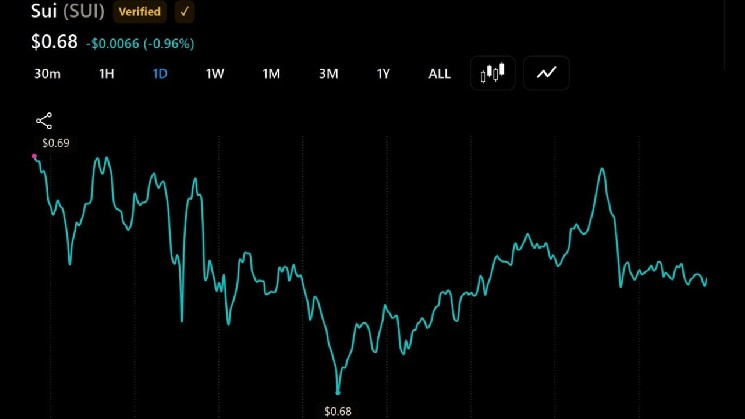
The 1-D chart shows the total crypto market cap valuation currently at $2.9 trillion. Source: TOTAL on TradingView.com

Featured image from OpenArt, chart from TradingView.com

İlgili Sorular

QWhat is the key difference between the Senate Agriculture Committee's draft of the crypto market structure bill and the Banking Committee's version regarding regulatory authority?

AThe Agriculture Committee's version primarily addresses regulations under the CFTC, which would gain authority over cryptocurrencies like Bitcoin and Ethereum, while the Banking Committee's section focuses on the SEC and its oversight.

QWhy did the Senate Agriculture Committee's draft of the bill exclude regulations on stablecoin yields, and why is this significant?

AThe exclusion of stablecoin yield regulations is significant because it addresses a key provision that caused Coinbase to withdraw its support for the Banking Committee's version, which aimed to limit the yields stablecoin platforms can offer.

QAccording to market expert James Murphy, what important protection does the Agriculture Committee's draft provide for the DeFi sector?

AJames Murphy highlighted that the bill creates a pathway for decentralized finance (DeFi) to avoid CFTC regulation, providing important protections for developers and specific service providers from liability.

QWhat did Senate Agriculture Chair John Boozman say about the collaboration on the bill despite not reaching a full agreement?

ASenator Boozman expressed appreciation for the collaborative efforts, stating that while it's unfortunate they couldn't reach an agreement, the collaboration made the legislation better, and it's time to move the bill forward.

QWhat is the reported timeline for the Senate Banking Committee's consideration of its portion of the crypto market structure bill?

ABloomberg reported that the Senate Banking Committee is expected to delay consideration of its portion of the bill, which could push discussions into late February or even March.

İlgili Okumalar

Aave Is Surrendering the Throne of DeFi Lending Due to Its Own Stupidity

Aave, a leading DeFi lending protocol, is facing a severe crisis and losing its dominant market position due to its poor handling of a recent security incident. The crisis began when Kelp DAO suffered a hack resulting in a loss of $292 million in rsETH. In the aftermath, approximately $17.2 billion in funds flowed out of Aave as user panic escalated. The article criticizes Aave's crisis management as "extremely foolish." Instead of promptly offering reassurance or committing to cover the potential bad debt—estimated between $123.7 million and $230.1 million, which Aave could have afforded—the protocol initially deflected blame, emphasizing that its code was not at fault. This delay and lack of a clear guarantee led to widespread user anxiety, triggering a bank run-like scenario where users withdrew funds or borrowed aggressively from other pools, causing liquidity shortages. Meanwhile, Aave’s competitor Spark—a fork of Aave’s own code—has benefited significantly. Having removed support for rsETH months earlier, Spark avoided any losses from the incident and has since seen its TVL grow by nearly $2 billion, attracting major deposits such as over $1.24 billion from Justin Sun. Spark has actively capitalized on the situation, publicly criticizing Aave’s security reputation. Although Aave’s founder Stani eventually announced a relief plan named "DeFi United" with several partners and a personal donation, the damage to user trust and capital outflows may be irreversible. The article concludes that Aave is losing its throne in DeFi lending to aggressive competitors like Spark, Morpho, and Jupiter Lend.

Odaily星球日报1 saat önce

Aave Is Surrendering the Throne of DeFi Lending Due to Its Own Stupidity

Odaily星球日报1 saat önce

İşlemler

Spot
Futures
活动图片