SEC Market Structure Proposal Draws Attention From Tokenized Stock Advocates

bitcoinist2026-06-12 tarihinde yayınlandı2026-06-12 tarihinde güncellendi

Özet

The SEC has proposed eliminating two key equity market structure rules, Regulation NMS Rules 611 and 610(e), which govern order routing and the display of quotes. While the proposal is aimed at simplifying traditional markets and reducing costs, it has drawn attention from advocates for tokenized stocks. The reason is that current rules, which require checking the best prices across venues, are difficult to reconcile with on-chain trading models like automated market makers (AMMs). A more flexible structure could theoretically make it easier to design compliant blockchain-based systems for trading tokenized equities. However, the proposal is not specifically about crypto, and tokenized stocks would still need to meet numerous other securities regulations. The change is now open for public comment and faces a lengthy process before any final adoption.

TL;DR

  • The SEC has proposed rescinding Regulation NMS Rules 611 and 610(e), both tied to U.S. equity market structure.
  • The proposal is not a crypto rule, and the SEC did not frame it as a blockchain or tokenized-stock measure.
  • Industry analysts say the change could matter for tokenized equities because current routing and quote rules are difficult to reconcile with on-chain trading models.
  • The proposal is open for public comment and still faces a long rulemaking process before any final change.

The U.S. Securities and Exchange Commission has proposed rescinding two Regulation NMS rules that shape how traditional U.S. equity markets route and display orders, a move that could also become important for the future structure of tokenized stocks.

The SEC’s proposal focuses on Rule 611, known as the Order Protection or Trade-Through Rule, and Rule 610(e), which restricts locked and crossed quotations. These are equity-market-structure rules, not crypto rules, and the SEC’s press release does not describe the proposal as being designed for blockchain markets.

Still, the proposed rollback is drawing attention from digital asset market-structure watchers because tokenized equities and real-world-asset platforms must eventually fit into the same broader securities-market framework.

What The SEC Is Proposing

Rule 611 was adopted in 2005 and generally prevents trading centers from executing trades at prices inferior to protected quotes displayed on other venues. Rule 610(e) deals with locked or crossed quotations, where bids and offers across venues create market structure conflicts.

SEC Chairman Paul S. Atkins said the rules have introduced unintended complexity after two decades of market evolution. The agency said the proposal is intended to simplify traditional equity market structure, reduce trading complexity, and lower costs for market participants.

The SEC estimated that removing the rules could save exchanges, alternative trading systems, broker-dealers, and OTC market makers between $54.2 million and $77 million annually in compliance, monitoring, and routing infrastructure costs.

The proposal will be open for a 60-day public comment period after publication in the Federal Register. That means it is not final, and the market will still have time to weigh in before any rule changes are adopted.

Why Tokenized Stocks Enter The Conversation

The tokenization angle is not part of the SEC’s stated rationale, so it needs careful handling. The possible relevance comes from how on-chain trading systems work compared with traditional equity venues.

Automated market makers, or AMMs, execute trades against liquidity pools using pricing formulas rather than routing each order across conventional venues to check the national best bid and offer. Under a strict trade-through framework, that model can be difficult to reconcile with tokenized versions of U.S. equities.

In other words, if a tokenized-stock AMM executes a trade at a price that does not match protected quotes elsewhere, it could create compliance problems under existing market-structure rules. A shift away from rigid per-trade routing requirements could, in theory, make it easier to design compliant blockchain-based equity trading systems.

That does not mean tokenized stocks suddenly become legal everywhere if the SEC finalizes the proposal. Exchanges, broker-dealers, alternative trading systems, custody providers, and tokenized-asset platforms would still need to satisfy a long list of securities-law requirements.

What Still Needs To Happen

The most important caveat is that the SEC proposal is still a proposal. It must go through the comment process, and the agency could revise, narrow, or abandon parts of it before any final rule is adopted.

There are also remaining exchange-level and FINRA rules that may require separate updates. A Regulation NMS change would not automatically remove every barrier facing tokenized equities or real-world-asset markets.

For crypto investors, the significance is therefore indirect but real. Traditional market-structure rules help determine what kinds of trading systems can legally operate in U.S. securities markets. If those rules become more flexible, the path for tokenized equities may become easier to map.

The SEC is not proposing a crypto tokenization regime here. But by reconsidering older equity-market plumbing, the agency may be opening a broader conversation about what modern, automated, and potentially on-chain markets should look like.


Originally proposed by the U.S. Securities and Exchange Commission at SEC Newsroom

İlgili Sorular

QWhat two Regulation NMS rules did the SEC propose to rescind in its market structure proposal?

AThe SEC proposed rescinding Regulation NMS Rule 611, known as the Order Protection or Trade-Through Rule, and Rule 610(e), which restricts locked and crossed quotations.

QWhy are advocates of tokenized stocks interested in the SEC's proposal to rescind Rules 611 and 610(e)?

AAdvocates are interested because the current routing and quote rules (like the trade-through requirement in Rule 611) are difficult to reconcile with on-chain trading models such as Automated Market Makers (AMMs). A more flexible market structure could make it easier to design compliant blockchain-based systems for tokenized equities.

QWhat is the SEC's stated primary reason for proposing this change, and what financial benefit does it estimate?

AThe SEC's stated reason is to simplify traditional equity market structure, reduce trading complexity, and lower costs for participants. The agency estimates the change could save exchanges, broker-dealers, and other market participants between $54.2 million and $77 million annually in compliance and infrastructure costs.

QDoes the SEC's proposal directly address or legalize tokenized stocks? Why or why not?

ANo, the proposal does not directly address or legalize tokenized stocks. The SEC framed it as an equity market structure measure, not a crypto or blockchain rule. Tokenized stock platforms would still need to satisfy numerous other securities-law requirements, including exchange, broker-dealer, and custody rules.

QWhat are the next steps for this SEC proposal before any rule change becomes final?

AThe proposal will be open for a 60-day public comment period after publication in the Federal Register. The SEC must then review comments and could revise, narrow, or abandon parts of the proposal before adopting any final rule.

İlgili Okumalar

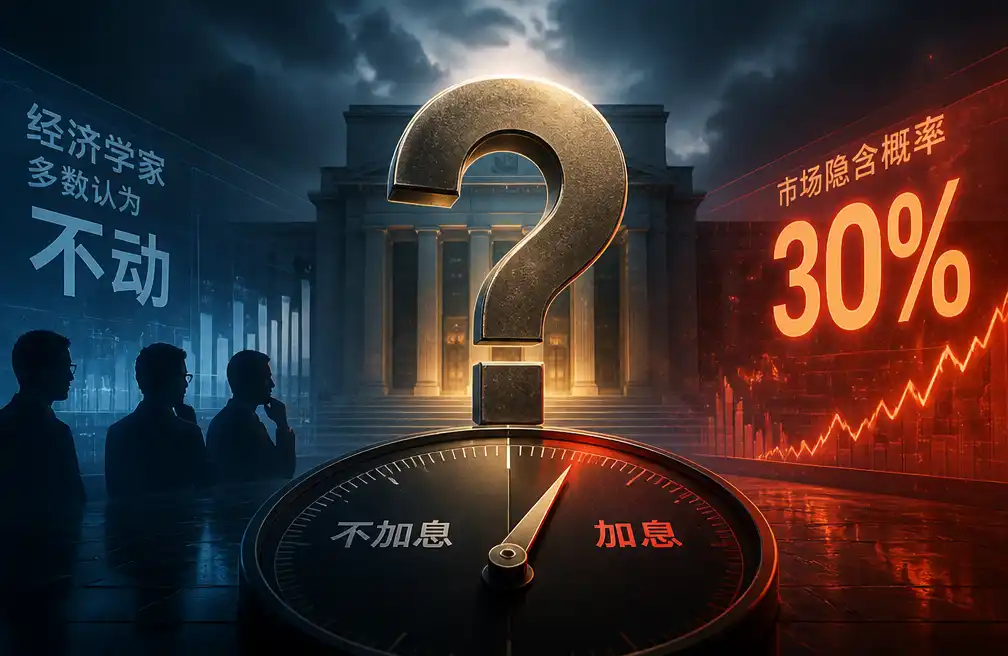
To Hike or Not Tonight: Economists Unanimous on 'No', Markets Price in a 30% Chance

Federal funds futures are repricing ahead of the July FOMC decision, as traders pay a higher premium for the risk of a surprise rate hike or more hawkish signals. This contrasts with economists, where a Reuters survey of 104 analysts unanimously expects rates to remain unchanged at 3.50%-3.75%, with 78 foreseeing no change through year-end. Yet, futures markets have priced in about a 30% probability of a 25-basis-point hike. The core debate, especially under new Fed Chair Kevin Warsh, centers on how the Fed will respond to the oil price shock from Middle East tensions. The market is not necessarily predicting a hike tonight but is hedging against two tail risks: an immediate rate increase, or a hold combined with communication that seriously opens the door for a September hike. This hedging activity has driven up open interest in Fed funds futures. Analysts are divided on how to weight the oil price surge in the Fed's reaction function. Hawkish voices (e.g., BofA) worry that completely dismissing the price pressure could challenge the Fed's inflation credibility in Warsh's first major test. Dovish views (e.g., Citi) argue the shock is primarily supply-driven and that overreacting with rate hikes could unnecessarily hurt growth, unless clear signs of secondary inflation emerge. Warsh's new tenure amplifies policy path uncertainty, as markets lack a stable baseline for his communication style. This environment forces traders to price in a wider range of outcomes, explaining the divergence between unanimous economist forecasts and market hedging. The key focus will be on Warsh's post-meeting commentary. If he downplays the oil shock and stresses anchored long-term expectations, hawkish pricing may recede. If he emphasizes the risk of broader price spillovers and prioritizes returning to 2% inflation, the market will interpret this as reopening the door for a September hike. This would sustain support for the USD, keep pressure on JPY (testing intervention thresholds), and challenge risk assets like stocks and crypto through higher discount rates and weaker sentiment. The baseline remains no action in July, but the communication will determine how far this repricing extends.

marsbit54 dk önce

To Hike or Not Tonight: Economists Unanimous on 'No', Markets Price in a 30% Chance

marsbit54 dk önce

İşlemler

Spot
活动图片