Odaily Exclusive丨Polymarket Opens Store in New York, Kalshi Gives Away $50 Supermarket Vouchers: Are Prediction Markets Now Handing Out Eggs Too?

Odaily星球日报2026-02-04 tarihinde yayınlandı2026-02-04 tarihinde güncellendi

Özet

Polymarket and Kalshi, two leading prediction market platforms, are launching offline promotional campaigns in New York to attract users ahead of the Super Bowl. Kalshi hosted a pop-up event at a local supermarket, offering $50 worth of free groceries to participants, while Polymarket is set to open a "free grocery store" in New York on February 12, alongside a $1 million donation to a local food bank. These initiatives aim to engage users with low-barrier, real-world event predictions, such as gas price changes. The campaigns also appear strategically timed to align with local political discussions around food affordability and potential regulatory changes, including proposed bills that could restrict prediction markets in New York. The author notes that such offline tactics echo classic user-acquisition strategies long used in China’s internet industry.

Original | Odaily Planet Daily (@OdailyChina)

Author | Wenser(@wenser 2010)
"Each generation has its own eggs to claim"—the value of this statement continues to rise!

This time, the two giants of the prediction market—Kalshi and Polymarket—are the ones stirring up this egg-grabbing battle.

To gain more attention ahead of the "American Super Bowl," the two platforms recently started their own "offline promotion performances"—Kalshi gave away $50 worth of free groceries to users at a supermarket in New York; Polymarket went even further, directly launching its long-planned "first free grocery store in New York," scheduled to open on February 12. In the competition for attention and user growth, the prediction market giants, valued at tens of billions of dollars, have chosen the most old-school but effective "offline promotion" route.

Regarding this, we immediately contacted Odaily Planet Daily’s New York-based colleague Connie to get the latest on "Kalshi and Polymarket’s offline promotions" and real information such as "how much $50 can actually buy in New York," to share with our readers.

When Prediction Market Giants Dive into Offline Promotions: Kalshi’s Pop-Up, Polymarket’s "Instant Store"

As one of America’s major metropolises, New York has become a battleground and focal point for the two prediction market giants, Kalshi and Polymarket.

Addressing the increasingly pressing issue of rising living costs in New York and across the U.S., Kalshi and Polymarket have rolled out their big moves—
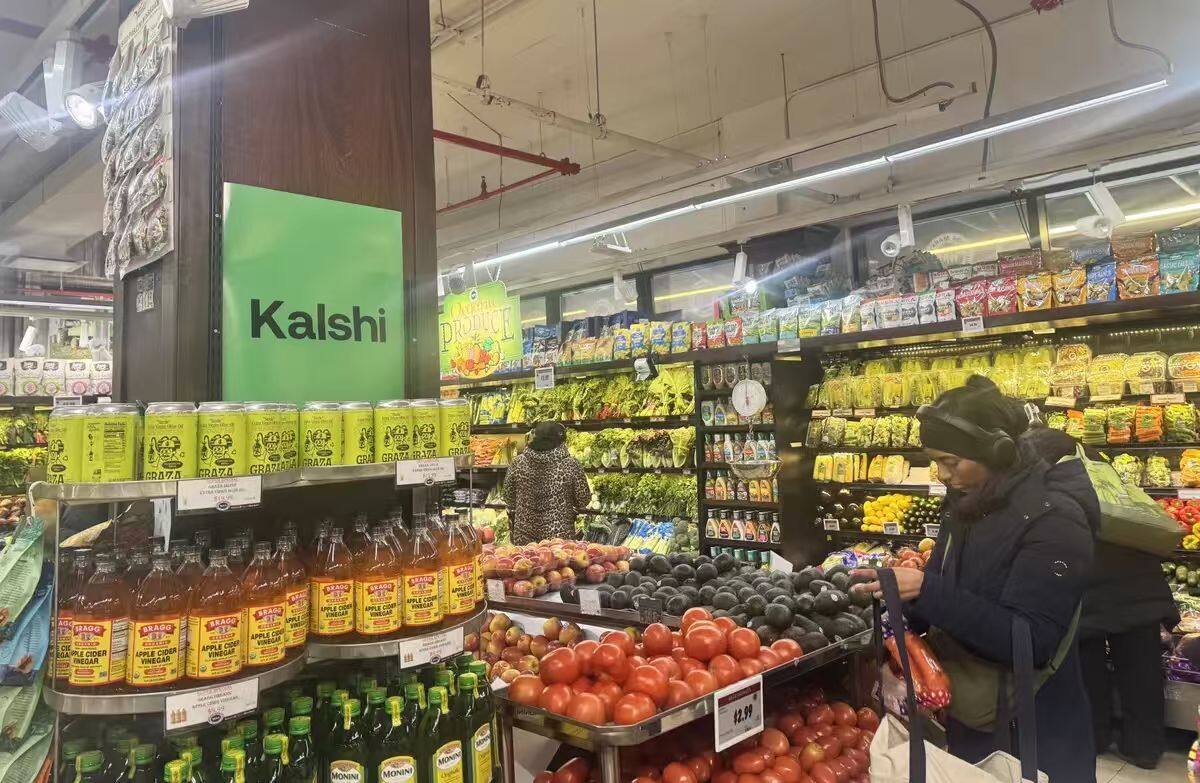
On February 3, Kalshi 【limited time】 offered $50 worth of free groceries to select users at Westside Market on Third Avenue, 84th Street, to attract more users to participate in various real-event predictions on its platform.

Judging from the surrounding "flyers," "supermarket KT boards," and other promotional materials, Kalshi’s offline promotion更像是一场即兴的“快闪活动”,更像是一场即兴的“快闪活动”更像是一场即兴的“快闪活动”更像是一场即兴的“快闪活动”更像是一场即兴的“快闪活动”更像是一场即兴的“快闪活动”更像是一场即兴的“快闪活动”更像是一场即兴的“快闪活动”更像是一场即兴的“快闪活动”更像是一场即兴的“快闪活动”更像是一场即兴的“快闪活动”更像是一场即兴的“快闪活动”更像是一场即兴的“快闪活动”更像是一场即兴的“快闪活动”更像是一场即兴的“快闪活动”更像是一场即兴的“快闪活动”更像是一场即兴的“快闪活动”更像是一场即兴的“快闪活动”更像是一场即兴的“快闪活动”更像是一场即兴的“快闪活动”更像是一场即兴的“快闪活动”更像是一场即兴的“快闪活动”更像是一场即兴的“快闪活动”更像是一场即兴的“快闪活动”更像是一场即兴的“快闪活动”更像是一场即兴的“快闪活动”更像是一场即兴的“快闪活动”更像是一场即兴的“快闪活动”更像是一场即兴的“快闪活动”更像是一场即兴的“快闪活动”更像是一场即兴的“快闪活动”更像是一场即兴的“快闪活动”更像是一场即兴的“快闪活动”更像是一场即兴的“快闪活动”更像是一场即兴的“快闪活动”更像是一场即兴的“快闪活动”更像是一场即兴的“快闪活动”更像是一场即兴的“快闪活动”更像是一场即兴的“快闪活动”更像是一场即兴的“快闪活动”更像是一场即兴的“快闪活动”更像是一场即兴的“快闪活动”更像是一场即兴的“快闪活动”更像是一场即兴的“快闪活动”更像是一场即兴的“快闪活动”更像是一场即兴的“快闪活动”更像是一场即兴的“快闪活动”更像是一场即兴的“快闪活动”更像是一场即兴的“快闪活动”更像是一场即兴的“快闪活动”更像是一场即兴的“快闪活动”更像是一场即兴的“快闪活动”更像是一场即兴的“快闪活动”更像是一场即兴的“快闪活动”更像是一场即兴的“快闪活动”更像是一场即兴的“快闪活动”更像是一场即兴的“快闪活动”更像是一场即兴的“快闪活动”更像是一场即兴的“快闪活动”更像是一场即兴的“快闪活动”更像是一场即兴的“快闪活动”更像是一场即兴的“快闪活动”更像是一场即兴的“快闪活动”更像是一场即兴的“快闪活动”更像是一场即兴的“快闪活动”更像是一场即兴的“快闪活动”更像是一场即兴的“快闪活动”更像是一场即兴的“快闪活动”更像是一场即兴的“快闪活动”更像是一场即兴的“快闪活动”更像是一场即兴的“快闪活动”更像是一场即兴的“快闪活动”更像是一场即兴的“快闪活动”更像是一场即兴的“快闪活动”更像是一场即兴的“快闪活动”更像是一场即兴的“快闪活动”更像是一场即兴的“快闪活动”更像是一场即兴的“快闪活动”更像是一场即兴的“快闪活动”更像是一场即兴的“快闪活动”更像是一场即兴的“快闪活动”更像是一场即兴的“快闪活动”更像是一场即兴的“快闪活动”更像是一场即兴的“快闪活动”更像是一场即兴的“快闪活动”更像是一场即兴的“快闪活动”更像是一场即兴的“快闪活动”更像是一场即兴的“快闪活动”更像是一场即兴的“快闪活动”更像是一场即兴的“快闪活动”更像是一场即兴的“快闪活动”更像是一场即兴的“快闪活动”更像是一场即兴的“快闪活动”更像是一场即兴的“快闪活动”更像是一场即兴的“快闪活动”更像是一场即兴的“快闪活动”更像是一场即兴的“快闪活动”更像是一场即兴的“快闪活动”更像是一场即兴的“快闪活动”更像是一场即兴的“快闪活动”更像是一场即兴的“快闪活动”更像是一场即兴的“快闪活动”更像是一场即兴的“快闪活动”更像是一场即兴的“快闪活动”更像是一场即兴的“快闪活动”更像是一场即兴的“快闪活动”更像是一场即兴的“快闪活动”更像是一场即兴的“快闪活动”更像是一场即兴的“快闪活动”更像是一场即兴的“快闪活动”更像是一场即兴的“快闪活动”更像是一场即兴的“快闪活动”更像是一场即兴的“快闪活动”更像是一场即兴的“快闪活动”更像是一场即兴的“快闪活动”更像是一场即兴的“快闪活动”更像是一场即兴的“快闪活动”更像是一场即兴的“快闪活动”更像是一场即兴的“快闪活动”更像是一场即兴的“快闪活动”更像是一场即兴的“快闪活动”更像是一场即兴的“快闪活动”更像是一场即兴的“快闪活动”更像是一场即兴的“快闪活动”更像是一场即兴的“快闪活动”更像是一场即兴的“快闪活动”更像是一场即兴的“快闪活动”更像是一场即兴的“快闪活动”更像是一场即兴的“快闪活动”更像是一场即兴的“快闪活动”更像是一场即兴的“快闪活动”更像是一场即兴的“快闪活动”更像是一场即兴的“快闪活动”更像是一场即兴的“快闪活动”更像是一场即兴的“快闪活动”更像是一场即兴的“快闪活动”更像是一场即兴的“快闪活动”更像是一场即兴的“快闪活动”更像是一场即兴的“快闪活动”更像是一场即兴的“快闪活动”更像是一场即兴的“快闪活动”更像是一场即兴的“快闪活动”更像是一场即兴的“快闪活动”更像是一场即兴的“快闪活动”更像是一场即兴的“快闪活动”更像是一场即兴的“快闪活动”更像是一场即兴的“快闪活动”更像是一场即兴的“快闪活动”更像是一场即兴的“快闪活动”更像是一场即兴的“快闪活动”更像是一场即兴的“快闪活动”更像是一场即兴的“快闪活动”更像是一场即兴的“快闪活动”更像是一场即兴的“快闪活动”更像是一场即兴的“快闪活动”更像是一场即兴的“快闪活动”更像是一场即兴的“快闪活动”更像是一场即兴的“快闪活动”更像是一场即兴的“快闪活动”更像是一场即兴的“快闪活动”更像是一场即兴的“快闪活动”更像是一场即兴的“快闪活动”更像是一场即兴的“快闪活动”更像是一场即兴的“快闪活动”更像是一场即兴的“极速快闪活动” (pop-up event), collaborating with local supermarkets to place offline materials for a short time, using "free $50 groceries" as "bait" to attract people to line up, participate, and spectate. This was also confirmed by Connie.
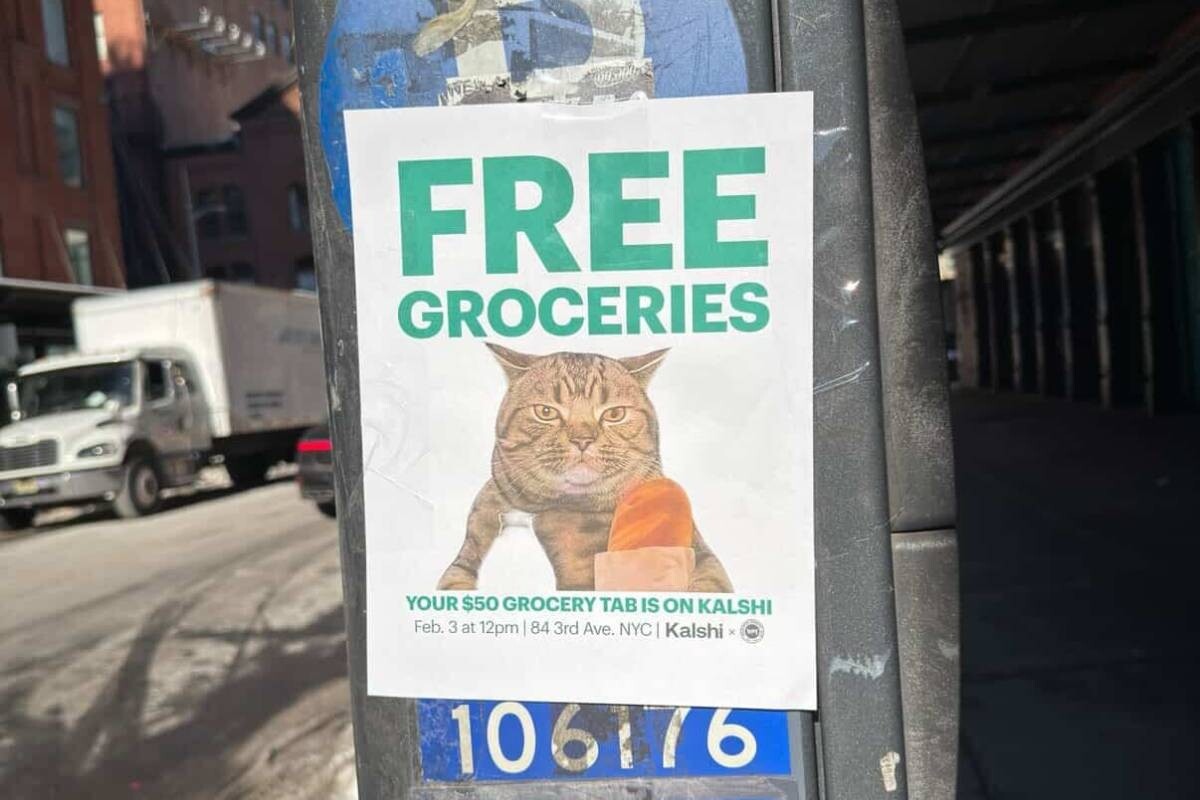
Additionally, it's clear that through this pop-up, Kalshi hopes to get more people to join the prediction market by betting on everyday, low-threshold, easy-to-understand questions like "Will New York City's gas price exceed $3.3 this year?" thereby achieving commercial goals like brand marketing and user activation.

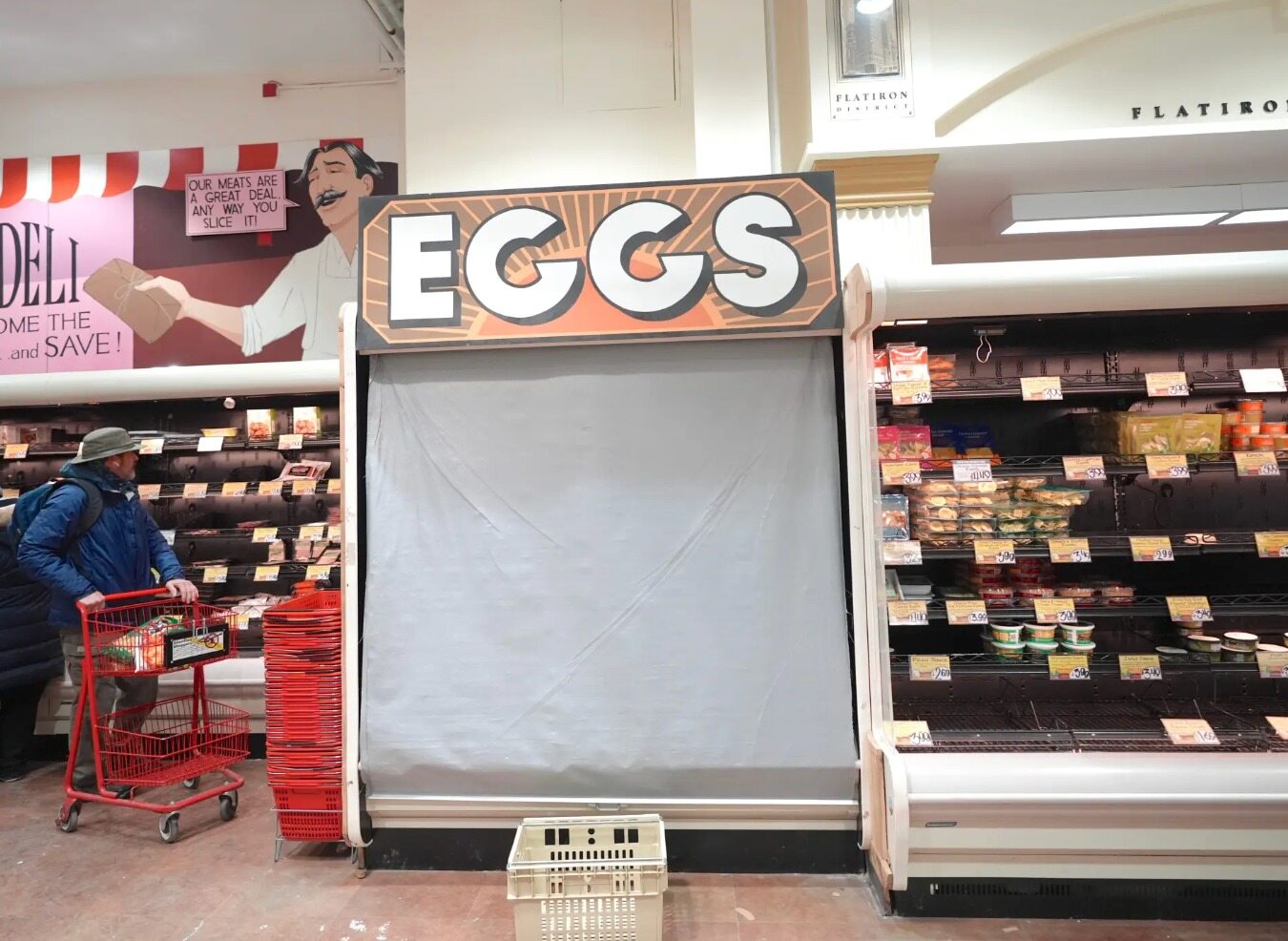
Kalshi co-branded pop-up supermarket eggs were snapped up

Compared to Kalshi's somewhat crude and highly commercial approach, Polymarket's preparations were much more thorough.

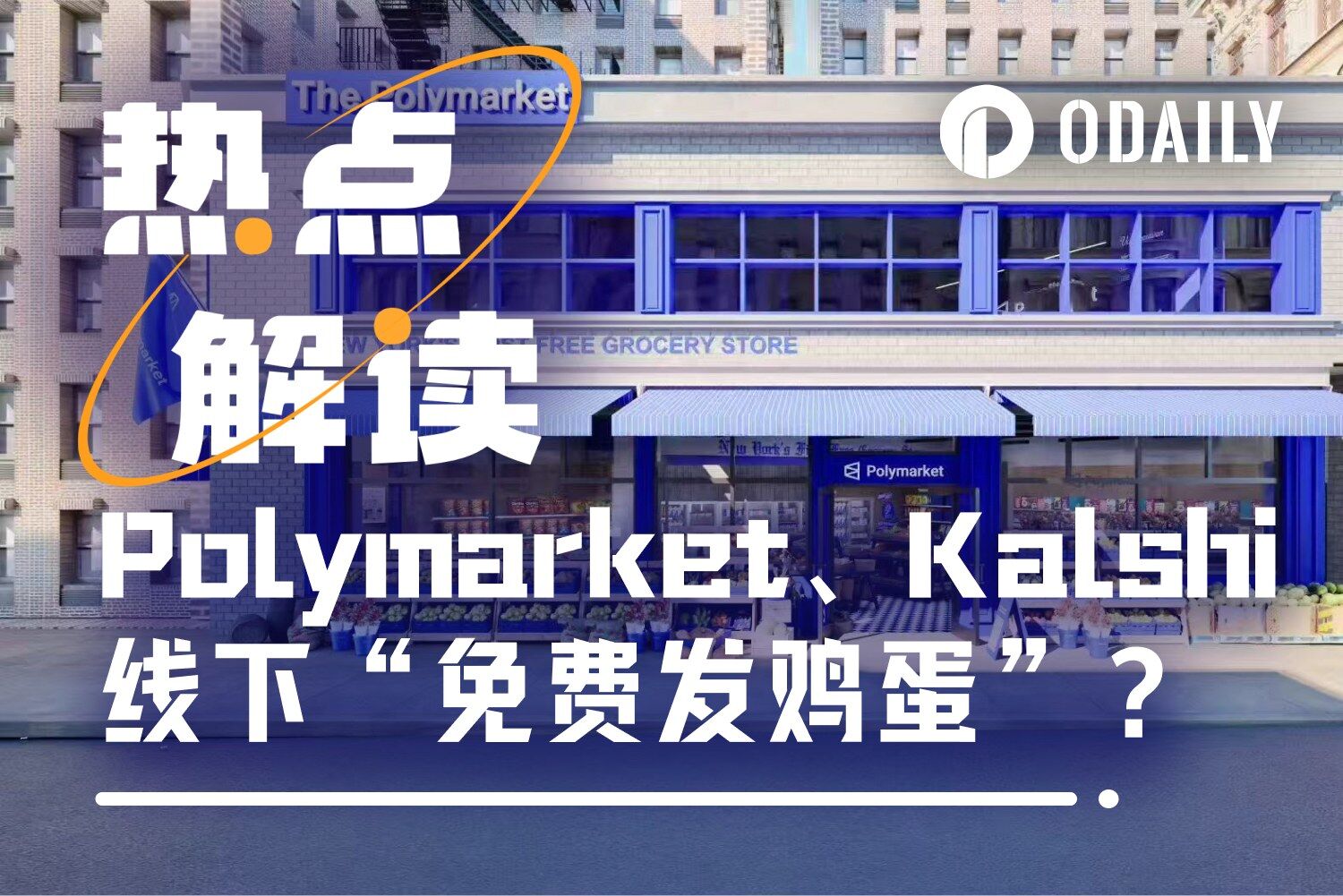
On February 3, slightly earlier than Kalshi's announcement, Polymarket officially announced that after months of offline preparation, it plans to open the "first free grocery store in New York" on February 12 (EST) by leasing a physical storefront. Additionally, Polymarket donated $1 million to the New York City Food Bank to address the "hunger issue" in the area.
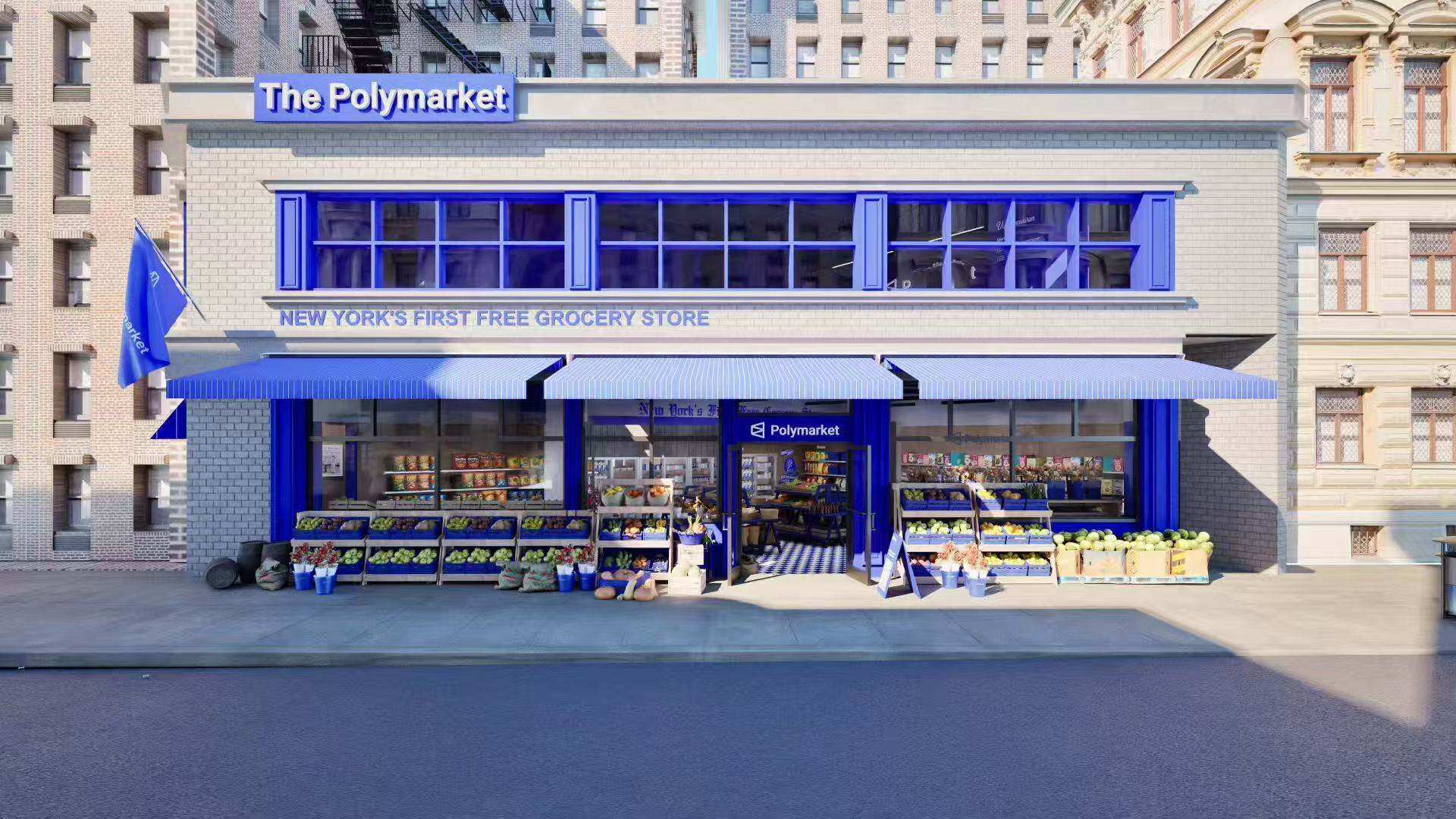
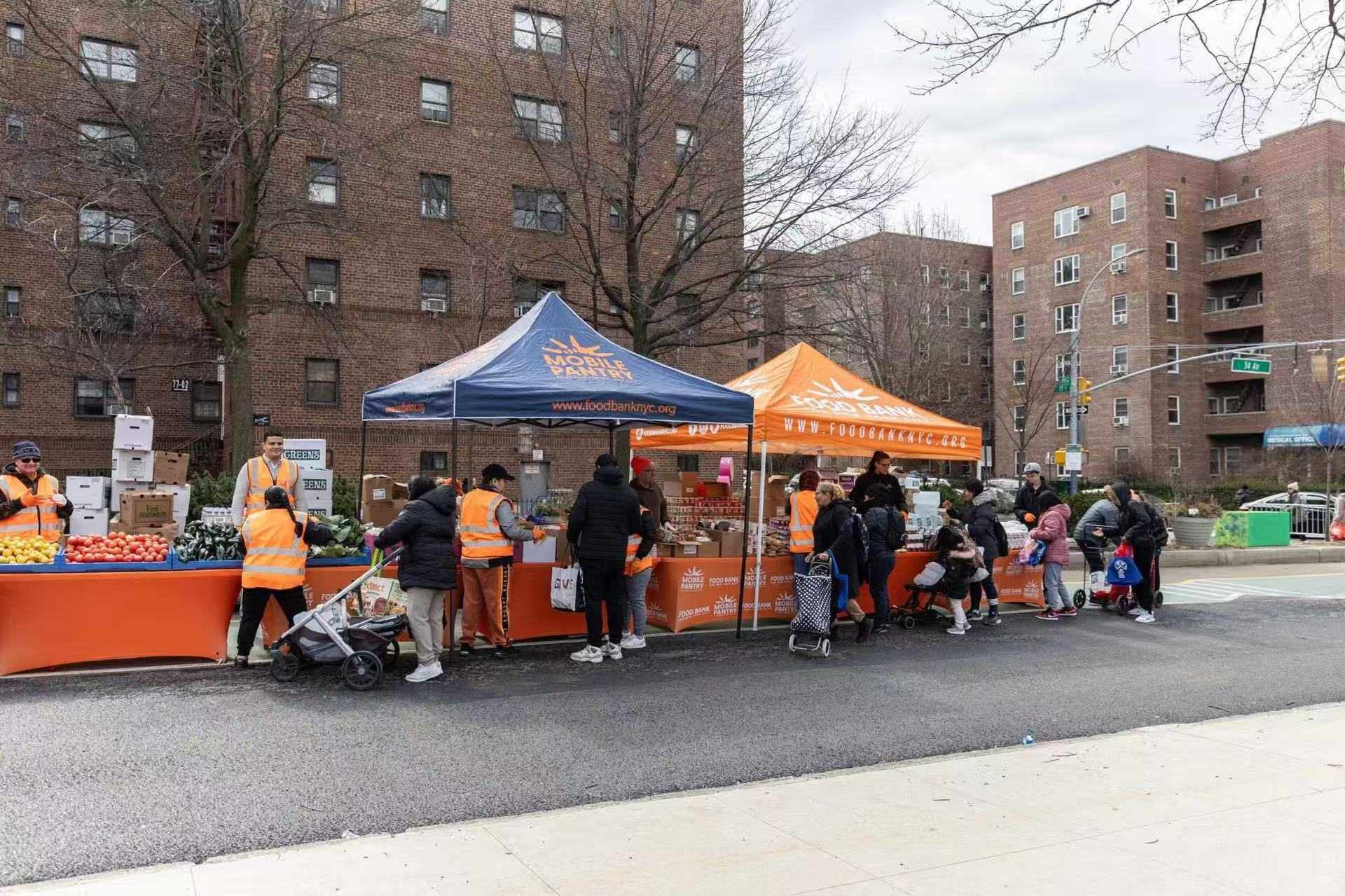
Polymarket also released actual photos of distributing vegetables like tomatoes and eggplants offline, instantly reminiscent of the domestic internet platform's ground promotion era, full of the vibe of "download the APP get eggs" or "first recharge get newcomer gift pack."
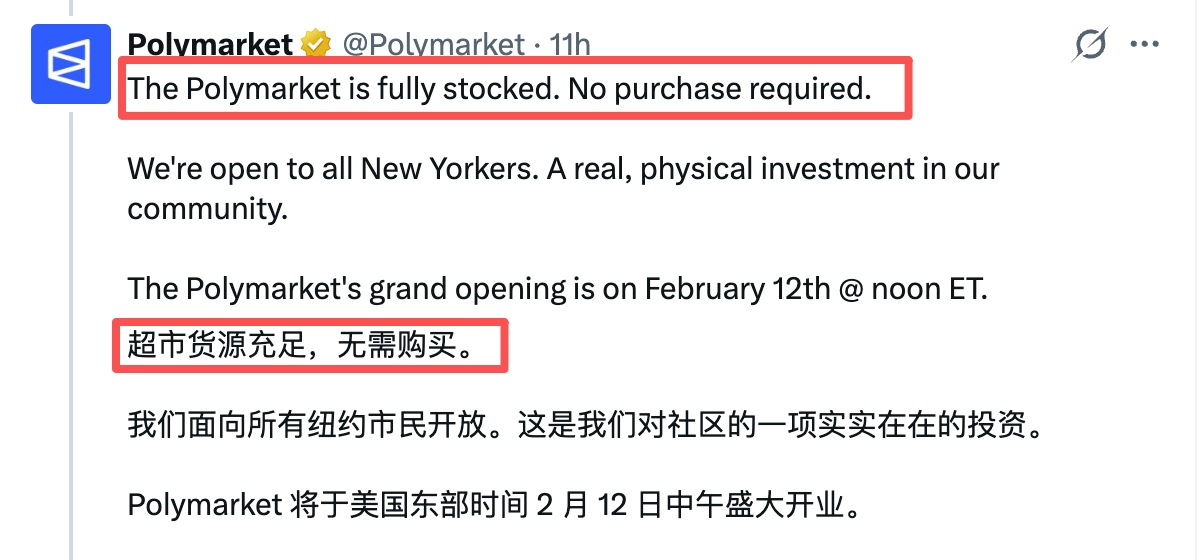
It is worth mentioning that Polymarket not only emphasized that "Polymarket's offline store is well-stocked, no purchase necessary," but also called on everyone to donate to the New York City Food Bank at the end of its tweet, encouraging people to take practical action to solve the real "hunger problem" caused by high food costs and high cost of living.
Seeing this, I can't help but sigh—

Fake crypto project ground promotion: Hold offline conferences, eat seafood feasts, shill various fake concept tokens;

Real crypto project ground promotion: Give away vegetables, give away eggs, open offline stores to distribute free food, do charity and public welfare, call on people to donate and show love.
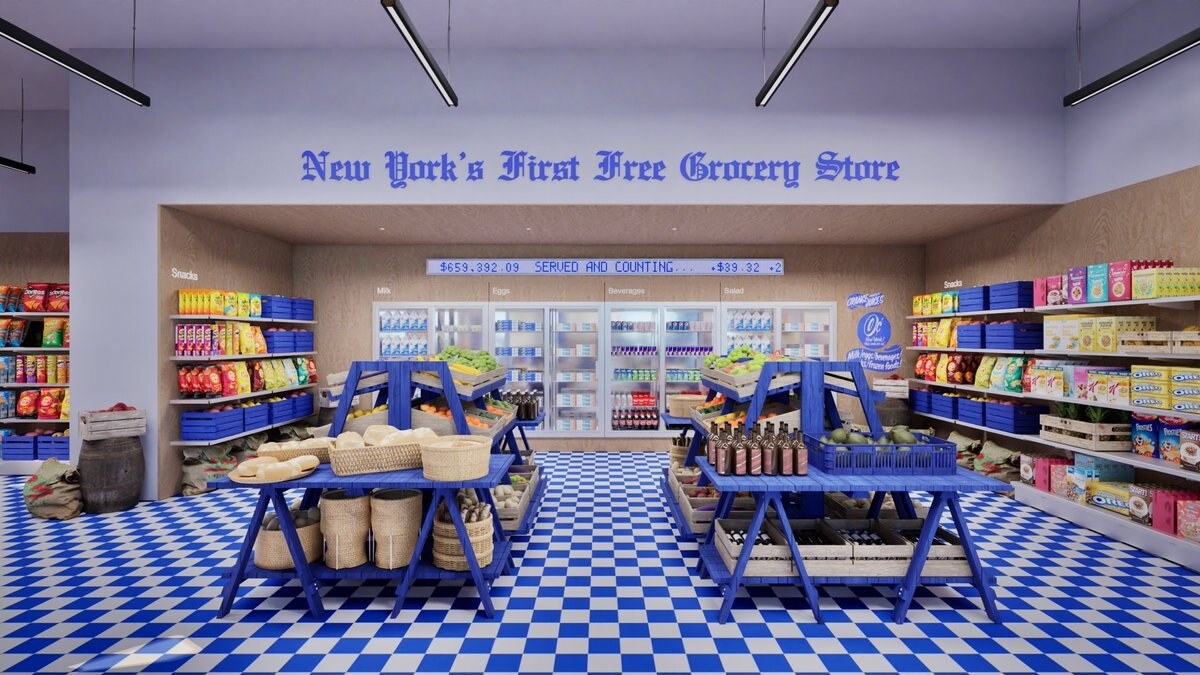
Regarding the real purchasing power of Kalshi and Polymarket's "egg collection activities," we also had a detailed discussion with Connie from Odaily in New York.

The Real Purchasing Power of $50 in New York, USA: 5 McDonald's Meals, 1.5 lbs of Beef, or 2 Days of Food for the Average Person

According to Connie, the real purchasing power of $50 in New York, USA, can be considered "quite valuable."

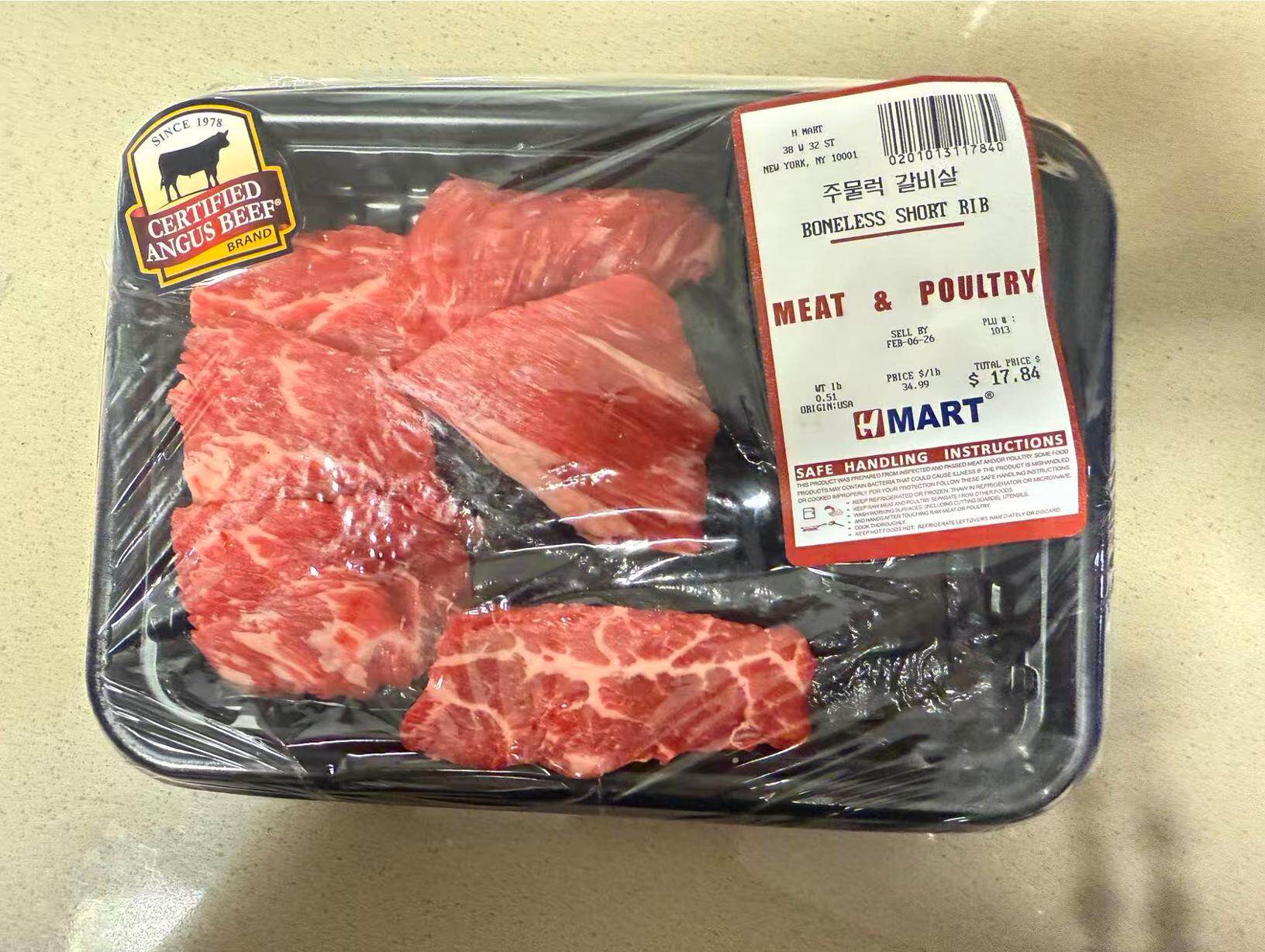
"Buying a 0.5 lb (about 0.45 kg) portion of beef at a local supermarket in New York costs about $18, so $50 can buy about 1.5 lbs of beef," which is enough protein for an adult's three meals a day. For comparison, the price of one jin (0.5 kg) of beef in China is only about 30 RMB, which is only 1/8 of the cost in New York.
Converting to the well-known "Big Mac Index," the real purchasing power of $50 is also quite astonishing—a cheeseburger combo meal delivery with about 800-1000 calories costs about $10.89, so $50 can buy about 5 combo meals; if you buy a double burger with 580 calories, it only costs about $7.20. Of course, this price is "sky-high" domestically; the same burger combo in China only costs 25-40 RMB, which is only 1/2 the price of the same food in New York.

In other words, spent frugally, $50 is close to covering the food cost for an average person in New York for about 2 days (calculated as 5~6 meals). According to Connie, Kalshi's event attracted many Americans to line up for "free food," and "Americans' enthusiasm for lining up to receive things is even higher than that of Chinese people." Polymarket's "offline free grocery store" is also expected to attract a large crowd to line up and participate. Based on the existing information released by Kalshi and Polymarket, the hard costs of the two platforms' related activities are estimated to be at least $50,000 to $100,000.

Investing so much manpower and resources, beyond doing charity and showing love, Kalshi and Polymarket also have their own "business calculations."

The "Business Strategy" Behind Prediction Market Platforms "Giving Away Eggs": Using Political Issues to Influence Institutional Regulation

None of the above food donation activities by Kalshi and Polymarket were coordinated or communicated with the New York City government; they were spontaneous company actions.

However, the wording and purpose of their external statements are very similar to the "policies" repeatedly emphasized by New York's new mayor, Zohran Mamdani, during his campaign—the latter had proposed "opening publicly owned grocery stores in New York's five boroughs to lower food prices." Furthermore, Zohran Mamdani pointed out that city-owned grocery stores could reduce rent and operating costs through non-profit operating models and the use of public property. This proposal is still in the pilot stage, and a final implementation timetable has not been determined.

On the other hand, as one of the important key states in the U.S., New York's legislators are busy drafting new bills targeting the emerging prediction market industry. Among them, the 《ORACLE Act》 plans to restrict or prohibit New York residents from betting on certain prediction market events and impose stricter restrictions on event-based prediction markets; another piece of legislation plans to require prediction market operators to obtain a state-issued license before operating.

It is clear that some legislative decision-makers still have various concerns about prediction markets, viewing them as similar to unregulated gambling or more susceptible to insider manipulation.

In light of this, although the New York mayor has no direct jurisdiction over the regulation of prediction markets (Odaily Planet Daily Note: Regulatory authority over prediction market platforms belongs to state and federal governments), Kalshi and Polymarket's move may also be an attempt to seek regulatory friendliness through indirect means.

Finally, regardless of the ultimate impact of their "egg-giving" actions, we have to say that China's internet promotion models are at least 5-10 years ahead of the Western world.

İlgili Sorular

QWhat are the two major prediction market platforms mentioned in the article that are conducting offline promotions in New York?

AKalshi and Polymarket.

QWhat specific free benefit did Kalshi offer to users during its flash promotion at a New York market?

AKalshi offered a $50 free food benefit to users.

QWhat is the name of the bill mentioned in the article that aims to restrict or ban New York residents from betting on certain prediction market events?

AThe ORACLE Act.

QHow much did Polymarket donate to the New York City Food Bank, as stated in the article?

APolymarket donated $1 million to the New York City Food Bank.

QAccording to the article, what is the estimated cost of a 0.5-pound portion of beef in a New York supermarket?

AA 0.5-pound portion of beef costs approximately $18 in a New York supermarket.

İlgili Okumalar

Has Hook Summer Really Arrived? sato, Lo0p, FLOOD Ignite the New Narrative of Uniswap v4

"Hook Summer" Arrives? Sato, Lo0p, FLOOD Ignite Uniswap v4 Narrative Amidst a slight market recovery, attention within the Ethereum ecosystem has shifted to Meme coins built on Uniswap v4's Hook protocol. Following ASTEROID, tokens like sato, sat1, Lo0p, and FLOOD have become market focal points, with market caps ranging from millions to tens of millions, bringing concentrated liquidity to a narrative-dry market. Uniswap v4 Hooks are "plugin smart contracts" that allow developers to inject custom logic at key points in a liquidity pool's lifecycle (initialization, adding/removing liquidity, swaps, etc.), making the AMM programmable. Recent representative projects include: * **sato**: Market cap peaked over $38M; uses a v4 curve mechanism for minting/burning, locking ETH as reserve. * **sat1**: Market cap briefly exceeded $10M, positioning as an "optimized sato," but later declined significantly. * **Lo0p**: Market cap neared $6.6M; a "lending AMM protocol" allowing users to borrow ETH against deposited LO0P tokens without immediate selling pressure. * **FLOOD**: Market cap approached $6M; channels trading reserves into Aave v3 to generate yield, which is retained in the pool. The emergence of these Hook-based tokens could drive long-term growth for the Uniswap ecosystem by attracting users and liquidity to v4 pools. Combined with Uniswap's activated fee switch (partially used to burn UNI), the long-term outlook for UNI appears positive. However, short-term UNI price appreciation is not directly guaranteed. Factors include the sustainability and lifecycle of these new tokens, their price volatility, overall market conditions, and regulatory pressures. Currently, Uniswap v4's TVL ($595M) lags behind v3 and v2, indicating Hook adoption still requires time to mature. In summary, the Hook ecosystem serves as "long-term nourishment" for UNI, but acts more as a "catalyst" than a direct "booster" in the short term. Note: These are early-stage experimental tokens and may carry unknown risks.

marsbit2 dk önce

Has Hook Summer Really Arrived? sato, Lo0p, FLOOD Ignite the New Narrative of Uniswap v4

marsbit2 dk önce

Has Hook Summer Truly Arrived? sato, Lo0p, FLOOD Ignite the New Uniswap v4 Narrative

With the broader market showing signs of recovery, a new wave of interest has emerged around Ethereum-based meme coins. Following ASTEROID, tokens like sato, sat1, Lo0p, and FLOOD, built upon the Uniswap v4 Hook protocol, are capturing market attention. Their market capitalizations range from millions to tens of millions of dollars, injecting much-needed focused liquidity into a market lacking narratives. This article explores whether this trend signifies an incoming "Hook Summer" and its potential impact on UNI's price. Hooks are essentially plug-in smart contracts for Uniswap v4 liquidity pools, allowing developers to inject custom logic at key points in a pool's lifecycle (like initialization, adding/removing liquidity, swaps). This transforms the AMM into programmable building blocks. Key highlighted projects include: * **sato**: Peaked over $38M market cap. It utilizes a v4 curve for minting/burning; buying locks ETH as reserve to mint new tokens, while selling redeems ETH from the reserve and burns tokens. * **sat1**: Market cap briefly exceeded $10M, promoted as an "optimized sato," but later declined significantly. * **Lo0p**: Reached nearly $6.6M. It's a lending AMM protocol where buying LO0P tokens locks them as collateral, allowing users to borrow ETH from the pool reserve at 40% LTV, aiming to improve capital efficiency for idle ETH in LPs. * **FLOOD**: Peaked near $6M. Its mechanism directs asset reserves from buys into Aave v3 to generate yield, with fees and interest retained in the pool to potentially influence the token's price long-term. In the long term, the development of the Hook ecosystem can attract users and liquidity to Uniswap v4, benefiting UNI's fundamentals—especially combined with the recent activation of the protocol fee switch, where a portion of fees is used to burn UNI. However, in the short term, these Hook-based tokens are unlikely to directly drive significant UNI price appreciation. Their impact is moderated by factors like token sustainability, price volatility, and broader market and regulatory conditions. Currently, Uniswap v4's TVL ($595M) still trails behind v2 and v3, indicating adoption and growth will take time. The article concludes that while the Hook ecosystem provides long-term "nourishment" for UNI, its short-term role is more of a "catalyst" than a "booster." Readers are cautioned that these are early-stage experimental tokens and may carry unknown risks.

Odaily星球日报15 dk önce

Has Hook Summer Truly Arrived? sato, Lo0p, FLOOD Ignite the New Uniswap v4 Narrative

Odaily星球日报15 dk önce

Interview with Michael Saylor: I Did Say I Would Sell Bitcoin, But Never a Net Sale

Interview with Michael Saylor: I Said We'd Sell Bitcoin, But Never Be a Net Seller In a recent podcast, MicroStrategy Executive Chairman Michael Saylor clarified the company's stance on potentially selling Bitcoin. Following MicroStrategy's earnings call statement about being prepared to sell BTC to fund dividends for its STRC (Strategic) credit product, Saylor emphasized the distinction between selling and being a "net seller." Saylor explained the core business model: MicroStrategy sells credit instruments like STRC and uses the proceeds to buy Bitcoin, which is viewed as "digital capital" expected to appreciate around 30-40% annually. A portion of these capital gains can then be used to pay the dividends on the credit products. He stressed that even if the company sells some Bitcoin for dividends, it simultaneously buys much more with new credit issuance. For example, after raising $3.2 billion from STRC sales in April, the dividend obligation was only $80-90 million, making the company a net buyer. The clarification aims to counter market narratives questioning the value of Bitcoin on MicroStrategy's balance sheet if it were never sold, and to dismiss claims of a "Ponzi scheme." Saylor reiterated his personal philosophy for investors: "Don't be a net seller of bitcoin" and ensure your Bitcoin holdings increase each year. Saylor also discussed Bitcoin's role as the foundation for "digital credit," noting that STRC has become the largest and most liquid preferred stock issue in the U.S., offering high risk-adjusted returns (Sharpe ratio). He highlighted Bitcoin's deep liquidity, stating that even large purchases by MicroStrategy do not move the market significantly, which is driven by macro factors, geopolitical tensions, and capital flows from ETFs and credit products. Finally, Saylor reflected on his early inspiration from sci-fi books, which motivated his path to MIT, and maintained his fundamental thesis on Bitcoin remains unchanged: it is superior digital capital enabling superior digital credit.

链捕手19 dk önce

Interview with Michael Saylor: I Did Say I Would Sell Bitcoin, But Never a Net Sale

链捕手19 dk önce

Beaten SK Hynix Employees in China: Year-end Bonus Less Than 5% of Korean Staff's

"SK Hynix Chinese Staff Hit Hard: Bonuses Less Than 5% of Korean Counterparts" Driven by the AI boom, South Korea's SK Hynix is experiencing record performance, with media reports predicting massive year-end bonuses for its employees, making them highly desirable in the matchmaking market. However, this prosperity starkly contrasts with the situation for the company's Chinese employees. According to reports, SK Hynix operates under a rule allocating 10% of operating profit for employee bonuses. While projections suggest Korean employees could receive bonuses reaching millions of RMB, a Chinese employee with over a decade of technical experience revealed the disparity: "If they get 3 million, Chinese staff get less than 5% of that." After adjustments based on KPI ratings, this employee's highest bonus was slightly over 100,000 RMB. Bonuses are paid annually in Korea but semi-annually in China. During the industry downturn in 2023-2024, Chinese employees received no bonus at all. The gap extends beyond bonuses. Recruitment posts for SK Hynix's Chinese factories (in Wuxi, Dalian, Chongqing) show engineer monthly salaries ranging from 10,000 to 35,000 RMB, with a 13th-month salary promised. Chinese employees also receive standard benefits like annual leave but lack stock incentives, which are reportedly unavailable to them. Furthermore, management positions in China are predominantly held by Korean personnel, though industry observers note a gradual increase in local middle managers over time. SK Hynix has confirmed the 10% bonus rule but cautioned that specific future bonus amounts remain unpredictable. The company forecasts strong demand for HBM and other high-value enterprise products for the next 2-3 years, driven by AI infrastructure investment. This focus on business-to-business markets may continue to constrain supply for consumer products, potentially prolonging price increases for components like memory.

链捕手33 dk önce

Beaten SK Hynix Employees in China: Year-end Bonus Less Than 5% of Korean Staff's

链捕手33 dk önce

İşlemler

Spot
Futures
活动图片