Author: Curry, Deep Tide TechFlow
On October 28, 2021, Mark Zuckerberg stood next to a legless virtual avatar and announced the company's name change from Facebook to Meta.
At the time, he said the metaverse would reach one billion people within a decade, host hundreds of billions of dollars in digital commerce, and provide job opportunities for millions of creators and developers.
That year, the metaverse was the sexiest concept on Earth.
Microsoft talked about building a metaverse version of Teams, NVIDIA launched Omniverse, Nike opened a virtual store on Roblox... No one wanted to miss the boat.
Meta didn't just buy a ticket; it bought the entire ship.
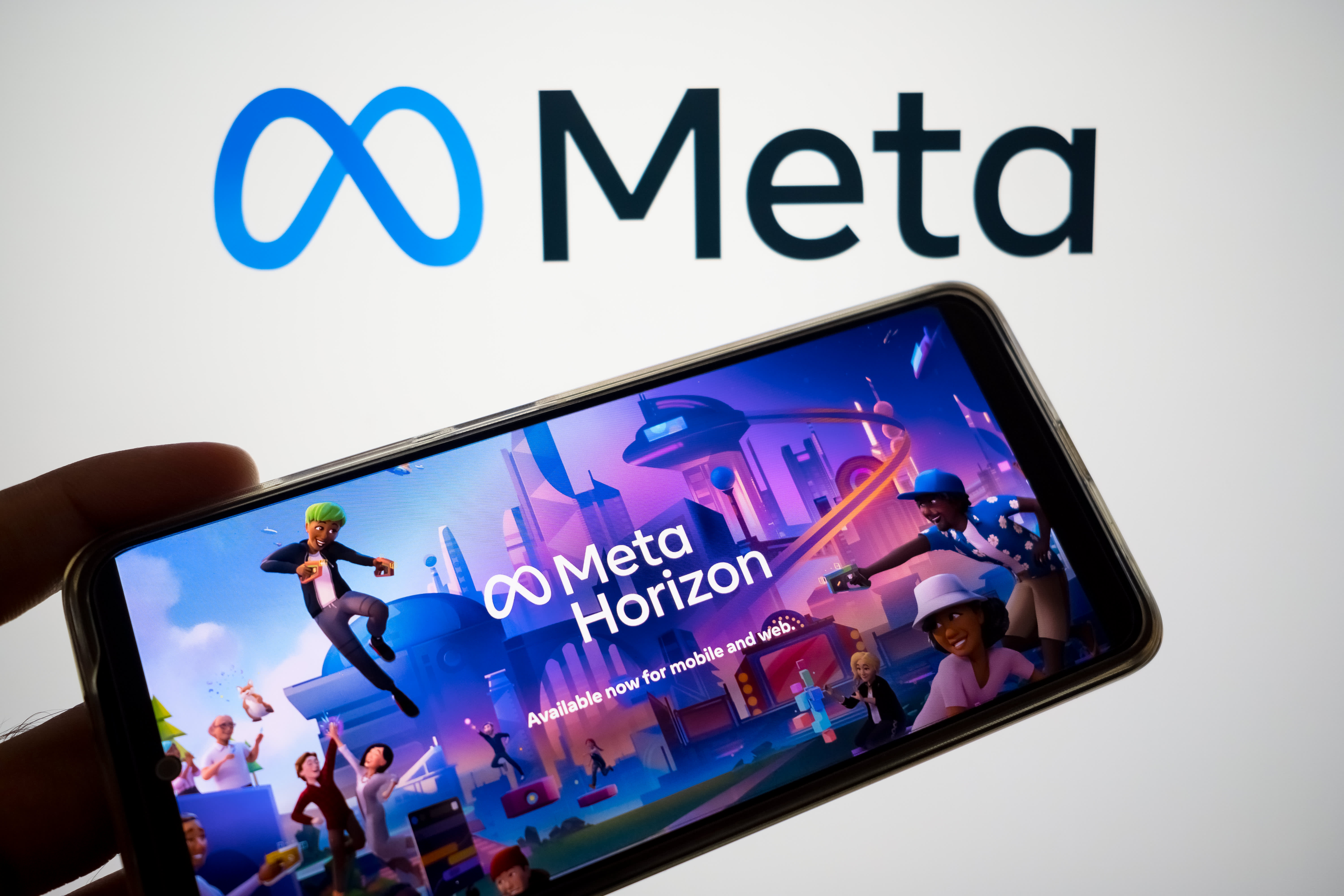
Looking back now, the product Horizon Worlds can be understood as the core evidence for Meta's rebranding story—you put on a headset, enter a virtual world, and hang out, play, and hold meetings with other people's cartoon avatars.
When it launched at the end of 2021, it was the flagship project personally endorsed by Zuckerberg. But four and a half years later, one billion people have not come to play.
On March 17, Meta posted an announcement on its community forum: the VR version of Horizon Worlds will be completely shut down on June 15, at which point the app will be removed from Quest headsets and the virtual world will no longer be accessible. A mobile version will remain available and continue to operate.
It's a bit like a restaurant closing its dine-in service and only keeping takeout, but this restaurant was originally built for dine-in.
The department footing the bill is called Reality Labs. Its cumulative operating losses over seven years are close to $90 billion. It lost $6 billion in the most recent quarter alone, with revenues of less than $1 billion, not even covering one-sixth of the losses.
In January of this year, this department laid off over 1,000 people, shut down multiple VR content studios, and canceled almost all ongoing virtual world projects.
The boat ticket everyone was afraid of missing in 2021—now the ship has sunk, and the ticket is still clutched in their hands.
In mid-March, Reuters reported that Meta was planning to lay off about 20% of its workforce, nearly 15,000 people. If implemented, this would be the largest round of layoffs since 2022.
At the same time, Meta's capital expenditure budget for this year is $115 to $135 billion, almost entirely poured into AI infrastructure.
Shut down the virtual world, lay off one-fifth of the people, and pour all the saved money and freed-up positions into AI.
The day the news came out, Meta's stock price still rose by 3%. When Zuckerberg said he would go all-in on the metaverse in 2021, the capital market applauded the same way.
The answer was already on the table the day before Horizon Worlds announced its shutdown.
Virtual World Closes, Personal Computer Steps In
On March 16, Manus, acquired by Meta for a hefty $2 billion, launched its desktop version.
It features a function called "My Computer" that brings AI down from the cloud directly into your local machine: reading files, opening applications, running terminal commands.
This happened the day before Horizon Worlds announced its shutdown.
The year Horizon Worlds launched, the experience was like this:
You spend a couple thousand dollars on a Quest headset, put it on, adjust the pupil distance, draw a safety boundary, and then enter a cartoon-style virtual lobby. The people inside have no legs and float around to move. You can explore themed worlds, play mini-games, and chat with strangers' virtual avatars.
After half an hour, the headset starts pressing on your face. After an hour, some people start feeling dizzy.
Meta spent four years and $90 billion on this lobby. The result is that it never disclosed active user numbers. Not for secrecy, but because it wouldn't look good.
The Manus Desktop experience is like this:
You download an application, open it, and type a sentence. For example, "Organize the thousands of files in my Downloads folder by type." It scans your hard drive, automatically creates subfolders, and automatically sorts and archives everything, all without you touching the keyboard.
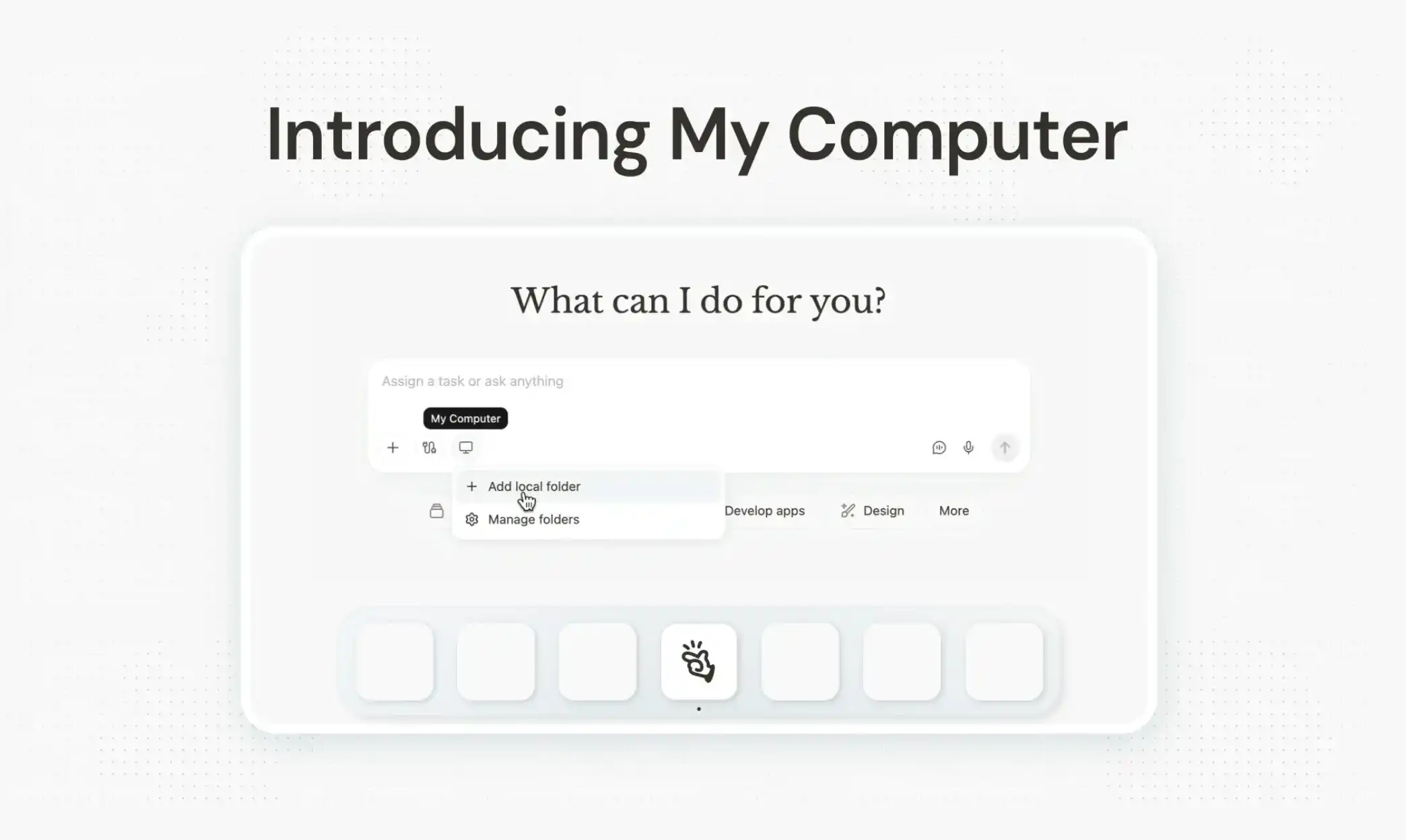
In a demo, someone had it write a macOS application from scratch in a local development environment; it took 20 minutes. Don't forget, Manus reached one million paid users within eight months of its previous launch, with annualized revenue exceeding $100 million.
When everyone says Meta overpaid for Manus, perhaps compare it to the now-shut-down metaverse project Horizon Worlds.
A product that spent $90 billion trying to get you into a virtual world, and no one came. A product that spent $2 billion to come into your real desktop, has real revenue and use cases—which one would you choose?
The same company, the same week, shut down the former and bet on the latter.
It used to be Meta building a world for you to come to. Now it's AI coming through the screen to you.
But having the right direction doesn't mean the path is smooth. After this U-turn, Meta doesn't exactly look more at ease.
The Metaverse and AI Might Be the Same Kind of FOMO
If you only read the headlines, Meta now looks like a company making one blunder after another.
The metaverse burned $90 billion and was shut down. The flagship AI model, Avocado, originally scheduled for release in March, was delayed to May after internal testing found its reasoning and programming lagged behind同期 (contemporary) products from Google, OpenAI, and Anthropic.
The previous generation, Llama 4, was released last year to a lukewarm reception, failing to stir much excitement in the developer community. It was reported that the company even internally discussed temporarily licensing Google's Gemini to fill in for its own products—a company spending $135 billion on AI infrastructure, needing to borrow someone else's model.
Chief AI Scientist Yann LeCun left to start his own company; the new AI head, Alexandr Wang, poached from Scale AI for $14.3 billion, hasn't yet delivered results...
Layoffs of 20%, shutting down the metaverse, model delays—the news from just one week painted a picture of a company that doesn't know what it's doing.
But if you shift your gaze away from Meta and look at the entire industry, you'll notice one thing:
Everyone is doing the exact same thing, embracing AI wholeheartedly.
In February of this year, Block's CEO Jack Dorsey announced laying off 4,000 people, nearly half the company. The layoff letter had no embellishments, stating directly that intelligent tools have changed how companies are built and operated, and smaller teams can achieve more. The stock price rose 25% that night.
Shopify's CEO sent a new rule to the whole company: from now on, if you want to request more headcount, first prove that AI can't do the job.
Amazon cut 16,000 jobs in January and targeted its robotics department in March. Atlassian laid off 1,600 people, saying it would pour all resources into AI enterprise software.
In the first 74 days of 2026, 166 tech companies laid off nearly 56,000 people in total.
Does this picture feel familiar?
2021 was like this too. After Zuckerberg renamed Meta, Microsoft talked about a metaverse Teams, NVIDIA pushed Omniverse, Nike opened a virtual store on Roblox, Disney established a metaverse division, Shanghai and Seoul released metaverse strategic plans...
Everyone was chasing the same direction. Everyone was afraid of missing out.
Five years have passed. The direction has changed, but the way of chasing hasn't.
Last time, the consensus was "the metaverse is the next computing platform." Meta spent $90 billion proving this consensus wrong. This time, the consensus is "AI can replace everything." Every company is cutting staff, slashing budgets, and pouring the saved money into AI.
There's only one difference: the last consensus has been disproven; this one hasn't yet.
But consensus is consensus. Its characteristic is that everyone believes it simultaneously, and then everyone discovers they were wrong simultaneously. The time difference in the middle is the speed at which money burns.
Meta isn't a company that's dumber than others. It just places bigger bets than anyone else each time, so when the consensus flips, its fall is the loudest.
In 2021, the whole industry bet on the metaverse, and Meta changed its name. In 2026, the whole industry is betting on AI, and Meta is laying off a fifth of its people.
Looking back five years from now, did everyone bet right on this round of AI?
No one knows. But we all know that when this question was asked in 2021, everyone's answer was also "of course we did."






