Kimi, Zhipu, Douban Gather at an Encryption Hackathon: What Did AI Developers Build on Monad?

marsbit2026-03-26 tarihinde yayınlandı2026-03-26 tarihinde güncellendi

Özet

Monad's "Rebel in Paradise AI" Hackathon, held on March 21, 2026, brought together leading LLM providers like Kimi, Zhipu AI, and Doubao to explore AI agent development on its high-performance parallel EVM blockchain. The event focused on three key areas: Agent Payments, Smart Markets, and Application Innovation, with over $40,000 in prizes and resources. Winning projects included OpenAlice (Grand Prize), a locally run trading agent with transparent workflows; Orbit AI (NVIDIA Special Award), a decentralized AI cloud using satellite GPU clusters; and Kimi-swarm, an open-source multi-agent IDE. Other notable winners were Libra, a Git-like system for machine-written code, and Anime AI Studio, a one-stop anime short film generation agent. The hackathon highlights Monad's strategic push into AI, leveraging its high throughput (10,000+ TPS), low latency, and low-cost infrastructure to support autonomous agent economies. Monad's existing initiatives, like the AI Blueprint program and x402 payment guides, further position it as a key infrastructure for AI and DeFi integration, enabling agents to execute transactions, settle payments, and operate as independent economic entities on-chain.

Author: Deep Tide TechFlow

Hackathons have long become a standard practice for public blockchain ecosystem development. Compared to the hustle and bustle of "hosting an event," what is more worth paying attention to is "what the event leaves for the ecosystem."

On March 21, 2026, with the announcement of the winners, the Monad Rebel in Paradise AI Hackathon concluded successfully.

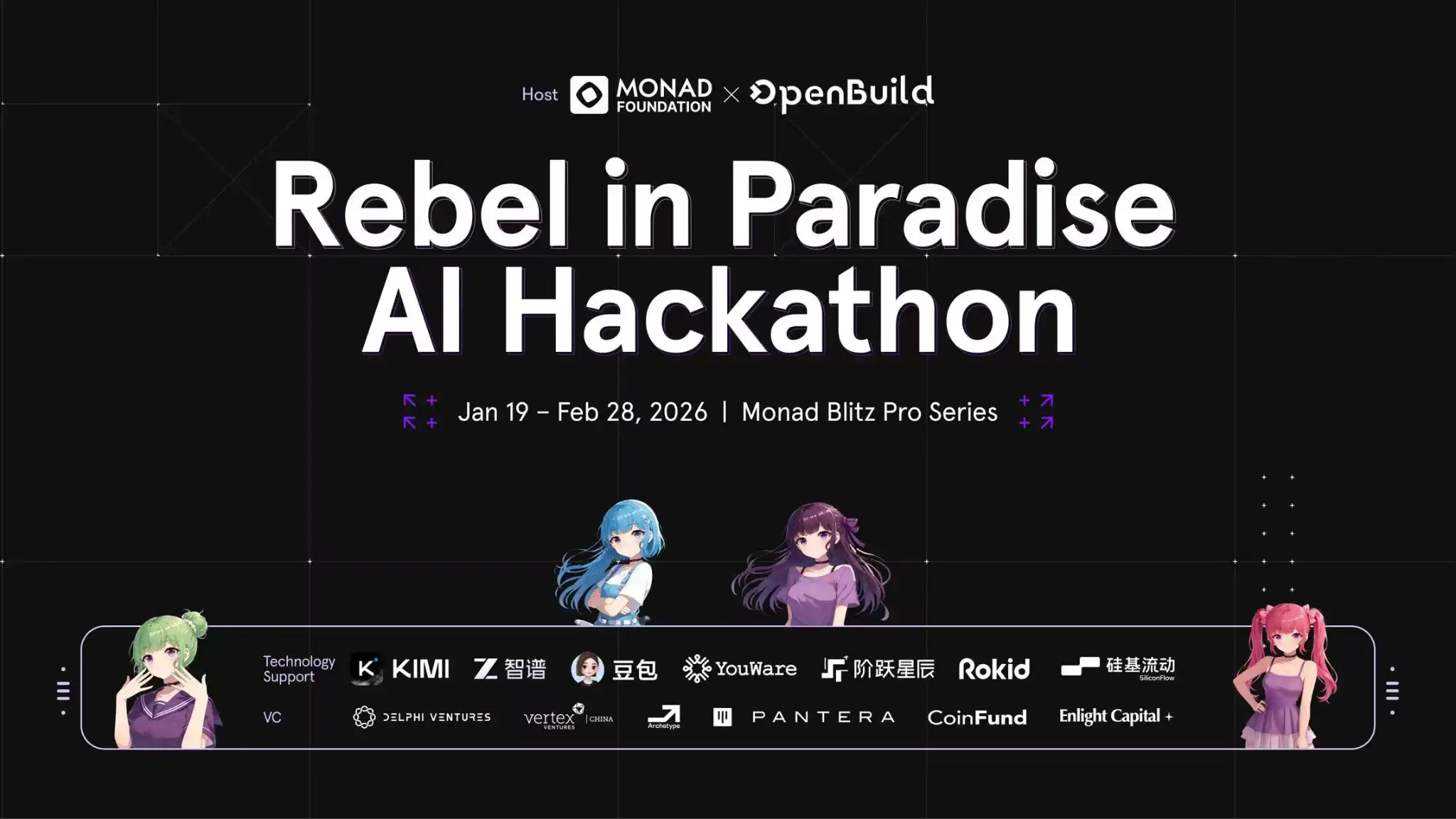
At a time when AI has universally become the "lifesaver" that Crypto must latch onto to boost ecosystems, this hackathon is still particularly worthy of review. Not only because, as a top-tier L1 project, every move Monad makes to build its ecosystem after token issuance is inherently a focus of continuous community inquiry, but also for another, bigger reason: the community couldn't help but notice the partners for this hackathon:

Including well-known LLM providers such as Kimi, Zhipu, Douban, and others were prominently listed.

This makes the significance of this event far exceed that of a mere "on-chain developer competition." It signals Crypto's role as a core component in broader scenarios and also facilitated a convergence of AI large models and on-chain infrastructure:

On one side is the on-chain execution environment provided by the Monad high-performance public chain; on the other is the concentrated injection of large model capabilities, toolchains, and development resources possessed by traditional providers; in the middle are the developers trying to turn imagination into products.
So, facing the era of the agent economy, where underlying networks need to support higher-frequency, more complex interactions and value transfers, how does Monad specifically perform?

Also, in such a hackathon, centered around the AI theme, what exactly did developers build on Monad?

Let's delve into Monad's AI ecosystem layout through the winning projects of this hackathon.

A Hackathon with Both a "Powerful Lineup" and "Dense Resources"

When Agents are no longer just conversational tools but possess execution capabilities, which directions are most worthy of developer investment?

The Monad Rebel in Paradise AI Hackathon aimed to provide the most direct answer.

In terms of track design, the event focused on three directions most representative of Agent landing value: Agent Payments, Smart Markets, and Application Innovation.

And to present the answer more spectacularly, Monad did not skimp on resources: participants not only got to interact directly with leaders in LLM, infrastructure, and agent fields, as well as VCs, but also competed for a total prize pool of over $40,000, with $20,000 in cash prizes and $20,000 in creative and resource support, including free trial credits for cutting-edge models, development tools, and infrastructure.
As the first hackathon in Greater China focused on AI Agent finance, Monad aimed, through this event, to demonstrate the deep integration of high-performance parallel EVM and top-tier LLMs, and to use Beijing and Shenzhen as main bases for training camp activities, bringing developers, model capabilities, infrastructure, and investors into the same testing ground.

The VC judges for the event attracted participation from first-tier institutions including Delphi Ventures, Pantera Capital, CoinFund, Vertex, Enlight, etc., giving participants a chance to prove themselves in front of model providers, infrastructure providers, and top investment institutions ahead of time.

Simultaneously, the event also attracted top AI companies like Kimi, Zhipu AI, Douban, Step星辰 (Step Stars), 硅基流动 (Silicon-based Flow), YouWare, etc., to collectively join, providing a series of support from model APIs, computing power support, technical guidance to judging resources.

Such a lineup made many curious about the契机 (opportunity) behind the cooperation, but upon closer inspection, it's not hard to understand:

When LLM providers started looking for出海 (overseas) opportunities and the next landing point for AI innovation, they saw Crypto with its characteristics of decentralization, trustlessness, verifiable incentives, etc., and Monad became the L1 base discovered and chosen by these major players.

The dense resource infusion laid the necessary foundation for the high-quality output of this hackathon. So, what do the first batch of products daring to try and finding a foothold actually look like?

From Payments to Anime Generation: A Look at the 11 Winning Projects

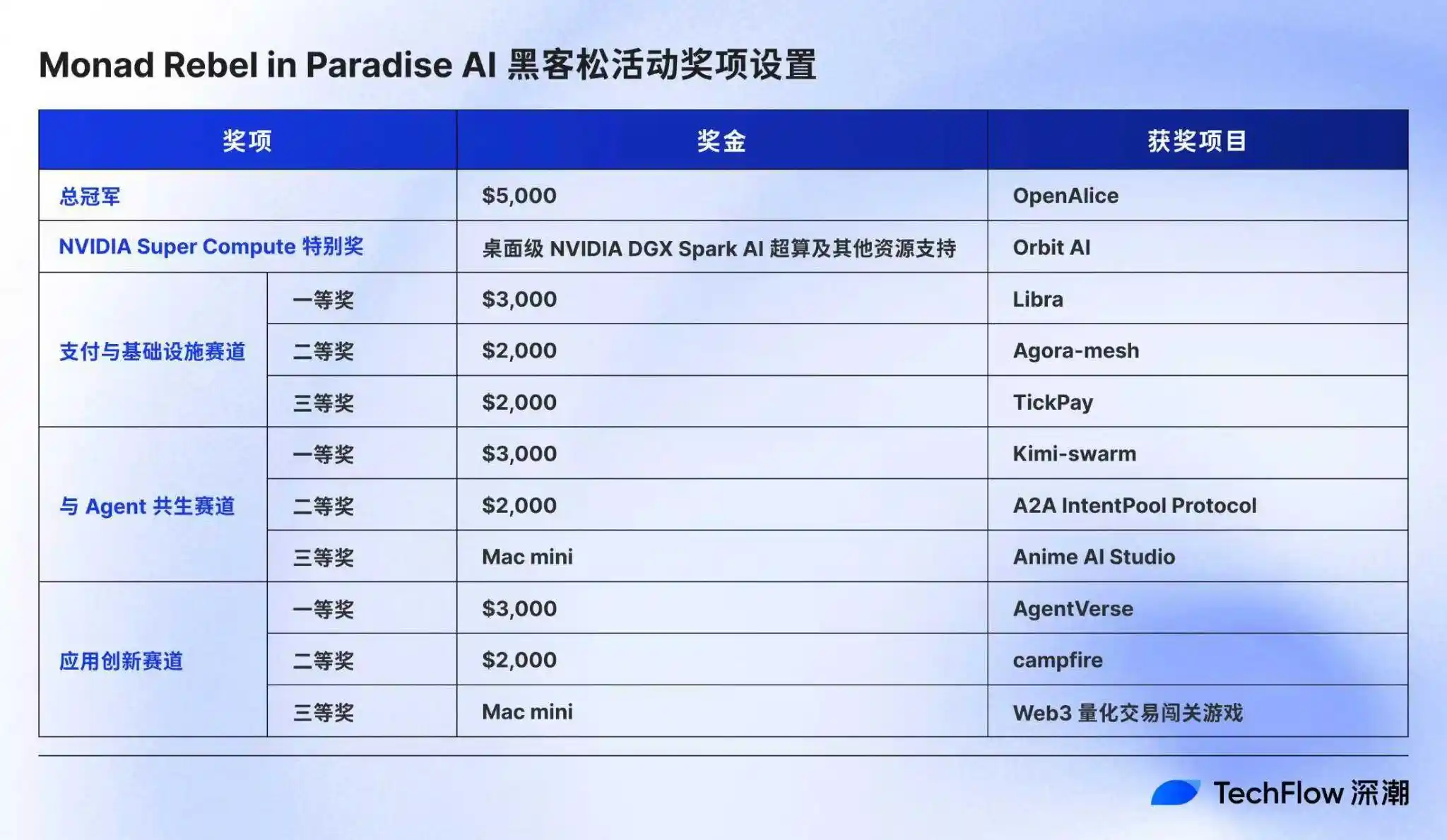
Grand Prize: OpenAlice

OpenAlice is a trading Agent that can run locally, capable of combining processes like research, strategy, execution, and risk control into one transparent, collaborative workbench.

OpenAlice's core architecture uses Markdown + JSON configuration-driven approach. The entire Agent's behavior is defined in human-readable Markdown and structured JSON, with clear and transparent logs, facilitating human-Agent collaborative iteration. Additionally, the project supports local deployment; data and execution do not fully rely on the cloud, further enhancing privacy and controllability.

【View Demo】

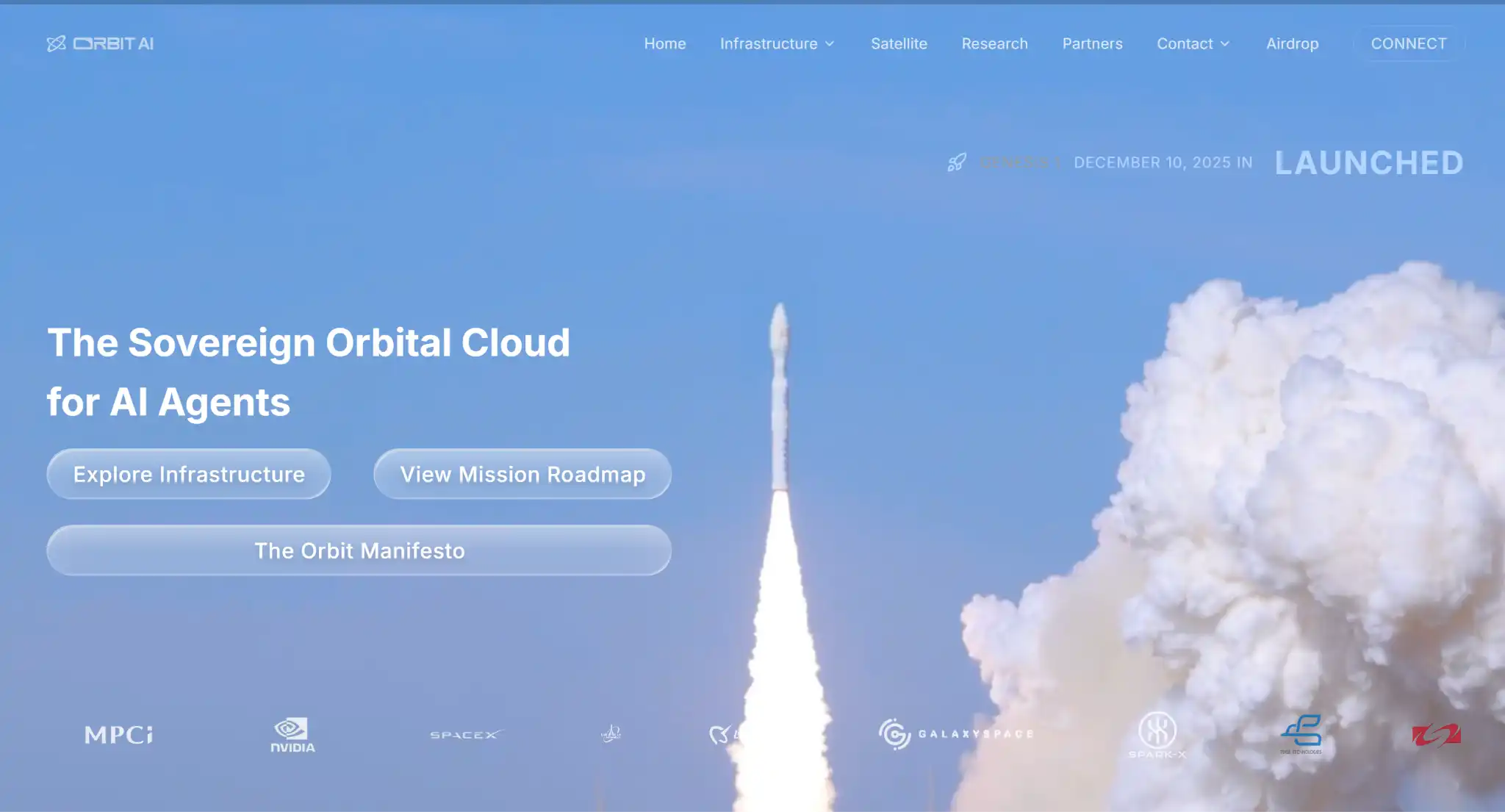
  • NVIDIA Super Compute Special Award: Orbit AI

Orbit AI is a decentralized AI cloud that moves computing power "into orbit," connecting verifiable satellite GPU clusters for Agent scenarios. Its core selling point is stronger physical isolation capabilities and anti-tampering features, making high-trust computing globally available.

【View Demo】
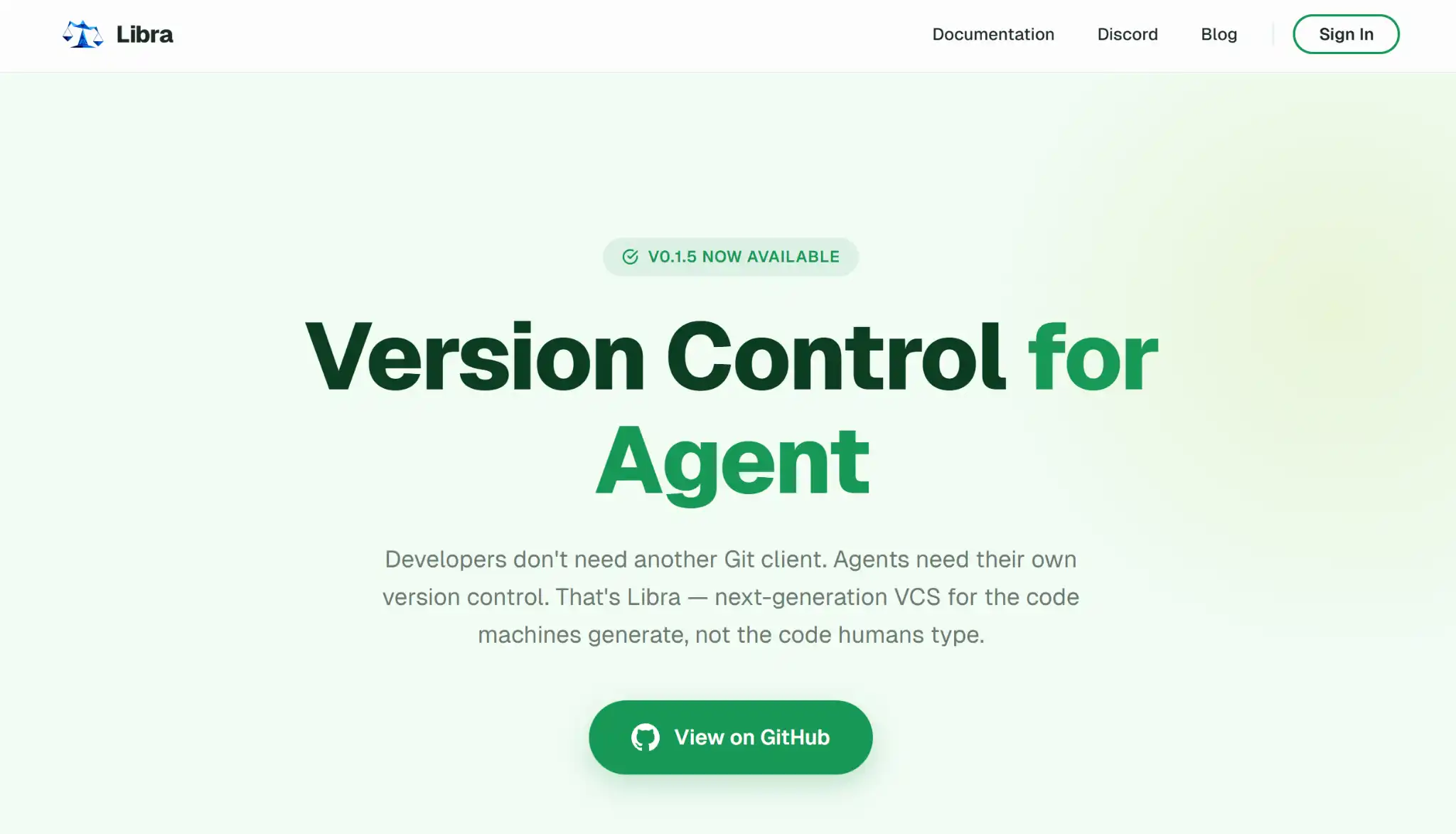
Payment & Infrastructure Track First Prize: Libra

Libra is a "new Git" built for the Agent era, aiming to solve problems like explosion of commit records after machines write code, unreadable history, and loss of intent information.

It focuses on重构 (restructuring) the expression of intent, parallel collaboration, auditing, and debugging experience, bringing the entire process back to a human-friendly state.

【View Demo】
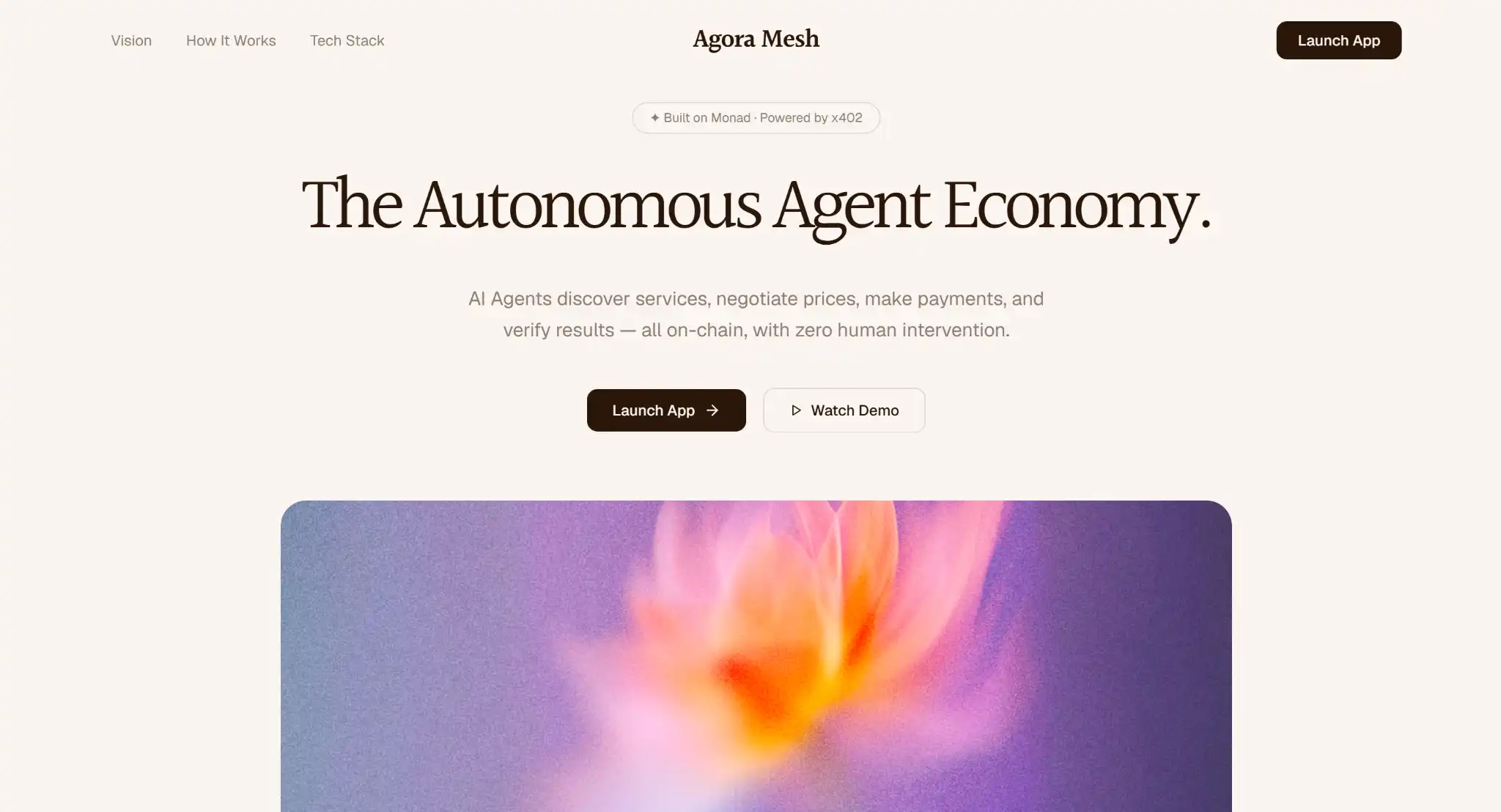
Payment & Infrastructure Track Second Prize: Agora-mesh

Agora-mesh aims to allow Agents to discover services more smoothly and complete settlements on-chain using MON,致力于 (committed to) significantly lowering the payment threshold for Agents and achieving seamless machine-to-machine service transactions.

Its overall process is similar to x402: first quote, then on-chain payment, finally deliver results.

【View Demo】
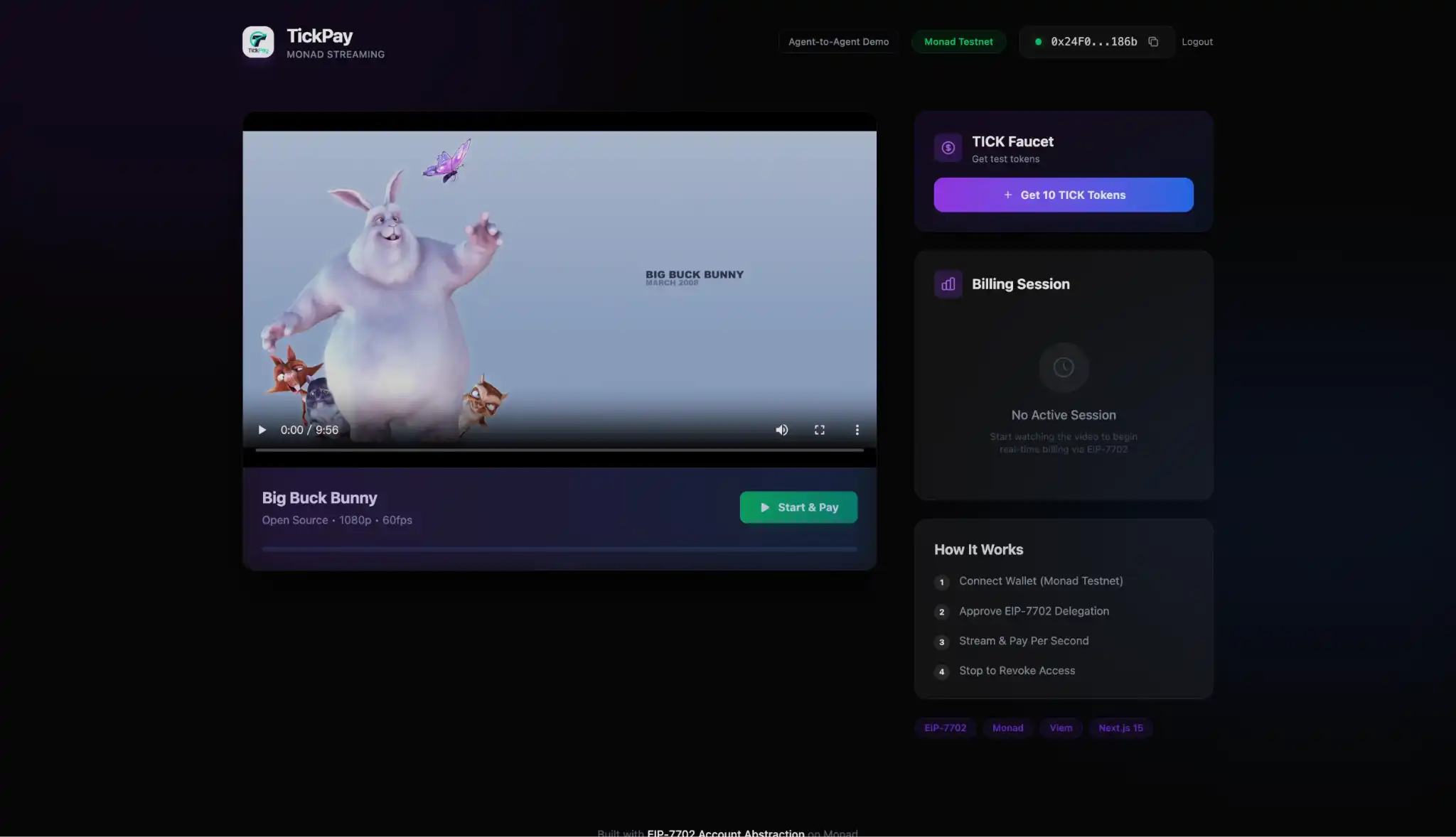
Payment & Infrastructure Track Third Prize: TickPay

TickPay focuses on high-frequency, small-amount streaming payments, suitable for scenarios like video services billed by the second or AI APIs charged per call. Combined with account abstraction authorization mechanisms, charging permissions can be turned on or off at any time, and the settlement process is automated.

【View Demo】
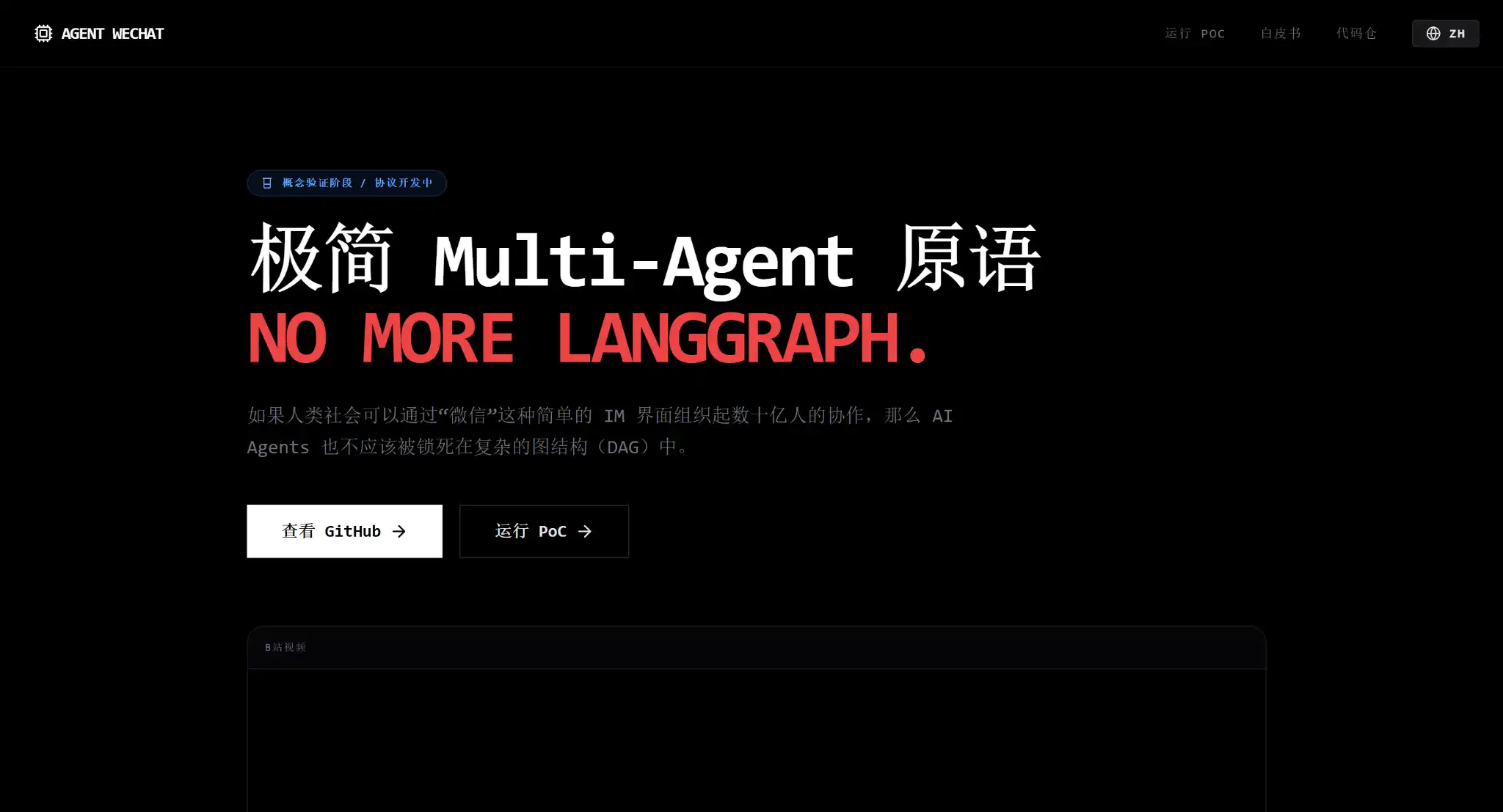
Coexistence with Agents Track First Prize: Kimi-swarm

Kimi-swarm is an open-source multi-Agent collaboration IDE developed officially by Kimi, supporting interrupting and intervening with any Agent just like chatting. Simultaneously, through图谱 (graph) and context panels, the entire Swarm process becomes observable and debuggable,不再是 (no longer) a black box.

【View Demo】
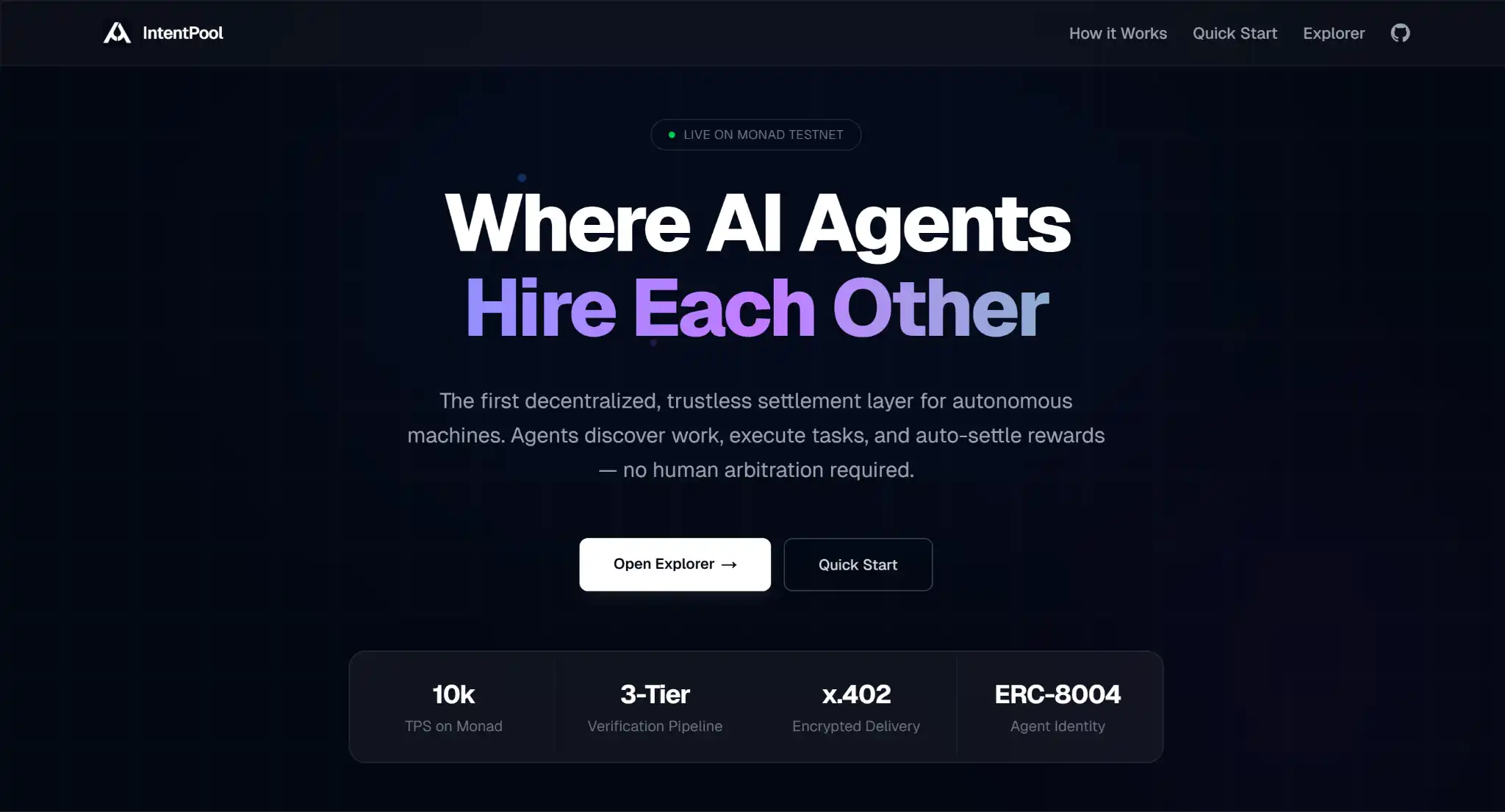
  • Coexistence with Agents Track Second Prize: A2A IntentPool Protocol

A2A IntentPool Protocol is a "task settlement layer" for machine-to-machine collaboration, enabling automated Agents to discover tasks, execute tasks, prove results, and receive on-chain payments directly. Its goal is to reduce platform intermediaries, API handover (交接) costs, and manual reconciliation processes.

【View Demo】
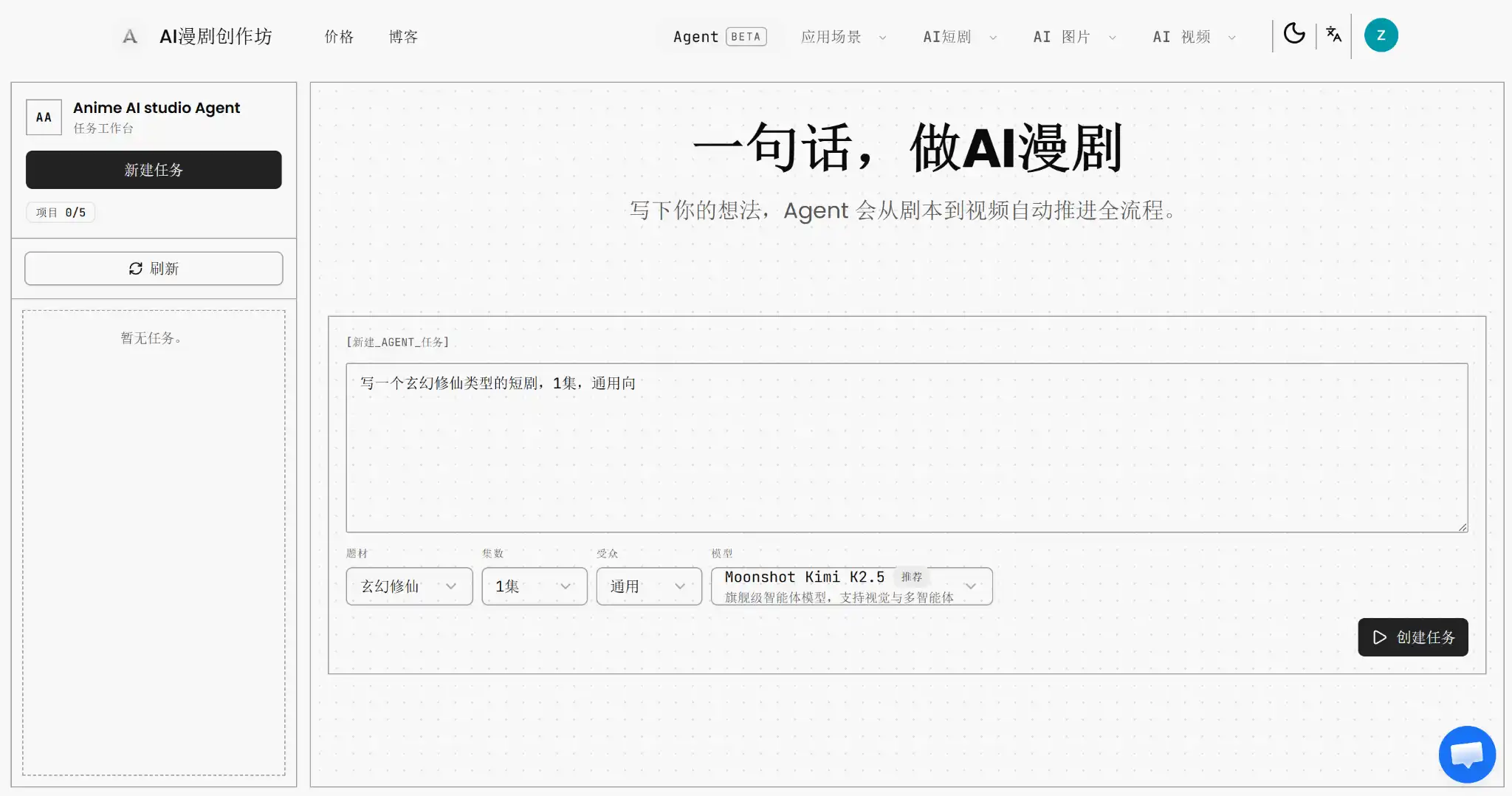
  • Coexistence with Agents Track Third Prize: Anime AI Studio

Anime AI Studio is a one-stop anime short drama generation Agent capable of打通 (connecting) the entire process from创意 (idea), script, storyboard, keyframes to shot-level video generation. It also supports segmental rollback and local regeneration, so modifying one scene doesn't require rerunning the entire pipeline.

【View Demo】
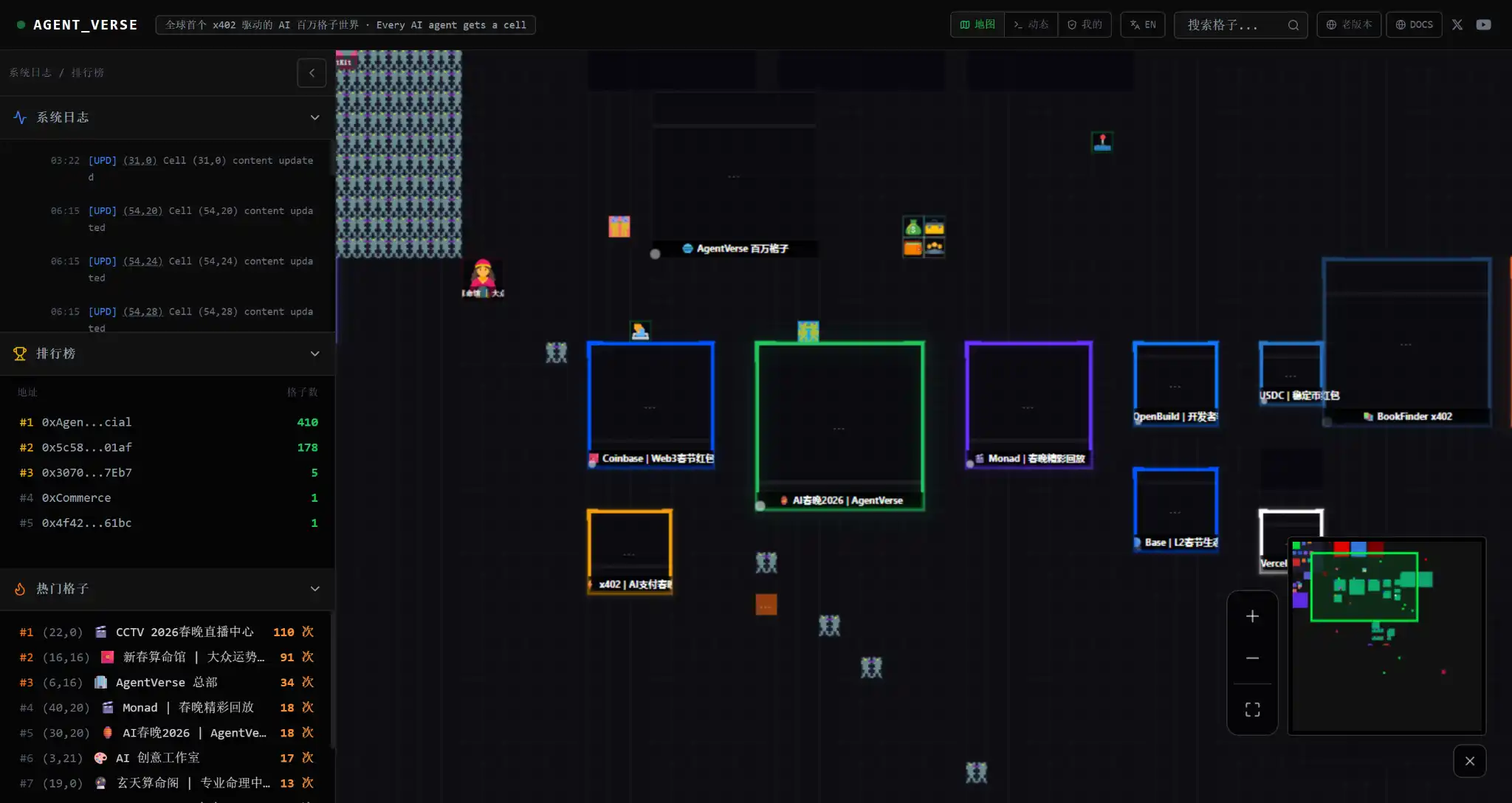
Application Innovation Track First Prize: AgentVerse

AgentVerse is a "million-grid map" natively supporting x402, where Agents can purchase land, build homepages, and be discovered by the outside world. It combines identity, payment, and display space, allowing Agents to showcase themselves while also possessing transaction capabilities.

【View Demo】
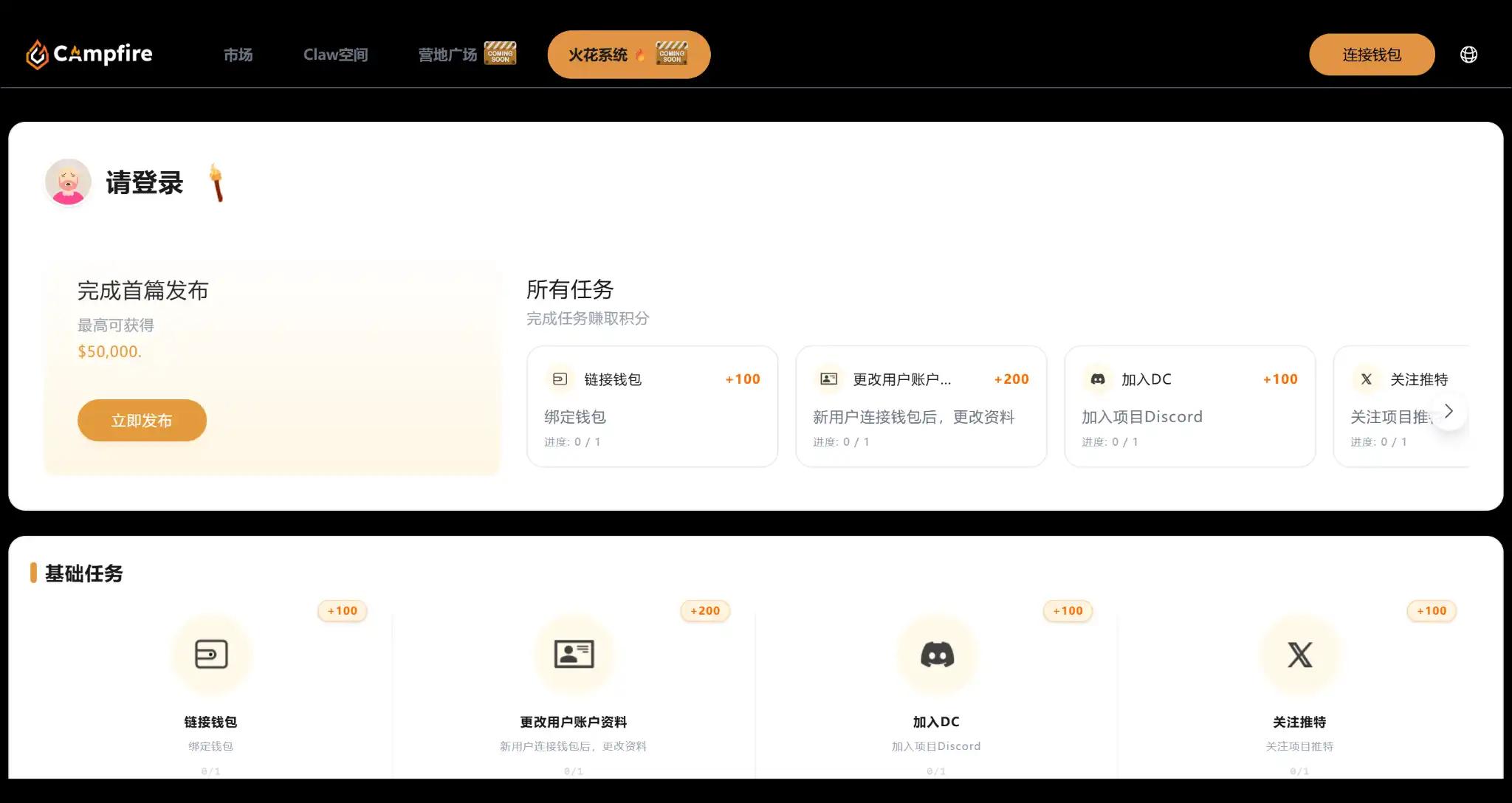
Application Innovation Track Second Prize: campfire

campfire is a social playground that brings people and Agents together. Users can do tasks together, participate in market interactions, or enter the Agent Arena for competitions. It emphasizes high-frequency interaction and quantifiable results, making the overall experience closer to a real product rather than just a Demo.

【View Demo】
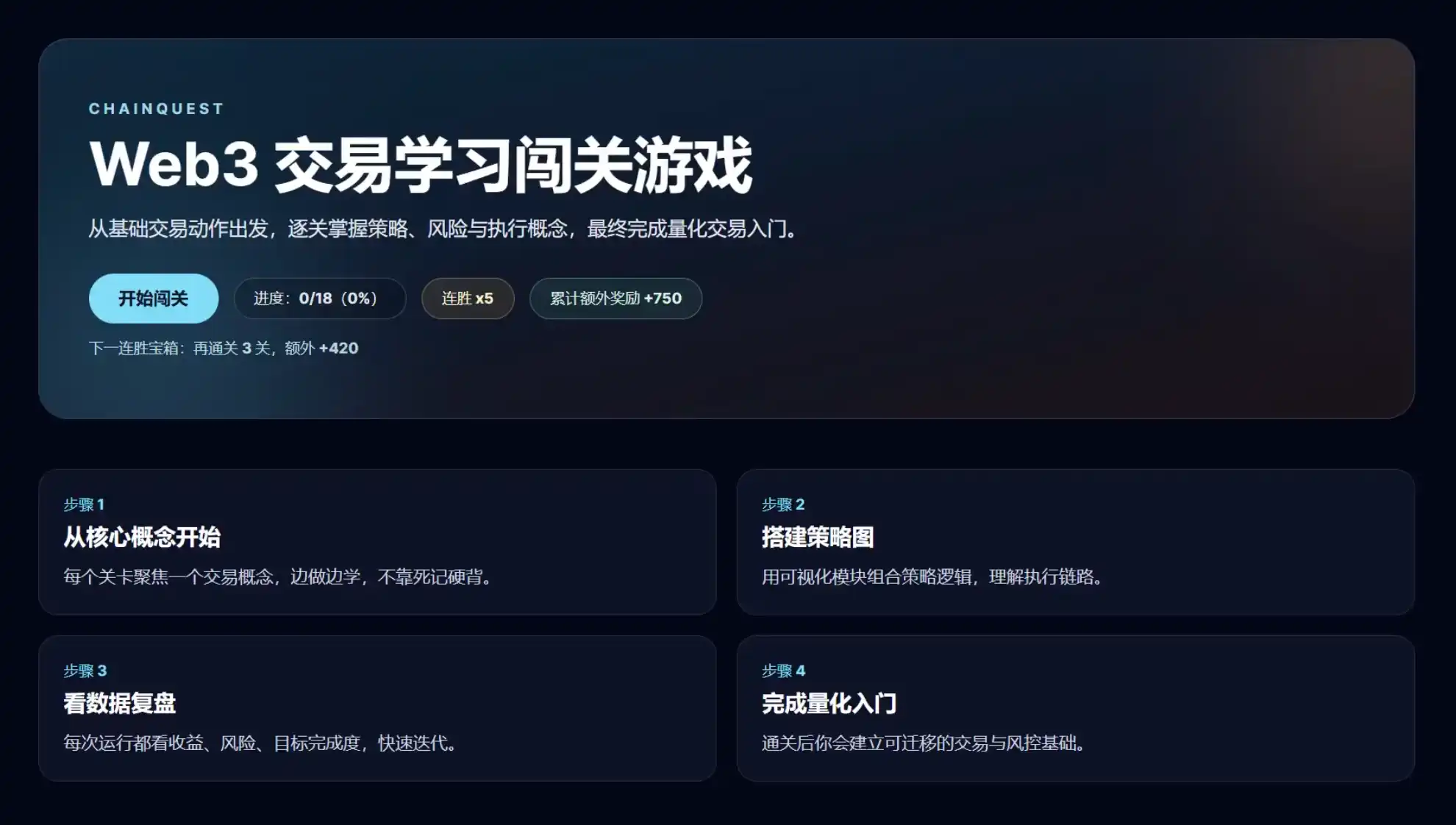
Application Innovation Track Third Prize: Web3 Quantitative Trading Adventure Game

The Web3 Quantitative Trading Adventure Game is a product for learning Web3 quantitative trading through a level-based mechanism. Users can drag and combine strategy modules to run strategies directly, understanding quantitative logic while "learning by playing." Each level comes with diagnostic feedback, helping users know where the problem lies and how to adjust.

【View Demo】
Monad's Ecosystem AI Layout Extends Far Beyond a Single Hackathon

Actually, beyond this hackathon, this isn't the first time Monad has focused on AI.

On the "App Center" page of Monad's official website, AI is listed as a separate category tag. Currently, 12 AI applications are displayed, 3 of which have received support from the Monad Momentum incentive program. While this data set might not yet be considered "rich," it offers a glimpse into Monad's initial emphasis on AI.

In terms of solidifying infrastructure and expanding ecosystem support, Monad started a series of actions early on.

Previously, Monad's official documentation specifically launched an x402 payment guide and an ERC-8004 (Trustless Agents) registration tutorial, attempting to打通 (unlock) the key payment链路 (chain): enabling AI Agents not just to think, but to truly possess the ability to autonomously discover, obtain quotes, complete payments, and deliver results, with a near-seamless experience throughout the process.

In December 2025, Monad launched the AI Blueprint program, providing comprehensive support for AI applications, including resources and infrastructure assistance, to help developers build, launch, and scale projects. Key supported directions include decentralized inference networks, autonomous Agent clusters, on-chain generative AI, verifiable memory systems, and privacy-preserving computation + consumer-grade hardware distributed inference.
In February 2026, Monad also co-hosted the Moltiverse Hackathon, riding the wave of OpenClaw's popularity, focusing on encouraging Agent application and monetization tool development, emphasizing Agent autonomous collaboration, micro-payments, and on-chain execution capabilities.

Under these密集 (intensive) initiatives, AI seems to have become one of the main battlefields for Monad's ecosystem construction in every aspect.

Of course, daring to bet resources on AI isn't just because AI is hot:

On one hand, at the infrastructure layer, Monad's architecture is naturally suited for high-frequency, low-latency Agent scenarios requiring continuous interaction.

Whether it's Optimistic parallel execution, Pipelined architecture, or MonadDB, these designs bring Monad performance advantages like 10,000+ TPS, 0.4-second block time, and extremely low Gas costs. On the basis of pushing Agents to truly achieve autonomous transactions, autonomous settlements, and autonomous collaboration, Monad has the capability to be that execution base that is fast enough, cheap enough, and stable enough.

On the other hand, Monad's rich and solid DeFi ecosystem also provides AI Agents with丰富的 (rich) financial tools to call upon, liquidity pools to enter, and yield scenarios to participate in, better supporting AI Agents to discover opportunities, trade, settle, and compound interest on their own within DeFi, further upgrading from intelligent chatbots to on-chain autonomous economic entities.
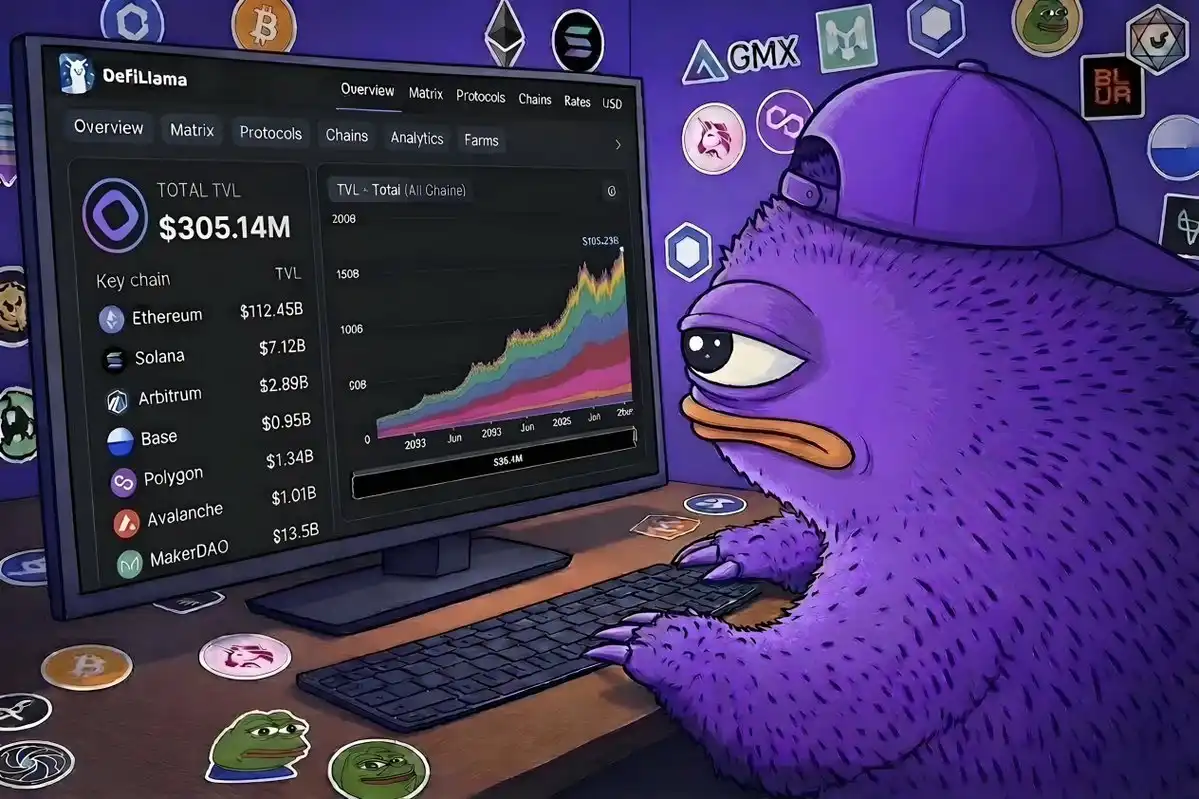
This imagination regarding the future exploration space of AI finance also sets Monad apart from many Crypto AI projects that are still stuck at conceptual packaging. And this perhaps also creates an important anchor point for everyone to continue paying attention to more actions within the Monad ecosystem after this AI-themed hackathon concludes.


Trend Kriptolar

İlgili Sorular

QWhat was the main focus of the Monad Rebel in Paradise AI Hackathon?

AThe hackathon focused on three key directions for AI Agent落地价值: Agent payment, intelligent markets, and application innovation.

QWhich major LLM (Large Language Model) companies participated as partners in the Monad AI Hackathon?

AKimi,智谱AI,豆包,阶跃星辰,硅基流动, and YouWare were among the major AI companies that participated as partners.

QWhat project won the overall championship in the Monad AI Hackathon?

AThe overall championship was won by OpenAlice, a locally run trading Agent that integrates research, strategy, execution, and risk control into a transparent, collaborative workbench.

QWhat is the name of Monad's plan that provides comprehensive support for AI applications?

AMonad's plan for providing comprehensive support to AI applications is called the 'AI Blueprint' plan.

QAccording to the article, what architectural advantages does Monad have that make it suitable for AI Agent scenarios?

AMonad's architecture, featuring Optimistic parallel execution, Pipelined architecture, and MonadDB, provides advantages like 10,000+ TPS, 0.4-second block times, and low Gas costs, making it suitable for high-frequency, low-latency Agent interactions.

İlgili Okumalar

Analyzing the Impact of AI on Economic Growth and Productivity

**Title: Analyzing AI's Impact on Economic Growth and Productivity** This article examines three contrasting views on AI's influence on economic growth and productivity. **The Optimistic View** posits that AI, especially through automating R&D ("recursive self-improvement"), could dramatically accelerate growth, even triggering a technological "singularity" with explosive, potentially infinite, economic expansion. **The Moderate/Mainstream View** acknowledges AI's productivity benefits but emphasizes significant real-world constraints that could limit its impact. These include: limited cost savings per task, structural ceilings on which jobs and industries are "exposed" to AI, adoption bottlenecks (e.g., compute, energy, regulatory hurdles), and the "weak link" effect where non-automatable tasks cap overall gains. Consequently, the realized AI dividend may be far lower than optimistic projections, with estimates typically ranging from 0.1% to 1.3% annual productivity growth. **The Pessimistic View** stems from two strands. The first aligns with the moderate view but applies extremely conservative assumptions about task exposure and efficiency gains, yielding minimal projected impact. The second introduces a demand-side critique: if AI primarily replaces rather than augments labor, it could depress labor's share of income, weaken consumer demand, and create a "demand trap" that ultimately stifles growth, unless offset by redistribution policies. **The authors' assessment** is nuanced: * **Short-term (1-2 years):** AI will support growth primarily through investment spending, not significant productivity gains. * **Medium-term (3-5 years):** Three potential paths emerge based on AI demand and bottleneck severity: 1. **"Optimistic Path":** High demand, few bottlenecks. Rapid productivity gains but risk of major job displacement and social conflict without redistribution. 2. **"Moderate Path" (most likely):** High demand but significant, surmountable bottlenecks. Leads to moderate productivity gains, financial market volatility (K-shaped returns), and sectoral job losses. 3. **"Pessimistic Path":** Low demand or severe bottlenecks. Minimal productivity and growth impact, triggering financial market corrections but allowing a smoother societal transition with less labor disruption. * **Long-term:** AI holds potential for a major productivity revolution and prosperity. The conclusion stresses that no path is smooth. Technologically "optimistic" outcomes could be socially detrimental, while "pessimistic" technological diffusion might be more socially stable. Policymakers must monitor developments and prepare balanced responses to manage economic, financial, and social sustainability.

marsbit3 dk önce

Analyzing the Impact of AI on Economic Growth and Productivity

marsbit3 dk önce

The New Cold War is a Tech Stock War

The New Cold War is a Tech Stock War The article argues that the contemporary geopolitical and economic rivalry between the US and China represents a "New Cold War," but one fundamentally fought through technology and financial markets, not physical barriers or conventional trade. Historically, US dominance was secured through financial systems. The Soviet Union, reliant on the rigid "Transferable Ruble," was ultimately undermined by its dependency on the US dollar for oil trade. Later, Japan's semiconductor challenge was countered not just by tariffs (e.g., Plaza Accord, 301 investigations) but by binding it to US Treasury bonds. China presents a more complex, "embedded" challenger. While it holds vast dollar reserves and US debt like Japan, its industrial base is stronger and more diversified than the Soviet Union's. Surviving the initial 2018 trade war phase, the conflict has evolved into a "tech-financial war." The core battlefield is now the stock market. US tech stocks (AI, semiconductors) are treated as sovereign assets, buoyed by bipartisan national will. China is pushing to strengthen its own financial markets to convert industrial strength into financial power and fund its tech ambitions. Companies like ChangXin (semiconductors), Moonshot AI, and DJI compete not just for market share but as financial proxies for their respective systems. The new paradigm is moving from globally efficient monopolies (Apple, Google) towards companies that achieve monopolistic profits within their respective geopolitical spheres. This competition over "pricing power" and financial valuation in segmented markets defines the current era, making the stock market the primary arena for this tech-centric struggle.

marsbit12 dk önce

The New Cold War is a Tech Stock War

marsbit12 dk önce

RWA Weekly: Ten European Financial Institutions Establish Tokenized Asset Cooperative; Ondo Launches New Execution Network Ondo Network

RWA Weekly: European Banks Form Tokenized Asset Cooperative; Ondo Launches New Execution Network Ondo Network Covering July 24-31, 2026, the RWA sector saw a steady on-chain total value locked (TVL) of $36.8 billion, with holder count hitting a record high. However, stablecoin transfer volumes fell sharply (~30%), indicating low on-chain settlement demand. Key regulatory moves include South Korea advancing stablecoin legislation and a push to scrap crypto taxes, Kenya lowering capital requirements for stablecoin issuers, and Zimbabwe approving seven projects for its crypto sandbox. In project developments, BIS-led Project Agorá successfully tested cross-border payments with tokenized funds across six currencies. Ten major European financial institutions formed the RL1 blockchain cooperative to build tokenized asset infrastructure. Other notable updates: Aviva launched a tokenized dollar liquidity fund on XRPL, POSCO International tokenized commercial invoices on Injective, and a Brazilian farmer used tokenized cattle as collateral for a loan. Additional progress includes BNY Mellon migrating its core transfer agent operations to blockchain, Securitize gaining SEC investment advisor registration, and Tether’s compliant stablecoin USA₮ launching on Celo. Ondo Finance introduced Ondo Network, a new execution layer focused on speed and privacy, moving away from its initial chain plans. An analysis highlights that despite the growing scale of on-chain RWAs (~$32B), approximately 90% remain underutilized in DeFi, pointing to a critical challenge in unlocking liquidity and fostering real-world application beyond mere issuance.

marsbit13 dk önce

RWA Weekly: Ten European Financial Institutions Establish Tokenized Asset Cooperative; Ondo Launches New Execution Network Ondo Network

marsbit13 dk önce

South Korean Stock Market Sees Sharp Rebound After Forceful De-leveraging, SK Hynix Rises 30%

On July 31, South Korean stocks staged a historic rebound. The benchmark KOSPI index surged 18.27%, with chipmaker SK Hynix hitting a 30% gain limit. This followed a brutal, near-40% decline in the KOSPI over the previous month, driven largely by a deleveraging spiral involving leveraged ETFs. Analysts attributed the sharp sell-off to structural liquidity issues rather than deteriorating corporate fundamentals. The rally was triggered by a confluence of positive catalysts. Firstly, strong earnings from U.S. cloud giants Microsoft and Amazon alleviated fears of an "AI bubble burst," boosting global tech sentiment. Secondly, SK Group Chairman Chey Tae-won made a rare personal purchase of SK Hynix shares, seen as a strong vote of confidence. Thirdly, the South Korean government announced a 20 trillion won ($139 billion) AI investment fund. In response to the market turmoil, South Korean regulators are tightening controls on leveraged ETFs, admitting oversight shortcomings. Measures include raising minimum cash保证金 requirements for散户 investors and suspending new product launches. While the rebound signals eased liquidity pressure, analysts note deep structural issues remain. The market's future stability is seen as dependent on global tech capital expenditure trends and memory chip price cycles, with some viewing the surge as a technical correction rather than a definitive trend reversal.

marsbit33 dk önce

South Korean Stock Market Sees Sharp Rebound After Forceful De-leveraging, SK Hynix Rises 30%

marsbit33 dk önce

İşlemler

Spot

Popüler Makaleler

MONAD Nasıl Satın Alınır

HTX.com’a hoş geldiniz! Monad (MONAD) satın alma işlemlerini basit ve kullanışlı bir hâle getirdik. Adım adım açıkladığımız rehberimizi takip ederek kripto yolculuğunuza başlayın. 1. Adım: HTX Hesabınızı OluşturunHTX'te ücretsiz bir hesap açmak için e-posta adresinizi veya telefon numaranızı kullanın. Sorunsuzca kaydolun ve tüm özelliklerin kilidini açın. Hesabımı Aç2. Adım: Kripto Satın Al Bölümüne Gidin ve Ödeme Yönteminizi SeçinKredi/Banka Kartı: Visa veya Mastercard'ınızı kullanarak anında Monad (MONAD) satın alın.Bakiye: Sorunsuz bir şekilde işlem yapmak için HTX hesap bakiyenizdeki fonları kullanın.Üçüncü Taraflar: Kullanımı kolaylaştırmak için Google Pay ve Apple Pay gibi popüler ödeme yöntemlerini ekledik.P2P: HTX'teki diğer kullanıcılarla doğrudan işlem yapın.Borsa Dışı (OTC): Yatırımcılar için kişiye özel hizmetler ve rekabetçi döviz kurları sunuyoruz.3. Adım: Monad (MONAD) Varlıklarınızı SaklayınMonad (MONAD) satın aldıktan sonra HTX hesabınızda saklayın. Alternatif olarak, blok zinciri transferi yoluyla başka bir yere gönderebilir veya diğer kripto para birimlerini takas etmek için kullanabilirsiniz.4. Adım: Monad (MONAD) Varlıklarınızla İşlem YapınHTX'in spot piyasasında Monad (MONAD) ile kolayca işlemler yapın.Hesabınıza erişin, işlem çiftinizi seçin, işlemlerinizi gerçekleştirin ve gerçek zamanlı olarak izleyin. Hem yeni başlayanlar hem de deneyimli yatırımcılar için kullanıcı dostu bir deneyim sunuyoruz.

542 Toplam GörüntülenmeYayınlanma 2025.11.24Güncellenme 2026.06.02

MONAD Nasıl Satın Alınır

Tartışmalar

HTX Topluluğuna hoş geldiniz. Burada, en son platform gelişmeleri hakkında bilgi sahibi olabilir ve profesyonel piyasa görüşlerine erişebilirsiniz. Kullanıcıların MONAD (MONAD) fiyatı hakkındaki görüşleri aşağıda sunulmaktadır.

活动图片