Juliana Stratton Defeats Crypto-Backed Krishnamoorthi in Illinois Senate Primary

TheNewsCrypto2026-03-18 tarihinde yayınlandı2026-03-18 tarihinde güncellendi

Özet

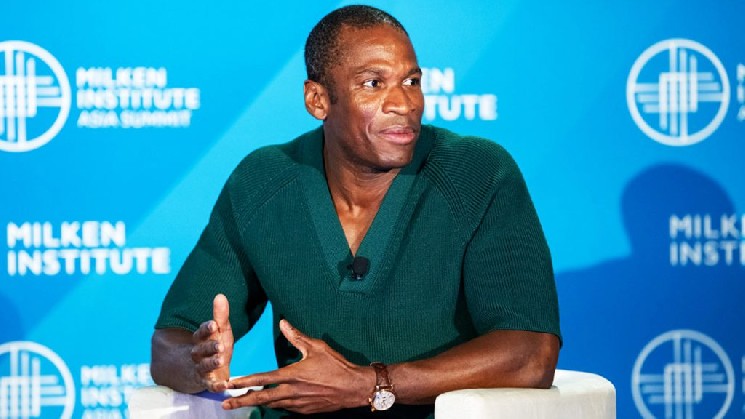
Illinois Lieutenant Governor Juliana Stratton won the Democratic primary for the U.S. Senate, defeating Representative Raja Krishnamoorthi, who had significant financial backing from crypto-related groups. The super PAC Fairshake, among others, contributed nearly $10 million to Krishnamoorthi’s campaign, largely funding attack ads against Stratton. Stratton, strongly endorsed by Governor JB Pritzker, criticized her opponent’s support from “MAGA-backed crypto bros” and received an "F" rating from crypto advocacy groups due to her lack of support for cryptocurrency legislation. The race highlights the growing influence of crypto funding in U.S. political campaigns. Stratton is favored to win the general election against Republican Don Tracy in the solidly Democratic state.

Illinois Lieutenant Governor Juliana Stratton will become the state’s next Senator after she won the Democratic primary Tuesday night and defeated Representative Raja Krishnamoorthi. Senator Dick Durbin brought the race into the national spotlight when he announced his retirement, creating a competitive political environment. Illinois Governor JB Pritzker strongly backed Stratton by supporting her campaign through donations and endorsements.

According to The Washington Post, Krishnamoorthi had entered the race with substantial backing from crypto-related groups, including the super PAC organization Fairshake. Reports indicated that Fairshake and other related entities contributed nearly ten million dollars to his campaign. However, Fairshake directed much of its spending toward advertisements attacking Stratton rather than promoting Krishnamoorthi directly.

Crypto Funding Influence and Campaign Strategies

The strategy indicates a broader approach that groups used during the 2024 election cycle in other competitive political races. Stand With Crypto, a Coinbase-backed advocacy group, rates candidates based on their stances on cryptocurrency-related issues and developments. Stratton received an “F” rating based on her statement that mentioned her opponent’s support coming from “MAGA-backed crypto bros.” She also failed to support any legislation related to cryptocurrencies and failed to provide detailed policy positions.

Fairshake’s spokesperson, Geoff Vetter, issued a statement that congratulated various pro-crypto candidates on their victories in other contests across the country. He said, “We congratulate pro-crypto leaders like Donna Miller, Melissa Bean, and Rep. Nikki Budzinski.” Vetter went on to say that Fairshake is still dedicated to supporting candidates who align with innovation and policies across America. He said that voters chose more pro-crypto representatives, but that they will continue with their efforts.

Crypto Influence Expands in U.S. Election Campaigns

The Illinois Senate race has been given a rating of “Solid Democratic” by the Cook Political Report. This indicates that Democrats enjoy wide support across the state. The analysts predict that Stratton will enjoy an advantage going into the general election, which is scheduled for later this year against Republican candidate Don Tracy. This is an example of how cryptocurrency funding is being linked with politics.

The finding also serves as a reminder that cryptocurrency-based funding continues to play a significant role in shaping contemporary political campaigns. As the general election draws near, there is much interest in how cryptocurrency policy stances will change as more cryptocurrency players enter U.S. politics.

Highlighted Crypto News
CoinSwitch Launches Digivault to Address Growing Demand for Crypto Custody


TagsBlockchainCoinbasecrypto politicsCryptocurrencySenatorU.S Senate

İlgili Sorular

QWho won the Illinois Democratic Senate primary and who did they defeat?

AJuliana Stratton won the Illinois Democratic Senate primary and defeated Representative Raja Krishnamoorthi.

QWhat was the name of the super PAC that supported Krishnamoorthi and what was its strategy?

AThe super PAC was called Fairshake. Its strategy involved spending heavily on advertisements attacking Juliana Stratton rather than directly promoting Krishnamoorthi.

QWhy did Juliana Stratton receive an 'F' rating from the crypto advocacy group Stand With Crypto?

AShe received an 'F' rating because she failed to support any cryptocurrency-related legislation, did not provide detailed policy positions on the issue, and referred to her opponent's supporters as 'MAGA-backed crypto bros'.

QWhat is the Cook Political Report's rating for the Illinois Senate race and what does it indicate?

AThe Cook Political Report rates the Illinois Senate race as 'Solid Democratic,' which indicates that Democrats enjoy wide support across the state and that Stratton is predicted to have an advantage in the general election.

QAccording to the article, what is the broader significance of the funding in this primary race?

AIt is an example of how cryptocurrency funding is becoming linked with politics and continues to play a significant role in shaping contemporary political campaigns in the U.S.

İlgili Okumalar

Goldman Sachs: July Smashes Through Crowded Trades, U.S. Stock Bull Market Not Broken but Harder to Navigate

Goldman Sachs: July Sees Crowded Trades Unwound, U.S. Bull Market Intact but Getting Tougher. The U.S. stock market in July did not see an index-level crash, but rather a significant unwinding of speculative positions. While the S&P 500 remained stable—trading within a narrow 3.5% range and staying within 2% of its high—underlying market dynamics were volatile. Heavily crowded trades, particularly in high-momentum tech, AI-linked stocks, and Asian strategies, faced severe pressure and forced deleveraging. Data indicates this was a meaningful cleanse, not a minor adjustment. Global tech exposure saw its largest sell-off in over five years, leverage in Korean equity ETFs plummeted, and Goldman's prime brokerage recorded the largest gross exposure reduction since late 2022. Leverage on momentum factors among fundamental long/short clients fell to the 28th percentile of its one-year range. The AI trade narrative shifted from pure potential to a focus on tangible returns. While Meta failed to show clear AI monetization, Microsoft and Amazon provided evidence that massive capital expenditure is translating into scalable revenue and product growth, preventing a blanket sell-off of the AI sector. The Federal Reserve's more opaque communication style and volatility in long-end Treasury yields have introduced new friction, particularly for rate-sensitive growth and tech stocks. The broader outlook for U.S. equities remains favorable, supported by a strong economy, robust earnings, and substantial AI capital expenditure. However, risk/reward is no longer cheap, and the market's upward elasticity has weakened. The Nasdaq 100's trajectory—up 12% year-to-date despite significant pullbacks—illustrates that the bull trend persists but the path is becoming more difficult. The key lesson from July is that the market no longer rewards crowded, highly leveraged trades, requiring more disciplined and liquid portfolio approaches.

marsbit3 saat önce

Goldman Sachs: July Smashes Through Crowded Trades, U.S. Stock Bull Market Not Broken but Harder to Navigate

marsbit3 saat önce

İşlemler

Spot
活动图片